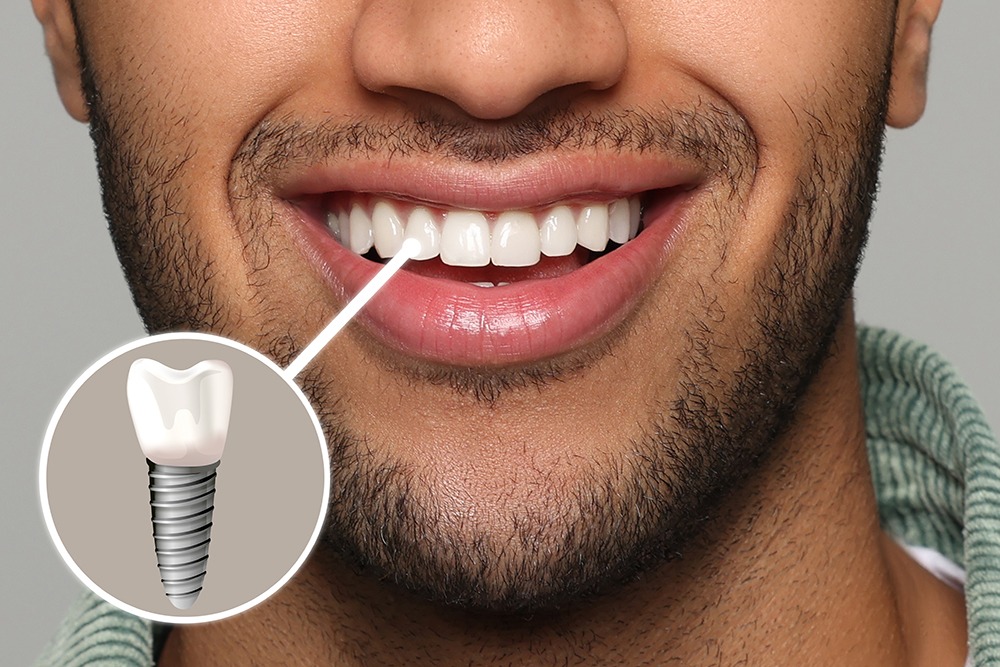
Dental emergencies can happen at any time, and knowing when to seek immediate care can save your teeth, relieve pain, and prevent complications. Emergency dental care is not just for accidents—it is essential for sudden pain, trauma, or infections that require urgent attention. Understanding the signs of a dental emergency and having access to emergency dental care 24 7 ensures timely treatment and better outcomes.
Dental emergencies can happen at any time, and knowing when to seek immediate care can save your teeth, relieve pain, and prevent complications. Emergency dental care is not just for accidents—it is essential for sudden pain, trauma, or infections that require urgent attention. Understanding the signs of a dental emergency and having access to emergency dental care 24 7 ensures timely treatment and better outcomes.
Not all dental problems require urgent attention, but some situations demand immediate intervention. Common dental emergencies include:
Severe Toothache
Persistent and severe tooth pain can indicate infections, cavities, or abscesses. Ignoring the pain may worsen the condition. Seek emergency dental care if the pain is intense or accompanied by swelling.
Knocked-Out Tooth
A tooth knocked out due to injury requires immediate attention. Quick action may allow the dentist to reimplant the tooth successfully.
Broken or Chipped Tooth
A fractured tooth can cause pain and sensitivity. Immediate dental care helps prevent infection and preserves the tooth.
Lost Filling or Crown
While it may not seem urgent, a lost filling or crown can expose the tooth to decay or damage. Visiting a dentist promptly can prevent further problems.
Abscess or Swelling
Dental abscesses are infections that can spread rapidly. Swelling, fever, or pus are signs you need emergency dental care 24 7.
Bleeding Gums or Mouth Injuries
Heavy bleeding from gums or trauma to the mouth needs immediate evaluation to prevent serious complications.
Delaying dental treatment can lead to severe consequences, including:
Permanent Tooth Loss
Spread of Infection
Intense Pain and Discomfort
Increased Treatment Costs
While waiting for professional care, you can take steps to manage pain and prevent further damage:
Toothache: Rinse your mouth with warm water. Use dental floss to remove trapped food. Avoid placing aspirin on the tooth as it can burn gum tissue.
Knocked-Out Tooth: Hold the tooth by the crown, rinse it gently, and place it in milk or saliva. Avoid scrubbing the root.
Broken Tooth: Rinse your mouth with warm water and use a cold compress to reduce swelling.
Bleeding: Apply gentle pressure with a clean cloth or gauze.
When searching for urgent care, consider the following:
Availability: Look for a clinic that offers emergency dental care 24 7. Dental problems do not follow a schedule.
Experienced Dentists: Choose a clinic with trained professionals experienced in handling dental emergencies.
Modern Equipment: Clinics with advanced tools ensure faster diagnosis and effective treatment.
Patient Reviews: Online reviews help gauge the clinic’s reliability and quality of care.
Emergency dental care may involve a variety of procedures depending on the situation:
Root Canal Treatment: For infected or abscessed teeth.
Tooth Reimplantation: For knocked-out teeth.
Dental Crowns or Fillings: For fractured or decayed teeth.
Tooth Extraction: For severely damaged teeth that cannot be saved.
Treatment of Oral Injuries: For trauma-related cases, including lacerations or jaw injuries.
While accidents are unpredictable, some dental emergencies can be prevented with proper care:
Maintain regular dental check-ups.
Practice good oral hygiene—brush twice daily and floss.
Wear a mouthguard during sports or high-risk activities.
Avoid chewing hard objects like ice or pens.
You should seek immediate dental attention if you experience:
Severe or persistent tooth pain
Knocked-out or fractured tooth
Swelling or signs of infection
Heavy bleeding from the mouth
Trauma to the jaw or soft tissues
Dental emergencies can strike without warning, and knowing how to respond is crucial. Timely access to emergency dental care and having clinics available 24 7 ensures that patients receive the right treatment without delay. Whether it’s severe pain, a knocked-out tooth, or a sudden infection, seeking immediate dental care can save your teeth and protect your oral health. Always remember: early intervention is key to preventing long-term damage.














.jpg "myths and facts about dental implants")





























![affordable dental implant treatment in [pune] with emi options](/img/BlogImages/affordable dental implant treatment in [pune] with emi options.jpg "affordable dental implant treatment in [pune] with emi options")


.jpg "dental implant full mouth rehabilitation")











.jpg "foods for rapid recovery after dental implant surgery")





.jpg "dental implant")

.jpg "dental implant")
.jpg "dental implant")

.jpg "dental implants")
.jpg "dental implants")




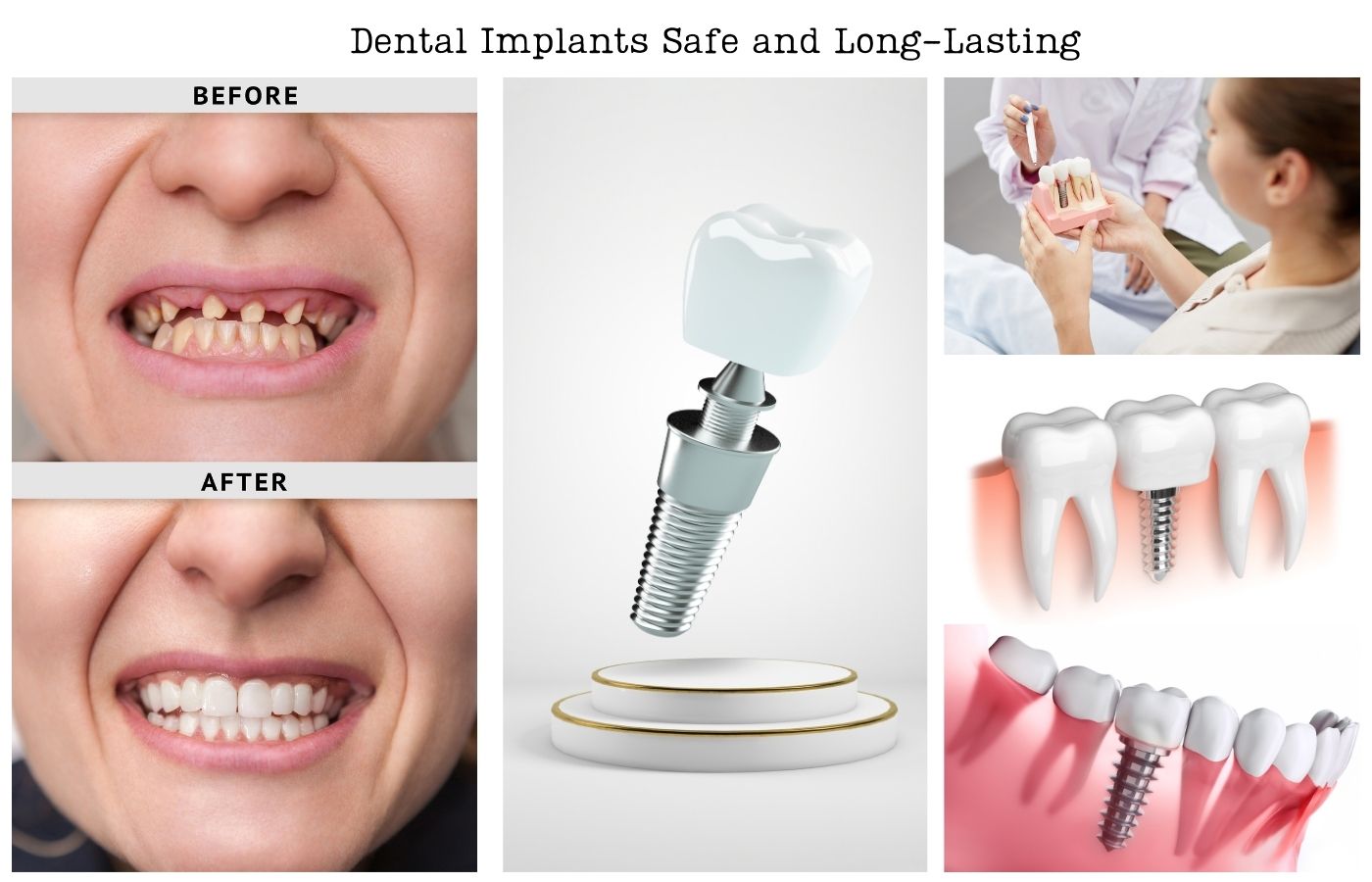
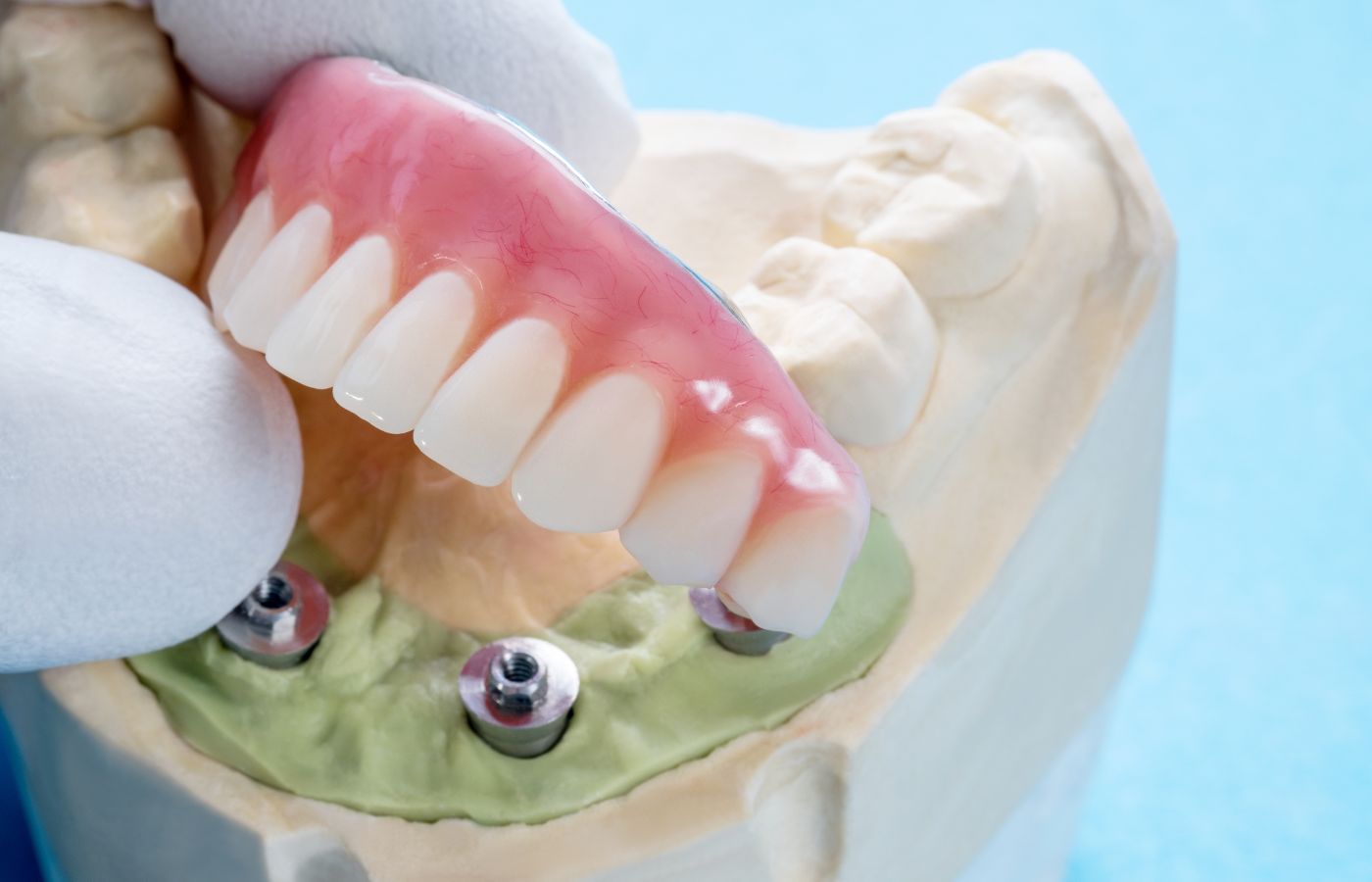
.jpg "Dental Implants Help Repair Broken")
.jpg "Know About Dental Implants")
.jpg "Major Types of Dental Implants")
 (1).jpg "Affordable Dental Implants in India")
 (1).jpg "Dental Implants with Pre-existing Conditions")