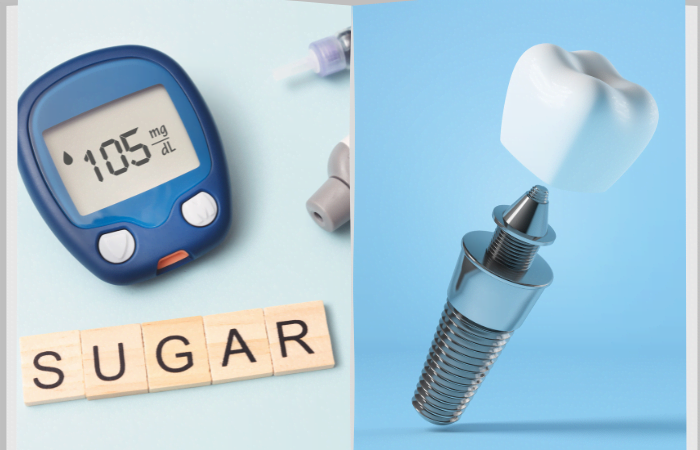
Living with diabetes doesn’t mean you have to live with missing teeth or uncomfortable dentures. Modern dentistry has made significant strides, offering safe and affordable dental implants for diabetics in Mumbai. At Diagnopein, we specialize in providing accessible, high-quality implant solutions tailored for patients managing diabetes. If you’re searching for dental implants near me, this guide will help you understand the benefits, costs, and options available.
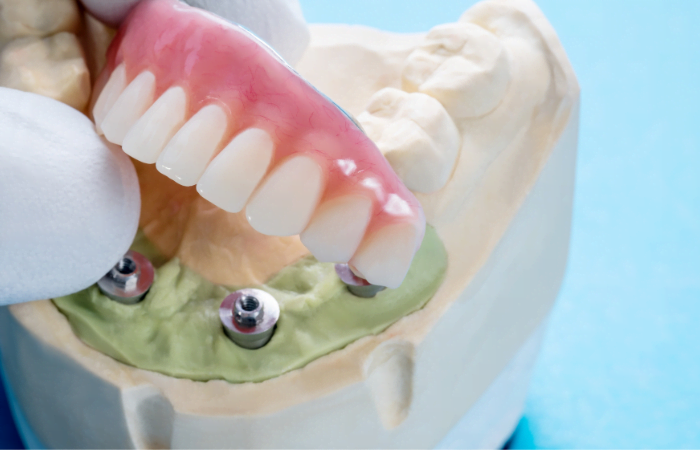
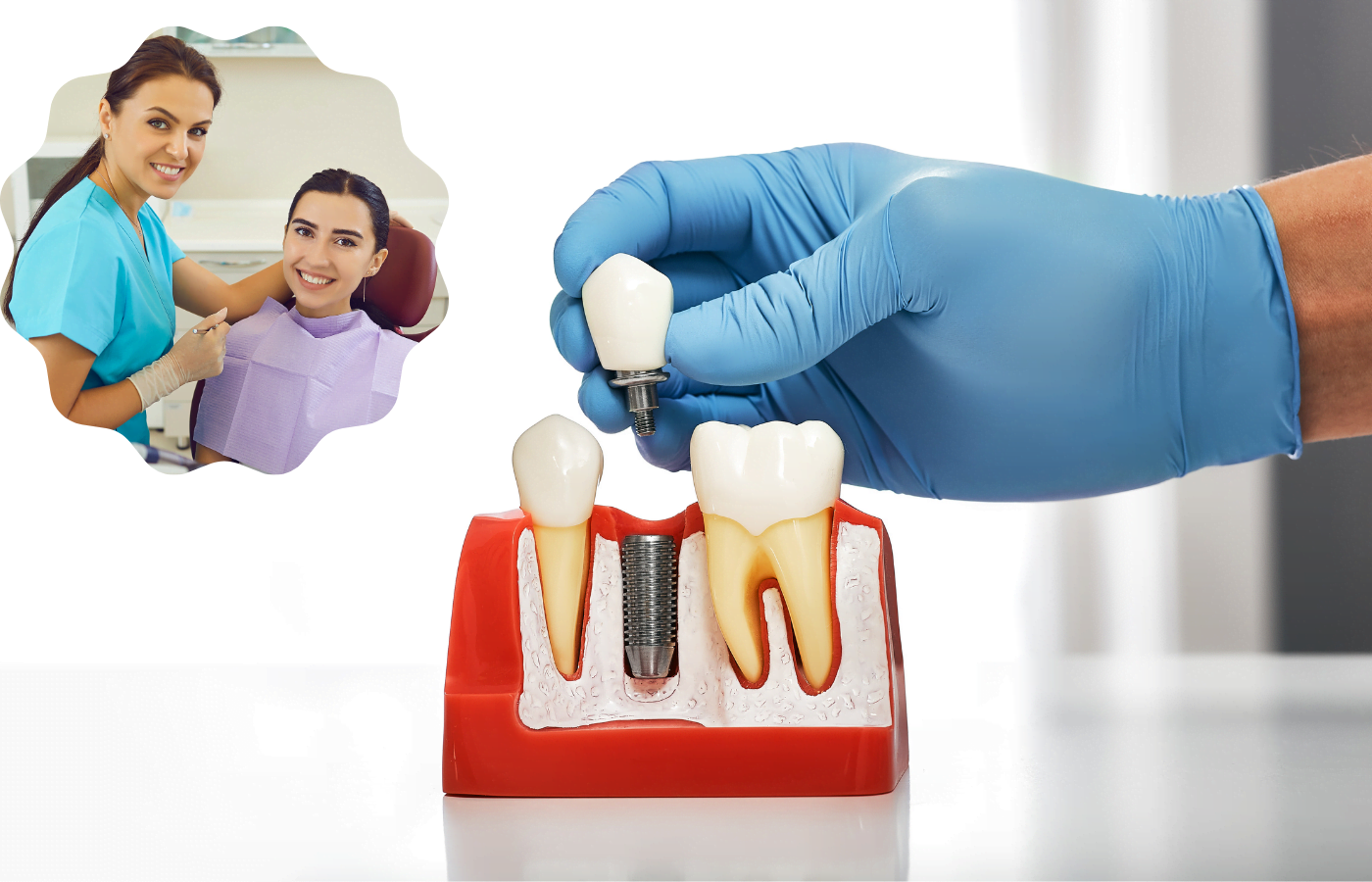
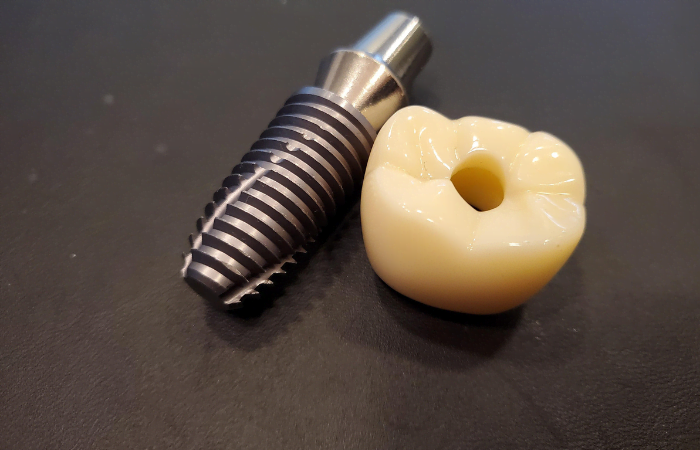
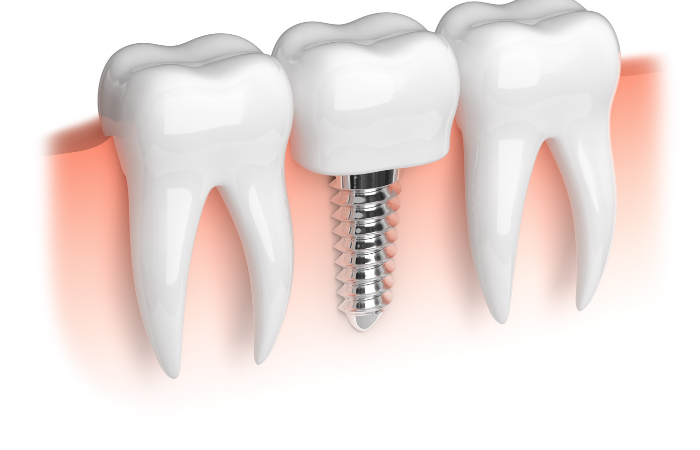
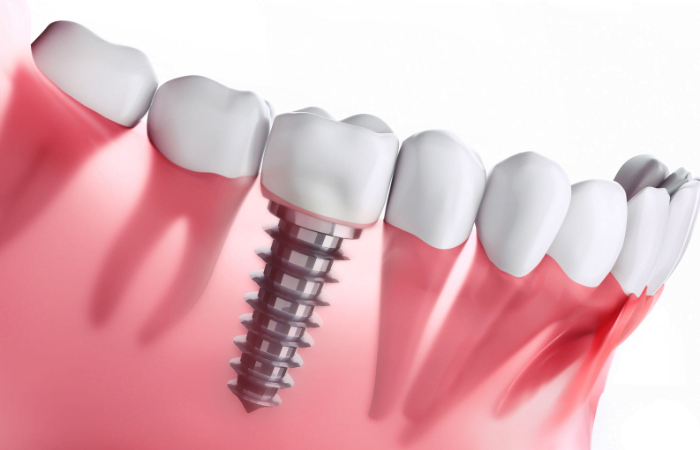
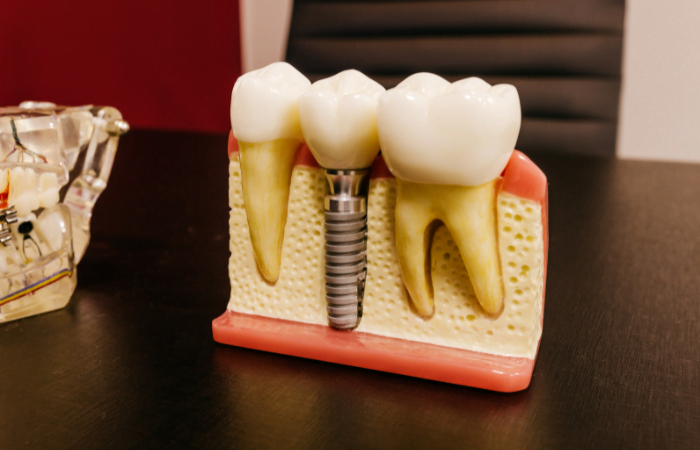
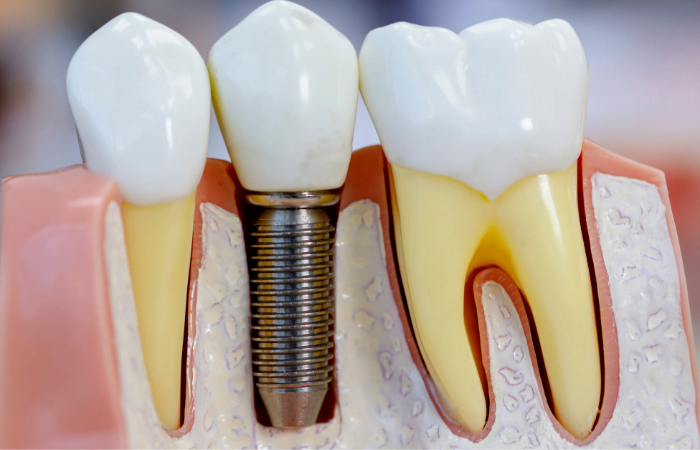
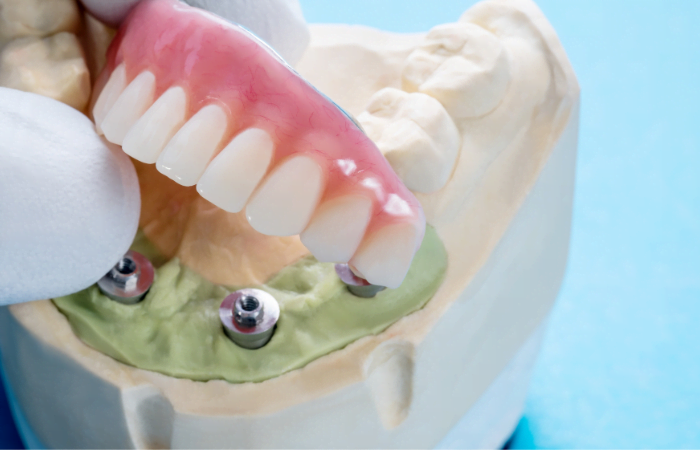
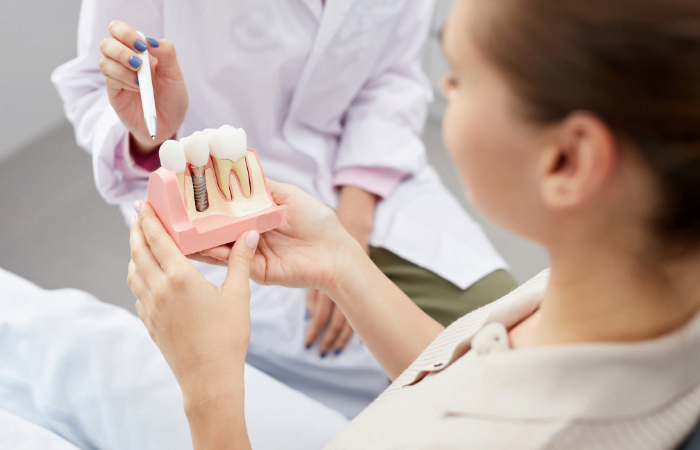
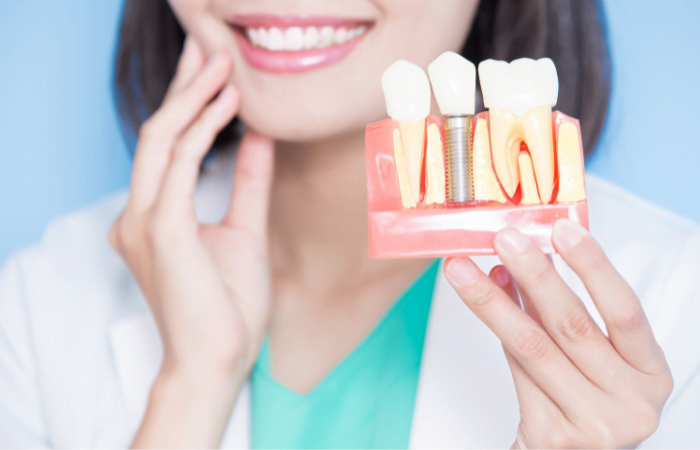
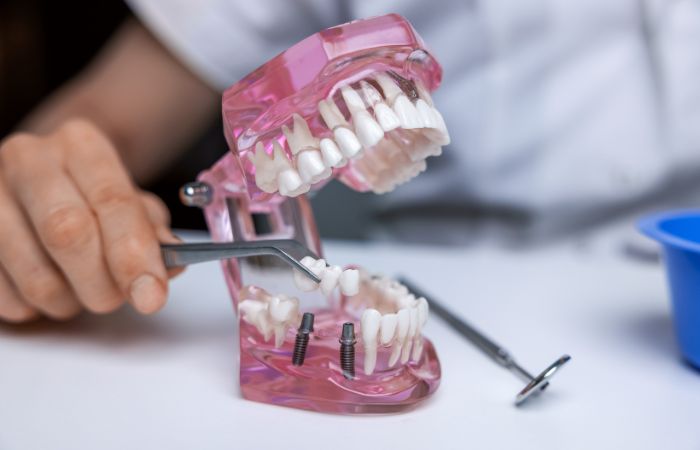
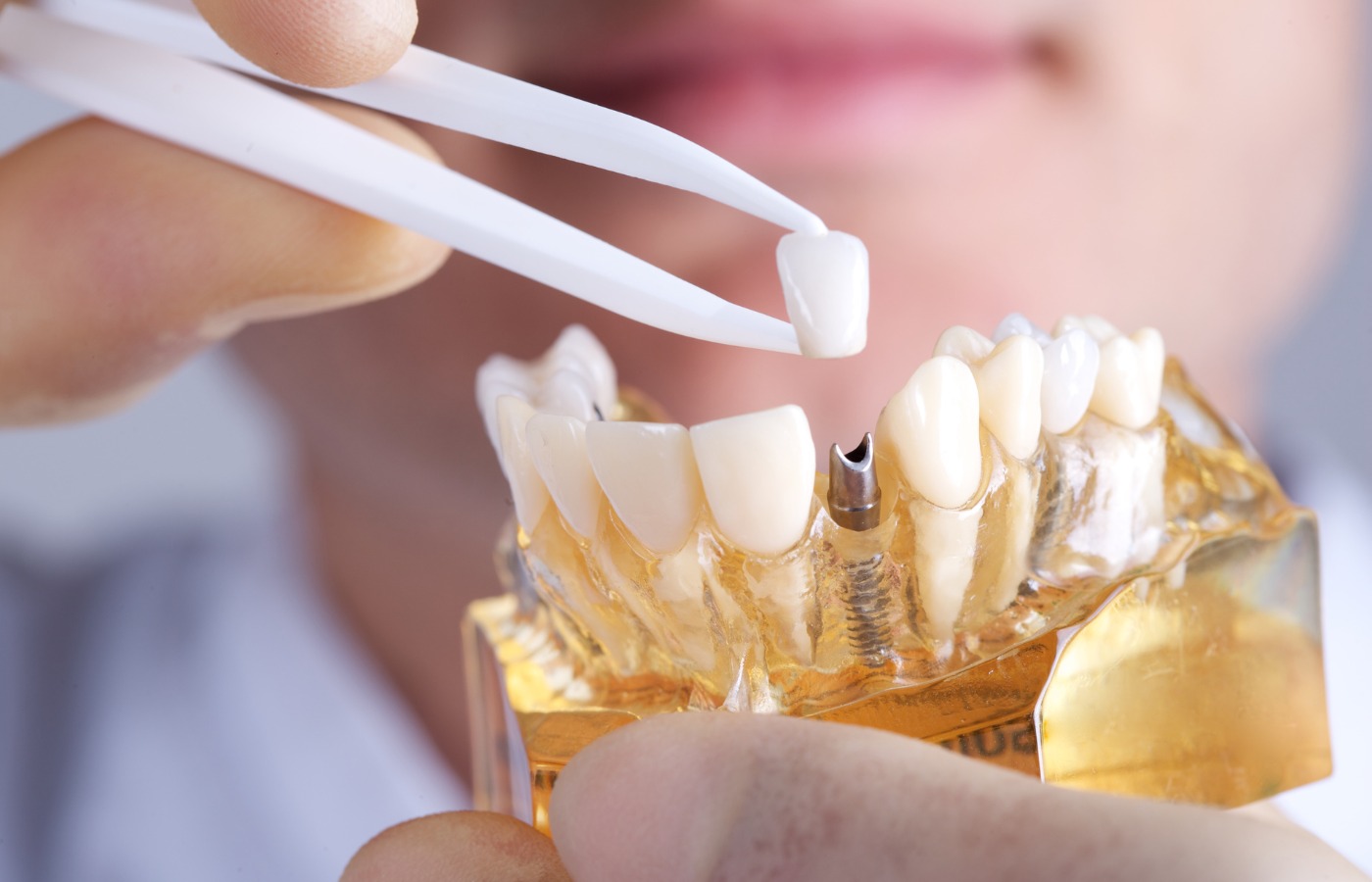
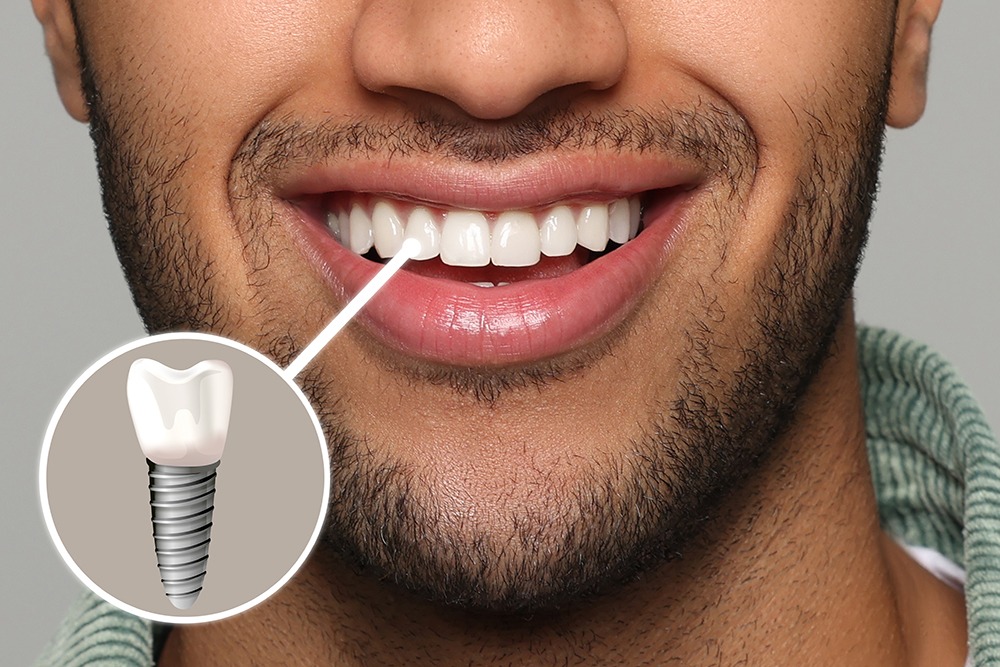
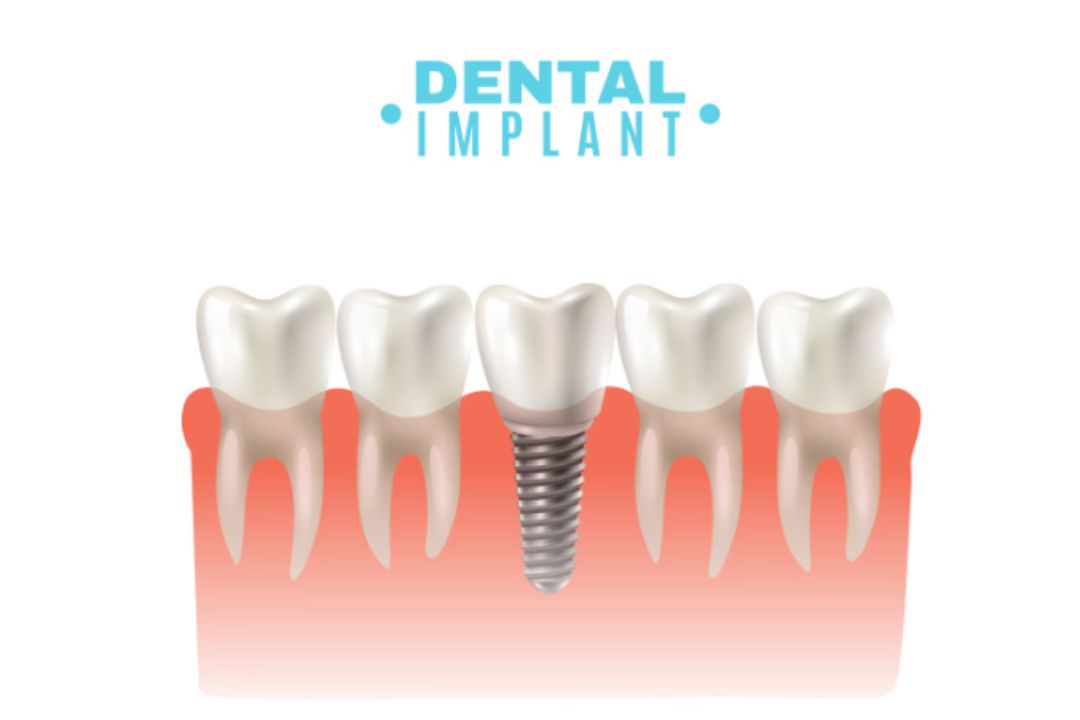
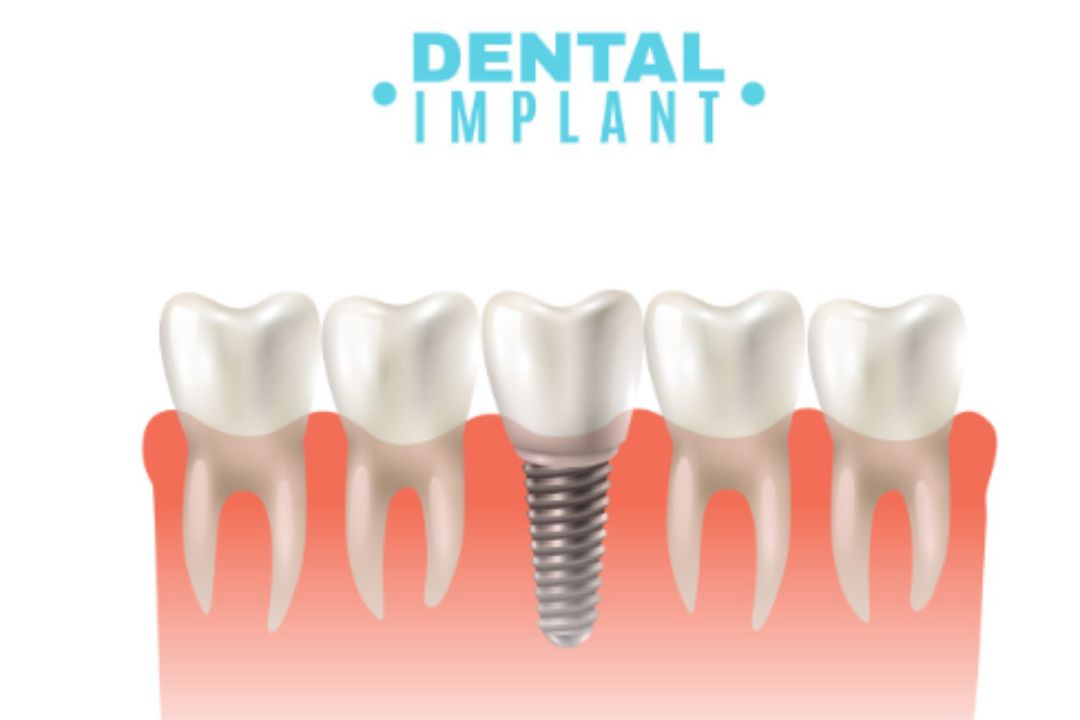
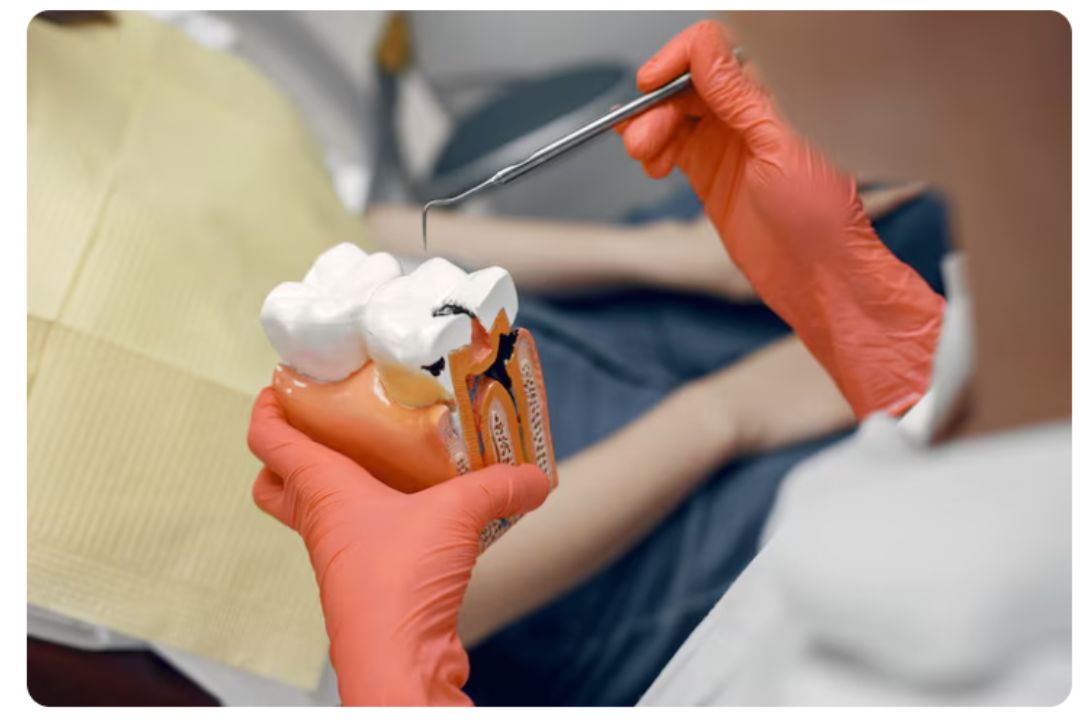
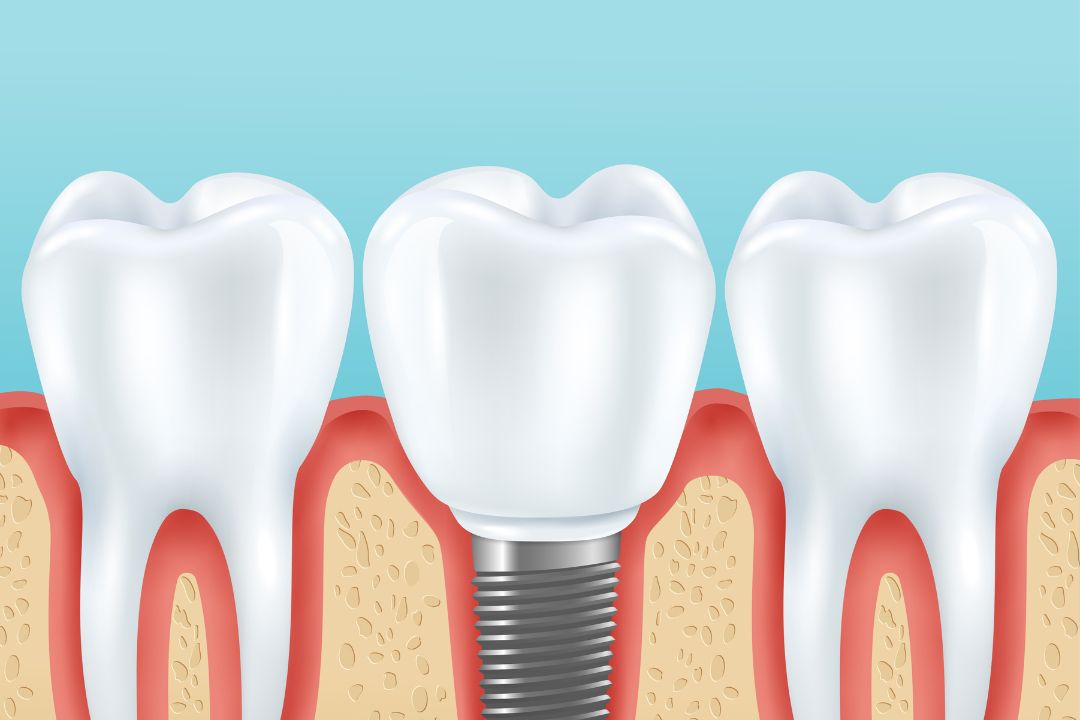
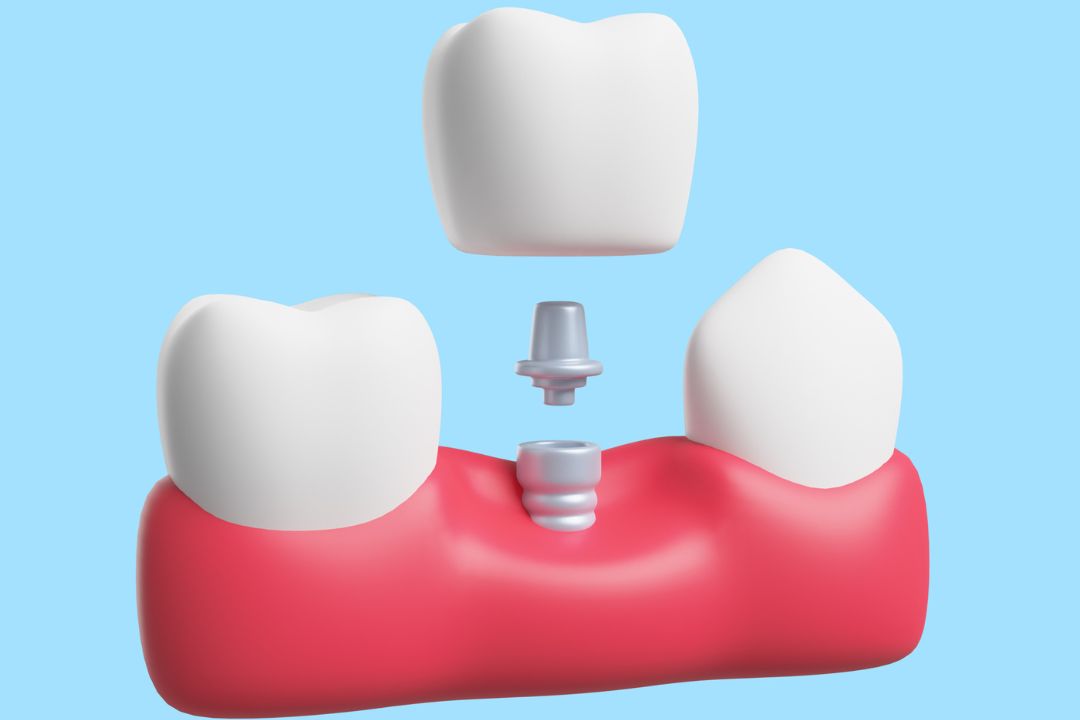
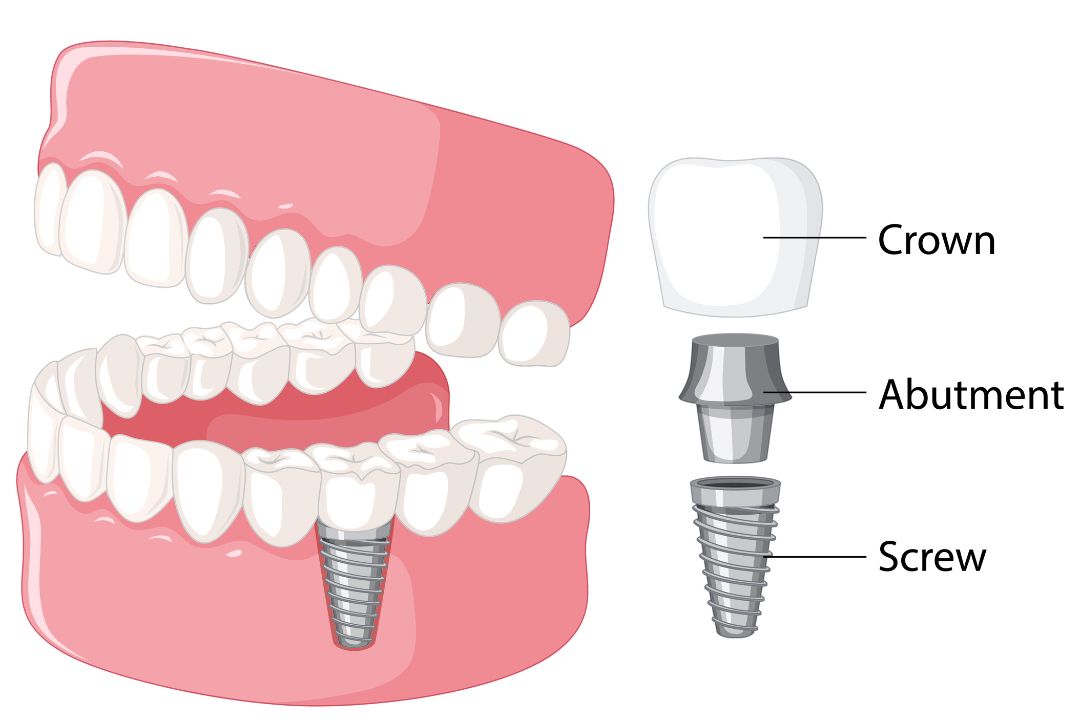
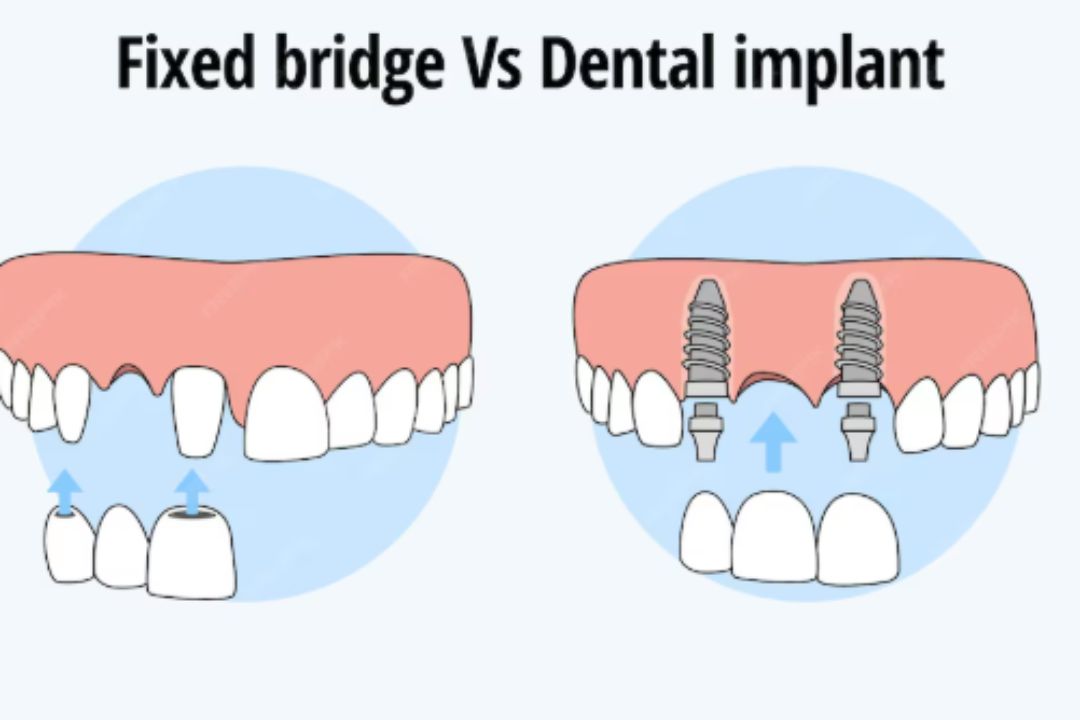
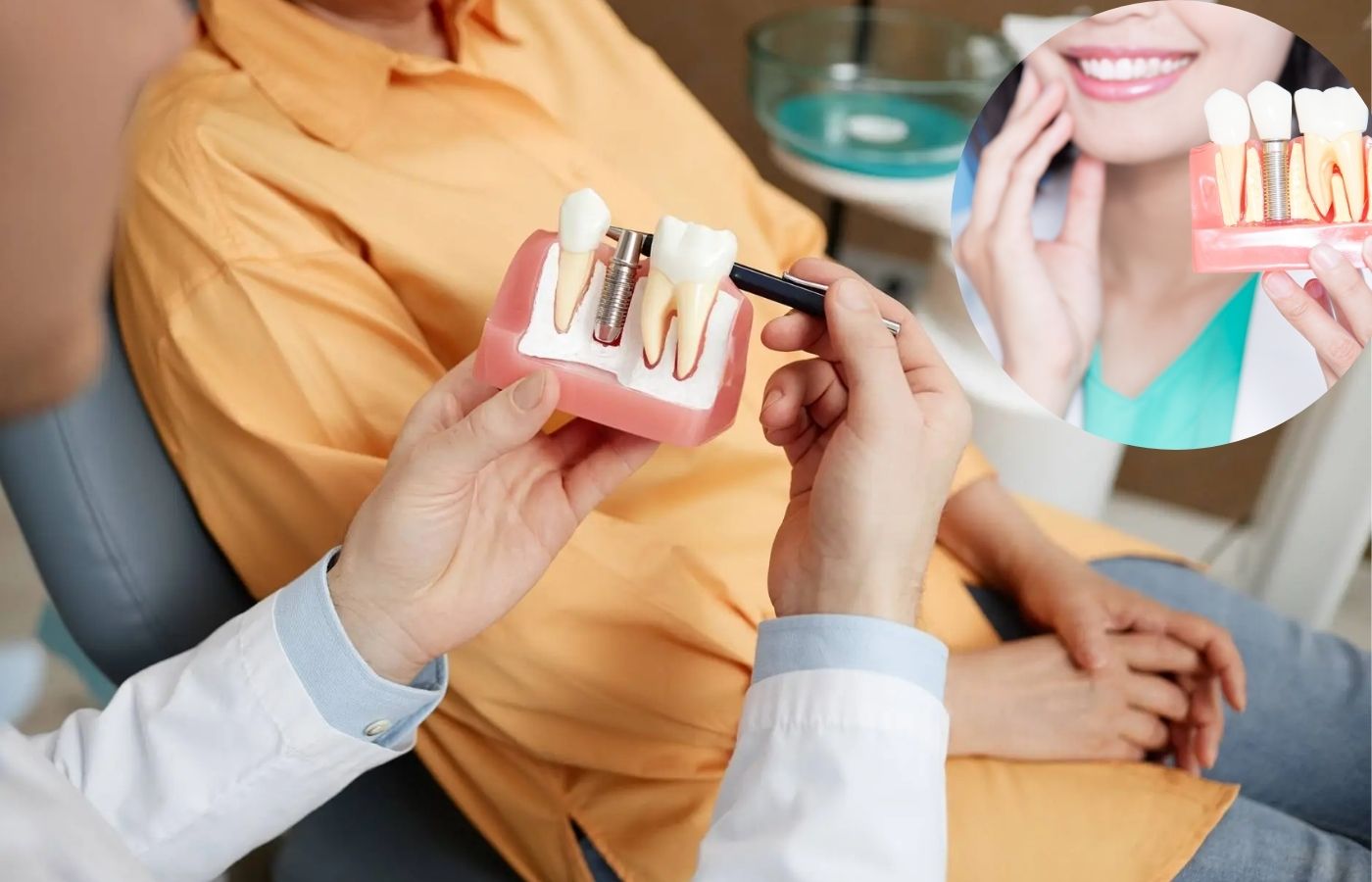
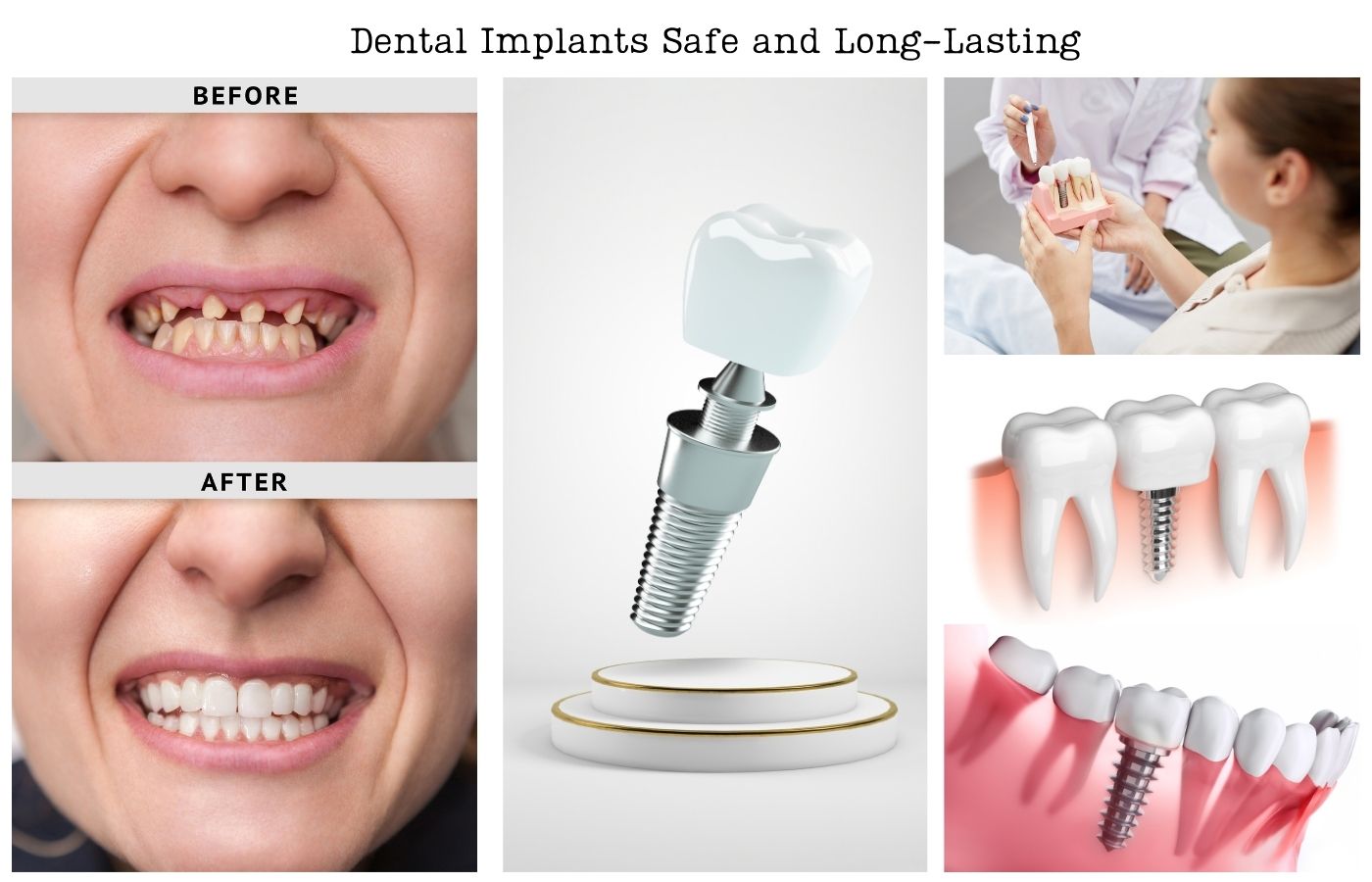
Dental implants are titanium posts surgically placed into the jawbone to replace missing tooth roots. Once healed these implants act as stable anchors for crowns, bridges, or dentures. Because they fuse with bone through a process called osseointegration, implants feel and function like natural teeth.
Implants are a long-term solution that preserves bone structure, prevents shifting of adjacent teeth, and supports normal chewing and speech.
Yes, people with diabetes can safely receive dental implants — but certain conditions must be met for predictable outcomes. The most important factor is blood sugar control.
When diabetes is well controlled:
? Healing after implant surgery is stronger
? Risk of infection is lower
? Bone integration is more successful
With proper planning and monitoring by specialists at Diagnopein, diabetic patients can achieve implant success rates similar to non-diabetic patients.
Diabetes affects the body’s ability to heal and resist infection. This can influence the outcome of dental surgery, including implant placement.
High blood sugar can:
Slow down the body’s healing response
Weaken the immune system
Increase risk of surgical site infections
Affect bone growth and regeneration
Because dental implants rely on bone integrating with the implant surface, controlled blood sugar and good oral health are essential.
At Diagnopein, dental implant treatment for people with diabetes is managed with special care and planning. Here’s how the process works:
Your dentist reviews:
Your medical history
Recent blood sugar records
Current medications
Oral health status
This helps determine whether further coordination with your physician is needed before treatment.
A customized dental implant plan is created based on:
? Bone quality and volume
? Gum health
? Diabetes control status
? Number of missing teeth
Advanced digital imaging and 3D scans ensure precise planning for predictable results.
If needed, your doctor and dentist work together to:
Improve blood sugar control
Adjust medications for surgery
Ensure systemic health is stable before implant placement
This collaboration reduces risks and improves healing.
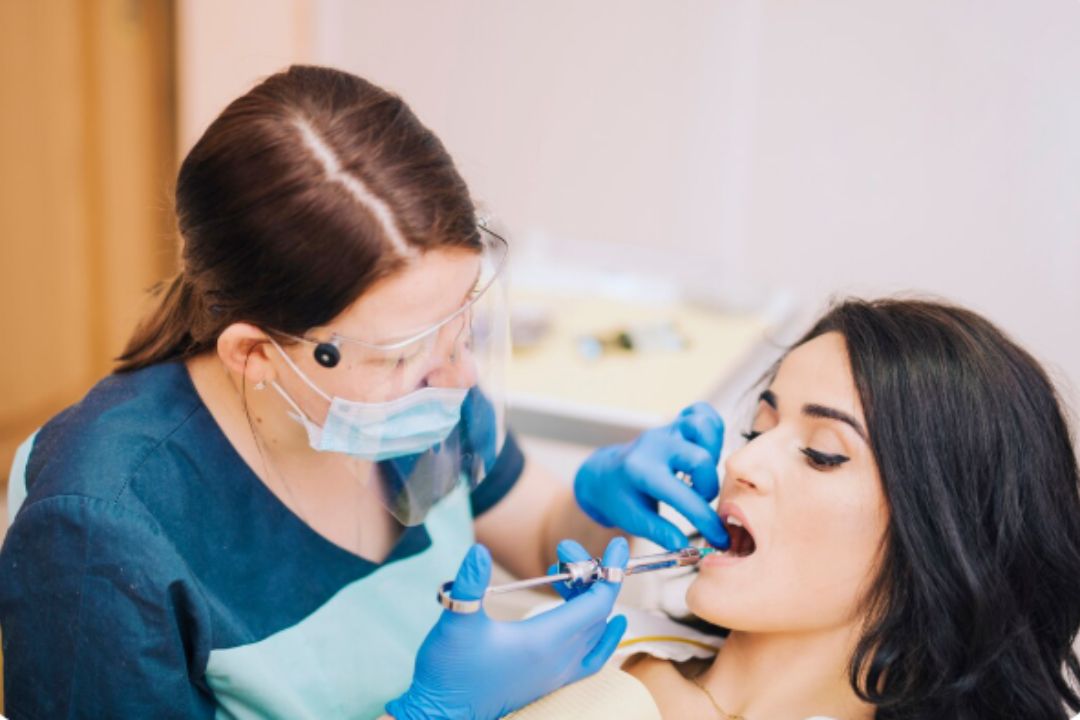
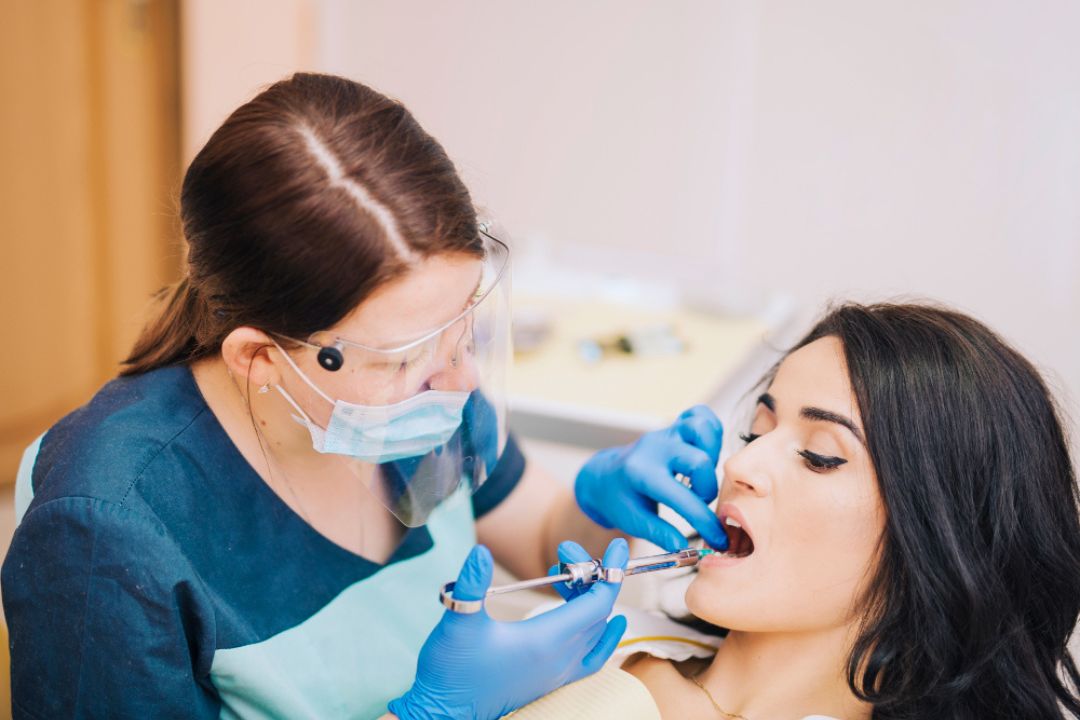
The implant procedure is performed under anesthesia with strict sterile protocols. Your comfort and safety are priorities throughout the process.
Antibiotics or antiseptic rinses may be prescribed to reduce the risk of infection.
During the healing period the implant fuses with the jawbone. People with controlled diabetes can achieve stable bone growth around the implant similar to patients without diabetes.
Regular follow-ups monitor healing and gum health.
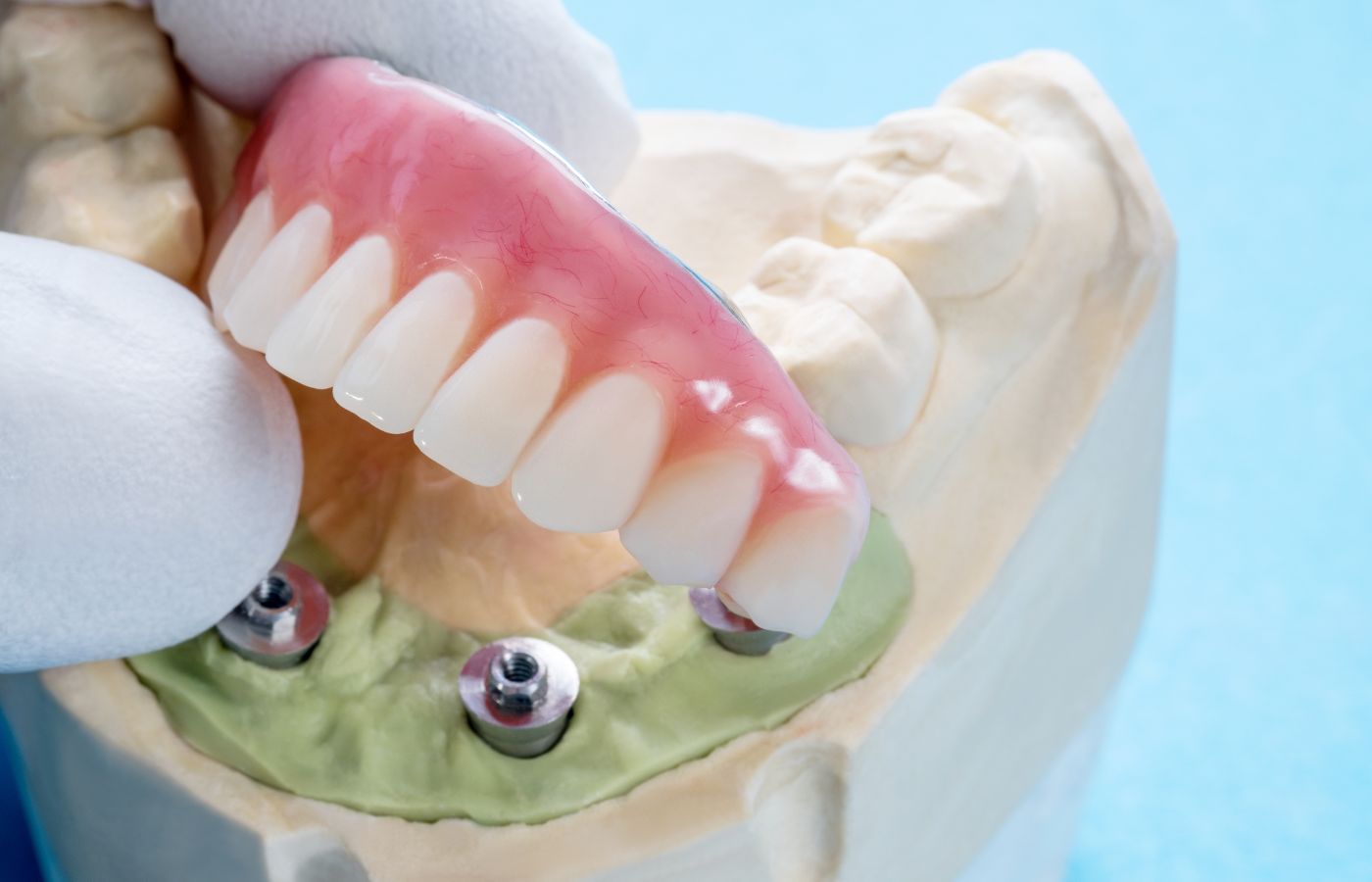
After healing, the final crown, bridge, or denture is attached to the implants. This restores chewing, speech, and natural appearance.
Even for diabetic patients dental implants offer major advantages:
Implant supported teeth look, feel, and function like natural teeth.
You brush and floss implants just like regular teeth — no need for removable frameworks or daily adhesives.
Implants stimulate bone and prevent bone loss that occurs when teeth are missing.
Stable permanent teeth help you smile, speak, and eat without fear of slipping or discomfort.
You may be a good candidate for dental implants if you:
? Have well-controlled diabetes
? Have healthy gums without active infection
? Have adequate jawbone support
? Are committed to good oral hygiene
? Are ready for regular follow-ups after surgery
Even patients with previously uncontrolled diabetes may become eligible after medical stabilization and planning.
The following steps help improve healing and long-term success:
Work with your physician to optimize glucose control before and after surgery.
Brush twice a day, floss daily, and use recommended mouth rinses.
Smoking delays healing and reduces overall success rates.
Regular check-ups help catch issues early and support better outcomes.
Do dental implants hurt for diabetic patients?
Most patients experience minimal discomfort due to anesthesia. Post-operative pain is usually manageable with prescribed medication.
Will diabetes cause implant failure?
Uncontrolled diabetes can increase risk, but well-managed diabetes does not automatically lead to failure.
How long does healing take?
Healing time varies, but most patients achieve bone fusion within a few months with proper care.
Is extra medication needed?
Your dentist may recommend antibiotics or strengthened oral care to reduce risk of infection.
Dental implants are a safe and effective solution for replacing missing teeth — even for people with diabetes — when treatment is planned carefully and blood sugar is controlled.
At Diagnopein experts work with both dental and medical professionals to ensure safe healing, predictable results, and long-term success. With proper planning and follow-up care you can enjoy a functional natural smile that enhances your quality of life.
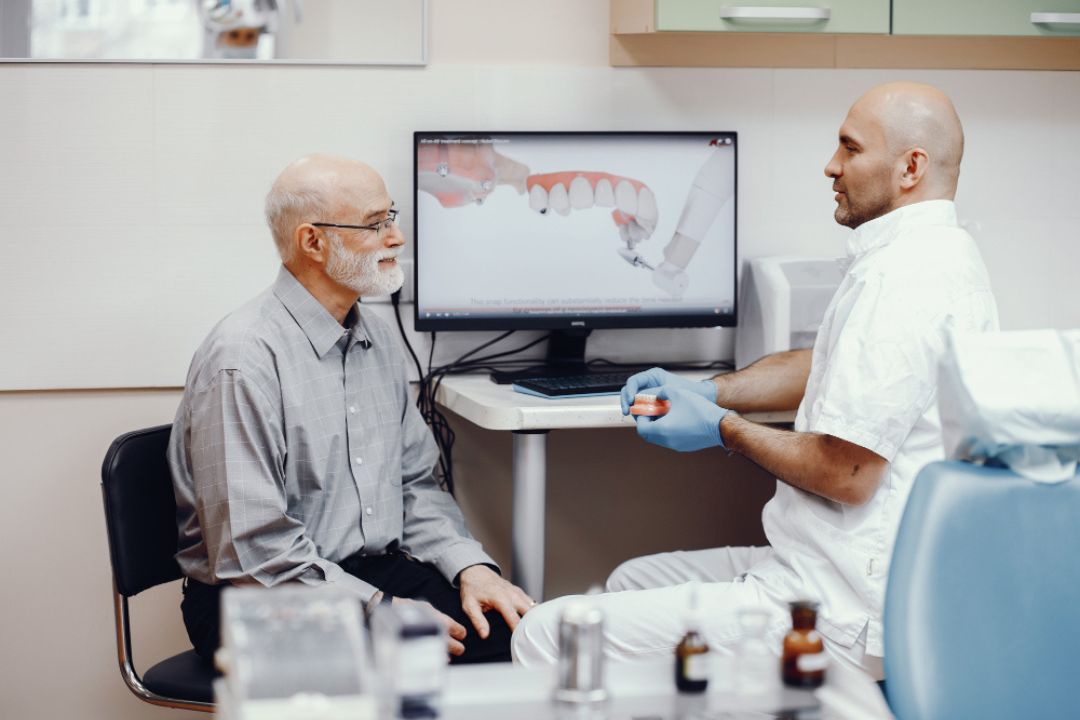
If you have diabetes and are considering dental implants, the first step is a consultation with an experienced implant dentist. Your health history, goals, and dental needs will be evaluated so a personalized treatment plan can be created just for you.












.jpg "myths and facts about dental implants")





























![affordable dental implant treatment in [pune] with emi options](/img/BlogImages/affordable dental implant treatment in [pune] with emi options.jpg "affordable dental implant treatment in [pune] with emi options")


.jpg "dental implant full mouth rehabilitation")






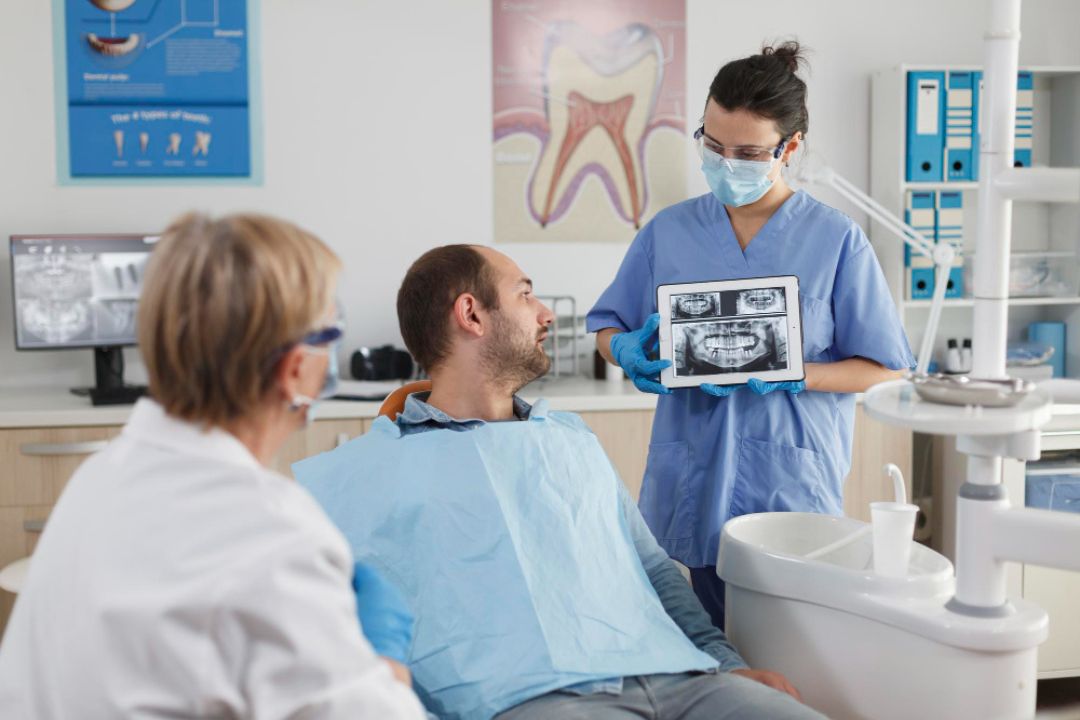




.jpg "foods for rapid recovery after dental implant surgery")
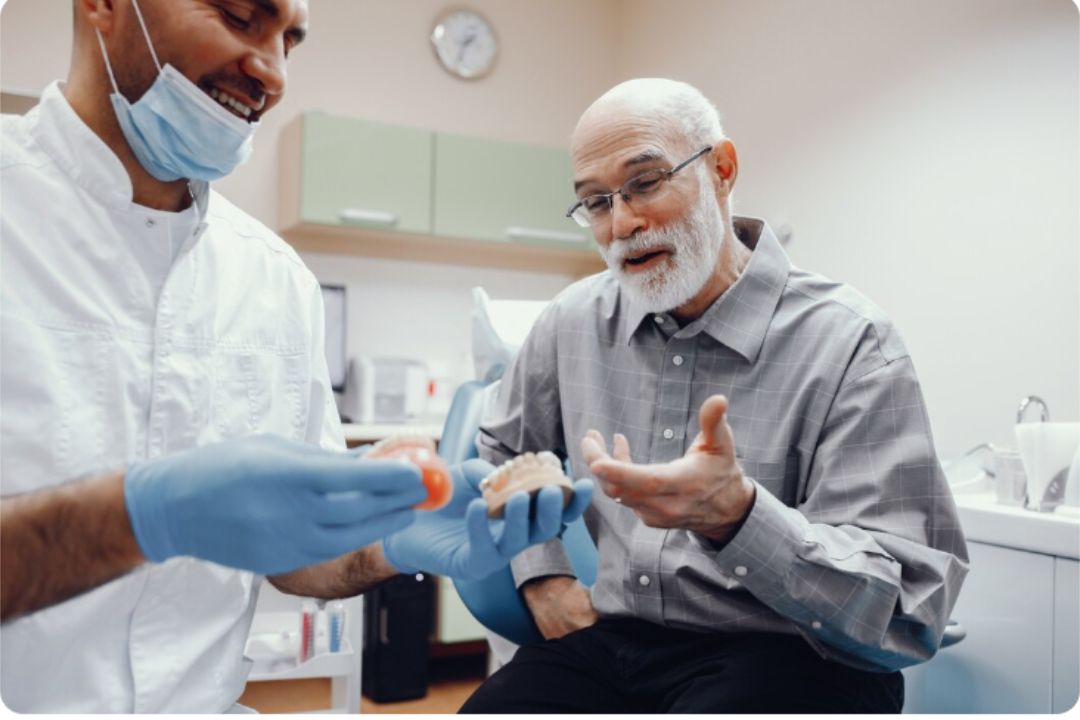


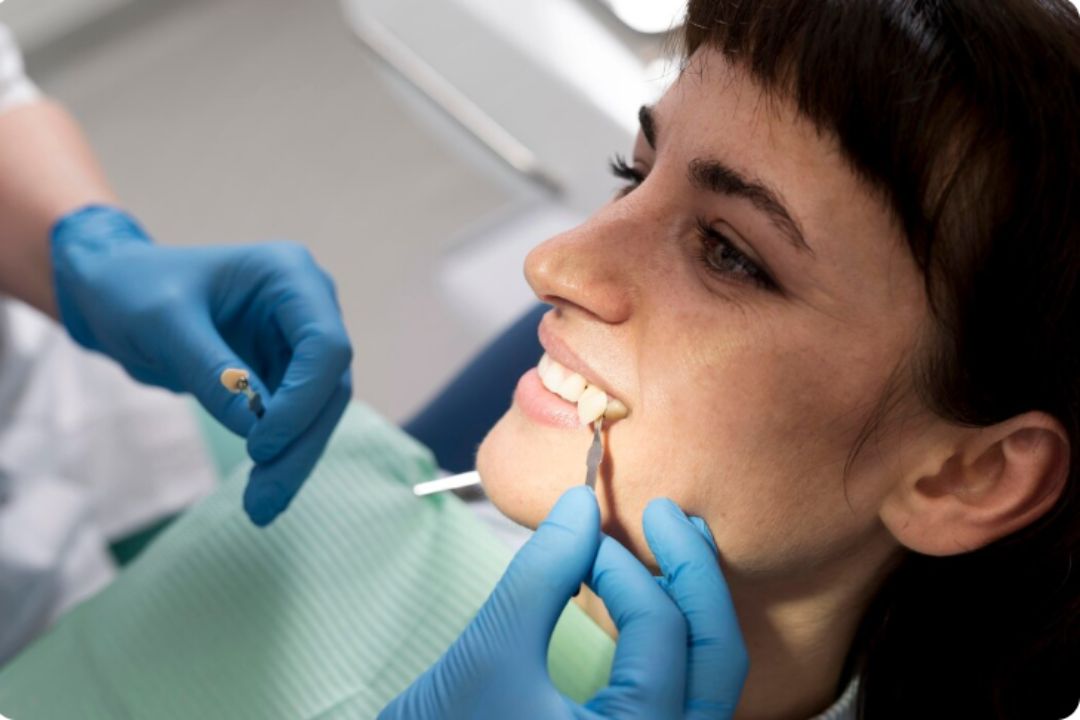

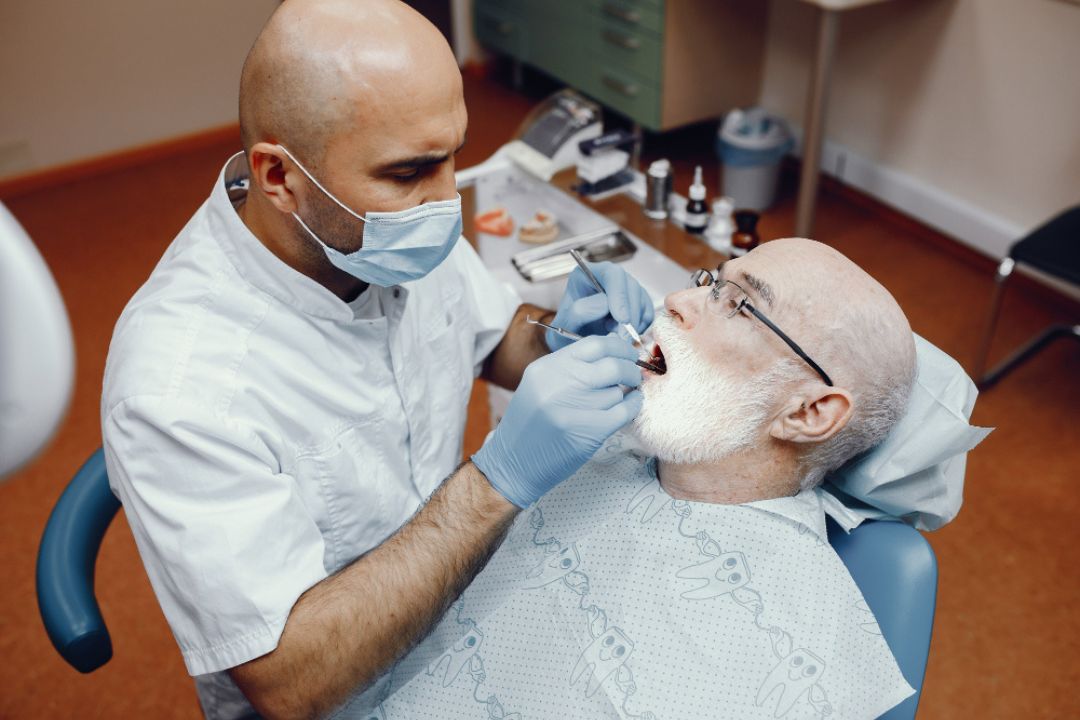


.jpg "dental implant")

.jpg "dental implant")
.jpg "dental implant")

.jpg "dental implants")
.jpg "dental implants")




.jpg "Dental Implants Help Repair Broken")
.jpg "Know About Dental Implants")
.jpg "Major Types of Dental Implants")
 (1).jpg "Affordable Dental Implants in India")
 (1).jpg "Dental Implants with Pre-existing Conditions")