Choosing the right path to a straighter smile is a significant decision. For years, metal braces were the only option. Today, the rise of dental clear aligners offers a nearly invisible alternative. This leaves many patients asking: which is genuinely better for my smile? At Diagnopein, we believe the answer isn't universal—it's personal. This detailed 900-word guide will dissect the benefits, compare key factors, and provide the clarity you need to make an informed decision with confidence, partnering with expert aligned dental partners.
Traditional braces are fixed orthodontic appliances made of metal brackets bonded to your teeth and connected by wires. The orthodontist tightens or adjusts the wires at regular intervals to move your teeth gradually into better alignment.
Braces have been used for decades and remain one of the most common and reliable orthodontic solutions for all types of alignment issues.
Braces can also be made with ceramic or clear brackets for a less noticeable look.
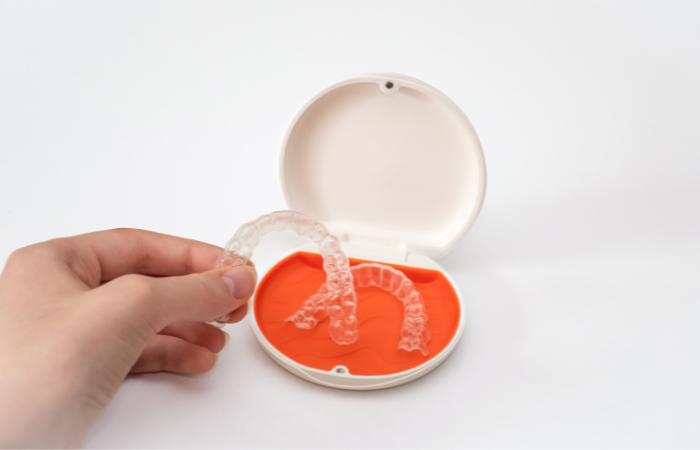
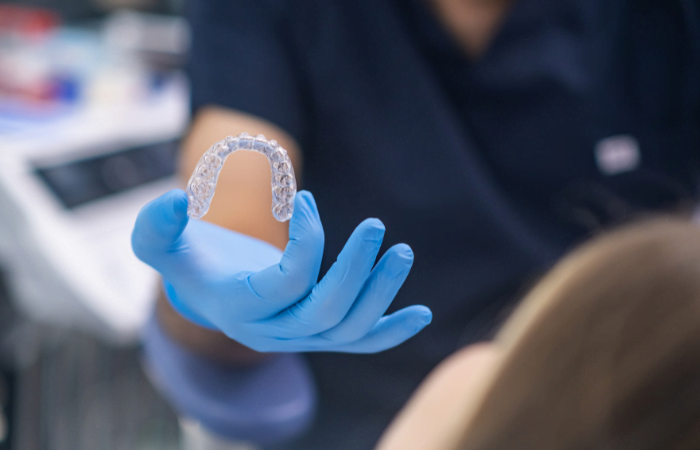
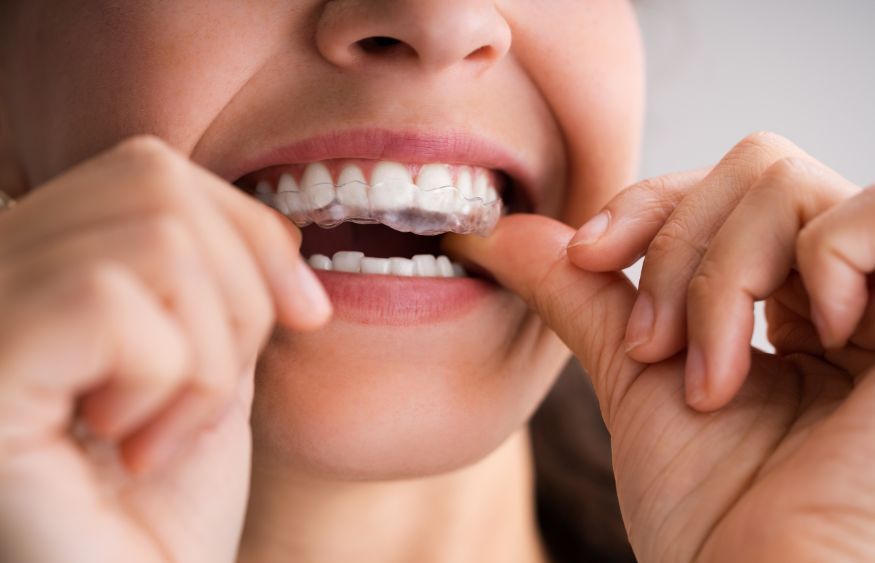
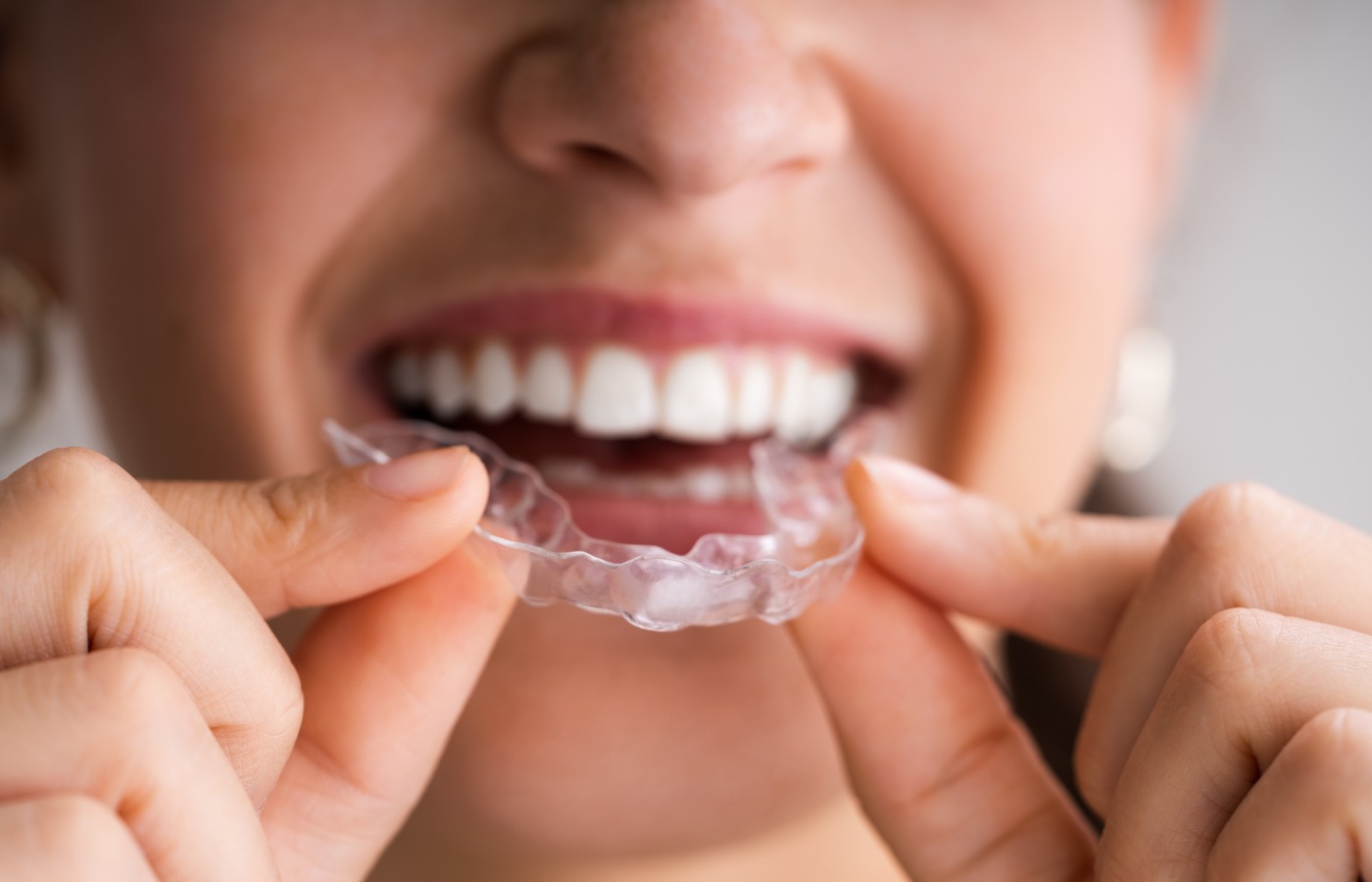
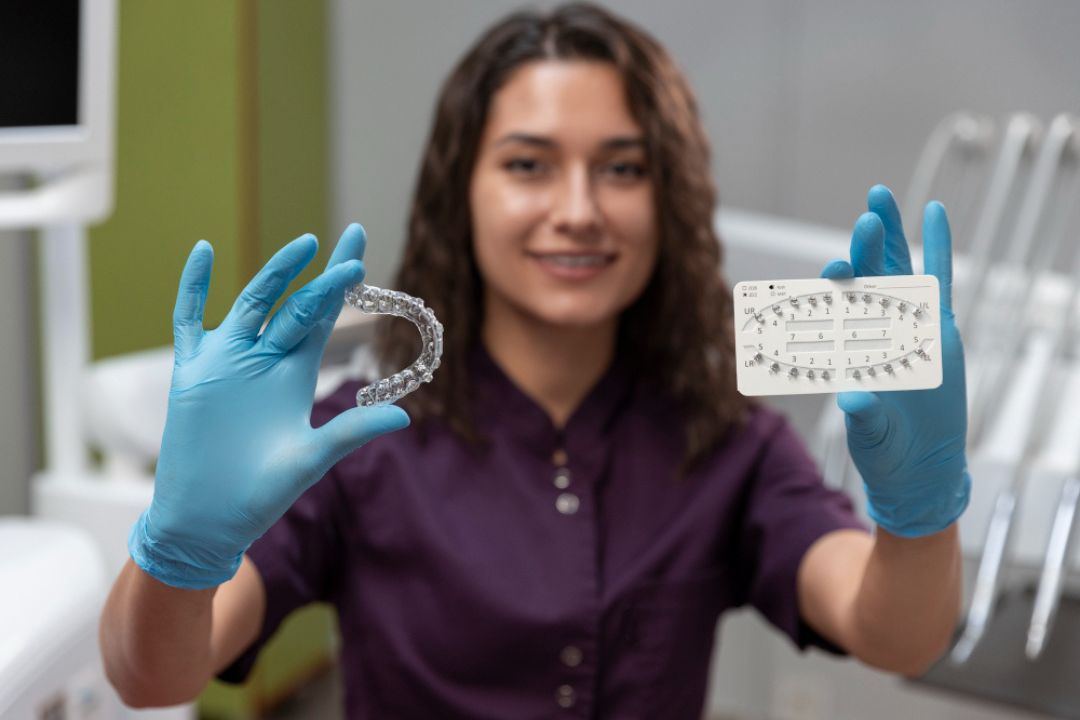
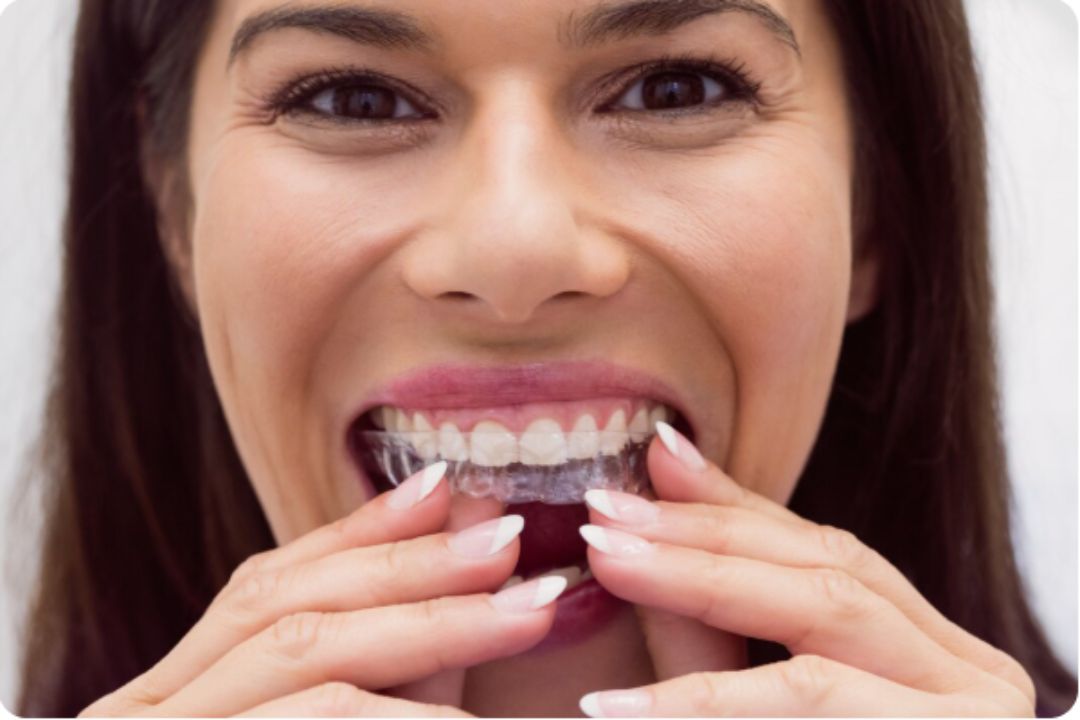
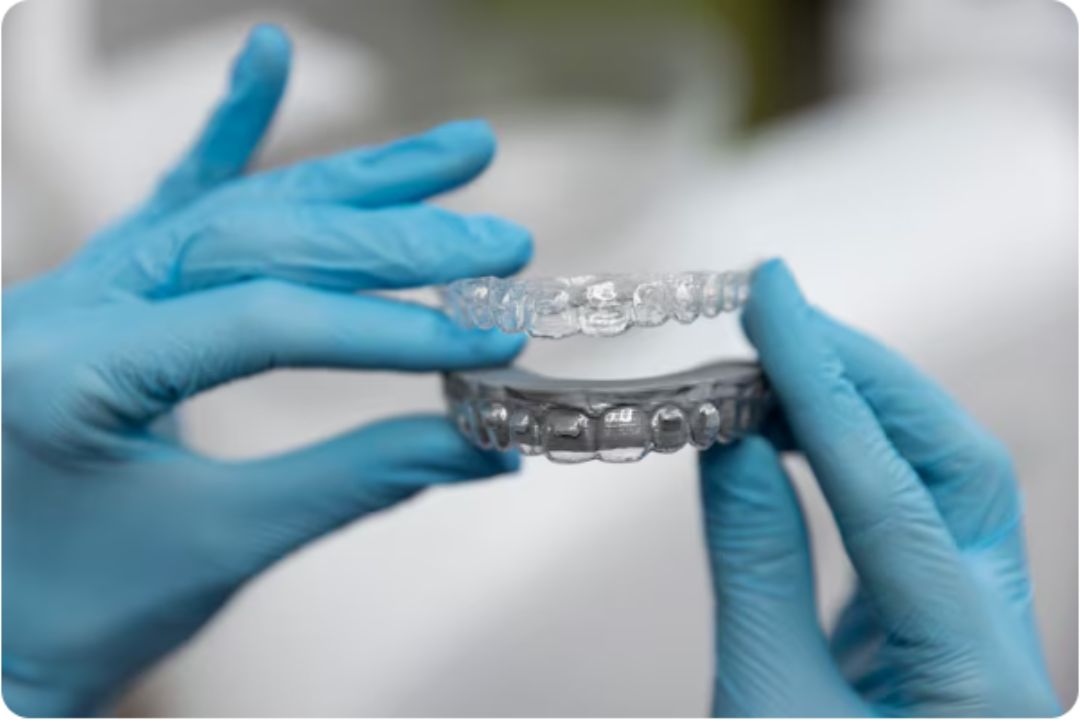
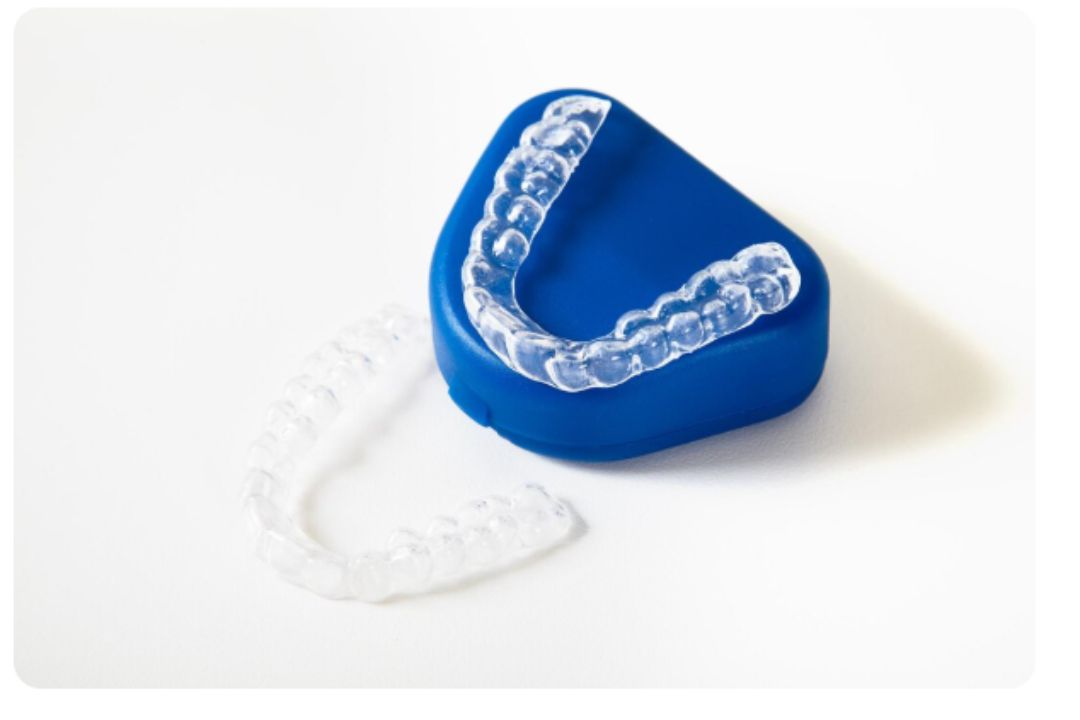
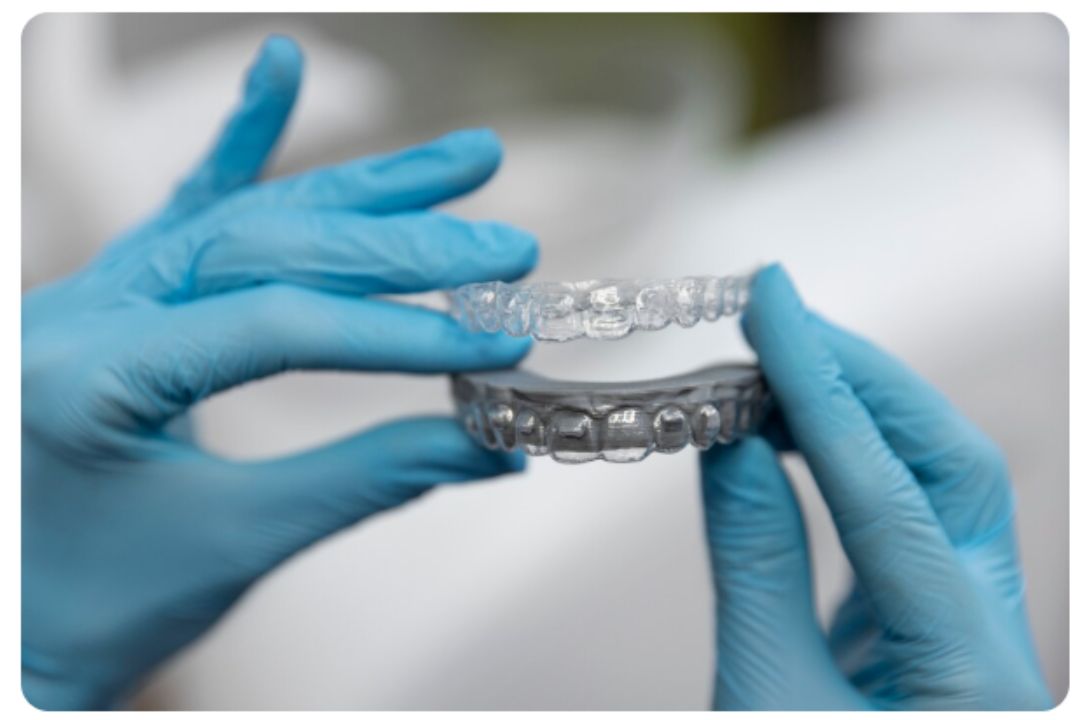
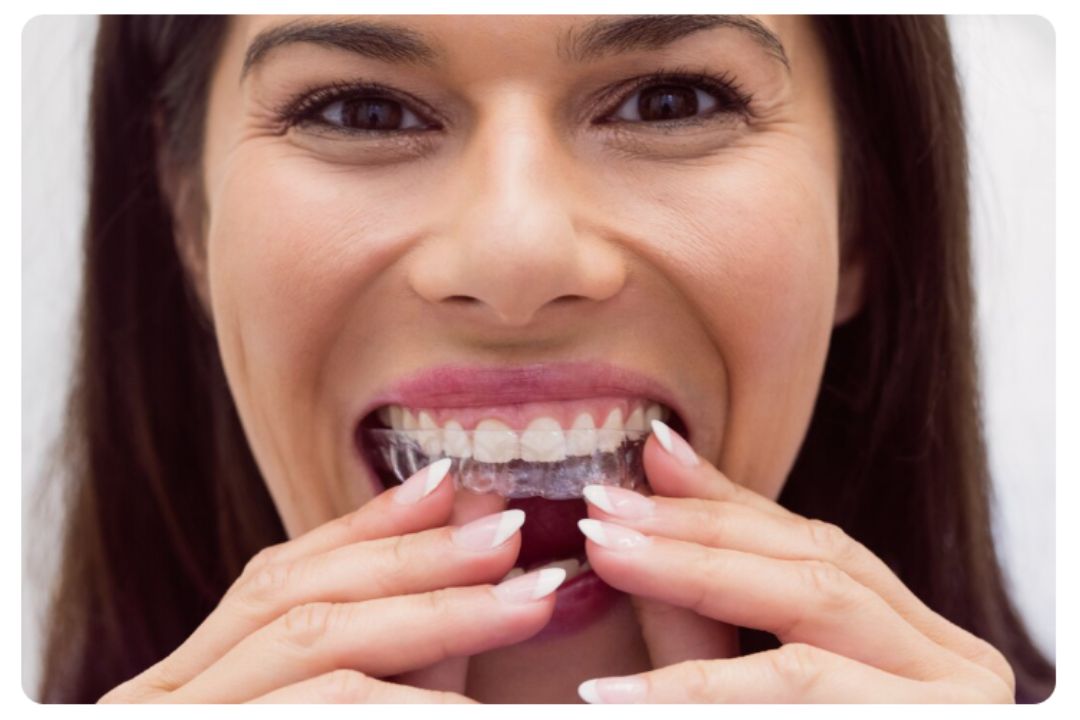
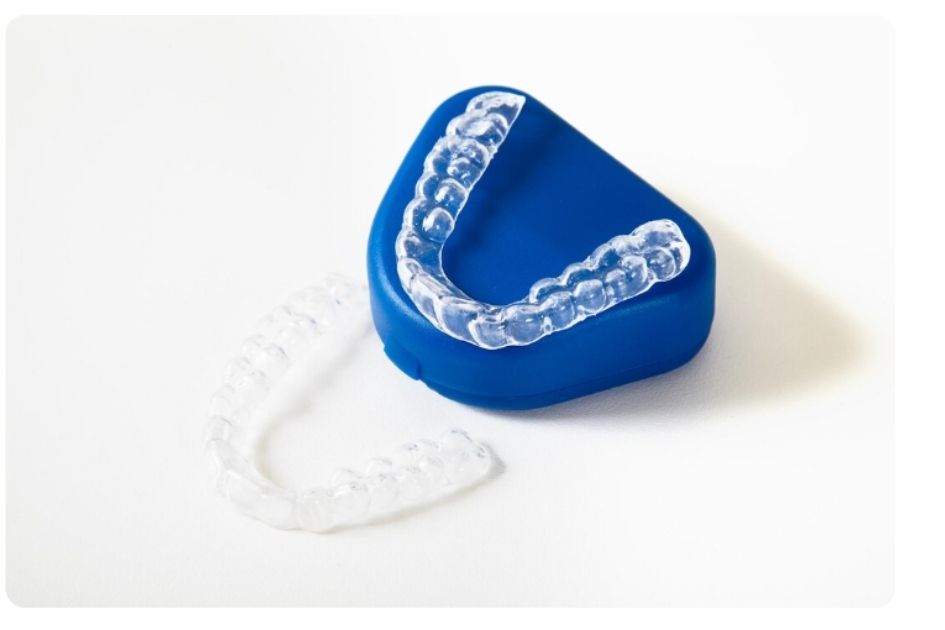
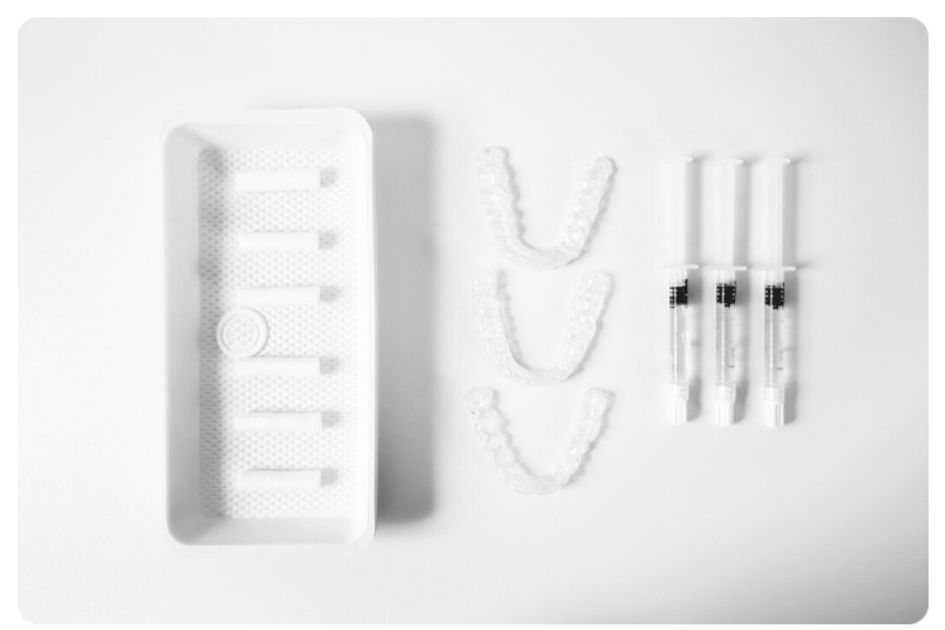
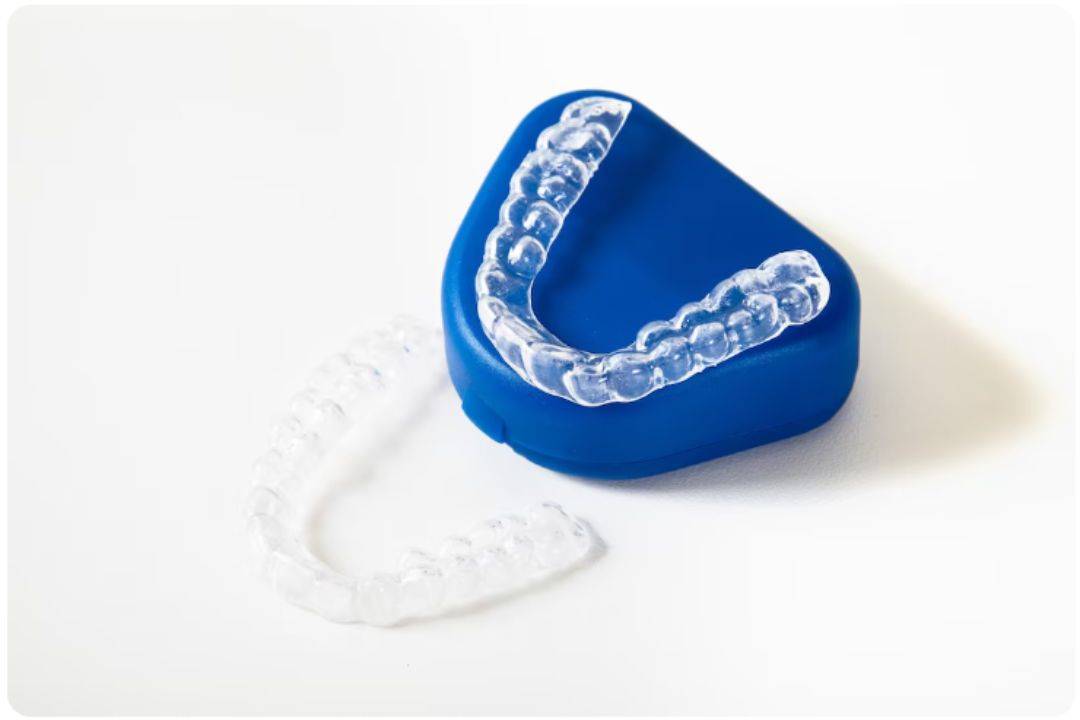
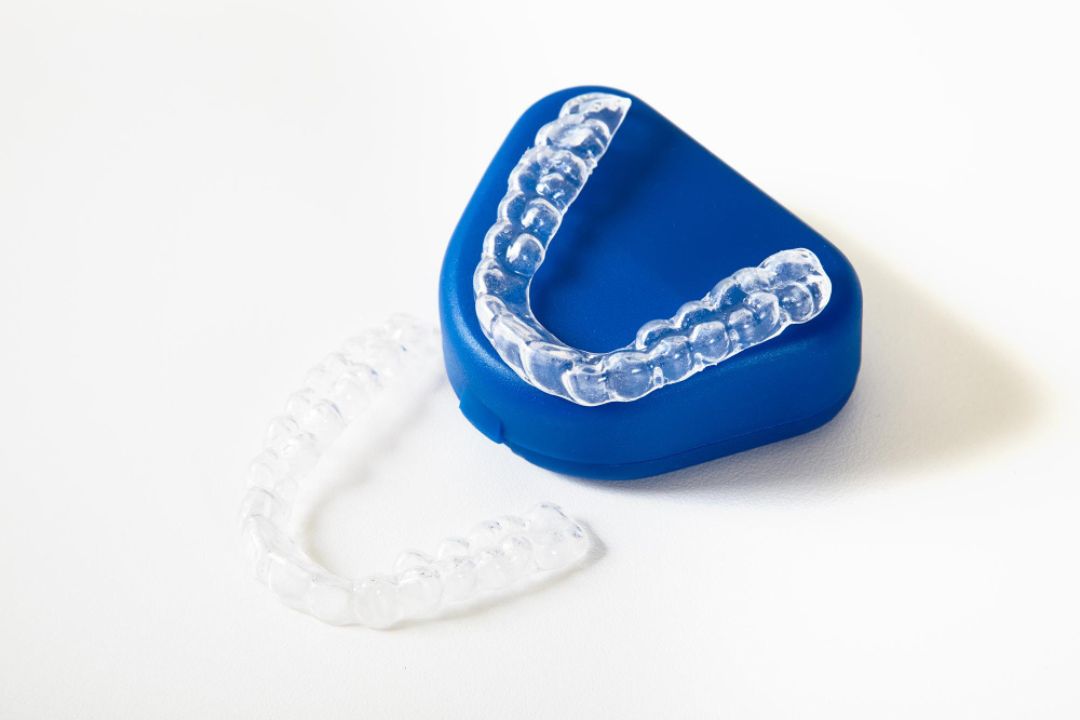
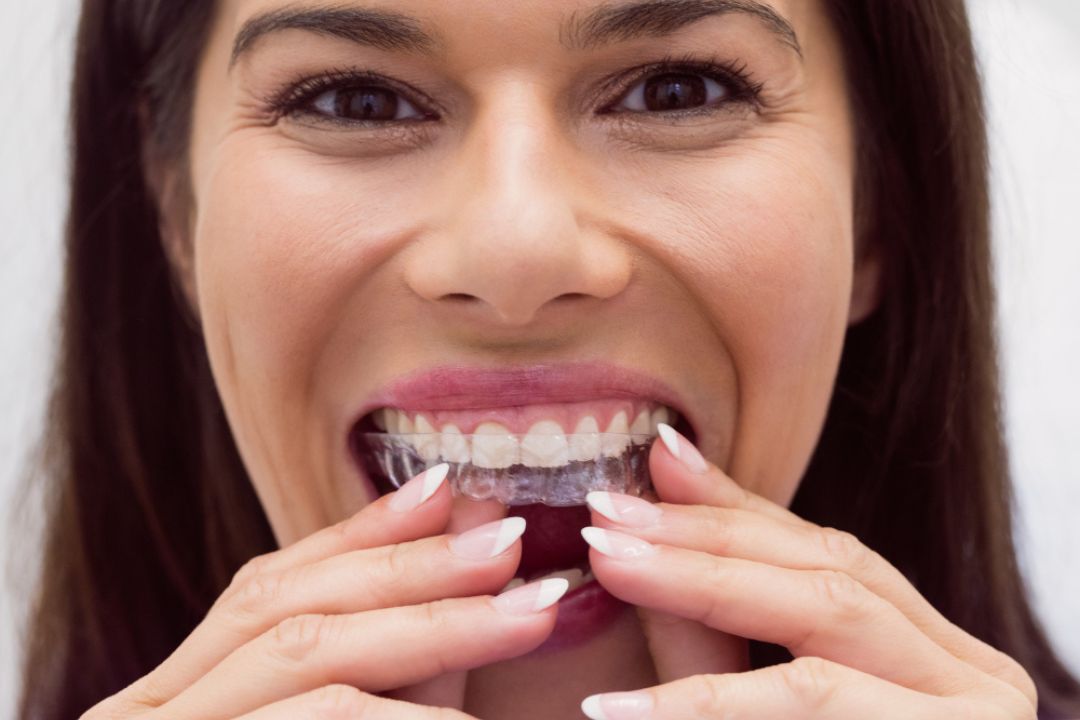
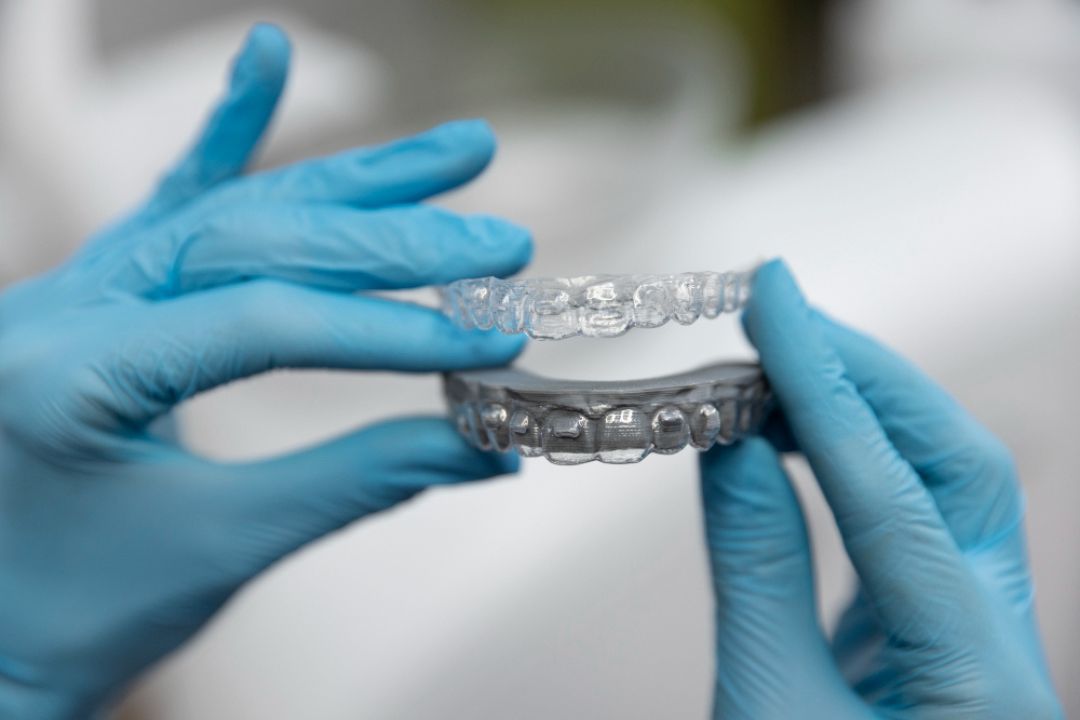
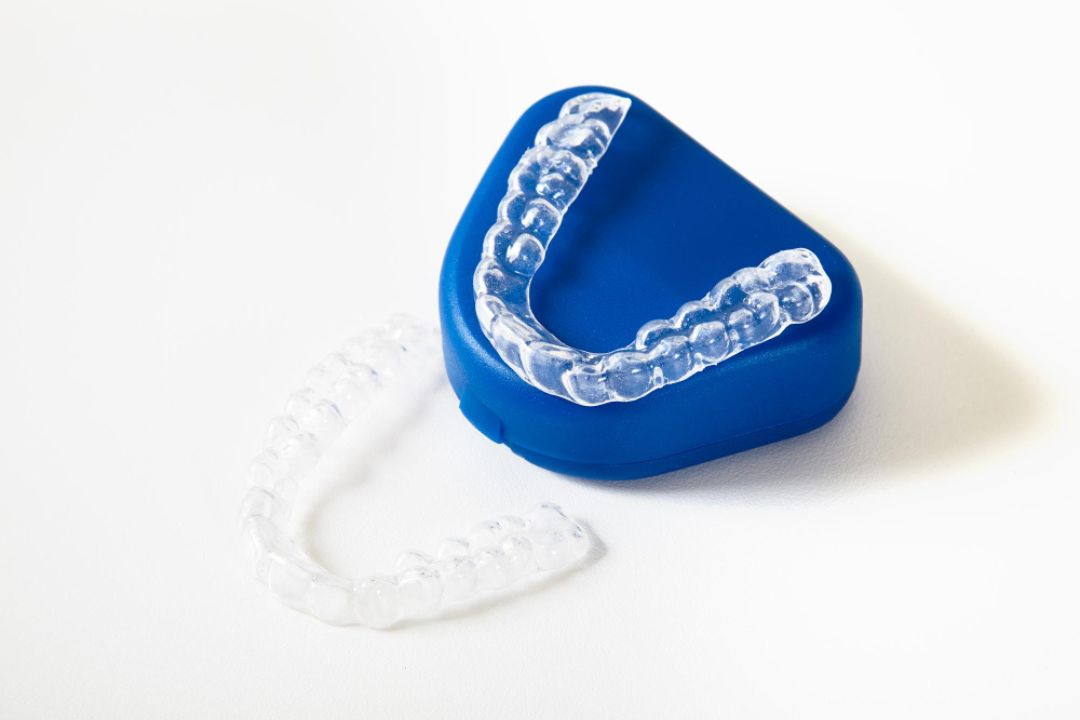
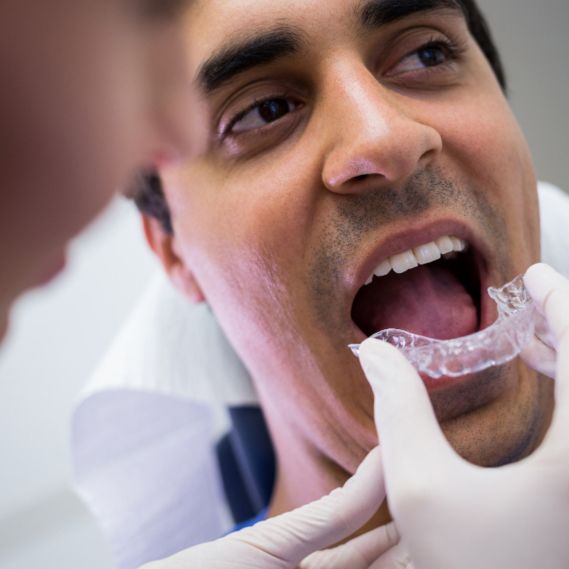
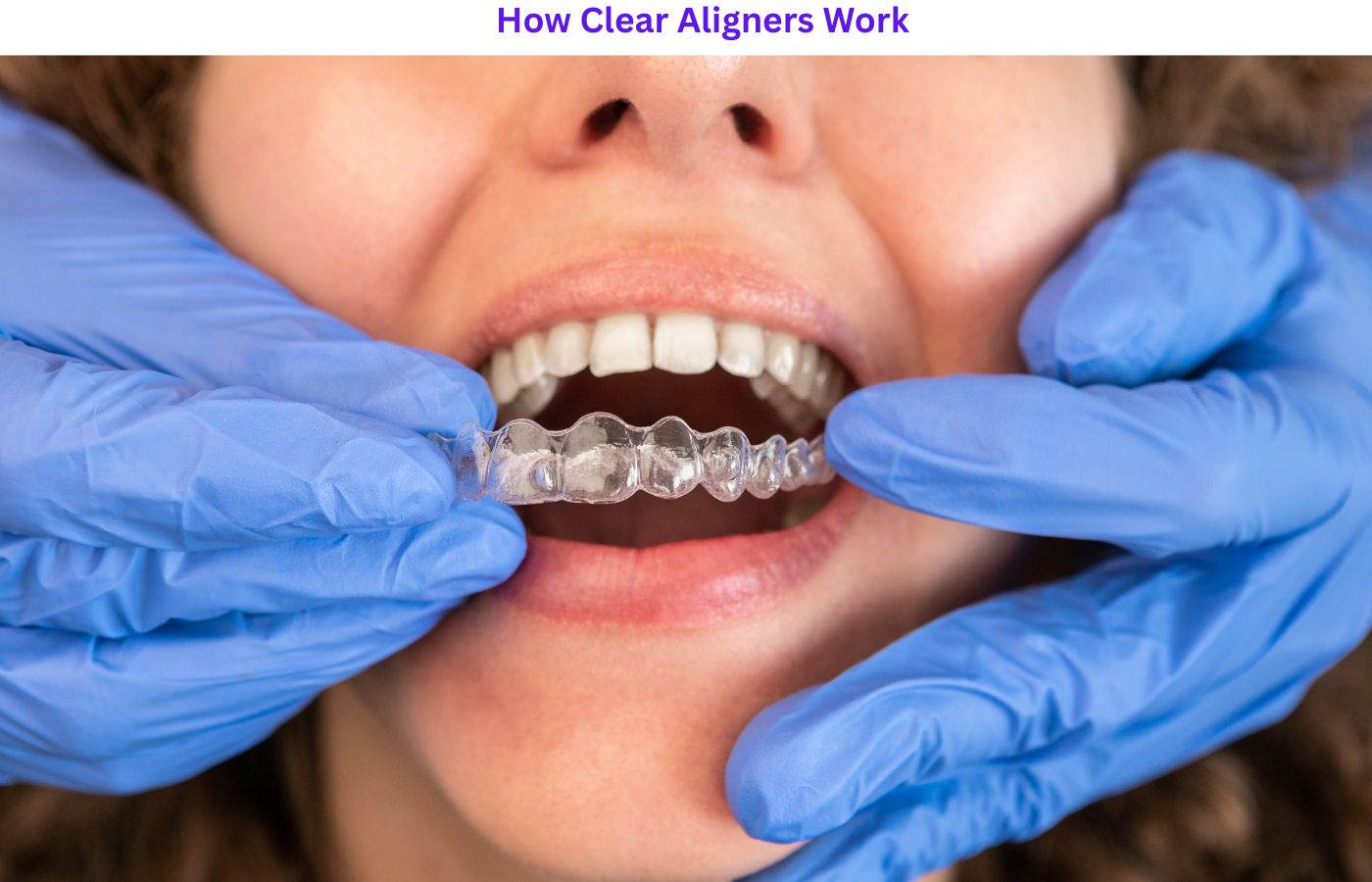
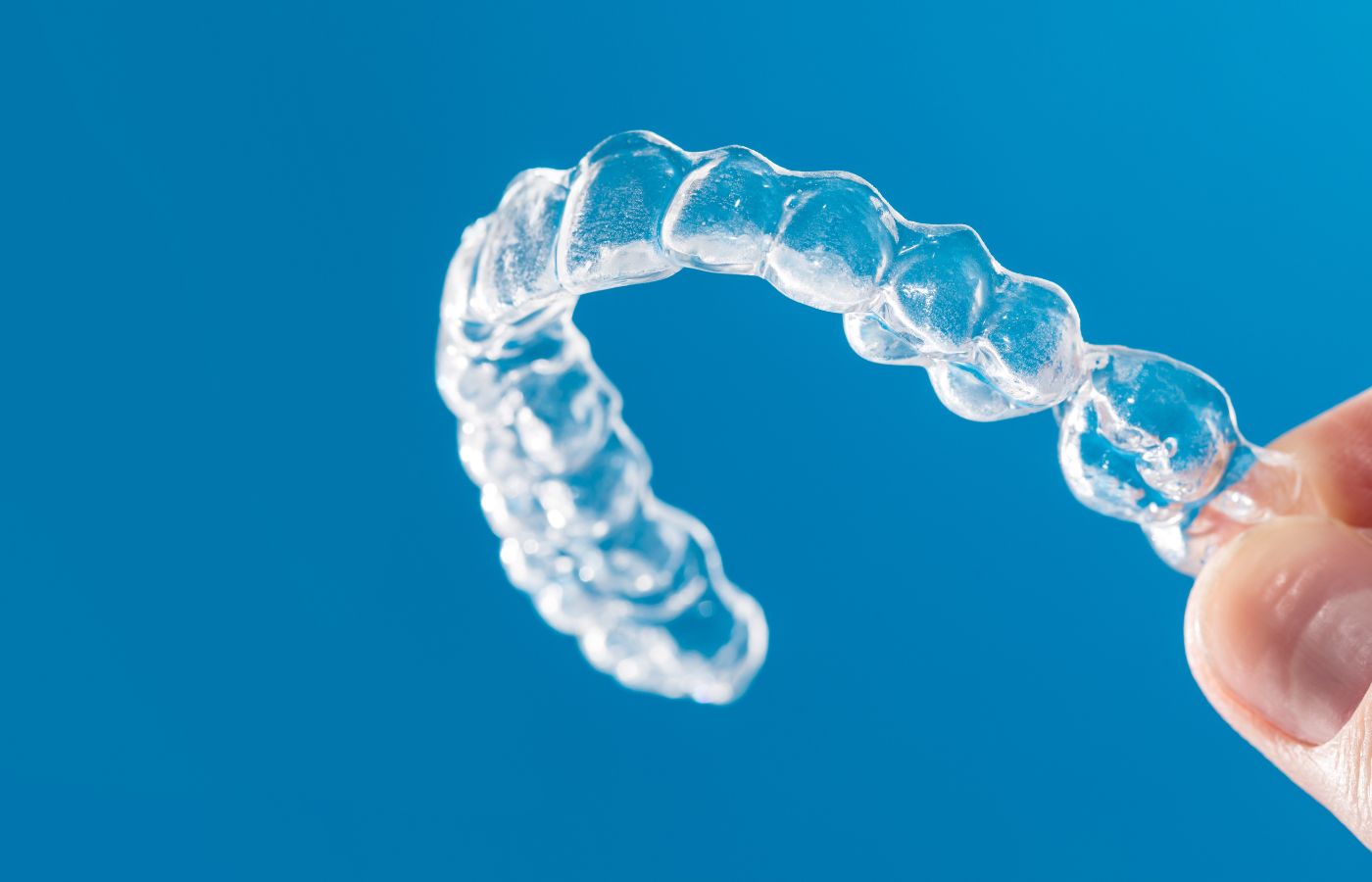
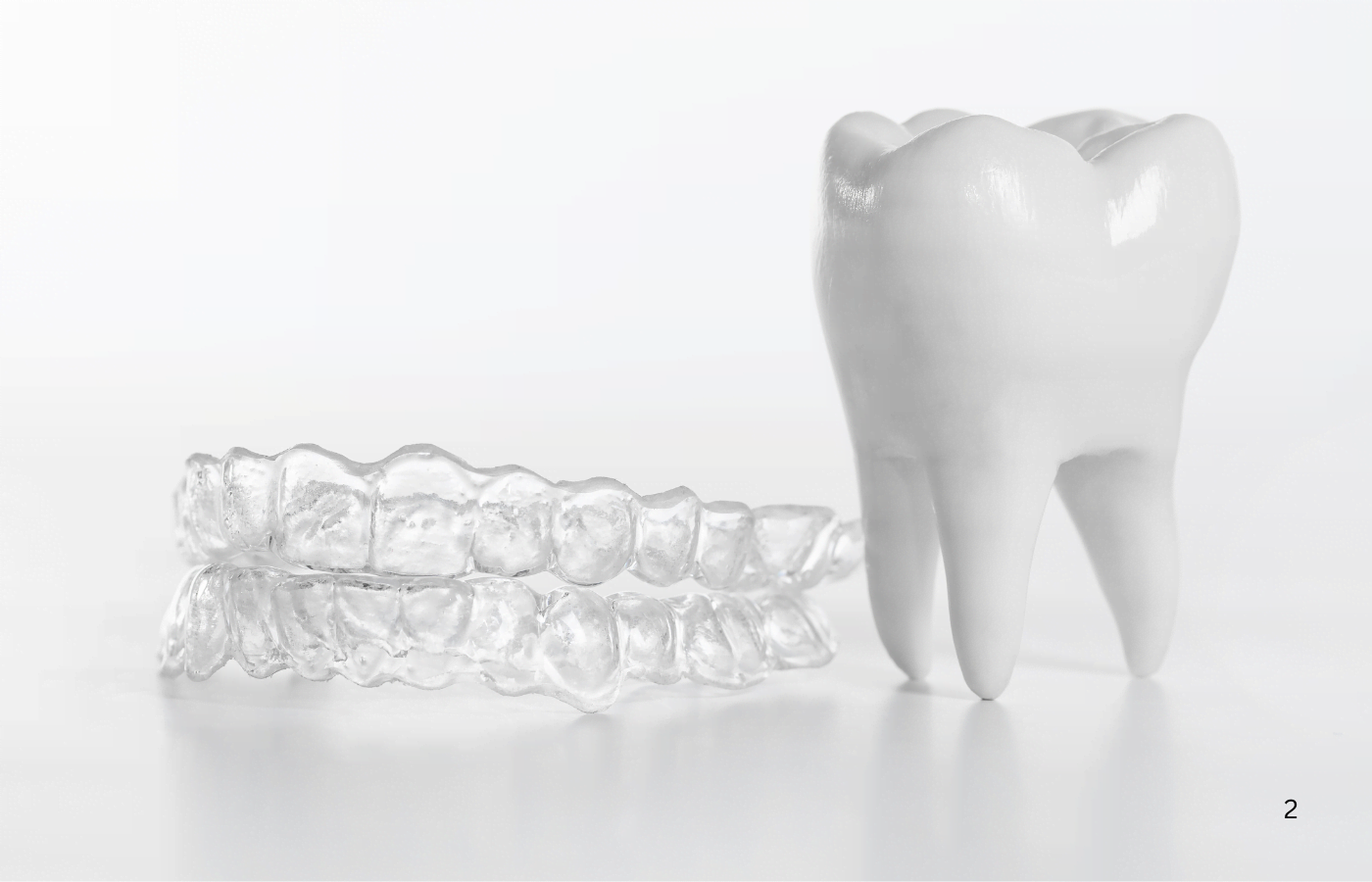
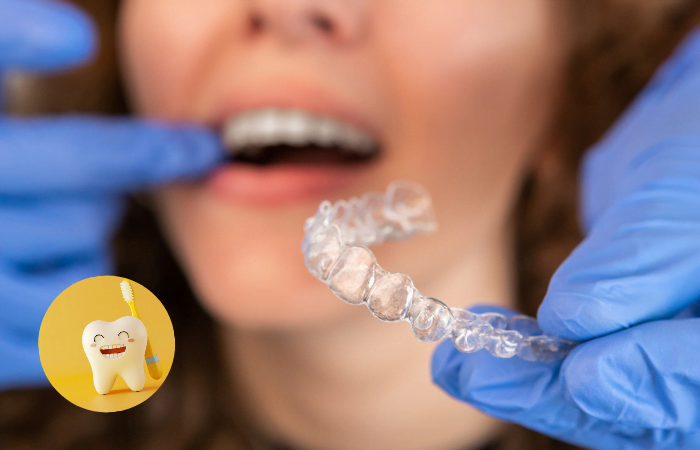
Clear aligners are custom made transparent trays that fit snugly over your teeth. They are removable and use gentle force to move teeth step by step into the correct position.
Aligners must be worn most of the day and changed regularly to the next tray in the series.
Unlike braces aligners do not require wires or brackets and are nearly invisible when worn.
Braces use pressure from the archwire and brackets attached to your teeth.
Visit Now: https://www.diagnopein.com/dental-clinic/Mumbai
At each adjustment appointment the orthodontist tightens or modifies the wire. This applies controlled force that encourages your teeth to shift in small increments.
Because braces are fixed they work continuously and do not rely on patient compliance as much as removable systems.
Clear aligners work with a preset sequence of trays. Each tray is designed to move your teeth slightly closer to the desired position.
You wear each tray usually for one to two weeks and then move to the next tray in the set.
Aligners must be worn for 20 to 22 hours per day for best results. They are removed for eating brushing and cleaning.
| Feature | Braces | Aligners |
|---|---|---|
| Visibility | Visible metal or ceramic | Nearly invisible |
| Aesthetics | Noticeable when smiling or talking | Subtle and discreet |
Many adults and working professionals prefer aligners because they are harder to notice.
Braces consist of brackets and wires that may irritate cheeks and gums at first. As treatment progresses adjustments can cause discomfort.
Clear aligners are smooth and made of soft plastic. They do not use metal brackets or wires so most people find them more comfortable.
Braces are fixed to teeth until treatment is complete and cannot be removed.
Aligners are removable which means you can eat without restriction and brush or floss easily.
However removable aligners require discipline to wear them long enough each day.
With braces food particles often get stuck around brackets and wires. Cleaning requires extra time and tools such as special brushes and floss threaders.
Aligners are easily removed so you can brush and floss your teeth normally. This makes oral hygiene simpler and reduces the risk of plaque buildup and cavities.
Braces require food restrictions to avoid damage or breakage. Hard sticky foods popcorn and chewy candies are often discouraged.
With aligners you simply remove the trays before meals and place them back after cleaning. This allows you to eat normally without avoiding favorite foods.
Typical treatment duration varies based on case complexity.
Minor to moderate alignment issues treated with aligners may take six to eighteen months.
Traditional braces treatment may range from twelve to twenty four months depending on severity.
Both systems can be effective but braces are often preferred for complex bite issues.
Aligners require strict discipline. If you do not wear them as instructed progress slows and results may take longer.
Braces are fixed and the treatment works continuously without patient compliance beyond maintenance and appointments.
Cost varies based on the clinic orthodontist experience technology used and complexity of treatment.
In Mumbai typical aligner prices range from 60000 to 200000 rupees.
Traditional braces in Mumbai generally range from 35000 to 120000 rupees.
While braces may be less expensive initially aligners offer lifestyle and comfort benefits that many patients find worth the investment.
There is no single answer for everyone. The best choice depends on your priorities and dental needs.
Here we compare benefits and limitations to help you decide.
Braces are highly effective for complex alignment issues severe crowding bite discrepancies and jaw related problems. Many orthodontists prefer braces for cases that involve major movement.
Braces tend to be more affordable than premium aligner options in many cases. For families on a budget braces provide an effective solution without compromising results.
Since braces are fixed you do not need discipline to wear them for specific hours per day. The treatment works continuously once placed.
Clear aligners are nearly invisible which makes them ideal for professionals or adults who want a subtle treatment. They allow patients to smile confidently during treatment.
Clear plastic aligners do not have wires brackets or sharp edges. Most people find aligners more comfortable with less irritation to cheeks and gums.
Since aligners are removed for eating and cleaning your natural oral hygiene routine remains simple. This helps maintain gum health and reduces risk of stains or decay during treatment.
Aligners allow you to enjoy all foods because you remove them before eating. This makes daily life easier without worrying about avoiding specific items.
If your dental condition is severe you may require braces. Aligners are ideal for mild to moderate cases but may not solve complex bite or jaw issues without attachments or refinements.
Aligners require discipline. Missing hours or forgetting to wear them frequently will delay results.
If you prefer a discreet treatment that does not affect your appearance then aligners are a strong choice. If appearance is not a concern braces remain a reliable option.
Never decide without a professional assessment. A qualified orthodontist will evaluate your dental condition and recommend the best solution.
Many orthodontists use a combination of technologies and may recommend hybrid approaches for optimal results.
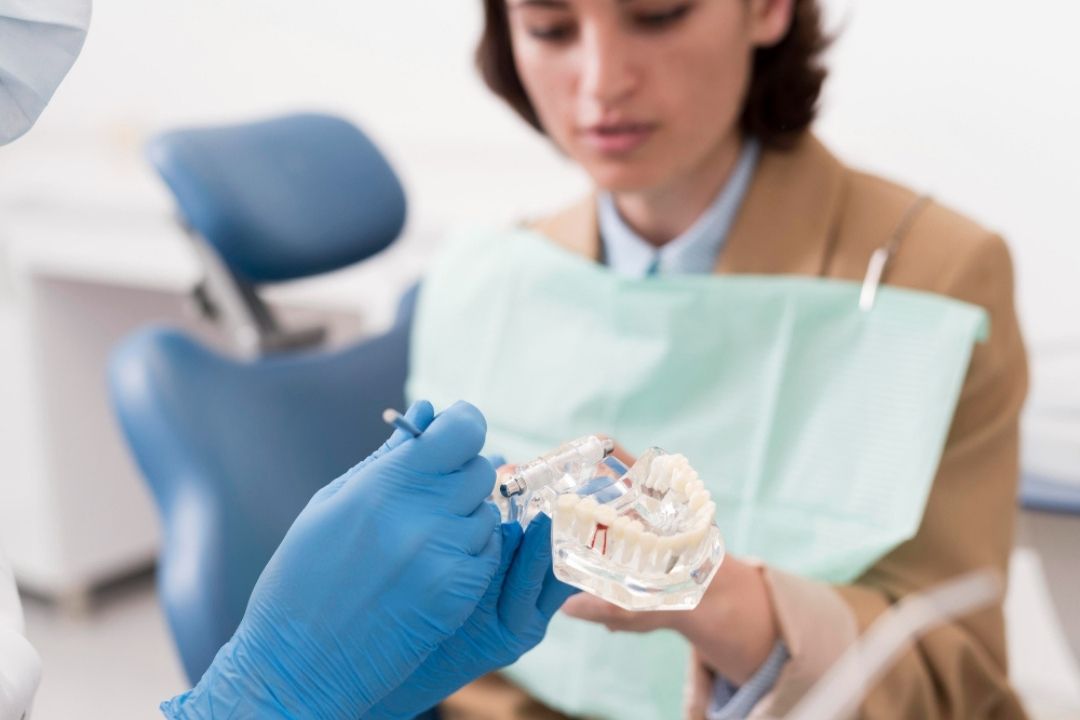
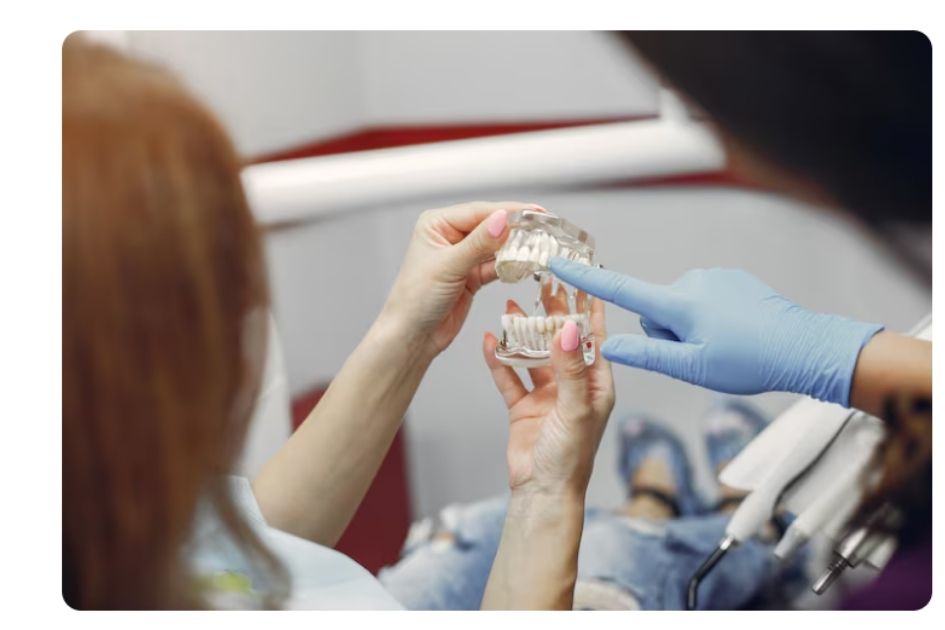
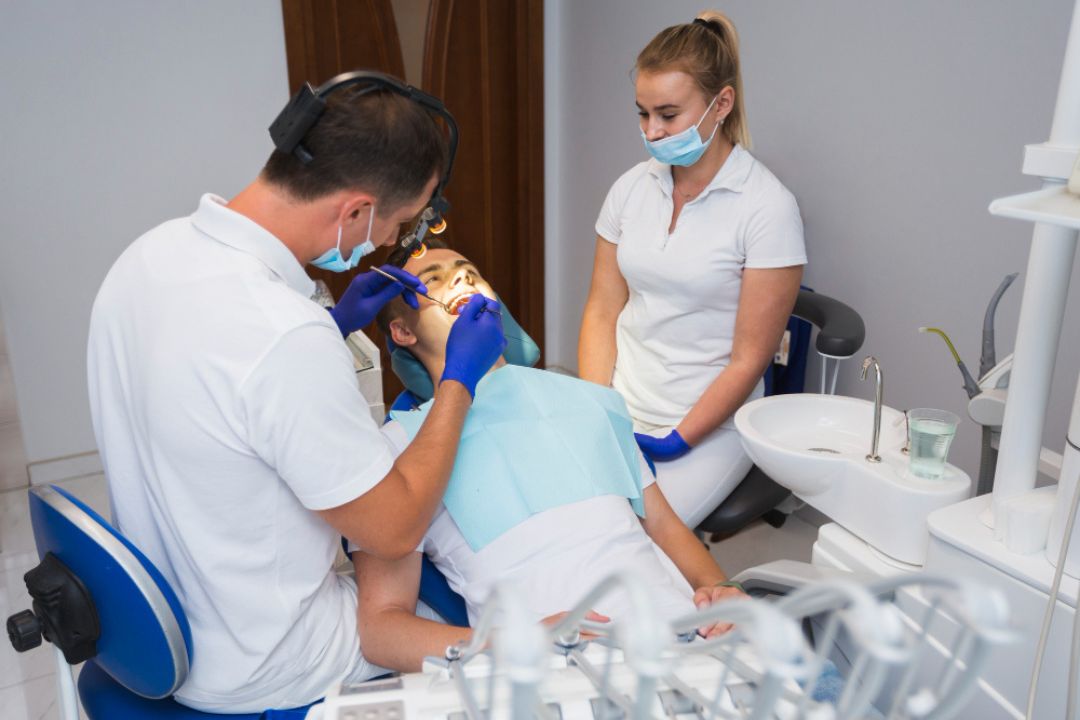
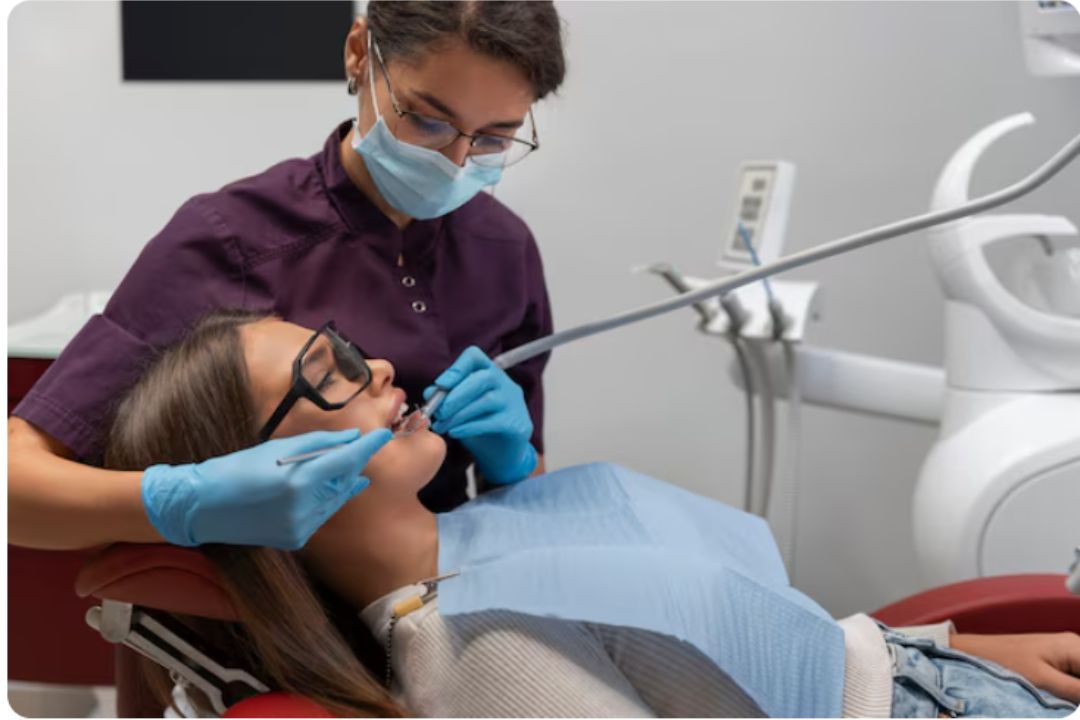
For both braces and aligners you begin with a consultation and detailed examination. This includes digital scans photographs and x rays to assess your case.
Your orthodontist creates a customized treatment plan tailored to your alignment needs. For aligners you will see a digital simulation of expected results.
Braces require periodic visits for wire adjustments. Aligners require checkups to provide your next sets and monitor progress.
After treatment you will receive retainers which are essential to maintain results. Retainers prevent teeth from shifting back and ensure your new smile lasts.
Benefits
Works for all cases
Affordable comparative cost
No wearing discipline needed
Limitations
Visible appearance
Requires hygiene care around brackets
Food restrictions
Discomfort from wires at times
Benefits
Nearly invisible
Comfortable
Easy oral hygiene
No food restrictions
Limitations
Needs discipline to wear daily
May take longer if not worn properly
Not always ideal for complex bite issues
The question of braces or aligners does not have a one size fits all answer. Your choice should be based on your dental needs lifestyle priorities and professional recommendations.
Braces remain a strong solution for complex problems and offer cost advantages. Aligners offer comfort flexibility and aesthetics which many patients prefer.
Schedule a consultation with a qualified orthodontist in Mumbai to evaluate your case and get a personalized treatment plan. With the right choice and consistent care you can achieve a confident healthy smile.
 (1).png "Allergies and Health Conditions")





















.jpg "invisible aligners for crowded teeth before and after results")



.jpg "affordable aligners vs braces cost, comfort,")
.jpg "invisible aligners cost in mumbai")

















.jpg "affordable invisible braces pricing in india")













.jpg "invisible aligners step by step treatment process")











.jpg "dental aligners")

.jpg "dental aligners")
.jpg "dental aligners")
.jpg "dental aligners")

.png "Dental Aligners Are the Silent Revolution")
.jpg "5 Myths About Clear Aligners")
.jpg "Clear Aligners Over Braces")
.jpg "Aligners Can Help Improve Your Oral Health")
 (1).jpg "The Rise of Clear Aligners")

.png "dental aligners myth facts")