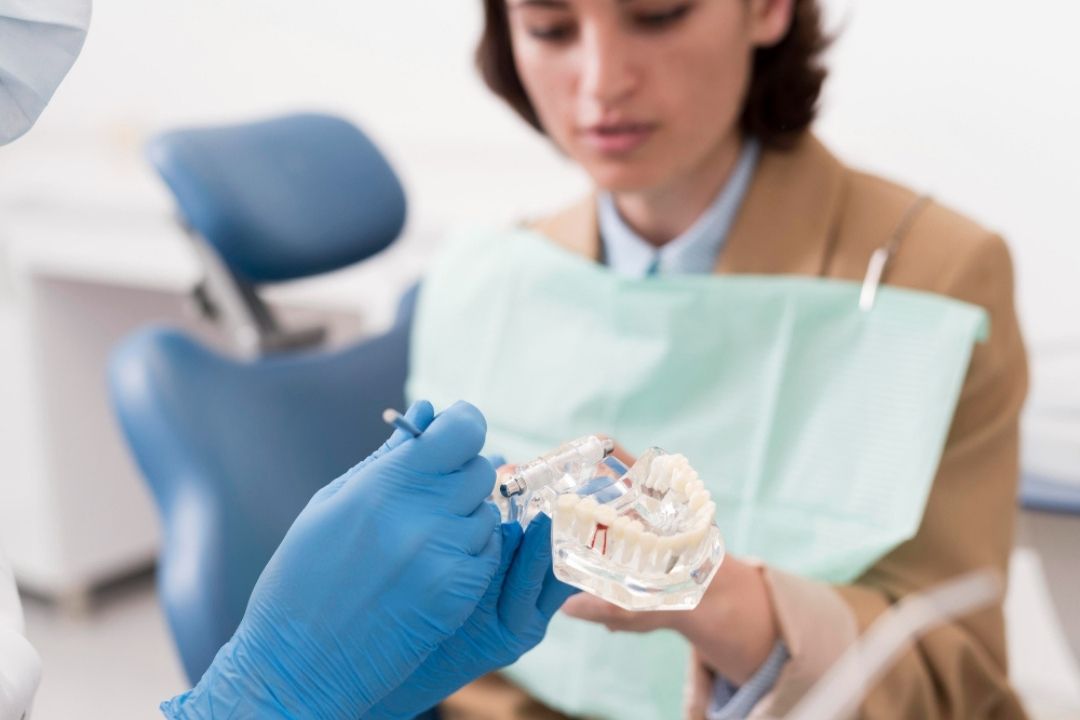
As an adult considering orthodontic treatment, the choice often boils down to modern dental clear aligners or traditional metal braces. It’s not just about straightening teeth; it’s about fitting treatment into your lifestyle, budget, and comfort. At Dignopein, we help you navigate this decision with clarity. So, are aligners truly better for adults? Let’s break it down.
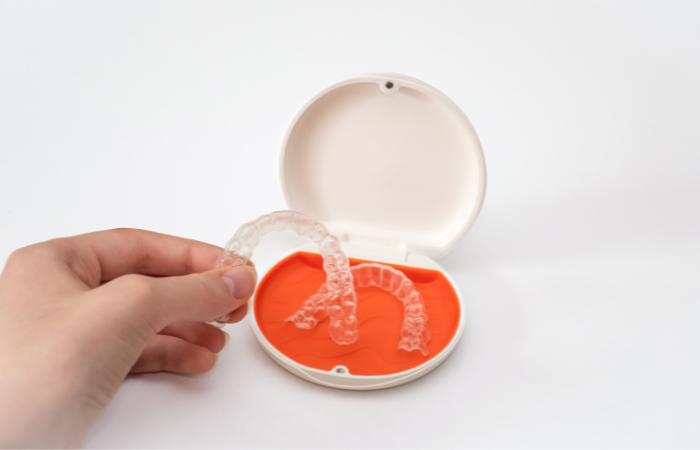
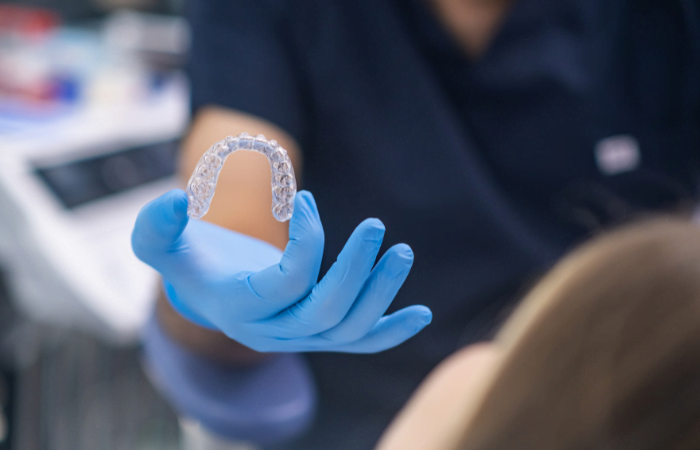
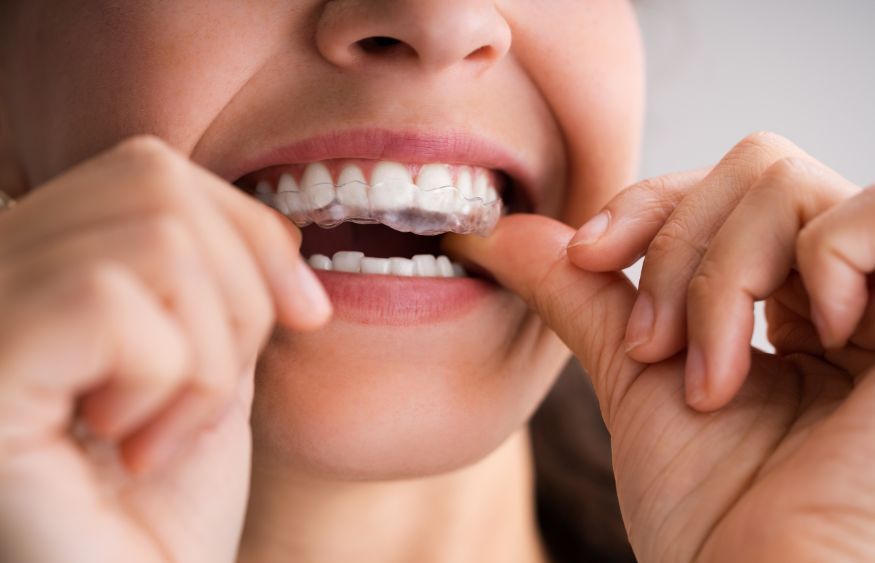
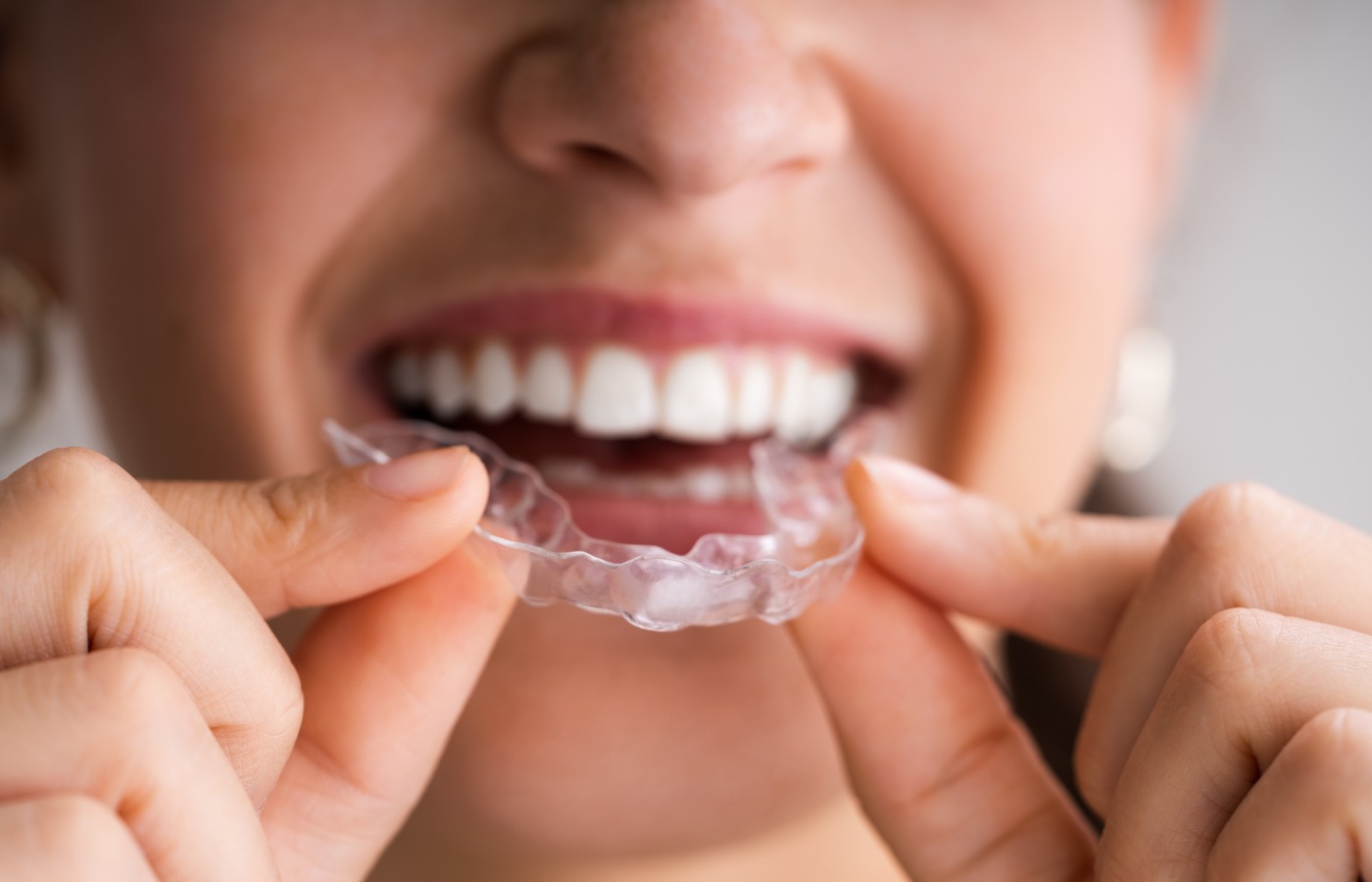
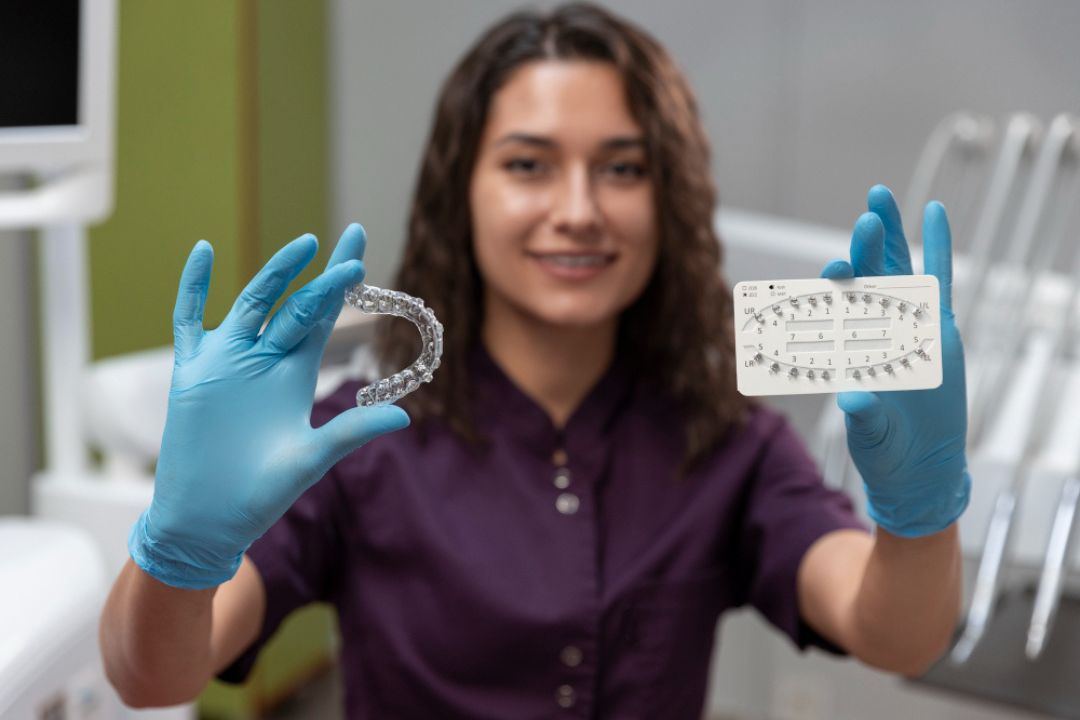
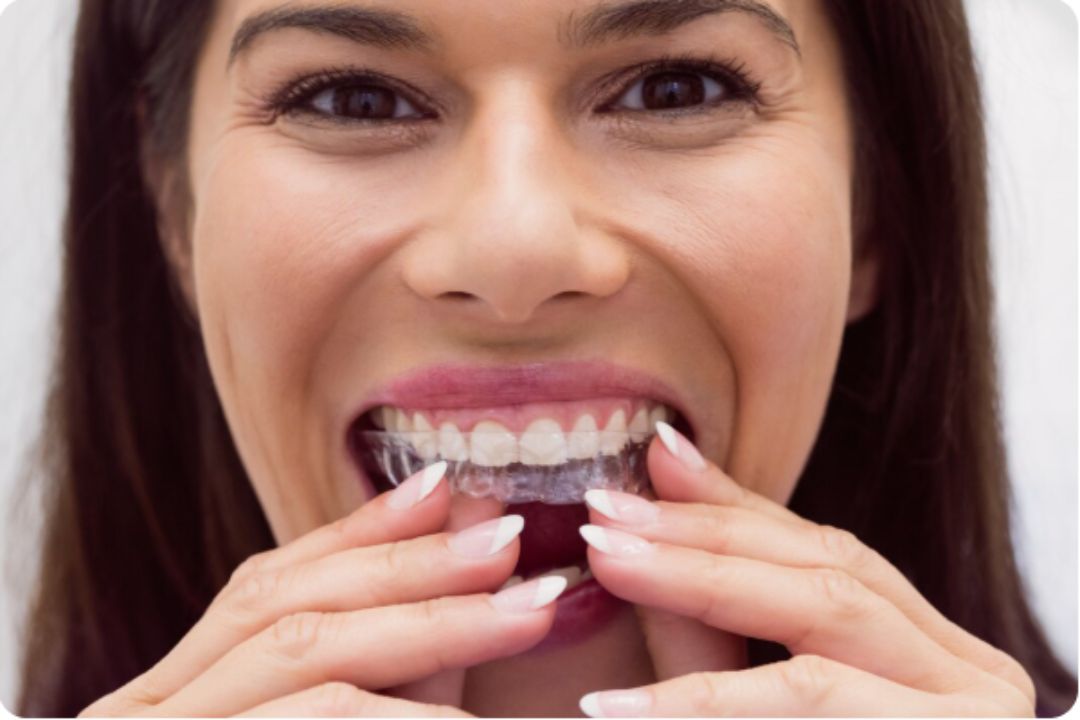
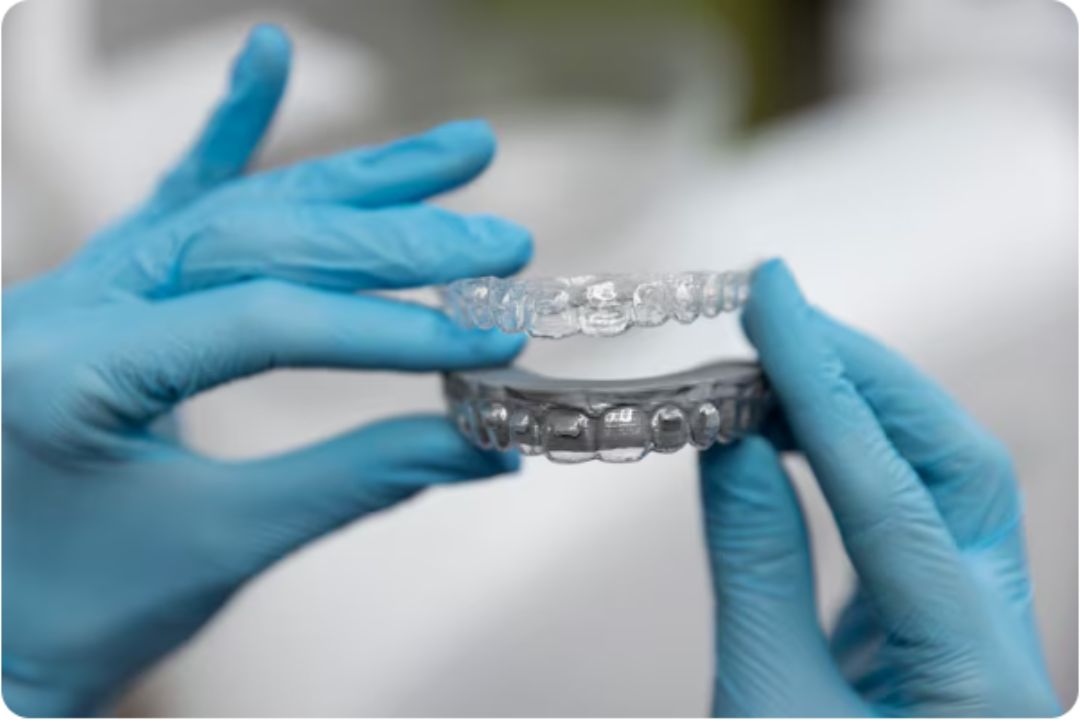
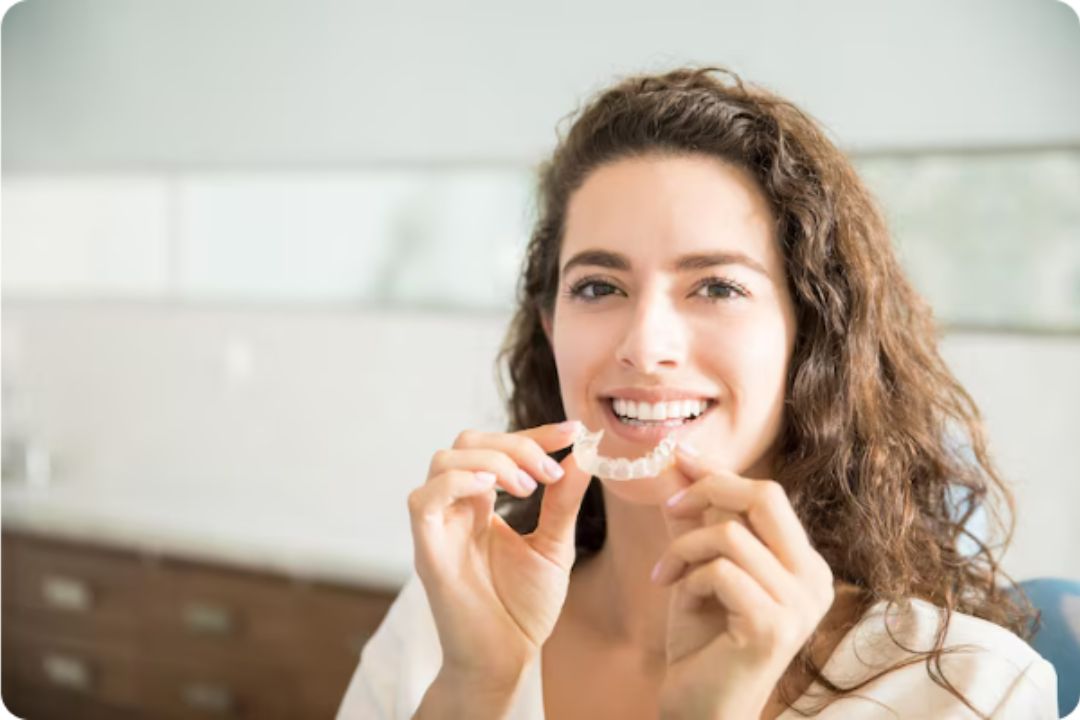
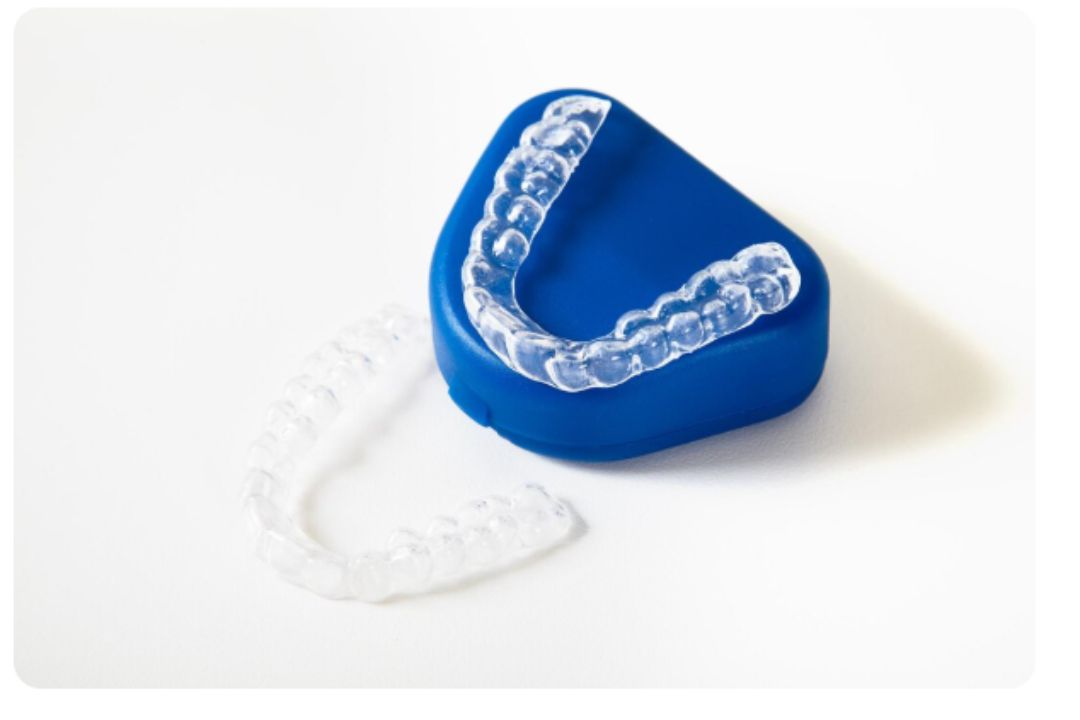
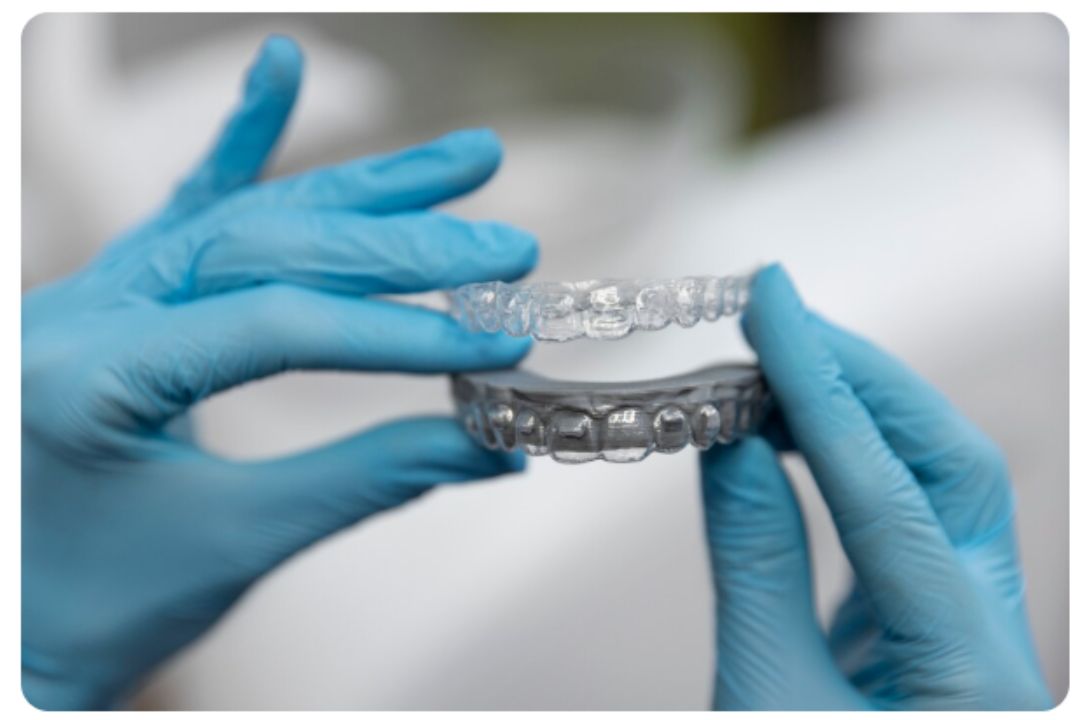
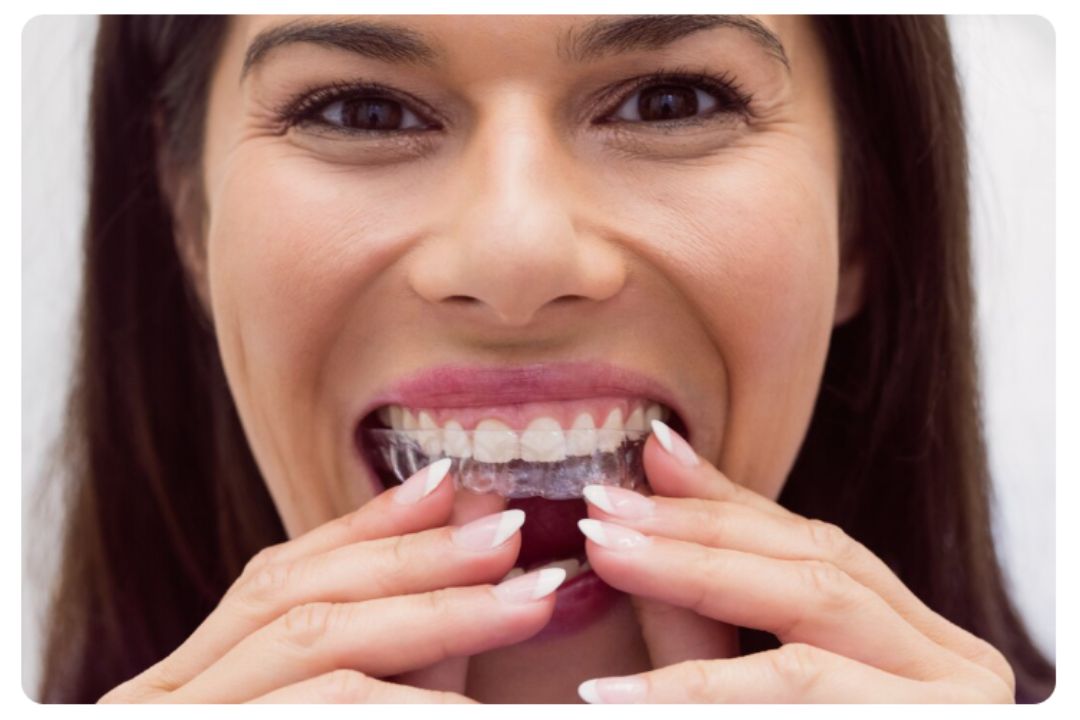
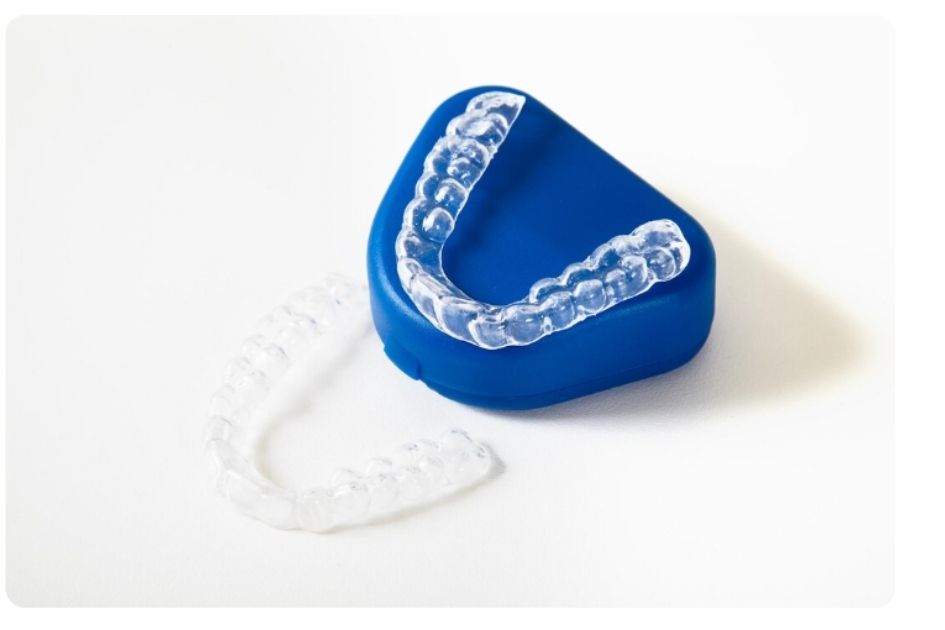
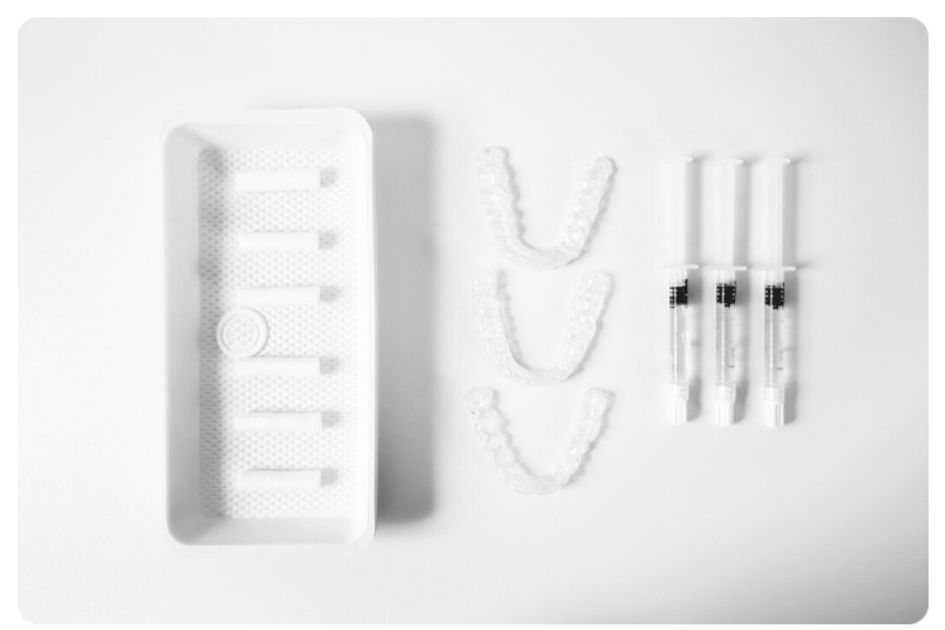
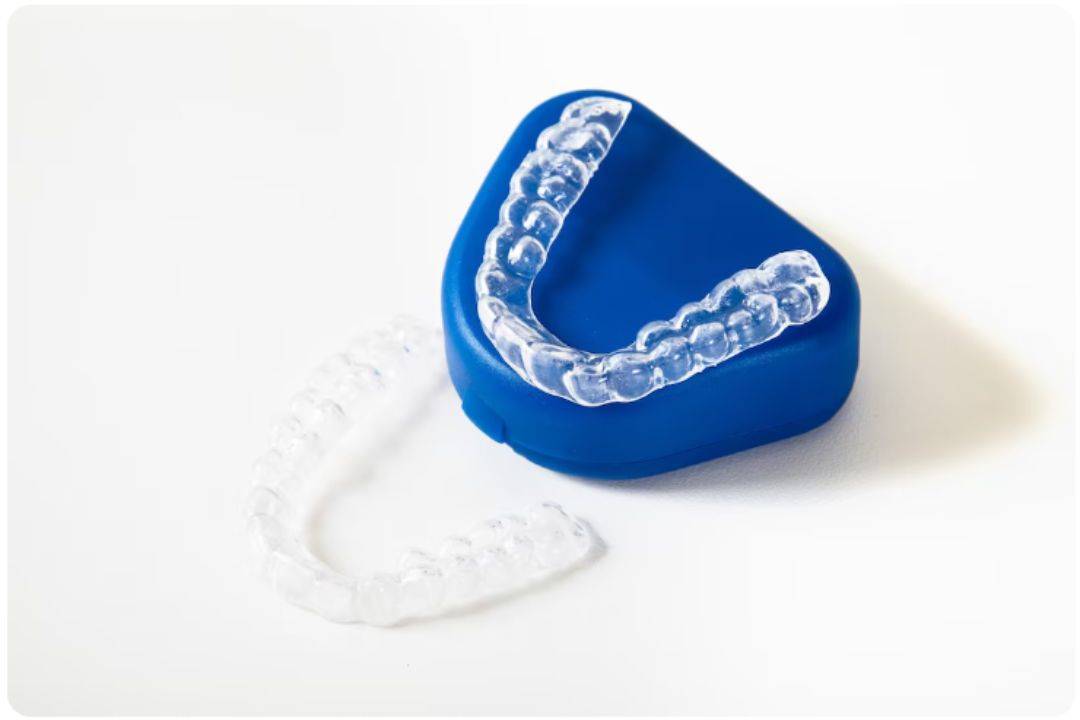
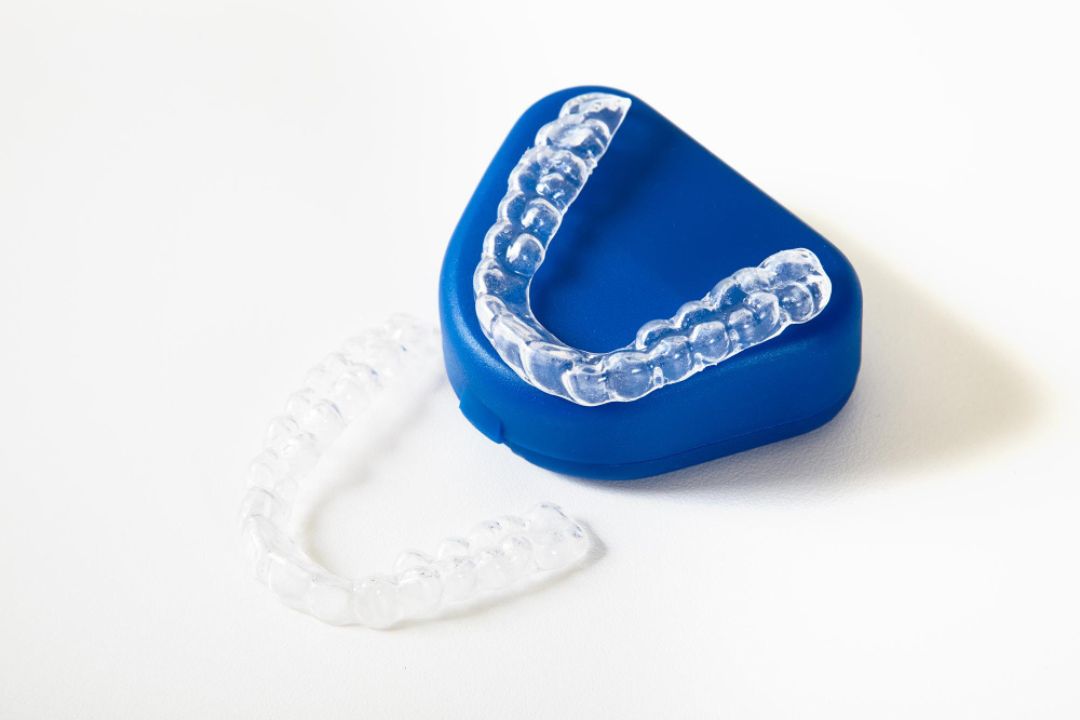
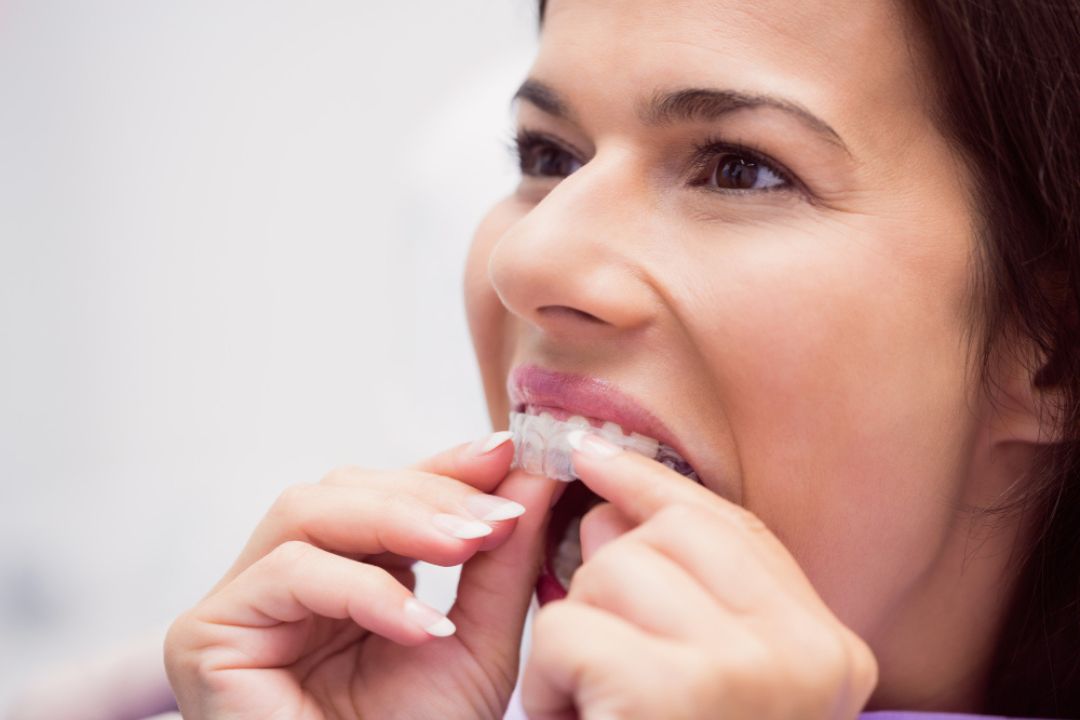
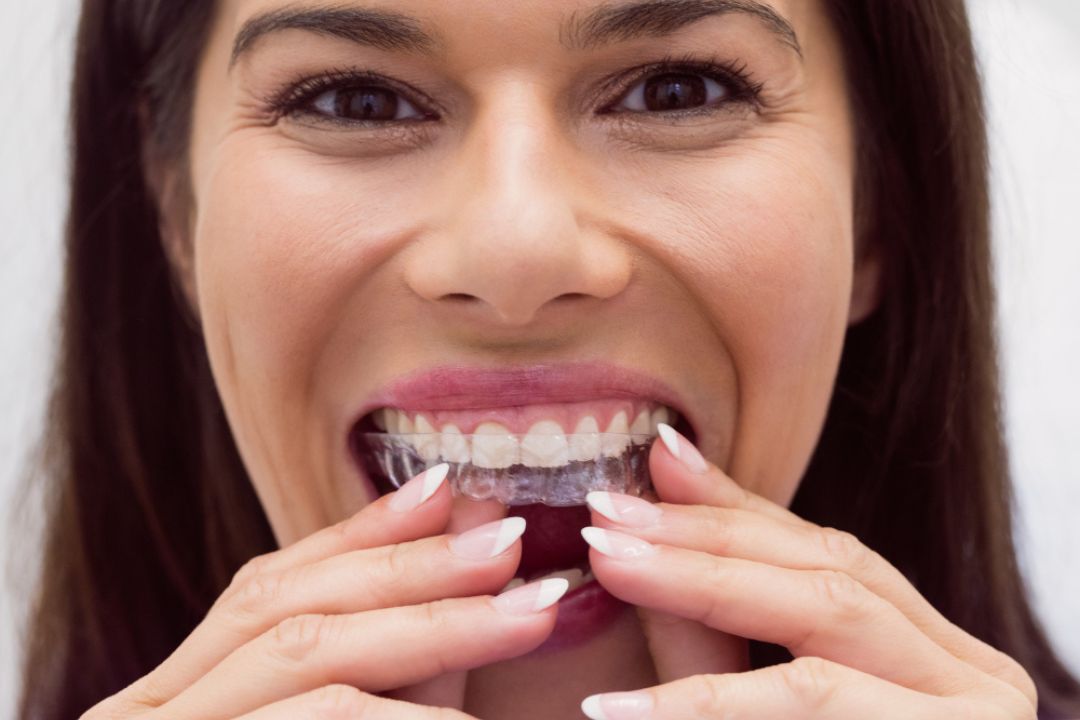
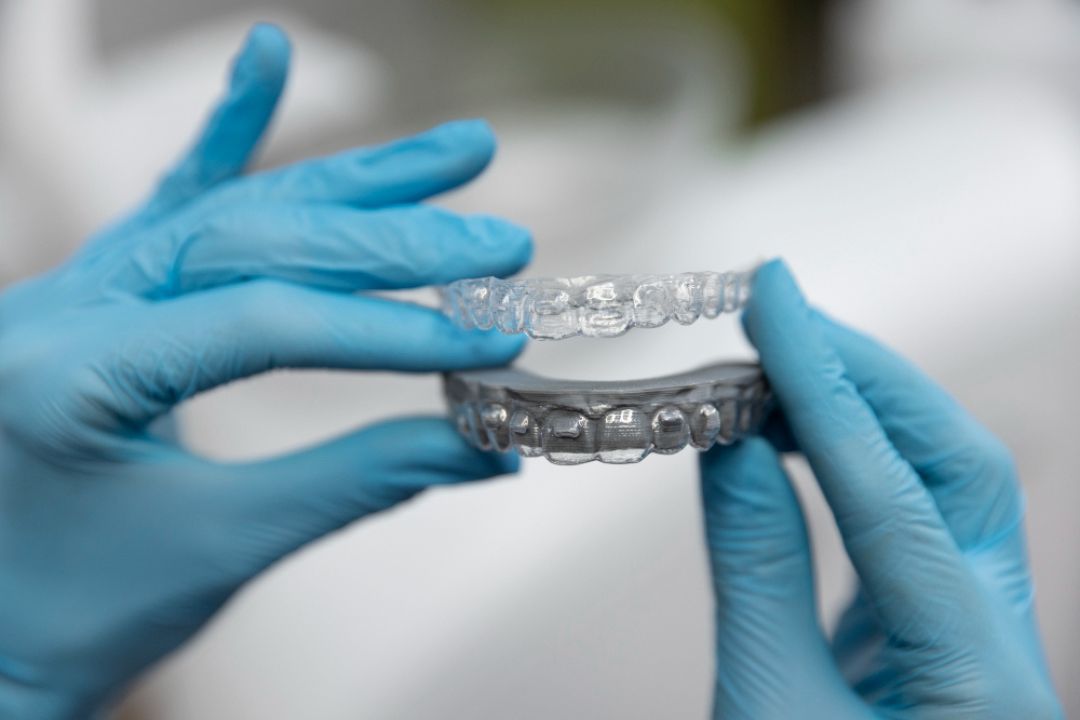
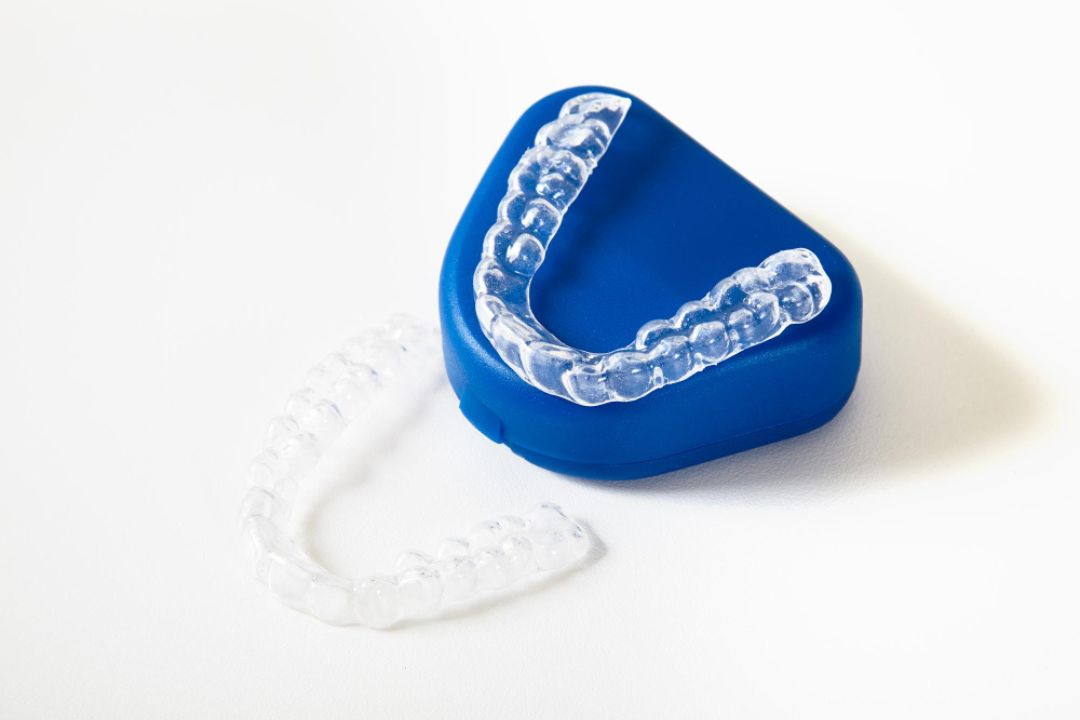
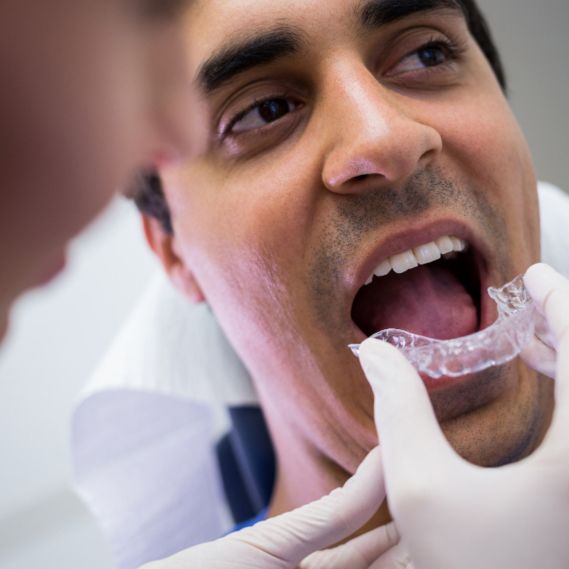
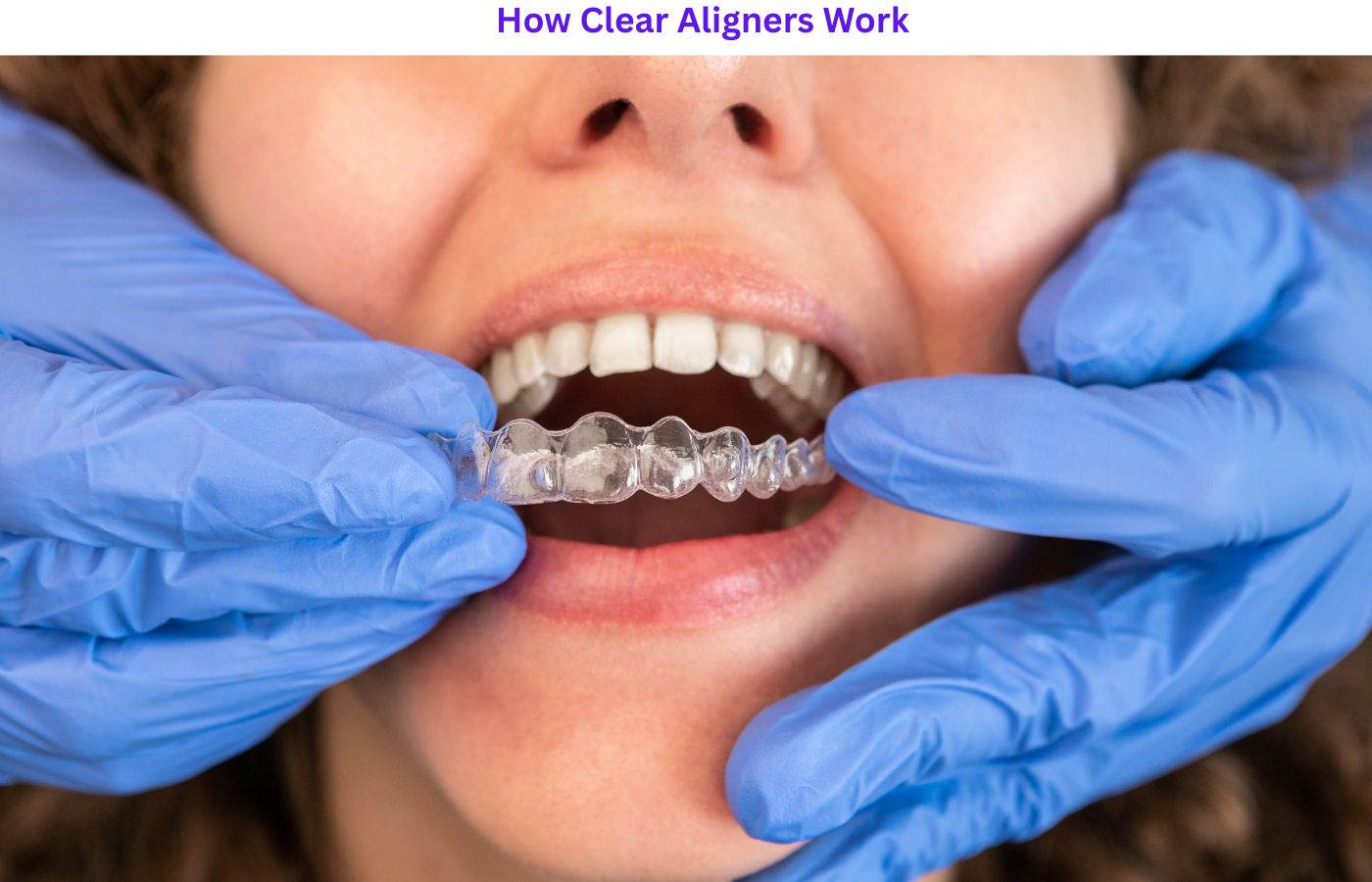
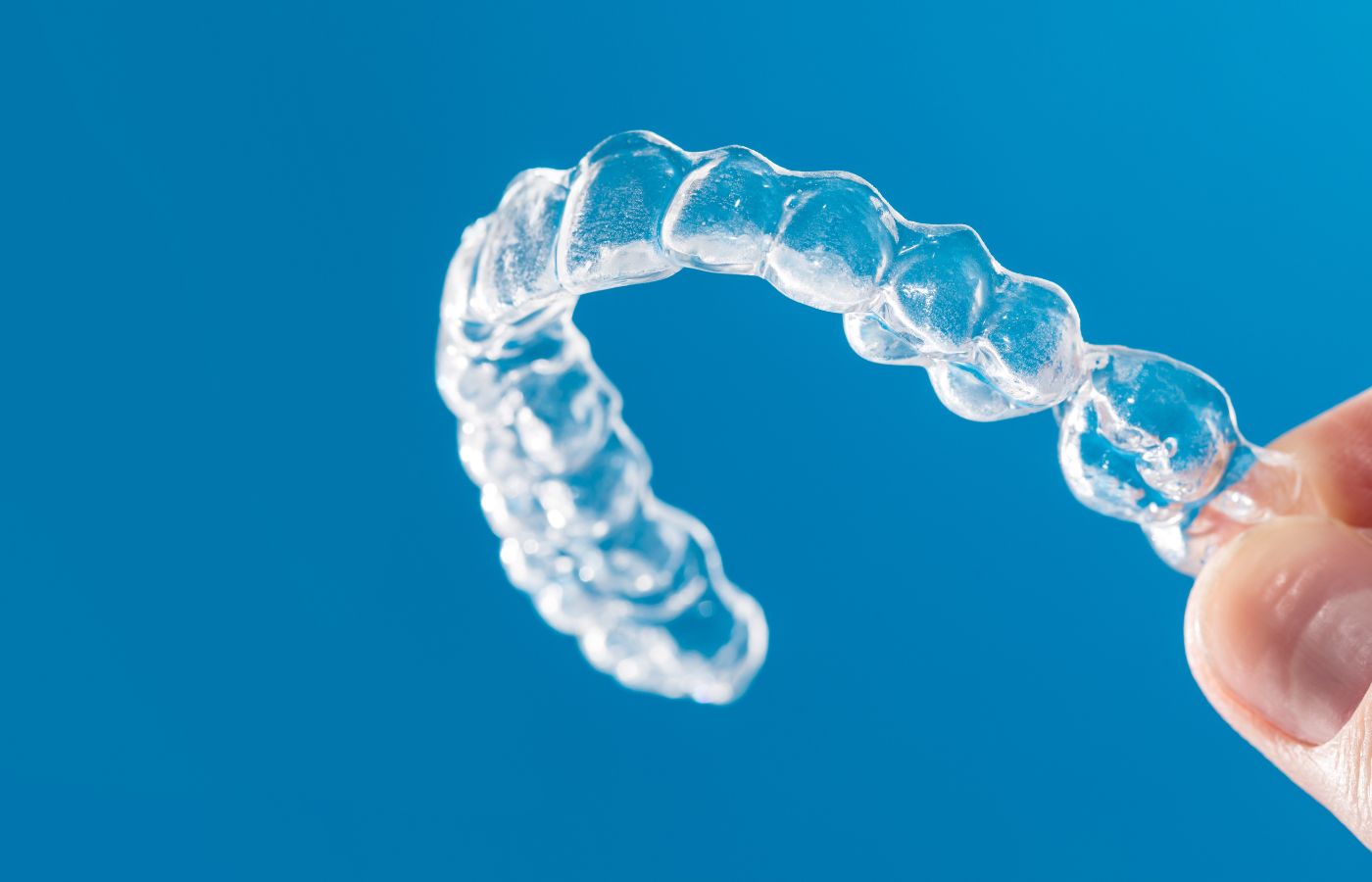
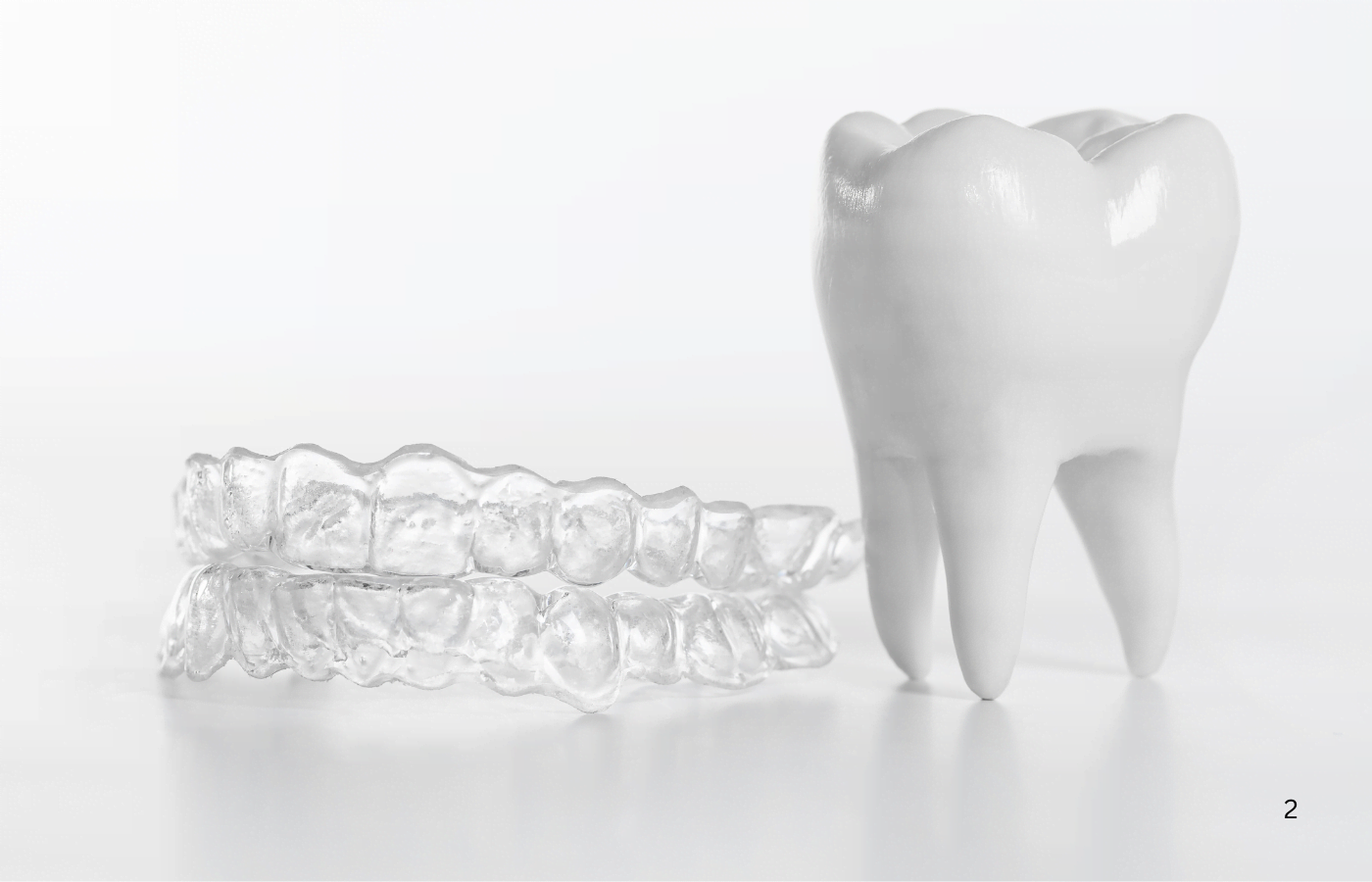
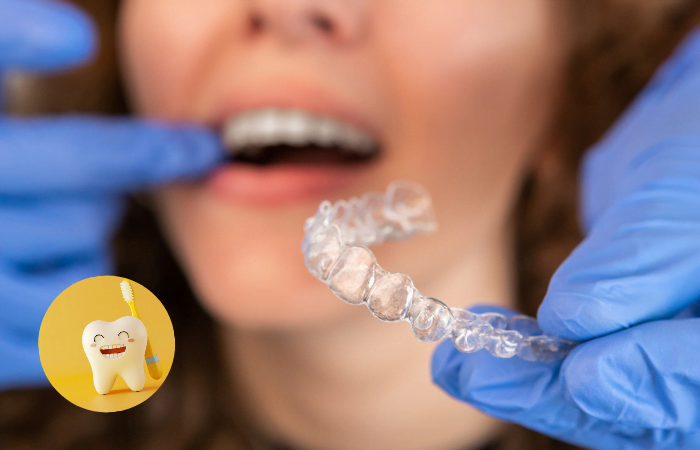
Clear aligners are smooth, transparent trays custom made to fit over your teeth. They gradually move teeth into the desired position through a series of planned adjustments. Aligners are removable, which makes them convenient for eating and oral care.
Most aligner treatment plans require wearing the trays for most of the day, and changing them every one to two weeks based on your orthodontist guidance.
Traditional braces consist of brackets bonded to each tooth and connected with arch wires. These wires are periodically adjusted by your orthodontist to guide teeth into proper alignment. Braces are fixed in place, and you cannot remove them until treatment is complete.
Braces can be made from metal, ceramic or placed behind the teeth. All types work well for a wide range of orthodontic needs.
For many adults one of the biggest concerns is appearance during treatment.
Clear Aligners
Aligners are nearly invisible and blend into everyday life. Most people will not even notice you are wearing them. This makes them a popular choice for professionals and adults who want discreet treatment without visible hardware.
Visit Now: https://www.diagnopein.com/dental-clinic/Mumbai
Braces
Traditional braces are more visible, especially metal ones. Ceramic braces are less noticeable but still more visible than clear aligners. Some adults feel self conscious with braces because people can see the brackets and wires during speech and meals.
Because of this, many adults prefer aligners for aesthetic reasons.
Comfort is an important factor when comparing treatment experiences.
Clear Aligners
Aligners are generally considered more comfortable because they are made of smooth plastic. There are no wires or brackets to rub against your cheeks or lips. Some mild pressure may be felt when switching to a new tray, but most find this easier to tolerate.
Braces
Braces can cause soreness and irritation, especially in the first few weeks after placement or adjustment. Wires and brackets can rub against soft tissues, and care must be taken to avoid discomfort. Many adults find braces more intrusive when eating and speaking.
In terms of comfort, aligners typically have an edge over braces for many adults.
How orthodontic treatment affects your daily routine matters a lot.
Clear Aligners
Since aligners are removable, you can brush and floss normally. There is no hardware in your mouth to work around, which helps maintain cleaner teeth throughout treatment.
You simply remove them before meals and put them back after cleaning your teeth. This makes it easier to avoid stains, plaque buildup and gum issues.
Braces
Flossing and brushing require more care with braces. Food can get stuck in wires and brackets, and extra tools like floss threaders and interproximal brushes are often needed. Some adults find this more time consuming and difficult.
From an oral care perspective, clear aligners often make hygiene easier and more convenient.
Diet changes are a common part of orthodontic treatment.
Clear Aligners
Because you remove aligners before eating, there are no food restrictions. You can enjoy your usual diet without worrying about damaging your orthodontic appliance.
Braces
With braces you must avoid sticky, hard or chewy foods that can dislodge brackets or bend wires. This means some popular snacks and foods need to be skipped or altered.
If dietary freedom is important to you, aligners offer an advantage.
How long treatment takes depends on your specific dental needs.
Clear Aligners
Aligners can be very efficient for mild to moderate alignment issues. Some adults complete treatment in less time than with traditional braces. However effectiveness depends on wearing trays consistently as recommended.
Braces
Braces have a long track record and are highly effective for a wide range of cases including complex bite issues. Treatment time may be similar to aligners for many adults, but braces may be necessary when more severe corrections are needed.
Your orthodontist will assess your case and recommend the best option based on your goals and dental condition.
One common question is whether aligners or braces work better for certain kinds of problems.
Clear Aligners
Aligners work very well for mild to moderate crowding, gaps, slight rotations and certain bite issues. With advances in planning and attachments, aligners can now handle many cases effectively.
Braces
Braces are still considered more versatile for complex cases such as severe bite problems, large tooth movements, or cases needing tooth rotation. Because braces deliver continuous force and precise adjustments, they are often preferred for complicated treatment needs.
If your orthodontic case involves major corrections, braces may be recommended for best results.
Cost is an important aspect for many adults.
Clear Aligners
Aligners often cost more due to customization, digital planning and number of trays needed. However many clinics offer flexible payment options that make treatment easier to afford. These include easy monthly payment plans, interest free financing and payment breakdowns.
Braces
Braces tend to be less expensive, especially basic metal options. Ceramic and lingual braces cost more, but still often remain less expensive than advanced aligner systems.
It is important to weigh the cost against long term value. Straight teeth contribute to better oral health, reduced dental issues, and increased confidence over time.
Successful orthodontic treatment requires personal effort regardless of method.
Clear Aligners
Aligners require you to wear trays for most of the day. Failing to wear them as prescribed can delay results. This makes discipline and routine important.
Braces
Braces are fixed and do not rely on patient compliance for wearing time. Once they are on, your teeth move according to the plan without reminders.
For adults who may travel, work long hours or have irregular schedules, aligners offer convenience but also require responsibility.
Some discomfort can be expected with both options.
Clear Aligners
Minor pressure or sensitivity when switching trays is normal. This usually fades quickly as your teeth adjust.
Braces
Soreness may occur after adjustments or new wire placements, and braces are more likely to cause irritation due to hardware rubbing the soft tissues.
Clear aligners often have a reputation for being slightly less painful overall.
Both treatment paths include professional guidance.
Clear Aligners
Aligner treatment includes periodic check ups, progress assessment and possible refinements if needed. Some clinics provide digital monitoring tools that allow progress tracking between visits.
Braces
Braces require adjustment appointments where wires are tightened, and progress is monitored. These visits may be scheduled every few weeks.
Both options involve regular professional supervision to ensure successful outcomes.
Clear aligners are often best for adults who:
Want a discreet solution
Have mild to moderate misalignment
Prioritize dental hygiene ease
Prefer fewer dietary restrictions
Are willing to wear trays as recommended
For adults with these preferences, aligners can deliver excellent results with comfort and confidence.
Braces are often best for adults who:
Have complex alignment or bite issues
Need precise control over individual teeth
Can adapt to hardware in the mouth
Prefer a fixed orthodontic option
Braces remain a reliable and trusted solution in many advanced cases.
To choose the best option:
Consult a qualified orthodontist
Get a thorough clinical assessment
Ask about expected treatment time
Consider daily lifestyle preferences
Discuss budget and available payment plans
A personalized evaluation helps determine which treatment will deliver the best outcome for your unique situation.
Both clear aligners and braces are effective methods for correcting misaligned teeth. For many adults, aligners offer a comfortable, discreet and convenient experience with fewer lifestyle restrictions. Braces remain a powerful choice, especially when more complex tooth movements are required.
Your smile is unique and your treatment plan should reflect your needs, preferences and goals. With informed guidance, either option can help you achieve a healthier, straighter smile that lasts a lifetime.
 (1).png "Allergies and Health Conditions")





















.jpg "invisible aligners for crowded teeth before and after results")


.jpg "affordable aligners vs braces cost, comfort,")
.jpg "invisible aligners cost in mumbai")

















.jpg "affordable invisible braces pricing in india")











.jpg "invisible aligners step by step treatment process")










.jpg "dental aligners")

.jpg "dental aligners")
.jpg "dental aligners")
.jpg "dental aligners")

.png "Dental Aligners Are the Silent Revolution")
.jpg "5 Myths About Clear Aligners")
.jpg "Clear Aligners Over Braces")
.jpg "Aligners Can Help Improve Your Oral Health")
 (1).jpg "The Rise of Clear Aligners")

.png "dental aligners myth facts")