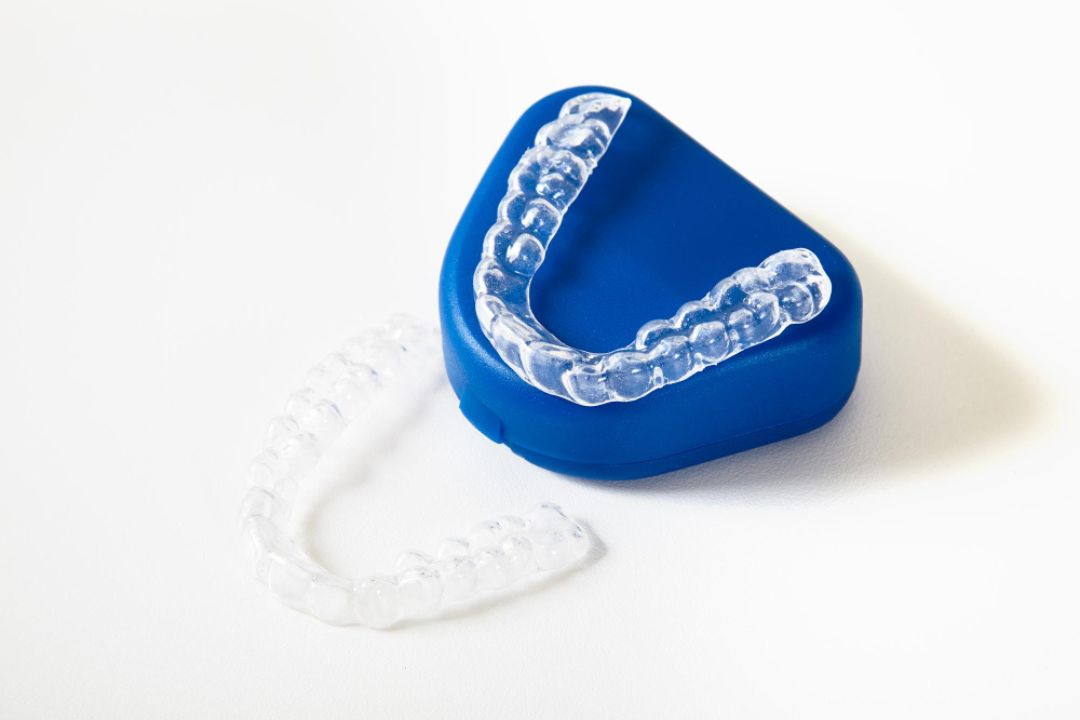
Clear Aligners are no longer just a cosmetic trend—they are transforming the way modern dentistry works.
From digital treatment planning to improved patient experience, aligners are reshaping orthodontics for both patients and dentists.
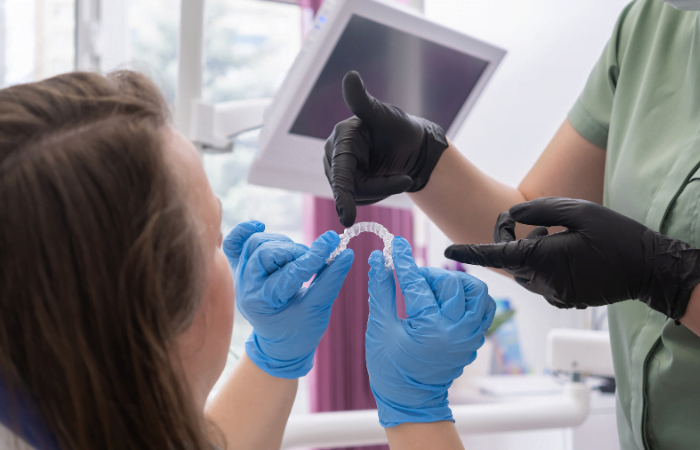
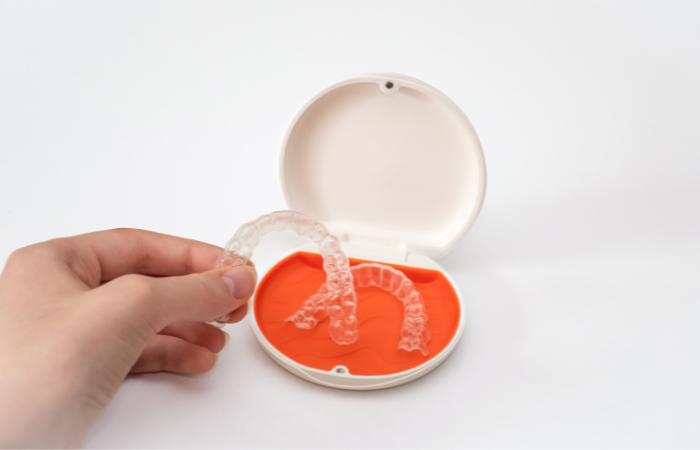
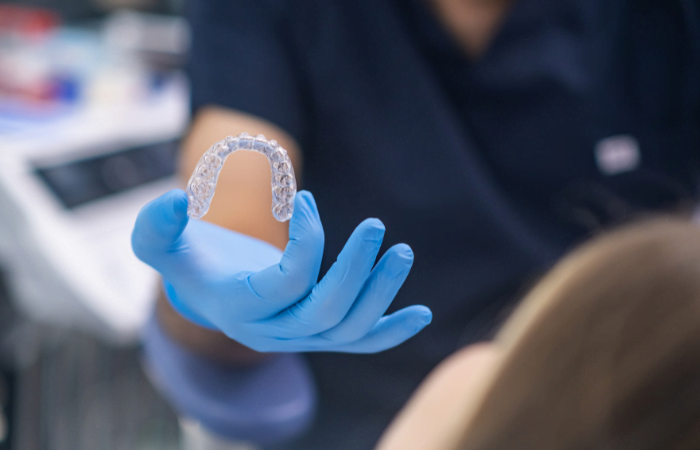
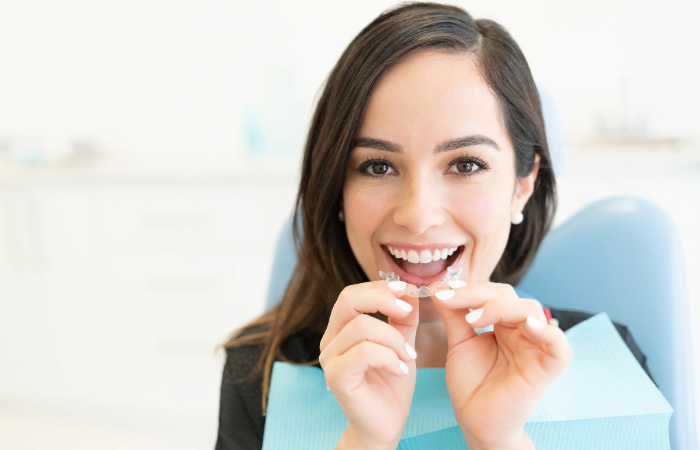
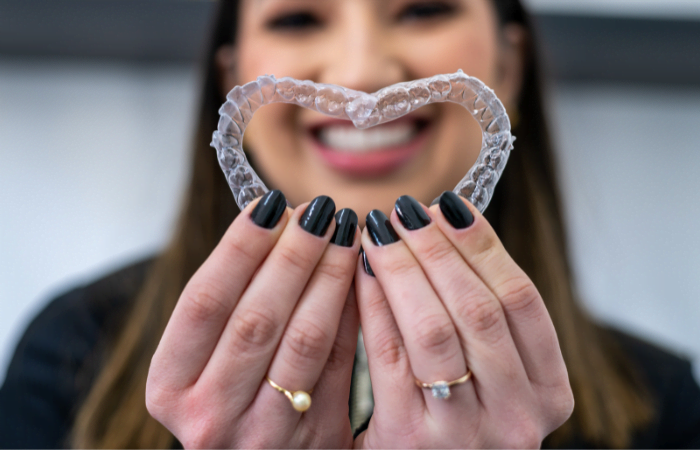
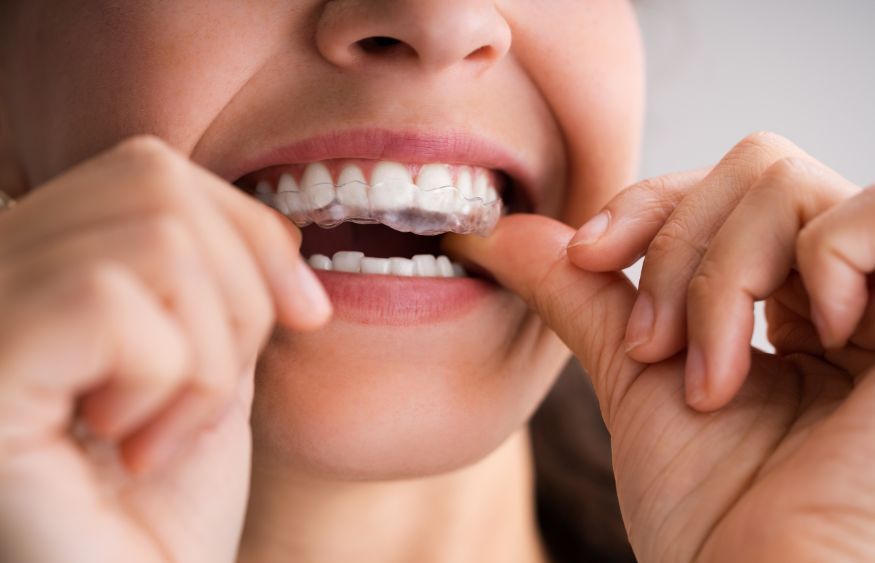
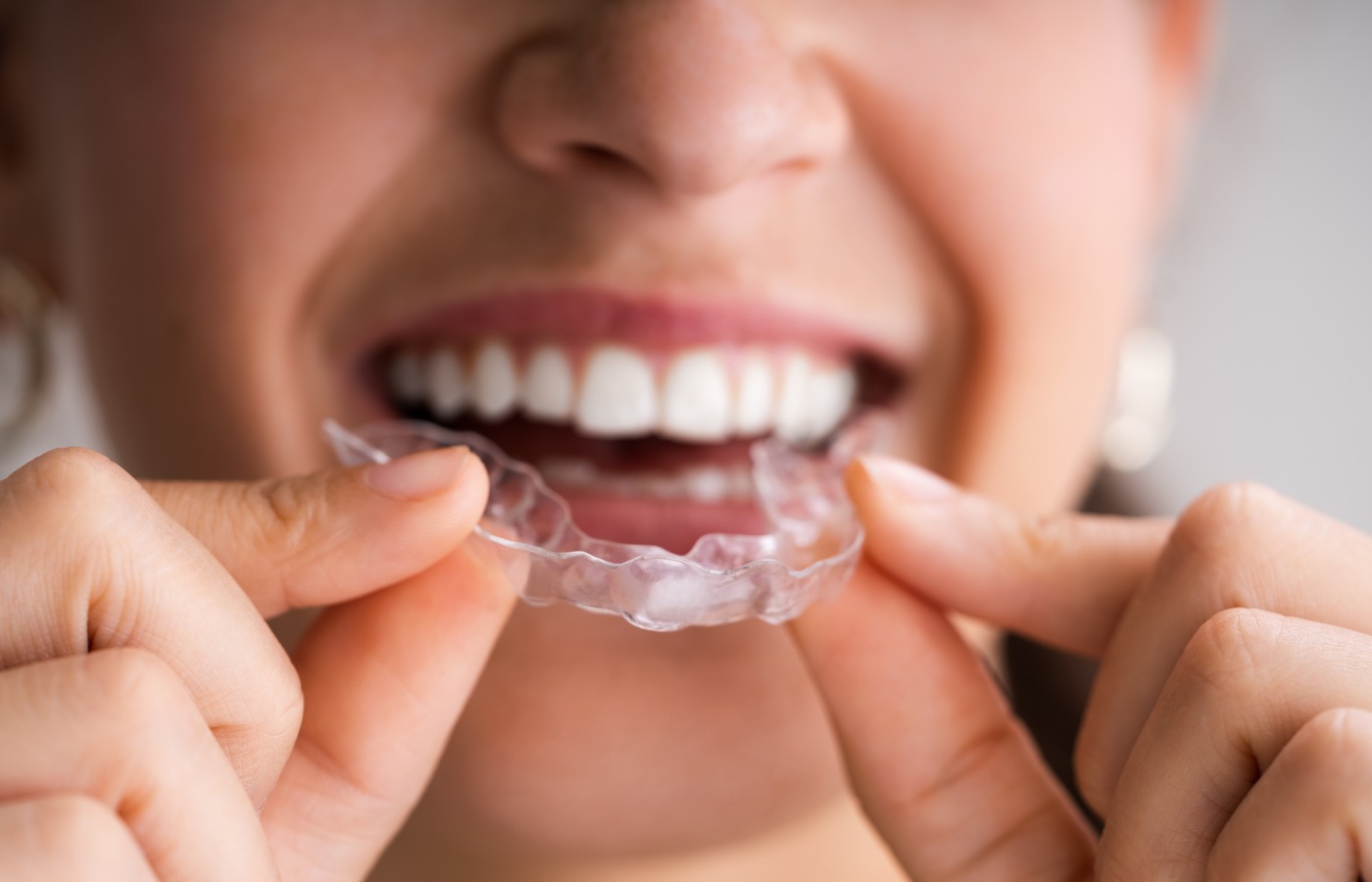
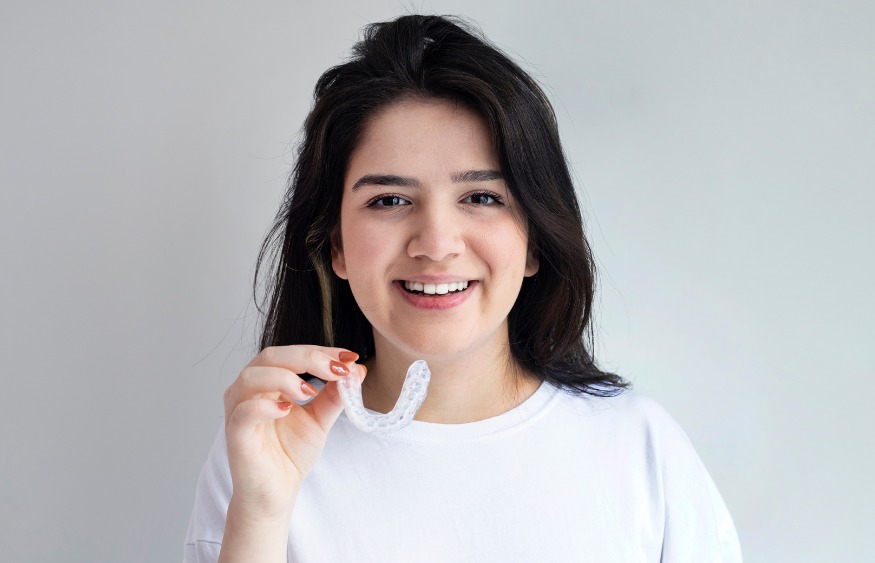
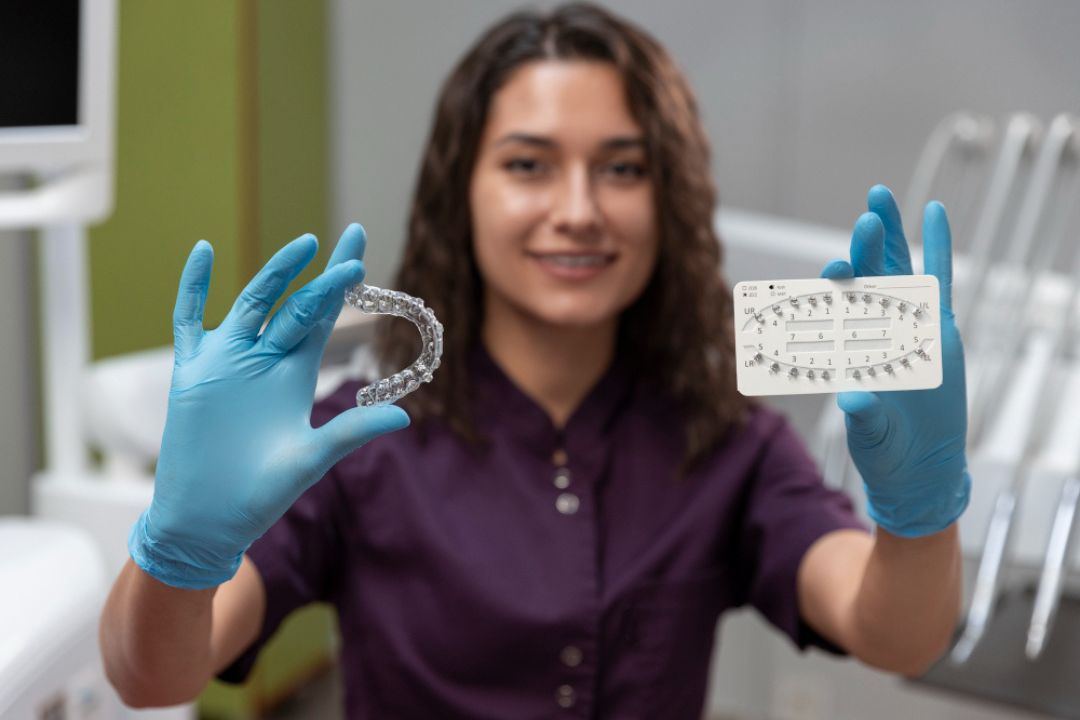
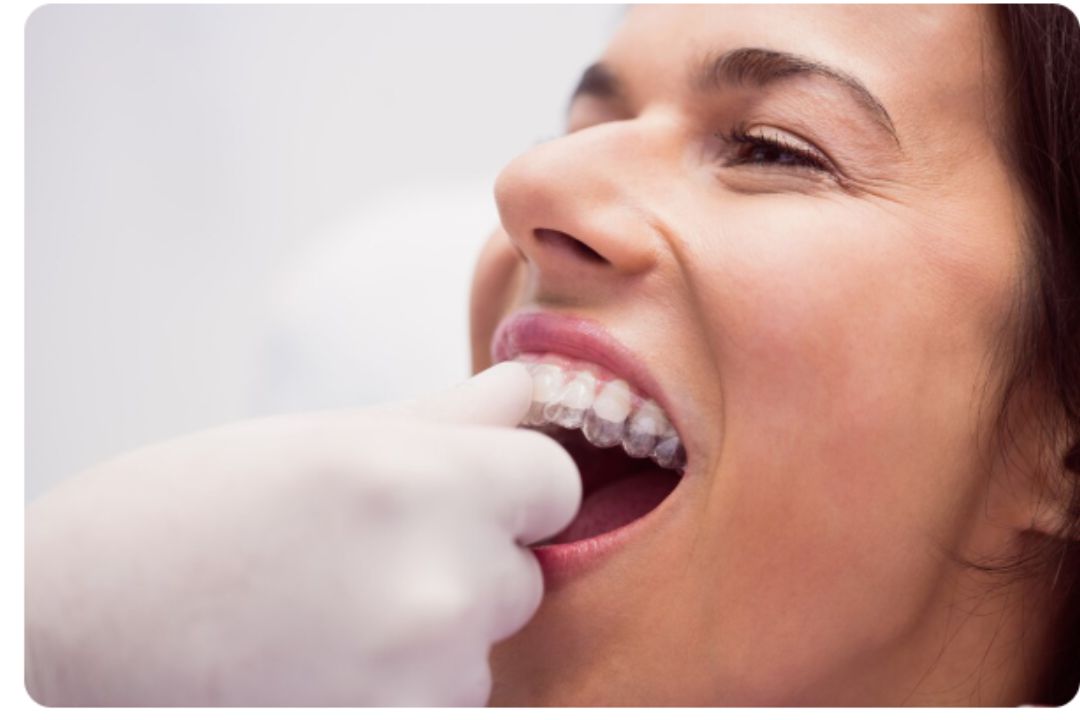
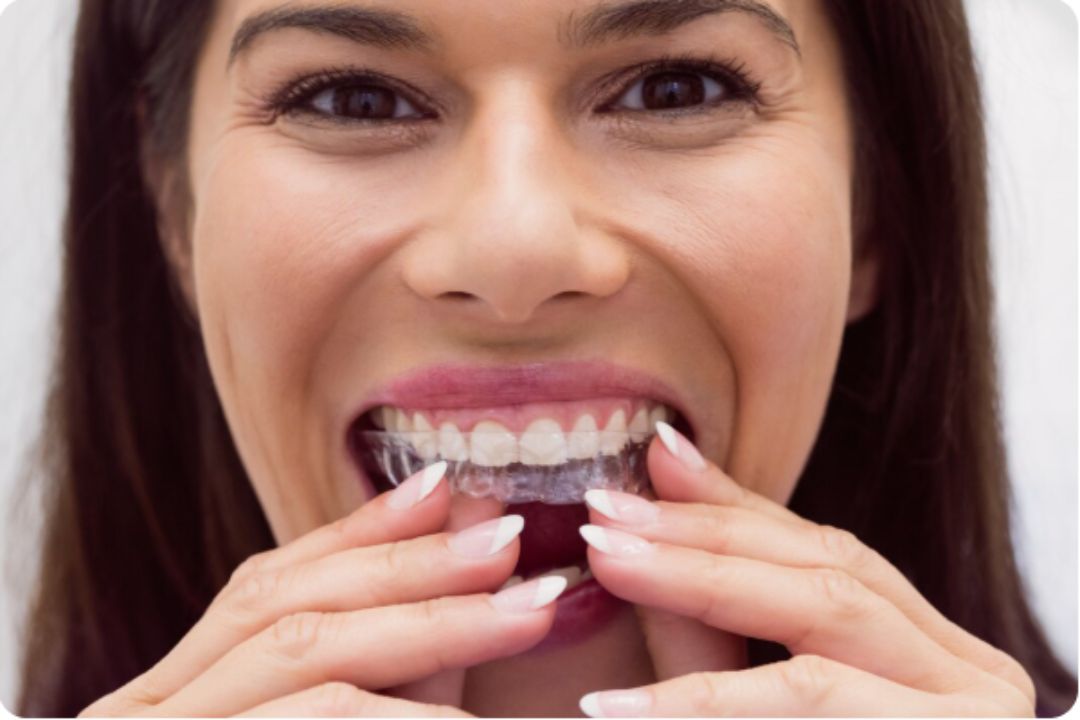
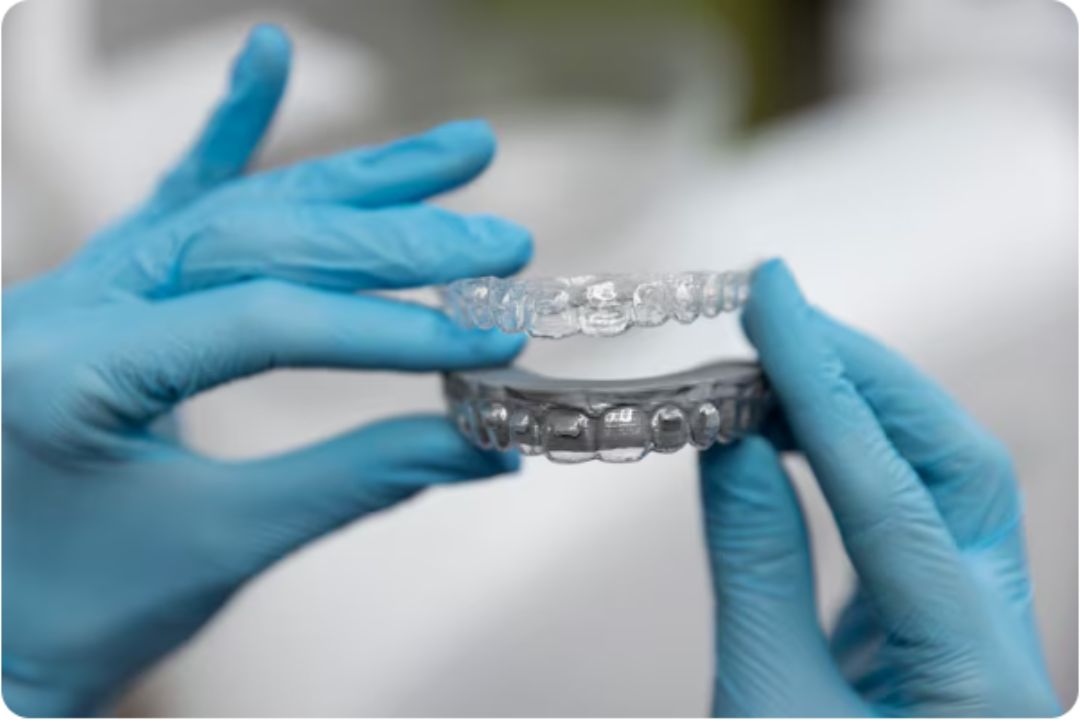
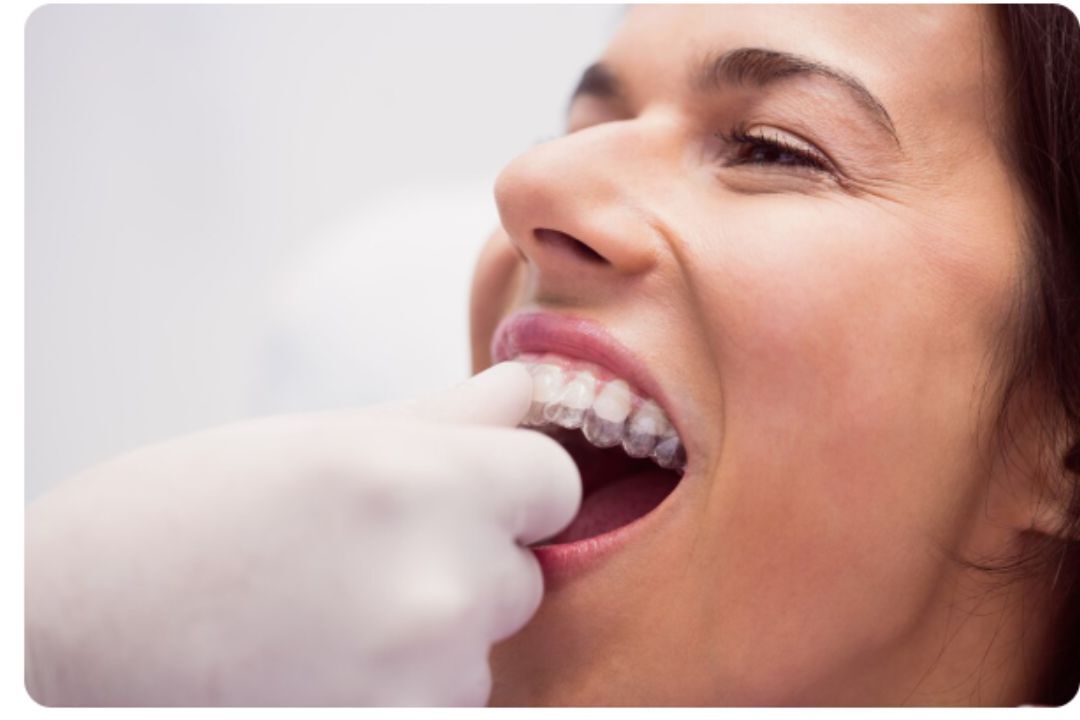
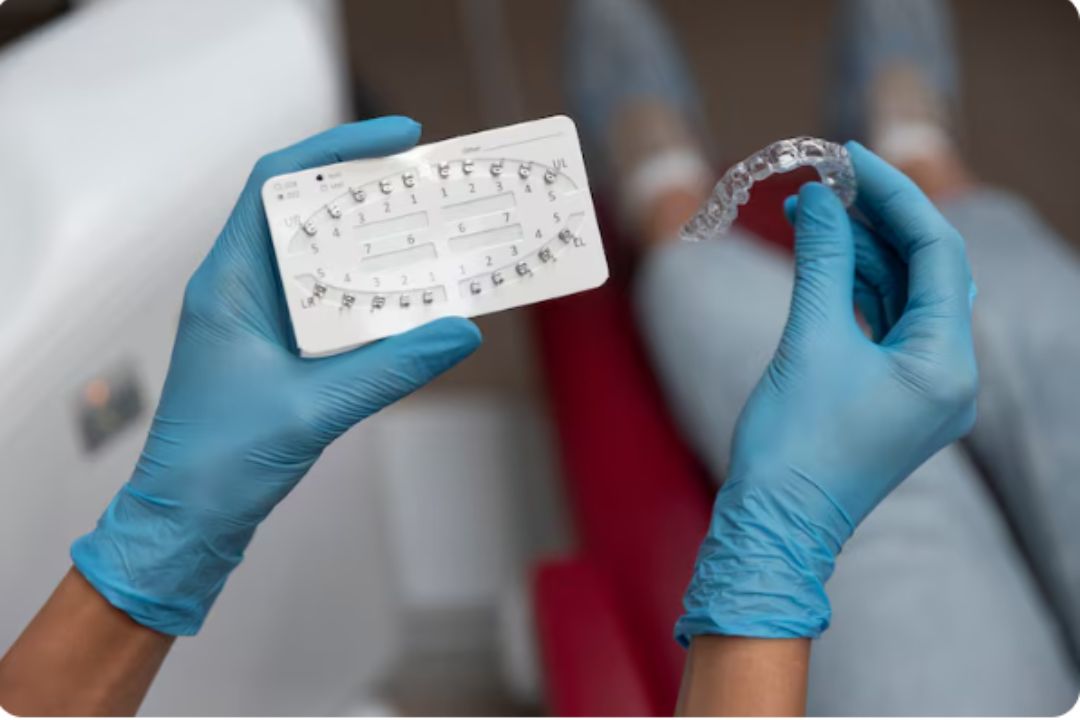
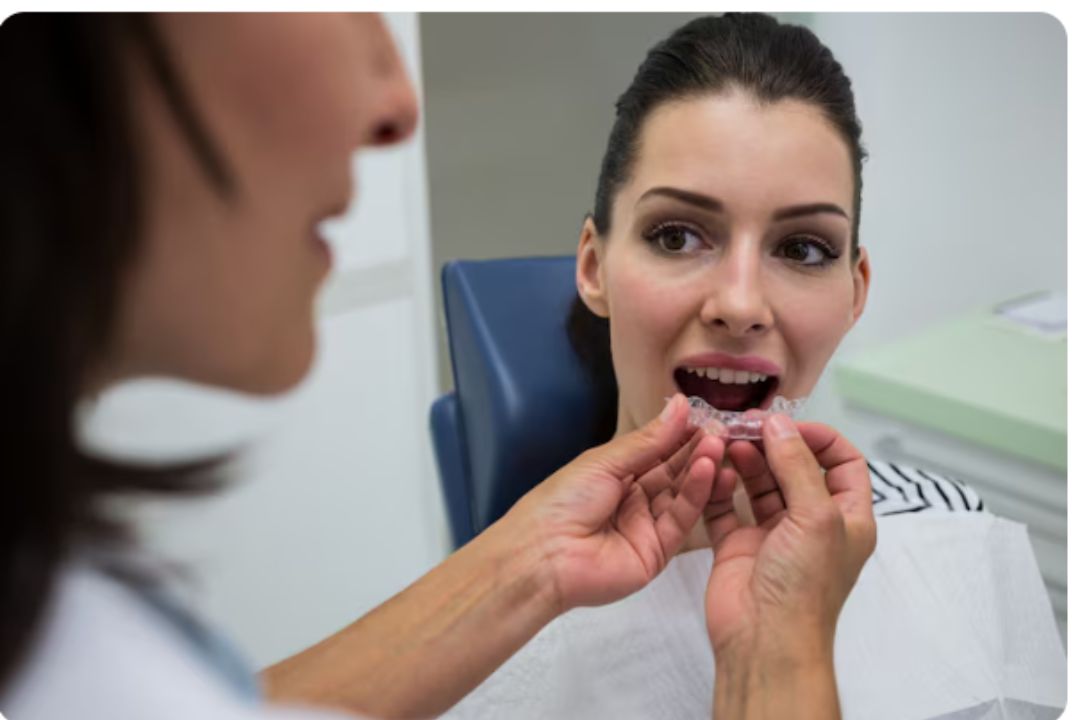
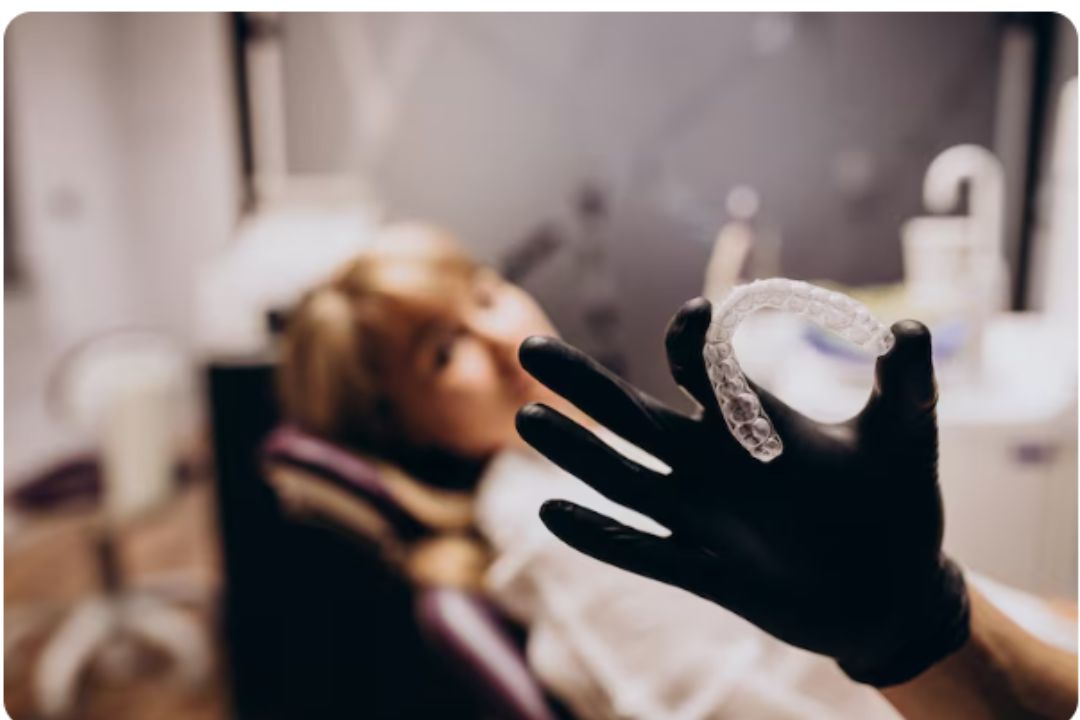
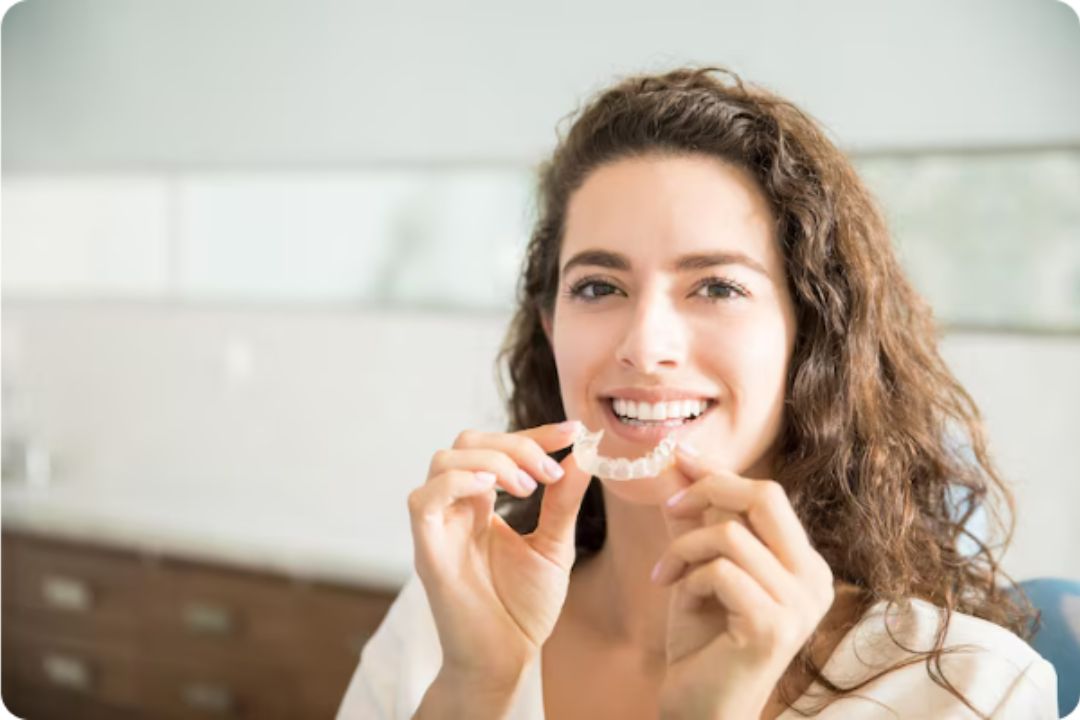
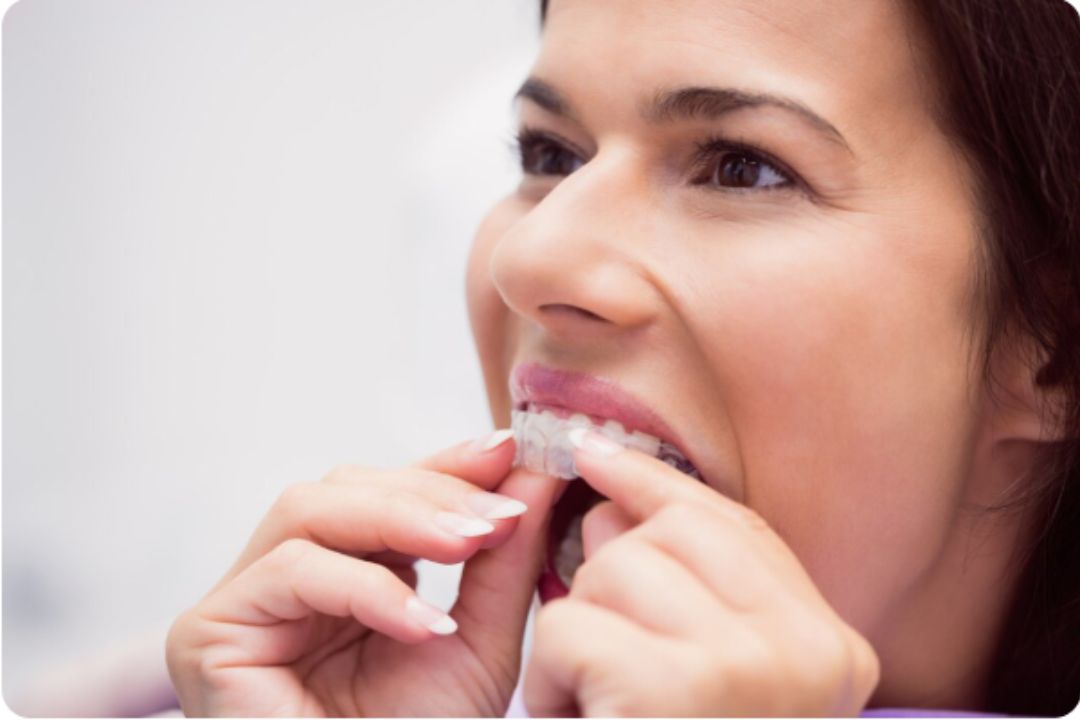
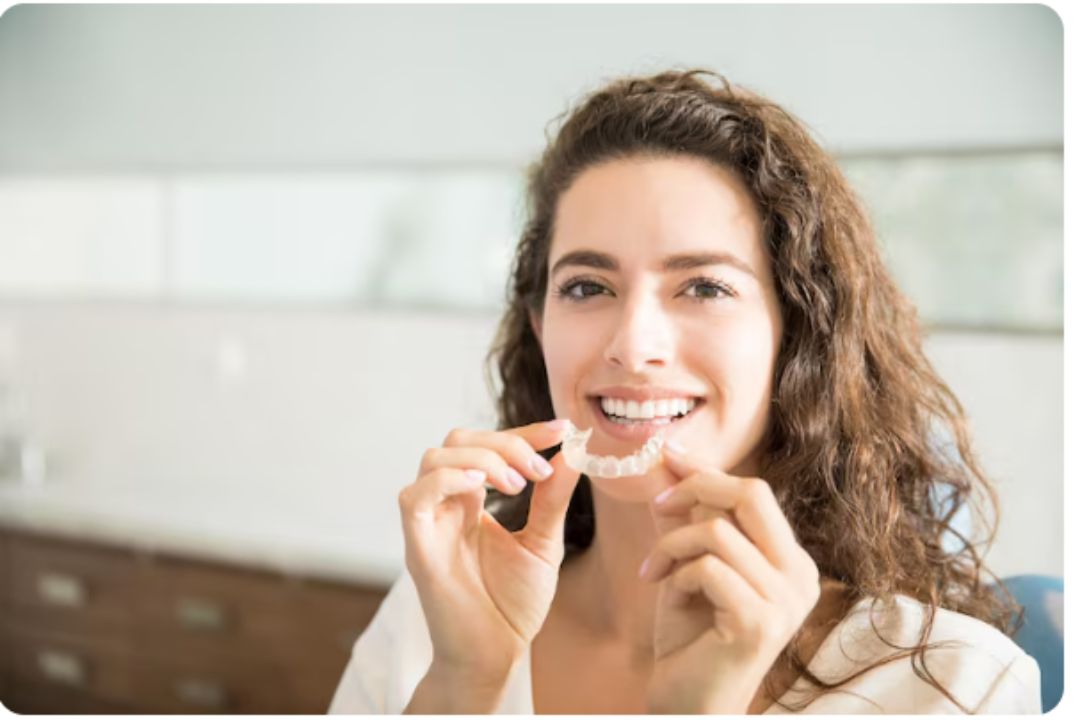
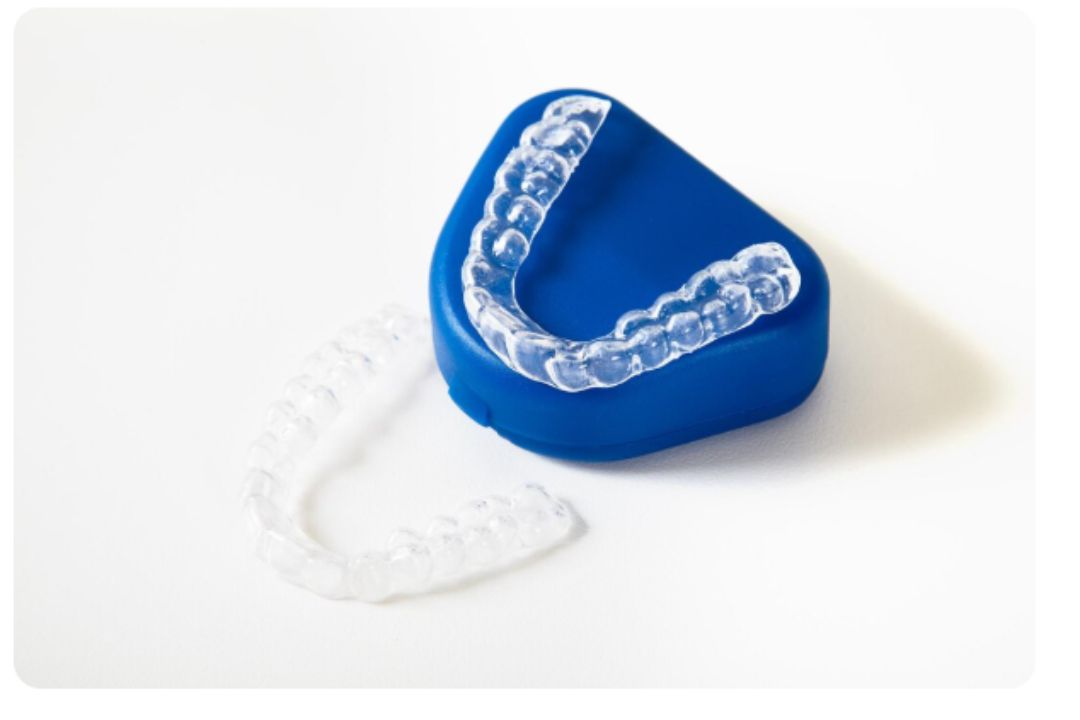
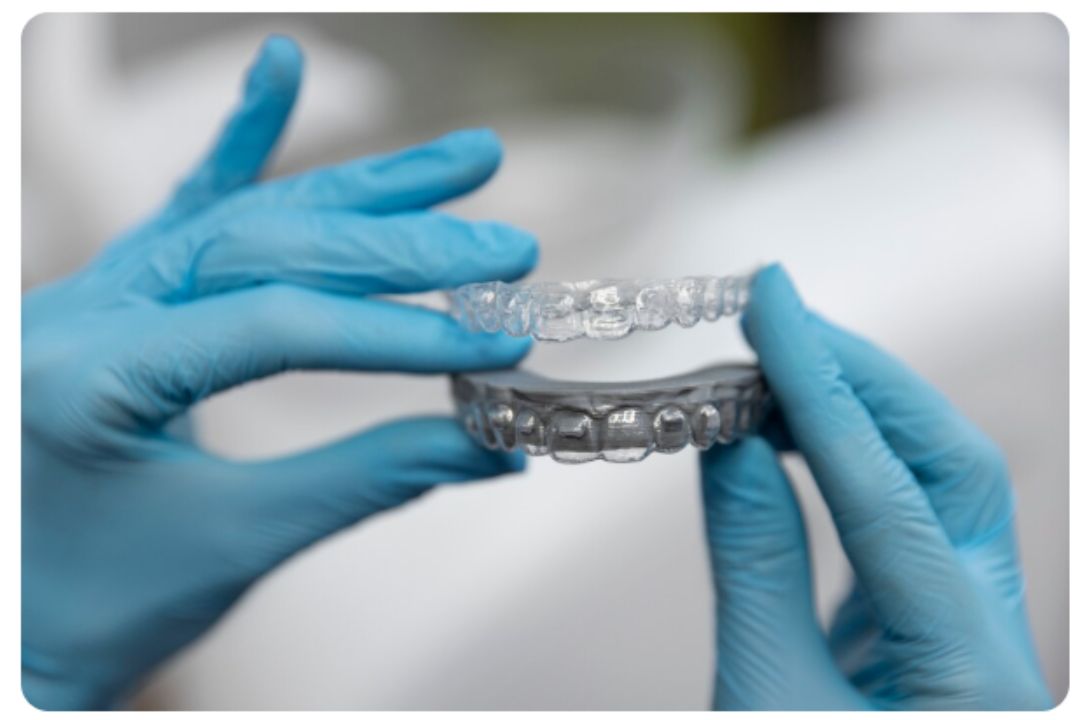
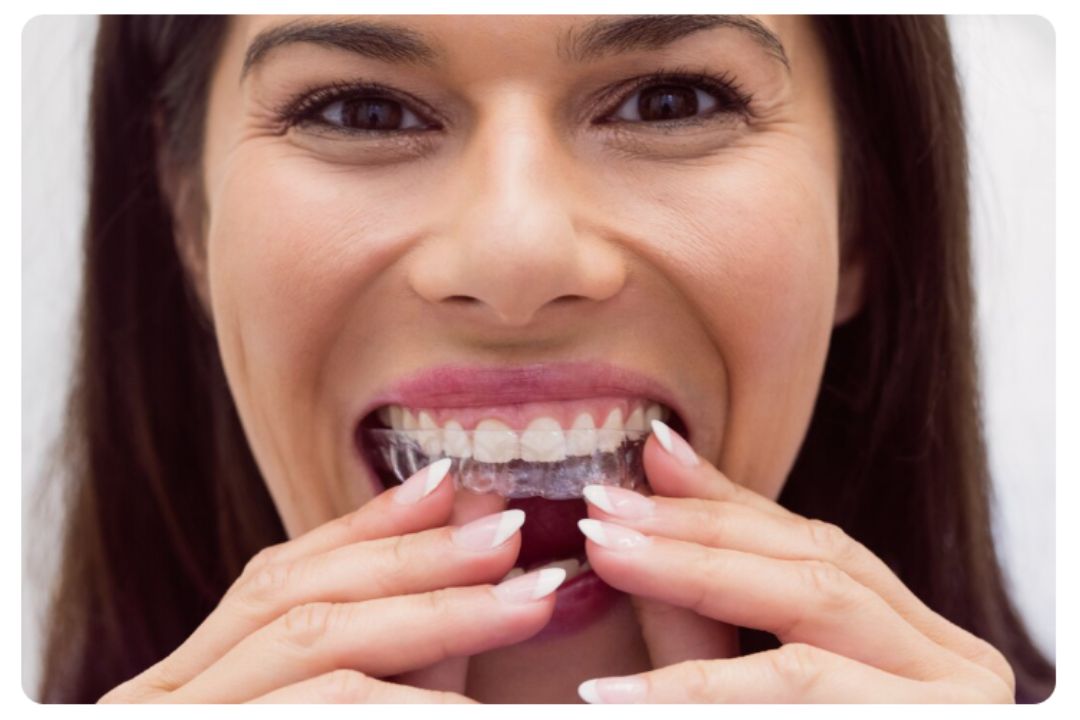
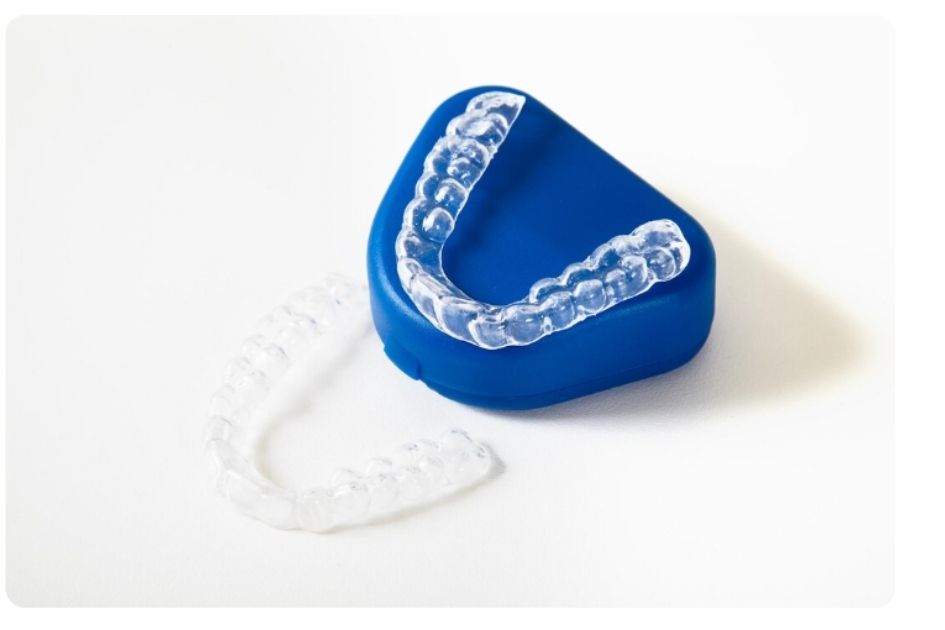
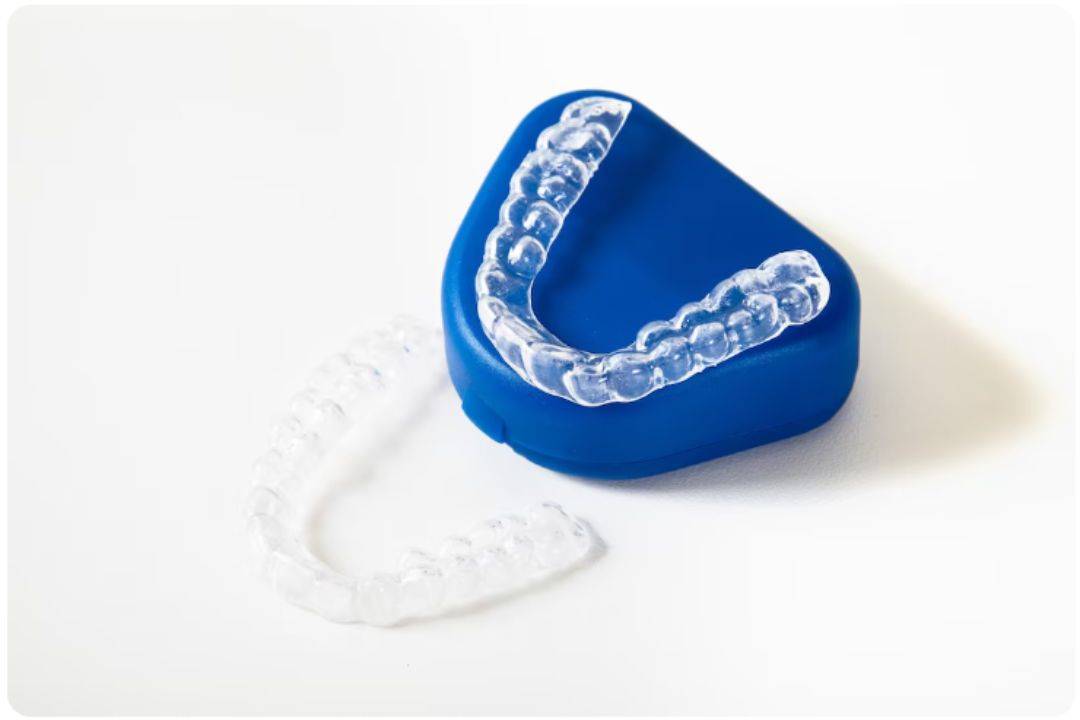
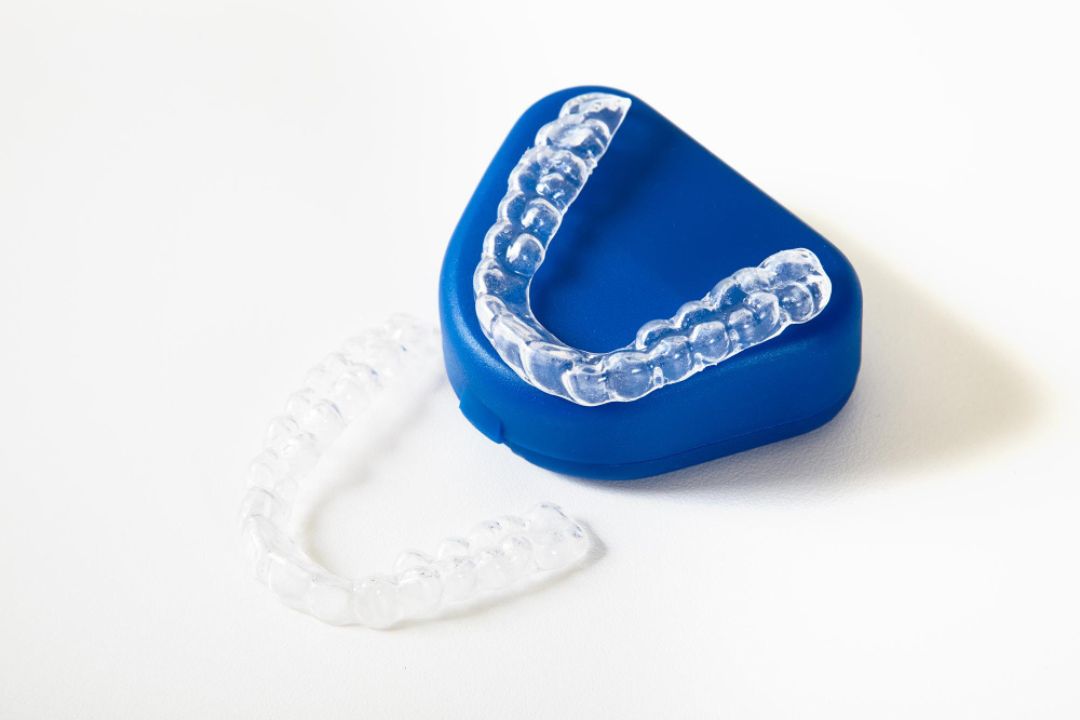
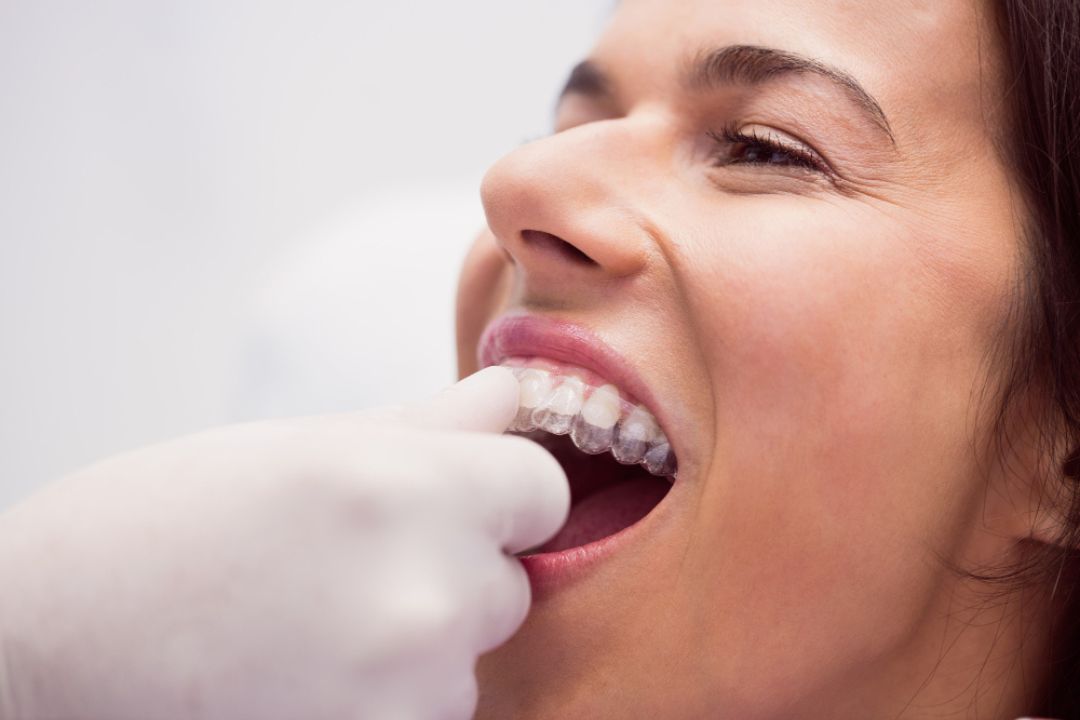
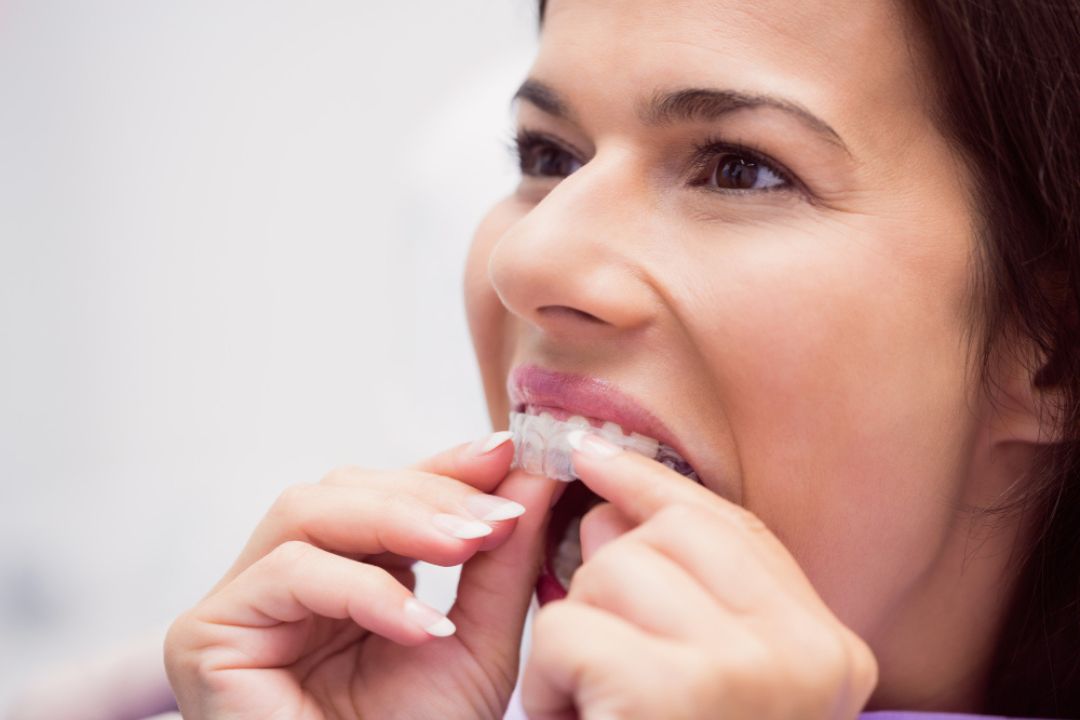
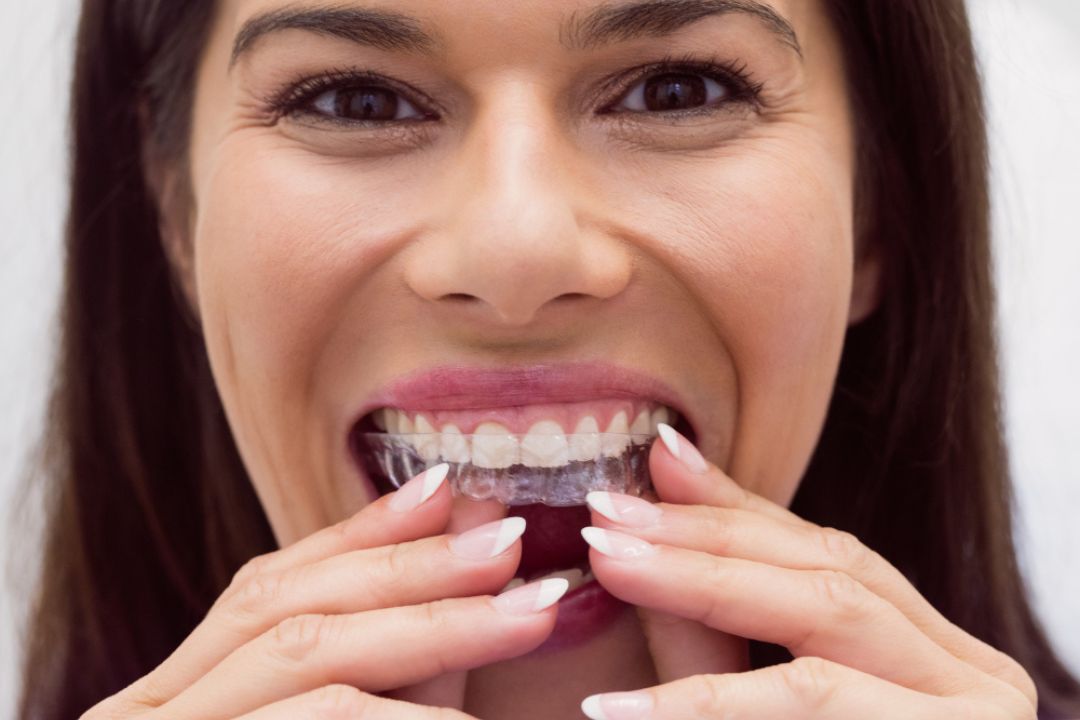
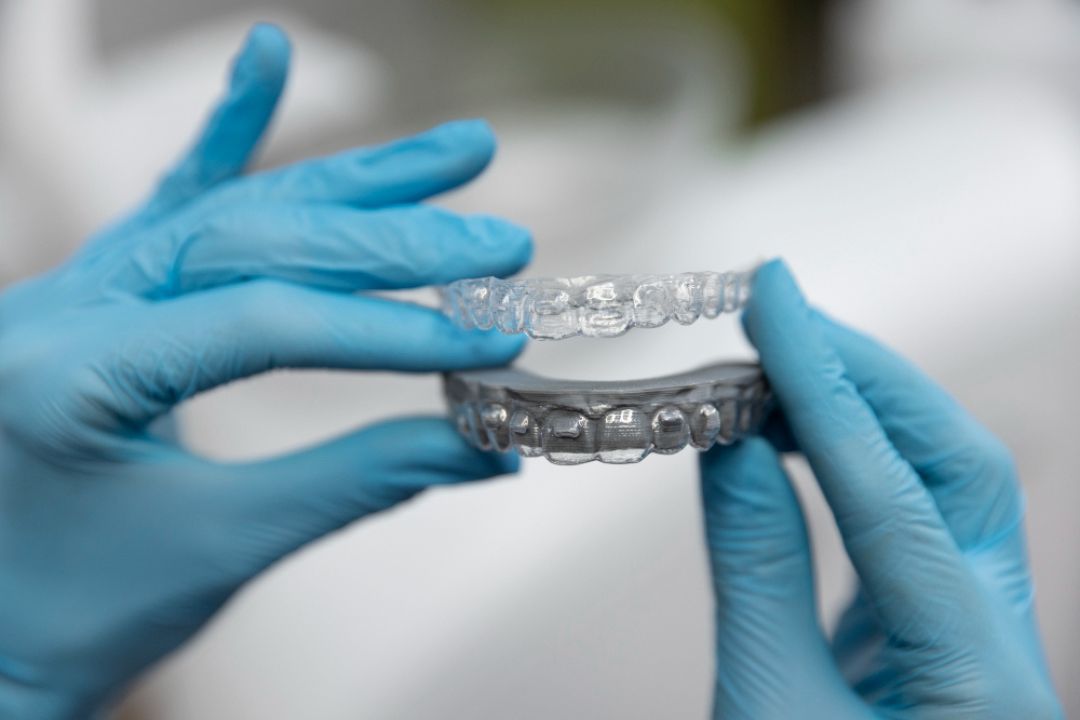
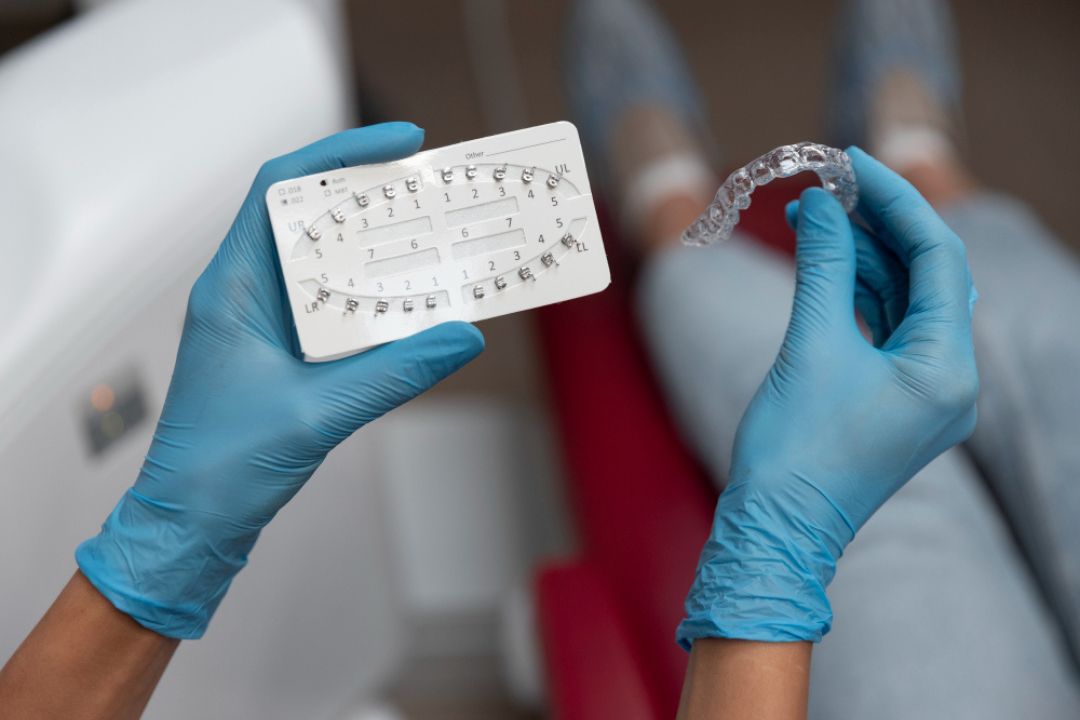
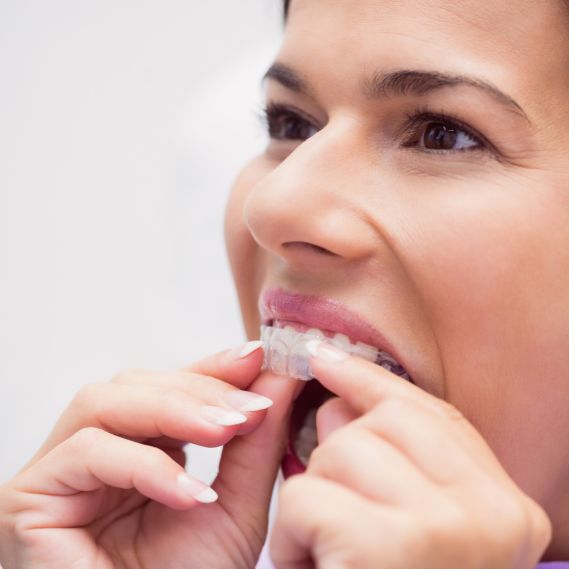
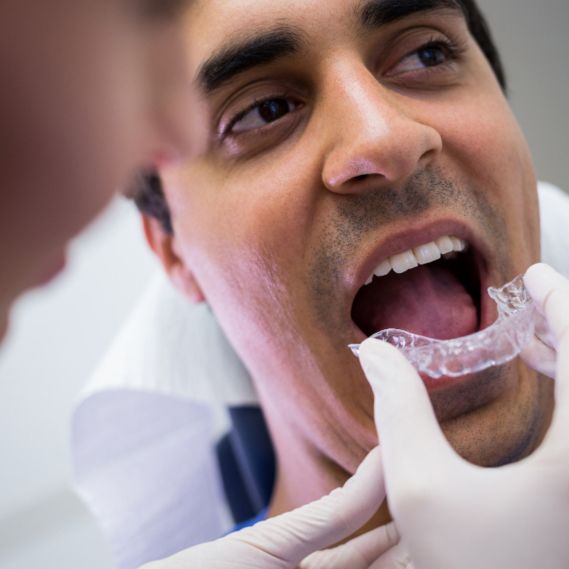
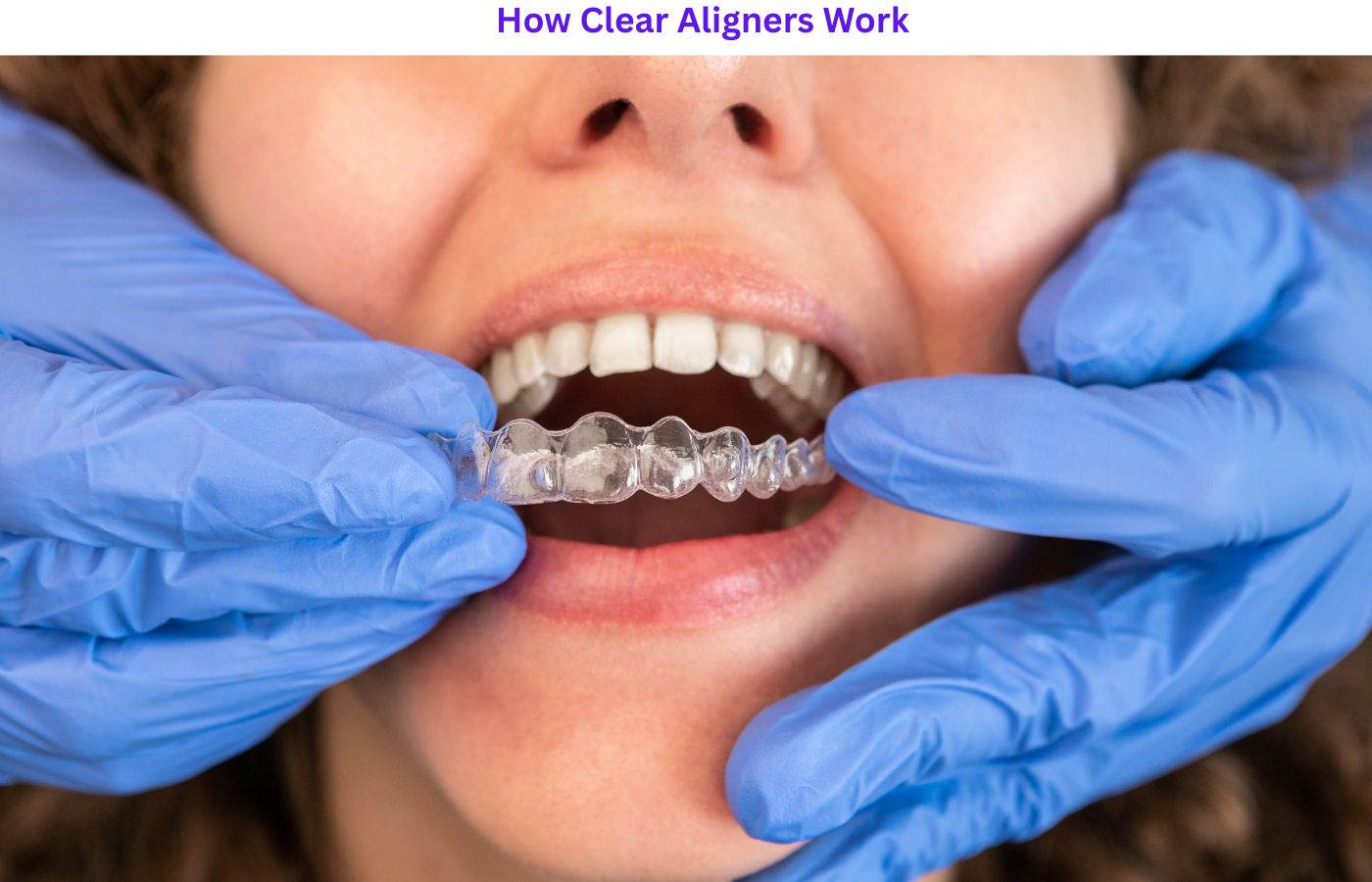
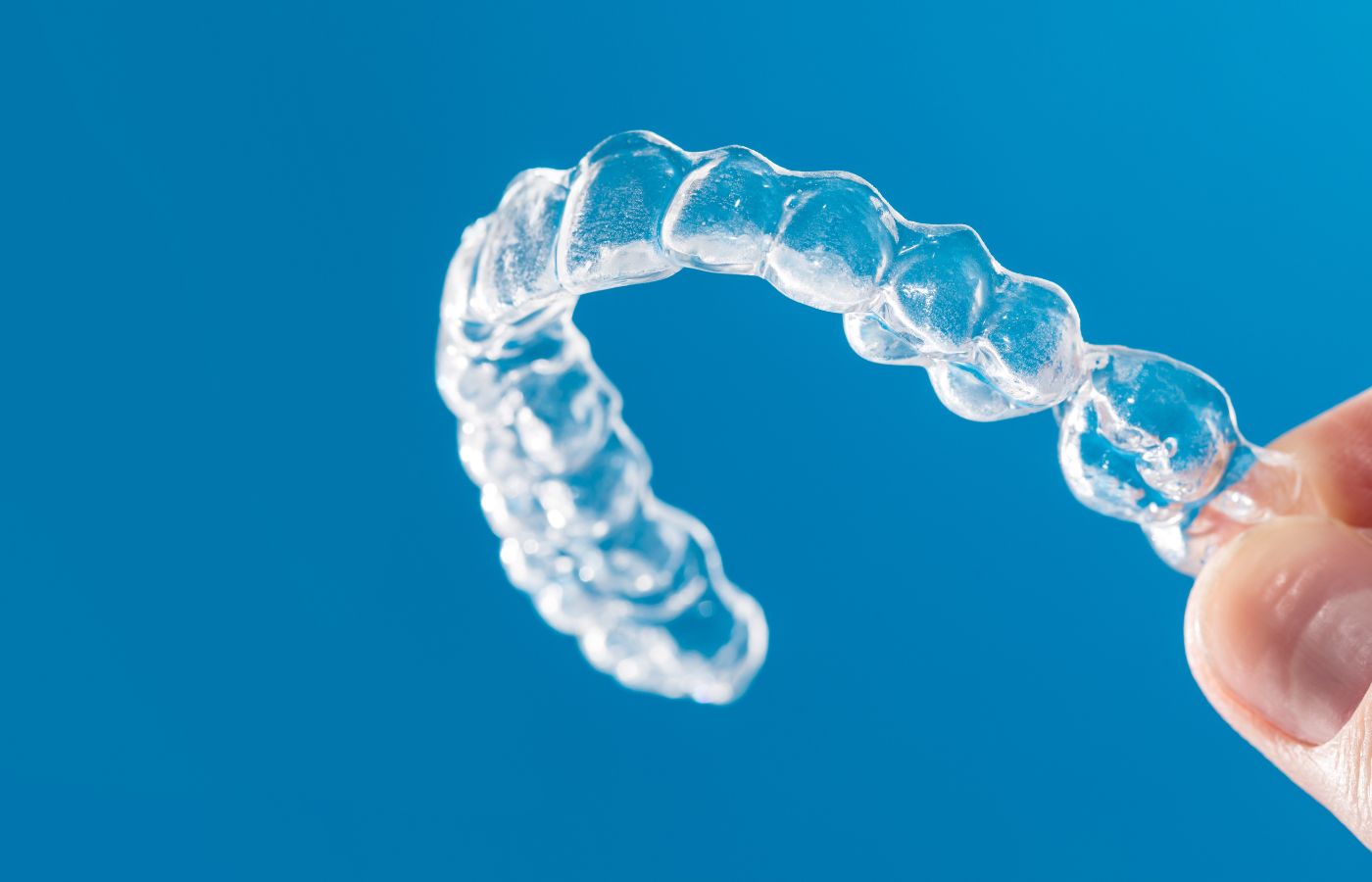
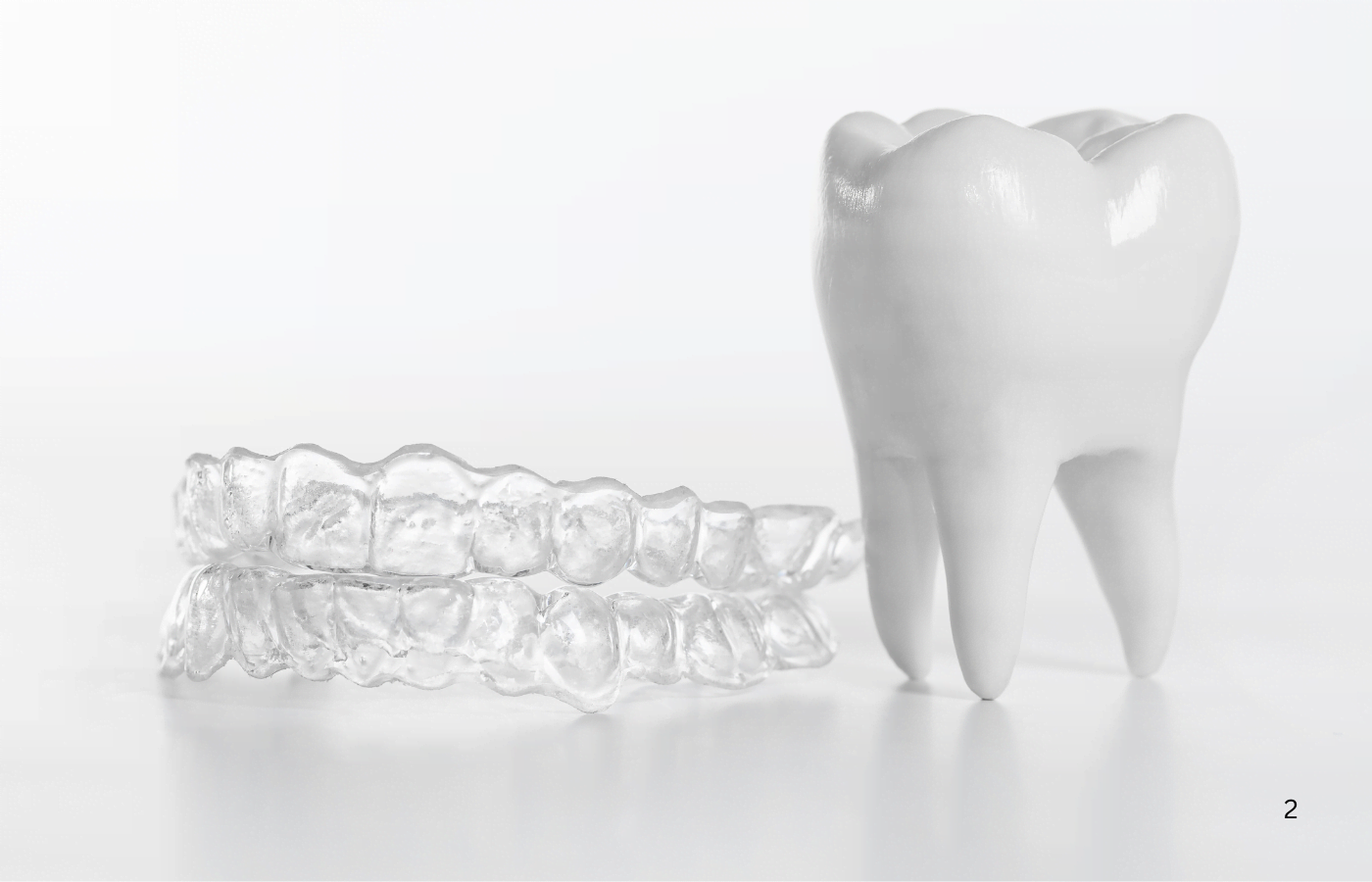
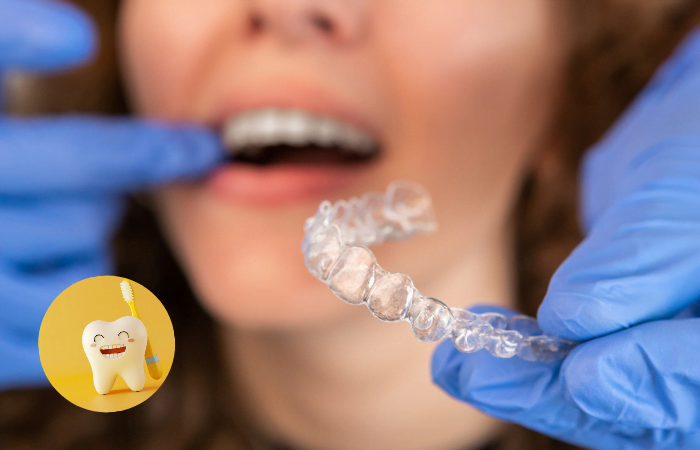
Clear aligners are custom-made, transparent trays designed to gradually move teeth into proper alignment.
Created using advanced 3D digital scans
Replaced every 1–2 weeks
Designed for precise, controlled tooth movement
This digital-first approach is one of the biggest shifts in modern dentistry.
Visit Now: https://www.diagnopein.com/dental-clinic/Mumbai
Modern aligner systems use:
3D scanning technology
AI-based treatment simulations
Predictable movement planning
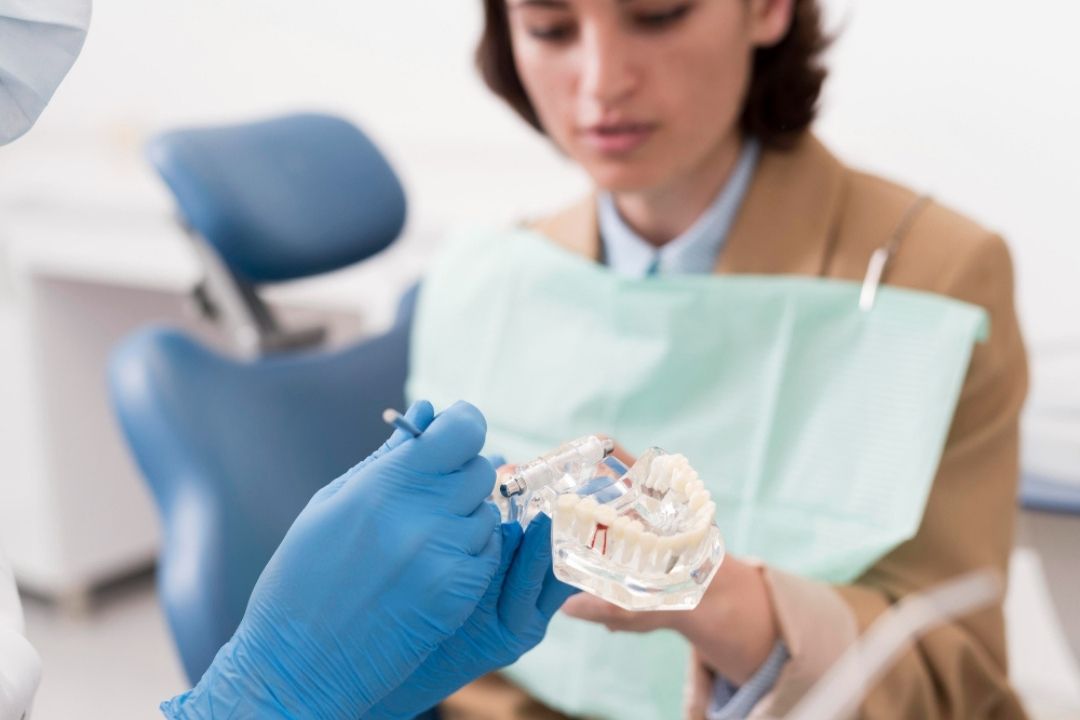
Dentists can now visualize the final result before treatment even begins. ()
Clear aligners offer a significantly improved experience compared to traditional braces:
No metal wires or brackets
Minimal discomfort
Removable for eating and cleaning
Patients report higher satisfaction and lower discomfort levels with aligners. ()
Because aligners are removable:
Patients can brush and floss normally
Less plaque buildup
Lower risk of cavities and gum issues
Studies show reduced plaque accumulation compared to fixed braces. ()
Traditional braces require frequent adjustments, but aligners:
Require fewer clinic visits
Have fewer emergencies (no broken wires/brackets)
Allow easier at-home management
This makes treatment more convenient for both patients and dentists. ()
Clear aligners are:
Suitable for teens and adults
Widely available through digital platforms
Increasingly affordable
This has made orthodontic treatment accessible to a much wider population.
For dental clinics:
Digital planning reduces treatment setup time
Shorter chairside appointments
More predictable outcomes
This improves efficiency and allows dentists to treat more patients effectively.
Clear aligners are one of the fastest-growing segments in dentistry.
Increasing global adoption
Rising patient demand for invisible treatments
Rapid innovation in digital dentistry
They are becoming the preferred choice for modern orthodontic care.
| Feature | Clear Aligners | Metal Braces |
|---|---|---|
| Appearance | Invisible | Visible |
| Comfort | High | Moderate |
| Removability | Yes | No |
| Oral Hygiene | Easy | Difficult |
| Clinic Visits | Fewer | Frequent |
Clear aligners are not perfect for every case.
Severe orthodontic issues may require braces
Requires discipline (20–22 hours daily wear)
Results depend on patient compliance
Research shows aligners are highly effective but may have limitations in complex cases.
Discreet appearance (boosts confidence)
Comfortable daily wear
No food restrictions
Flexible lifestyle
Aligners fit seamlessly into modern, busy lifestyles.
Clear aligners are driving the future of dentistry through
AI-powered diagnostics
Fully digital workflows
Remote monitoring and tele-dentistry
Personalized treatment plans
Dentistry is shifting from manual to digital, reactive to predictive care.
Clear aligners are more than just a cosmetic solution—they represent a major shift in modern dentistry.
By combining:
Advanced technology
Better patient comfort
Improved clinical outcomes
They are redefining how smiles are designed and treated.
 (1).png "Allergies and Health Conditions")










.jpg "invisible aligners for crowded teeth before and after results")

.jpg "affordable aligners vs braces cost, comfort,")
.jpg "invisible aligners cost in mumbai")













.jpg "affordable invisible braces pricing in india")








.jpg "invisible aligners step by step treatment process")







.jpg "dental aligners")

.jpg "dental aligners")
.jpg "dental aligners")
.jpg "dental aligners")
.png "Dental Aligners Are the Silent Revolution")
.jpg "5 Myths About Clear Aligners")
.jpg "Clear Aligners Over Braces")
.jpg "Aligners Can Help Improve Your Oral Health")
 (1).jpg "The Rise of Clear Aligners")
.png "dental aligners myth facts")