Clear aligners are a popular solution for both teens and adults—but they are not exactly the same.
In this guide, we break down the real differences between teen and adult aligners so you can choose the right option.
Designed for growing jaws and erupting teeth
Can guide natural jaw development
Teeth move slightly faster due to softer bone
Teen aligners may include special features to accommodate growth.
Used for fully developed teeth and jaw
Focus on precise tooth movement
Often used for:
Smile correction
Fixing relapse from past braces
Adult treatment is more controlled but may take longer.
Teens: Often slightly faster due to active growth
Adults: May take longer due to denser bone structure
Growth plays a key role in how quickly teeth move.
Visit Now: https://www.diagnopein.com/dental-clinic/Mumbai
Include compliance indicators (blue dots)
Help parents and dentists track usage
Designed because teens may forget to wear them
Consistency is the biggest challenge for teens.
No tracking indicators
Based on self-discipline and routine
Adults are typically more consistent with wear time.
Eruption tabs (for growing teeth)
Compliance indicators
Extra replacement aligners
These features support an active, unpredictable lifestyle.
Simpler design
Focus on precision and aesthetics
No need for growth-related features.
Important truth:
Cost is NOT based on age
It depends on:
Case complexity
Number of aligners
Treatment duration
A complex teen case can cost more than a simple adult case.
Focus on confidence (school, social life)
May need reminders and parental support
Focus on aesthetics + professional appearance
More motivated and disciplined
Lifestyle plays a big role in treatment success.
Patient is still growing
Teeth are still developing
You want monitoring features
Teeth and jaw are fully developed
You want a discreet, low-maintenance option
You can maintain discipline
Teen and adult aligners may look similar, but they are designed differently to match biology, behavior, and lifestyle.
The best choice depends on:
Age
Dental condition
Discipline level
A professional consultation is the best way to determine the right treatment plan.
 (1).png "Allergies and Health Conditions")












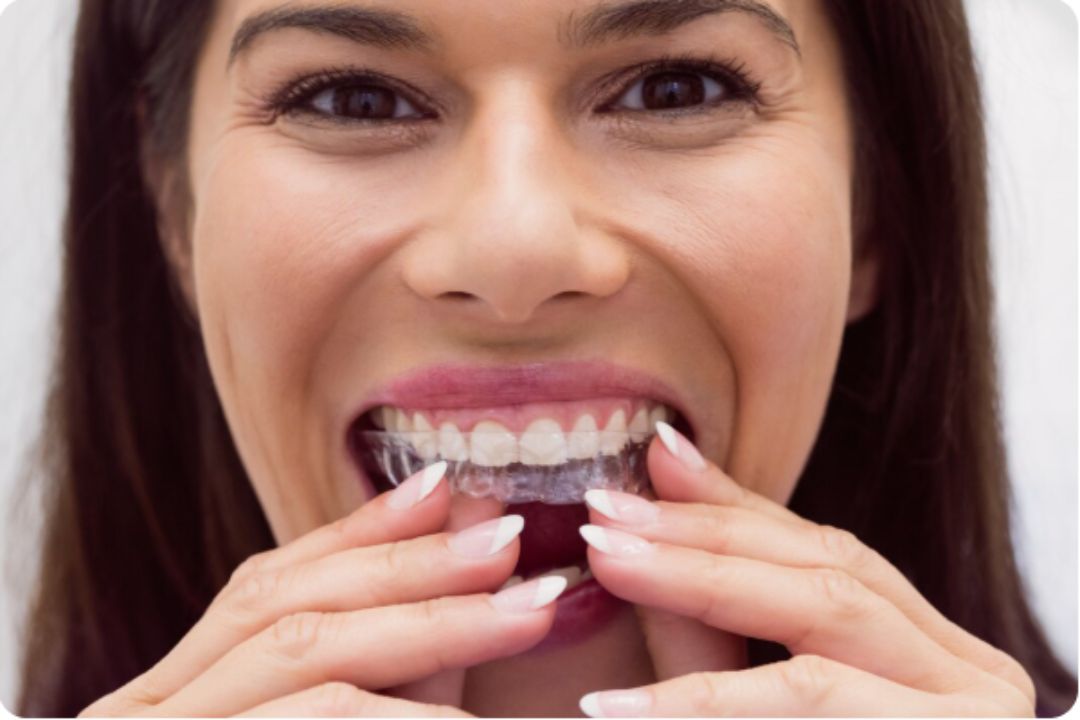
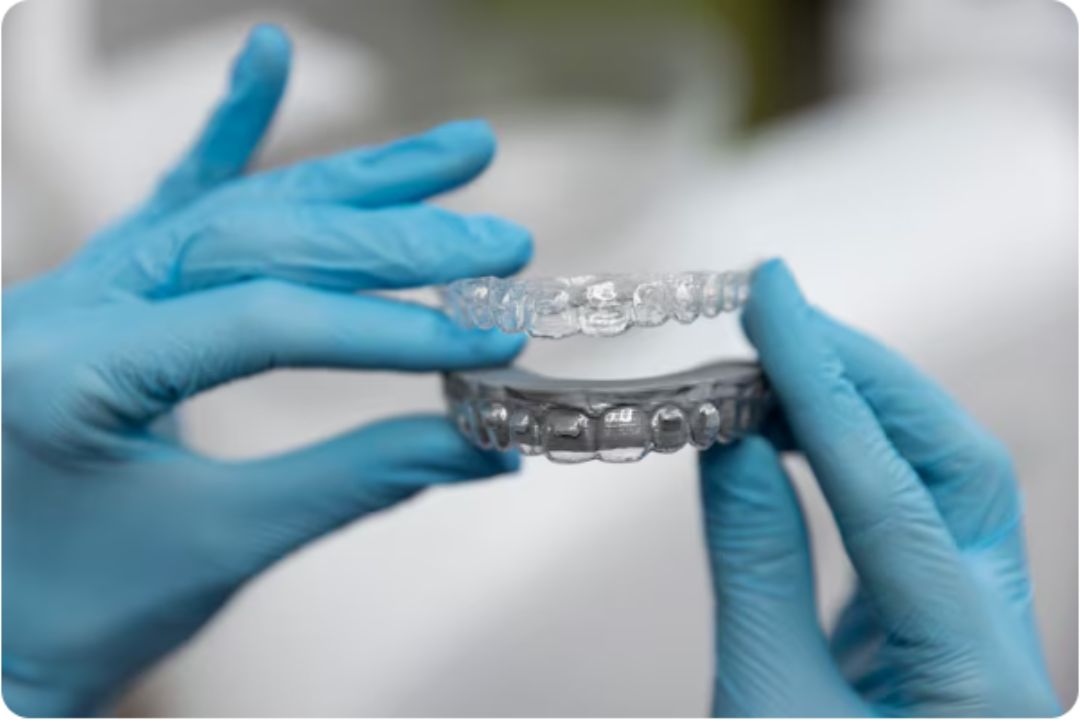




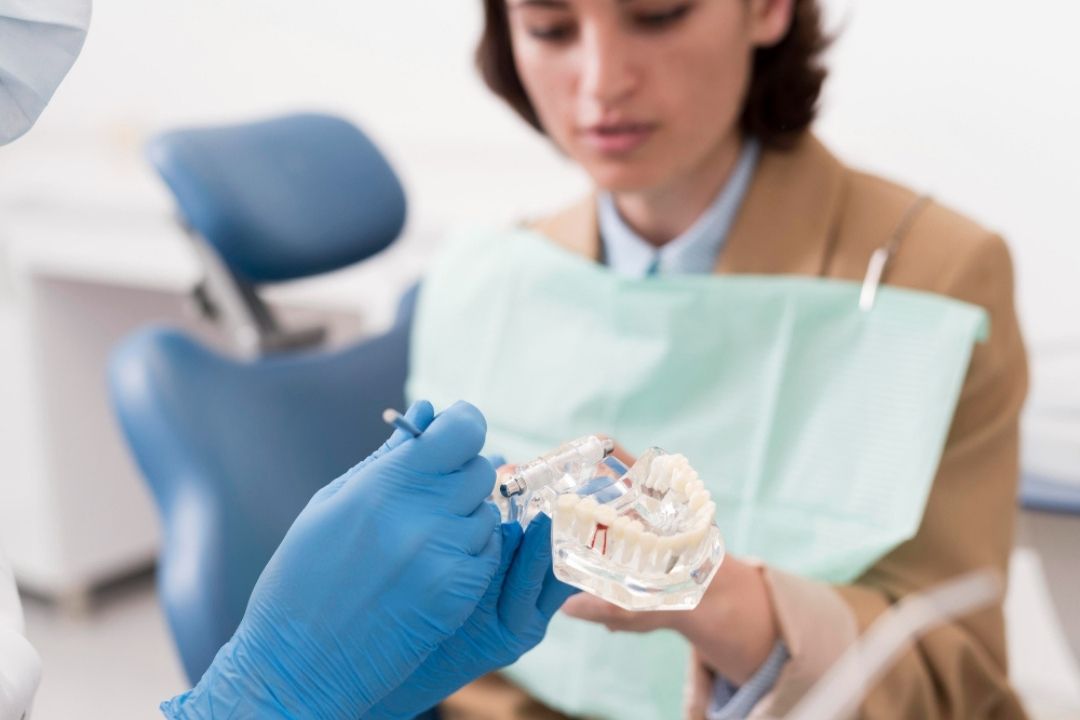




.jpg "invisible aligners for crowded teeth before and after results")
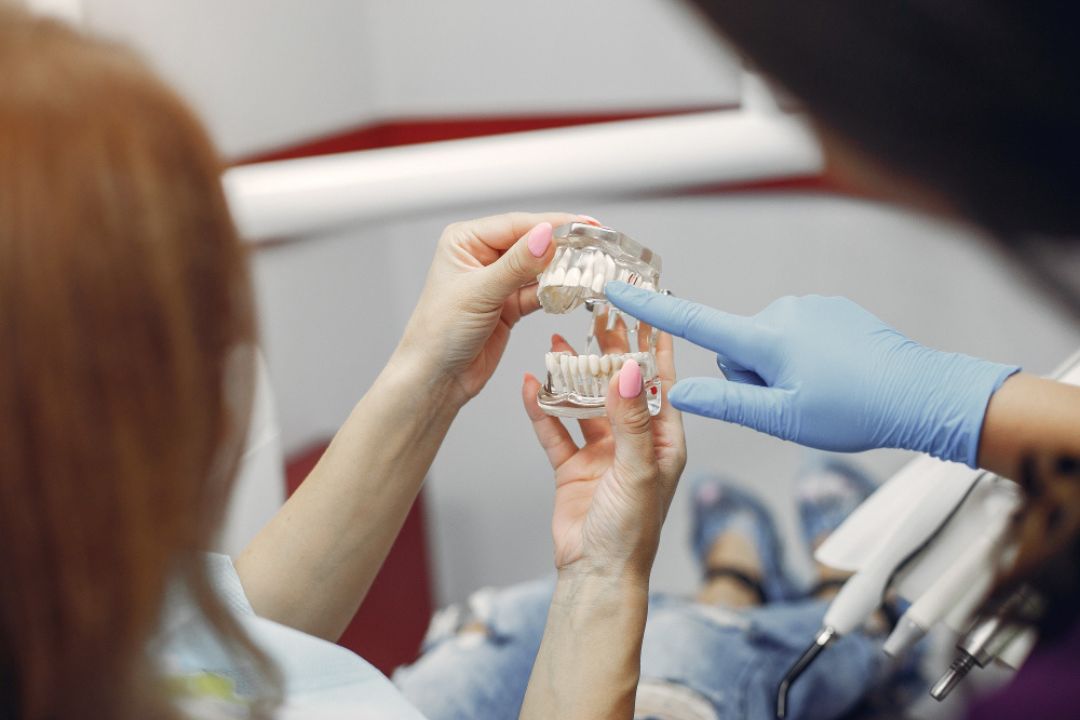

.jpg "affordable aligners vs braces cost, comfort,")
.jpg "invisible aligners cost in mumbai")














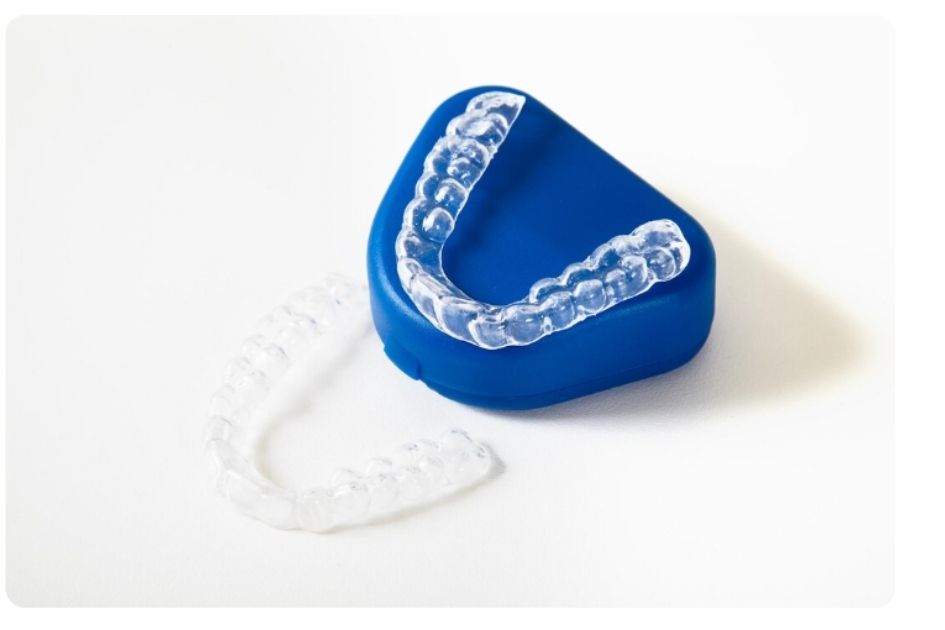

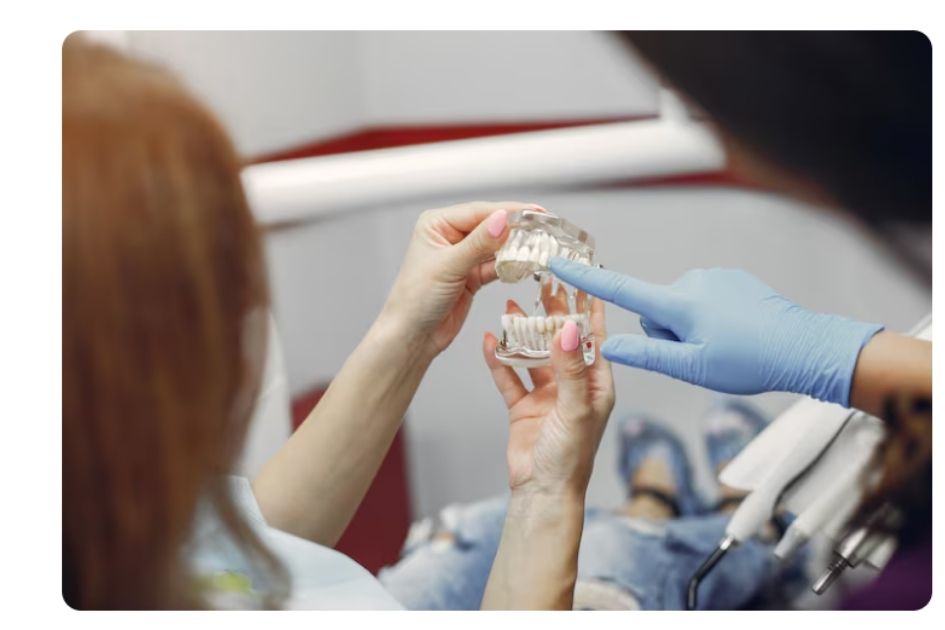

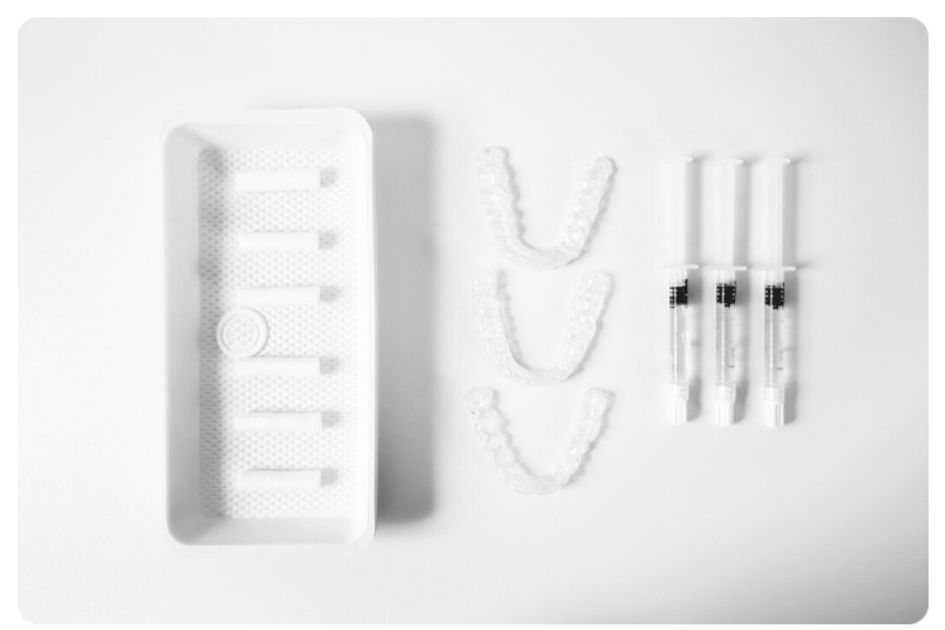
.jpg "affordable invisible braces pricing in india")


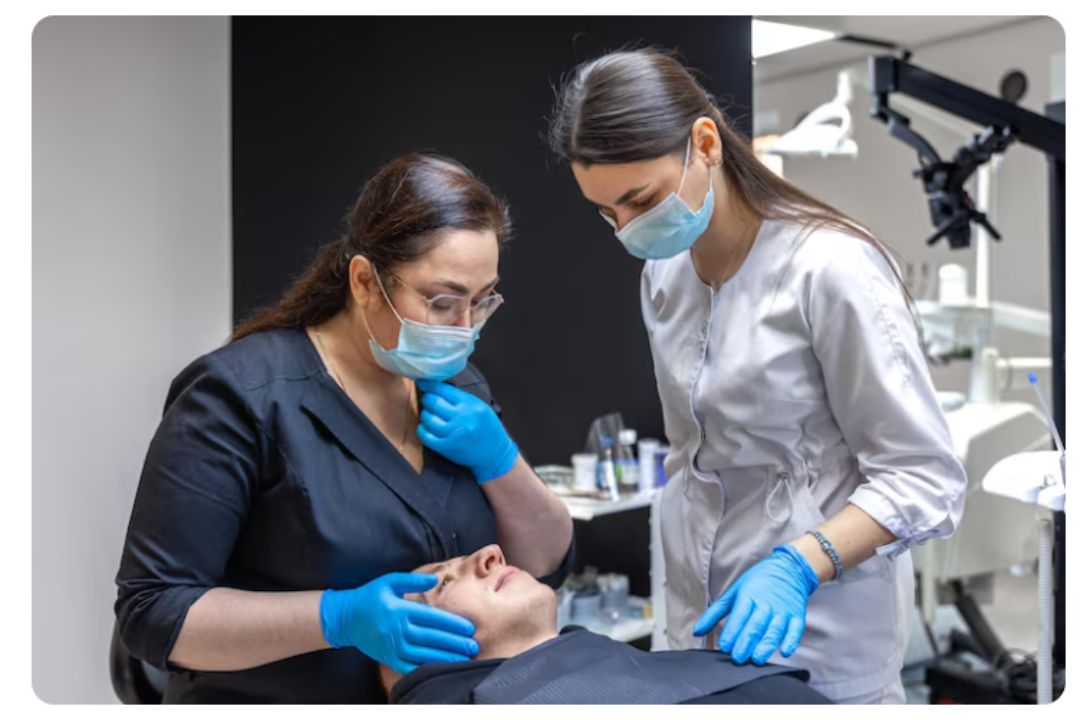










.jpg "invisible aligners step by step treatment process")










.jpg "dental aligners")

.jpg "dental aligners")
.jpg "dental aligners")
.jpg "dental aligners")
.png "Dental Aligners Are the Silent Revolution")
.jpg "5 Myths About Clear Aligners")
.jpg "Clear Aligners Over Braces")
.jpg "Aligners Can Help Improve Your Oral Health")
 (1).jpg "The Rise of Clear Aligners")

.png "dental aligners myth facts")