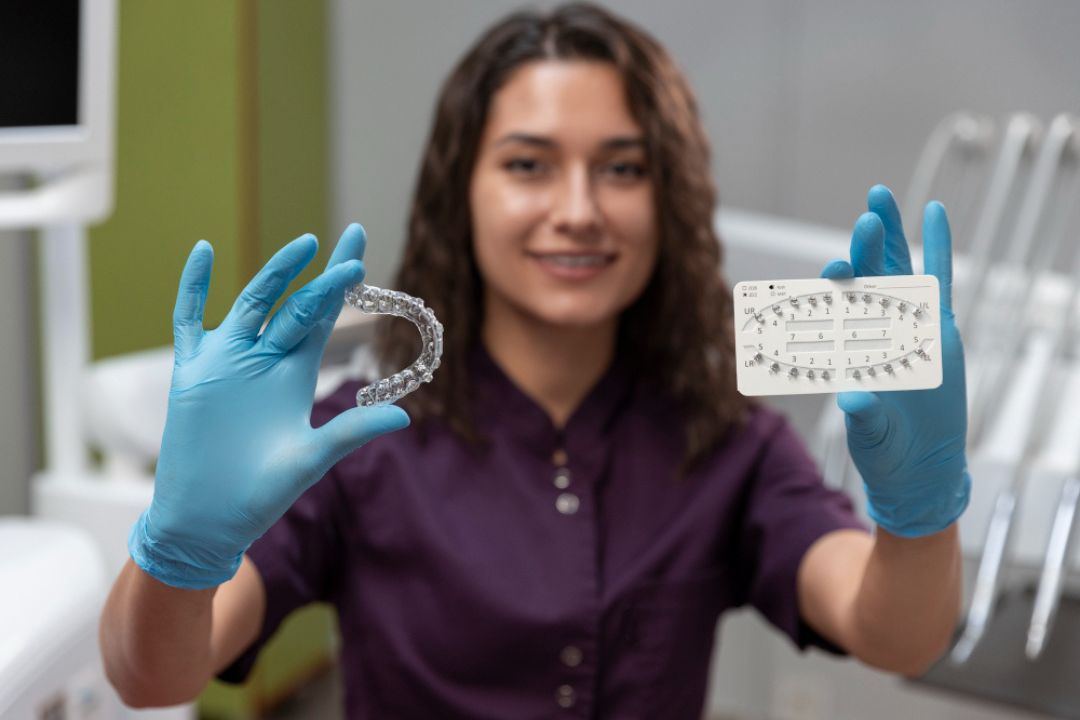
In the world of modern orthodontics, the promise of a straighter smile without the conspicuous look of metal braces is incredibly appealing. Clear dental aligners have surged in popularity, marketing themselves as the invisible solution for adults and teens alike. But as you consider this investment, a critical question arises: Are they truly as invisible as claimed, or is it just clever marketing? This comprehensive guide will separate fact from fiction, delve into the key benefits, compare them to traditional options, and explain why partnering with an expert provider like Diagnopein Mumbai is the key to a successful smile journey.
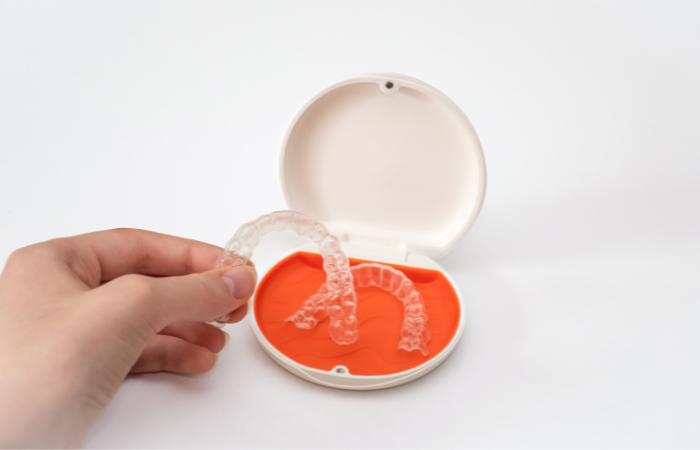
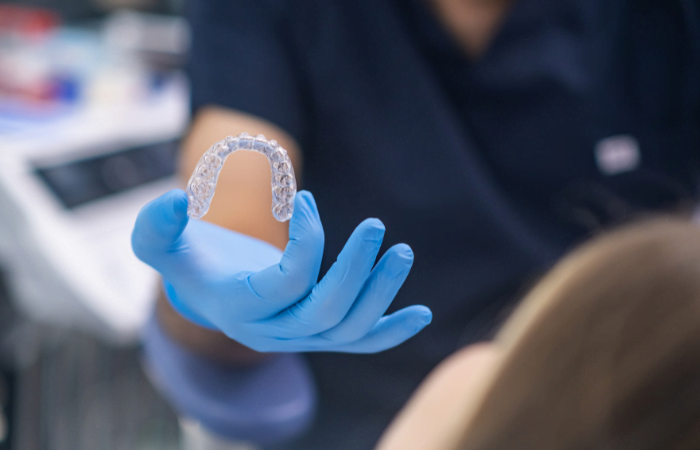
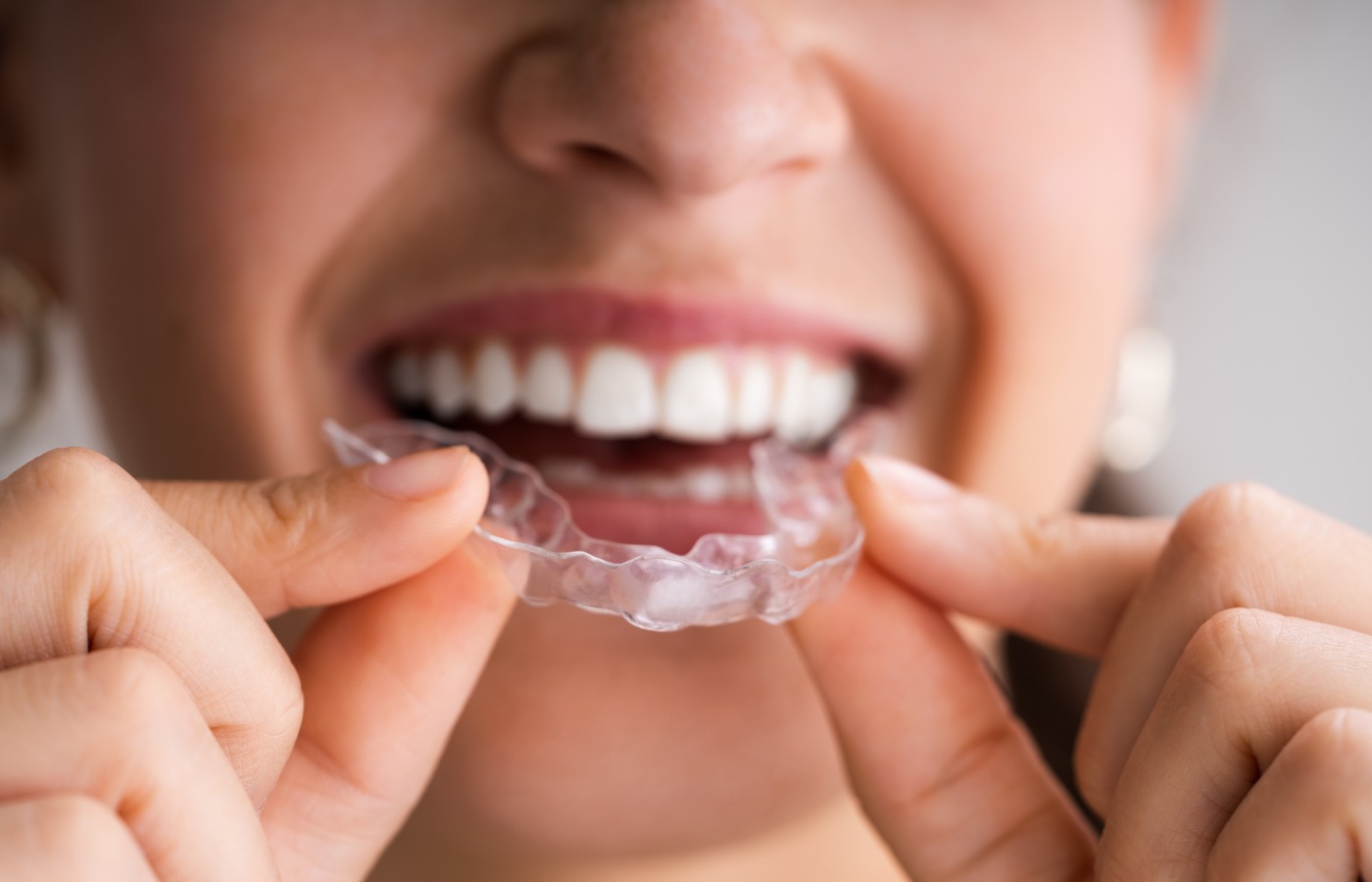
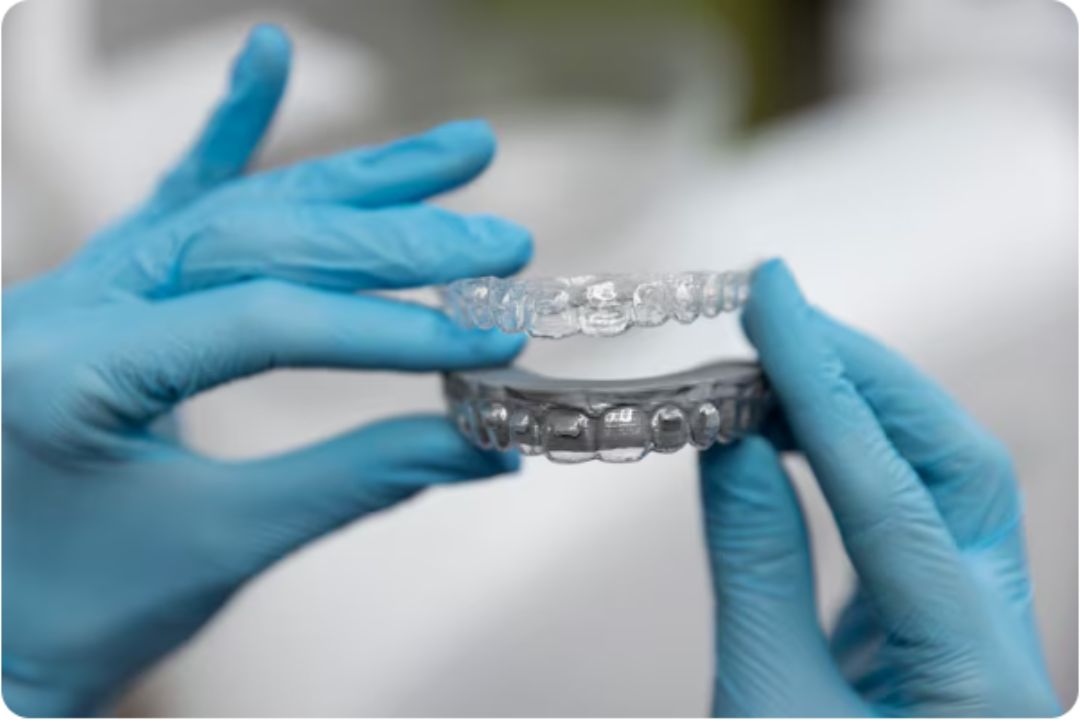
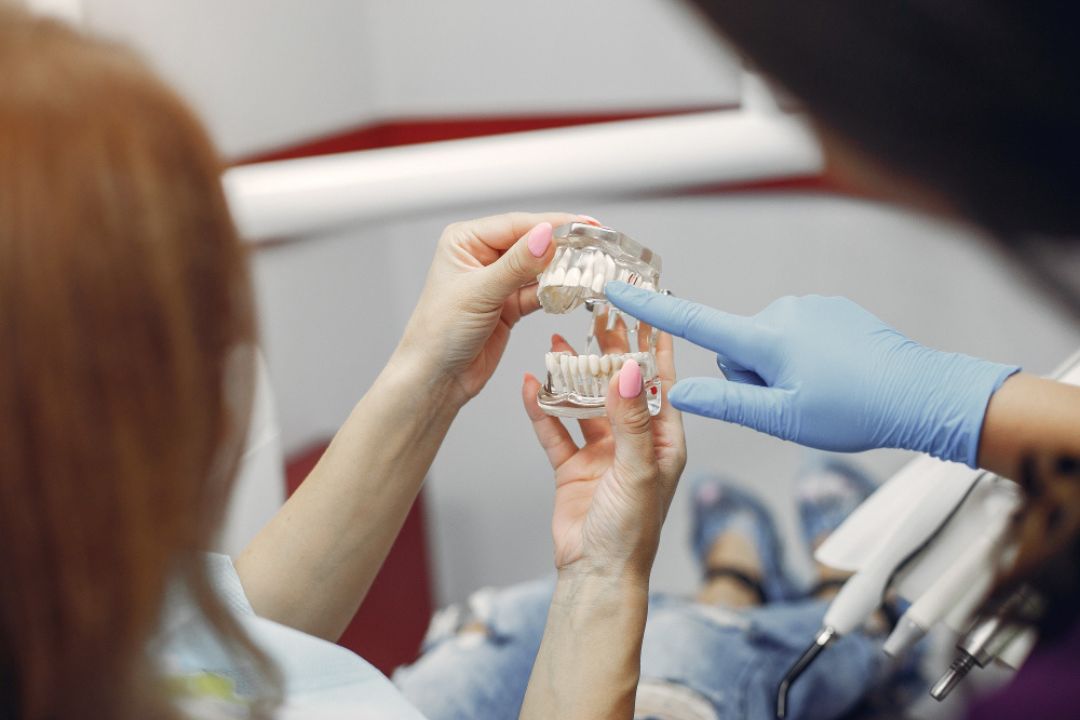
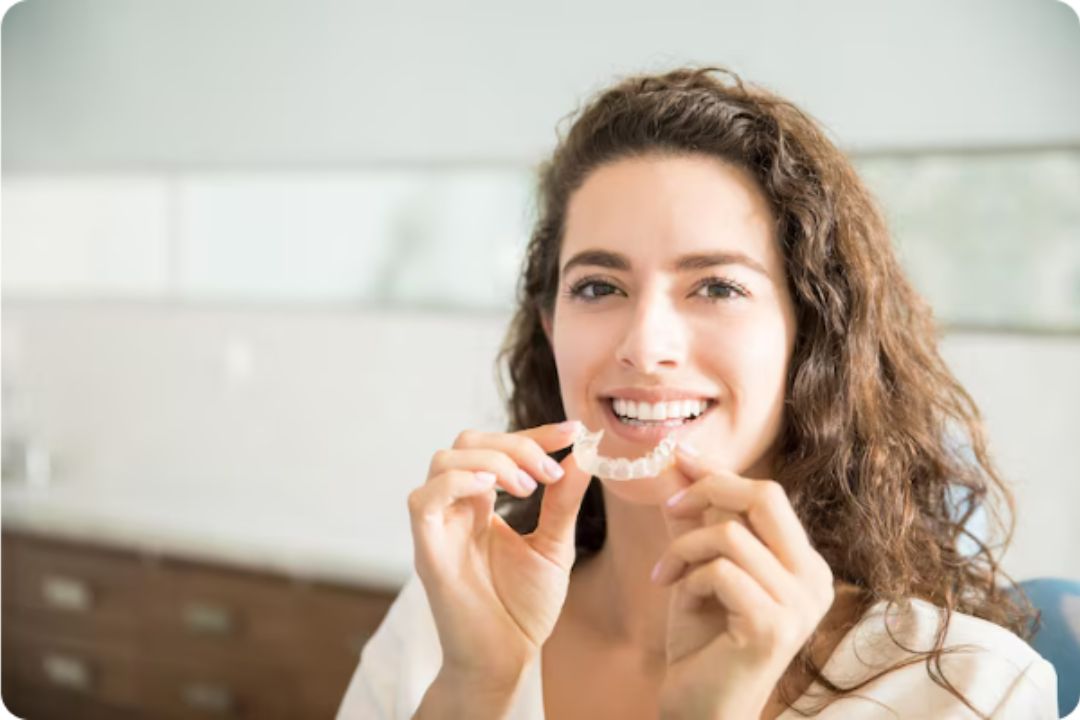
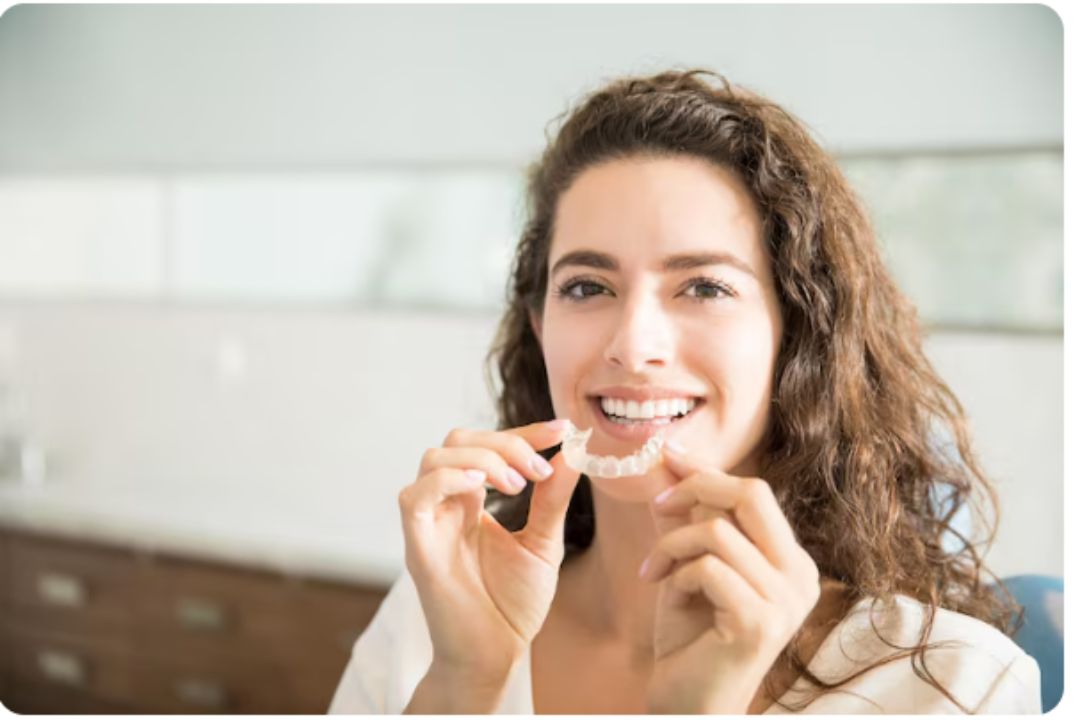
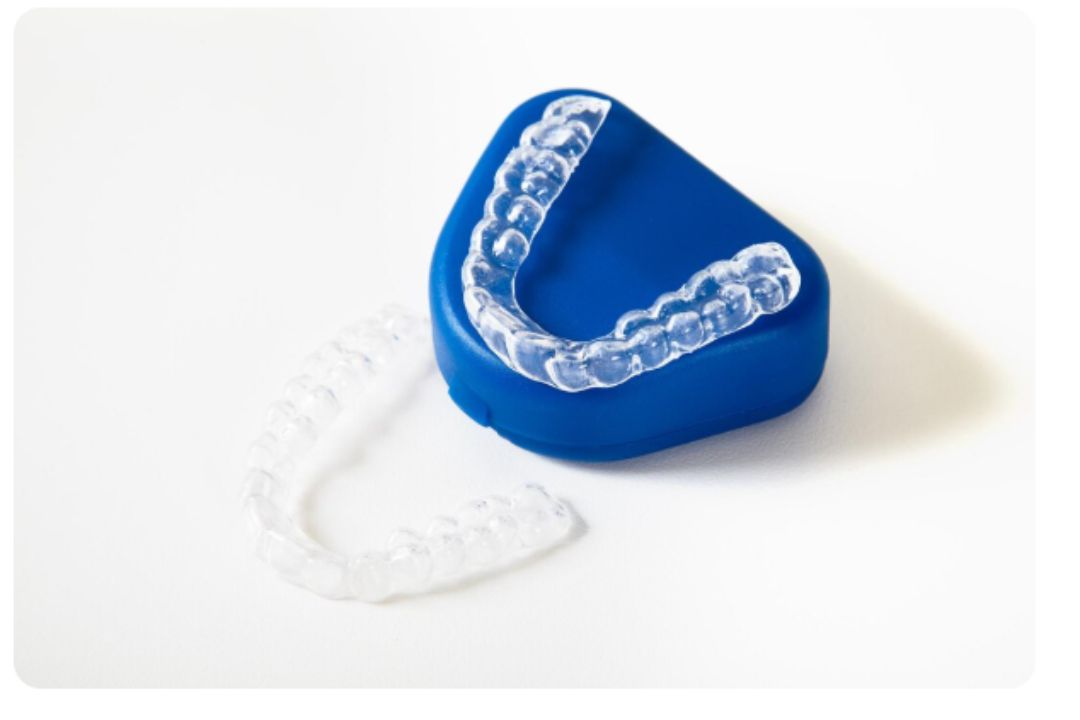
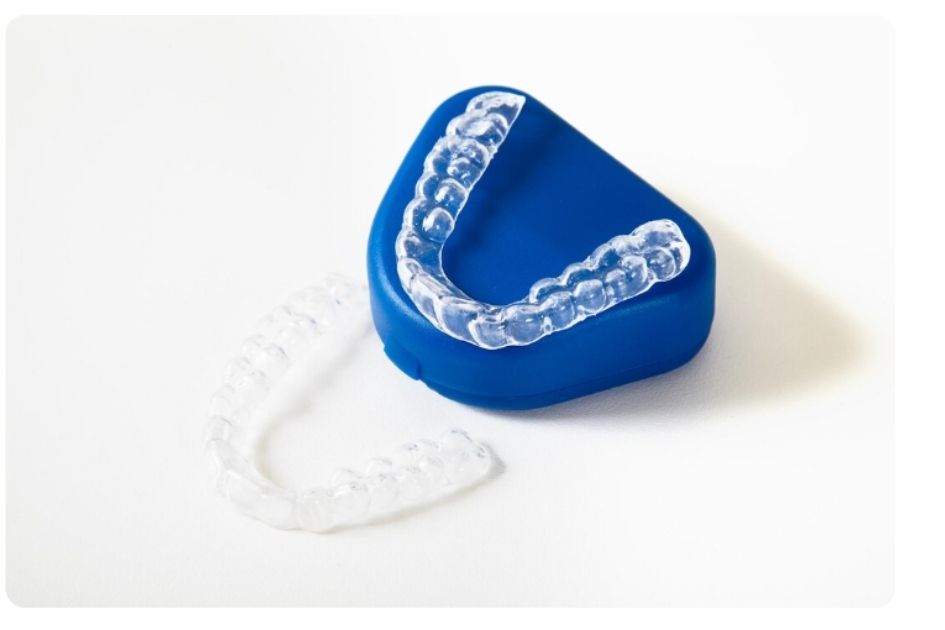
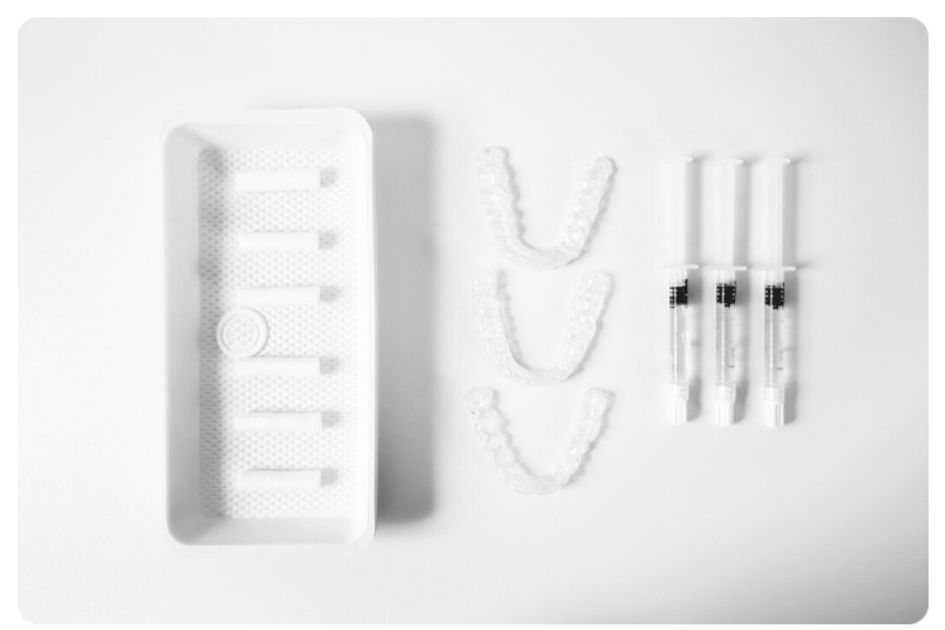
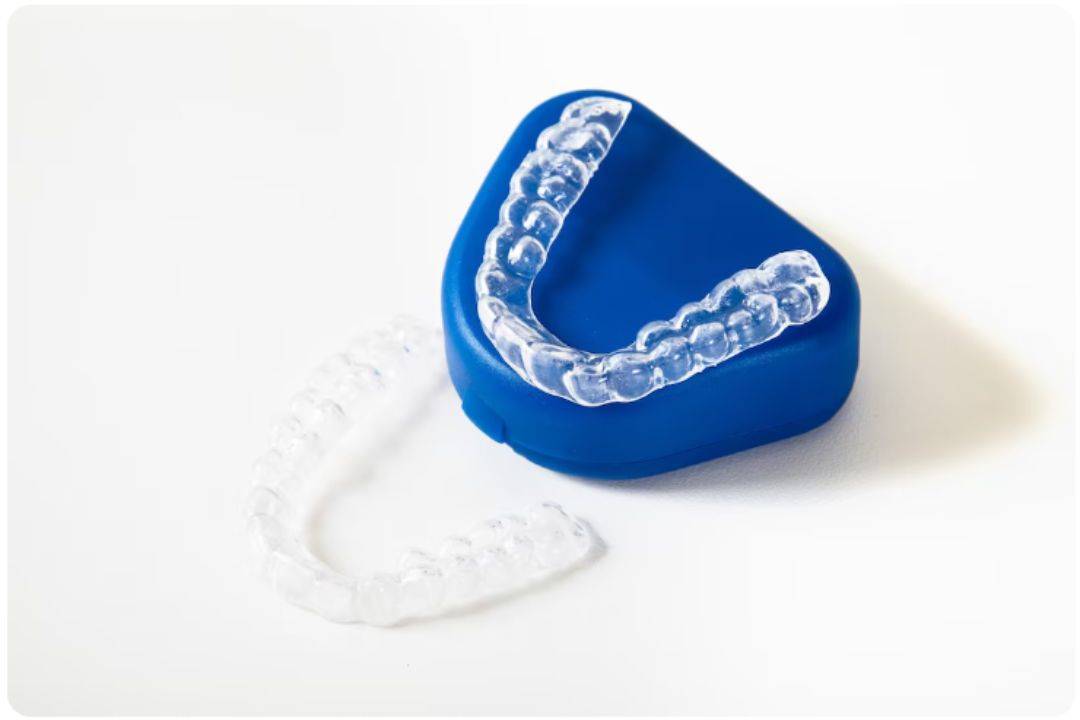
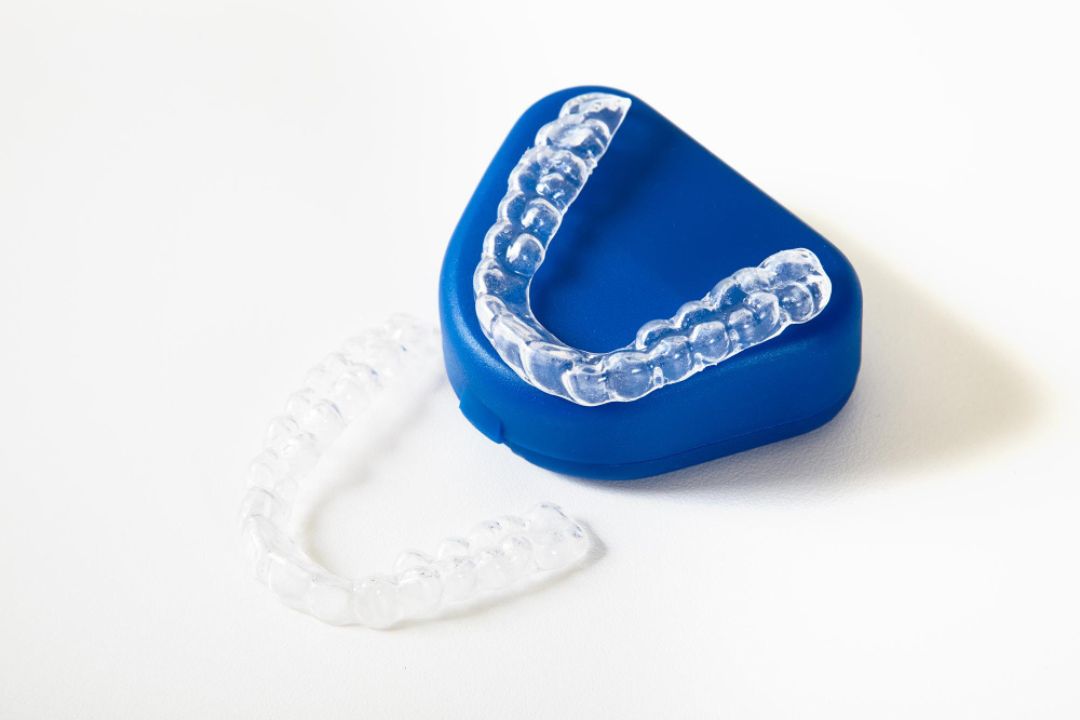
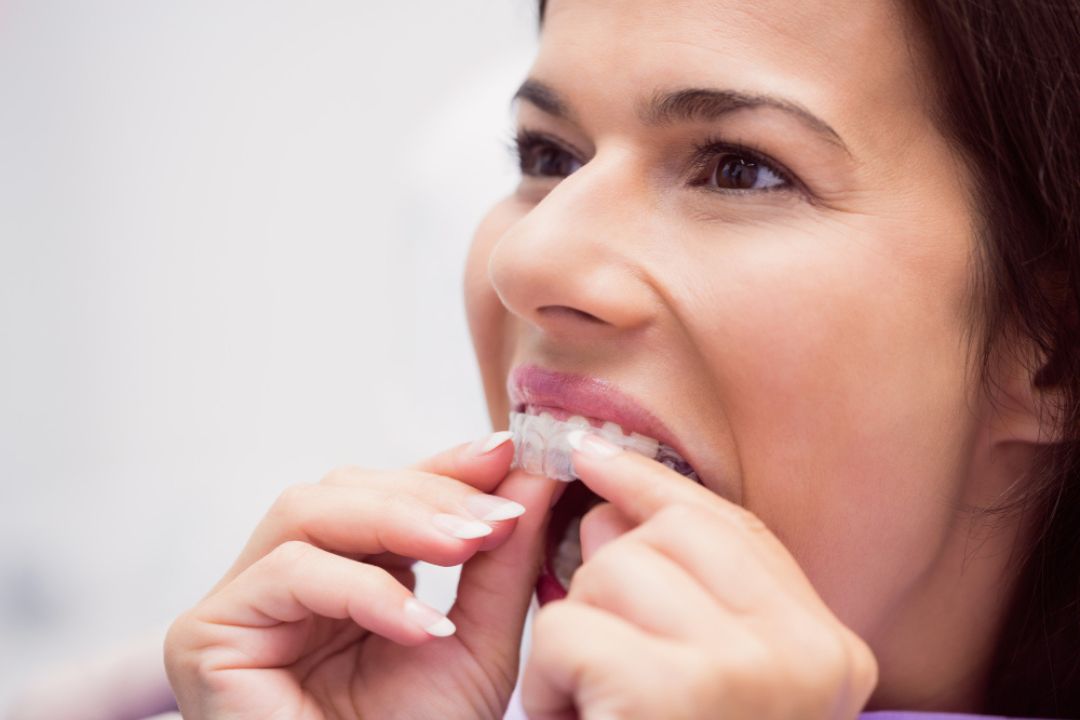
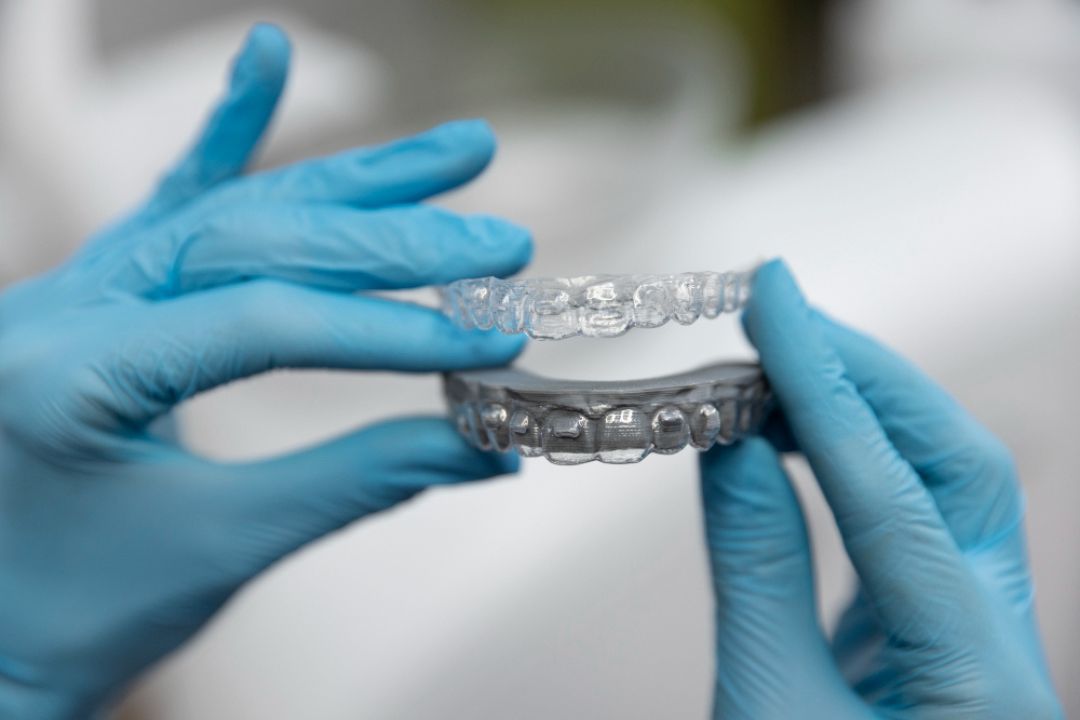
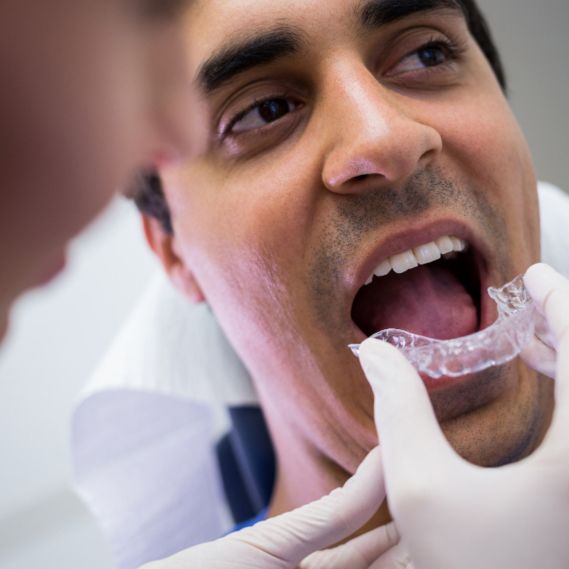
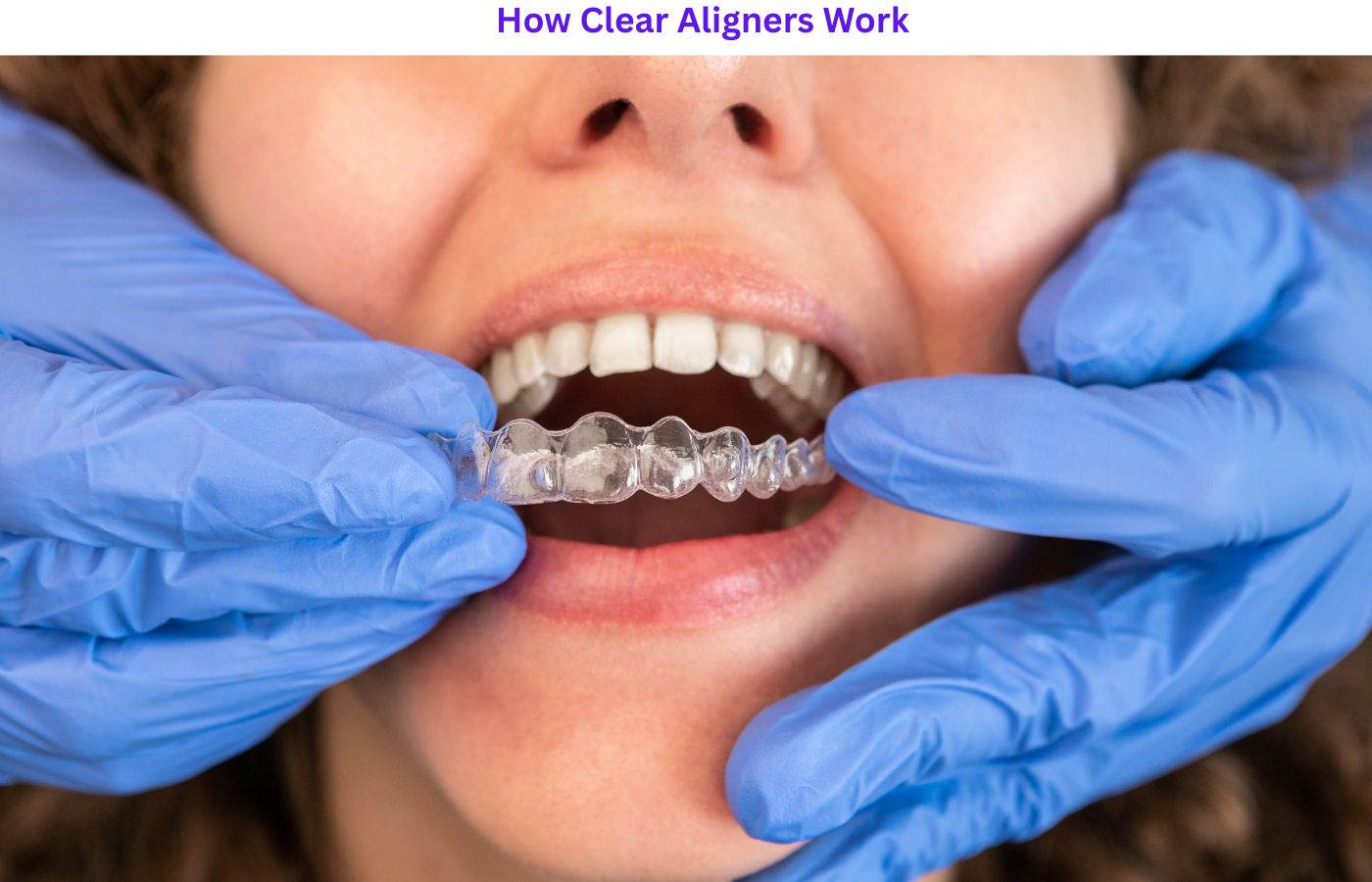
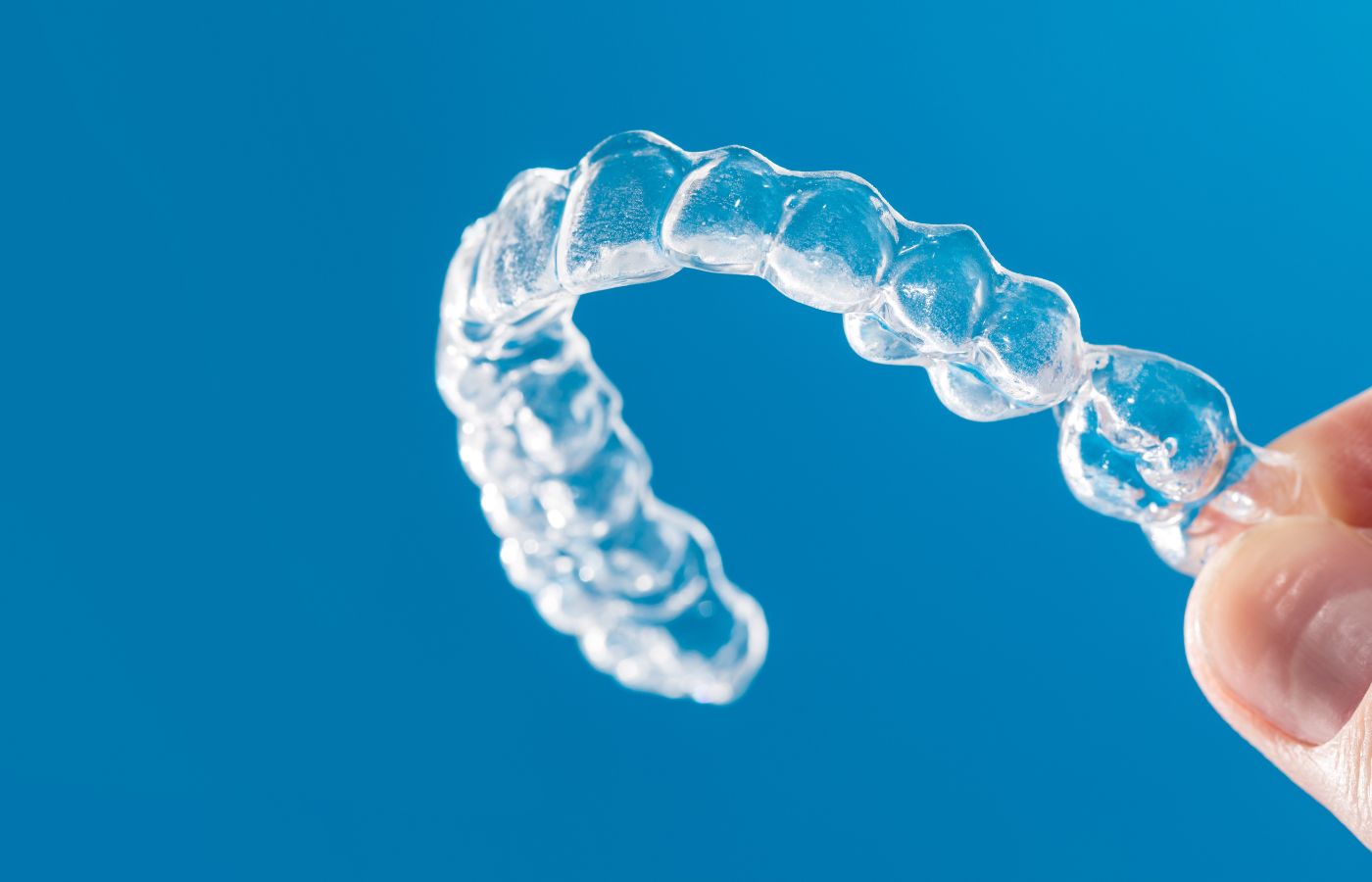
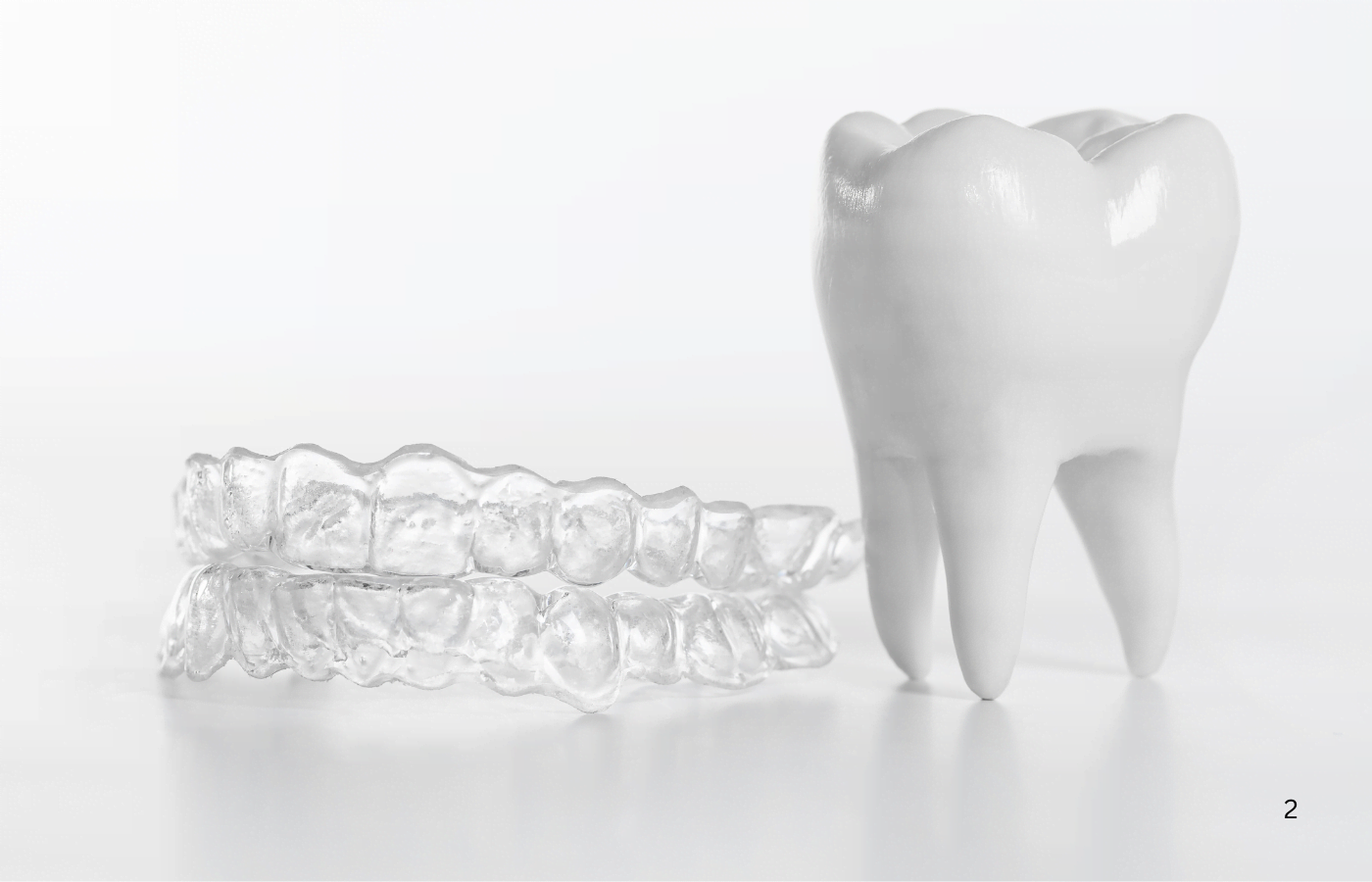
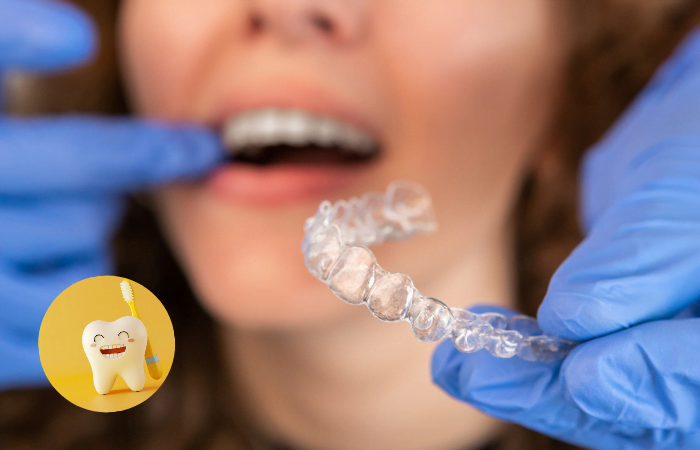
Clear aligners are custom made plastic trays designed to guide your teeth into better alignment over time. They are made from smooth transparent material and fit snugly over your teeth so they are less noticeable than traditional metal braces.
Each set of trays is worn for a few weeks and then replaced with the next tray in the series until treatment is complete. Aligners gradually move teeth according to the treatment plan created by your orthodontist.
One of the strongest selling points of clear aligners is that they are marketed as nearly invisible. Many people choose aligners because they do not want visible wires or brackets on their teeth.
Visit Now: https://www.diagnopein.com/dental-clinic/Mumbai
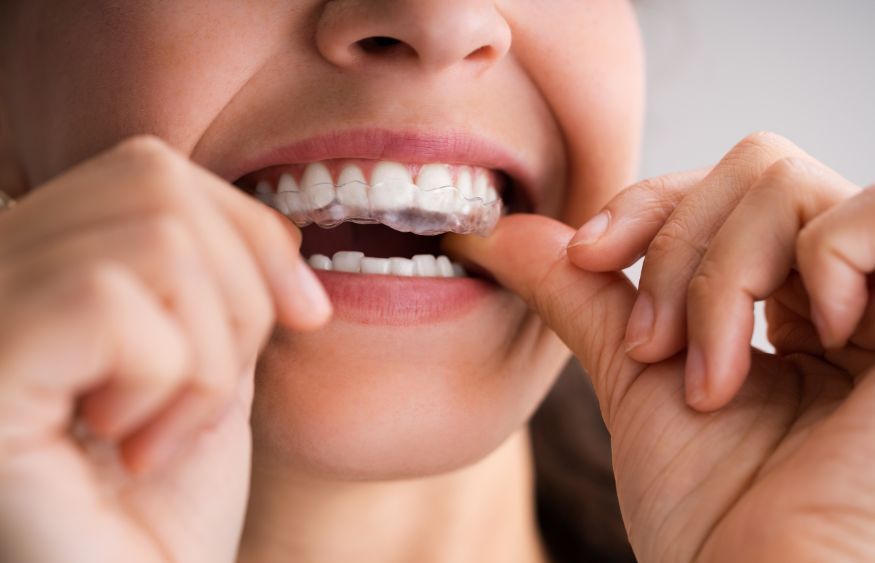
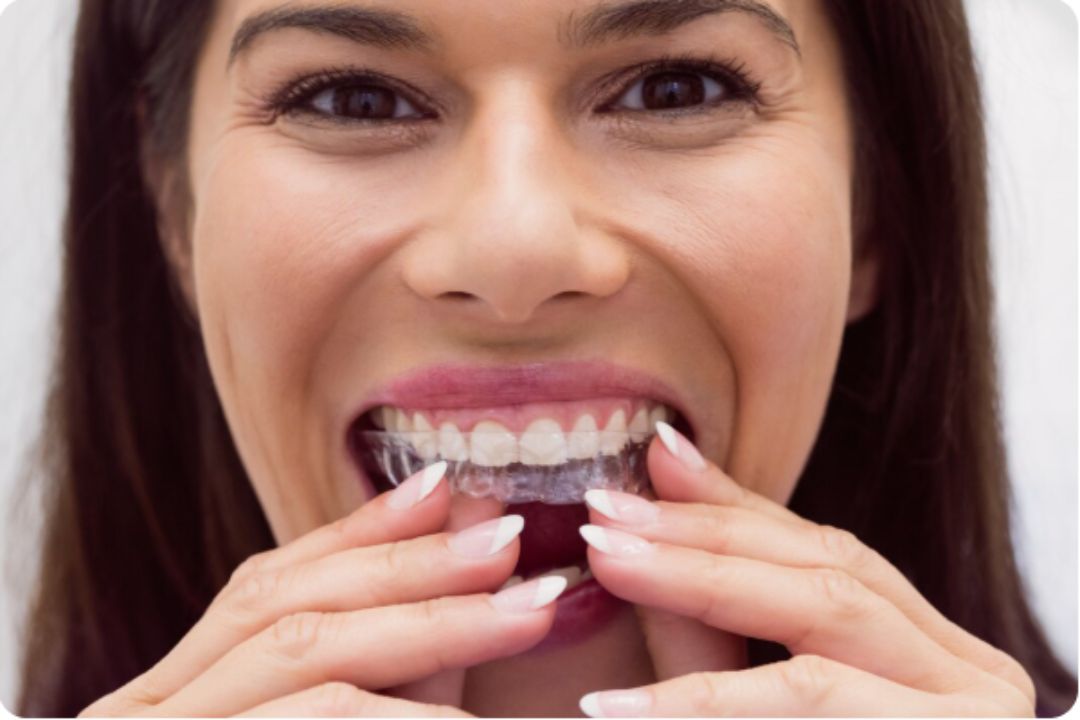
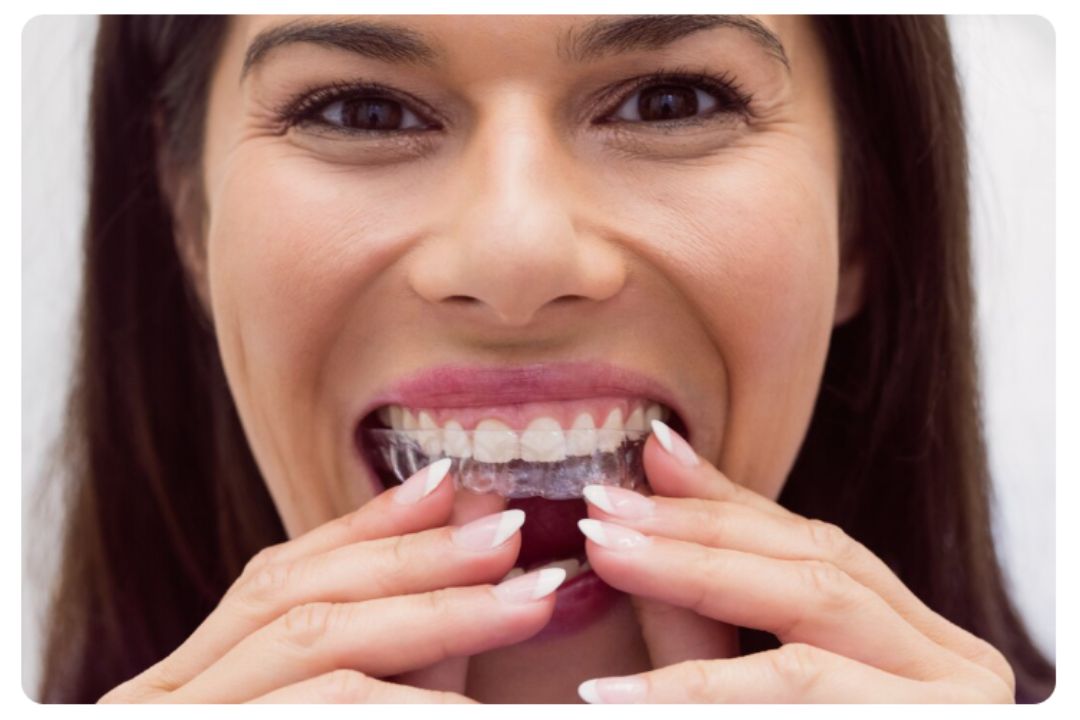
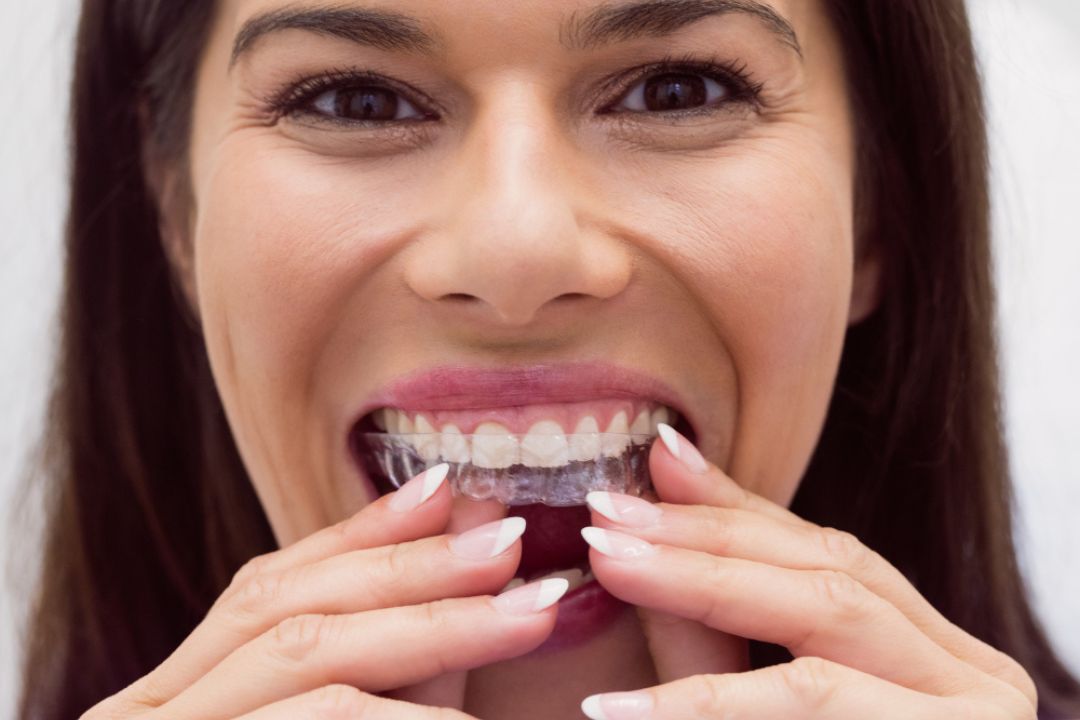
This promise is real for many patients, but the word invisible can sometimes be misleading. Aligners are not completely invisible like air. Rather they are transparent and difficult to notice from a casual distance. In most situations, people around you will not be able to see them unless they are looking closely.
Whether aligners are visible depends on several factors:
High quality clear aligners are made from smooth transparent plastic that blends with the natural color of your teeth. Lower quality materials may look slightly cloudy or shiny, making them easier to spot.
In bright lighting, aligners may catch reflections that are slightly noticeable in close-up photos or when someone is very close to you. In regular settings like classrooms, offices or social gatherings, aligners are usually not noticed.
Teeth that are uneven or have deep stains may interact with aligner material differently, which occasionally can make aligners slightly more visible.
Tiny scratches or buildup from not cleaning aligners properly can make them less clear over time. Regular cleaning helps keep them transparent.
In normal everyday interactions and conversations, most people will not be able to notice aligners unless they are observing very closely.
A common comparison many adults and teens make is visibility between clear aligners and traditional braces.
Brackets and wires are highly visible because they are bonded to the front surfaces of teeth. Even tooth colored braces are noticeable because the structure is harder to blend with natural teeth.
Because aligners are transparent and cover only the surface of teeth, they are significantly more discreet. Unless someone is very close or paying attention to minute details, they are much harder to spot than braces.
For people concerned about appearance, aligners are generally considered the more discreet choice.
Even though aligners are subtle, there are a few situations where they can be slightly more visible.
Book Now: https://www.diagnopein.com
When you speak after drinking cold water, moisture can cause a slight fogging effect that may make trays briefly visible.
Under bright or direct lighting, aligners can reflect light in a way that may be noticeable in close up views.
If trays are not precisely fitted or if there are small gaps, tiny edges may be detected on very close inspection.
If aligners are worn during eating, which is not recommended, food particles can cause visibility and should be avoided.
Even with these factors, aligners remain far less noticeable than traditional braces in most real life situations.
Even though clear aligners are not perfectly invisible, how others perceive them is what matters most for most patients. In real life, casual conversations and daily interactions are spaced with normal distances where clear aligners blend well with natural tooth color. Rarely do people actually notice them even when present.
Surveys and patient feedback consistently show that adults and teens feel more confident wearing aligners because they are significantly less visible than braces.
Here are practical ways to maintain clarity and minimize visibility
• Clean your aligners daily using a soft brush and mild cleaning solution
• Rinse trays before reinserting after eating or drinking
• Avoid sugary or colored drinks while wearing aligners
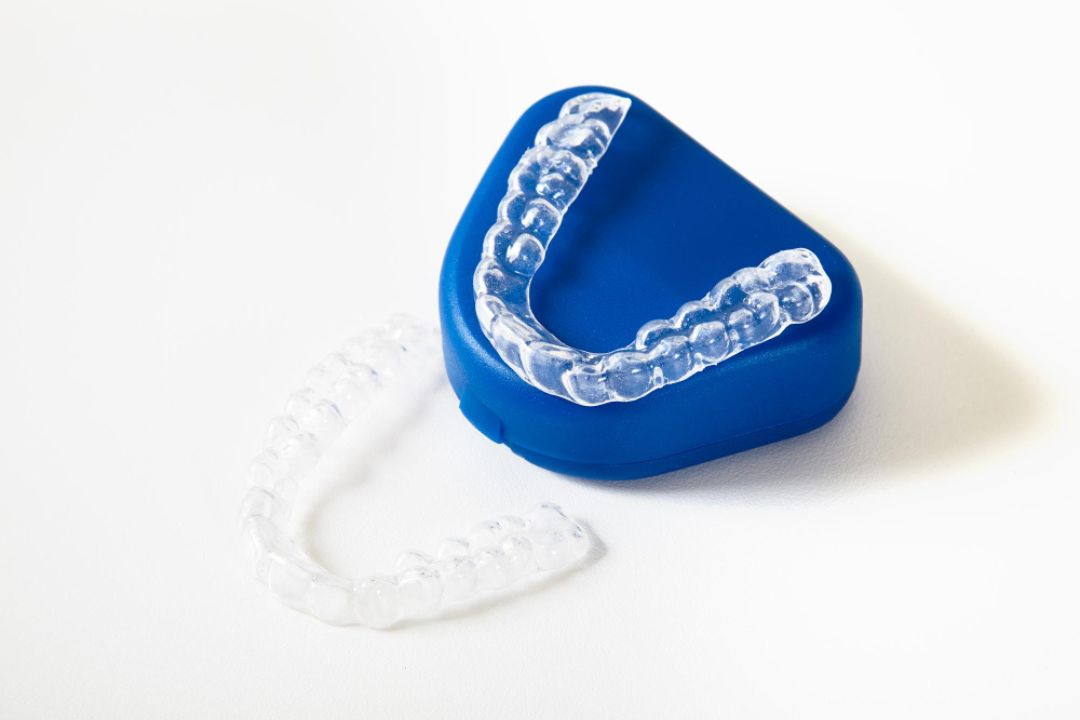
• Store trays in a case when not in use
• Avoid eating while wearing aligners to prevent buildup
Keeping aligners clean helps preserve their transparency and reduces the chance of visibility.
Orthodontists often tell patients that aligners are one of the most discreet treatment options available today. They emphasize that while no orthodontic appliance is completely invisible, aligners offer a level of discretion unmatched by braces.
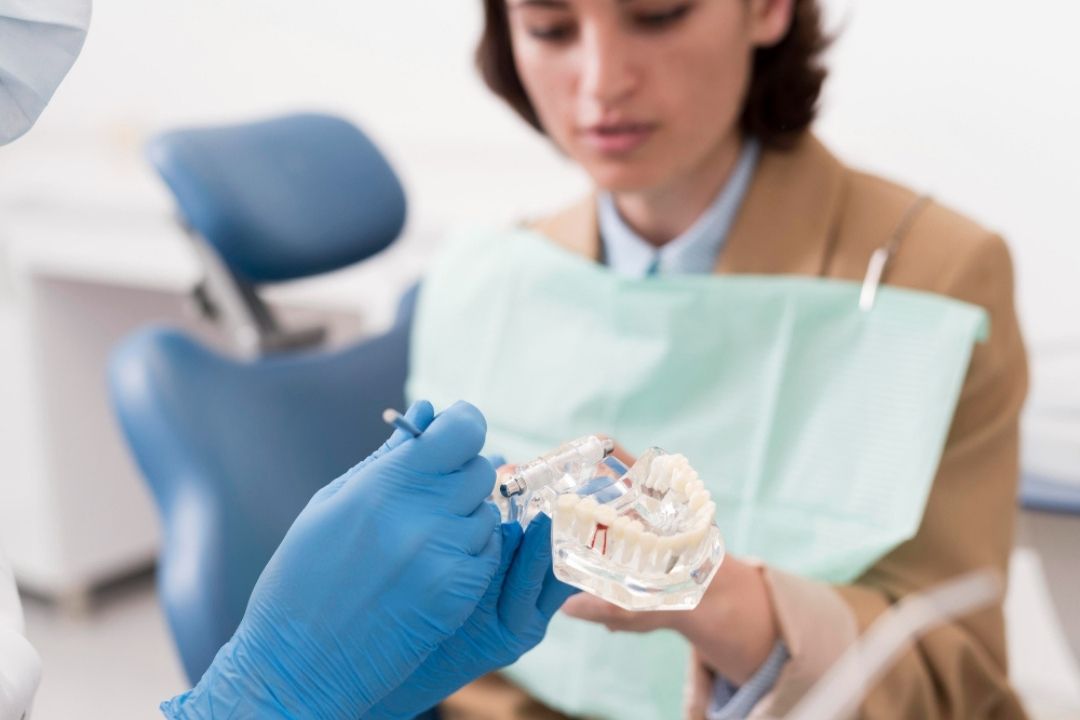
Professionals also stress that aligners should be chosen based on overall treatment suitability. Some cases require braces because of complexity, while others are great candidates for aligners.
Many adults worry that aligners will affect their speech or look awkward in conversation.
In reality most people adapt within a few days. Some notice slight changes in how certain sounds are pronounced at first, but this adjustment period is short and does not affect normal speech long term. In everyday interactions, most people will not see the aligners or notice any difference.
When deciding between aligners and braces, visibility is just one of many factors.
Clear aligners are ideal for people who
• Prefer a discreet orthodontic option
• Want to maintain confidence in social and professional settings
• Prefer a removable appliance
• Like easier oral hygiene routines
Braces are suitable when
• There are complex alignment issues
• A fixed treatment is recommended for precision
• Cost constraints make braces more practical
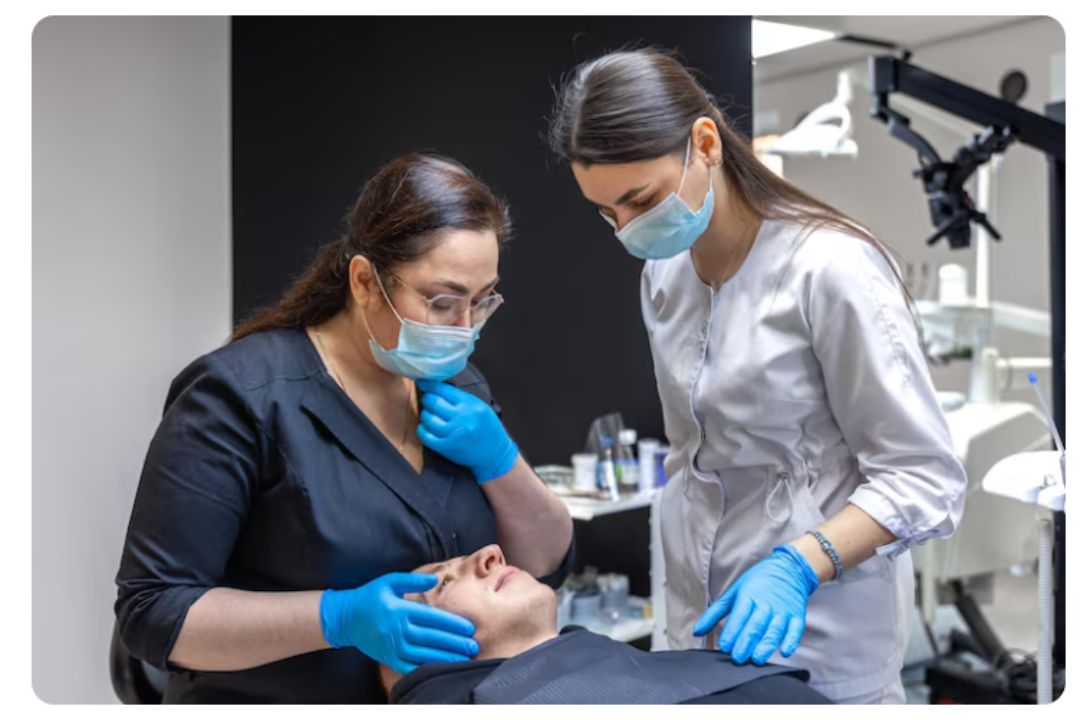
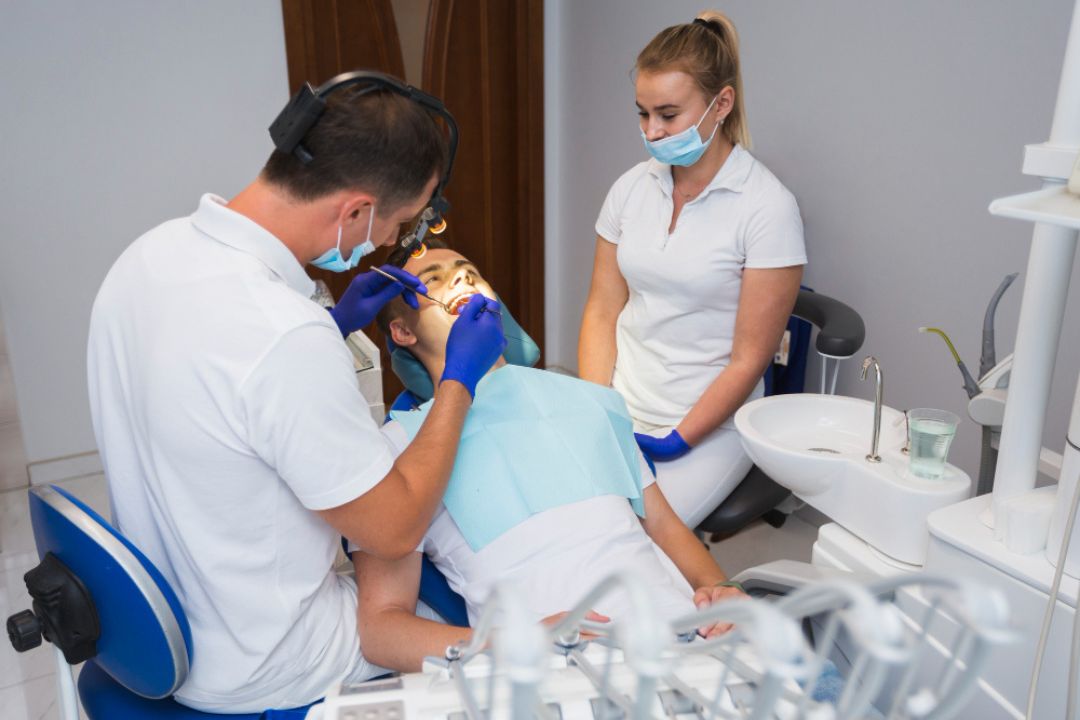
Both systems are effective when properly supervised by a qualified orthodontist.
Clear aligners are not completely invisible in the literal sense, but they are highly discreet and often go unnoticed in normal social interactions. Most people find that aligners blend so well with their teeth that others rarely detect them unless they look very closely.
Whether you are considering aligners or braces, understanding how visibility works, knowing real expectations, and separating myths from fact will help you make the right choice for your smile.
For many adults and teens, aligners provide a comfortable and low profile way to achieve a straighter, healthier smile without drawing attention during everyday life.
 (1).png "Allergies and Health Conditions")





















.jpg "invisible aligners for crowded teeth before and after results")


.jpg "affordable aligners vs braces cost, comfort,")
.jpg "invisible aligners cost in mumbai")

















.jpg "affordable invisible braces pricing in india")



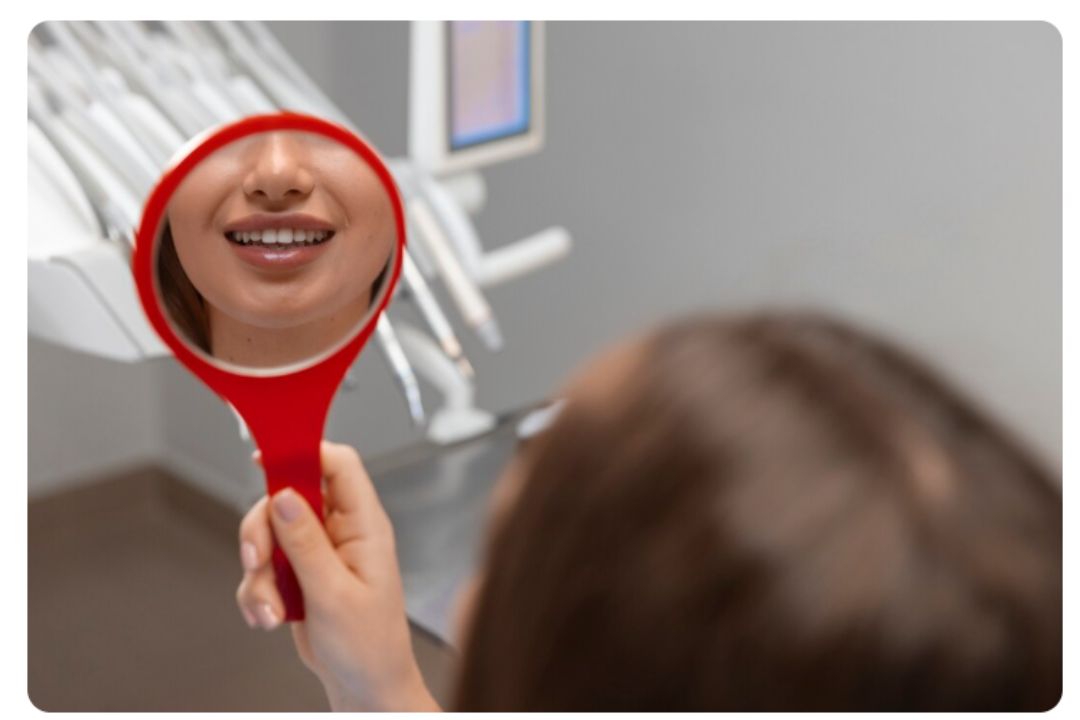



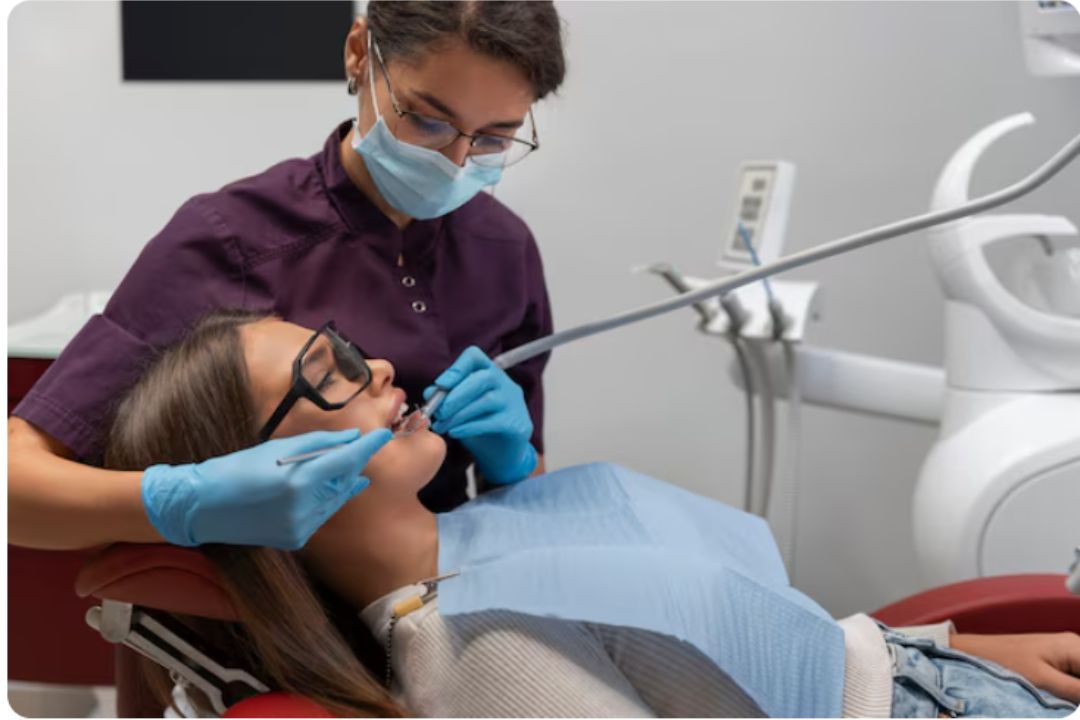





.jpg "invisible aligners step by step treatment process")










.jpg "dental aligners")

.jpg "dental aligners")
.jpg "dental aligners")
.jpg "dental aligners")

.png "Dental Aligners Are the Silent Revolution")
.jpg "5 Myths About Clear Aligners")
.jpg "Clear Aligners Over Braces")
.jpg "Aligners Can Help Improve Your Oral Health")
 (1).jpg "The Rise of Clear Aligners")

.png "dental aligners myth facts")