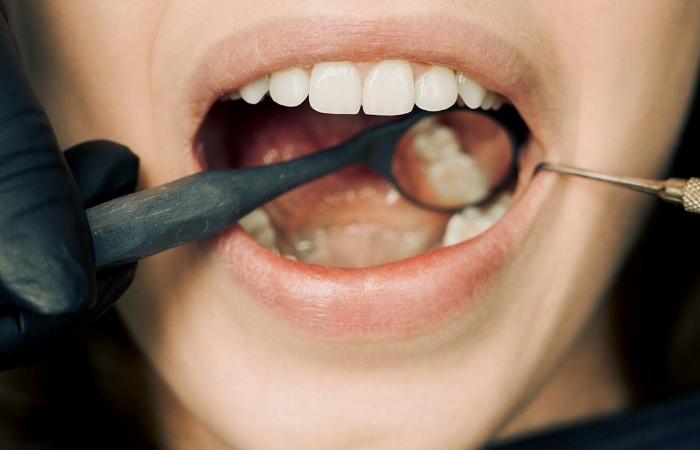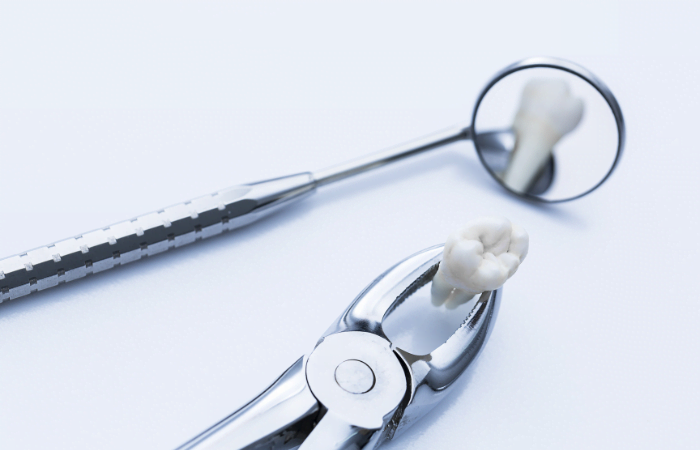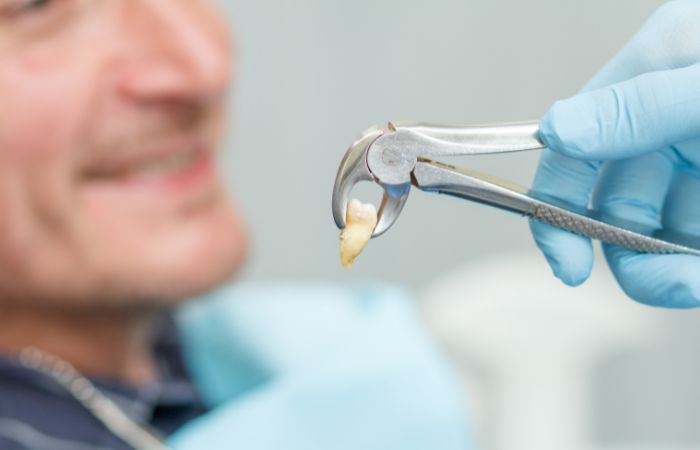
Wisdom tooth pain can be an unbearable experience, causing discomfort and swelling in the mouth. If you're dealing with persistent pain, it's essential to understand whether wisdom tooth removal is necessary and what to expect in the wisdom teeth removal aftermath.
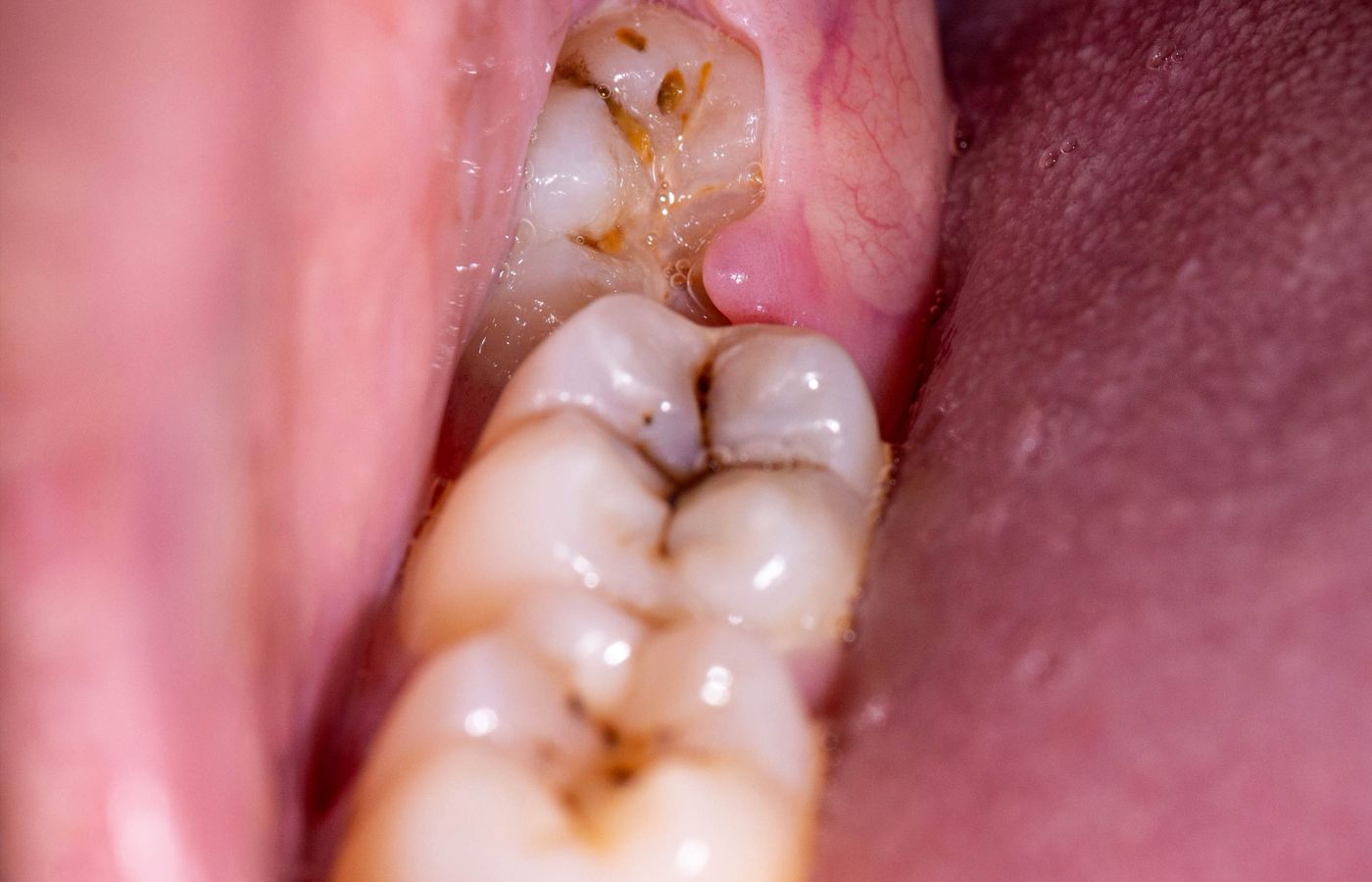
Wisdom teeth, or third molars, usually emerge between the ages of 17 and 25. For many individuals, there isn’t enough space in the jaw to accommodate these teeth properly, leading to various dental issues such as:
1] Impaction: When the wisdom tooth doesn’t have enough room to emerge, it can get stuck under the gums.
2] Crowding: Newly emerging wisdom teeth may push against existing teeth, causing misalignment.
3] Infection & Gum Disease: Partially erupted wisdom teeth create pockets where bacteria can accumulate, leading to infections and gum inflammation.
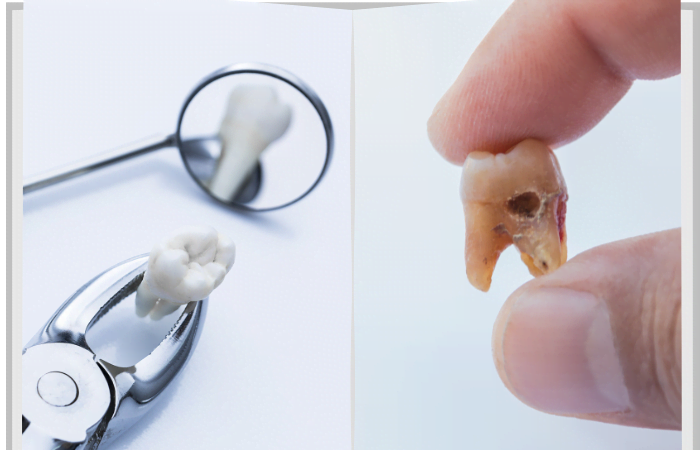
4] Cavities & Decay: Difficult-to-reach wisdom teeth are prone to decay as they are hard to clean.
Not all wisdom teeth removal require extraction. If your wisdom teeth grow correctly and do not cause pain or complications, they can be left alone. However, removal is often recommended in cases of Severe pain and discomfort , Frequent gum infections or swelling , Damage to adjacent teeth due to crowding , Cyst formation around the impacted tooth , Difficulty in maintaining oral hygiene .
If you're experiencing persistent wisdom tooth pain, it's best to consult a dentist to determine whether wisdom tooth removal is the best course of action.
Before the Procedure
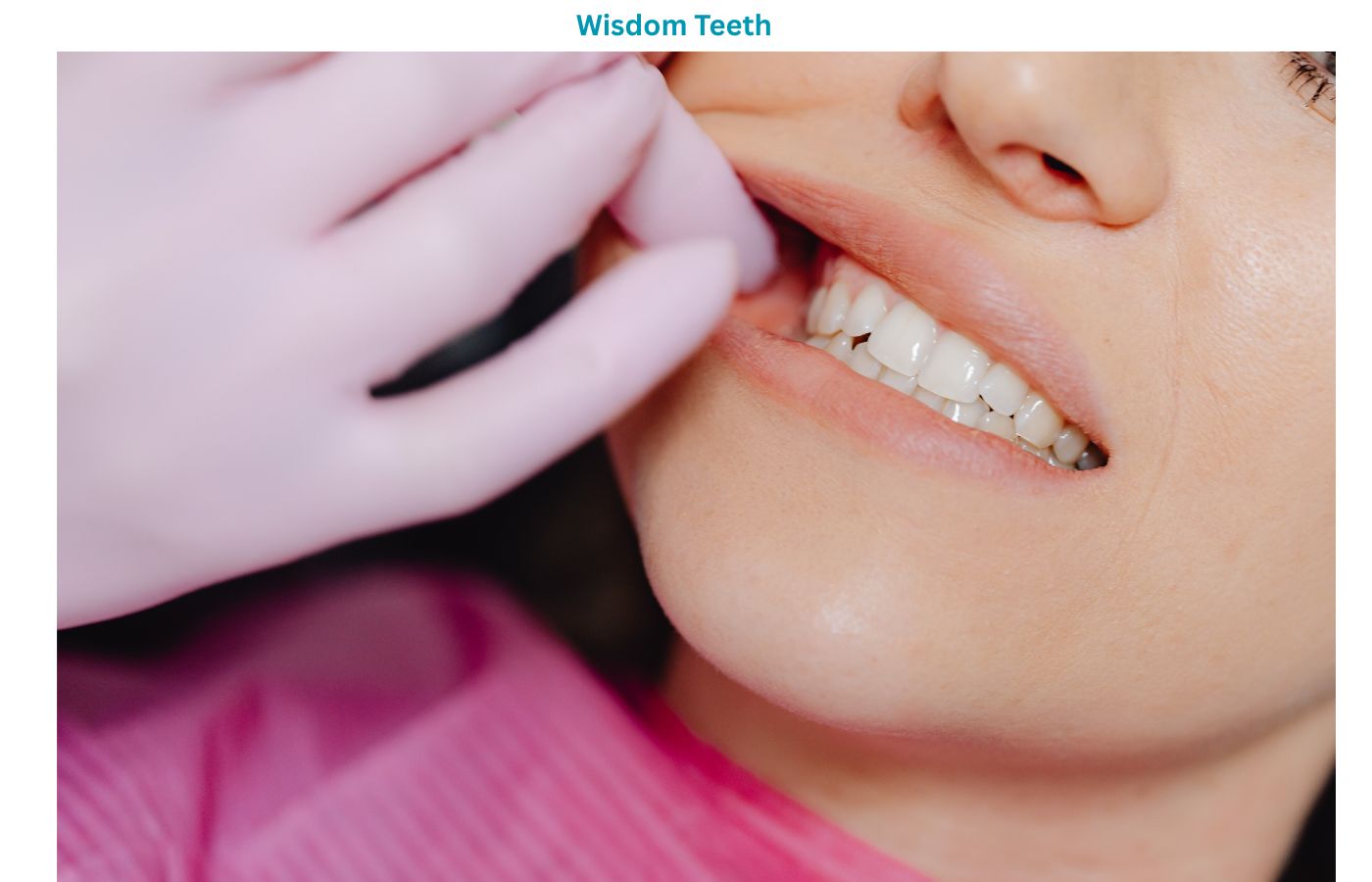
A dentist or oral surgeon will evaluate your wisdom teeth through an X-ray to determine the complexity of the extraction. They will also discuss anesthesia options to ensure a pain-free procedure.
During the Procedure
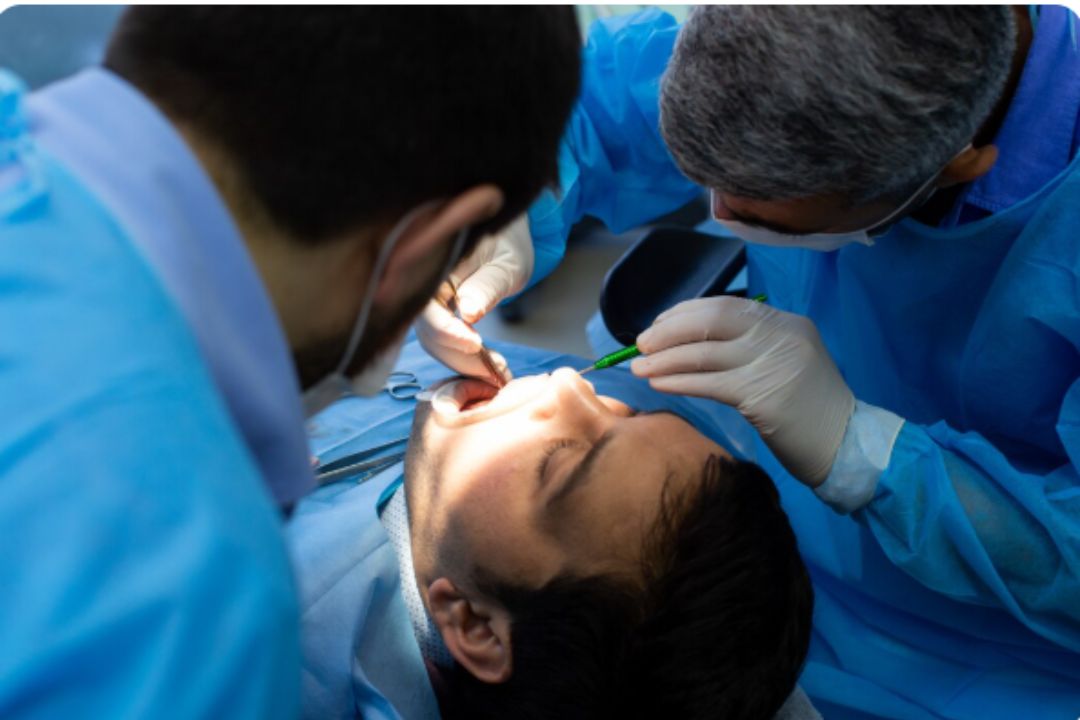
The removal process may involve numbing the area with local anesthesia, Making an incision in the gum (if necessary) to access the tooth, Extracting the tooth in one piece or in smaller sections, Cleaning the area and placing stitches if required.
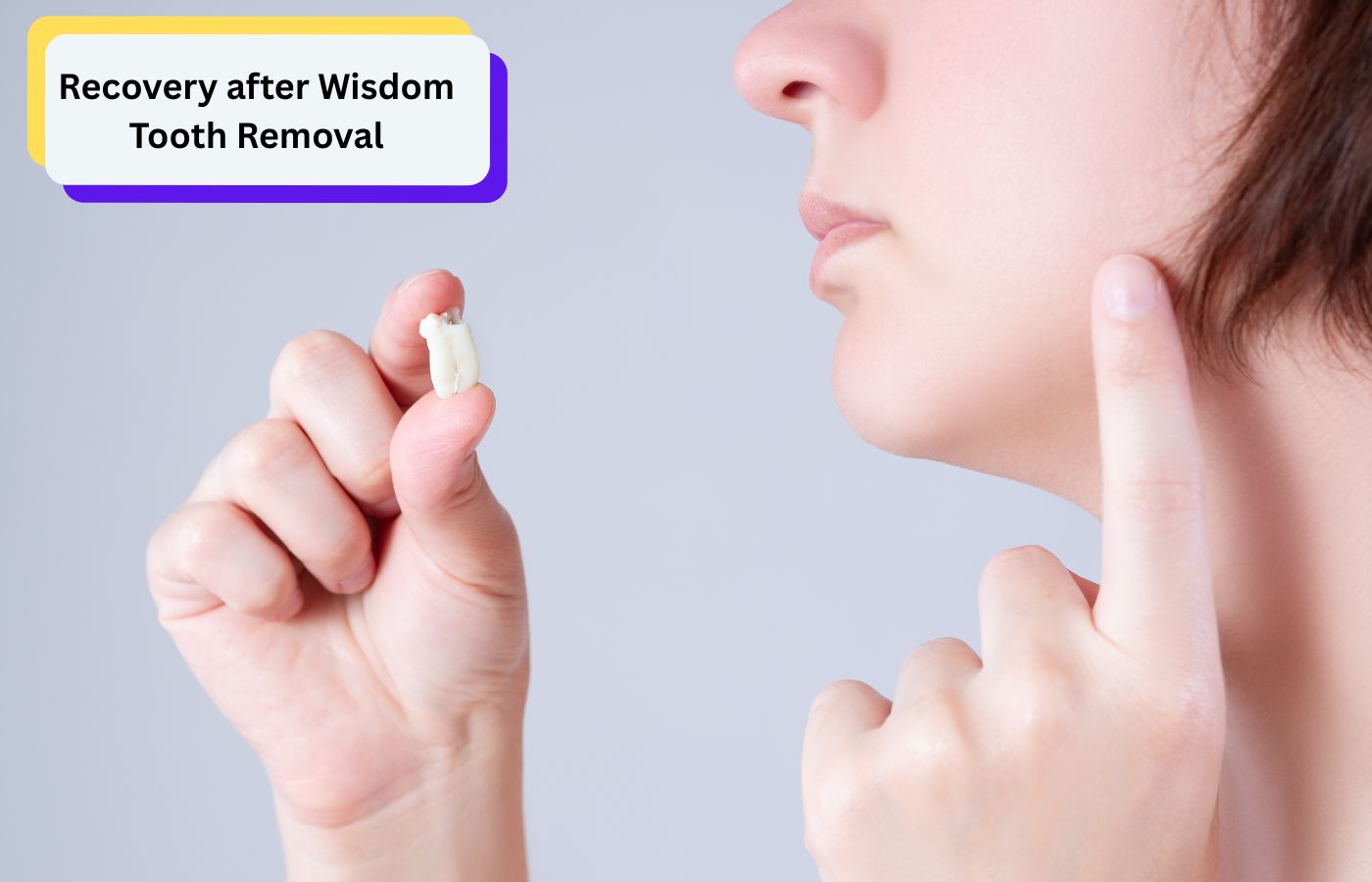
Post-surgery, it's crucial to follow the dentist’s guidelines for a smooth recovery Apply ice packs to reduce swelling, Avoid hard or spicy foods for a few days, Rinse gently with warm salt water to prevent infections, Avoid using straws or smoking to prevent dry sockets. Complete healing can take a few weeks, but most patients resume normal activities within a few days.
You should seek immediate dental care if you experience Persistent pain or swelling in the gums, Difficulty in opening your mouth fully, Bad breath or an unpleasant taste in the mouth, Fever and signs of infection. Ignoring wisdom tooth pain can lead to severe complications, making timely intervention crucial.
At Diagnopein, we offer expert wisdom tooth removal services to ensure a painless and smooth procedure. If you're searching for a "dentist near me" or require professional care for wisdom tooth pain, we are here to help!

















.jpg "wisdom teeth removal")



.jpg "wisdom teeth removal")
.jpg "wisdom teeth removal")


.jpg "wisdom teeth removal")

.jpg "Wisdom Tooth Surgery Recovery")