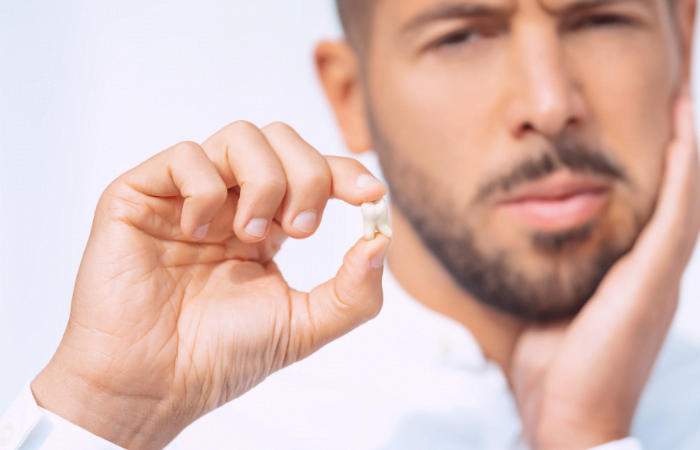
For decades, wisdom teeth removal has been a common rite of passage for young adults. But is this procedure always necessary? With evolving dental practices, the answer isn't always a straightforward "yes." This guide breaks down the signs, pain, treatment, and crucial modern insights—including why experts now say not to remove your wisdom teeth—to help you make an informed decision.
Recognizing the Signs: Do You Need Extraction?
Wisdom teeth, or third molars, typically emerge between ages 17 and 25. While some people experience no issues, others face significant problems. Key signs you might need an evaluation include:
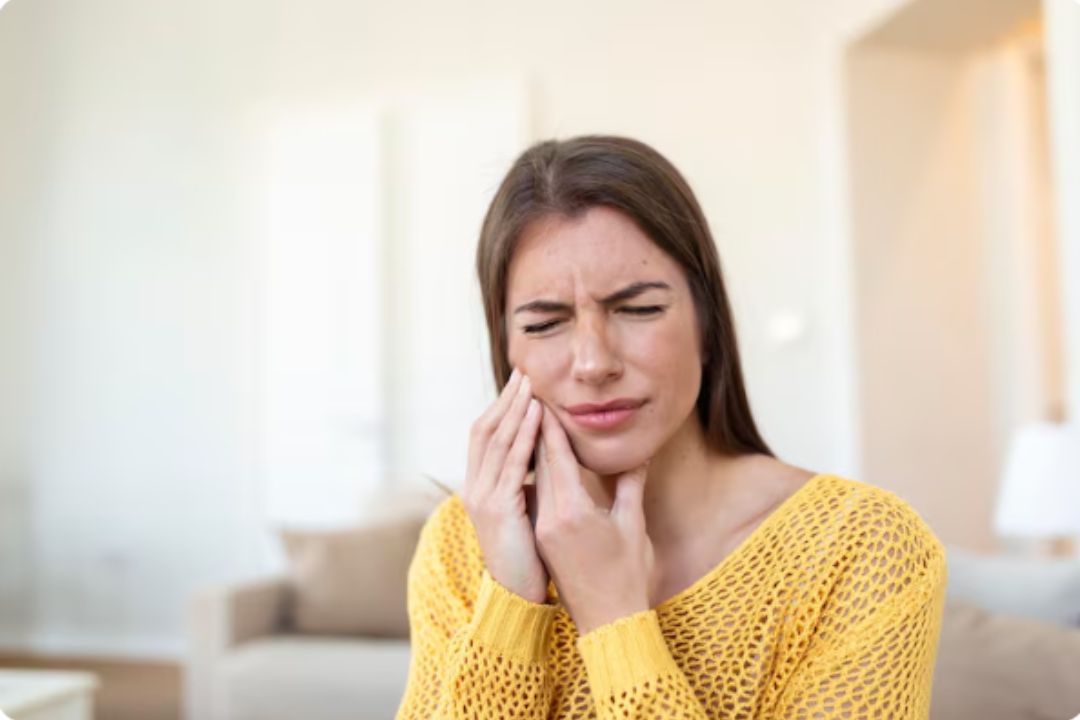
Persistent Pain or Discomfort: Aching at the back of your jaw is a primary symptom.
Swelling & Tenderness: In gums around the area, potentially leading to infections like pericoronitis.
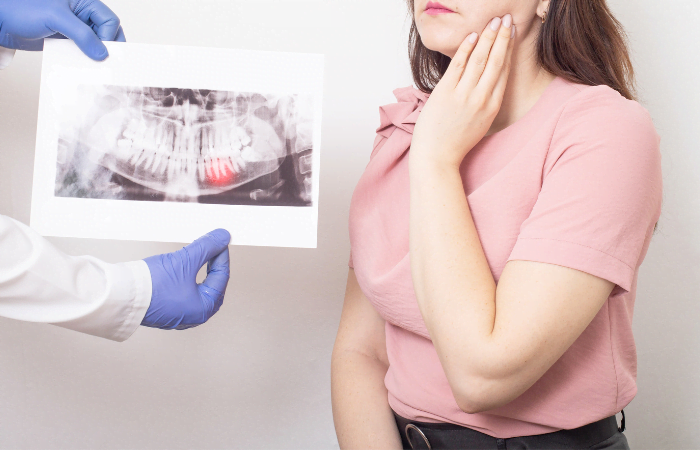
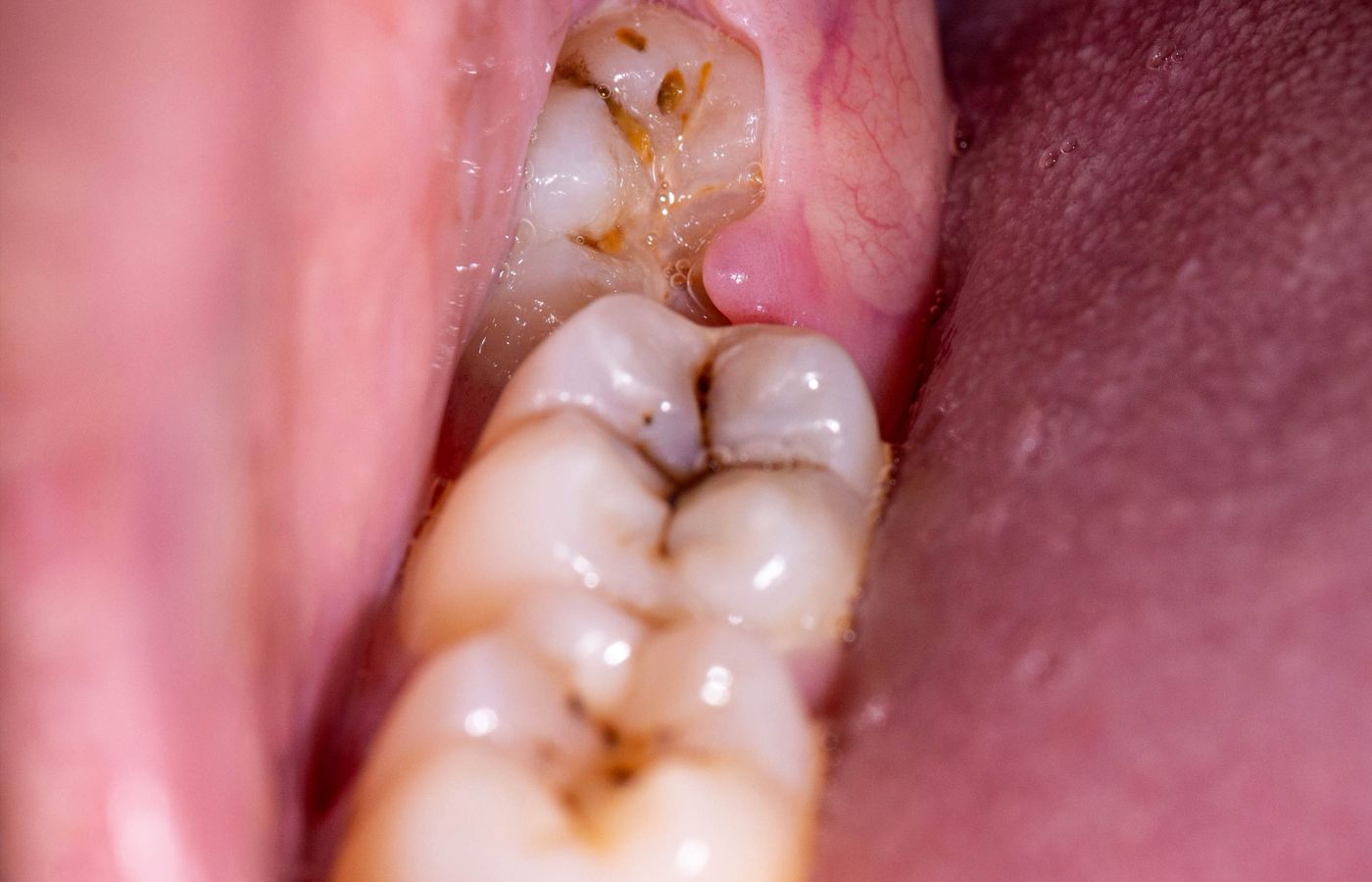
Impacted Teeth: Teeth trapped in the jawbone or gums, visible on an X-ray, which can damage neighboring molars.
Crowding & Misalignment: Causing shifting of other teeth, undoing orthodontic work.
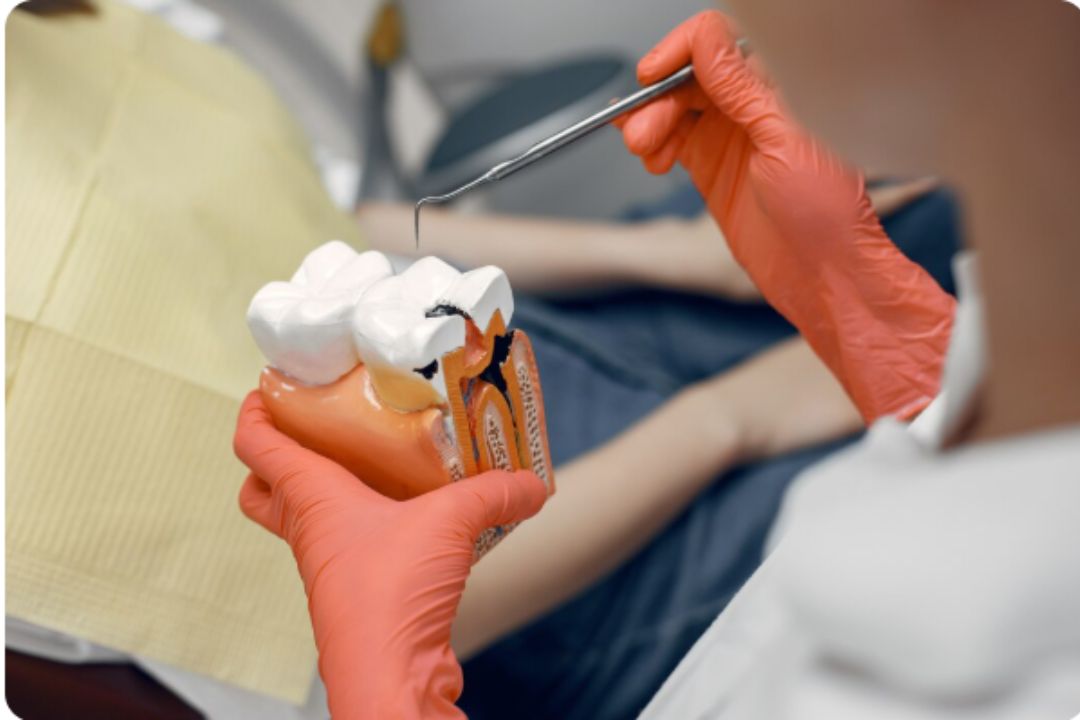
Cavities & Gum Disease: Difficulty cleaning these hard-to-reach teeth increases decay and periodontal risk.
The Treatment Process: What to Expect
If removal is advised, here’s a brief overview:
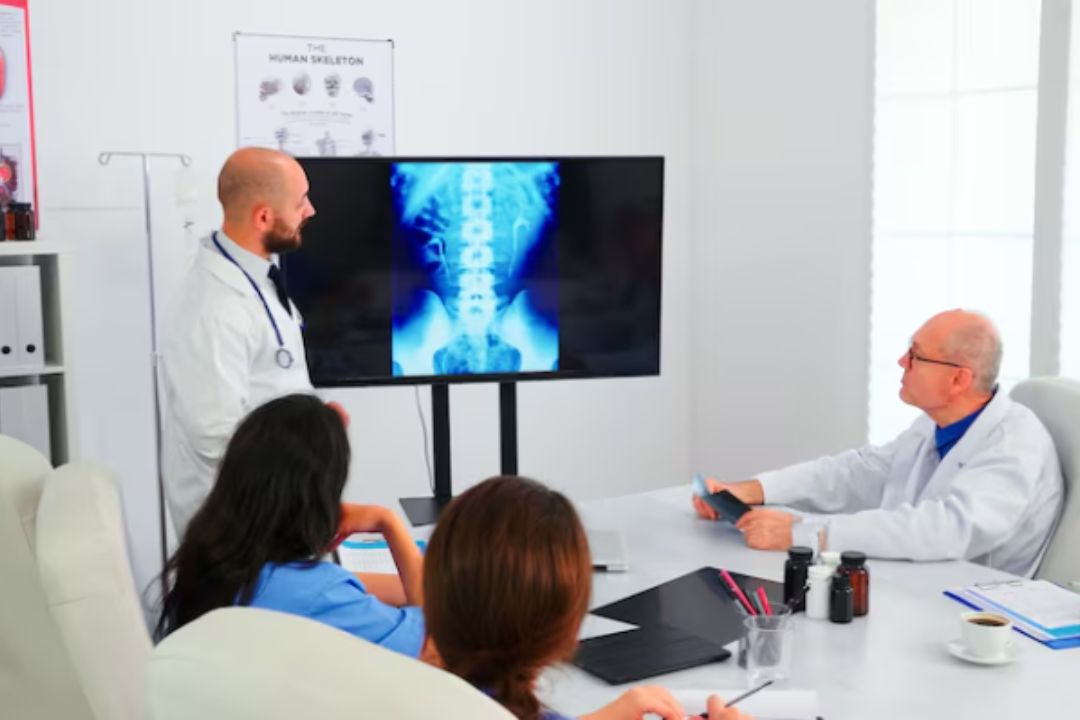
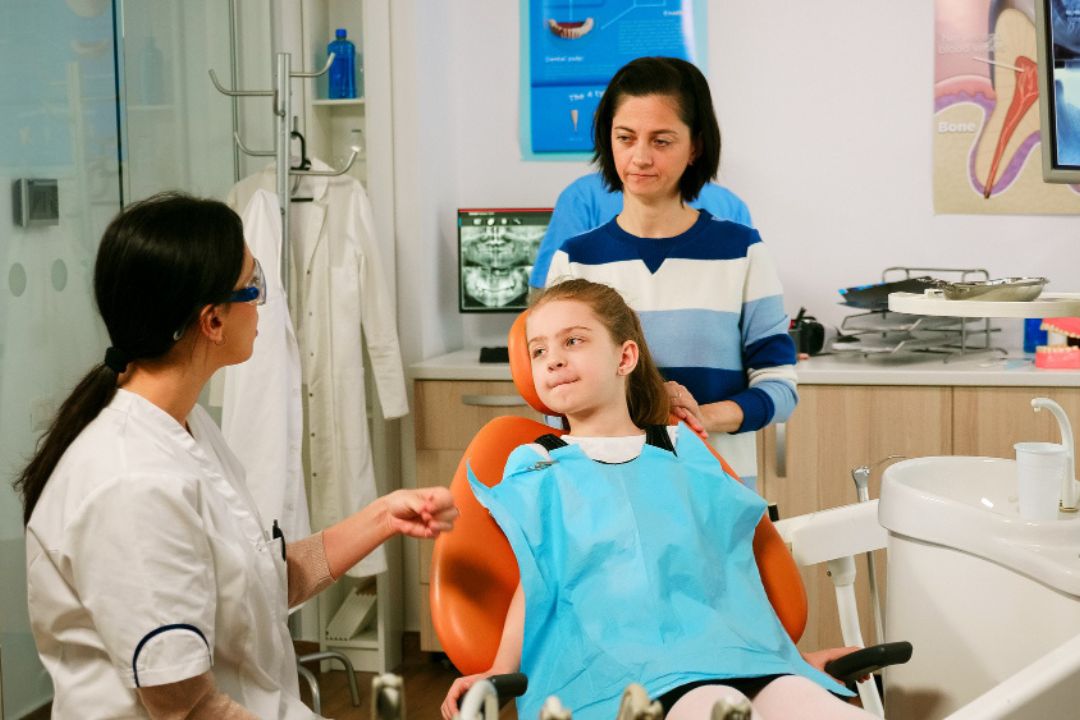
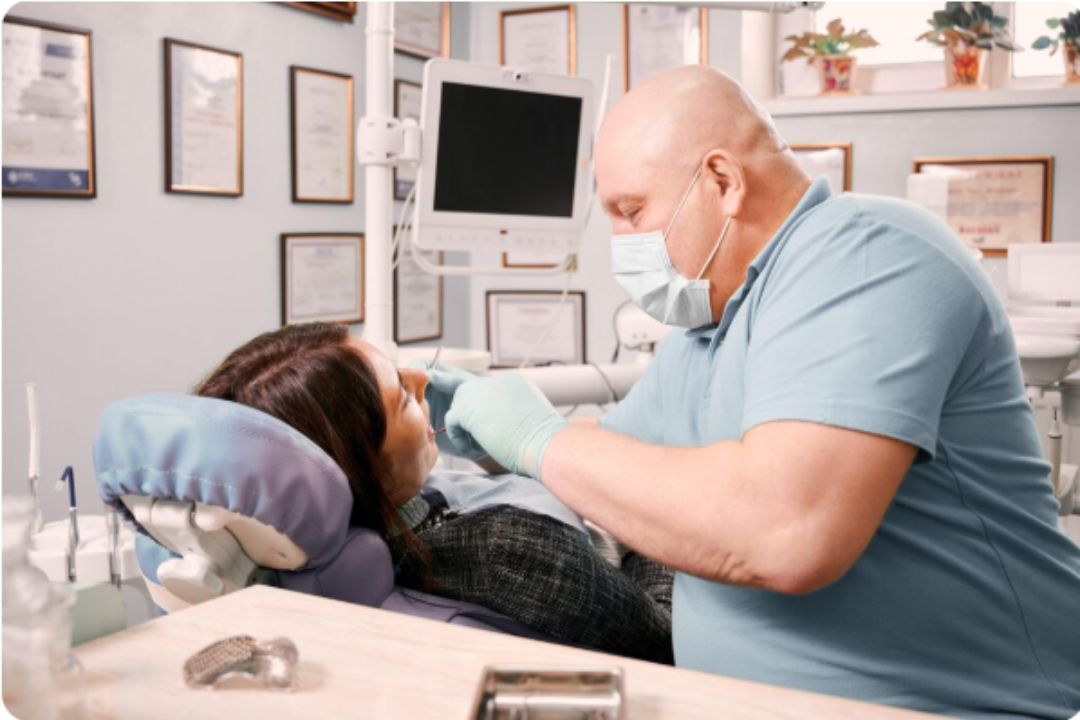
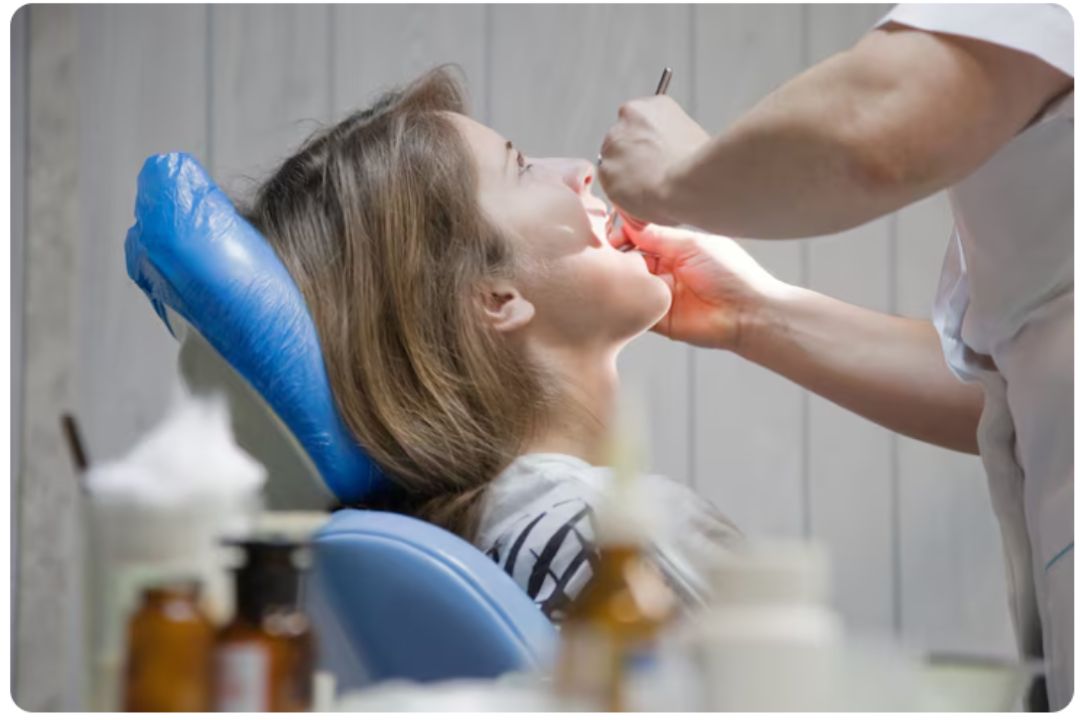
Consultation & Imaging: A panoramic X-ray (like those seamlessly managed through platforms like Diagnopein) assesses tooth position, roots, and proximity to nerves.
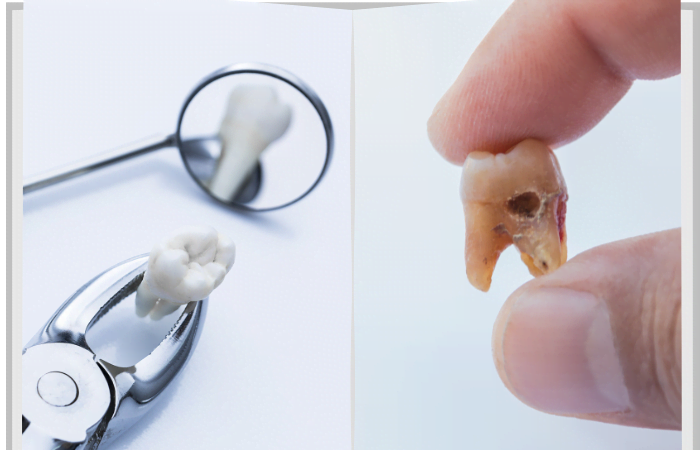
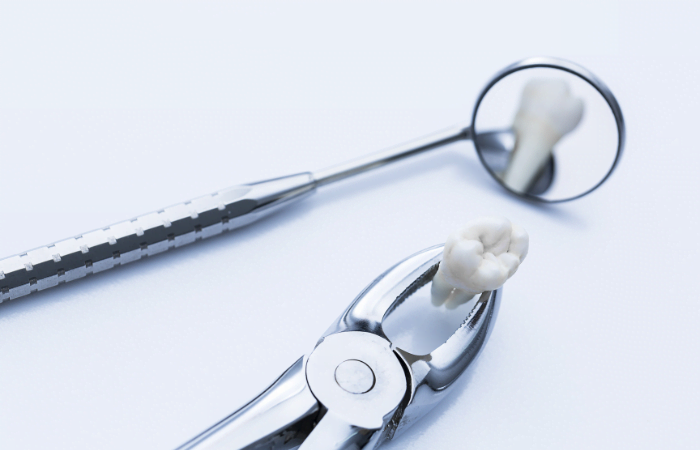
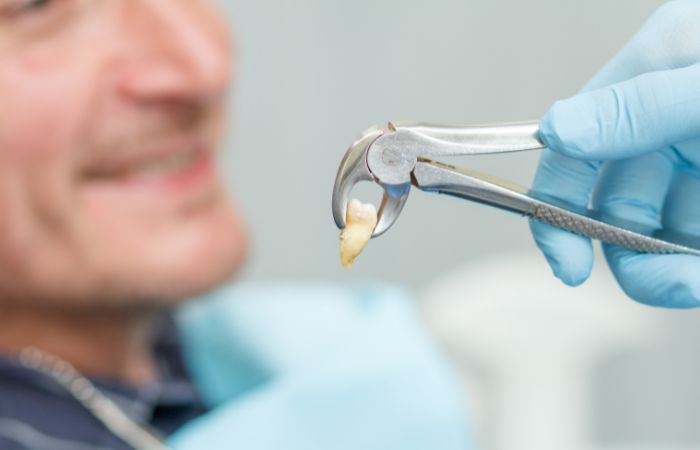
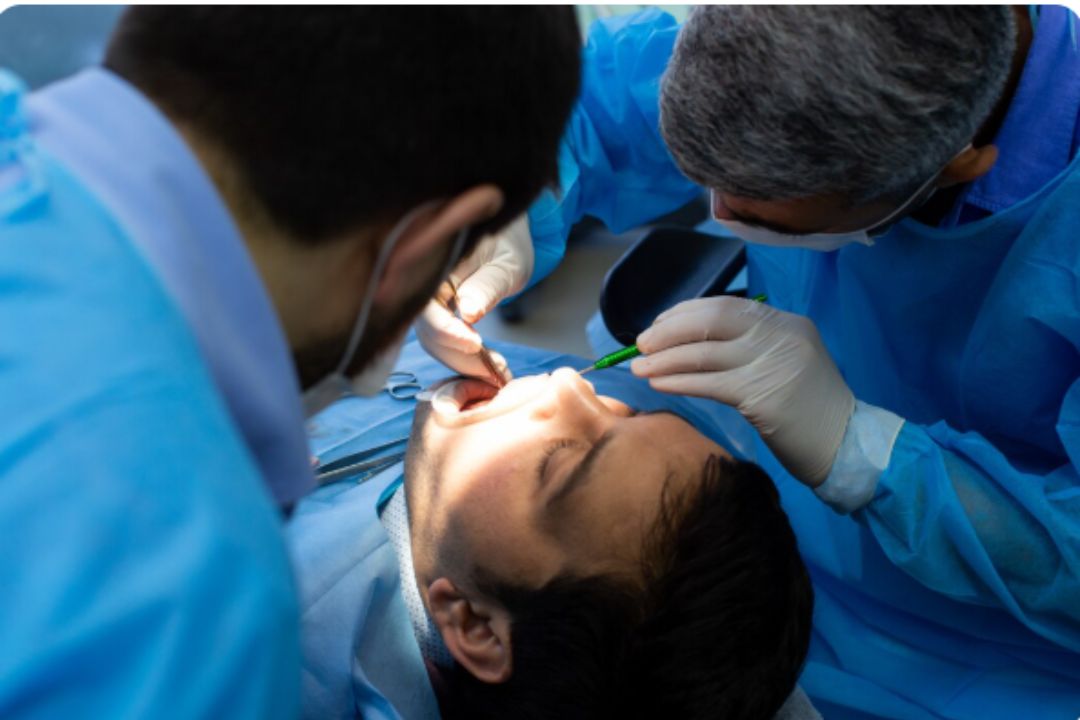
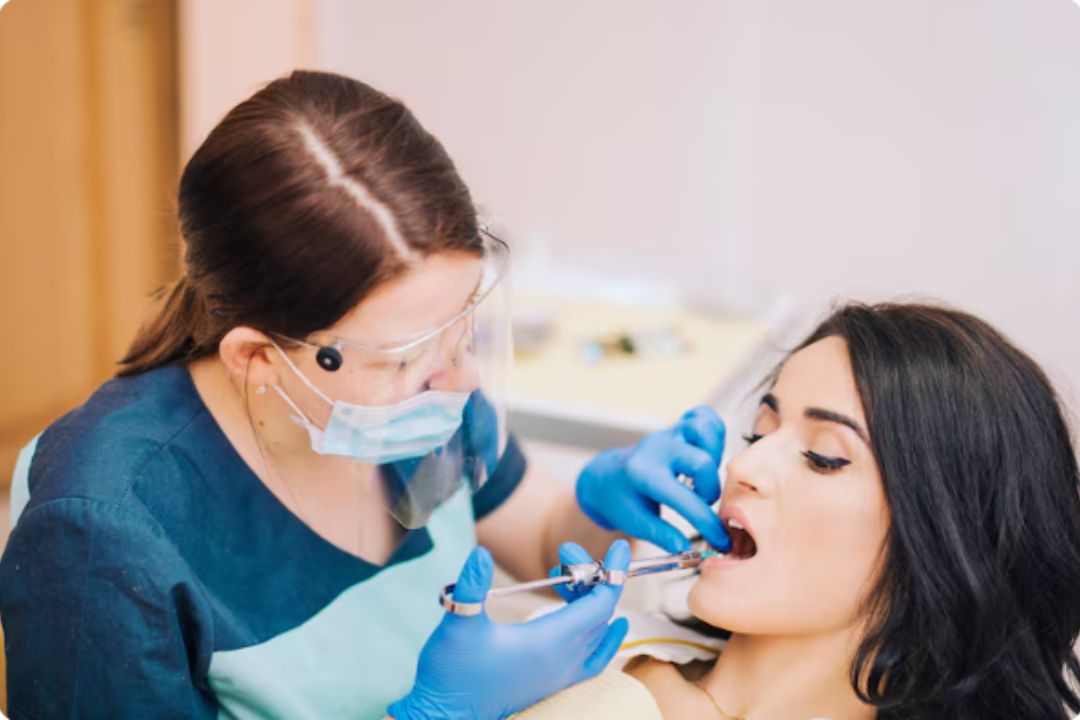
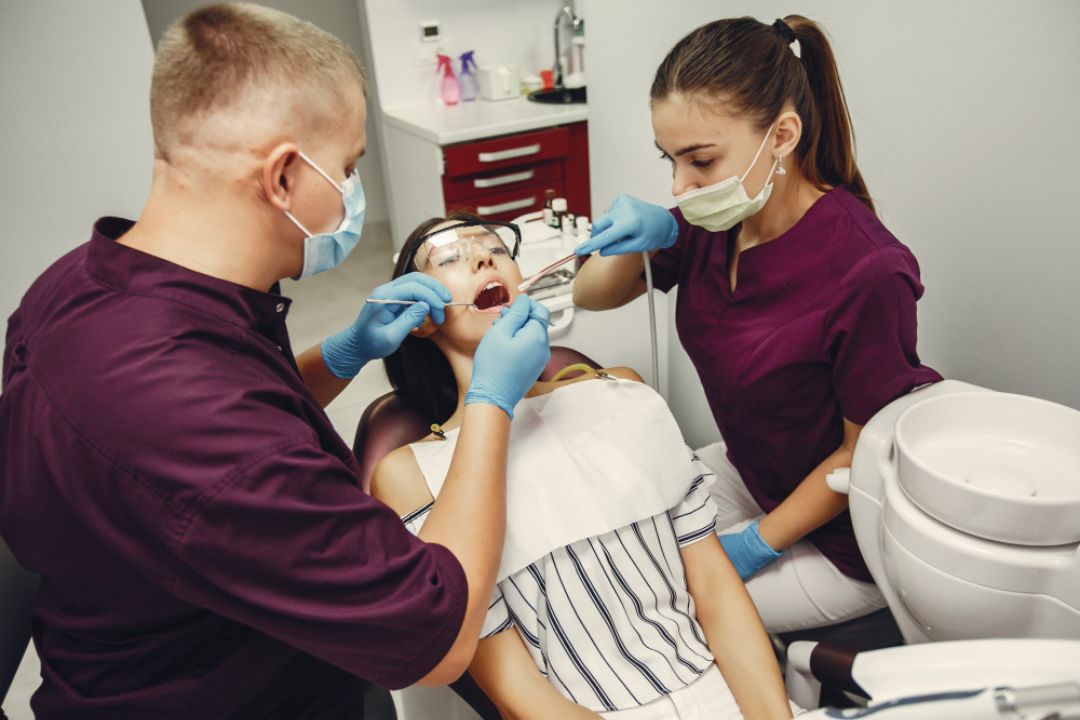
The Procedure: Performed under local anesthesia, sedation, or general anesthesia. The oral surgeon makes an incision, removes any bone blocking the tooth, extracts the tooth, and closes the site with stitches.
The Critical Wisdom Teeth Removal Aftermath: Recovery typically takes 3-7 days. Swelling, mild bleeding, and discomfort are normal. Managing this aftermath involves soft foods, ice packs, saltwater rinses, and avoiding straws to prevent dry socket.
Benefits of Timely Removal vs. Monitoring
| Choosing Removal | Choosing Monitoring (When Advised) |
|---|---|
| Prevents future impaction & infection. | Avoids unnecessary surgery and risks. |
| Eliminates pain & protects adjacent teeth. | Saves on immediate treatment costs. |
| Reduces orthodontic crowding risks. | No surgical recovery period required. |
| Proactive solution for clear problems. | Employs a conservative, watchful-waiting approach. |
Costing & Comfort with Diagnopein
The cost of wisdom teeth removal varies ($150-$650 per tooth) based on complexity, anesthesia, and location. Digital platforms like Diagnopein enhance this journey by:
Transparent Costing: Helping patients access clear estimates and payment options.
Enhanced Comfort: Simplifying appointment scheduling, virtual consultations, and post-op care instructions, reducing anxiety.
Informed Decisions: Facilitating easy sharing of digital X-rays and records for second opinions.
Why Experts Now Say Not to Remove Your Wisdom Teeth
This is a significant shift in dental philosophy. The American Association of Oral and Maxillofacial Surgeons now supports a more conservative strategy. Why experts now say not to remove your wisdom teeth routinely includes:
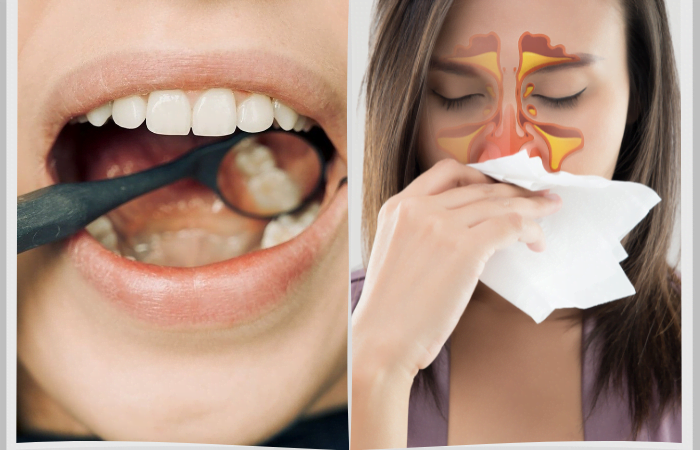
Avoiding Unnecessary Risk: Surgery carries potential complications like nerve damage, sinus issues, or prolonged recovery.
Lack of Evidence: Long-term studies don't support removing asymptomatic, disease-free wisdom teeth preventively.
Successful Monitoring: With regular check-ups and advanced imaging, dentists can effectively monitor stable teeth and intervene only if problems arise.
Conclusion: A Smarter Approach with Diagnopein
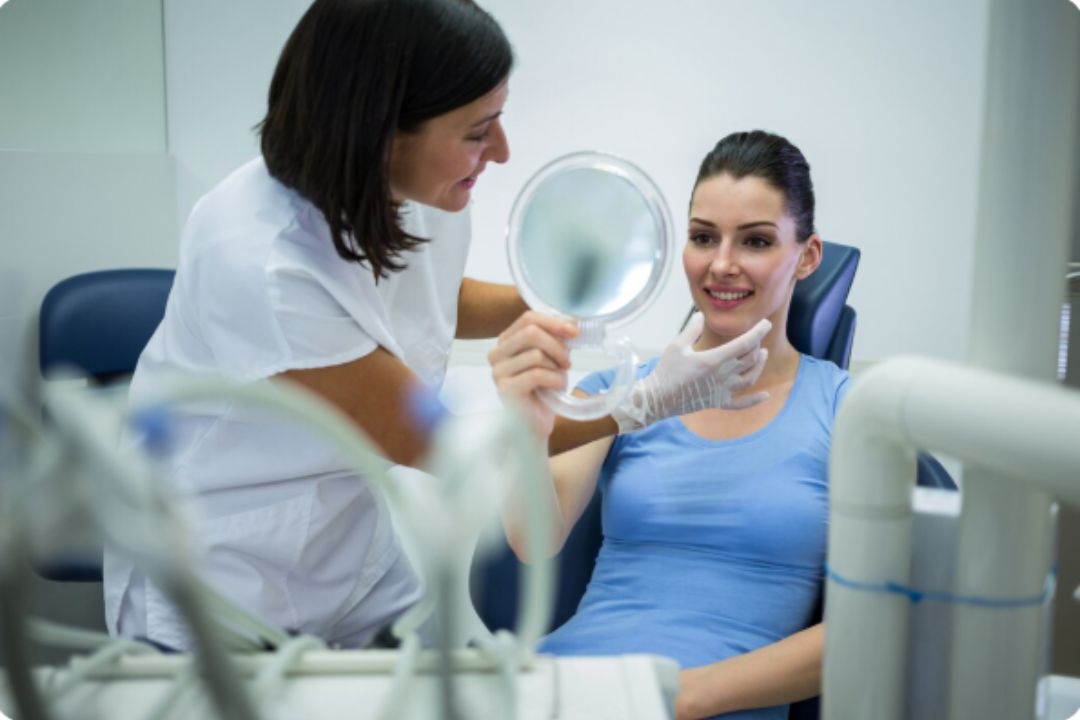
The decision hinges on your unique anatomy and symptoms. Is it necessary to remove wisdom teeth? Not as a default. A thorough evaluation is key.
Platforms like Diagnopein empower patients in this modern approach by streamlining access to information, expert opinions, and cost details. Whether you ultimately require extraction or adopt a watchful waiting strategy, being informed ensures the best outcome for your long-term oral health.







.jpg "wisdom teeth removal")


.jpg "wisdom teeth removal")
.jpg "wisdom teeth removal")

.jpg "wisdom teeth removal")
.jpg "Wisdom Tooth Surgery Recovery")