best age for wisdom teeth removal according to dentists

best age for wisdom teeth removal according to dentists

The Best Age for Wisdom Teeth Removal: A Dentist-Recommended Guide for Long-Term Health

Navigating the world of wisdom teeth can be confusing. When is the right time to remove them, and what does the process truly entail? At Diagnopein, we believe that informed decisions are the foundation of excellent oral health. Based on consultations with leading dental and maxillofacial surgeons, this comprehensive guide breaks down the optimal timing, benefits, costs, and recovery process for wisdom teeth removal.

Why Timing is Everything

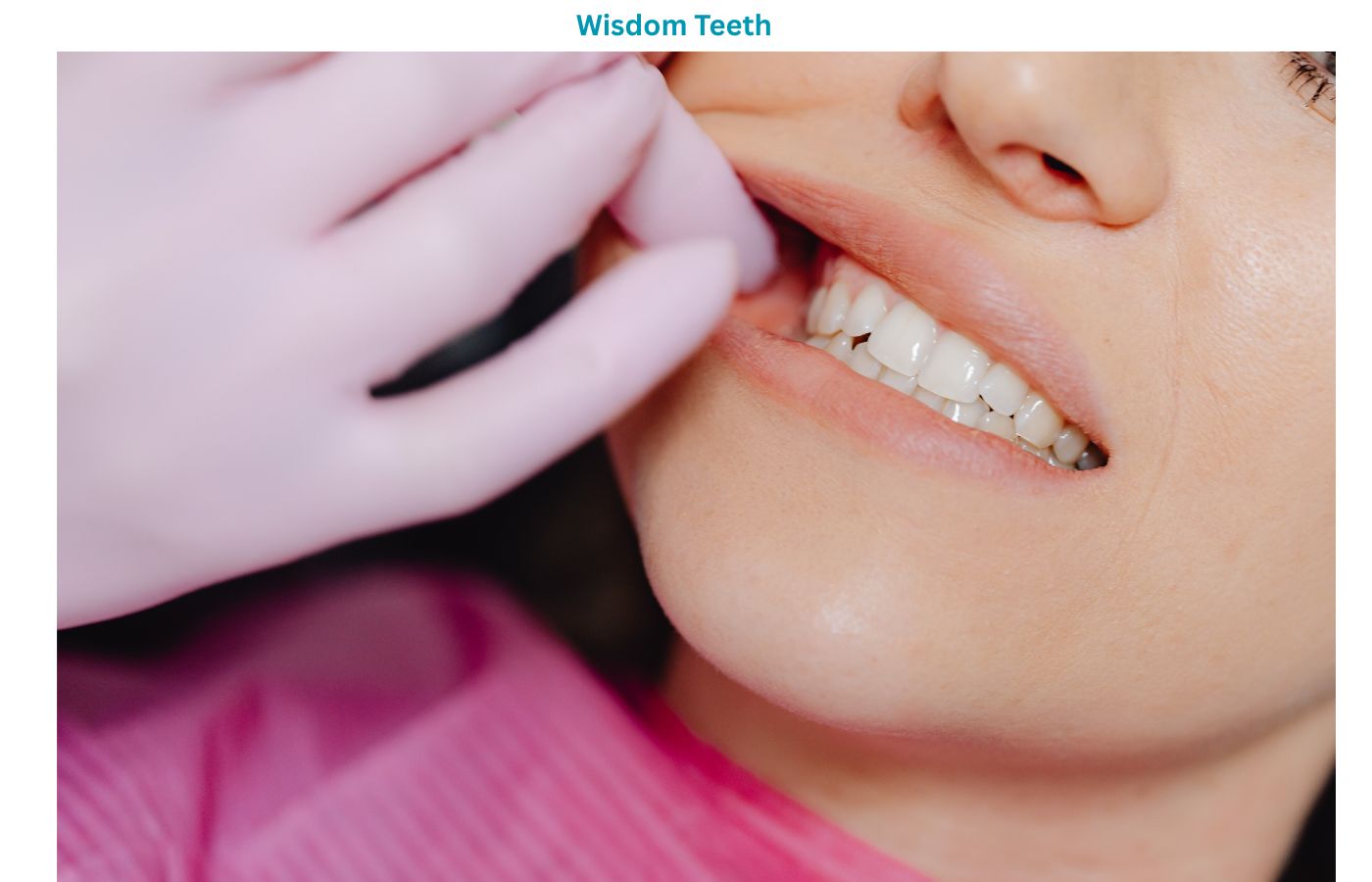
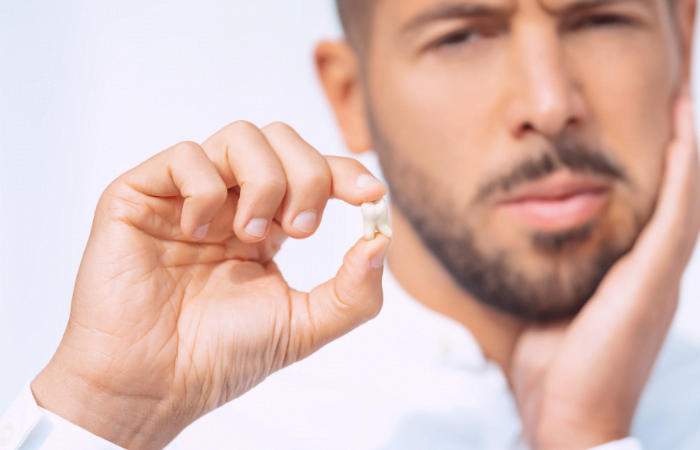
After years of observing patient outcomes, dentists and oral surgeons have reached a clear consensus. The best age for wisdom teeth removal according to dentists falls within the "golden window" of ages 17 to 25. This recommendation isn't arbitrary; it's grounded in human biology and proactive care.

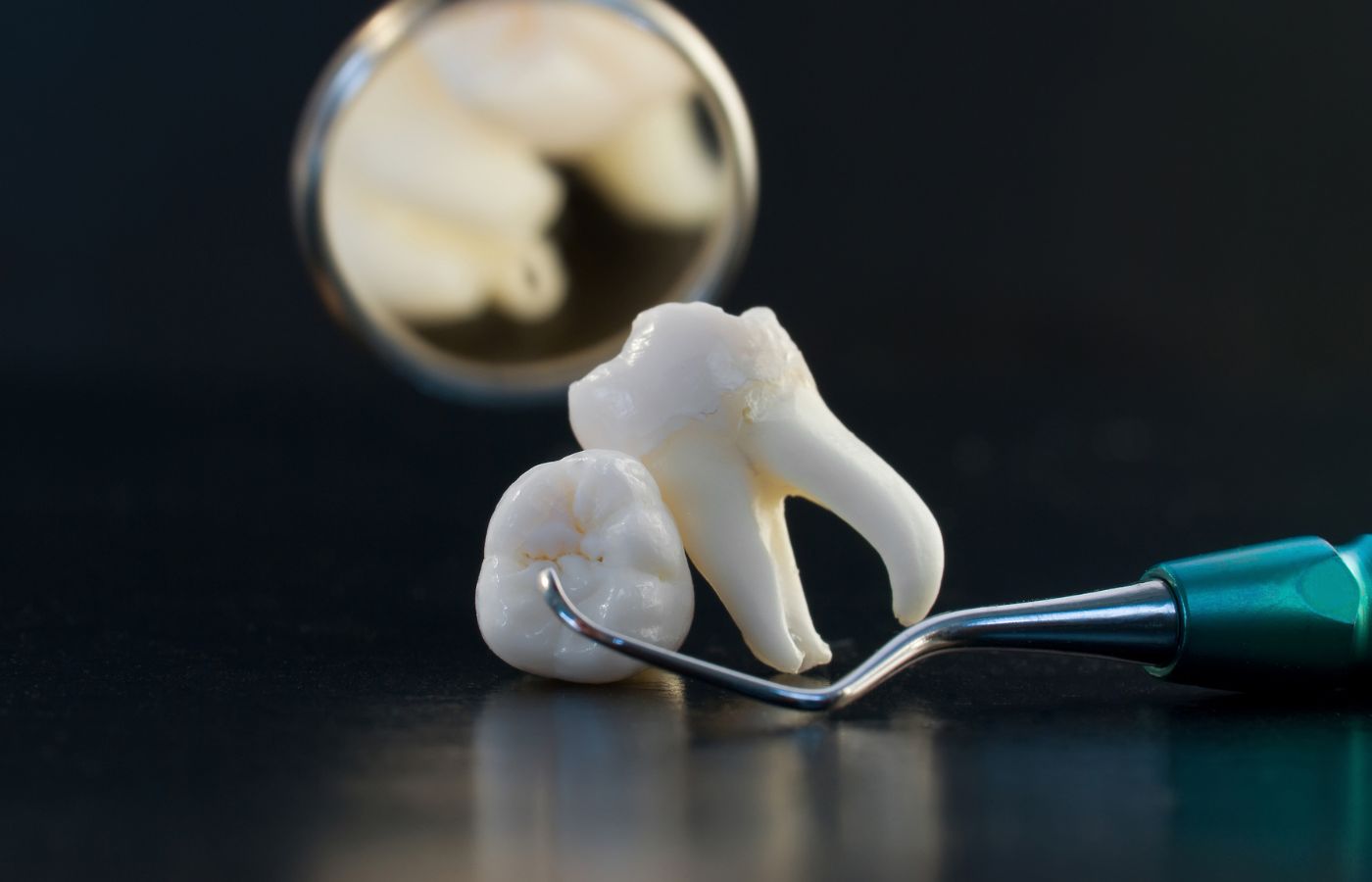
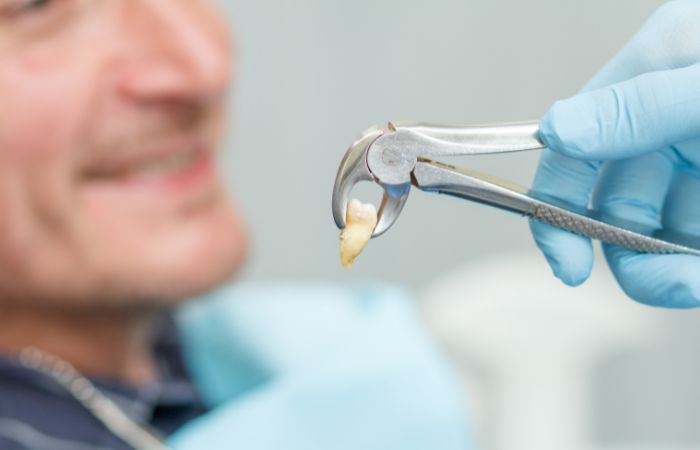
During this period, the roots of the third molars are only partially formed—typically about two-thirds developed. This makes the tooth less anchored in the jawbone, allowing for a smoother, less traumatic extraction. Furthermore, the bone surrounding the tooth is more flexible and forgiving in younger adults, which significantly accelerates the healing process. Perhaps most importantly, this is a preventive strategy. Most wisdom teeth begin to cause problems between the late teens and early thirties. By intervening early, you avoid the pain, infection, and damage that often necessitate emergency, and more complex, surgery later in life.

The Proactive Benefit: More Than Just Avoiding Pain

Choosing to proceed with wisdom teeth removal during the recommended age bracket is an investment with substantial long-term dividends for your oral health.

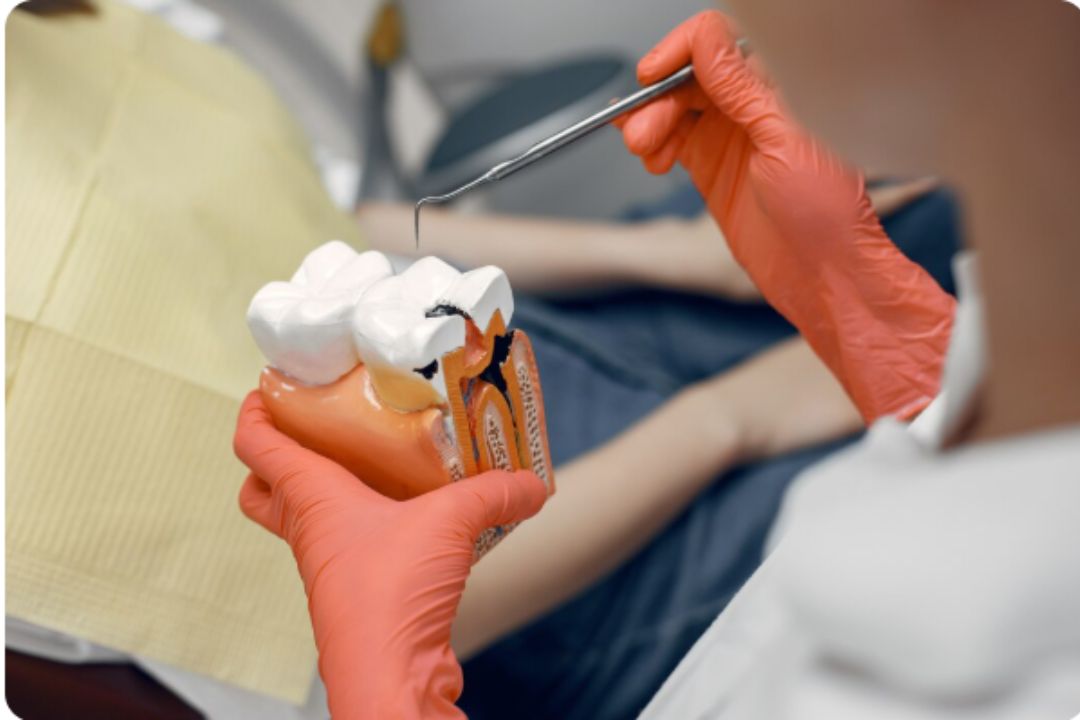
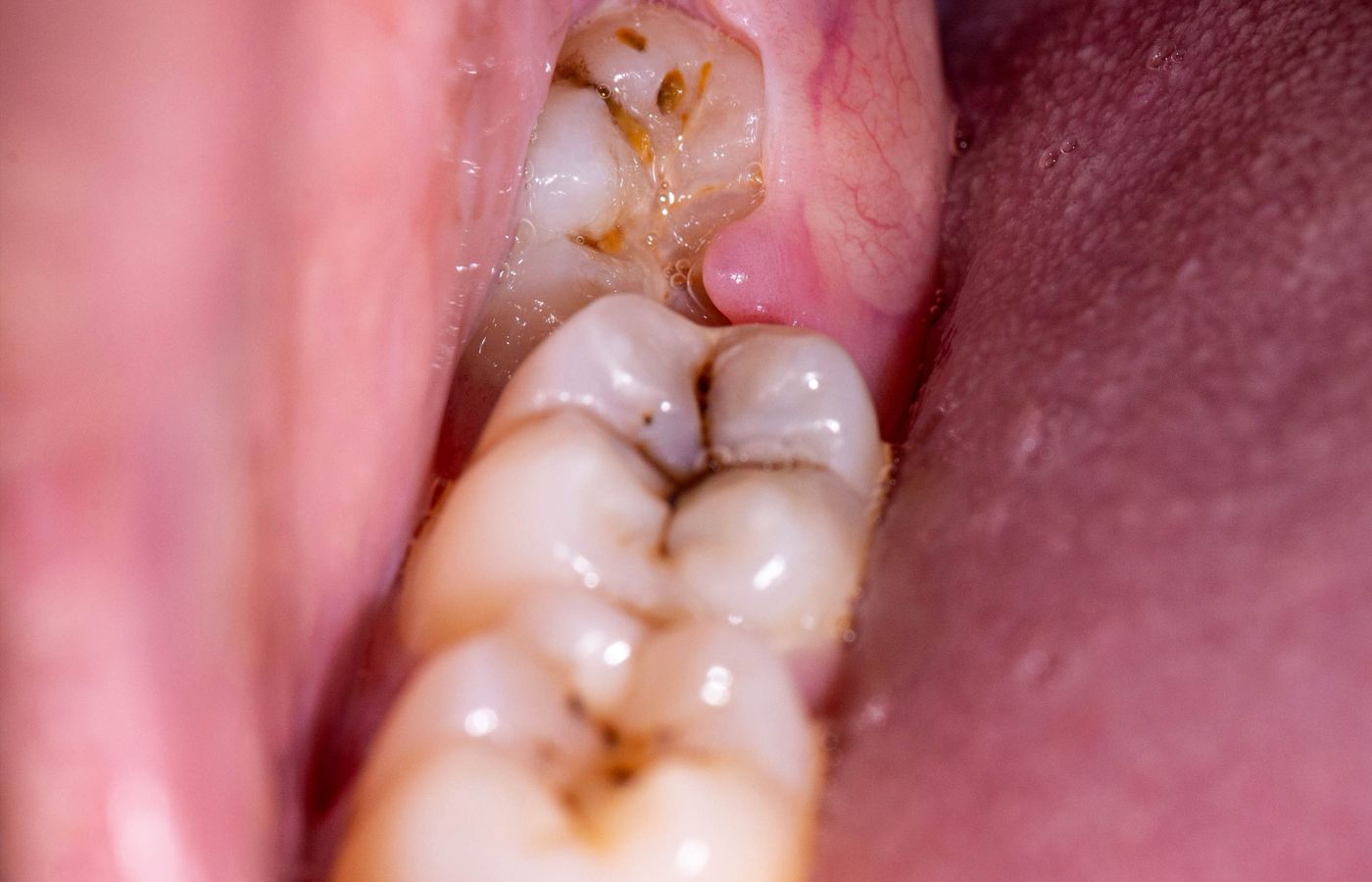
  1. Prevents Impaction and Infection: Impacted teeth (teeth trapped under the gum or bone) are a breeding ground for bacteria, leading to painful cysts, tumors, or a condition called pericoronitis—a severe gum infection.

  2. Safeguards Your Orthodontic Investment: If you’ve had braces, wisdom teeth can exert pressure as they erupt, causing subtle shifting and crowding of your front teeth, undoing years of orthodontic work.

  3. Protects Adjacent Molars: Partially erupted wisdom teeth create hard-to-clean pockets where decay flourishes, often damaging the vital second molars beside them.

  4. Simplifies the Surgical Procedure: As mentioned, the less-developed anatomy at this age typically results in a shorter, less invasive surgery with a markedly lower risk of complications, such as nerve involvement.

A Clear Comparison: Proactive Care vs. Reactive Treatment

The choice between proactive wisdom teeth removal and waiting until problems arise is stark, defining not just your immediate comfort but your long-term oral health. Opting for proactive care during the ideal window of ages 17 to 25 capitalizes on favorable biology: the roots are softer, the jawbone more pliable, and the body's healing capacity is at its peak. This results in a significantly simpler procedure—often quicker and less invasive—with a smooth, predictable recovery typically within a few days. It's a strategic, preventive move designed to preserve the alignment of your teeth, protect adjacent molars from decay, and completely avoid the severe pain of impaction or infection. In contrast, reactive treatment, often undertaken in one's thirties or beyond, is a defensive battle against already-established damage. By this stage, roots are fully fused, bone is denser, and any existing crowding, decay, or cyst formation complicates the surgery immensely. The procedure becomes inherently more complex and traumatic, leading to a longer, more painful recovery with a higher risk of complications like nerve irritation or dry socket. Ultimately, proactive removal is a controlled, planned investment in lasting health, while reactive treatment is an emergency intervention that often comes at a greater physical, emotional, and financial cost.

Demystifying the Wisdom Teeth Removal Cost

One of the most common questions we encounter is about the Wisdom Teeth Removal Cost. Transparency is key. The cost is not a flat fee but varies based on:

  1. Complexity: Is the tooth fully erupted, partially impacted, or fully impacted in the bone?

  2. Number of Teeth: Removing all four simultaneously is often more efficient and cost-effective than separate procedures.

  3. Type of Anesthesia: Options range from local anesthesia to IV sedation, each with different cost implications.

  4. Geographic Location & Facility Expertise.

In Mumbai, for a standard surgical extraction, costs can range from At Diagnopein, we provide a detailed, all-inclusive quote after a 3D CBCT scan, ensuring you understand exactly what the investment covers, with no unwelcome surprises.

The Comfort & Recovery Journey: Your Questions Answered

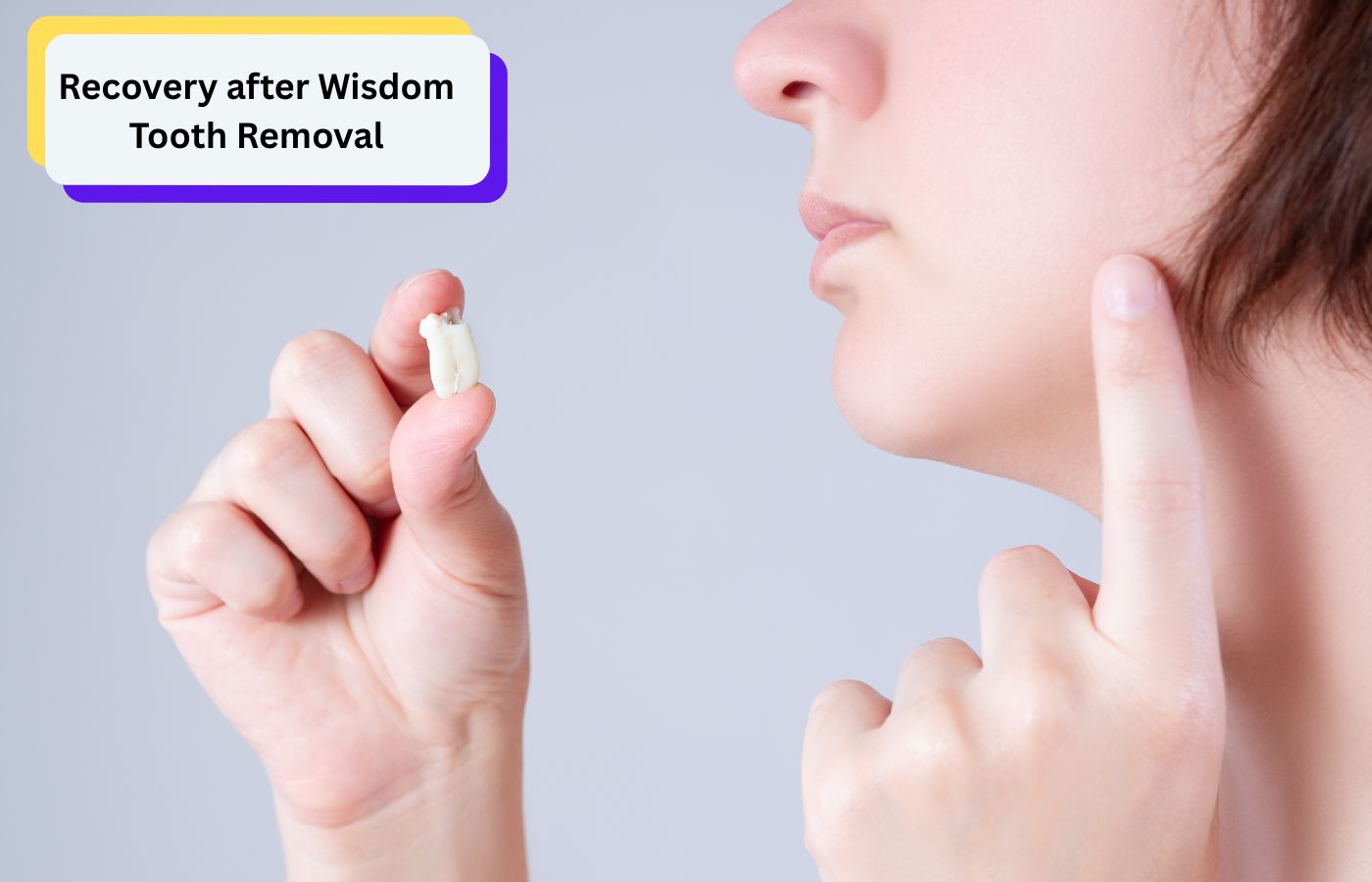
A comfortable experience and smooth recovery are pillars of care at Diagnopein. Our process ensures minimal discomfort at every stage, supported by clear aftercare guidance.

What can you eat after wisdom teeth removal?

Nutrition is crucial for healing. Follow this phased approach:

  1. First 24 Hours: Stick to cool, liquid foods. Think blended soups (room temperature), yogurtsmoothies (consumed with a spoon, NOT a straw), and pudding. Avoid anything hot.

  2. Days 2-4: Introduce soft, bland foods. Mashed potatoesscrambled eggsapple sauce, and well-cooked oatmeal are excellent choices.

  3. Days 5-7: You can gradually add soft pasta, steamed fish, and soft-cooked vegetables as comfort allows.

  4. Avoid for at least a week: Crunchy, spicy, chewy, or sticky foods, hot beverages, and absolutely no smoking or alcohol, as they hinder healing and can cause a painful dry socket.

Can I brush my teeth after wisdom teeth removal?

Yes, but with extreme gentleness.

  1. First 24 Hours: Do not rinse, spit, or brush. Let the blood clot stabilize.

  2. Day 2 Onwards: You may gently brush the teeth away from the surgical sites. Avoid the extraction area itself.

  3. After 72 Hours: Begin very gentle rinsing with a warm saltwater solution or prescribed antimicrobial mouthwash after meals. Let the liquid fall out of your mouth passively—do not swish vigorously.

Why Choose Diagnopein for Your Wisdom Teeth Removal in Mumbai?

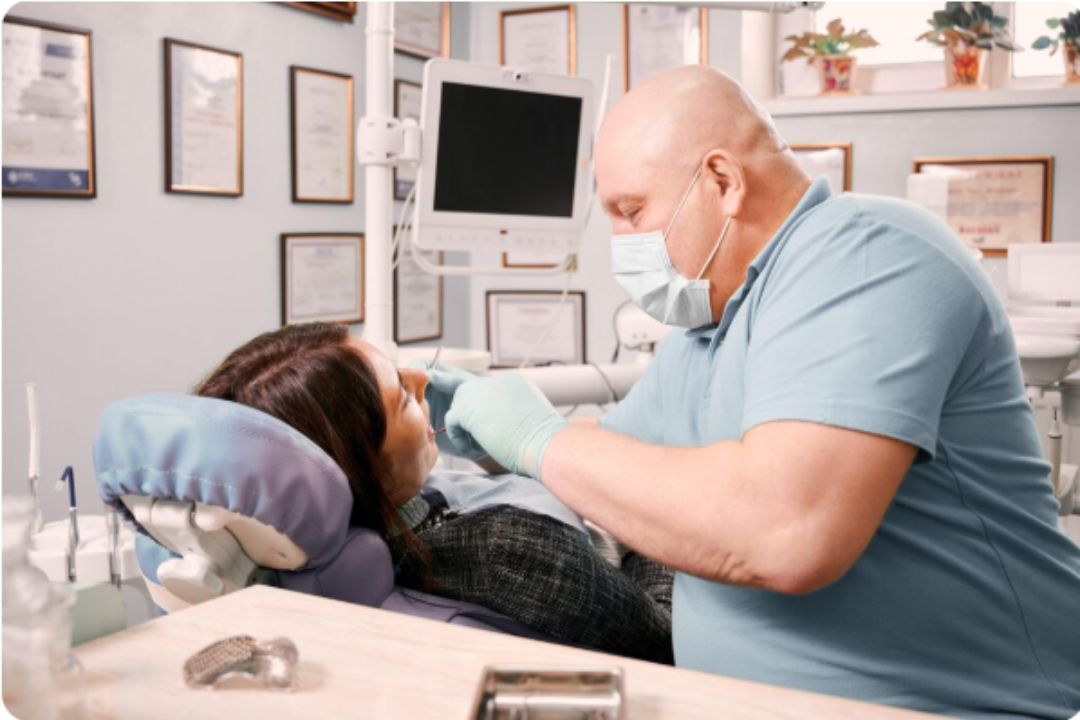
When it comes to a surgical dental procedure, the choice of facility and team is as critical as the timing. Diagnopein Mumbai has emerged as a trusted name for several compelling reasons:

  1. Surgical Expertise: Our board-certified maxillofacial surgeons specialize in wisdom tooth extraction, performing the procedure with precision and care daily.

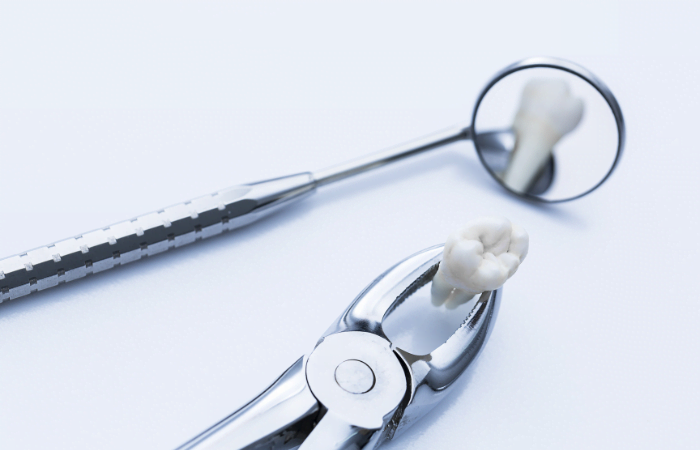
  2. Advanced Diagnostic Imaging: We don’t rely on guesswork. Our in-house 3D Cone Beam CT (CBCT) scanner provides a detailed, three-dimensional view of your teeth, roots, and nerve pathways. This allows for millimeter-perfect surgical planning, drastically reducing risk.

  3. Transparent, All-Inclusive Care: From the initial consultation and diagnostic scan to the surgery and follow-up appointments, our costing is clear and comprehensive. We believe in ethical, patient-first care.

  4. Comfort & Safety Protocols: Our modern facility is designed for patient comfort and adheres to the highest international sterilization and safety standards. We offer multiple anesthesia options tailored to your anxiety levels and procedure complexity.

  5. Integrated Healthcare Hub: As a premier diagnostic center, we provide a seamless journey. All necessary pre-operative health assessments can be completed under one roof, ensuring you are perfectly prepared for your procedure.

Conclusion: A Wise Decision for a Lifetime of Health

The evidence and expert opinion are unequivocal: the best age for wisdom teeth removal according to dentists is in your late teens to mid-twenties. It is a proactive, preventive measure that prioritizes your long-term well-being, offering a simpler procedure, faster recovery, and greater peace of mind.

Don’t wait for pain to be your guide. If you or a loved one are within or near this ideal age window, a consultation is the most prudent step forward. Diagnopein Mumbai combines cutting-edge technology, surgical excellence, and compassionate care to transform wisdom teeth removal from a daunting prospect into a smooth, managed health milestone.

Talk to an Expert
  I HereBy Consent to receive calls/messagess from Diagnopein wisdom teeth removal and its partners and override DND settings
LATEST POST
SIMILAR POST