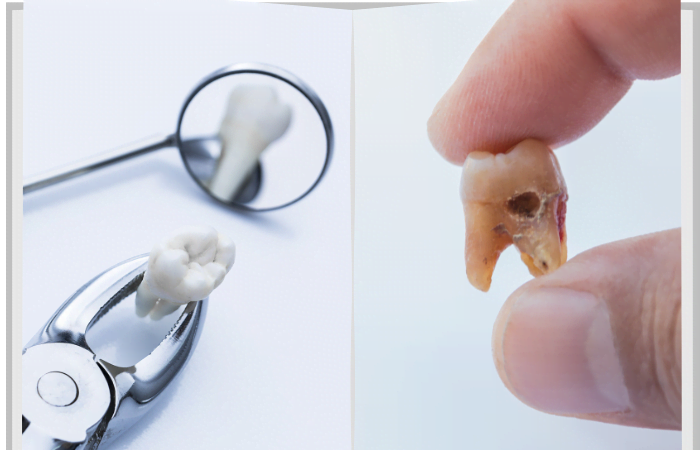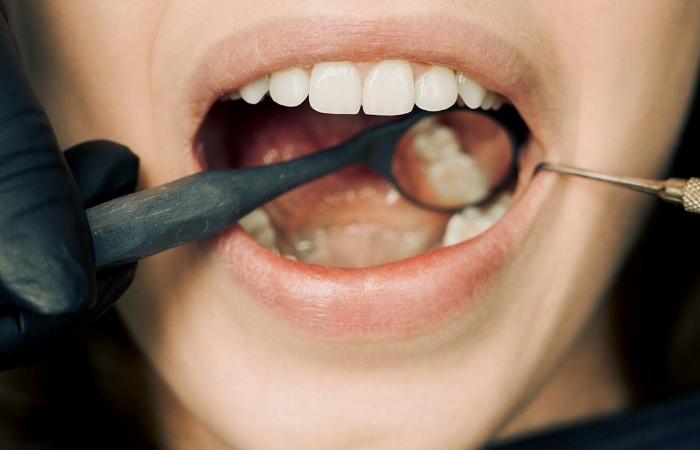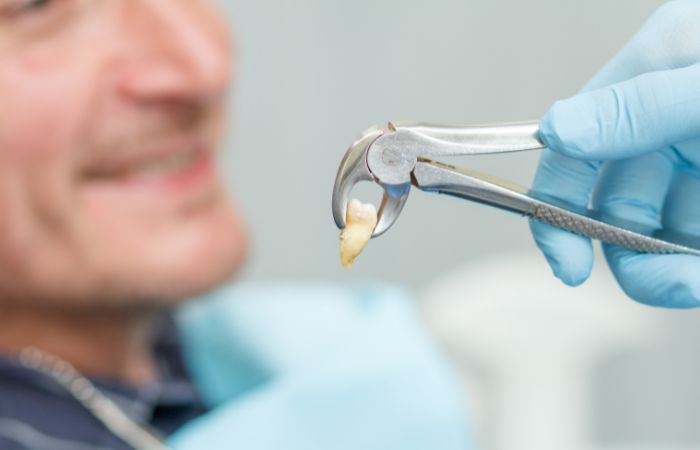
The dull, throbbing ache at the back of your jaw is unmistakable—your wisdom teeth are announcing their presence. For many, the immediate association is with surgical extraction, conjuring images of swelling, downtime, and significant cost. This leads to a pressing question: Is wisdom teeth removal a surgery? The unequivocal answer is yes. Wisdom teeth removal surgery is a common oral surgical procedure. But before you resign yourself to the surgeon's chair, it’s vital to ask a more nuanced follow-up: Can wisdom teeth pain relief without surgery work as a viable, lasting solution?
At Diagnopein Mumbai, we encounter this query daily. The truth is, non-surgical management is not a myth; it can be highly effective, but its success is tightly bound to specific conditions and realistic expectations. Let's delve into the benefits, comparisons, and realities to separate temporary solace from permanent solutions.
The paramount benefit of non-surgical pain relief is its non-invasive nature. It provides a crucial stopgap, managing acute symptoms without the immediate physical and psychological trauma of surgery. This approach is invaluable in specific scenarios:
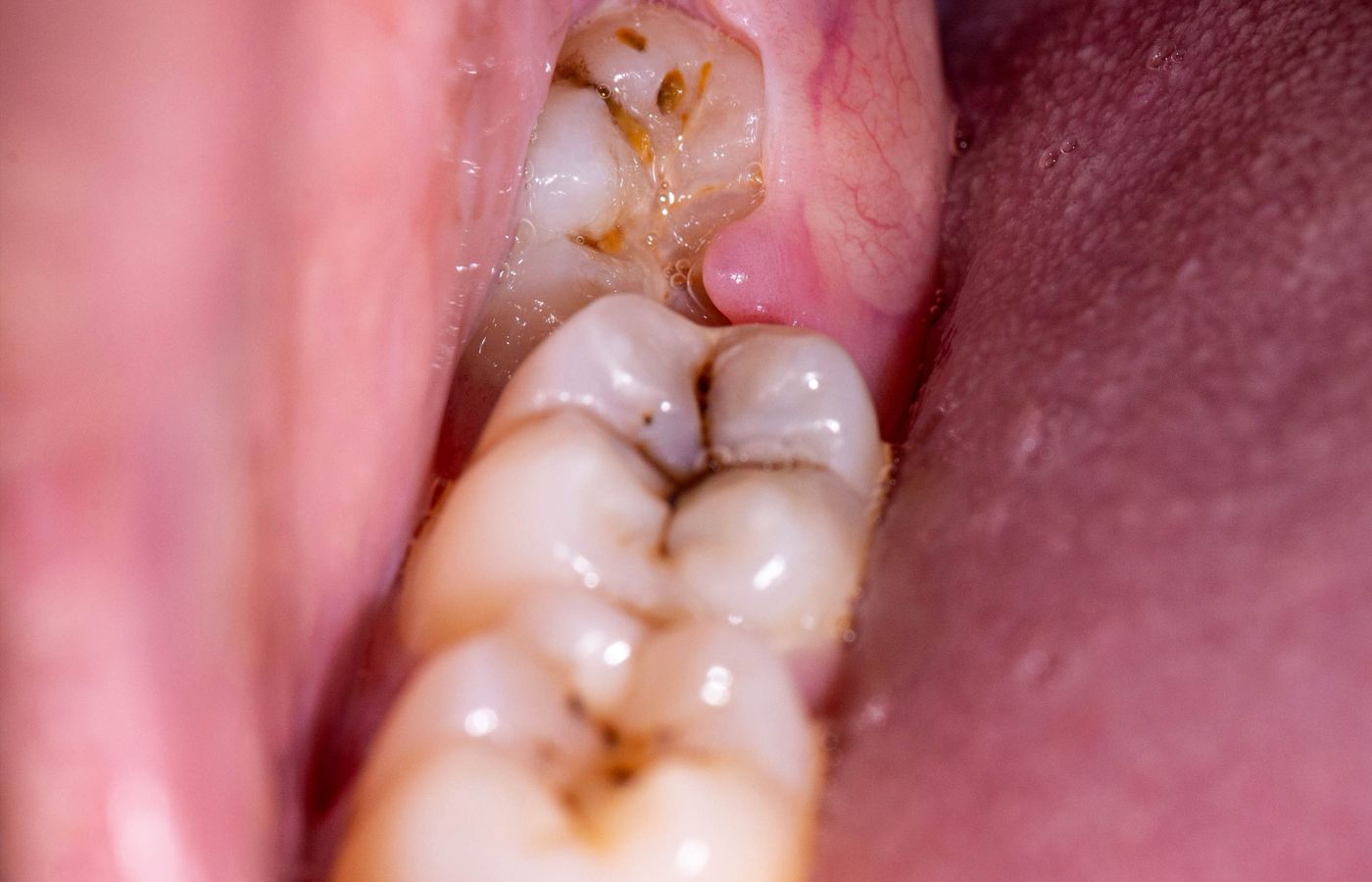
Managing Temporary Inflammation (Pericoronitis): When the gum tissue over a partially erupted wisdom tooth becomes swollen and infected.
During Illness or Pregnancy: When elective Wisdom Teeth Surgery is medically advised against temporarily.
Pre-Surgical Preparation: Calming an active infection or inflammation before extraction to ensure a safer procedure and better outcomes.
For Minimally Problematic Teeth: When a wisdom tooth is fully erupted, correctly positioned, cleanable, and causing only occasional, mild discomfort.
In these cases, non-surgical methods don't just work—they are the recommended first line of defence, aligning with the principle of minimal intervention.
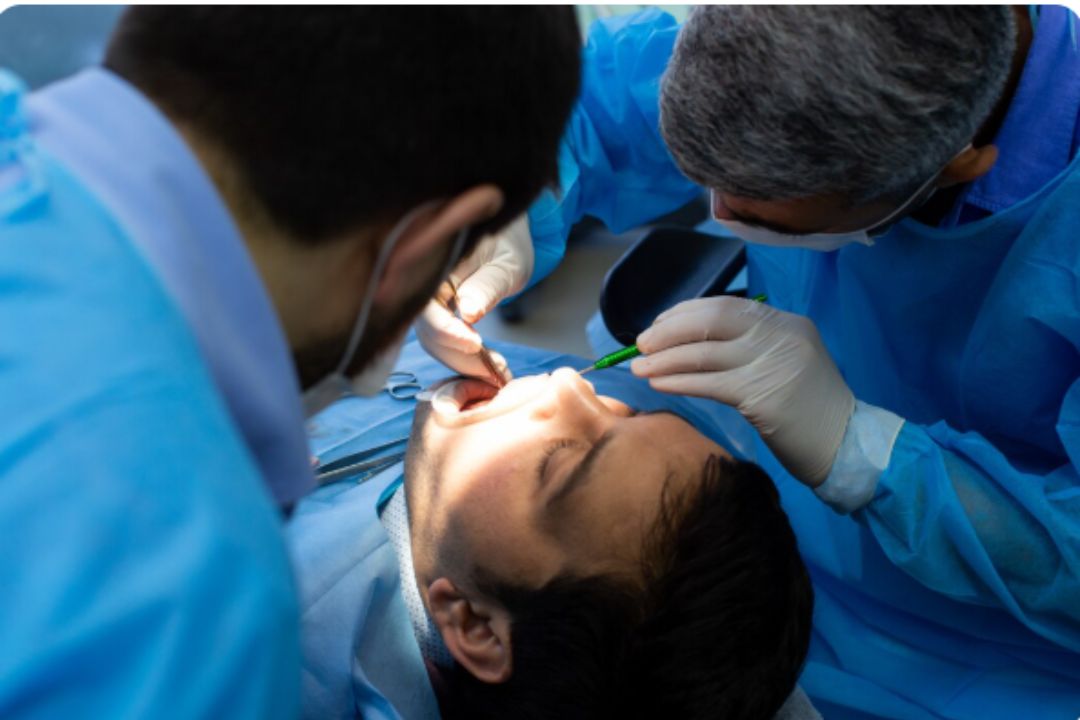
Understanding the fundamental distinction between managing a symptom and solving the underlying problem is crucial when evaluating wisdom teeth treatment. Non-surgical relief, or conservative management, aims for temporary symptom control—its primary goal is to alleviate acute pain, reduce inflammation, and quell infection using medications, therapeutic rinses, and lifestyle adjustments. While it offers the significant benefit of being non-invasive with minimal to no recovery time, it is inherently a holding pattern; it does not address the root cause, such as impaction, decay, or cyst formation, meaning symptoms often recur. In contrast, wisdom teeth removal surgery is a definitive, problem-solving intervention. This surgical procedure permanently eliminates the source of pain and prevents future complications. Although it involves a structured surgical process with anesthesia, carries standard surgical risks, and requires a dedicated recovery period, it provides a permanent solution. The choice, therefore, isn't merely about immediate comfort versus inconvenience; it's a strategic decision between repeated, episodic management of a chronic issue and a one-time investment in lasting oral health, guided entirely by the specific pathology and position of the tooth as diagnosed by a dental professional.
The verdict: Non-surgical relief is a powerful tool for symptom control, while wisdom teeth removal surgery is the definitive problem-solving intervention.
The costing difference is often a significant factor in decision-making.
Non-Surgical Route: Costs are relatively low and episodic. They include consultations, Pain Meds For Wisdom Teeth Surgery-level discomfort (like prescription-strength ibuprofen), antibiotics, and therapeutic mouthwashes. However, this can become a recurring expense with each flare-up.
Surgical Route: Involves a higher one-time cost covering surgical expertise, facility fees, anesthesia, and post-op care. It is a capital investment in long-term oral health.
While non-surgical care is lighter on the wallet initially, it can lead to a "death by a thousand cuts" scenario with repeated visits and medications. Surgery, though a larger upfront investment, often proves more economical over a lifetime by preventing complex dental emergencies, damage to adjacent teeth, and more extensive procedures later.
This is a tale of two types of comfort.
Immediate, Short-Term Comfort: Non-surgical methods excel here. A warm saltwater rinse can soothe tender gums almost instantly. Cold compresses numb the area and reduce swelling. Over-the-counter gels provide localized numbing. This comfort is real but fragile, dependent on continued management.
Long-Term, Definitive Comfort: The comfort after wisdom teeth removal surgery is earned. After the initial 3-5 days of post-operative management, patients experience a permanent end to the cycles of pain, pressure, infection, and headaches caused by the problematic tooth. The peace of mind is profound and lasting.
If your dentist recommends a conservative approach, these evidence-backed methods form the core toolkit:
Pharmacological Management: This is the cornerstone. Dentists often prescribe a combination:
Pain Relievers: NSAIDs like Ibuprofen are dual-action, reducing both pain and inflammation.
Antibiotics: For confirmed bacterial infections (pericoronitis).
Medicated Rinses: Chlorhexidine gluconate mouthwash to disinfect the area.
Meticulous Oral Hygiene: Gently brushing the area with a soft-bristled brush and using an oral irrigator on a low setting to flush out debris from under the gum flap can work wonders.
Supportive Home Care: Warm salt-water rinses (½ tsp salt in warm water) 3-4 times a day reduce inflammation. Cold packs applied to the cheek for 15-minute intervals help with swelling and pain.
Dietary and Behavioral Adjustments: Stick to soft, cool foods. Avoid chewing on the affected side. Completely eliminate smoking and alcohol, which severely irritate tissues.
The answer is a qualified yes, but with critical context.
Wisdom teeth pain relief without surgery does work brilliantly as a targeted, short-term medical strategy. It is a legitimate and essential part of dentistry for managing acute episodes and preparing for optimal surgical outcomes.
However, it does not work as a permanent alternative to surgery when the tooth itself is the pathology. For impacted teeth (angled, trapped in bone or gum), teeth causing decay in neighbours, or those linked to cyst formation, no amount of rinse or medication will change the tooth's misaligned position. Delay in these cases only increases the risk of more severe complications.
In the crowded landscape of dental care in Mumbai, Diagnopein stands apart for its principled, diagnostic-first approach. We understand that "one-size-fits-all" has no place in managing wisdom teeth.
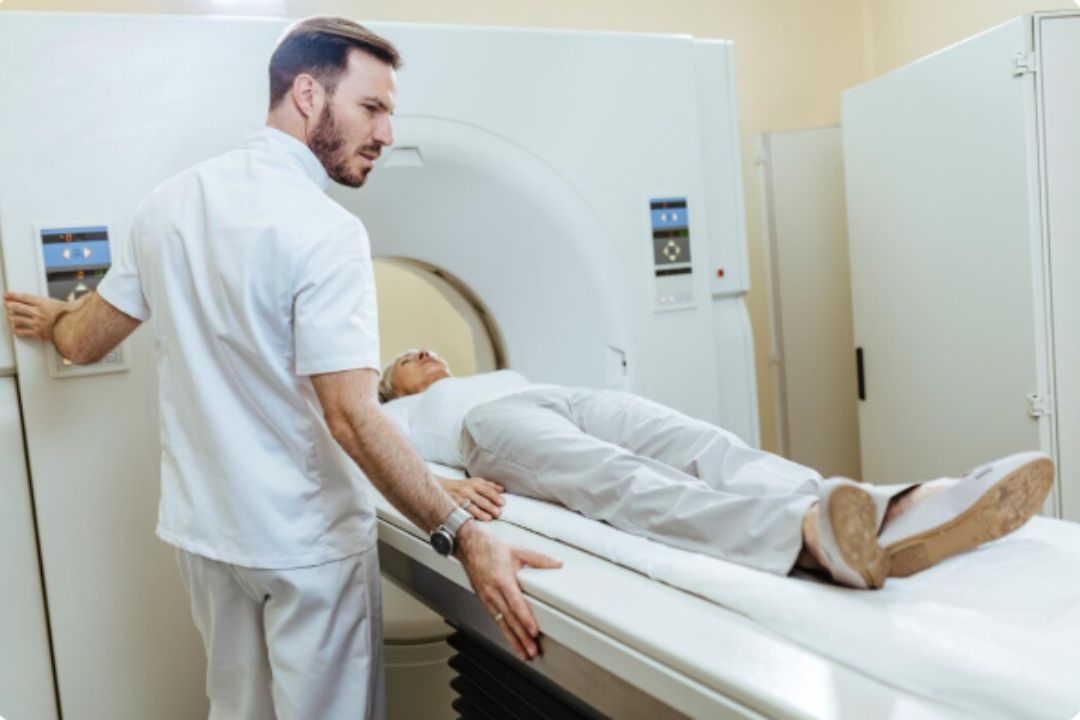
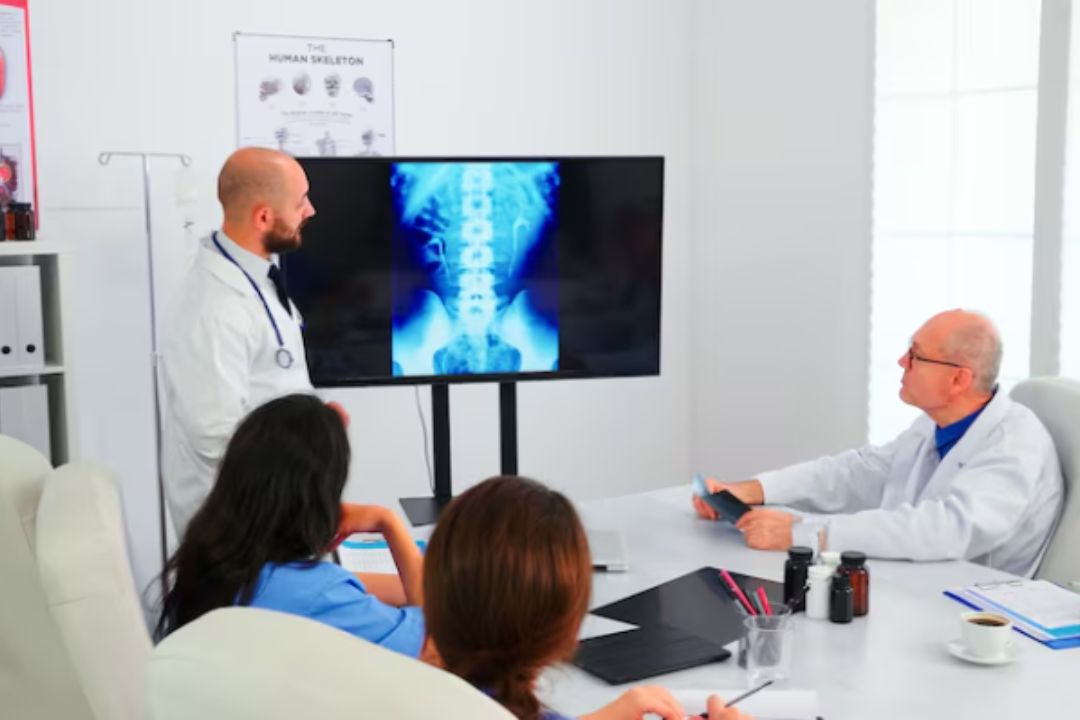
Accuracy Before Action: We begin with precise diagnostics. Our advanced imaging, including digital OPG and cone-beam (CBCT) scans, allows us to see the exact position of your wisdom teeth, their root morphology, and proximity to vital nerves. This answers definitively whether your case necessitates wisdom teeth surgery or can be managed conservatively.
Transparent, Educative Consultation: We take the time to explain what we see. Is the pain from a cleanable gum flap or a deeply impacted tooth? Is wisdom teeth removal a surgery you need now, or can it be monitored? We provide a clear, visual understanding of your unique situation.
Personalised Pathway: We offer a spectrum of care. If non-management is suitable, we provide a detailed, supervised plan for medications and hygiene. If wisdom teeth removal surgery is indicated, our expert oral surgeons perform it with minimally invasive techniques focused on rapid recovery and your comfort, including managing pain meds for wisdom teeth surgery aftercare effectively.
Your Long-Term Health Partner: Our goal isn't just to react to pain; it's to protect your overall dental architecture and health for decades to come.