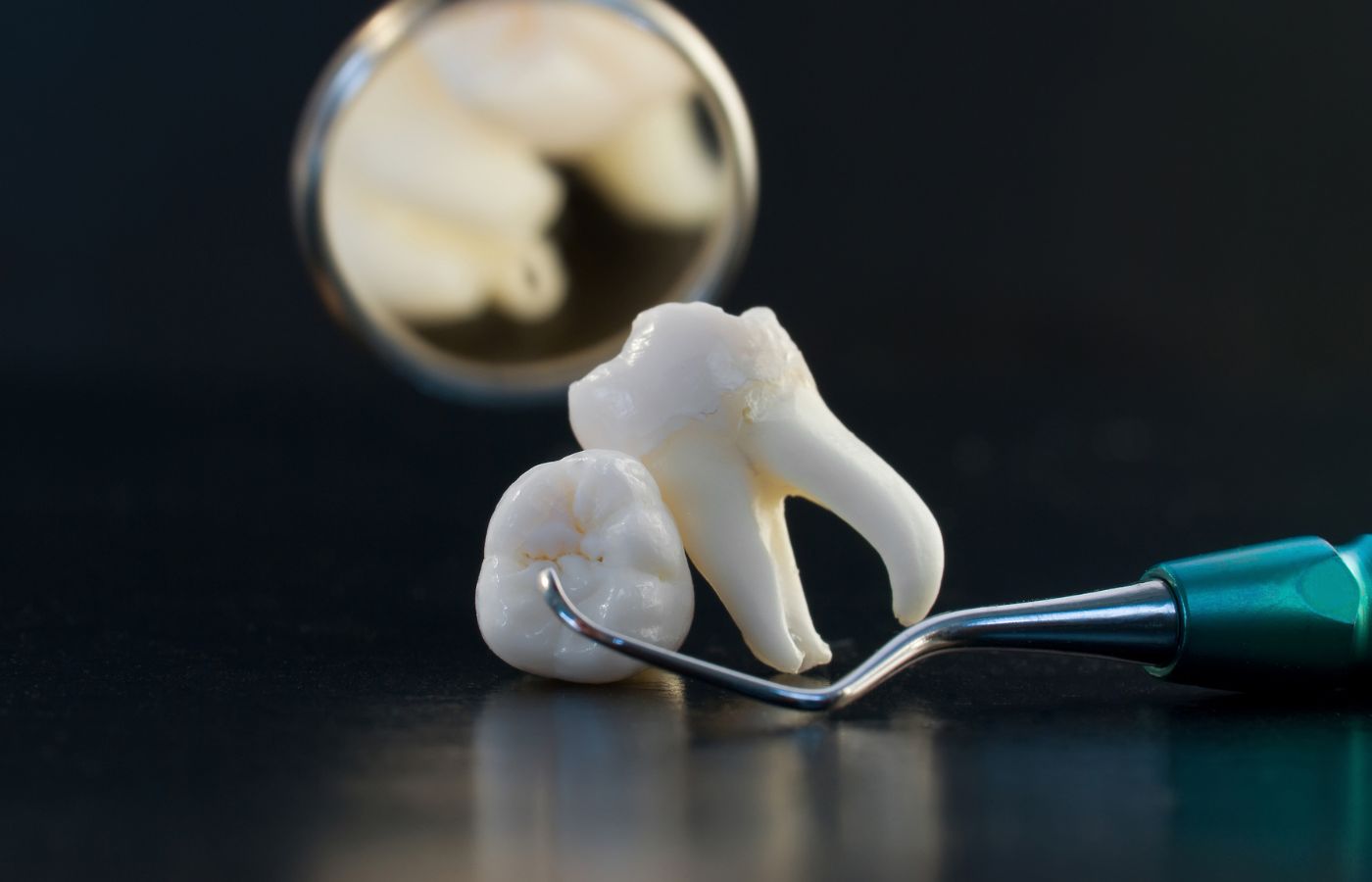
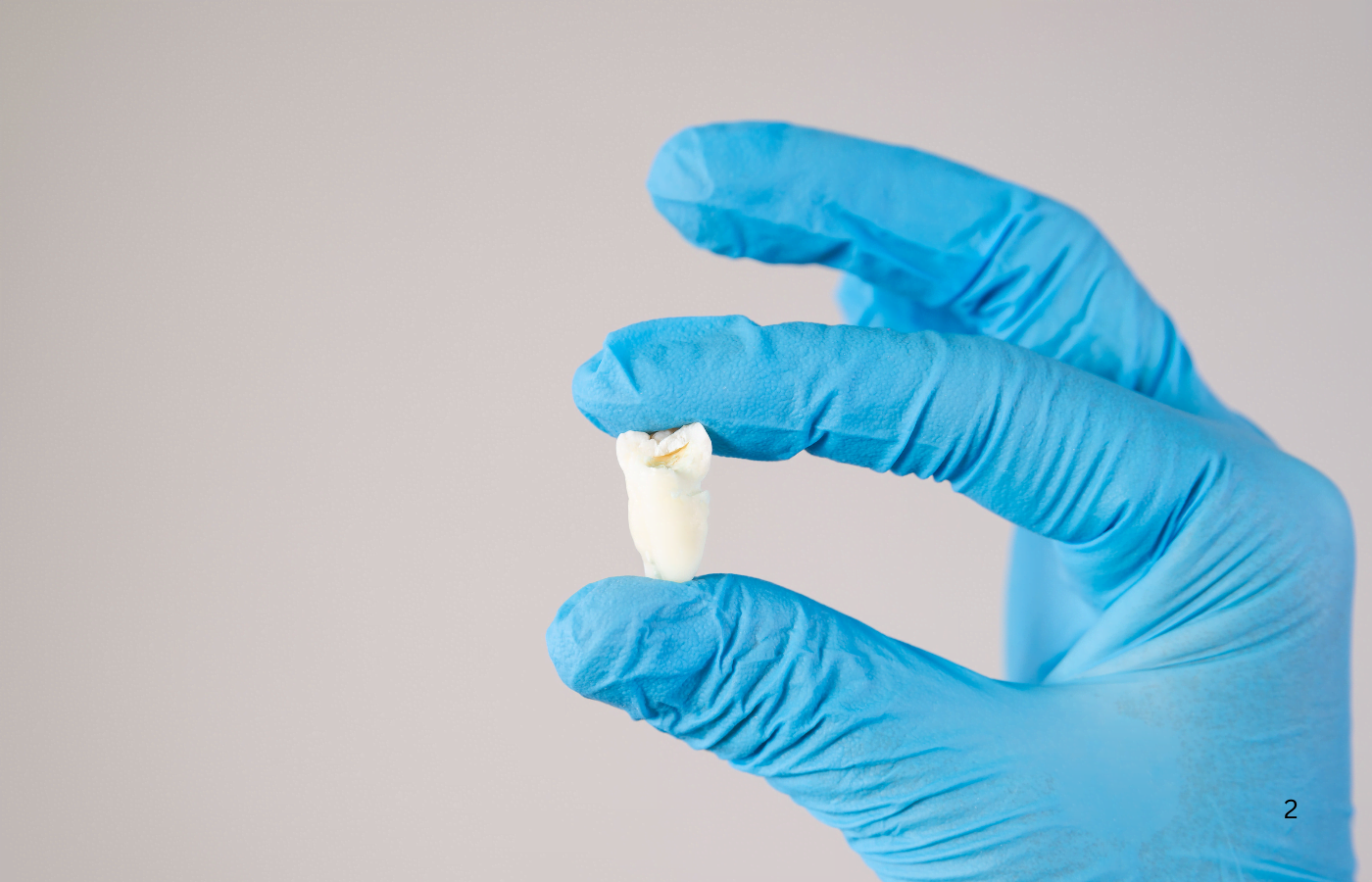
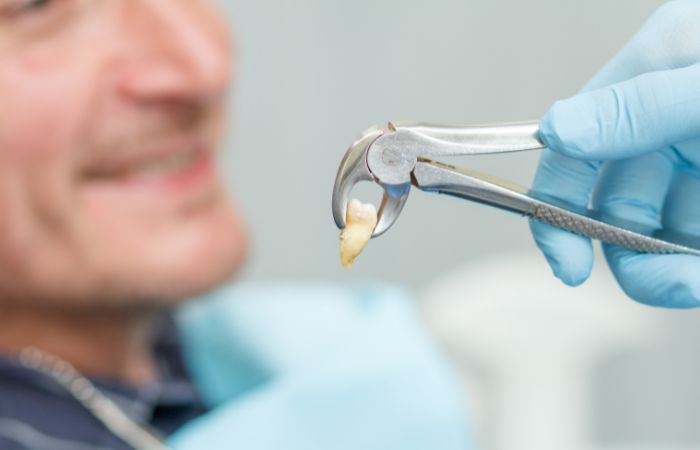
Wisdom teeth, or third molars, are the last set of teeth to emerge, usually appearing between the ages of 17 and 25. While some people have no issues with them, many require wisdom teeth removal to prevent serious dental problems. At Diagnopein, we understand that the decision to undergo extraction can be daunting. This guide will explain the key reasons for removal, what the procedure entails, and address common concerns like wisdom teeth removal cost and finding a trusted provider near you.
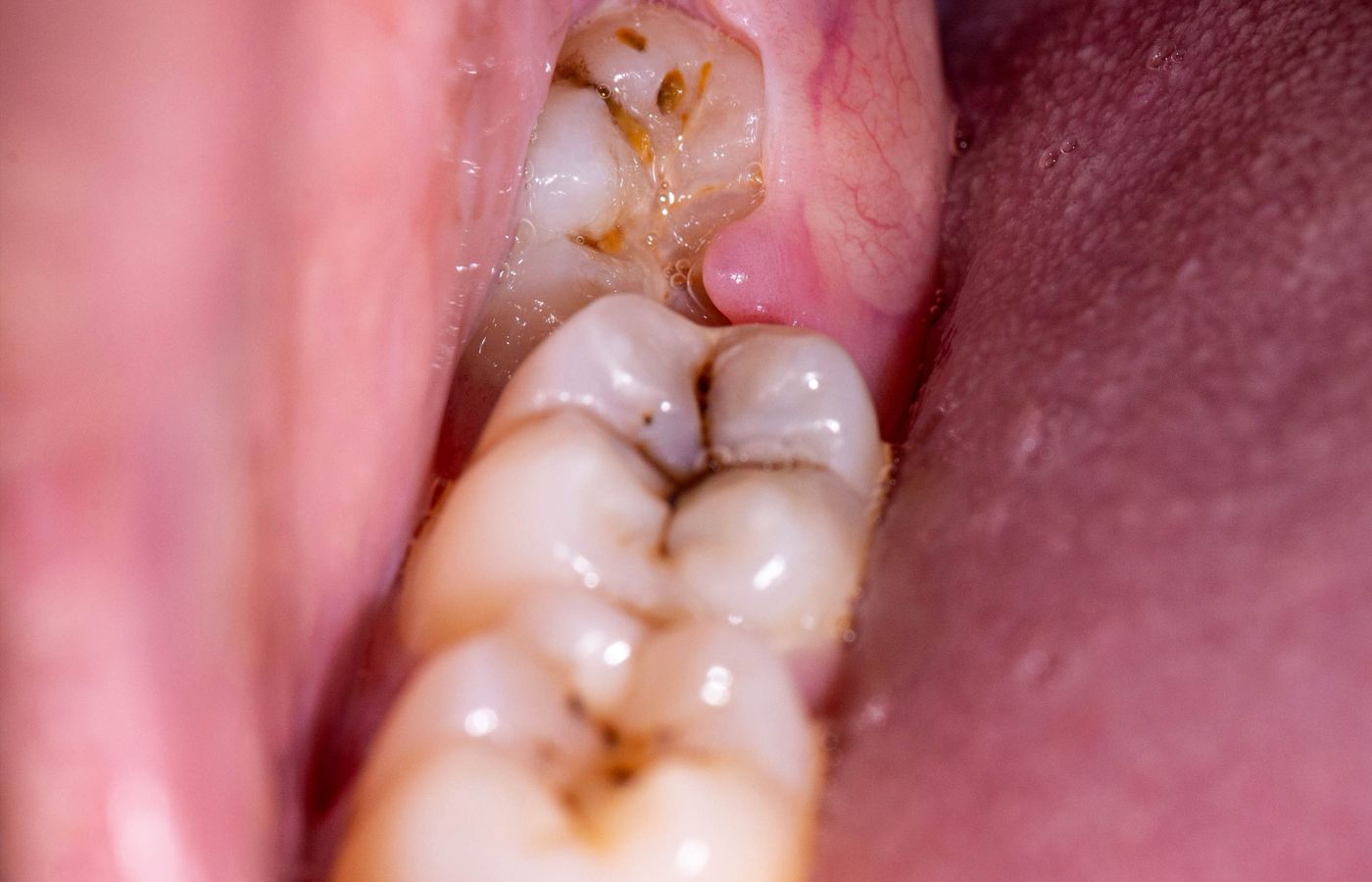
Impaction: This is the most common reason. Wisdom teeth often don't have enough room to erupt properly, becoming trapped (impacted) in the jawbone or gums. This can lead to pain, swelling, and infection.
Crowding: Emerging wisdom teeth can push against existing teeth, causing misalignment and undoing years of orthodontic work.
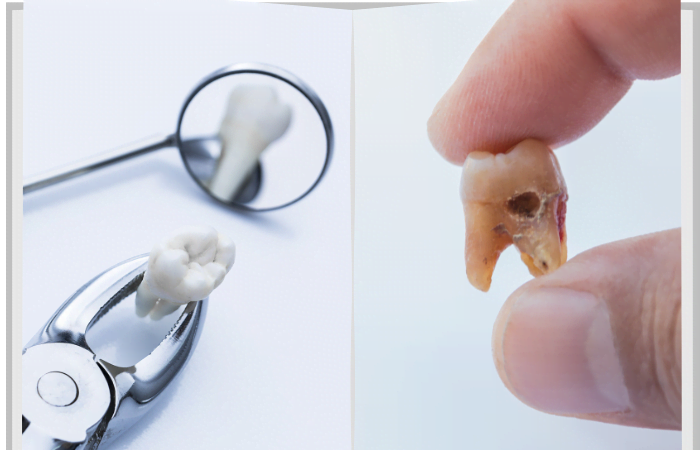
Risk of Decay and Gum Disease: Their position at the back of the mouth makes wisdom teeth notoriously difficult to clean. This makes them highly susceptible to cavities and pericoronitis (a painful gum infection).
Cysts and Damage: An impacted wisdom tooth can form a cyst that damages the jawbone, teeth roots, and nerves.
Preventive Measure: Many dentists and oral surgeons recommend proactive removal in young adulthood, even before problems arise. Recovery is typically faster and easier when performed on younger patients with more flexible bone.
The ideal time for wisdom tooth extraction is often in the late teens or early twenties. At this age, the tooth roots are not fully formed, and the bone is less dense, making the surgery and recovery simpler. Your dentist will use X-rays to monitor their development and recommend removal at the first sign of potential issues.
The cost of wisdom teeth removal varies significantly based on:
Complexity: Simple extractions are less expensive than surgical removal of impacted teeth.
Number of Teeth: Removing all four wisdom teeth typically costs more than a single extraction.
Anesthesia: Costs differ between local anesthesia, sedation, and general anesthesia.
Geographic Location & Provider: Fees vary by region and between dental offices and oral surgery specialists.
Insurance: Most dental insurance plans cover a portion of the cost if the procedure is medically necessary.
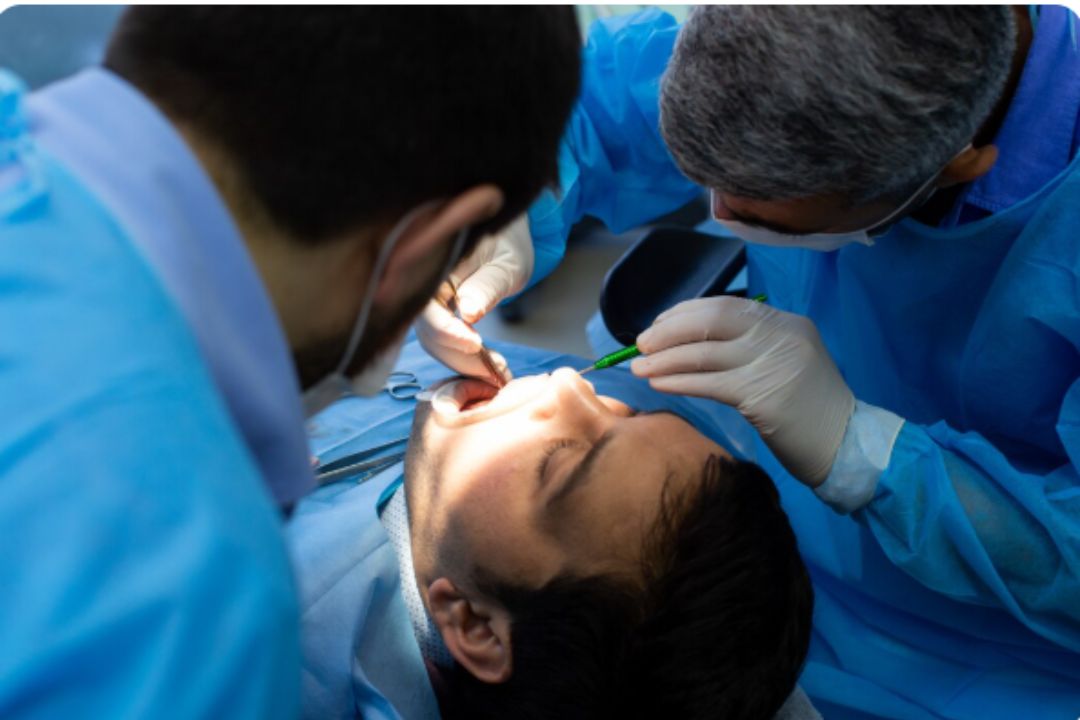
Modern wisdom teeth surgery prioritizes patient comfort.
During the Procedure: You'll receive anesthesia to ensure a pain-free experience. Options range from numbing to IV sedation.
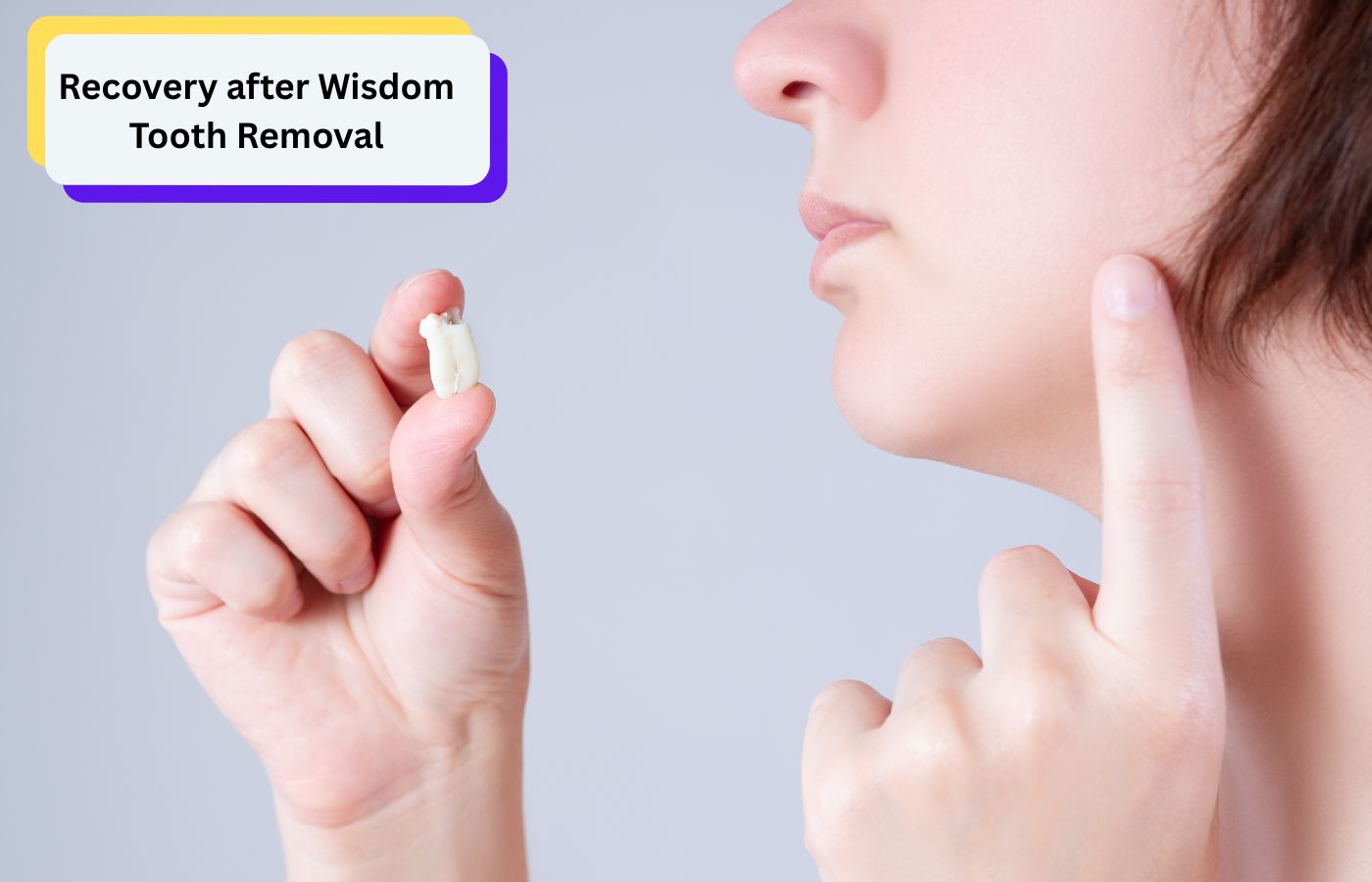
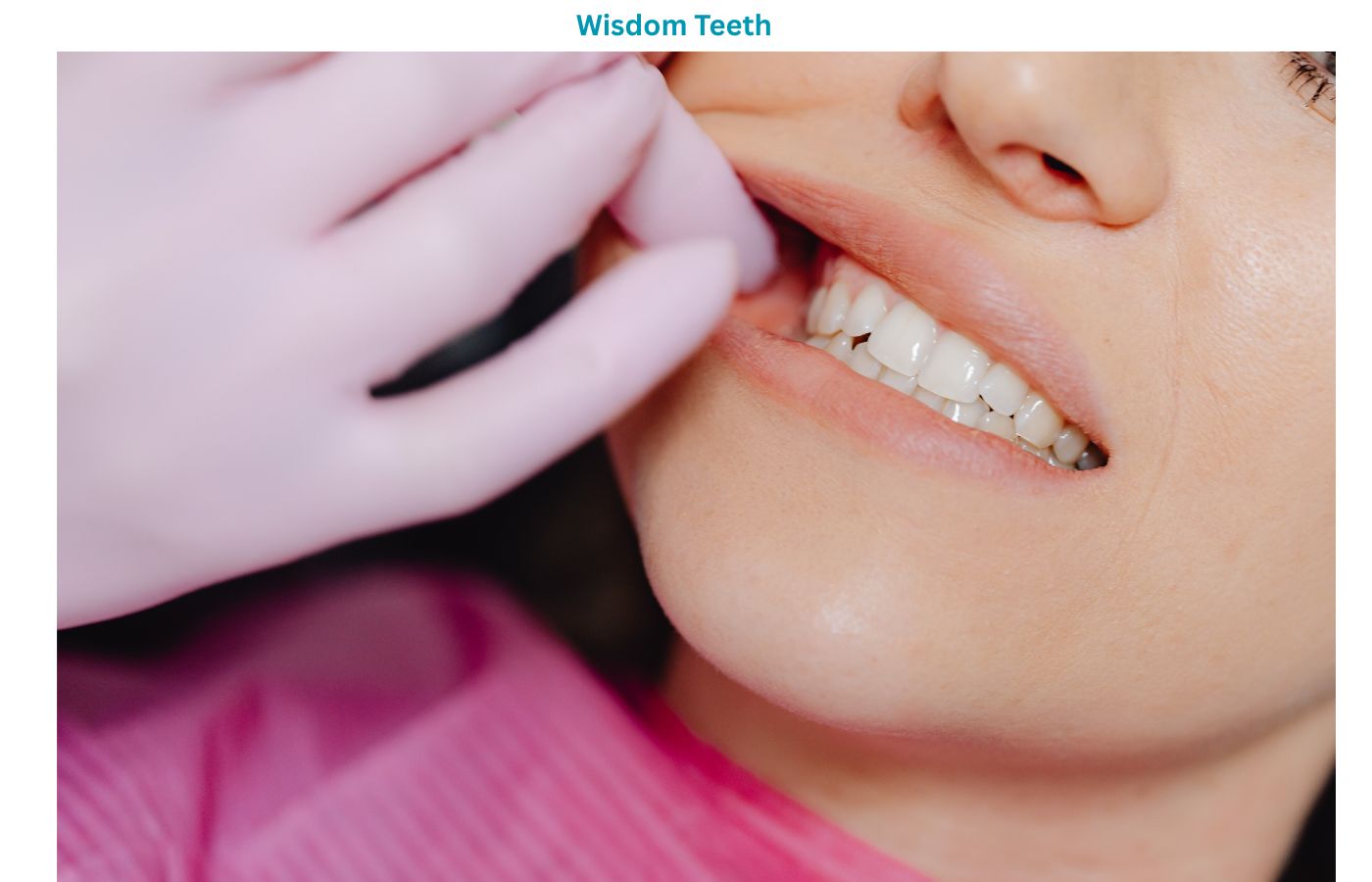
Aftercare: Post-surgery, some swelling and discomfort are normal. Your surgeon will provide instructions on pain management, diet (soft foods), and oral hygiene to ensure a smooth recovery, typically lasting a few days to a week.
Deciding on wisdom teeth extraction is an important step in protecting your long-term oral health. Whether you're experiencing pain now or seeking a preventive consultation, understanding the reasons, timing, and costs is key.
At Diagnopein, we provide comprehensive evaluations, clear explanations, and comfortable, professional care. If you're searching for expert guidance on wisdom teeth removal or concerned about wisdom teeth removal cost, our team is here to help. Find a trusted solution for wisdom teeth removal near you with Diagnopein. Schedule a consultation today to assess your needs and ensure a healthy, pain-free smile for the future.

















.jpg "wisdom teeth removal")


.jpg "wisdom teeth removal")
.jpg "wisdom teeth removal")


.jpg "wisdom teeth removal")

.jpg "Wisdom Tooth Surgery Recovery")