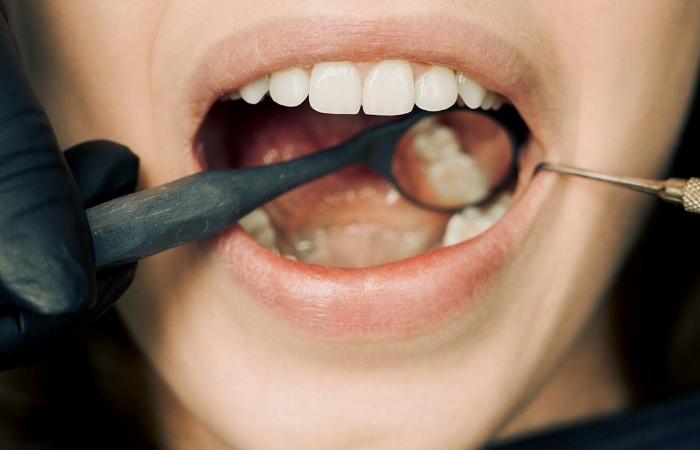
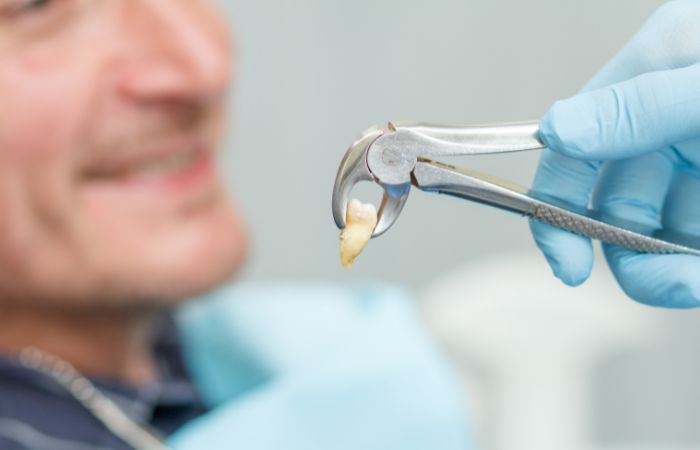
.jpg "wisdom teeth removal")
Facing wisdom teeth removal can feel daunting, especially if it’s your first major dental procedure. But with the right information, you can transform anxiety into confidence. This guide breaks down everything—from benefits and costs to recovery essentials—ensuring you’re fully prepared for a smooth experience.
Why Remove Wisdom Teeth? Understanding the Key Benefits
While not every wisdom tooth requires extraction, proactive removal often prevents significant future issues. The primary benefits include:
Preventing Crowding: Impacted wisdom teeth can shift surrounding teeth, undoing years of orthodontic work.
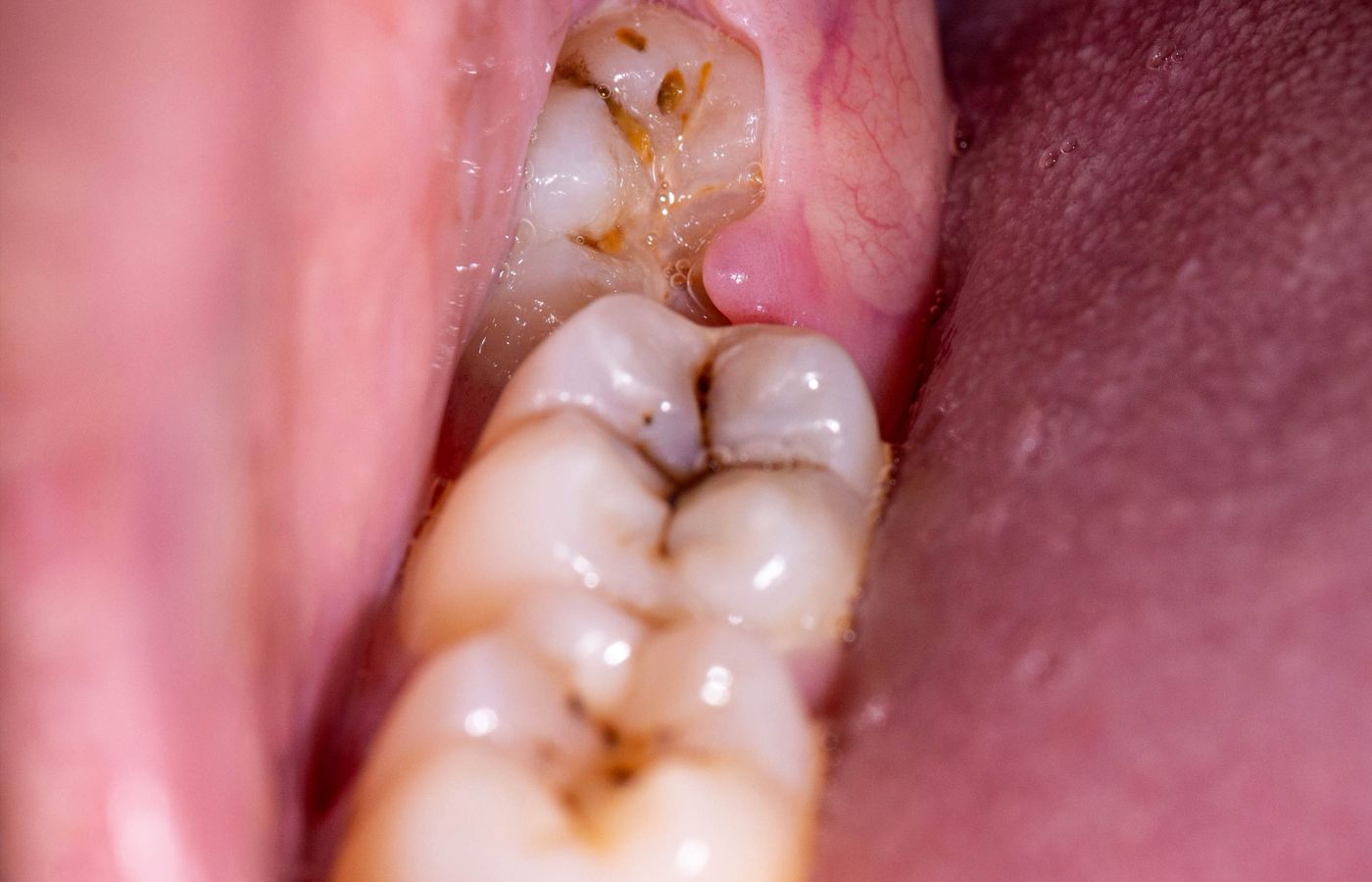
Eliminating Pain & Infection: Partially erupted teeth create pockets where bacteria thrive, leading to painful infections like pericoronitis.
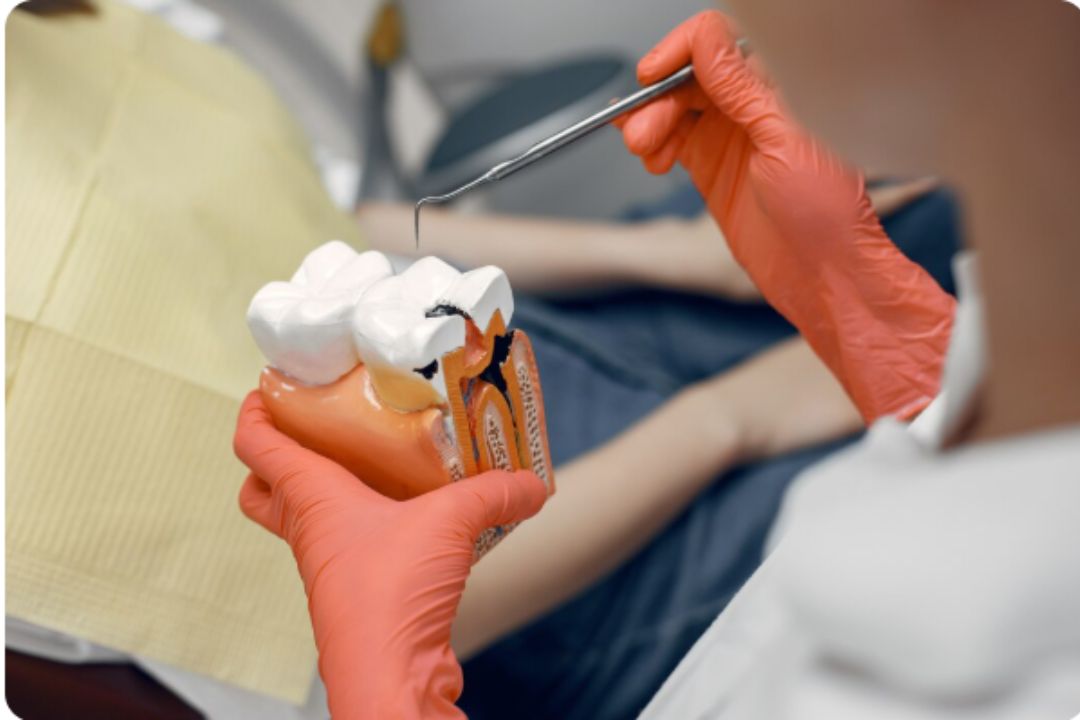
Avoiding Cysts and Damage: Impacted teeth can form cysts that damage jawbones and nerve pathways.
Improving Oral Hygiene: Hard-to-reach wisdom teeth are breeding grounds for decay and gum disease.
Simple vs. Surgical Extraction: A Quick Comparison
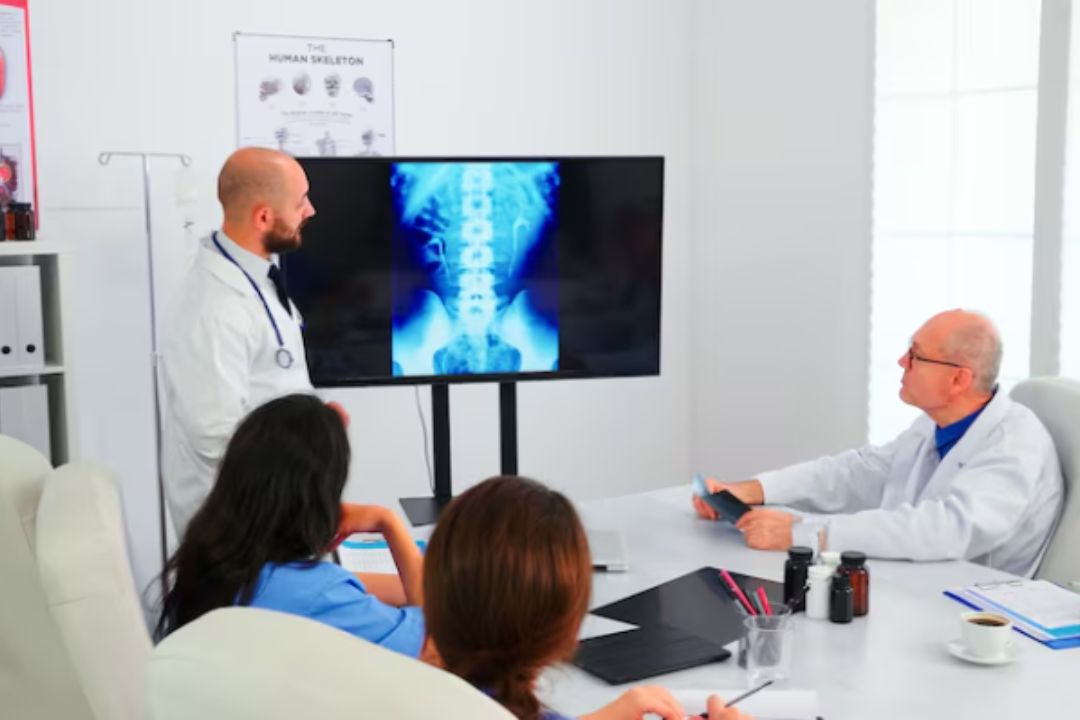
Not all extractions are equal. Your oral surgeon will determine the type based on X-rays.
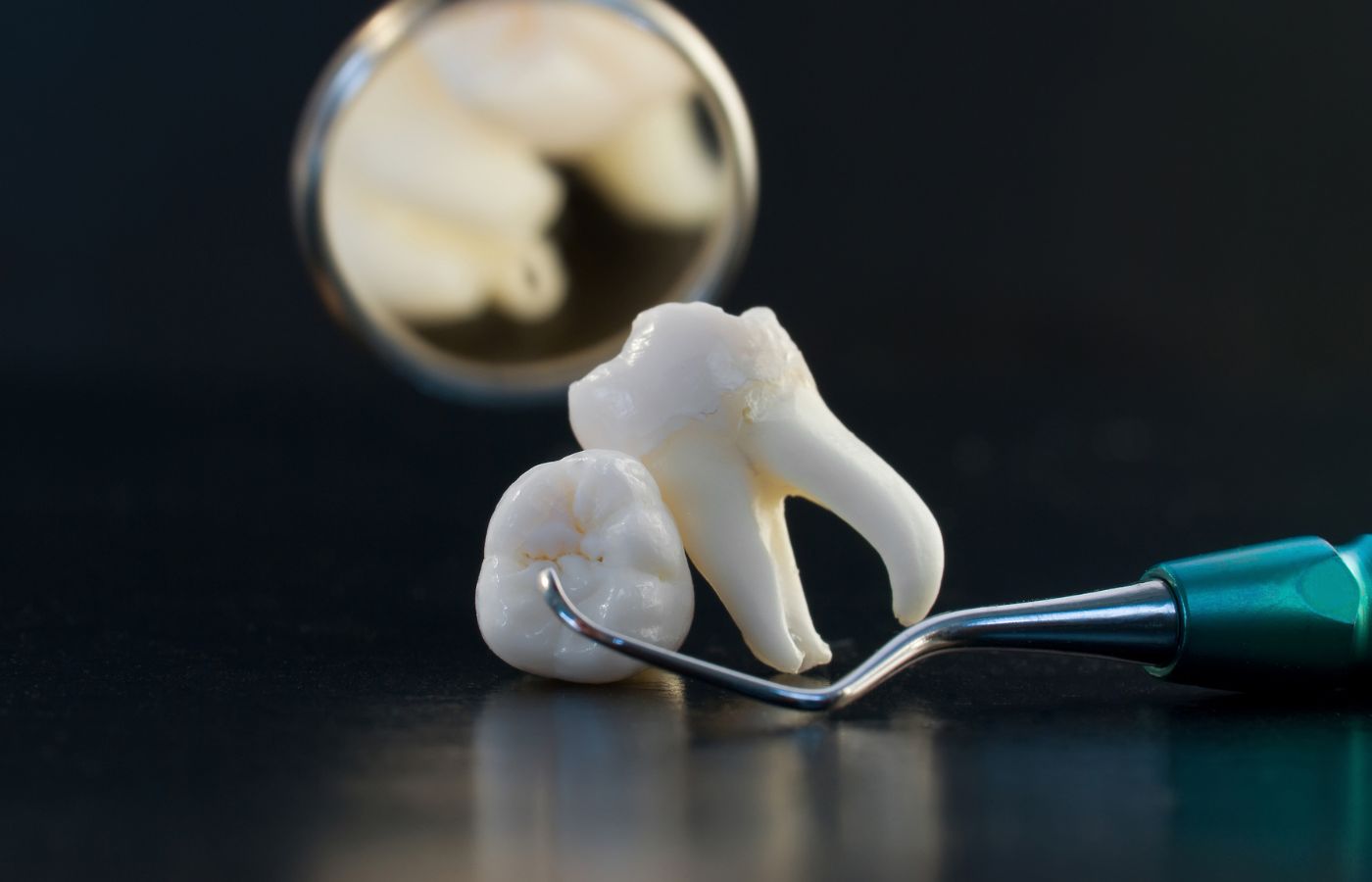
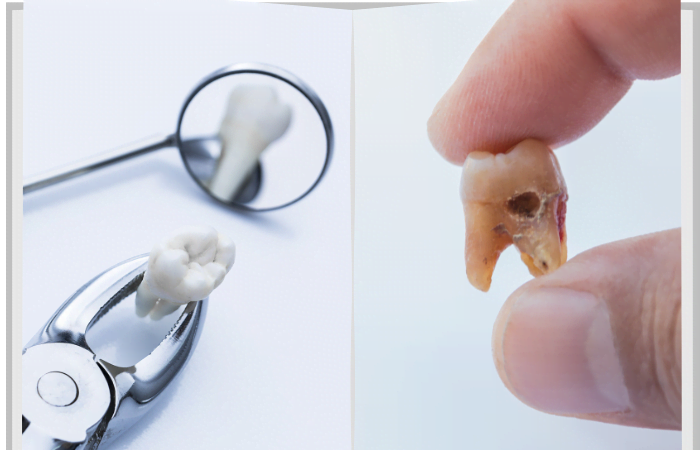
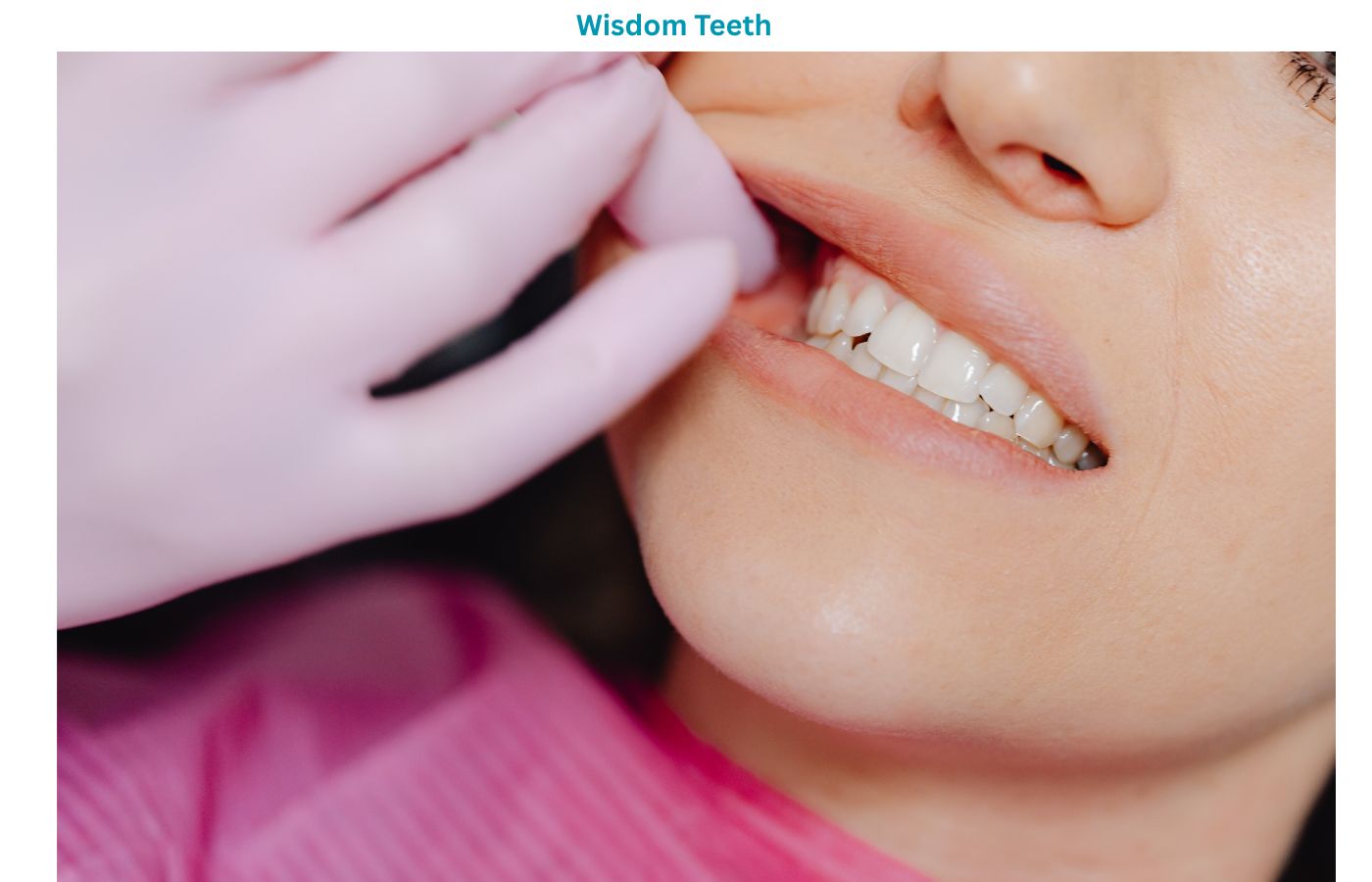
Simple Extraction: For fully erupted, straightforward teeth. The dentist loosens and removes the tooth with forceps. Recovery is typically quick.
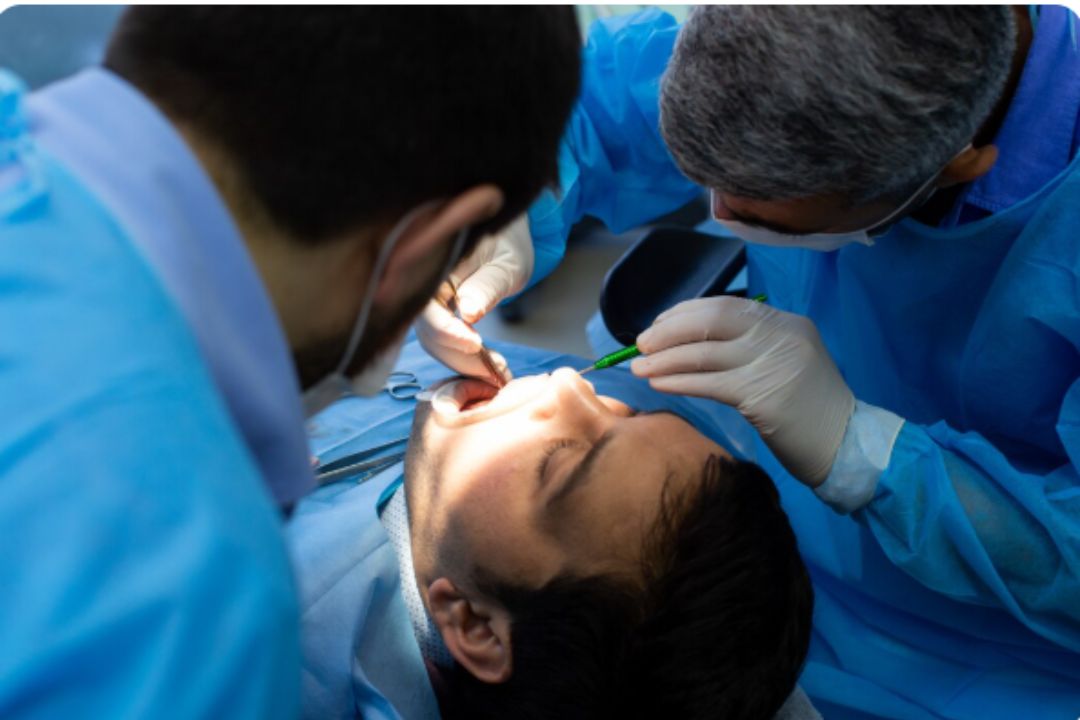
Surgical Extraction: Required for impacted (stuck in the jaw) or broken teeth. The surgeon makes a small incision in the gum, sometimes removes a bit of bone, and may section the tooth. This is a minor oral surgery with a more detailed aftercare protocol.
Costing & Financial Planning: A Transparent Look
The cost of wisdom teeth removal varies widely. A comparison shows it depends on:
Complexity: Surgical extractions cost more than simple ones.
Number of Teeth: Removing all four at once is often more cost-effective than separate procedures.
Anesthesia Type: Local anesthesia, IV sedation, or general anesthesia have different fees.
Geography & Provider: Costs differ by region and between dental offices vs. oral surgery specialists.
Insurance: Dental insurance often covers a significant portion, especially if deemed medically necessary. Always get a pre-treatment estimate.
Your Comfort & Care: Before, During, and After
Modern wisdom teeth removal prioritizes your comfort.
Before Surgery: Discuss anesthesia options. IV sedation is common for surgical extractions, letting you sleep through the procedure.
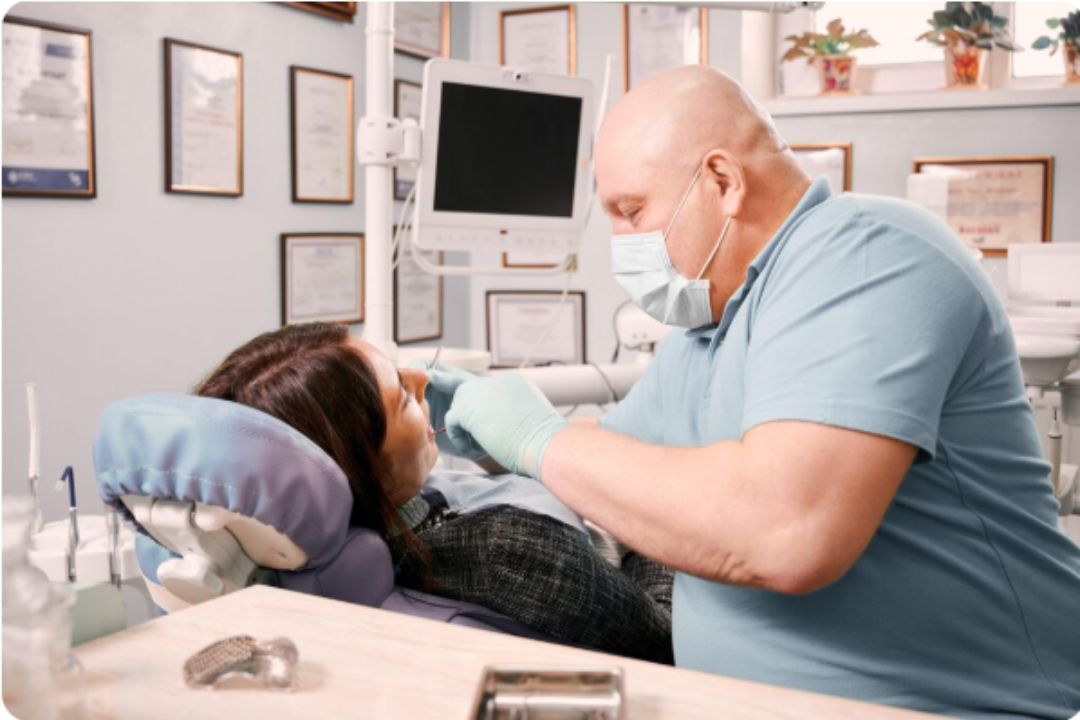
During Surgery: You’ll feel no pain. The surgery duration is key: How long does wisdom teeth removal take? Most procedures take 45-90 minutes, depending on complexity.
After Surgery: You’ll receive detailed aftercare instructions to manage swelling and discomfort. Pain is manageable with prescribed or OTC medications.
The Critical Wisdom Teeth Removal Recovery Phase
Your recovery timeline is crucial for healing.
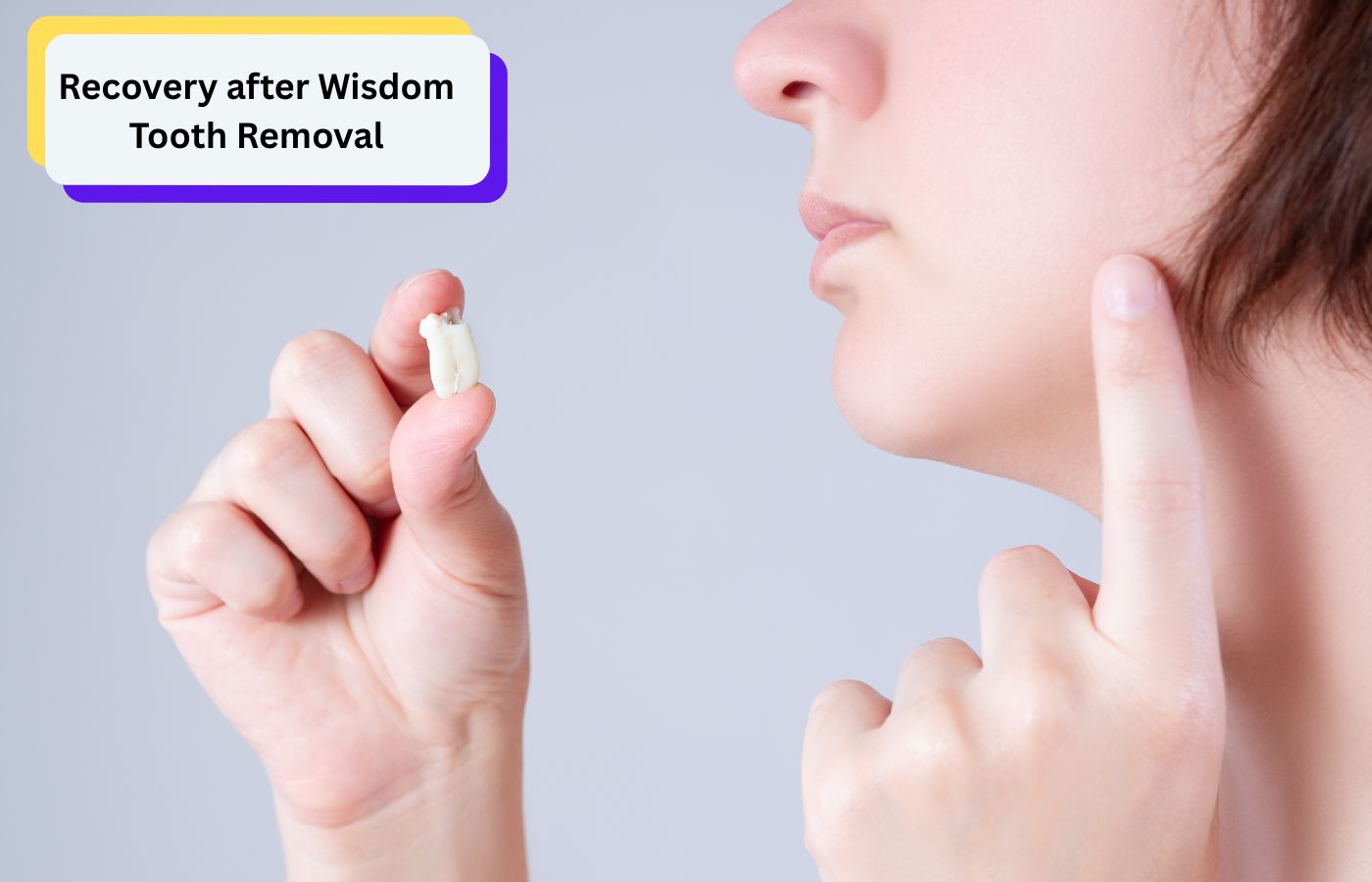
First 24 Hours: Rest, use ice packs to reduce swelling, and change gauze as directed. Bleeding and swelling are normal.
First Week: Focus on soft foods and meticulous hygiene. What to eat after wisdom teeth removal is a top question. Stick to cool, soft foods like yogurt, pudding, applesauce, mashed potatoes, and protein shakes. Avoid straws, hot foods, and anything crunchy.
Beyond a Week: Swelling subsides. You may gradually return to a normal diet as comfort allows, but avoid disturbing the surgical sites.
Finding the Right Expert: "Wisdom Teeth Removal Near Me"
Choosing a skilled provider is the most important decision. Don’t just search for "wisdom teeth removal near me"; look for a board-certified oral and maxillofacial surgeon. They have advanced training in anesthesia and complex extractions, ensuring maximum safety and comfort.
Why Choose Our Practice for Your Wisdom Teeth Removal?
When you trust us with your care, you choose:
Expert-Led Diagnosis: Advanced 3D imaging for precise assessment of tooth position and nerve pathways.
Comfort-First Approach: Tailored anesthesia plans and a calming environment to ease anxiety.
Comprehensive Cost Guidance: Clear, upfront pricing and help with insurance paperwork.
Dedicated Recovery Support: Detailed aftercare instructions and 24/7 access for any post-op concerns.
Conclusion: A Step Toward Lifelong Oral Health
While the thought of wisdom teeth removal can be unsettling, understanding the benefits, costs, and recovery process empowers you. This common procedure is a proactive investment in your long-term oral health, preventing pain, infection, and costly dental problems down the road. With a trusted surgeon, modern techniques, and by following aftercare advice—especially on what to eat after wisdom teeth removal—your experience can be safe, comfortable, and smooth. Ready to take the next step? Schedule a consultation today for a personalized diagnosis and treatment plan.














.jpg "wisdom teeth removal")



.jpg "wisdom teeth removal")


.jpg "wisdom teeth removal")

.jpg "Wisdom Tooth Surgery Recovery")