A tooth crown is a protective cap that restores the strength, shape, and appearance of a damaged tooth. The procedure involves consultation, tooth preparation, taking impressions, and placing a permanent crown. Proper care ensures long-lasting dental health and a confident, natural-looking smile.
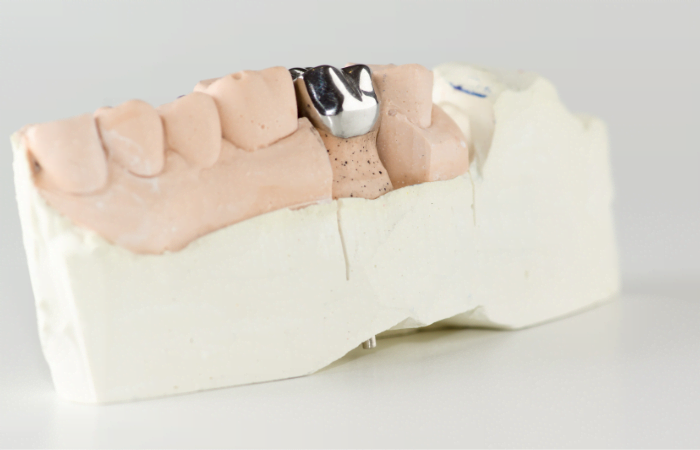
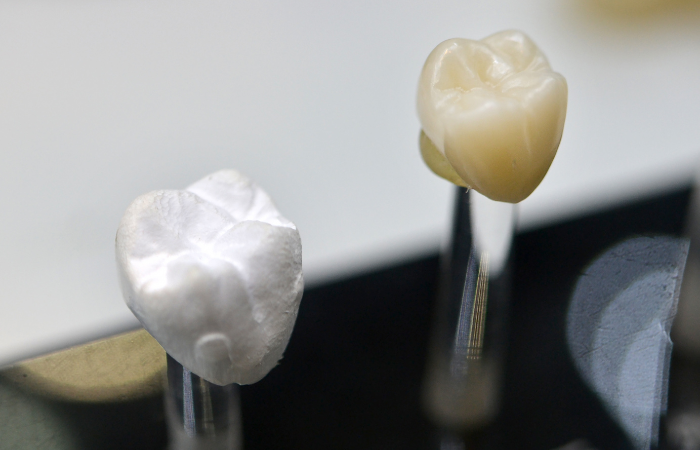
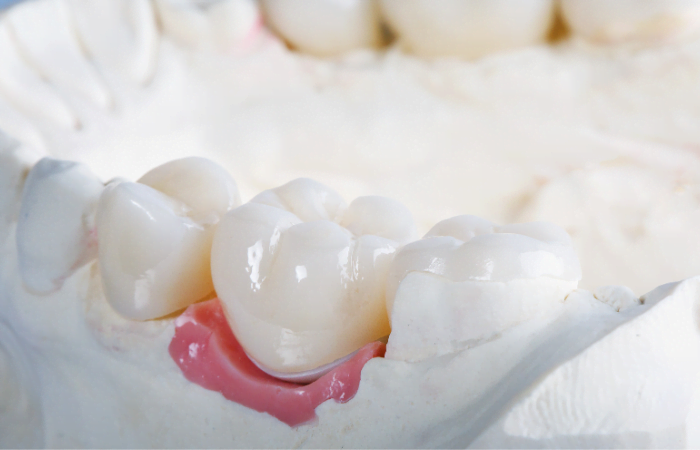
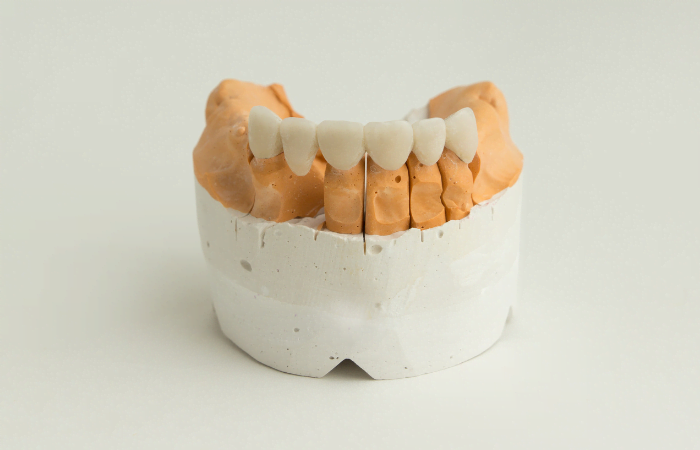
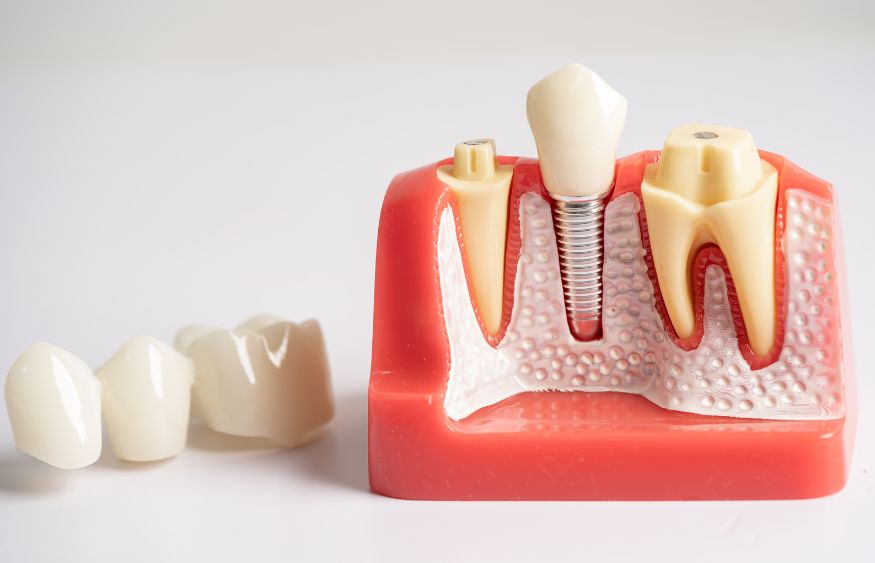
A tooth crown is a protective cap that covers your damaged or weakened tooth. It can be made from metal, ceramic, or porcelain fused to metal (PFM). Crowns restore the tooth’s shape, strength, and natural appearance, making them an ideal solution for a variety of dental issues.
Crowns are recommended for:
Teeth that are weak or cracked
Teeth with large fillings that need additional support
Teeth after root canal treatment
Cosmetic improvements to enhance your smile and confidence
A properly placed crown protects the tooth from further decay and allows normal chewing and speaking.
Preparation begins with a dentist appointment. During this visit, your dentist will:
Examine the tooth and take X-rays
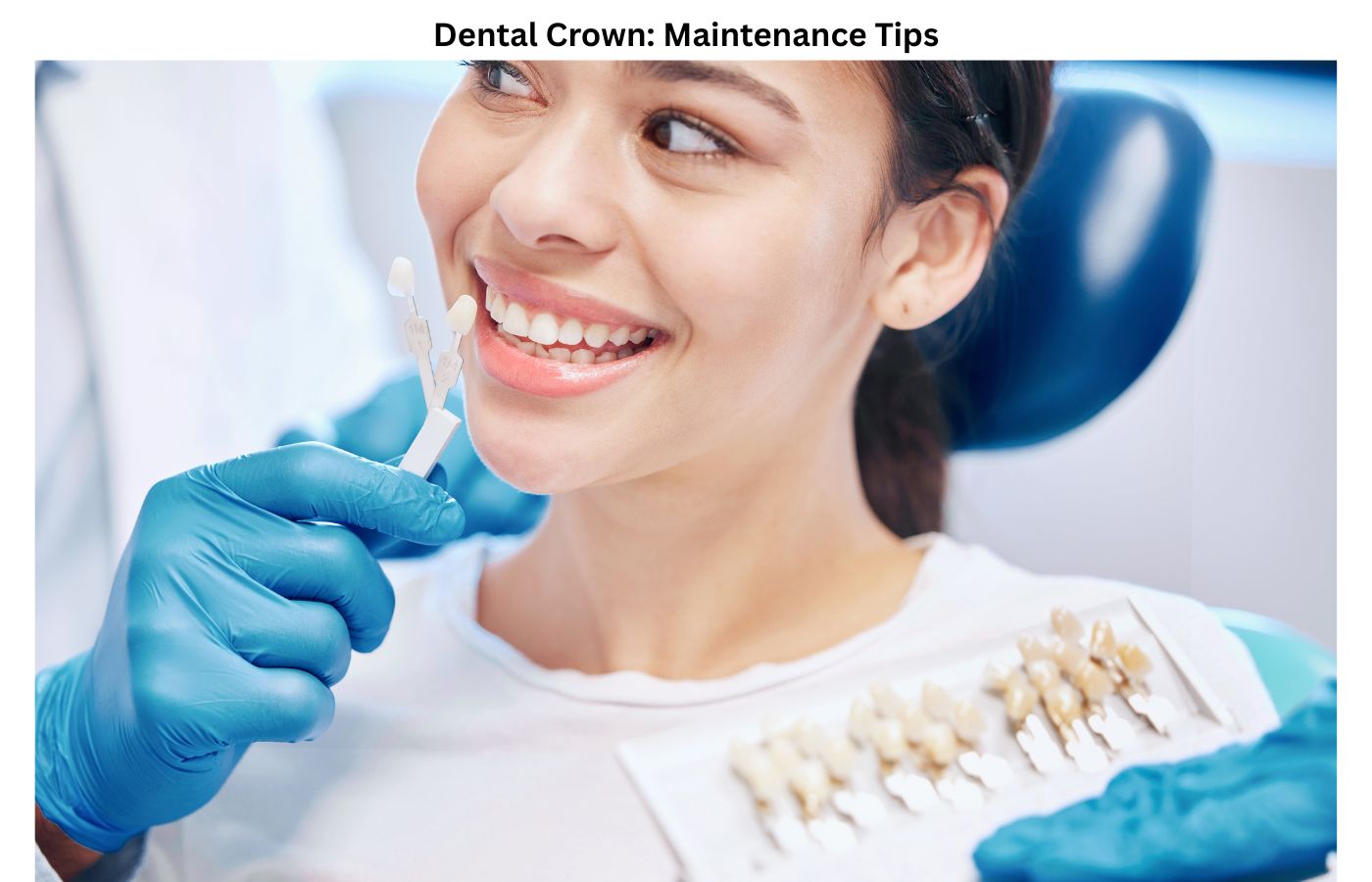
Discuss the type of crown that suits your needs (metal crown, ceramic crown, or PFM crown)
Explain the procedure, cost, and care instructions
Good preparation ensures a smooth and successful crown procedure.
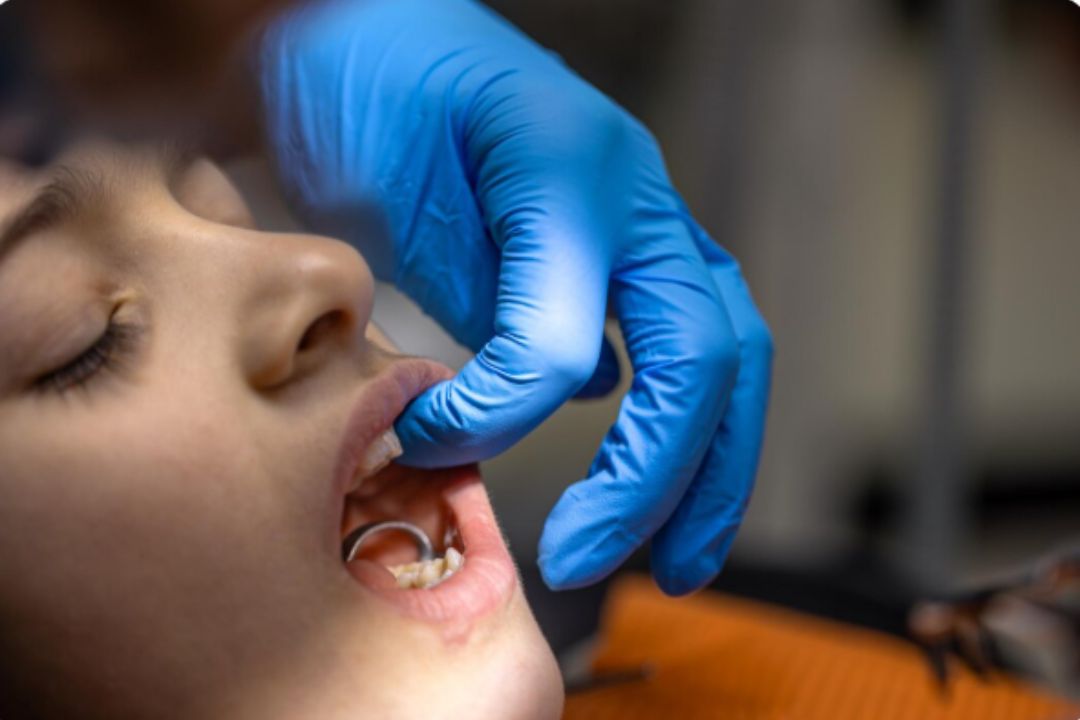
The dentist reshapes the tooth by removing a small layer of enamel. This step ensures that the crown fits properly over the tooth. If the tooth is severely damaged, a dental cap or core buildup may be required to strengthen it before the crown is placed.
During this step, your dentist ensures that your bite and jaw alignment are considered, preventing any discomfort later.
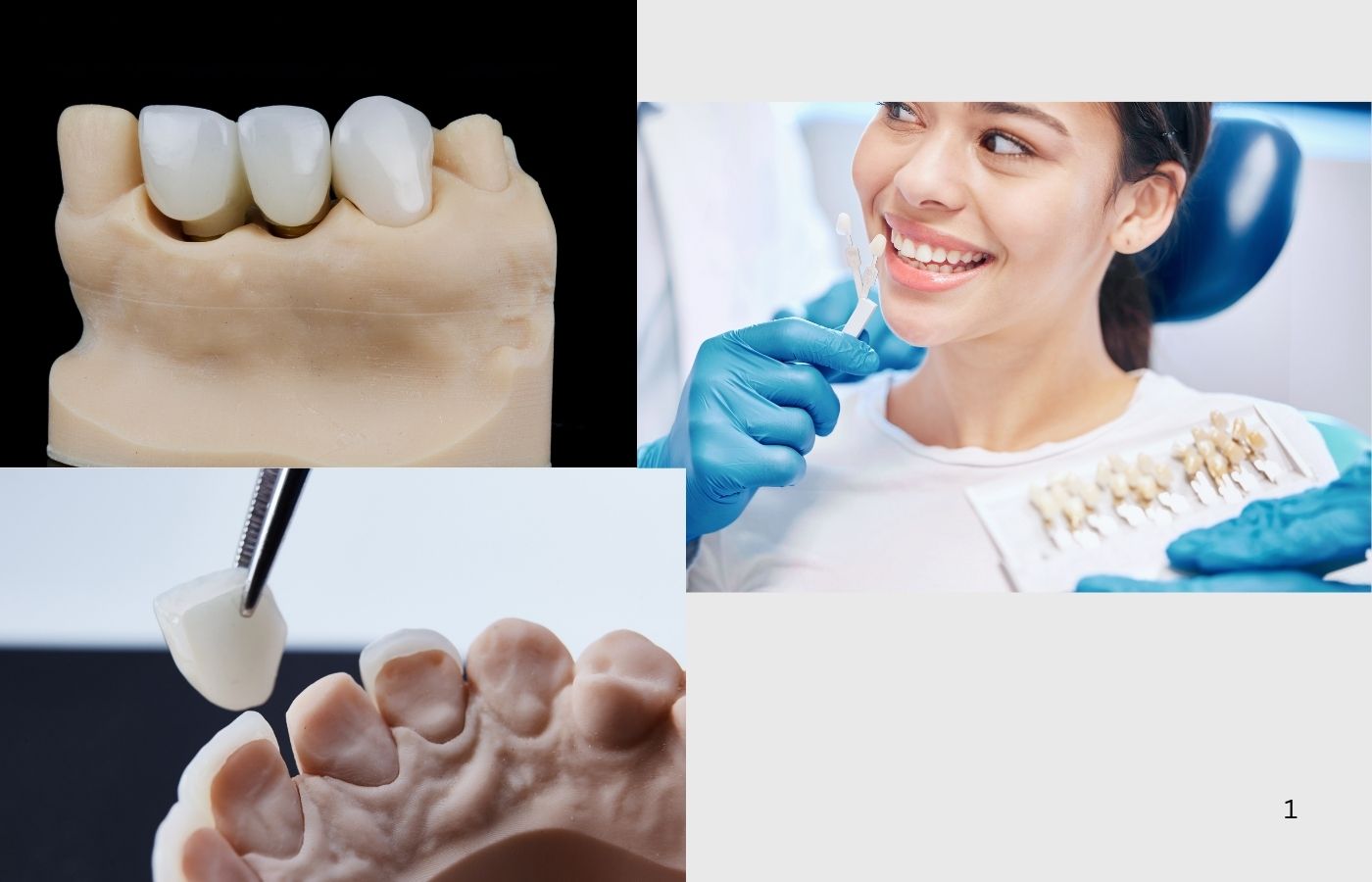
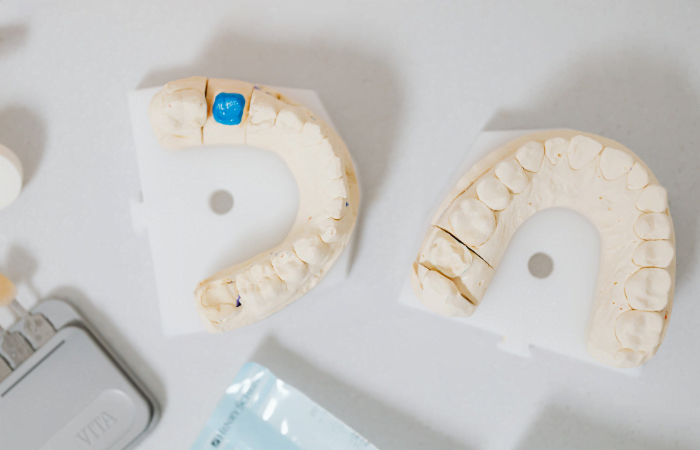
After preparation, the dentist takes an impression of your tooth and surrounding teeth. This impression is sent to a dental laboratory, where a custom crown is fabricated.
While your permanent crown is being made, a temporary crown protects the tooth and maintains functionality. The temporary crown also allows you to test the shape and bite of the future permanent crown.
Once the permanent crown is ready:
The temporary crown is removed.
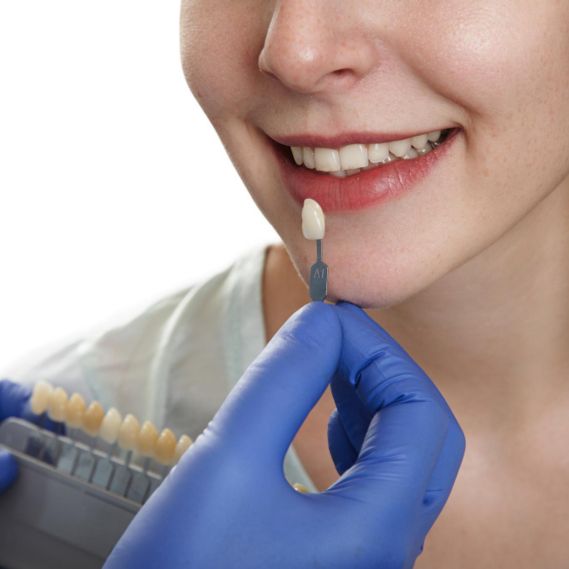
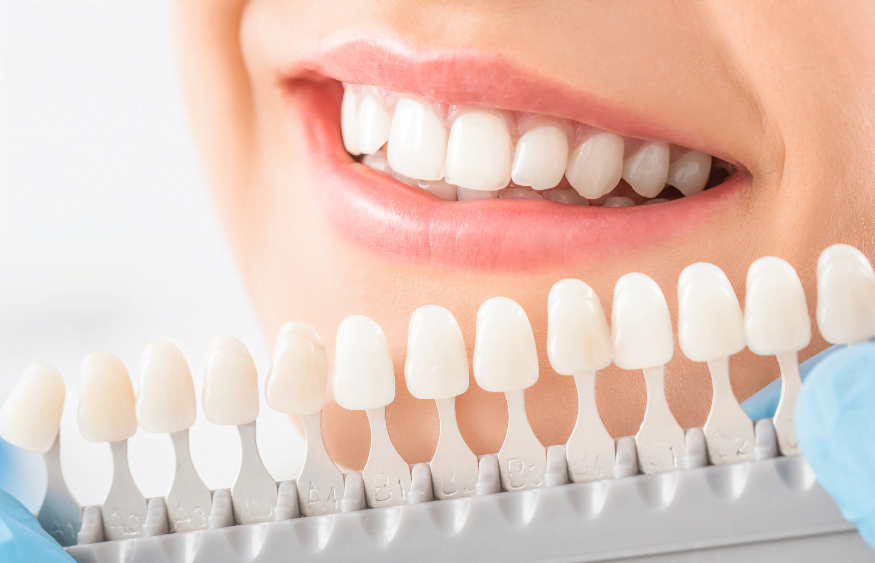
The dentist checks the fit, shape, and color of the crown.
Adjustments are made if needed to ensure comfort and natural appearance.
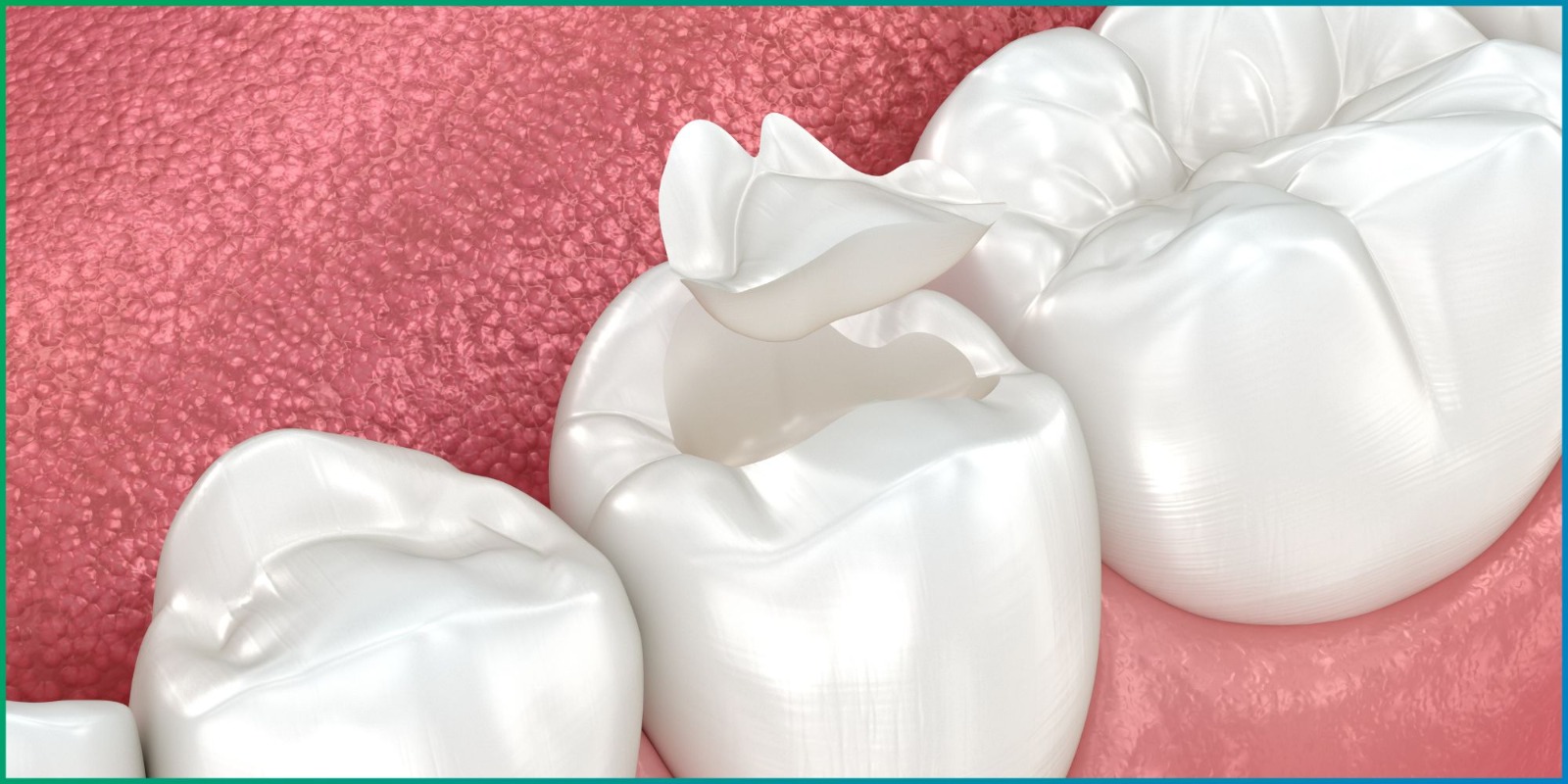
The crown is permanently cemented in place, restoring your tooth fully.
This step ensures that your crown feels natural and functions just like a real tooth.
Proper care increases the longevity of your crown. Follow these tips:
Brush and floss carefully, especially around the crown edges
Avoid chewing very hard foods for the first few days
Schedule regular dental check-ups
Inform your dentist immediately if the crown feels loose or uncomfortable
A well-maintained crown can last 10-15 years or even longer.
Dental crowns offer multiple advantages:
Protects weak or damaged teeth from further damage
Restores chewing and speaking functions
Improves aesthetics, giving a natural-looking tooth
Supports dental bridges and large fillings
Boosts self-confidence by restoring your smile
Crowns are a long-term solution that combines function, protection, and cosmetic improvement.
Yes, dental crowns come in several types:
Metal crowns: Durable and long-lasting, usually for back teeth
Porcelain teeth: Natural appearance, ideal for front teeth
Ceramic crowns: Strong and aesthetic
Porcelain fused to metal (PFM) crowns: Combines strength and appearance
Your dentist can help you select the best type based on durability, appearance, and budget.










.jpg "the best fix for a cracked tooth why dental crowns are the gold standard")
.jpg "rebuilding smiles how all-on-4® implants transform full-arch dental care")
.jpg "dental crowns")
.jpg "Dental Crowns")
.jpg "Dental Crowns")
.jpg "Dental Crowns")
.jpg "Dental Crowns")