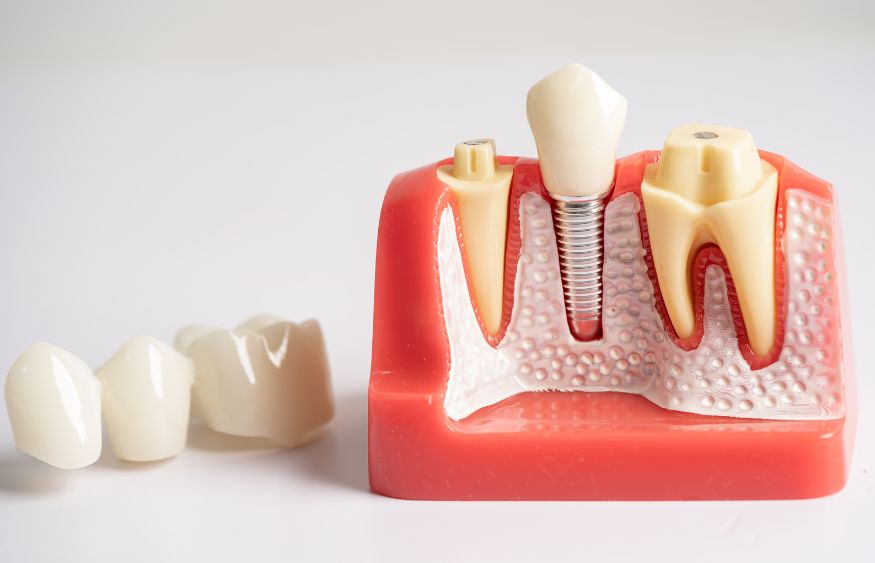
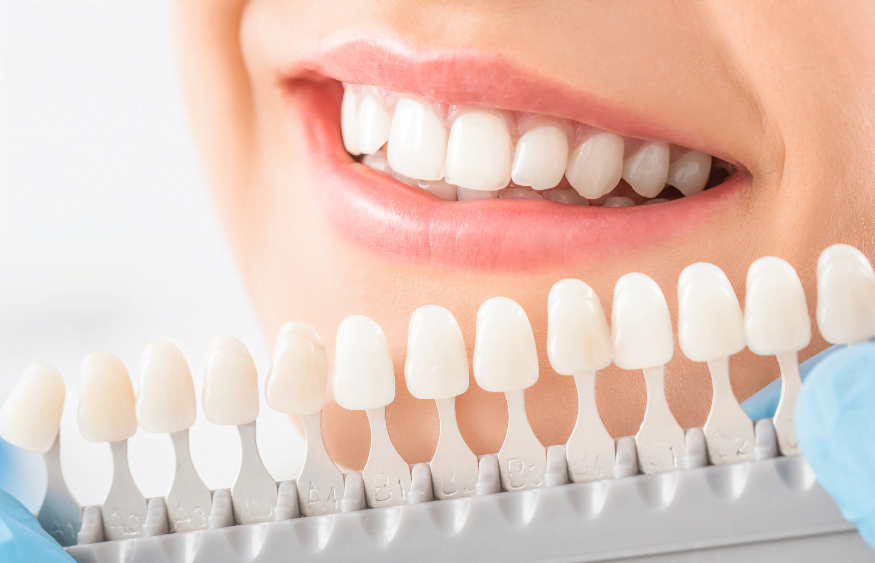
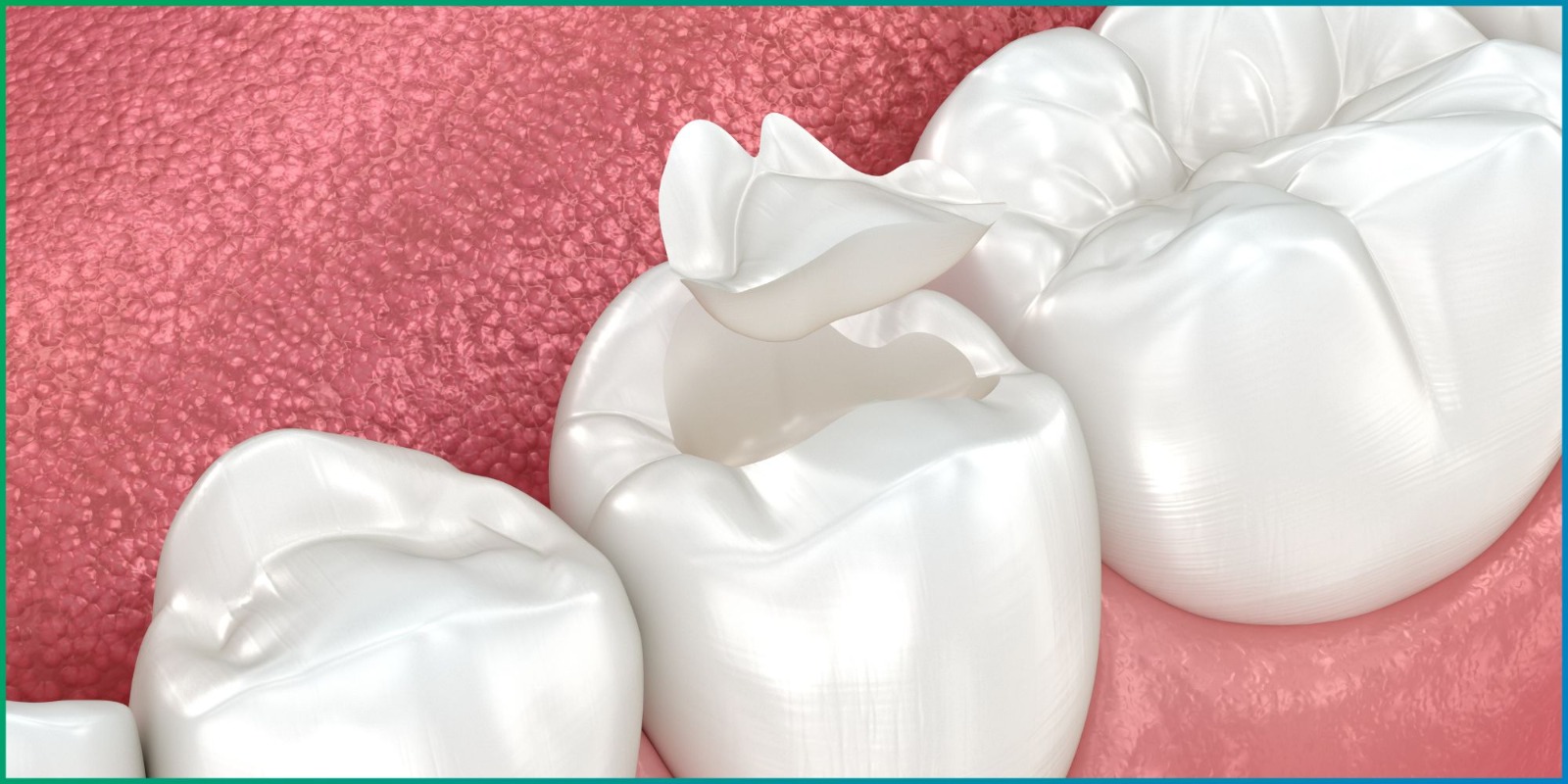
.jpg "Dental Crowns")
When your dentist mentions you need a dental crown, it’s natural to have questions. How long does it take? Will it hurt? What’s the healing process and cost? And how does this common restorative procedure compare to orthodontic options like dental invisible aligners? This definitive guide breaks it all down, helping you make an informed decision for your oral health.
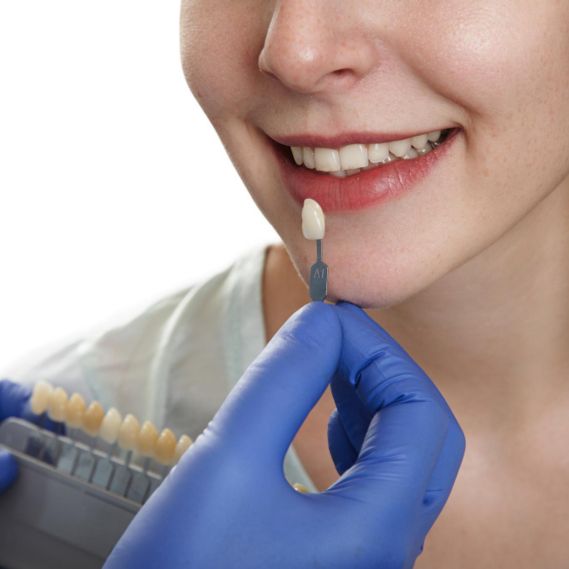
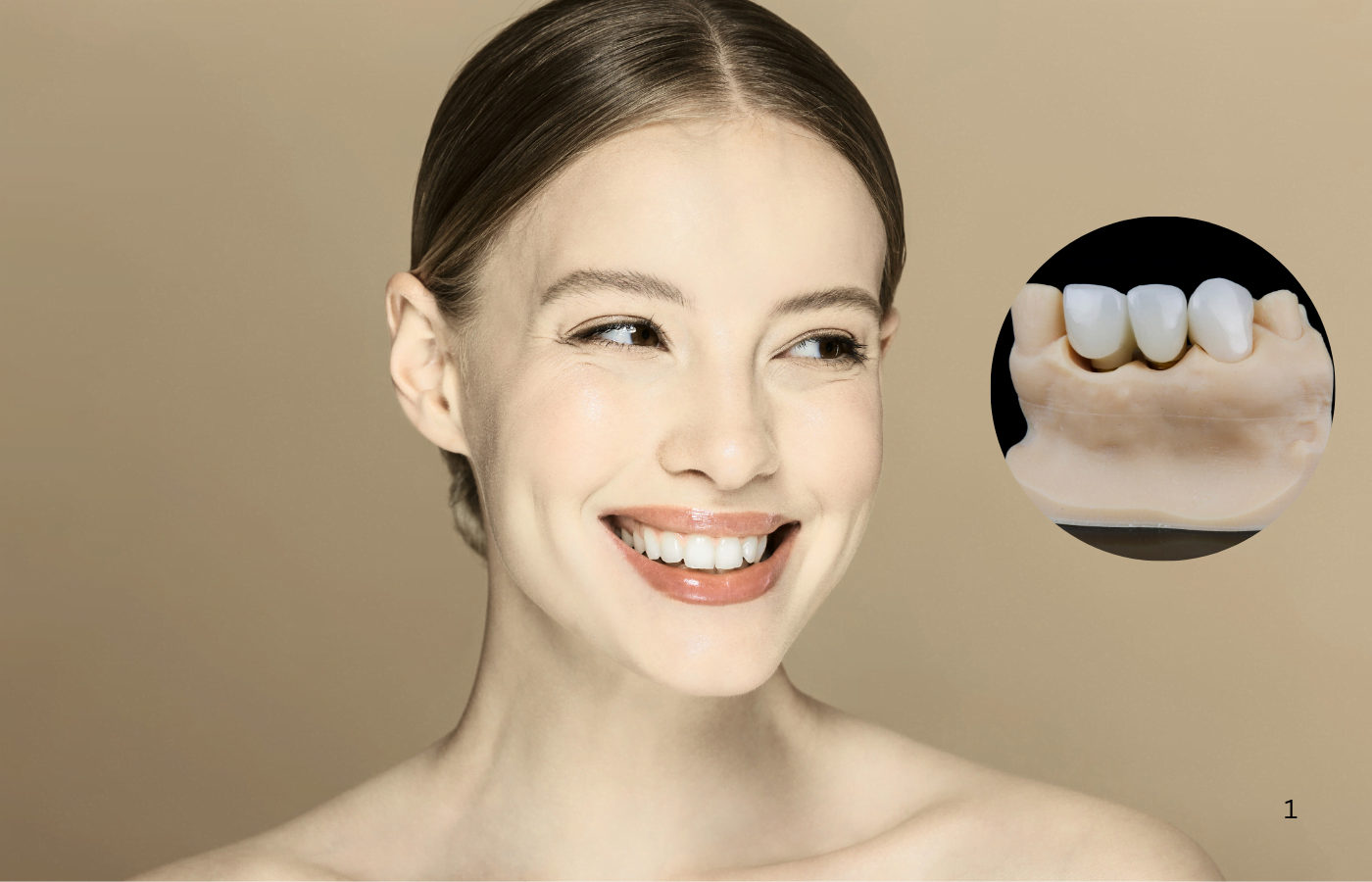
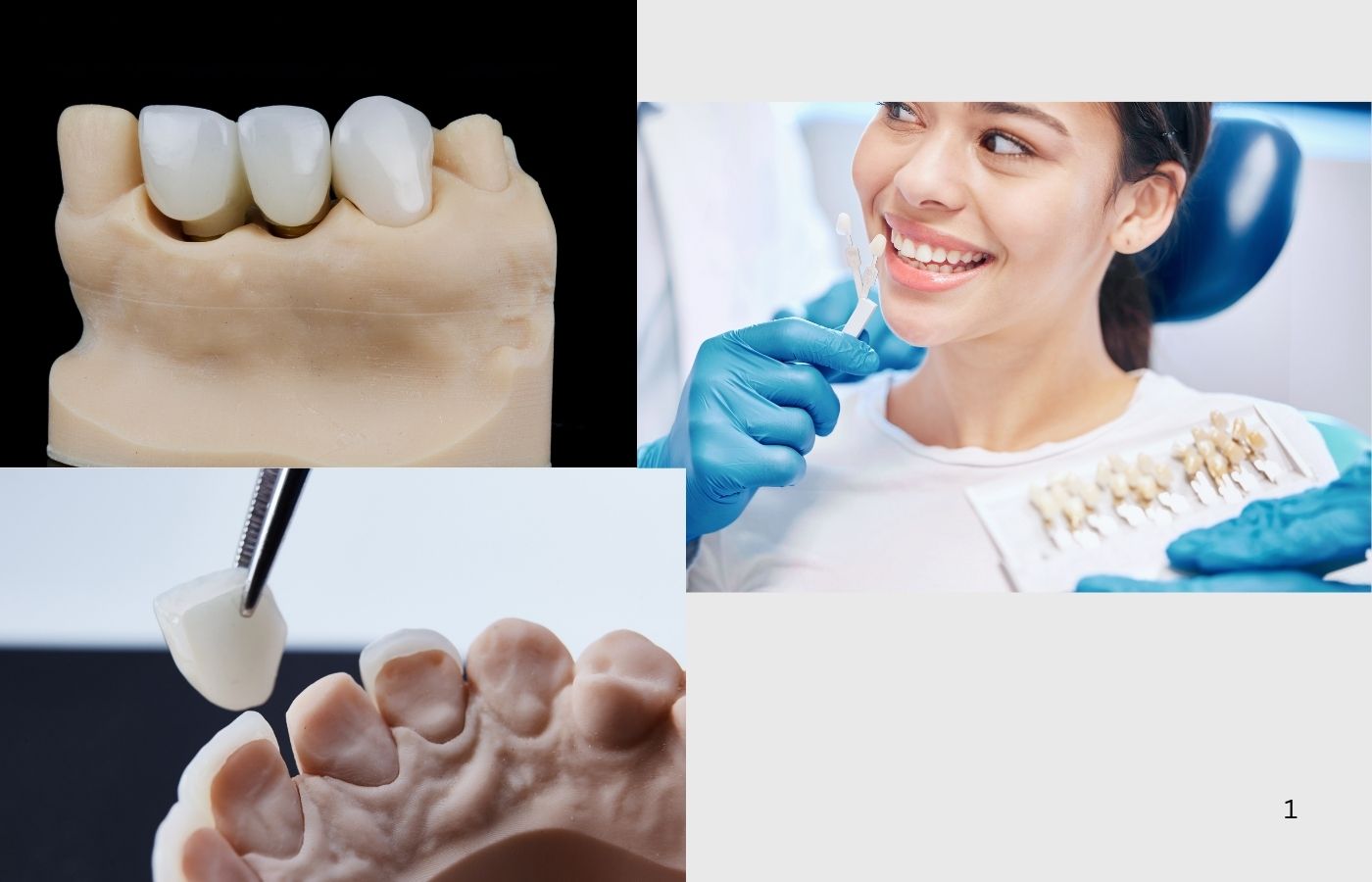
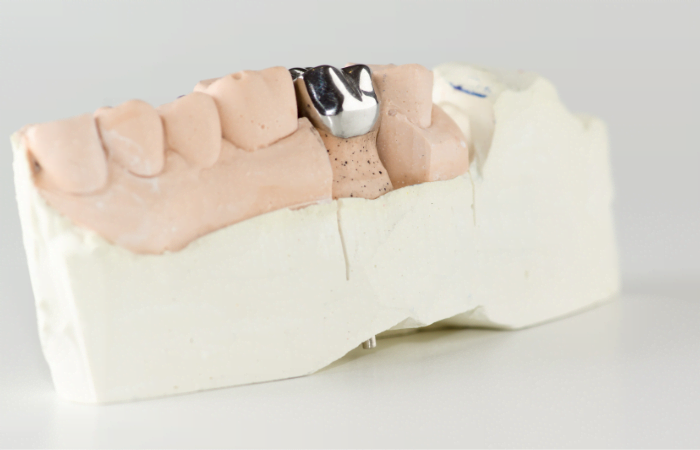
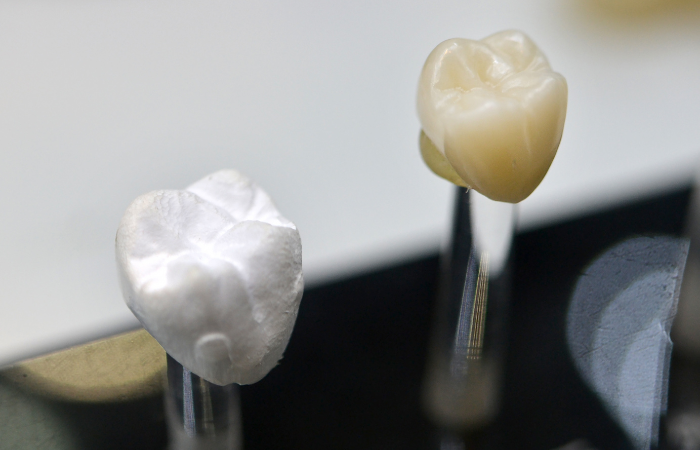
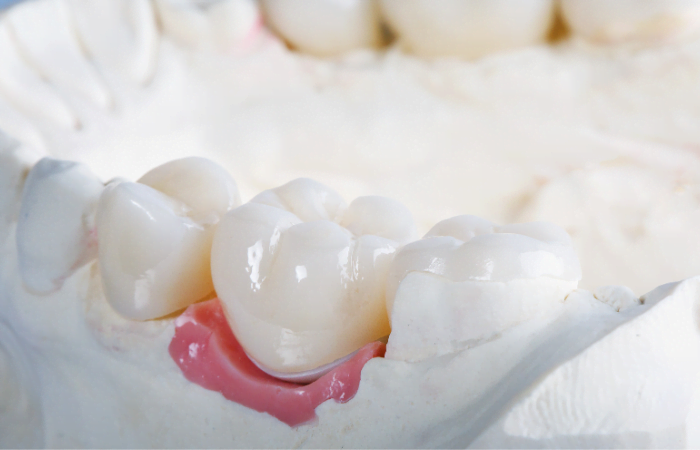
A dental crown is a tooth-shaped "cap" placed over a damaged tooth to restore its shape, size, strength, and appearance.
Typical Duration: The process usually requires two appointments spaced 2-3 weeks apart.
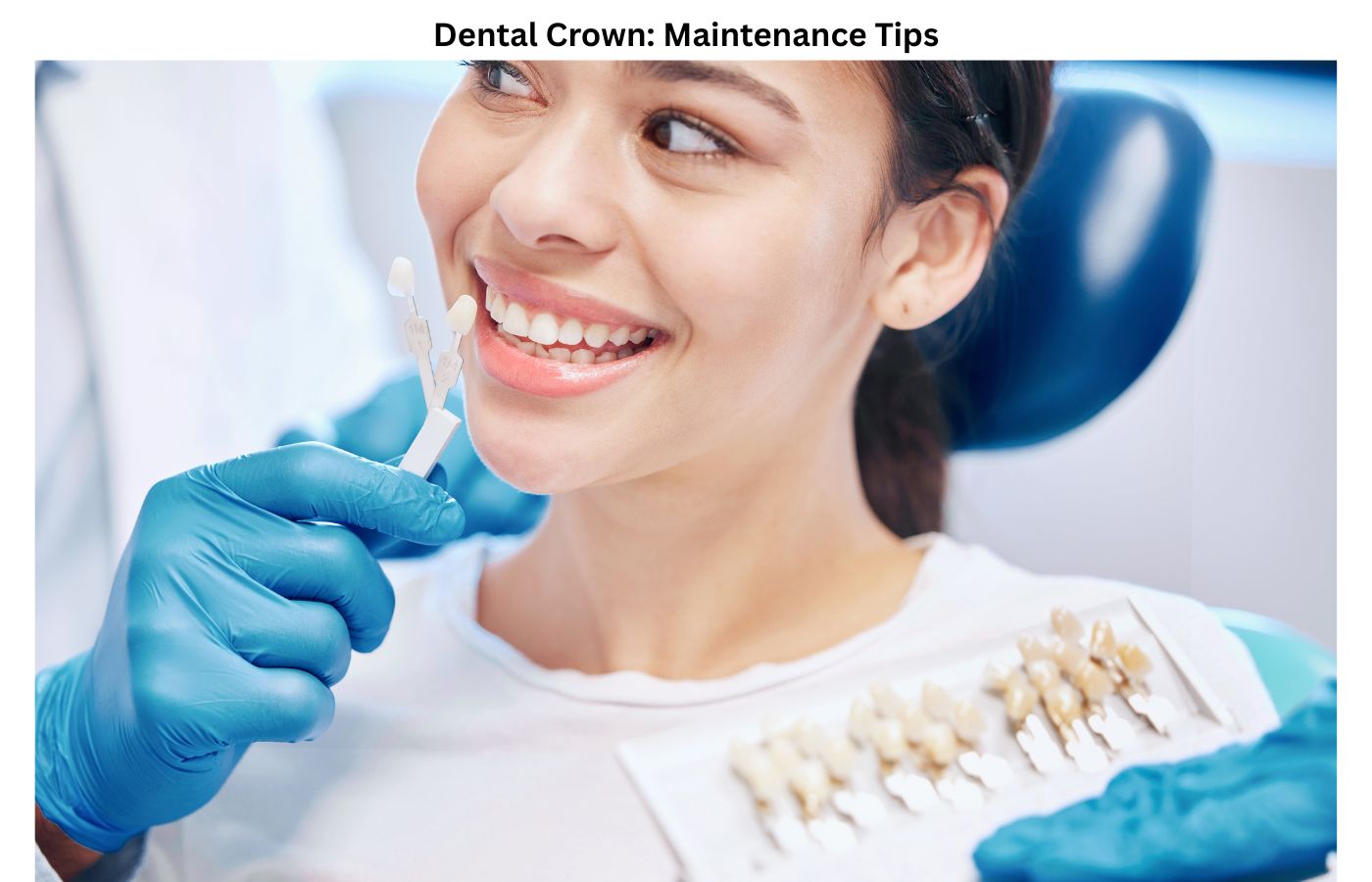
First Visit (60-90 mins): The dentist prepares the tooth, takes impressions, and places a temporary crown.
Second Visit (30-45 mins): The permanent, custom-made crown is fitted and cemented.
Same-Day Crowns: Some clinics use CAD/CAM technology to design, mill, and place a crown in a single, longer appointment (2-3 hours).
A primary concern is pain. Here’s what to expect:
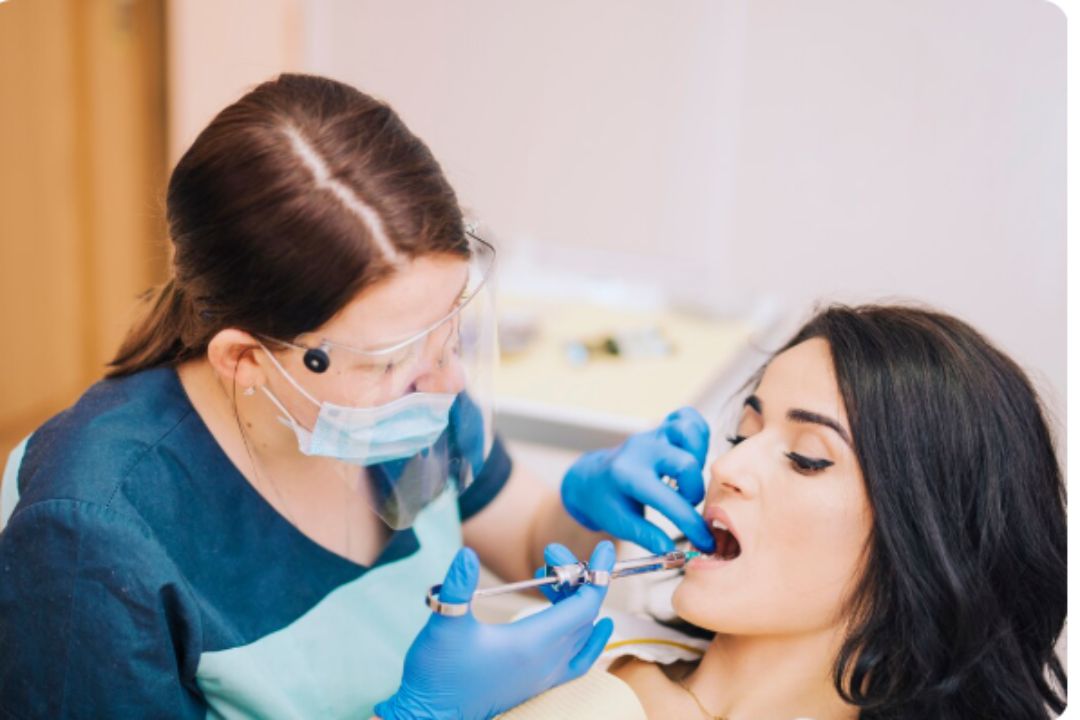
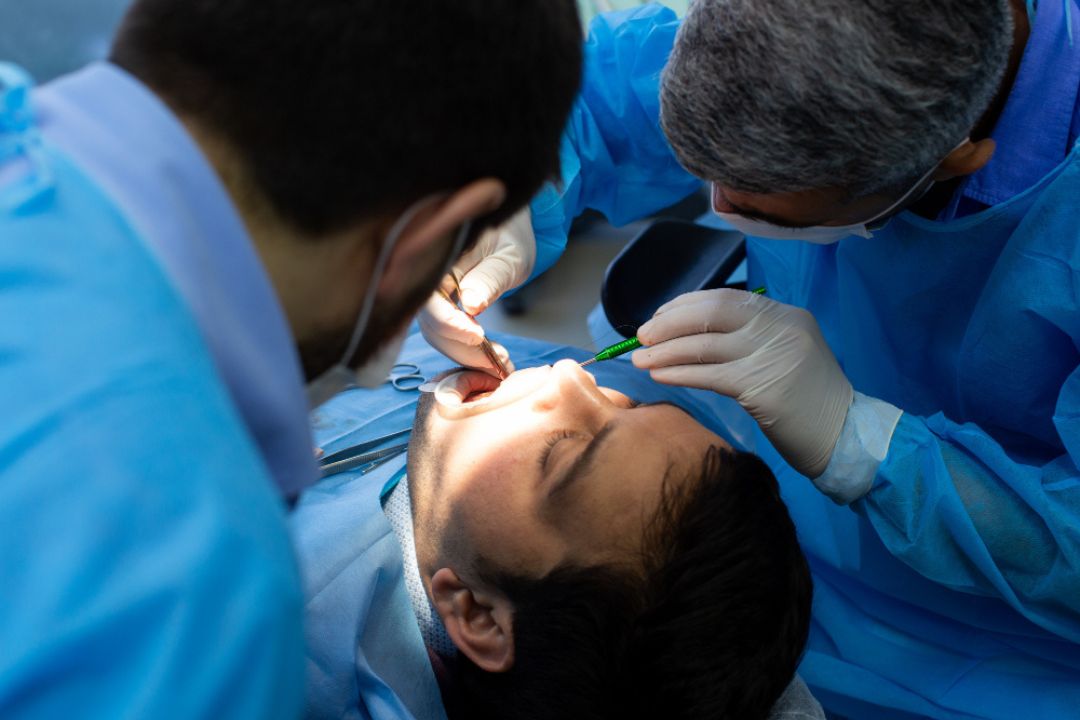
During: You’ll receive local anesthesia, so you should feel no pain, only pressure or vibration.
After: Once numbness wears off, you may experience:
Mild sensitivity or soreness in the gum around the tooth.
Discomfort when biting, which usually subsides as you adjust.
Over-the-counter pain relievers effectively manage this. Significant pain is rare and should be reported to your dentist.
Initial Adjustment: 1-2 days for gum tenderness to fade.
Full Adaptation: 1-2 weeks to get used to the crown’s feel in your mouth.
Final Healing: The underlying tooth and gum are fully settled within a few weeks. Practice good oral hygiene and avoid very hard or sticky foods initially.
Crowns are a versatile solution for:
Restoring severely decayed, cracked, or weakened teeth.
Protecting a tooth after a root canal.
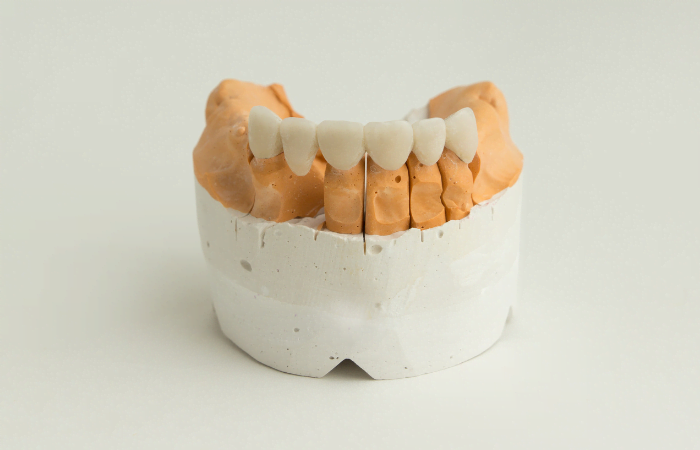
Anchoring a dental bridge.
Covering discolored or misshapen teeth for cosmetic improvement.
It’s crucial to understand these are very different treatments for different problems.
| Aspect | Dental Crown (Restorative/Prosthetic) | Invisible Dental Aligners (Orthodontic) |
|---|---|---|
| Primary Goal | Repair and protect a damaged individual tooth. | Gradually shift teeth position to correct alignment dental issues (crowding, gaps, bite). |
| Procedure | Involves tooth modification. | Non-invasive, uses a series of clear, removable trays. |
| Duration | 2 visits over a few weeks. | 6-24 months of ongoing wear, with periodic check-ups. |
| Comfort | Short-term post-procedure sensitivity. | Pressure during adjustment to new trays, but no drilling. |
| Costing (in diagnosis) | Diagnosis: Higher upfront cost per unit ($800-$2,500 per crown), but solves an immediate structural problem. | Diagnosis: Significant total investment ($3,000-$8,000), but addresses overall bite and smile aesthetics. |
When considering costing in diagnosis, think long-term value. A crown is an investment in saving a tooth, preventing extraction and more expensive replacements like implants. Invisible dental aligners are an investment in your bite health and smile aesthetics, which can prevent wear, jaw pain, and cleaning difficulties. Always consult your alignment health plan dental providers to understand coverage; crowns are often covered under "major restorative" benefits, while adult orthodontics like aligners may have limited coverage.
The diagnosis from your dentist is the most critical factor. If the issue is a broken, decayed, or root-canaled tooth, a crown is the prescribed, necessary solution to restore function and prevent tooth loss. If the issue is crooked teeth or a misaligned bite, then invisible dental aligners or other orthodontics are the correct path. For comprehensive care, especially if you need both restorative work and alignment, seek out alignment health plan dental providers who can offer a coordinated treatment plan.
Why Choose the Right Treatment? A proper diagnosis ensures you invest in the treatment you actually need, saving you time, money, and discomfort in the long run. Whether it’s a protective crown or a smile-transforming aligner, the goal is lasting oral health and confidence.








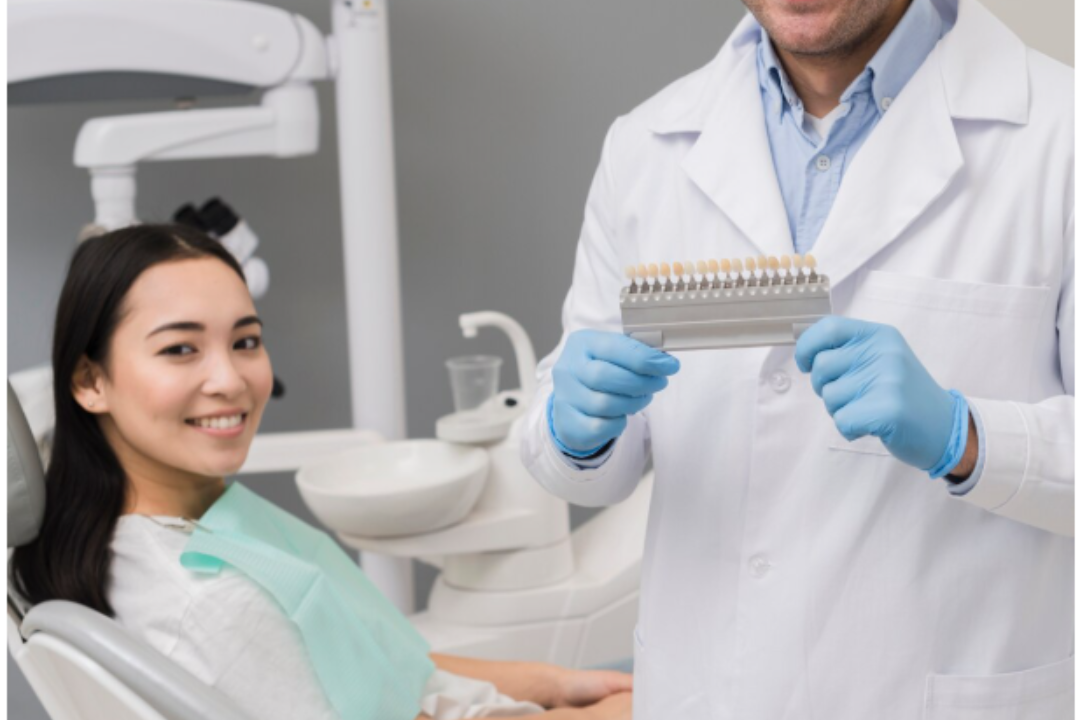
.jpg "the best fix for a cracked tooth why dental crowns are the gold standard")
.jpg "rebuilding smiles how all-on-4® implants transform full-arch dental care")
.jpg "dental crowns")
.jpg "Dental Crowns")
.jpg "Dental Crowns")
.jpg "Dental Crowns")