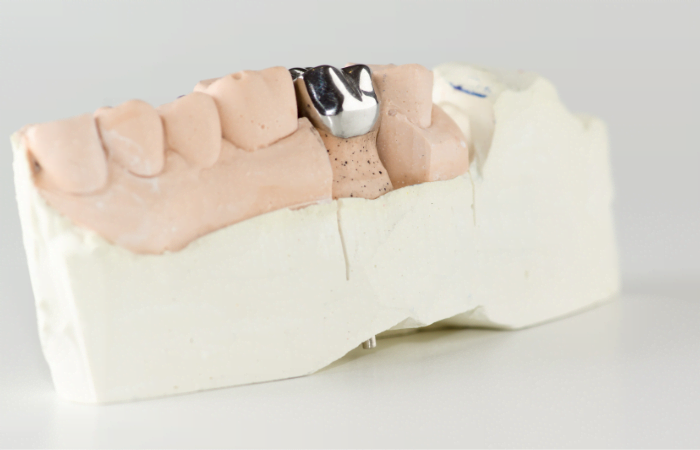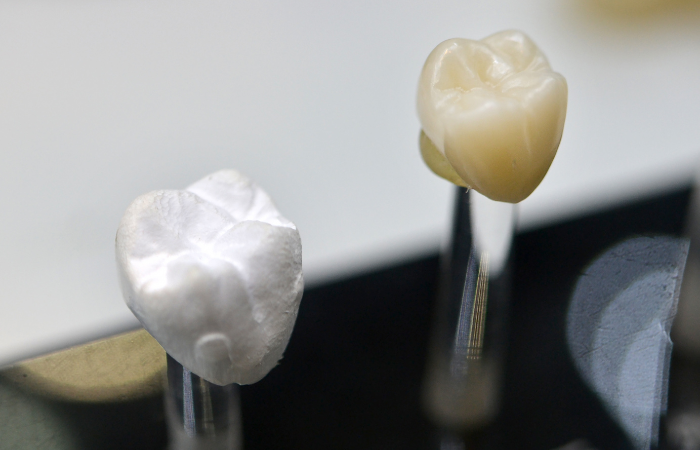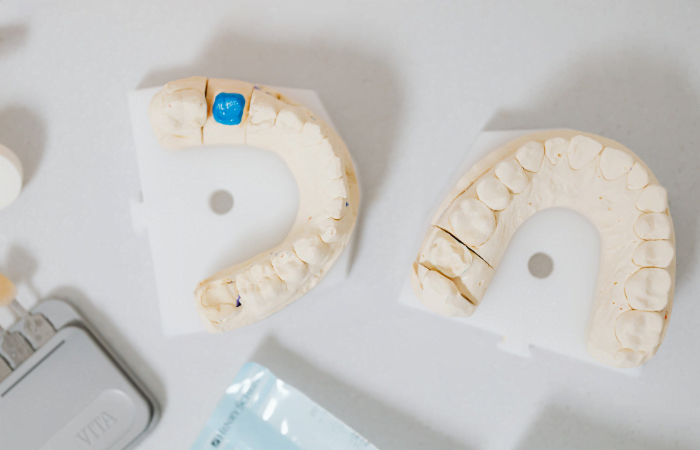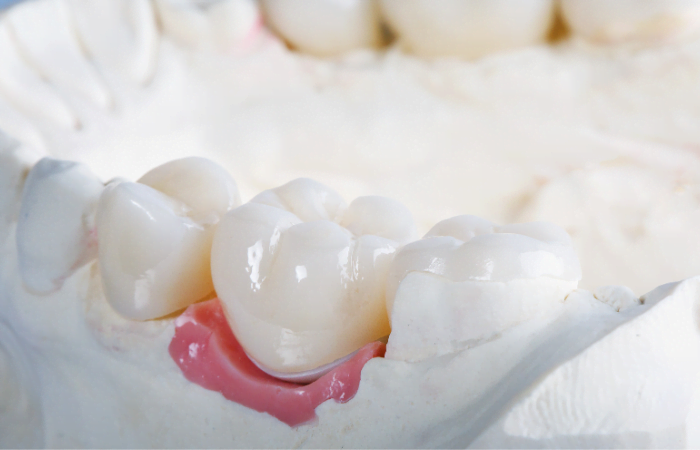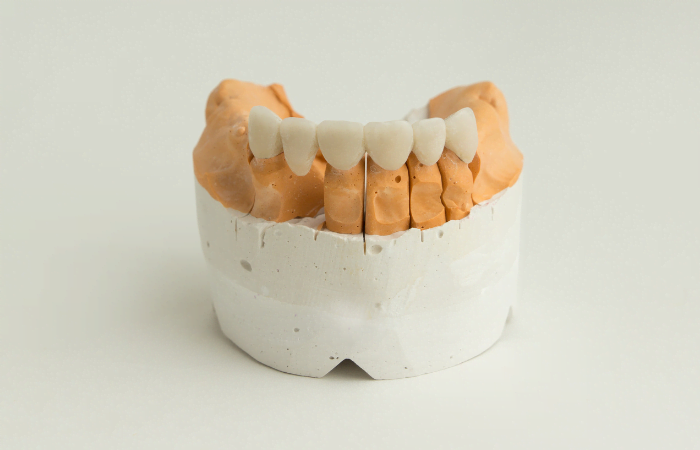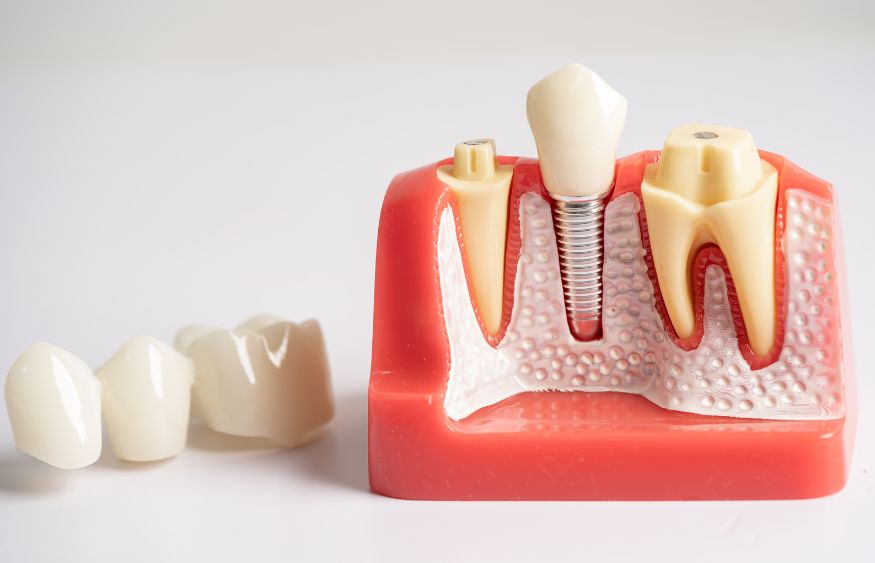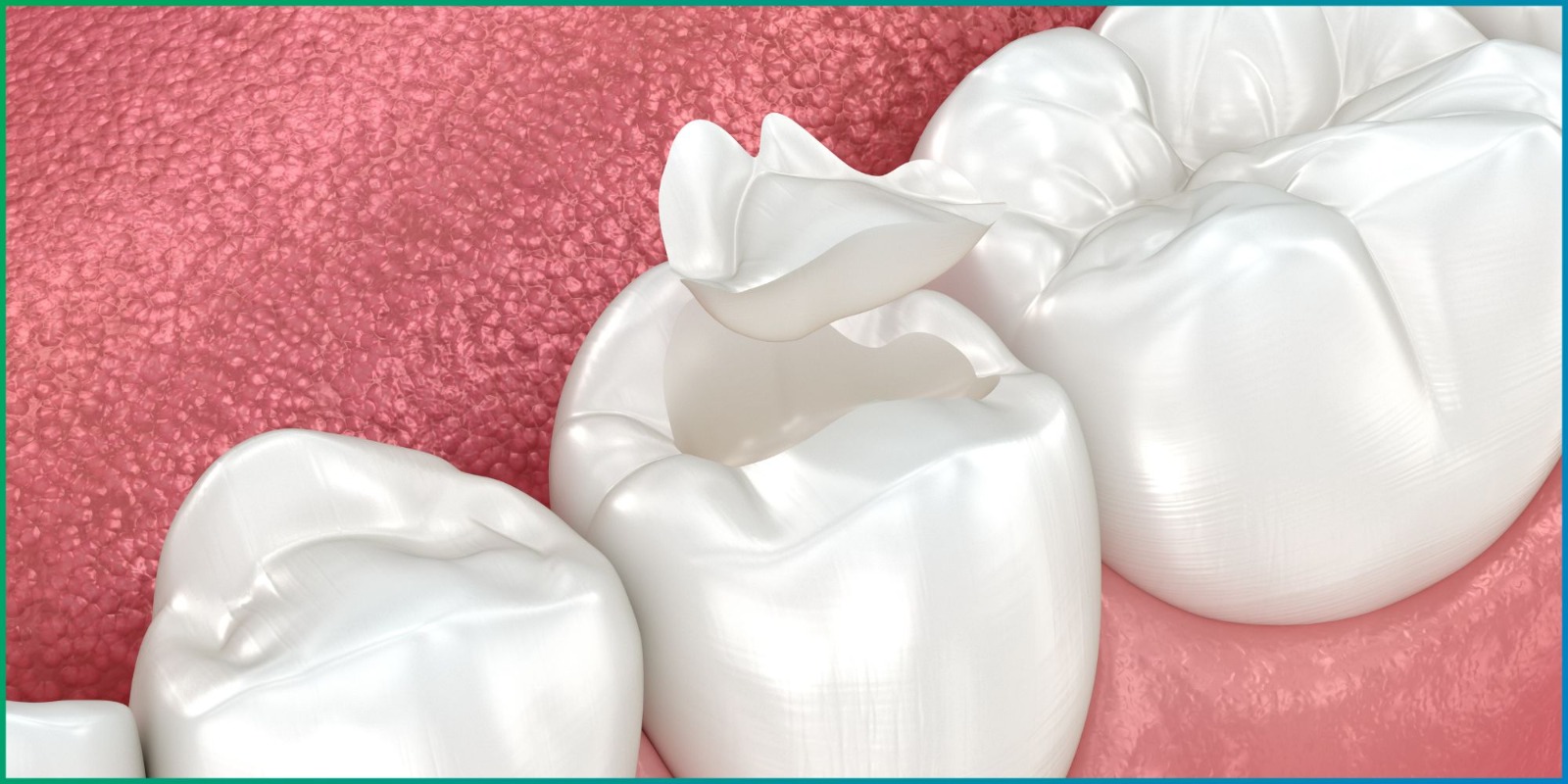
A dental crown is a custom-made "cap" placed over a damaged tooth to restore its shape, size, strength, and appearance. If your dentist has recommended a crown, understanding the process can ease anxiety. Here is a comprehensive, step-by-step guide to the dental crown procedure, including key comparisons and essential information about the dental cement for crowns that holds it all together.
Step-by-Step Dental Crown Procedure
Step 1: Consultation & Diagnosis
Your dentist will examine the tooth, often with X-rays, to assess the damage to the root and surrounding bone. A crown is recommended for: severe decay, a cracked/fractured tooth, after a root canal, or to support a large filling.
Step 2: Tooth Preparation
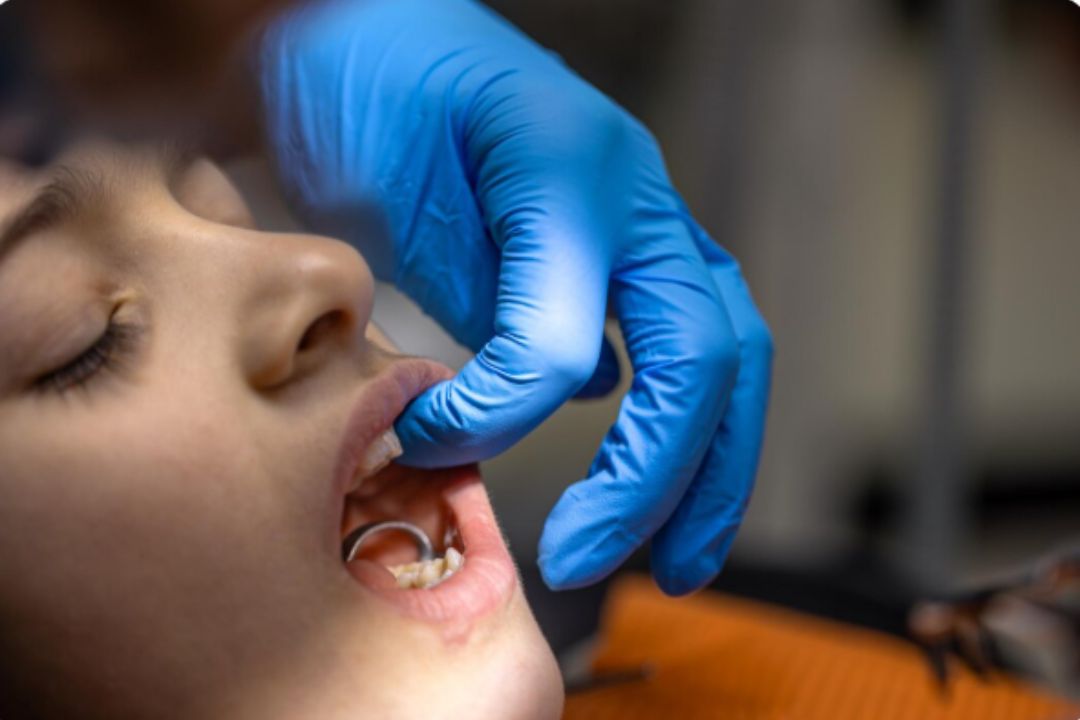
The tooth receiving the crown is numbed with local anesthesia. The dentist then reshapes the tooth’s surface by removing a small portion of enamel to make room for the crown.
Step 3: Impression Taking
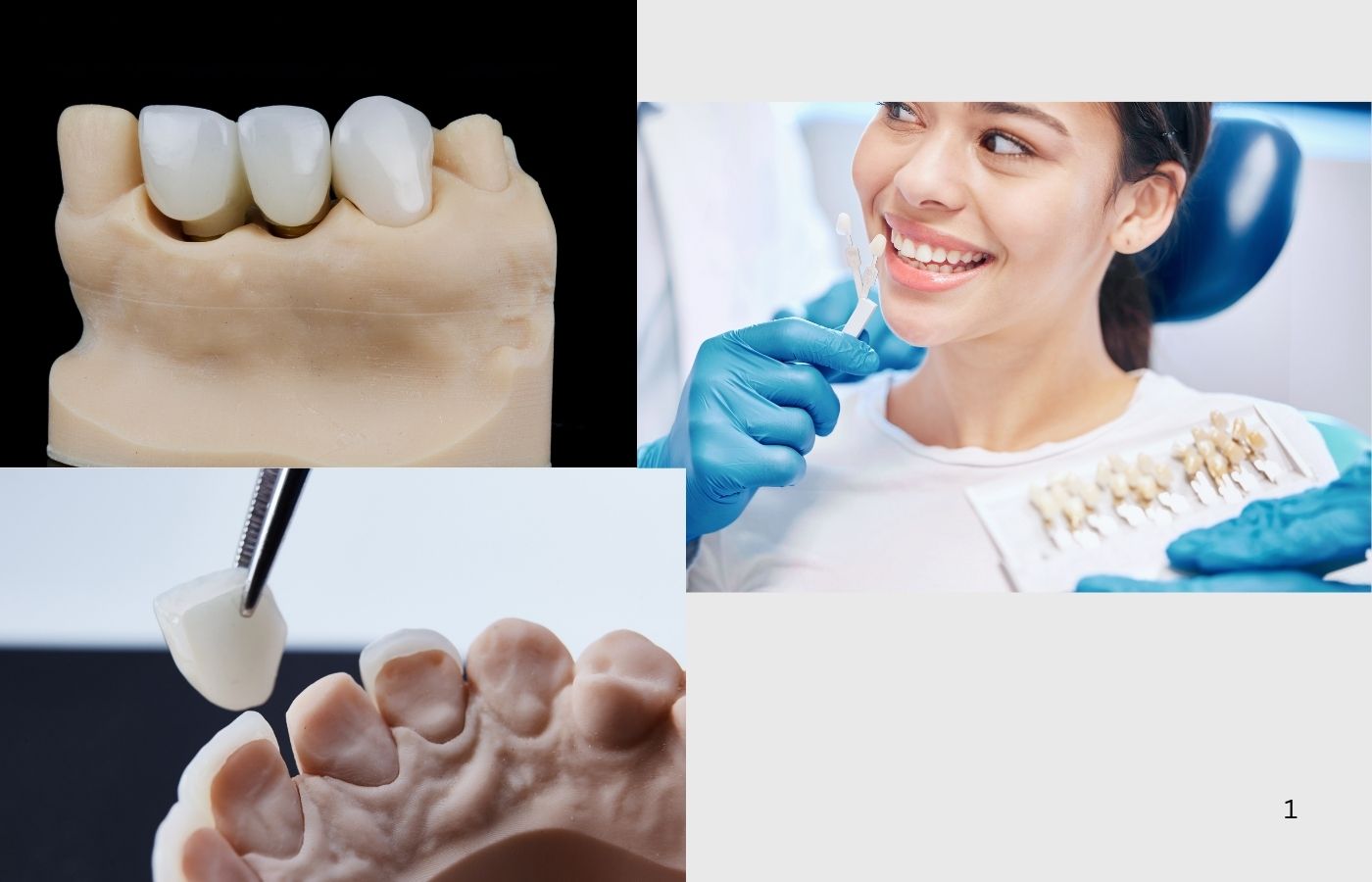
Once reshaped, a digital scan or a putty-like material is used to take a precise impression of the prepared tooth and the opposing teeth. This ensures your crown fits and bites perfectly.
Step 4: Temporary Crown Placement
While your permanent crown is being fabricated in a dental lab (which takes 1-2 weeks), a temporary crown is placed using a temporary dental adhesive for crowns. This protects the prepared tooth.
Step 5: Permanent Crown Cementation
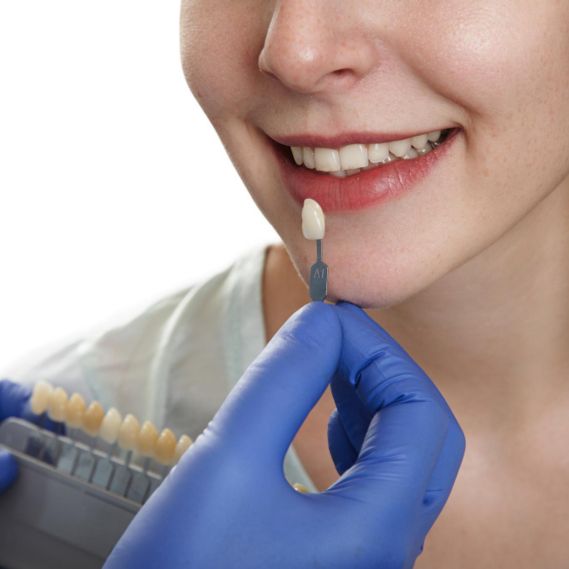
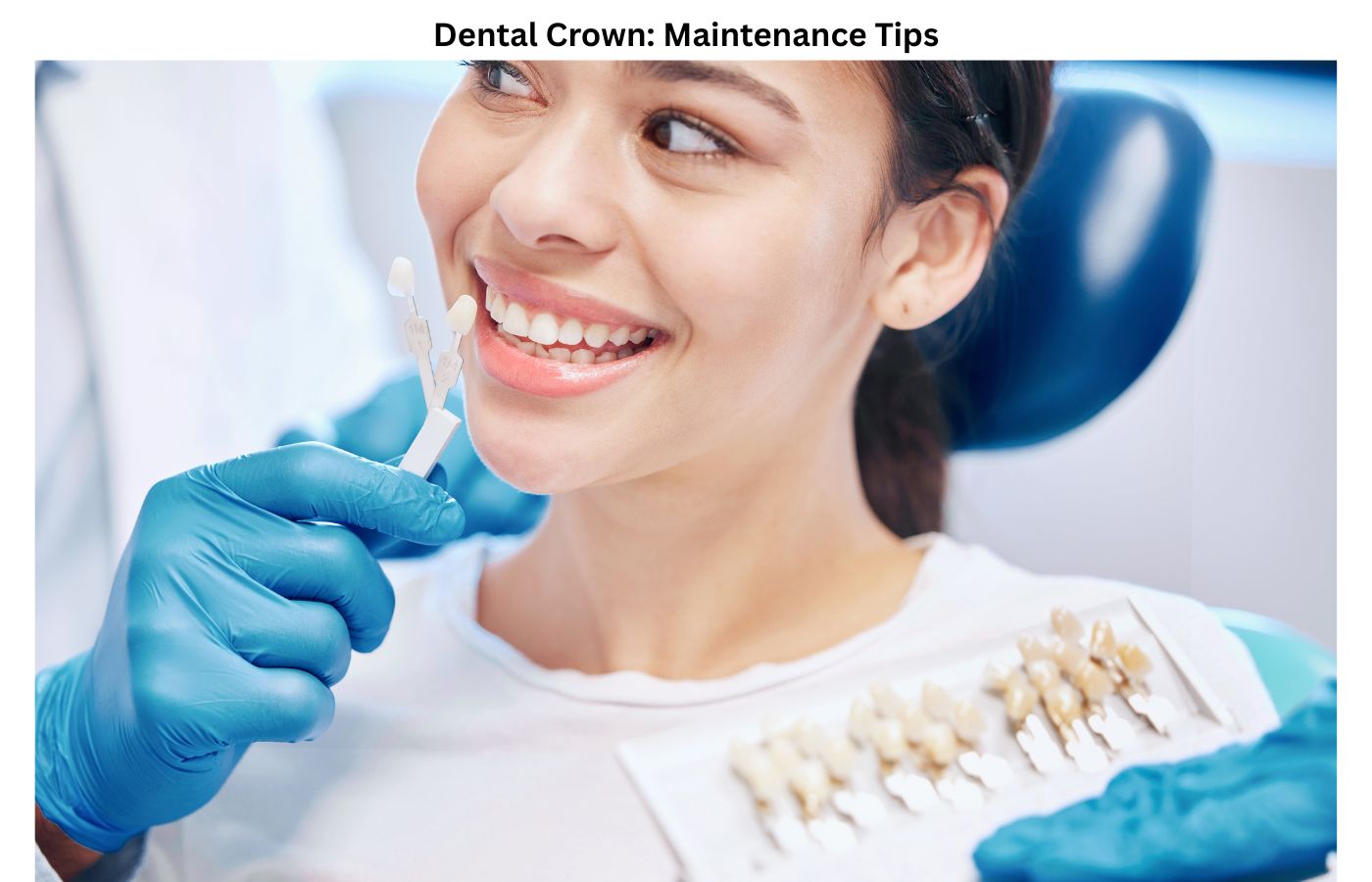
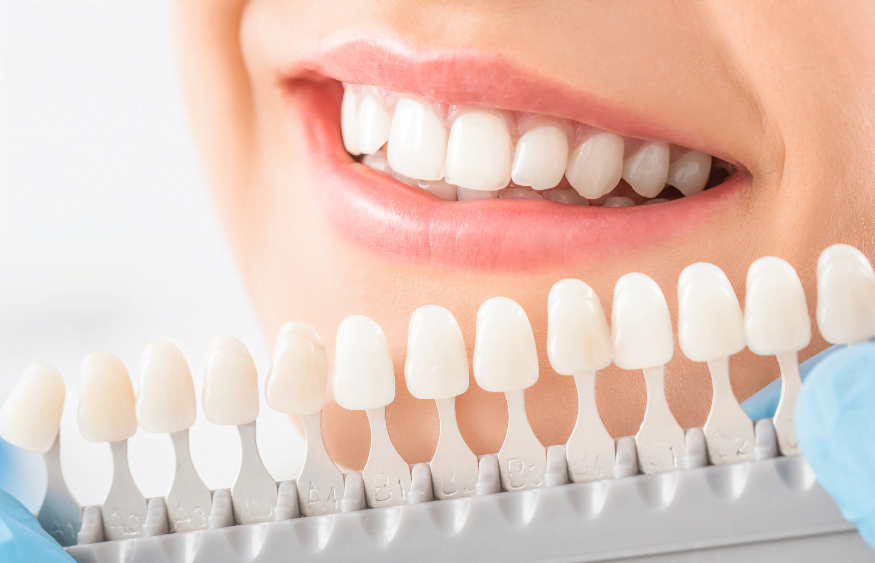
At your second visit, the temporary crown is removed. The dentist checks the fit, shape, and color of the permanent crown. Once approved, the tooth is cleaned, and the crown is permanently fixed using a strong dental glue for crowns (permanent dental cement).
Benefits & Why Choose a Dental Crown?
Restores Function: Allows you to chew and speak normally.
Protects Weak Teeth: Prevents a cracked or decayed tooth from breaking.
Cosmetic Enhancement: Covers severely discolored or misshapen teeth.
Long-Lasting Solution: With proper care, crowns last 10-15 years or more.
Supports Dental Structures: Holds a dental bridge in place or covers a dental implant.
Comparison: Diagnosis, Comfort & Costing
| Aspect | Traditional Crowns (Porcelain-fused-to-Metal) | Same-Day CEREC Crowns (Ceramic) | Gold or Metal Alloy Crowns |
|---|---|---|---|
| Diagnosis & Process | Requires two visits, lab fabrication. | Single visit; designed/milled in-office. | Two visits, lab fabrication. |
| Comfort | Excellent long-term comfort; temporary crown needed. | Highest immediate comfort; no temporary. | Very comfortable; excellent fit. |
| Costing (Approx.) | Mid-range cost. | Higher cost due to technology. | High cost (gold), moderate (alloy). |
| Best For | Back teeth needing strength & aesthetics. | Patients seeking convenience, front/back teeth. | Back molars where strength is paramount. |
The Critical Role of Dental Adhesive for Crowns
The longevity of your crown dental work heavily depends on the dental cement for crowns. This dental adhesive creates a tight seal, preventing bacteria from leaking underneath and causing new decay.
Temporary Cement: Allows for easy removal at the next appointment.
Permanent Dental Cement: Forms an incredibly strong, durable bond designed to last for years. The choice of adhesive is tailored to your specific clinical situation.
Conclusion with Diagnosis
The need for a crown is a common diagnosis for a structurally compromised tooth. It is a proactive treatment to save a tooth and prevent extraction. While the process involves an investment of time and money, the benefits of restored oral health, function, and confidence are significant.









.jpg "the best fix for a cracked tooth why dental crowns are the gold standard")
.jpg "rebuilding smiles how all-on-4® implants transform full-arch dental care")
.jpg "dental crowns")
.jpg "Dental Crowns")
.jpg "Dental Crowns")
.jpg "Dental Crowns")
.jpg "Dental Crowns")