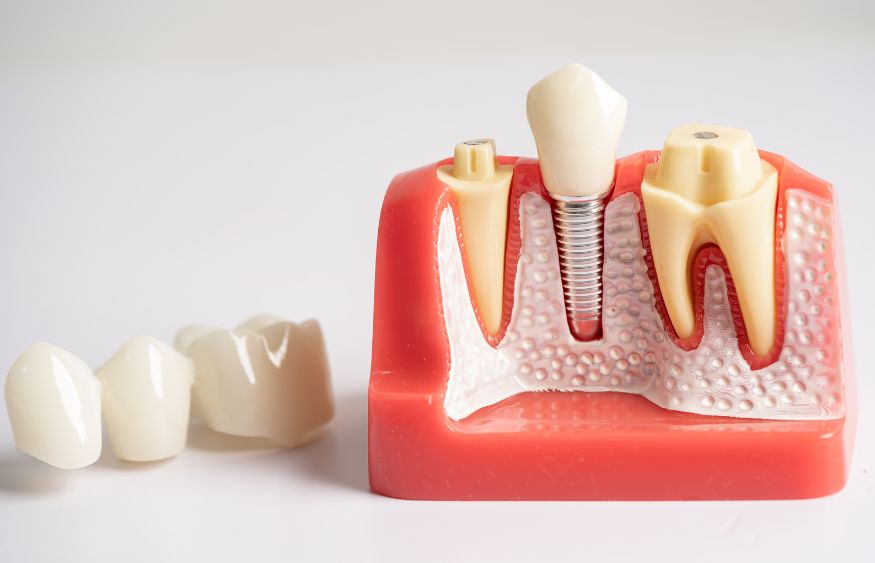
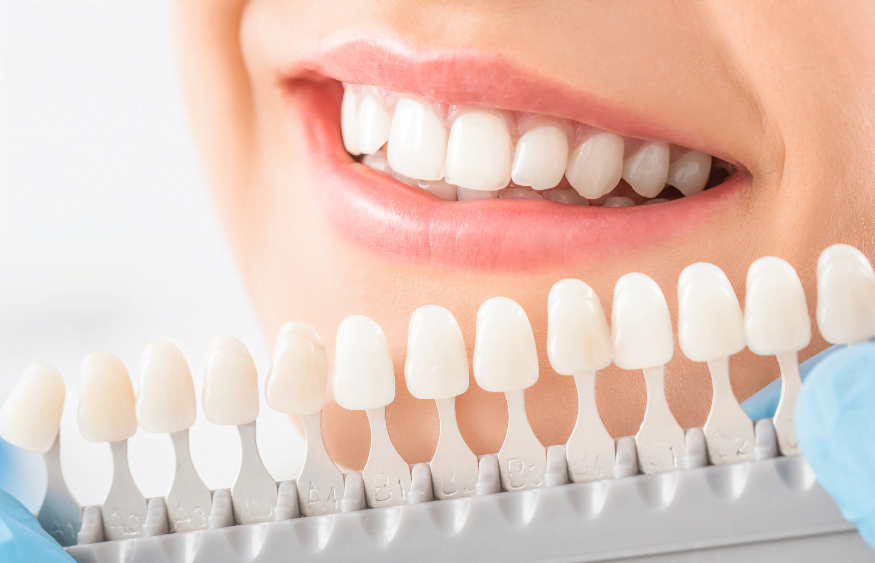
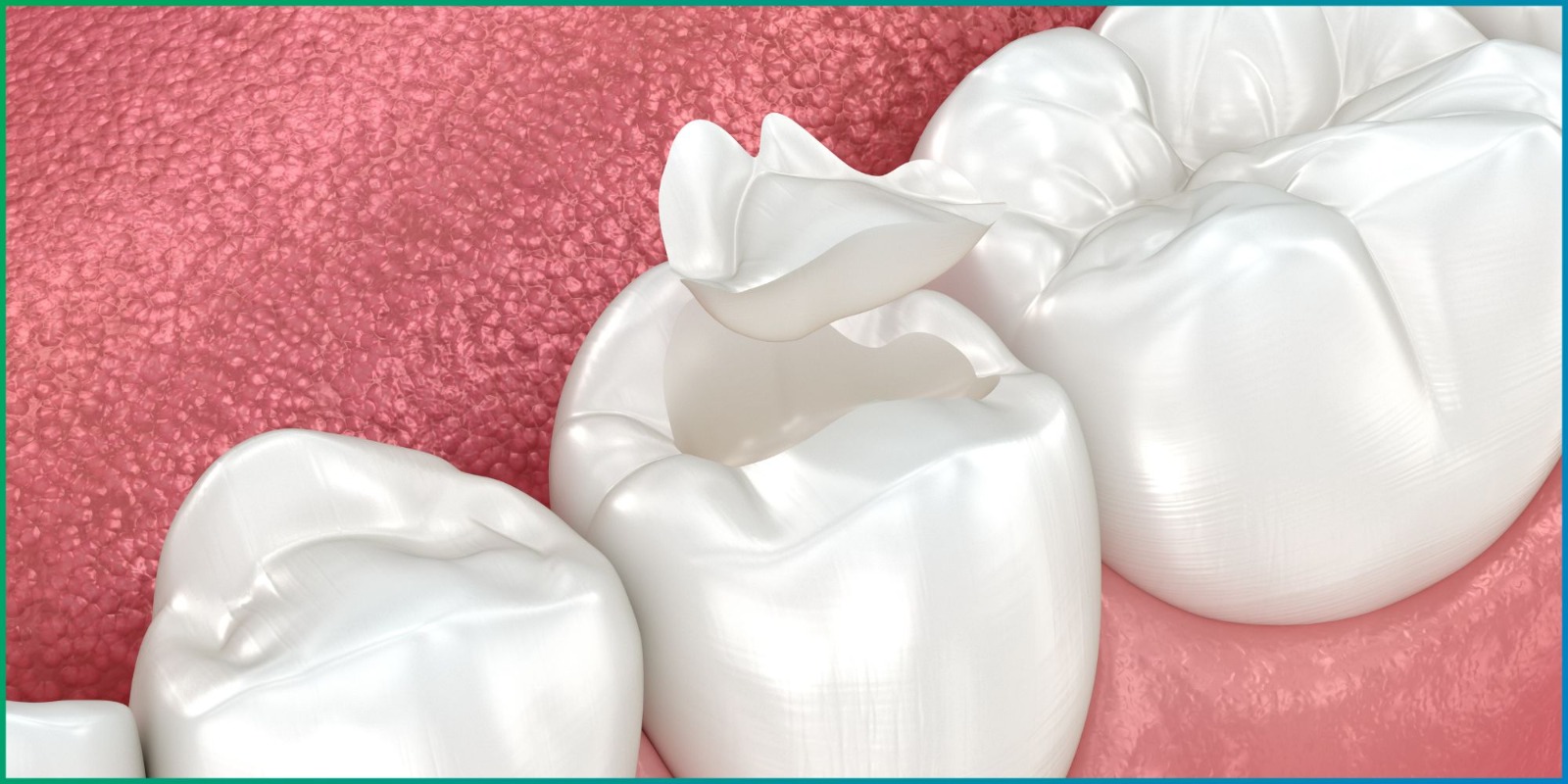
.jpg "Dental Crowns")
If you've been told you need a dental crown, you’re likely wondering about your options, costs, and where to find quality care. With terms like metal crowns, ceramic crowns, and zirconia crowns being used, it can be confusing to decide. This guide breaks down each type, comparing benefits, costs, comfort, and more, all from a diagnopein (diagnostic and patient-centric) perspective to help you make an informed choice for your smile and health.
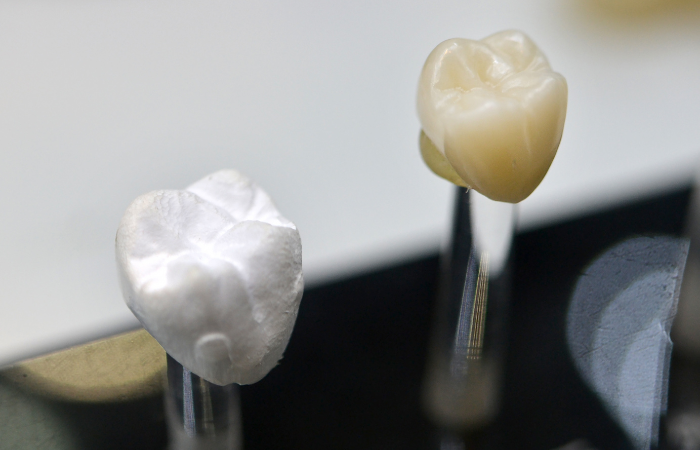
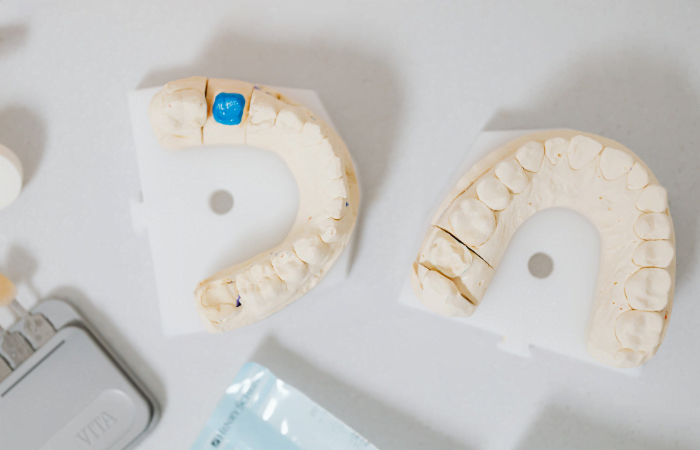
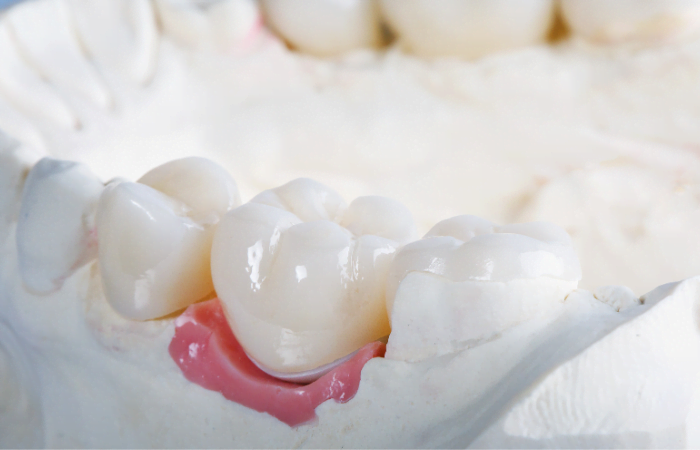
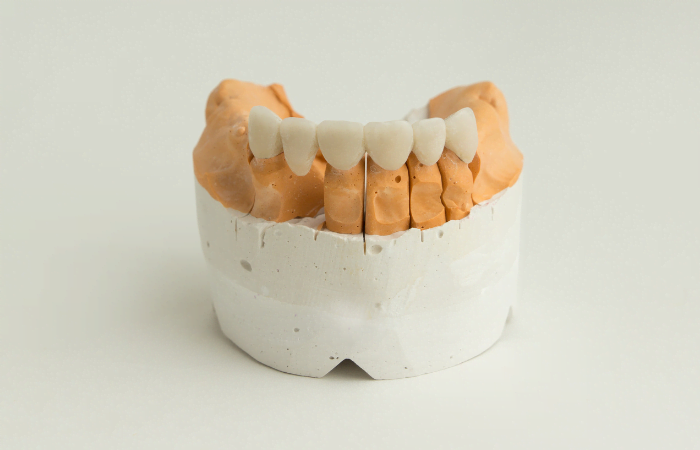
A dental crown is a tooth-shaped "cap" placed over a damaged tooth to restore its shape, size, strength, and appearance. Crowns are recommended for teeth that are broken, worn down, severely decayed, or after a root canal.
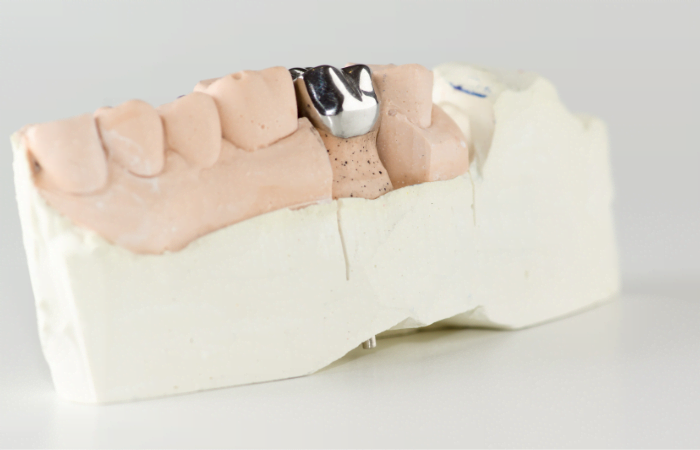
1. Metal Crowns
Diagnopein Insight: Known for unparalleled strength and durability.
Materials: Gold alloy, palladium, nickel, or chromium.
Benefits:
Extremely durable and long-lasting (often 20+ years).
Require minimal removal of tooth structure.
Withstand biting and chewing forces well.
Drawbacks: Metallic color is not aesthetic; potential for metal allergies (nickel).
Best For: Out-of-sight molars where strength is critical.
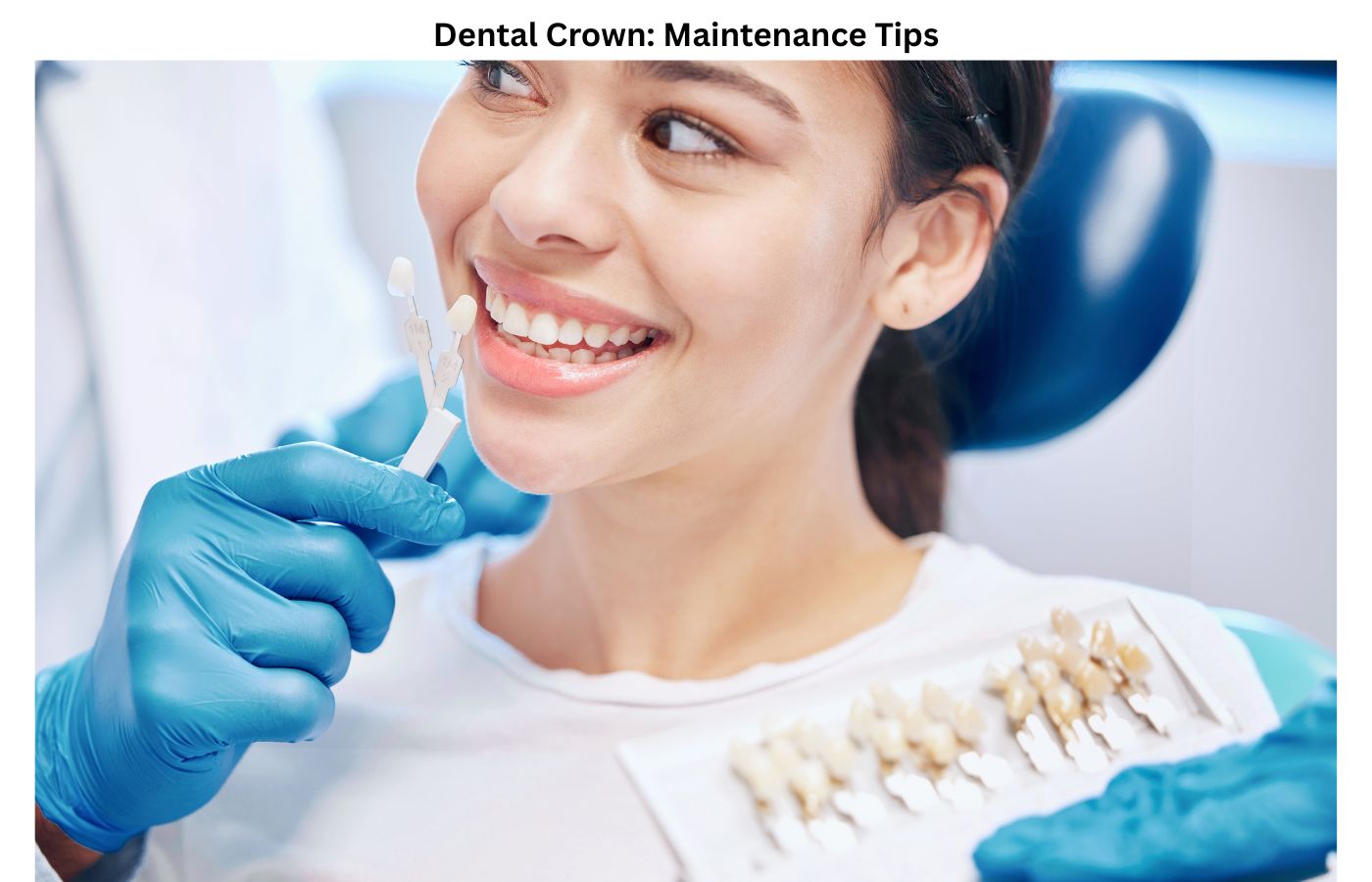
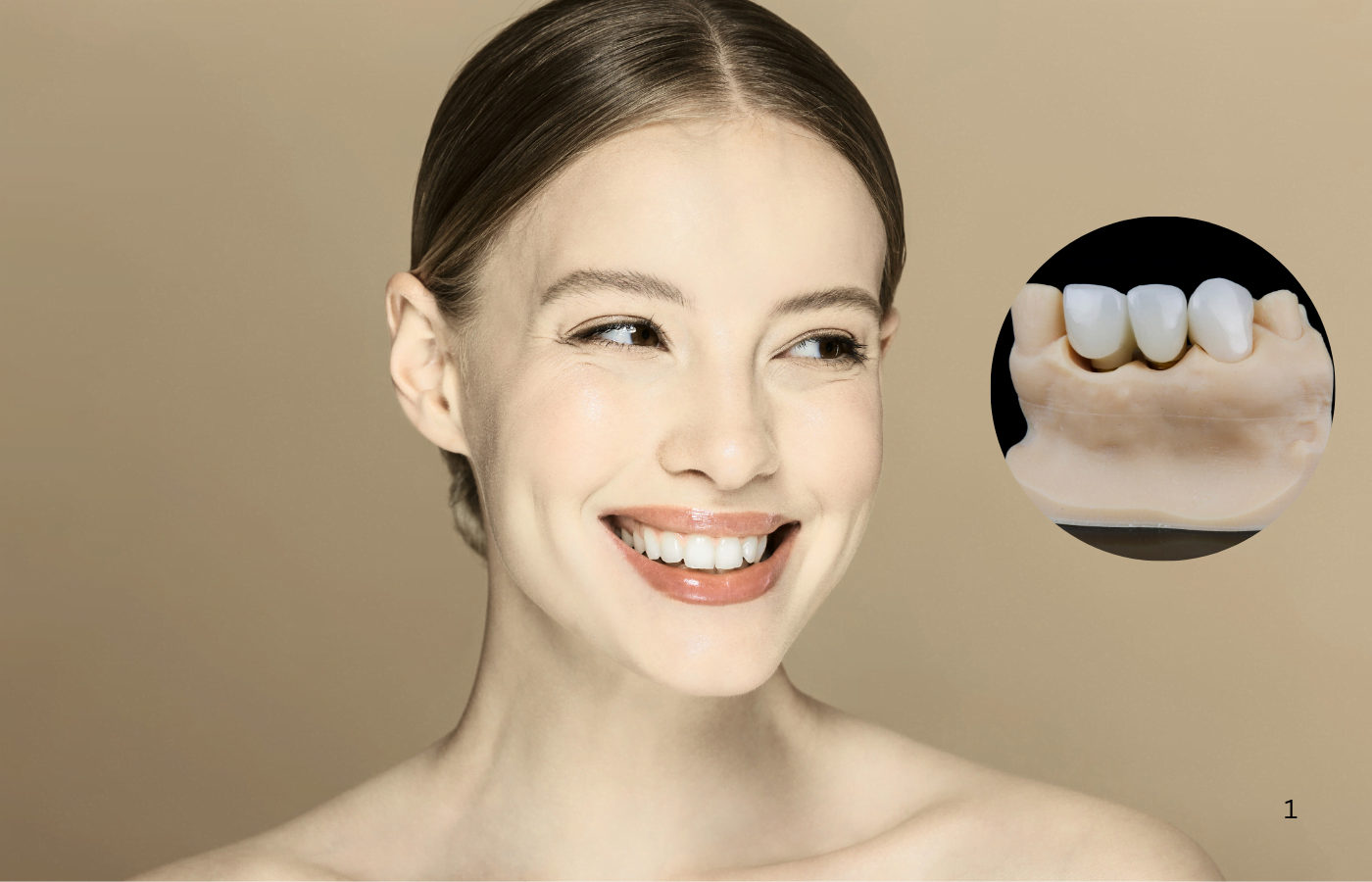
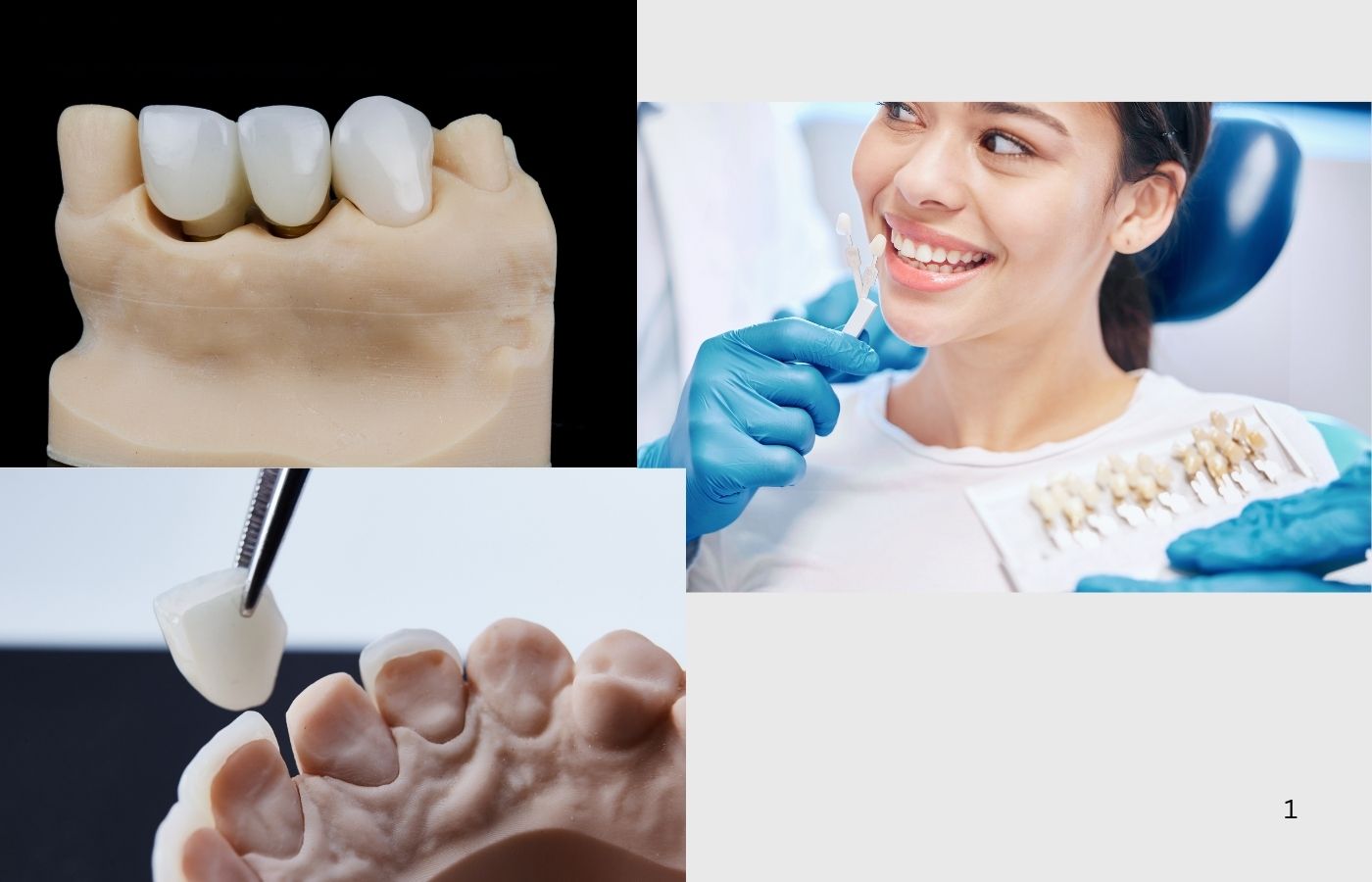
2. Ceramic / Porcelain Crowns
Diagnopein Insight: Prized for their natural, aesthetic appeal.
Materials: All-porcelain or porcelain-fused-to-metal (PFM).
Benefits:
Excellent natural color match; most aesthetically pleasing.
Biocompatible (less chance of gum irritation).
Drawbacks: Less strong than metal or zirconia; can wear opposing teeth slightly more.
Best For: Front teeth and visible areas where cosmetics are a priority.
3. Zirconia Crowns
Diagnopein Insight: The modern powerhouse—combining strength and aesthetics.
Materials: Zirconium dioxide, a very strong ceramic.
Benefits:
Exceptional strength and durability, comparable to metal.
Good aesthetics, though can be slightly less translucent than porcelain.
Can be crafted quickly (often with CAD/CAM technology).
Excellent biocompatibility.
Drawbacks: Can be harder, potentially causing more wear on opposing natural teeth.
Best For: Both front and back teeth; a superb all-rounder.
| Feature | Metal Crowns | Ceramic Crowns | Zirconia Crowns |
|---|---|---|---|
| Aesthetics | Poor | Excellent | Very Good |
| Durability | Excellent | Good | Excellent |
| Tooth Preparation | Minimal | Moderate | Moderate |
| Biocompatibility | Varies (risk of allergy) | High | Very High |
| Cost (Per Crown) | $800 - $1,500+ | $1,000 - $2,500+ | $1,200 - $2,800+ |
| Best Location | Molars | Front Teeth | All Teeth |
Comfort is paramount. Crowns should feel like your natural teeth.
Initial Sensitivity: Some sensitivity post-procedure is normal.
Fit & Feel: A well-fitted crown should not feel "high" or interfere with your bite. Zirconia and ceramic crowns often integrate very comfortably with the gum line.
Long-Term Comfort: Consider material hardness and how it affects opposing teeth. Your dentist will guide you based on your specific bite.
This is a crucial question. Most dental insurance plans provide coverage for crowns, but it's often at 50% of the cost, and only after your deductible is met. There may also be waiting periods and restrictions on material type (e.g., only covering PFM instead of all-ceramic). Always check with your provider to understand your plan's specifics, annual maximums, and which dental crowns near me are in-network.
Choosing the right crown is a balance of science, aesthetics, and personal circumstance—a true diagnopein approach.
For absolute durability in back teeth: Consider metal crowns.
For the most natural-looking front teeth: Ceramic crowns are outstanding.
For a perfect blend of strength, aesthetics, and versatility: Zirconia crowns are the modern gold standard.








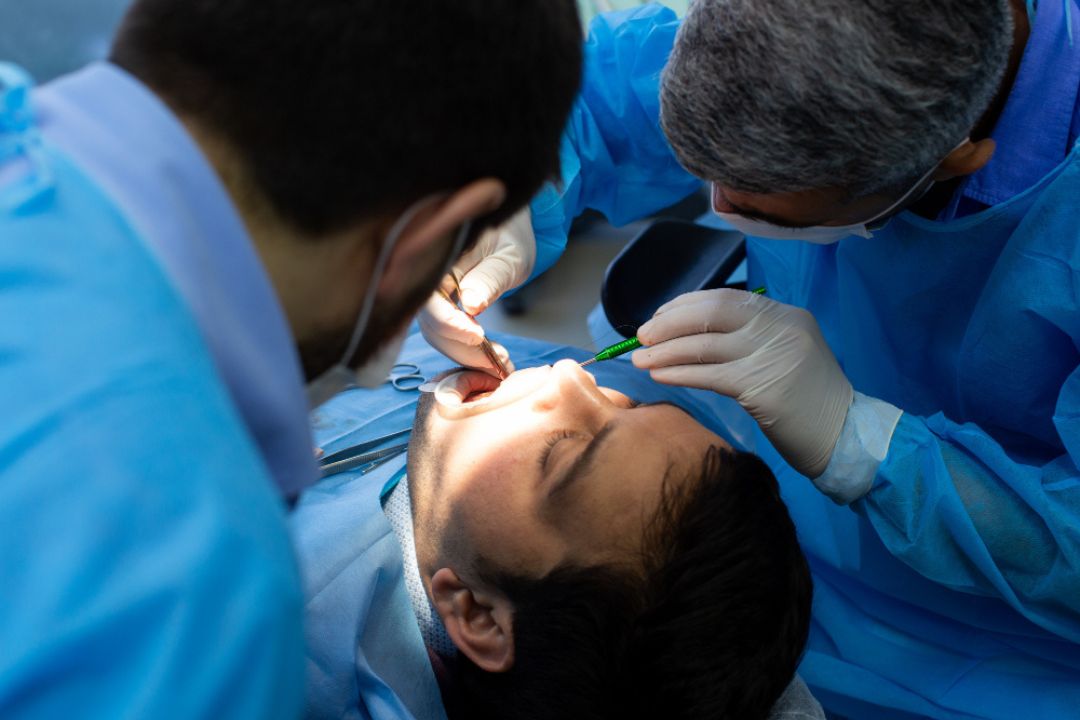
.jpg "the best fix for a cracked tooth why dental crowns are the gold standard")
.jpg "rebuilding smiles how all-on-4® implants transform full-arch dental care")
.jpg "dental crowns")
.jpg "Dental Crowns")
.jpg "Dental Crowns")
.jpg "Dental Crowns")