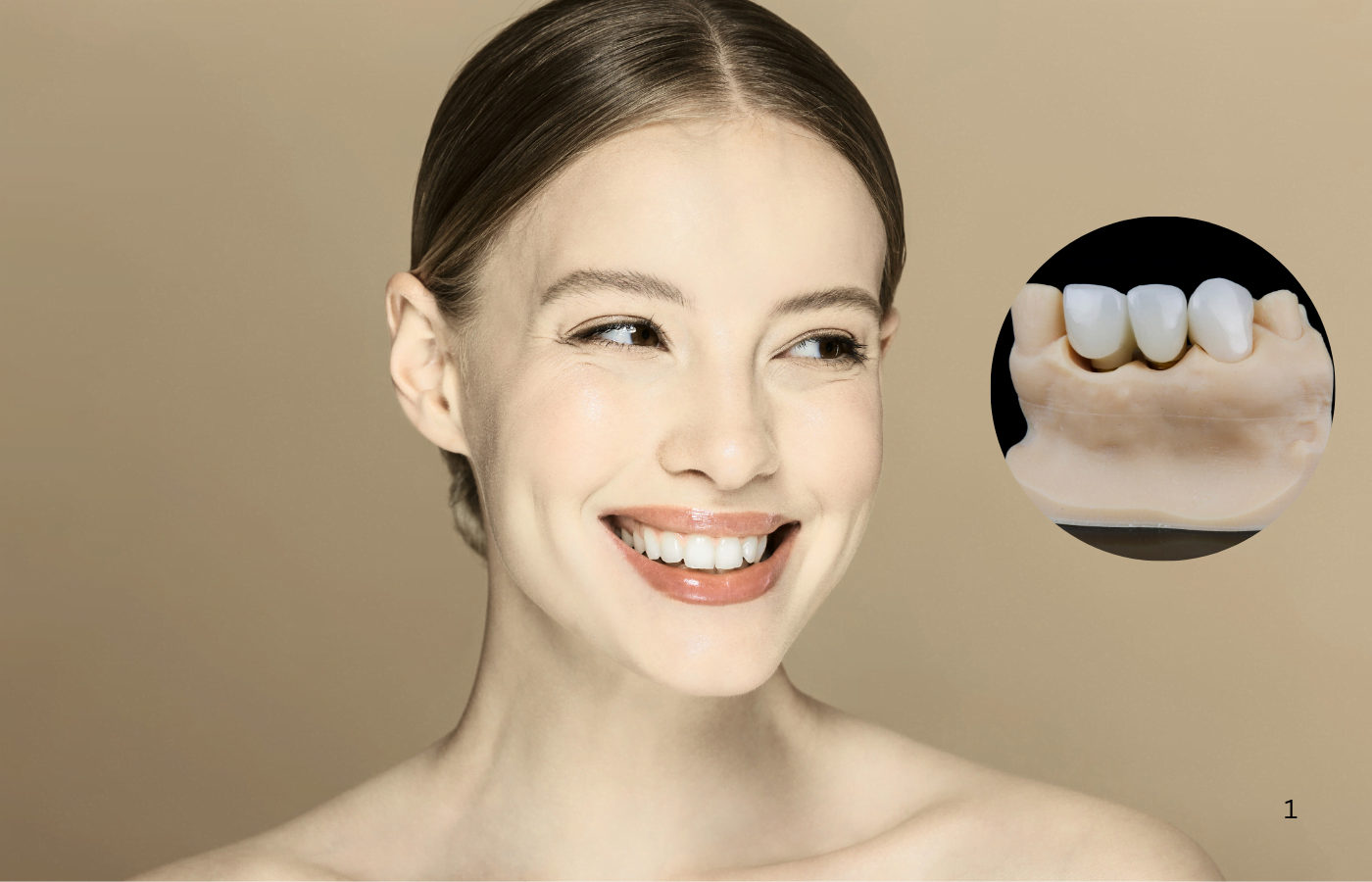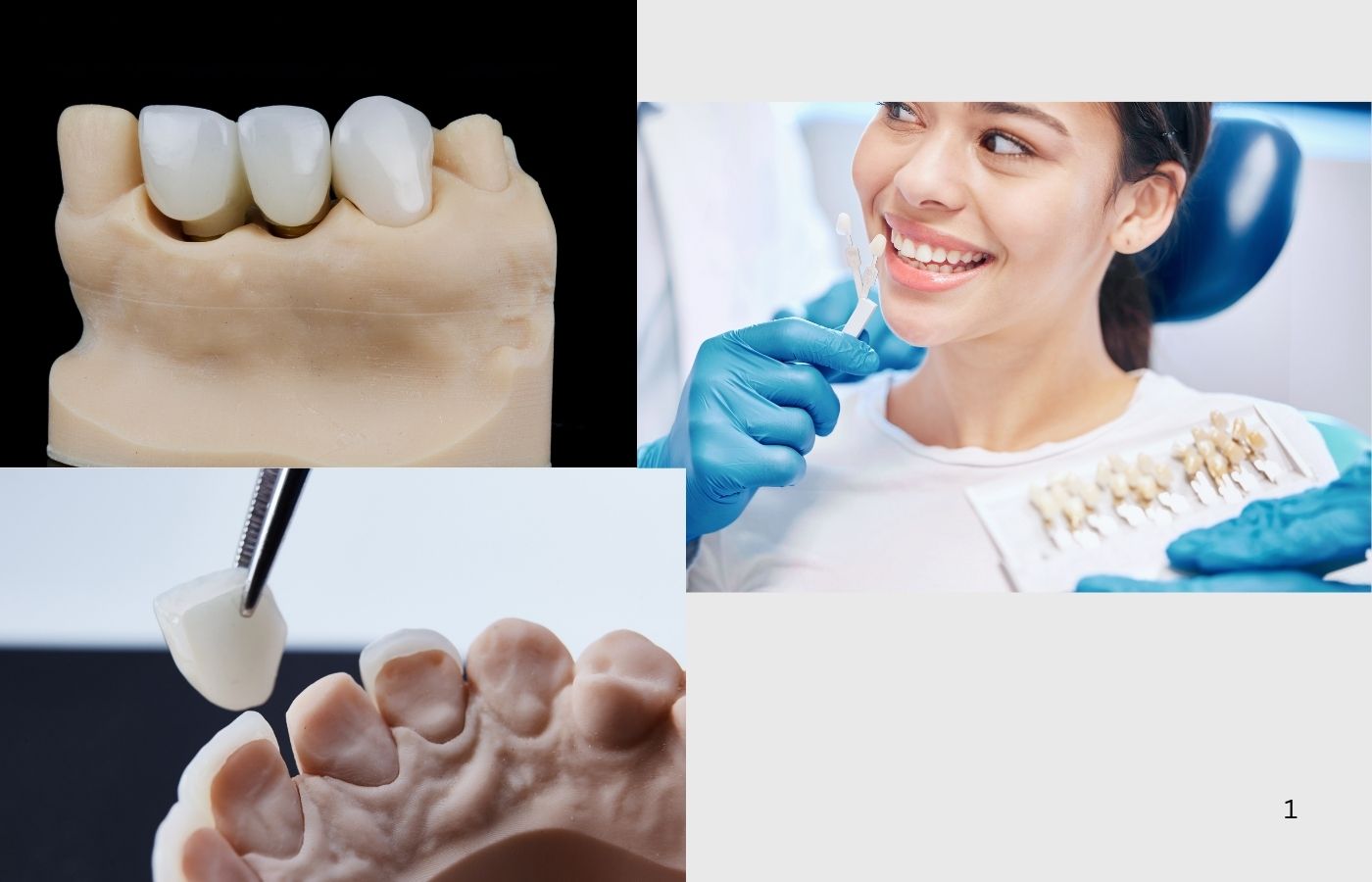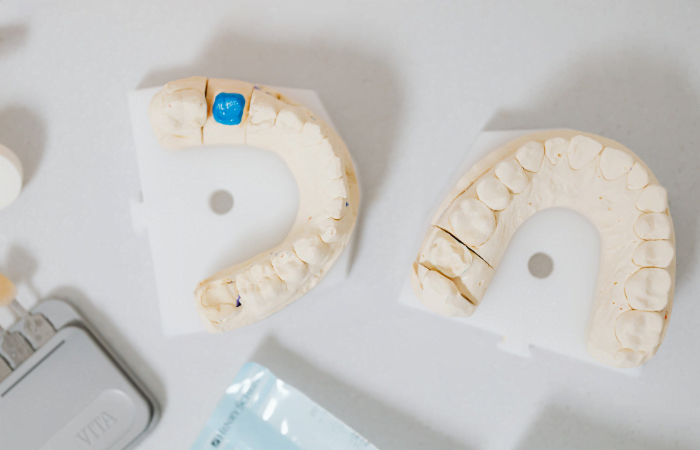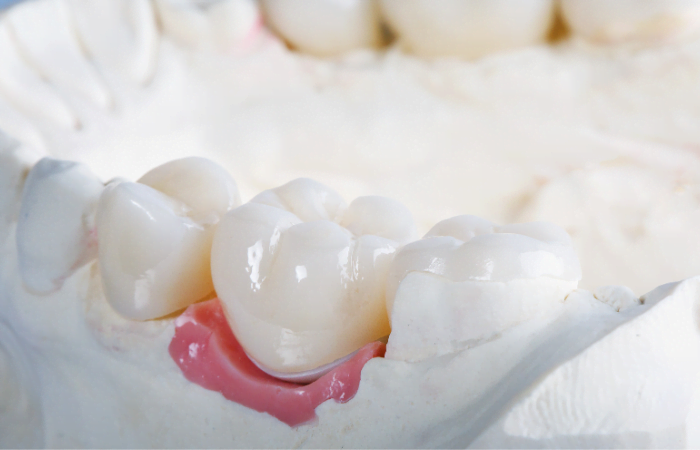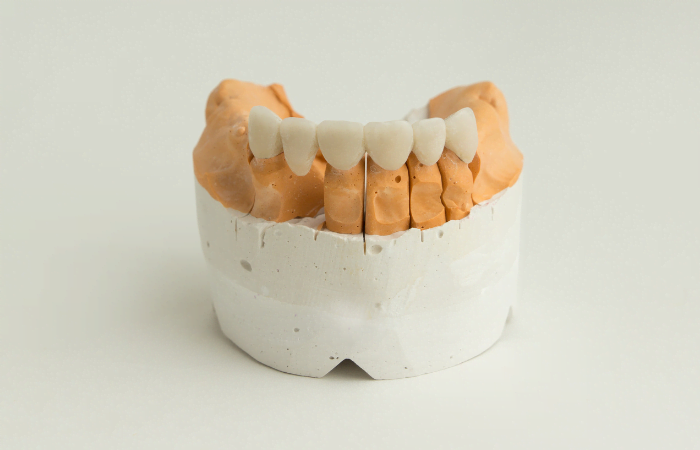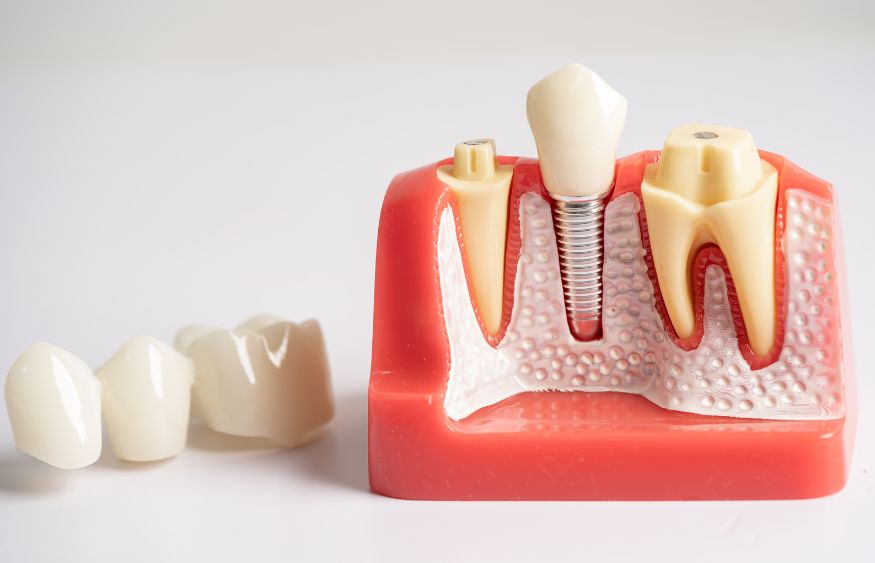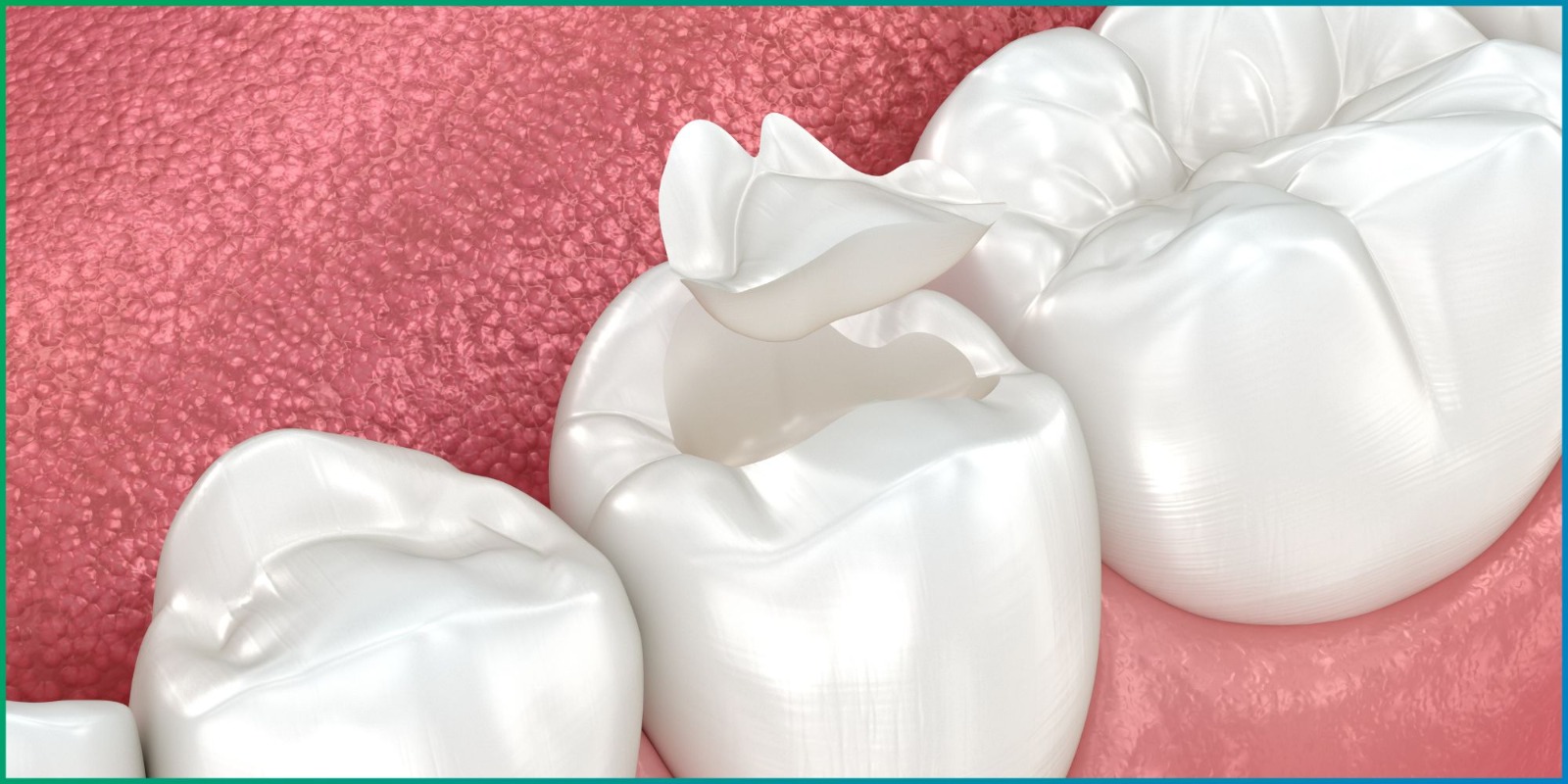
ceramic dental crown is a tooth-shaped cap placed over a damaged or weak tooth to restore its shape, strength, and appearance. Made entirely from tooth-colored ceramic material, it closely resembles natural ceramic teeth , making it ideal for front and visible teeth.
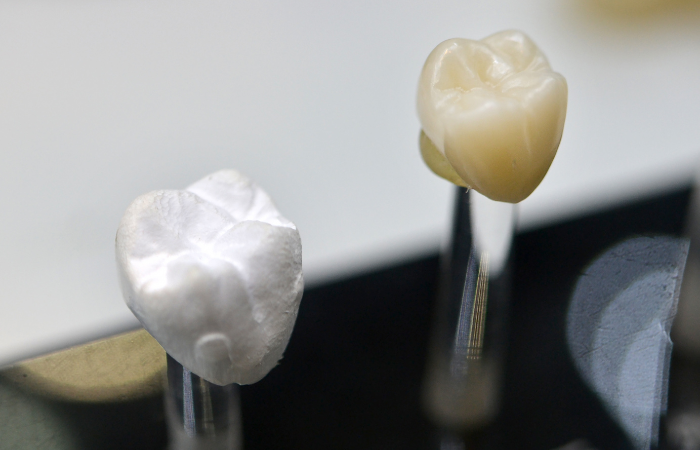
A ceramic crown tooth is a tooth-shaped cap placed over a prepared natural tooth. It fully covers the tooth to restore its shape, strength, and color. A ceramic teeth cap is crafted entirely from ceramic or porcelain ceramic material, ensuring excellent translucency and realism.
Unlike traditional crown materials, ceramic crowns do not contain metal, reducing the risk of allergic reactions and gum irritation.
The preparation for ceramic dental crown differs slightly from metal or porcelain-fused-to-metal crowns due to its aesthetic requirements.
Step 1: Tooth Examination
Your dentist examines the tooth using X-rays to check decay, fractures, or nerve damage. If infection is present, root canal treatment may be needed before placing the ceramic crown.
Step 2: Tooth Shaping (Contrast Explained)
For ceramic dental crown, more precise tooth reduction is required compared to metal crowns.
Ceramic needs uniform thickness for strength and appearance.
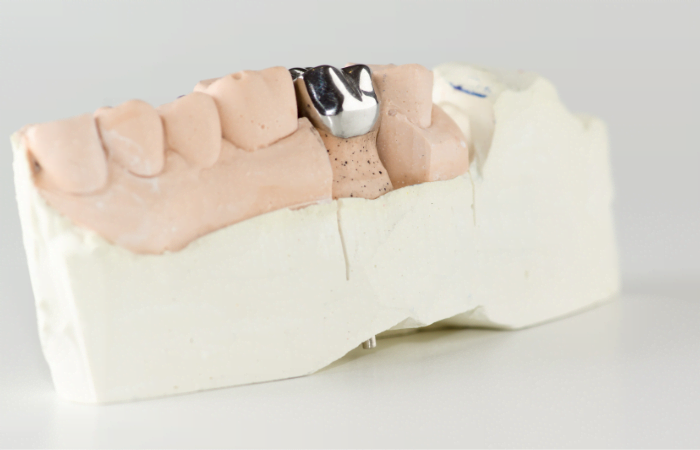
Metal crowns require less reduction, but ceramic crowns demand accuracy for durability.
This contrast ensures that ceramic crown tooth looks natural and functions perfectly.
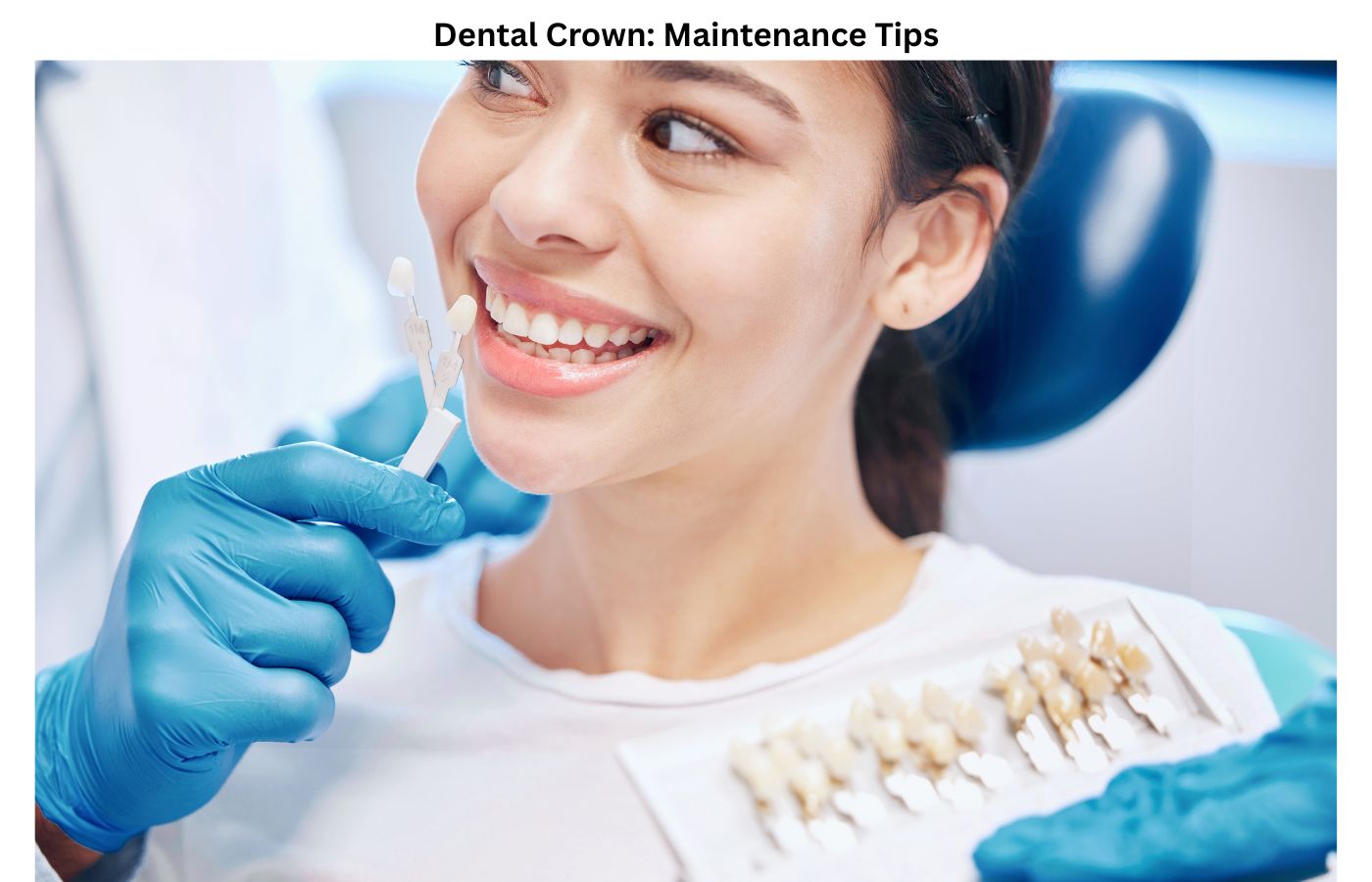
Step 3: Impression & Shade Matching
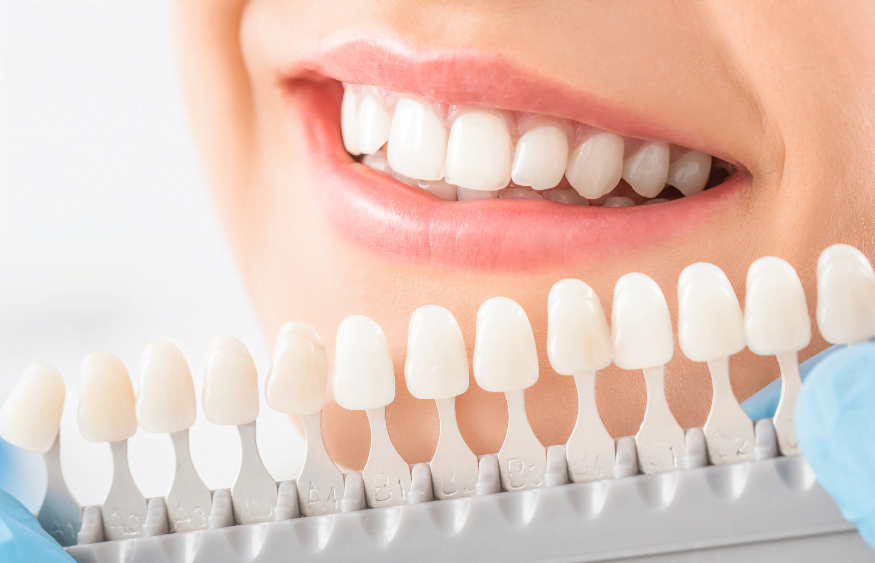
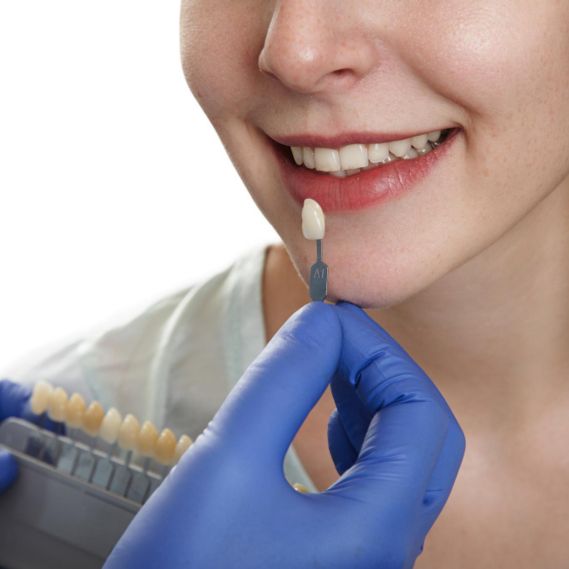
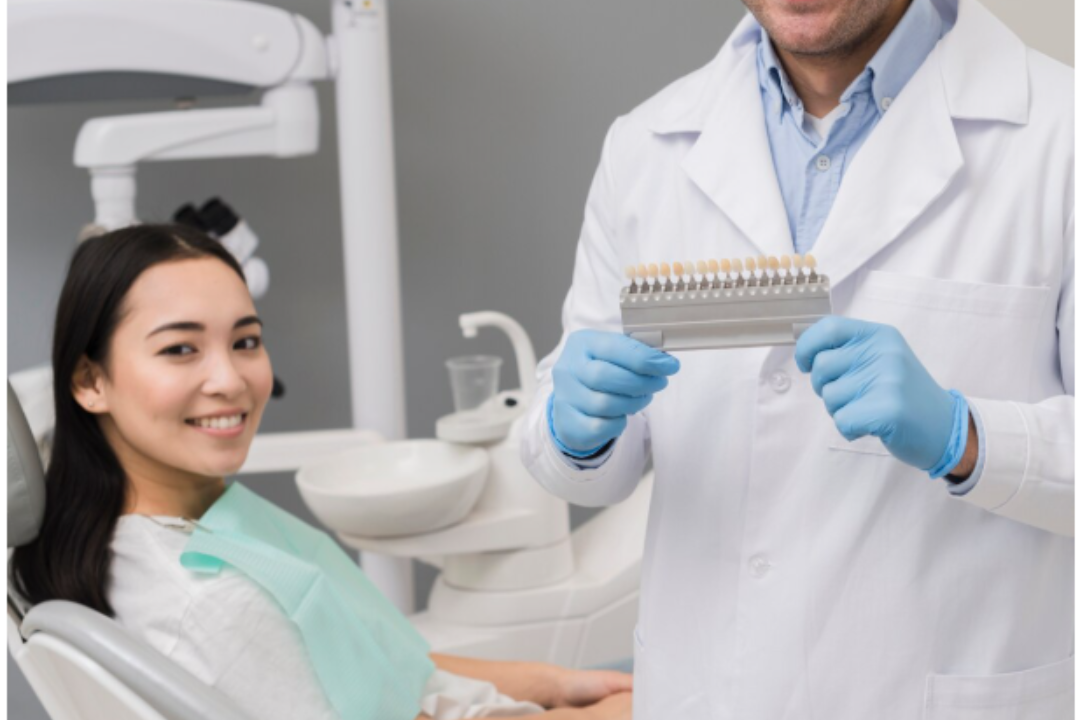
A digital or physical impression is taken. Shade selection is crucial because ceramic teeth are designed to blend seamlessly with surrounding teeth, unlike metal crowns that can appear artificial.
Step 4: Temporary Crown
A temporary crown is placed to protect the tooth while the permanent porcelain ceramic crown is fabricated in the lab.
Step 5: Final Placement
Once ready, the dentist bonds the permanent all ceramic crown, adjusts bite alignment, and polishes it for comfort.
Choosing a ceramic dental crown offers multiple advantages:
Natural Appearance: Matches real enamel better than metal crowns
Metal-Free: Ideal for patients with metal sensitivity
Gum-Friendly: Reduces irritation and dark gum lines
Durability: Strong enough for daily chewing
Confidence Boost: Enhances smile aesthetics
These benefits make ceramic teeth a preferred option for front and visible teeth.
The ceramic crown cost depends on several factors such as clinic location, dentist expertise, and crown type.
Average Ceramic Crown Cost Factors
Type of ceramic crown
Lab technology used
Tooth position
Custom shade matching
The ceramic tooth cap price is generally higher than metal crowns due to superior aesthetics and material quality.
The crown porcelain ceramic cost includes:
Advanced ceramic materials
Digital scanning technology
Skilled craftsmanship
Natural shade layering
A porcelain ceramic crown delivers unmatched realism compared to traditional options.







.jpg "the best fix for a cracked tooth why dental crowns are the gold standard")
.jpg "rebuilding smiles how all-on-4® implants transform full-arch dental care")
.jpg "dental crowns")
.jpg "Dental Crowns")
.jpg "Dental Crowns")
.jpg "Dental Crowns")
.jpg "Dental Crowns")