.jpg "Dental Crowns")
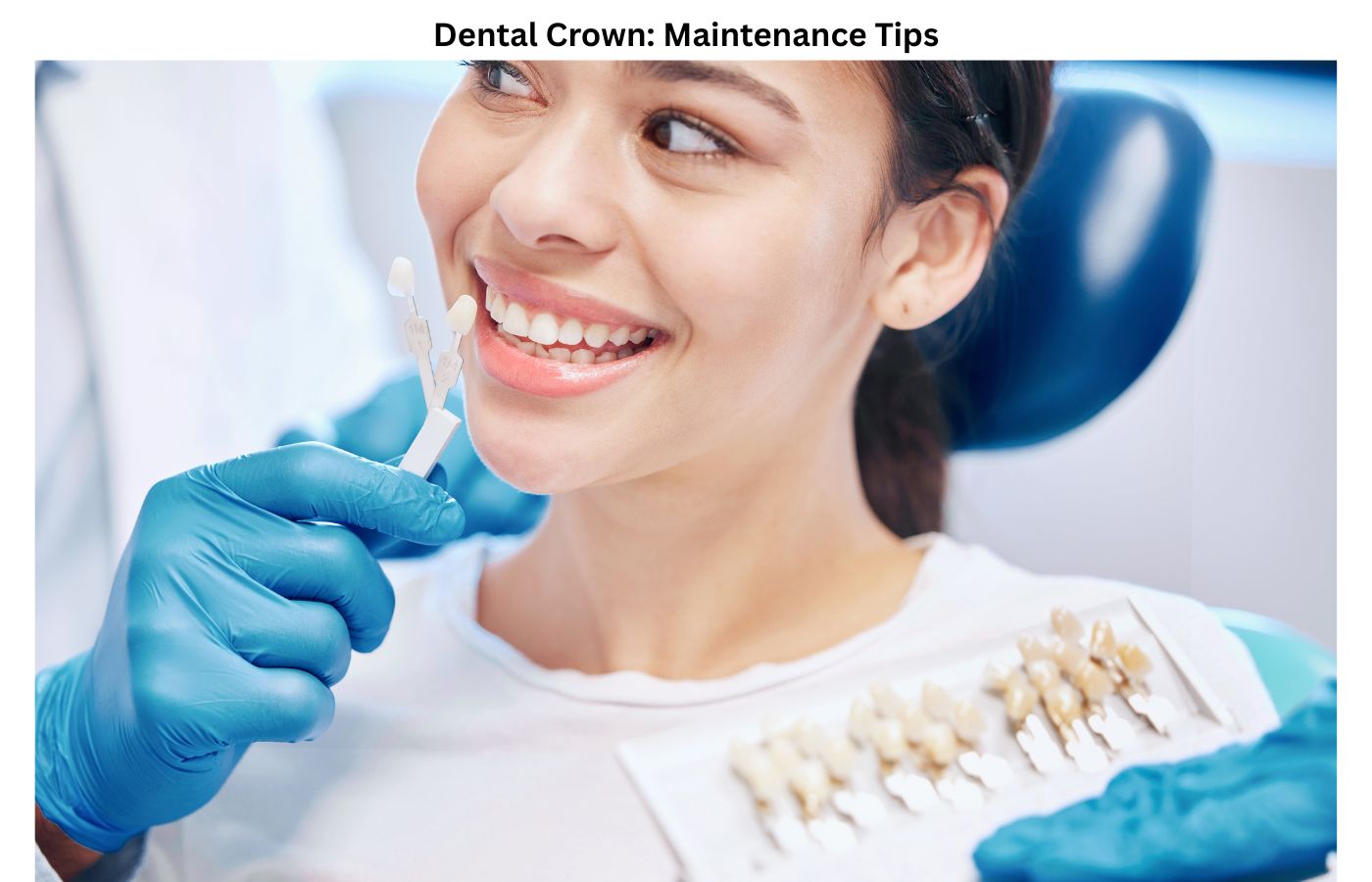
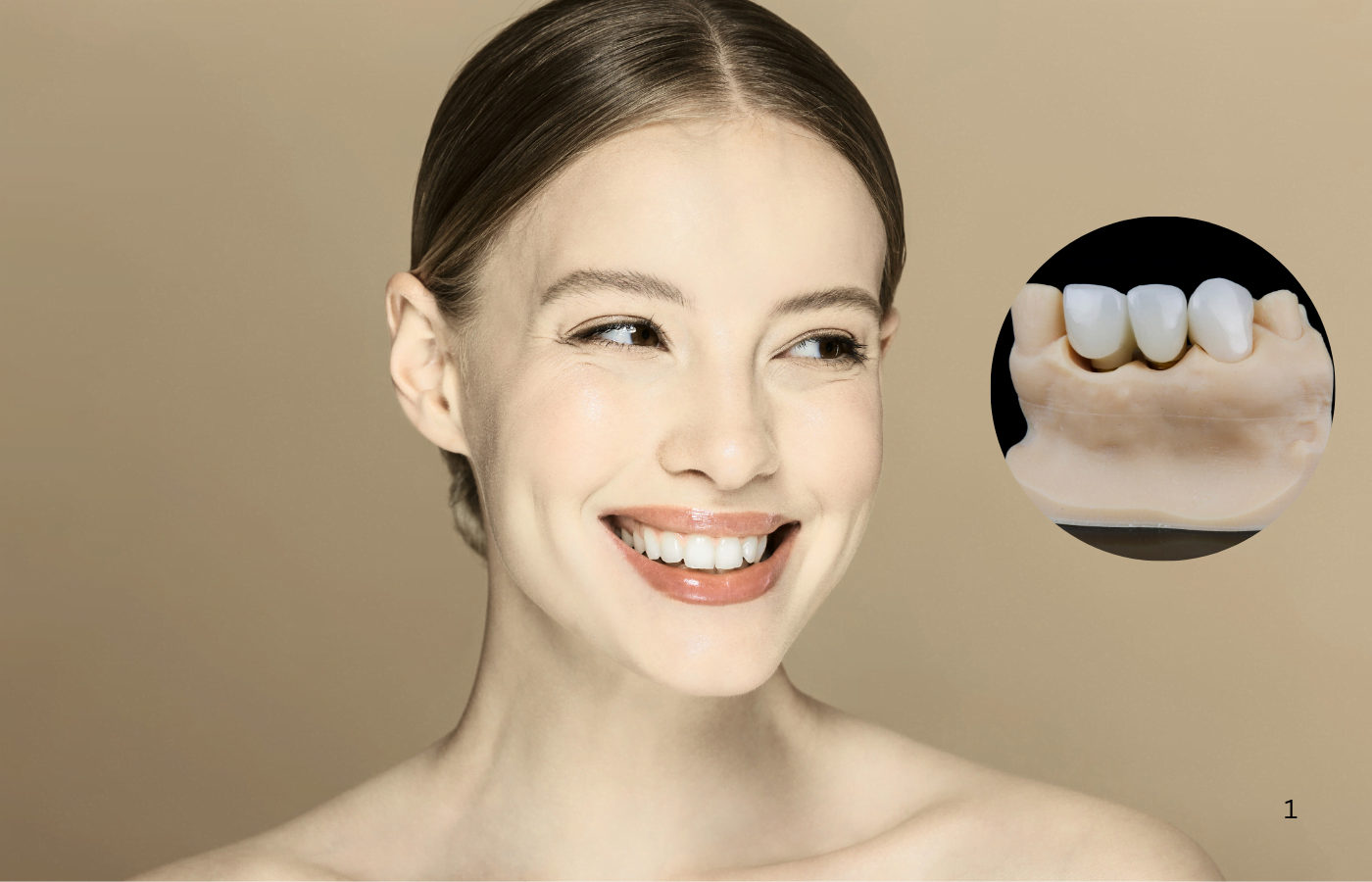
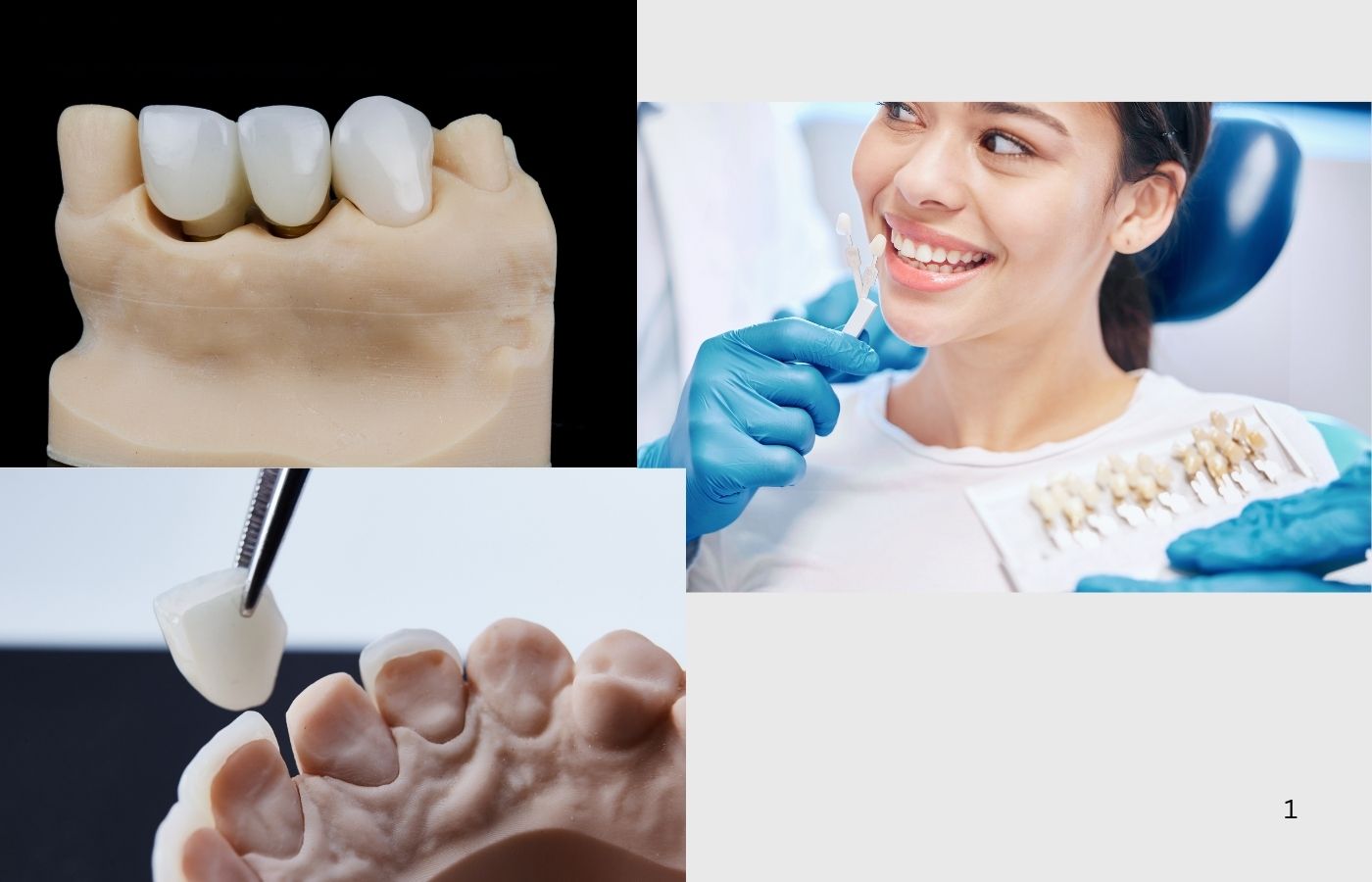
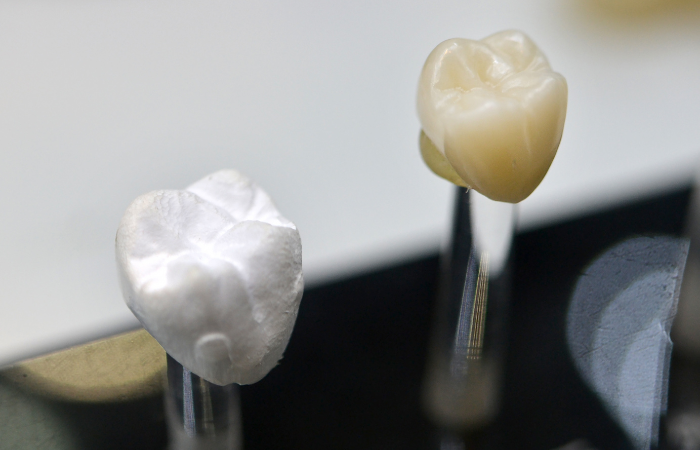
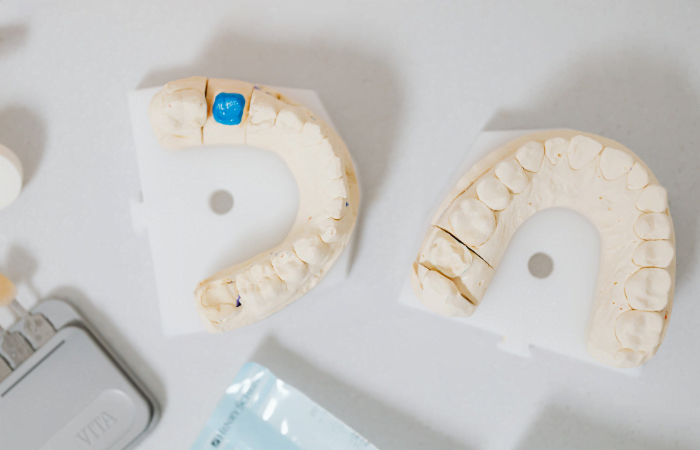
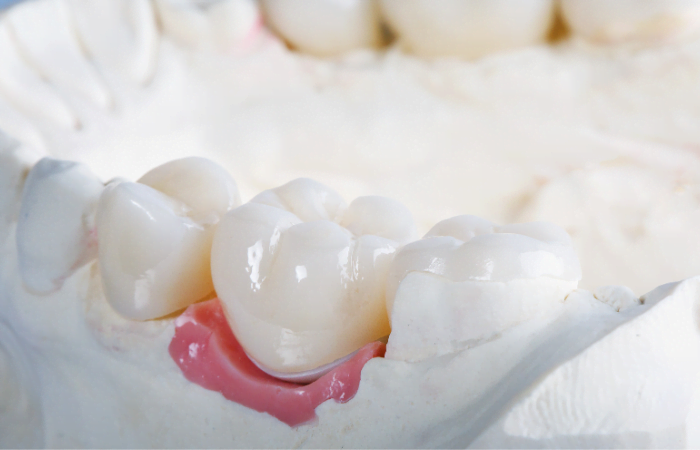
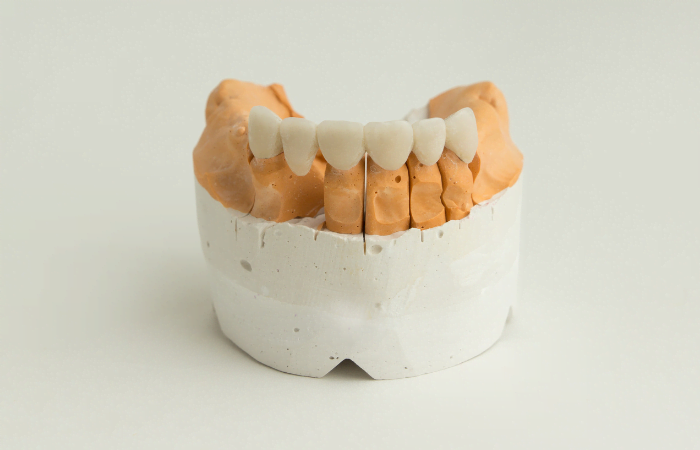
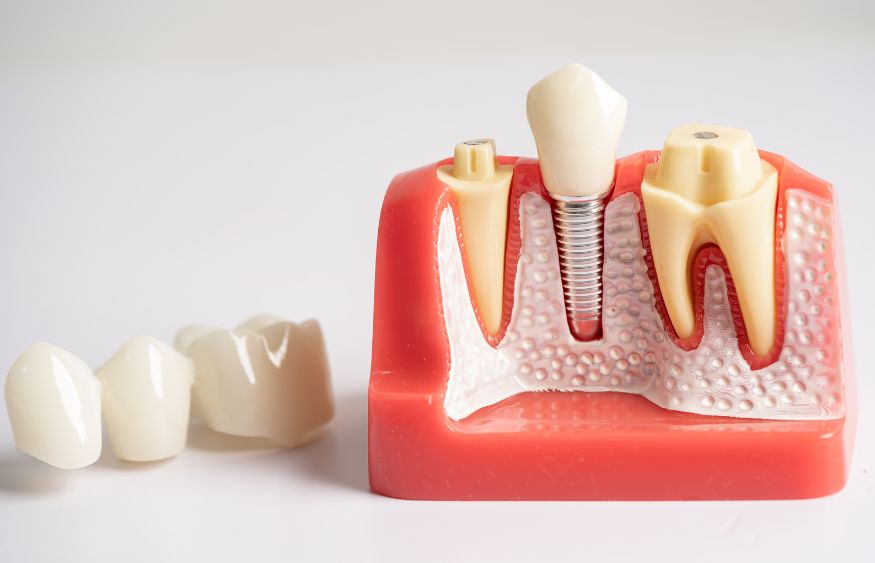
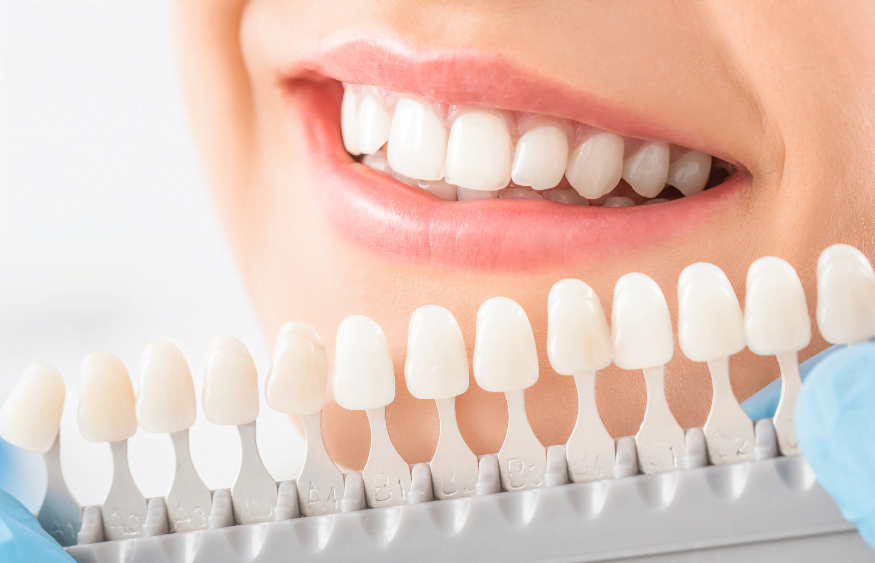
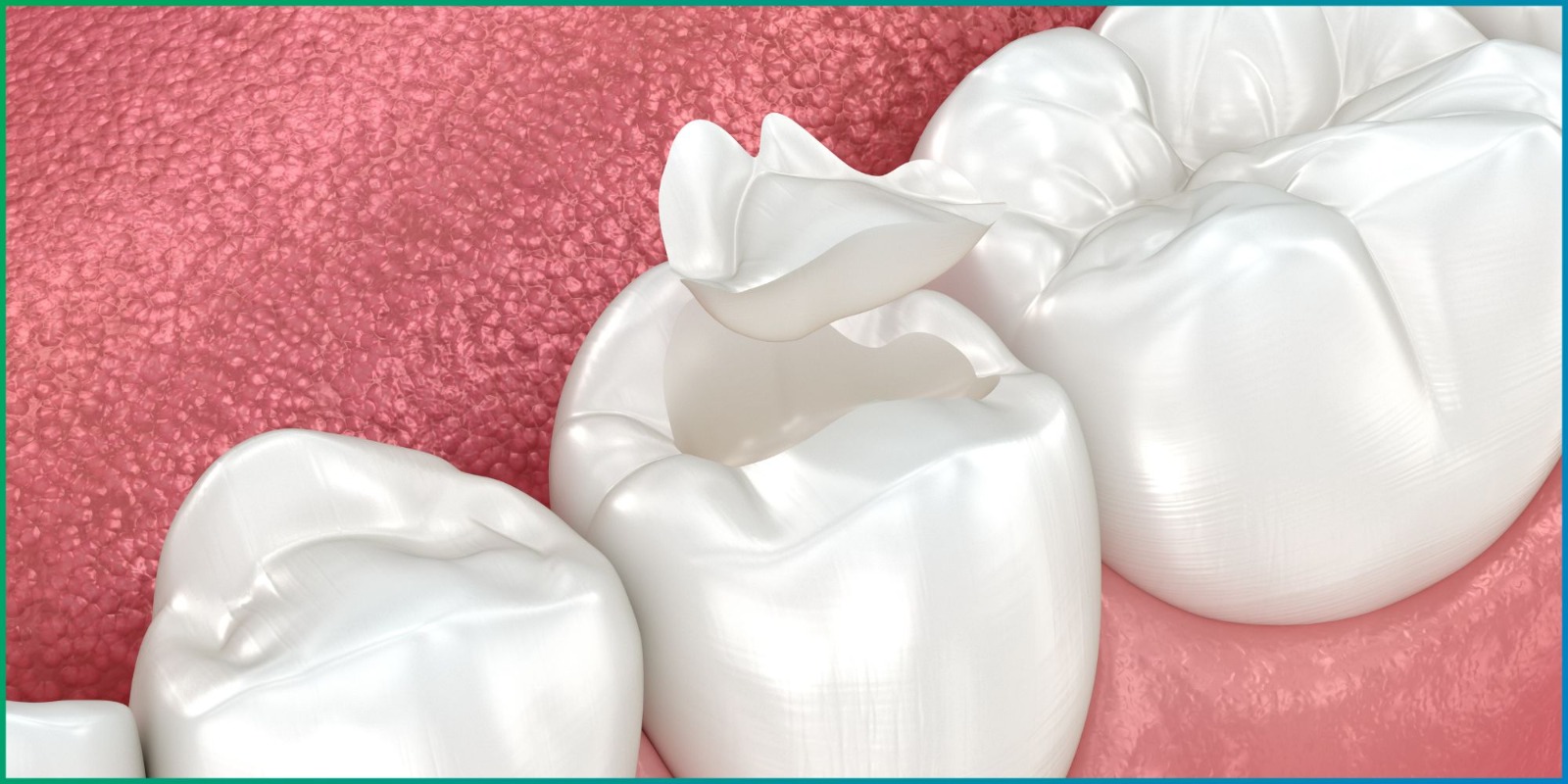
If you're searching for "best dental crown treatment near me," you've come to the right resource. A dental crown (also called a "cap") is a custom-made restoration that covers a damaged tooth to restore its shape, size, strength, and appearance. Whether you need a crown due to decay, a cracked tooth, or after a root canal, understanding your options helps you make informed decisions about your oral health.
Types of Dental Crowns: A Detailed Comparison
Several crown materials are available, each with unique benefits:
1. Zirconia Dental Crowns
Comparison: More durable than porcelain-fused-to-metal (PFM) and all-ceramic crowns in high-pressure areas. Less abrasive to opposing teeth than traditional porcelain.
2. Porcelain-Fused-to-Metal (PFM) Crowns
Benefits: Strong due to metal substructure with natural-looking porcelain exterior.
Comparison: More affordable than zirconia but may show a dark gum line over time.
3. All-Ceramic or All-Porcelain Crowns
Comparison: Less strong than zirconia but superior aesthetics.
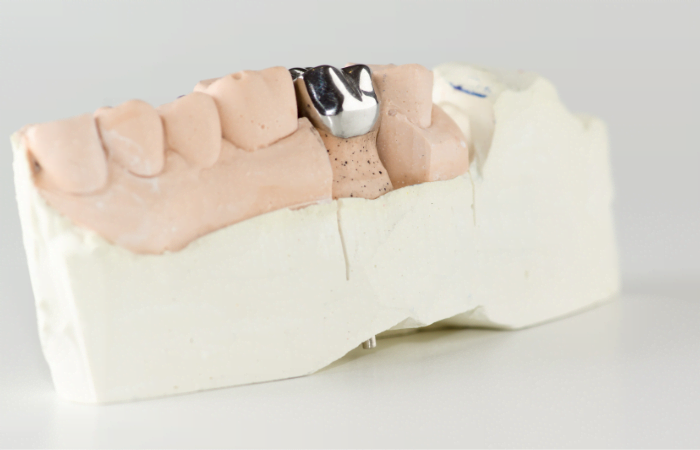
4. Metal Crowns (Gold or Silver Alloy)
Comparison: Longest-lasting but least aesthetic.
5. E-max (Lithium Disilicate) Crowns
Comparison: Stronger than all-porcelain but slightly less durable than zirconia for molars.
Dental Crown Procedure: Duration and Comfort
A typical dental crown procedure requires 2-3 visits over 2-3 weeks:
First Visit: Tooth preparation, impression, and placement of a temporary crown.
Laboratory Phase: Custom crown fabrication (1-2 weeks).
Second Visit: Removal of temporary crown and permanent crown placement using dental cement for crowns.
Dental Adhesives: Ensuring Your Crown Stays Secure
The longevity of your crown depends on proper placement with the right dental adhesive for crowns. Dentists choose from:
Resin-Based Dental Cement for Crowns: Strongest bond; ideal for all-ceramic and zirconia crowns.
Glass Ionomer Dental Glue for Crowns: Releases fluoride to protect against decay; easier removal if needed.
Zinc Phosphate Cement: Traditional option; proven reliability for decades.
Selecting "the best dental crown treatment near me" involves evaluating:
Expertise and Technology: Look for digital smile design, CAD/CAM same-day crowns, and experienced prosthodontists.
Material Options: A good clinic offers multiple crown types with clear explanations.
Patient Reviews: Check testimonials about comfort, durability, and natural appearance.
Warranty: Reputable practices offer guarantees on materials and workmanship.
Comprehensive Care: From initial consultation to follow-up, ensuring proper fit and bite alignment.
Finding the best dental crown treatment involves balancing factors like material durability (with zirconia dental crowns being a top choice for strength), aesthetic goals, and budget. Modern dental cement for crowns ensures secure, long-lasting placement. Whether you need a single crown or multiple restorations, consult with a qualified dentist who can guide you through material selection, the comfortable procedure, and aftercare. Investing in a quality dental crown not only restores function but also protects your oral health for years to come.






.jpg "the best fix for a cracked tooth why dental crowns are the gold standard")
.jpg "rebuilding smiles how all-on-4® implants transform full-arch dental care")
.jpg "dental crowns")
.jpg "Dental Crowns")
.jpg "Dental Crowns")
.jpg "Dental Crowns")