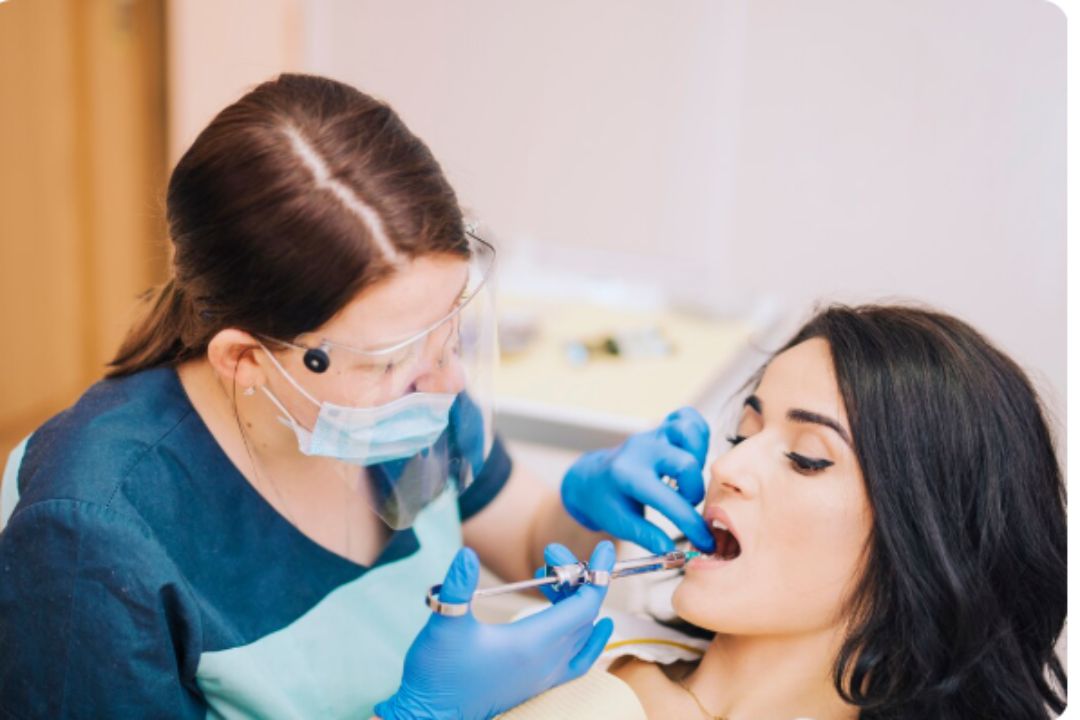
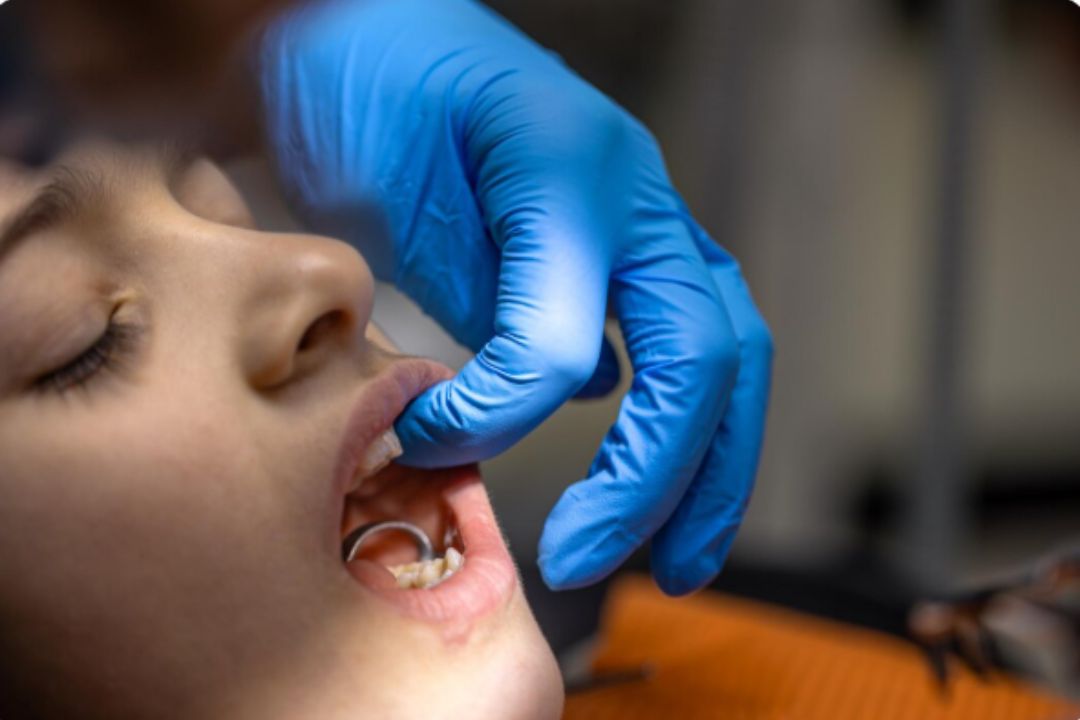
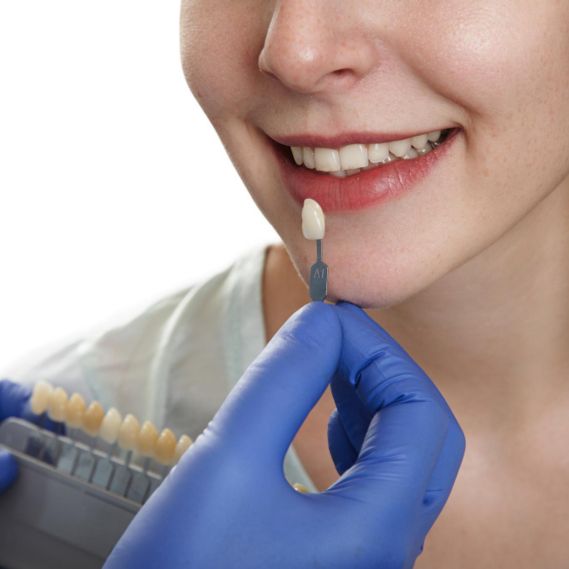
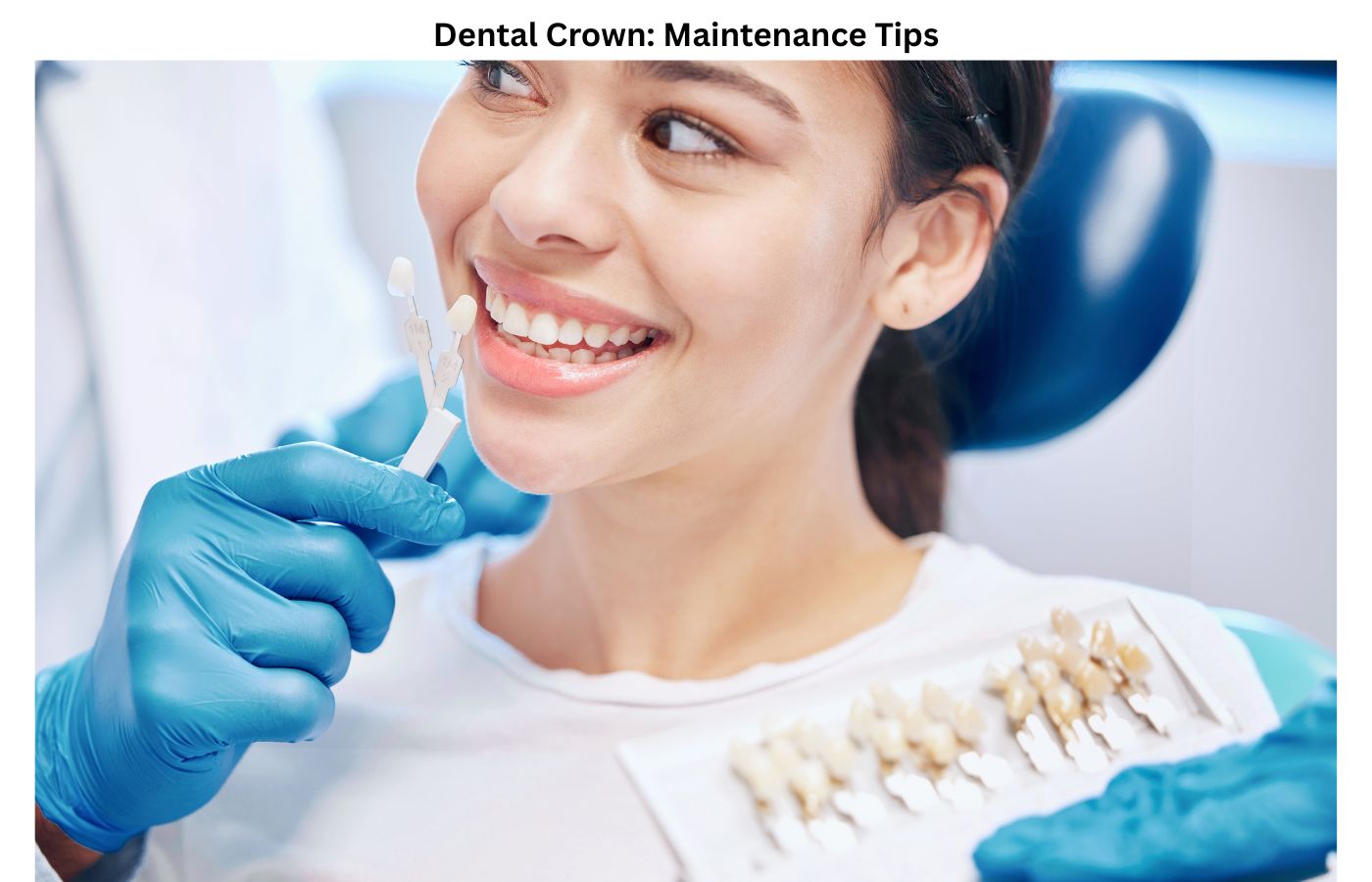
Pain after getting a dental crown is a common concern for many patients. Mild discomfort, sensitivity, or soreness is normal, especially during the first few days after the procedure. This occurs because the tooth has been reshaped and the surrounding nerves and gums need time to heal.
Pain or discomfort after getting a dental crown is common and usually temporary. After the crown procedure, your tooth and surrounding gums may feel sensitive for a few days. This happens because the tooth has been reshaped and the nerves may react to pressure, temperature, or biting.
You may experience:
Mild to moderate tooth sensitivity to hot or cold foods
Soreness in the gums around the crowned tooth
Slight pain when chewing or biting
This discomfort typically fades within a week. Over-the-counter pain relievers and avoiding hard or sticky foods can help during recovery. However, if pain lasts longer than two weeks, feels sharp, or worsens over time, it may indicate issues such as improper crown fit, bite imbalance, nerve inflammation, or infection. In such cases, visiting your dental crown specialist is important for adjustment or treatment.
Dental crowns come in various materials, each designed to meet different functional and cosmetic needs. The most common types of dental crowns include:
1. Porcelain Crowns
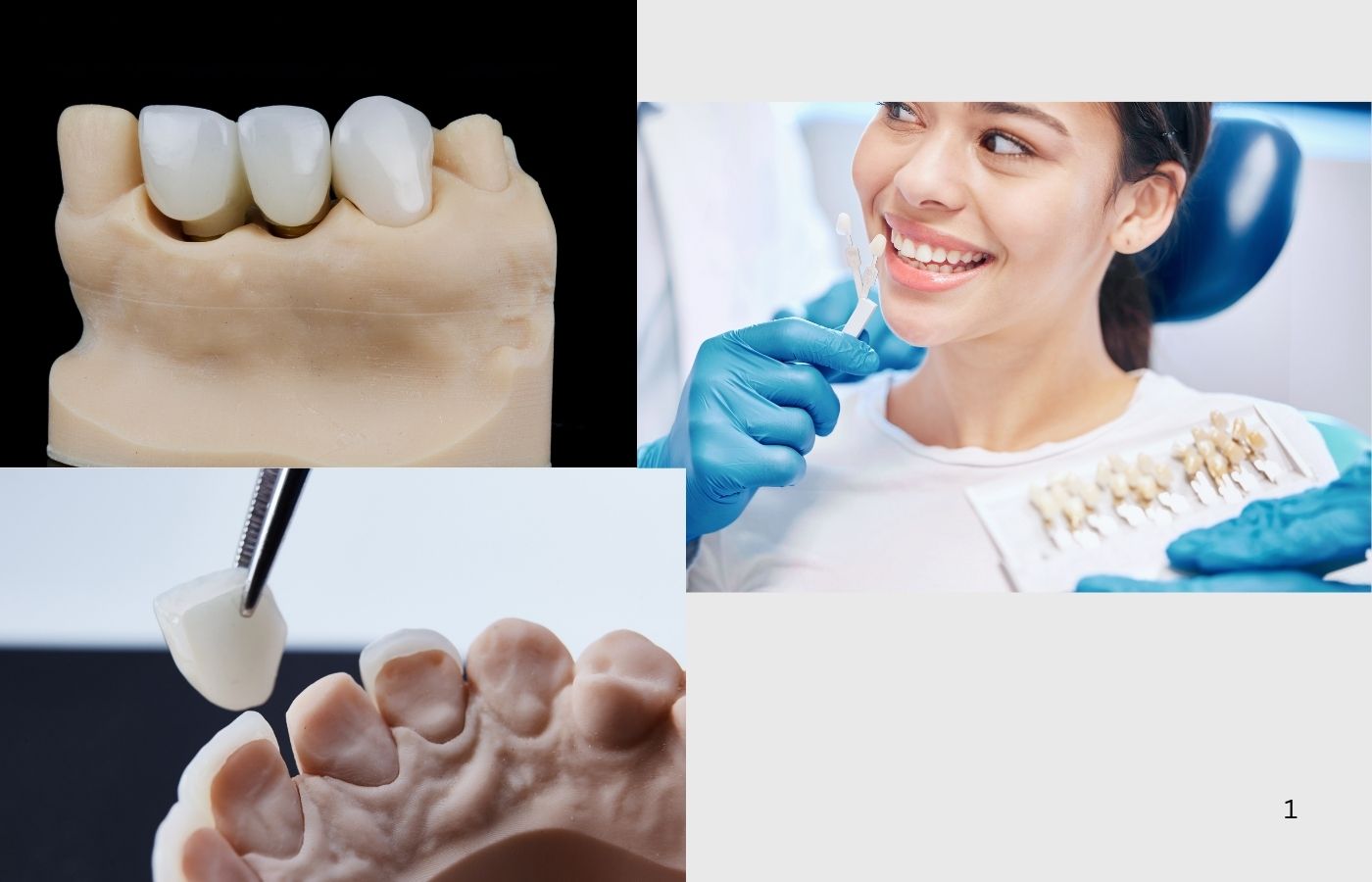
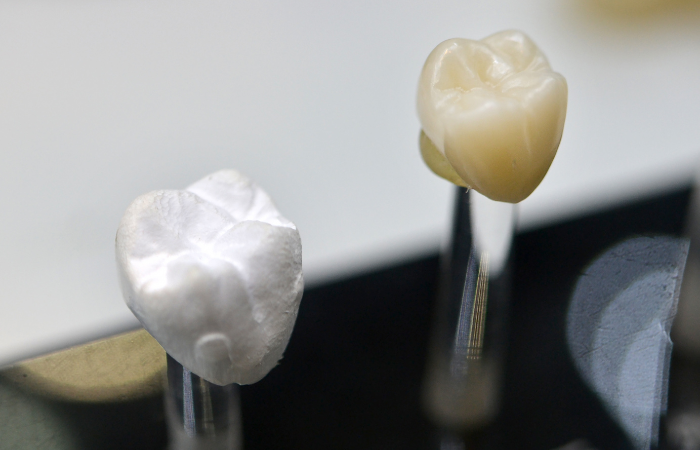
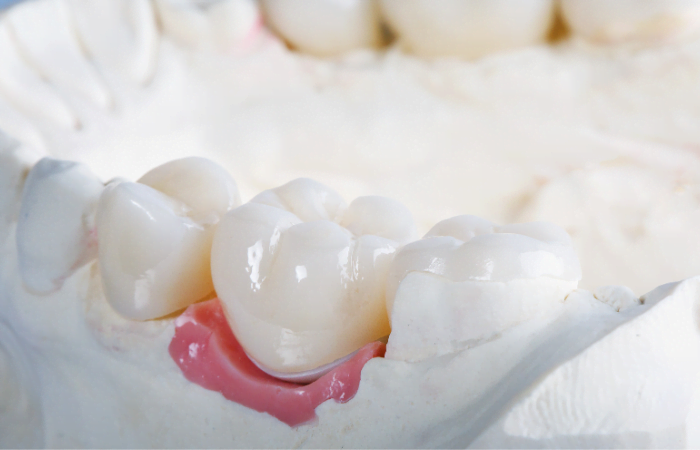
Porcelain crowns closely resemble natural teeth in color and texture, making them ideal for front teeth. They offer excellent aesthetics but may not be as strong as metal-based crowns.
2. Ceramic Crowns
Ceramic crowns are metal-free and highly biocompatible. They are a popular choice for patients with metal allergies and provide a natural appearance.
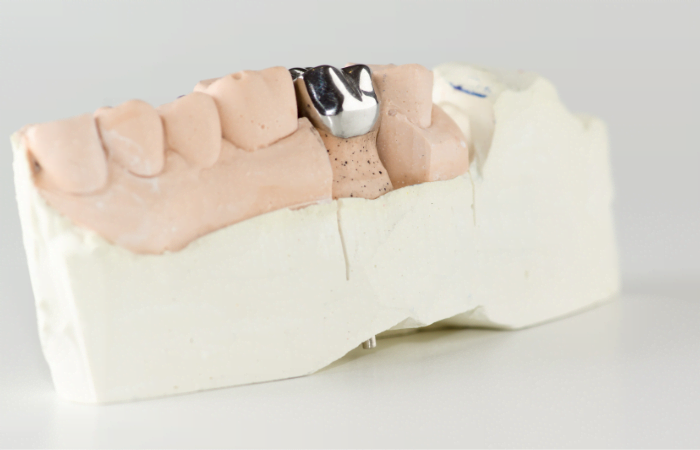
3. Metal Crowns (Gold or Alloy)
Metal crownsare extremely durable and resistant to wear. Although not tooth-colored, they are often used for back teeth where strength is more important than appearance.
4. Porcelain-Fused-to-Metal (PFM) Crowns
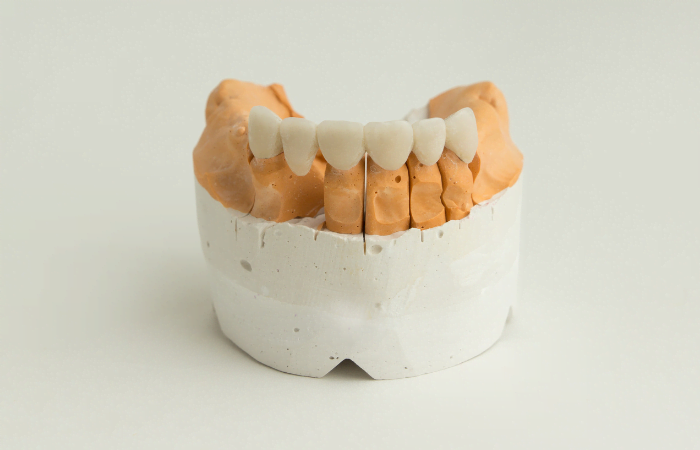
These crowns combine strength and aesthetics. The metal base provides durability, while the porcelain coating improves appearance.
5. Zirconia Crowns
Zirconia crowns are strong, long-lasting, and natural-looking. They are commonly used for both front and back teeth and are popular in same-day dental crown treatments.
The dental crown procedure usually involves two visits, though same-day crowns are now available in many clinics.
Step 1: Tooth Examination and Preparation
The dentist examines the tooth using X-rays to check for decay or damage. The tooth is then reshaped to make space for the crown.
Step 2: Impressions or Digital Scans
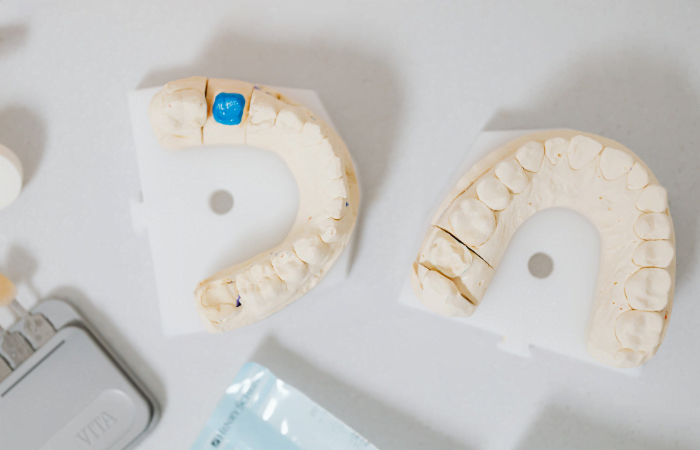
An impression or digital scan of the tooth is taken to ensure the crown fits perfectly.
Step 3: Temporary Crown Placement
A temporary crown is placed to protect the tooth while the permanent crown is being made.
Step 4: Permanent Crown Placement
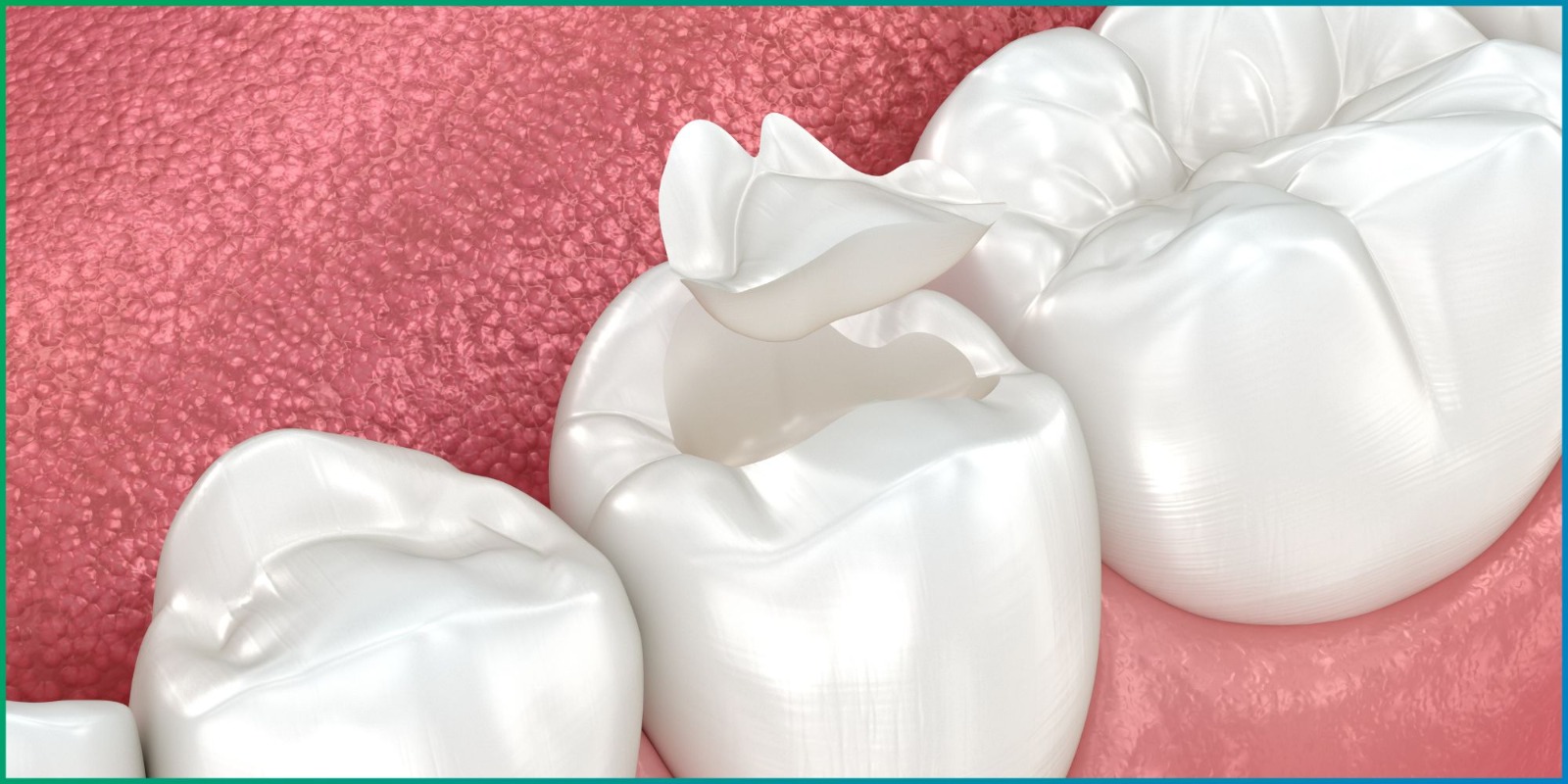
During the final visit, the permanent crown is cemented securely onto the tooth. The dentist checks the bite and makes adjustments if needed.
Same-day dental crown technology allows patients to receive a custom crown in a single appointment using advanced digital scanning and milling.
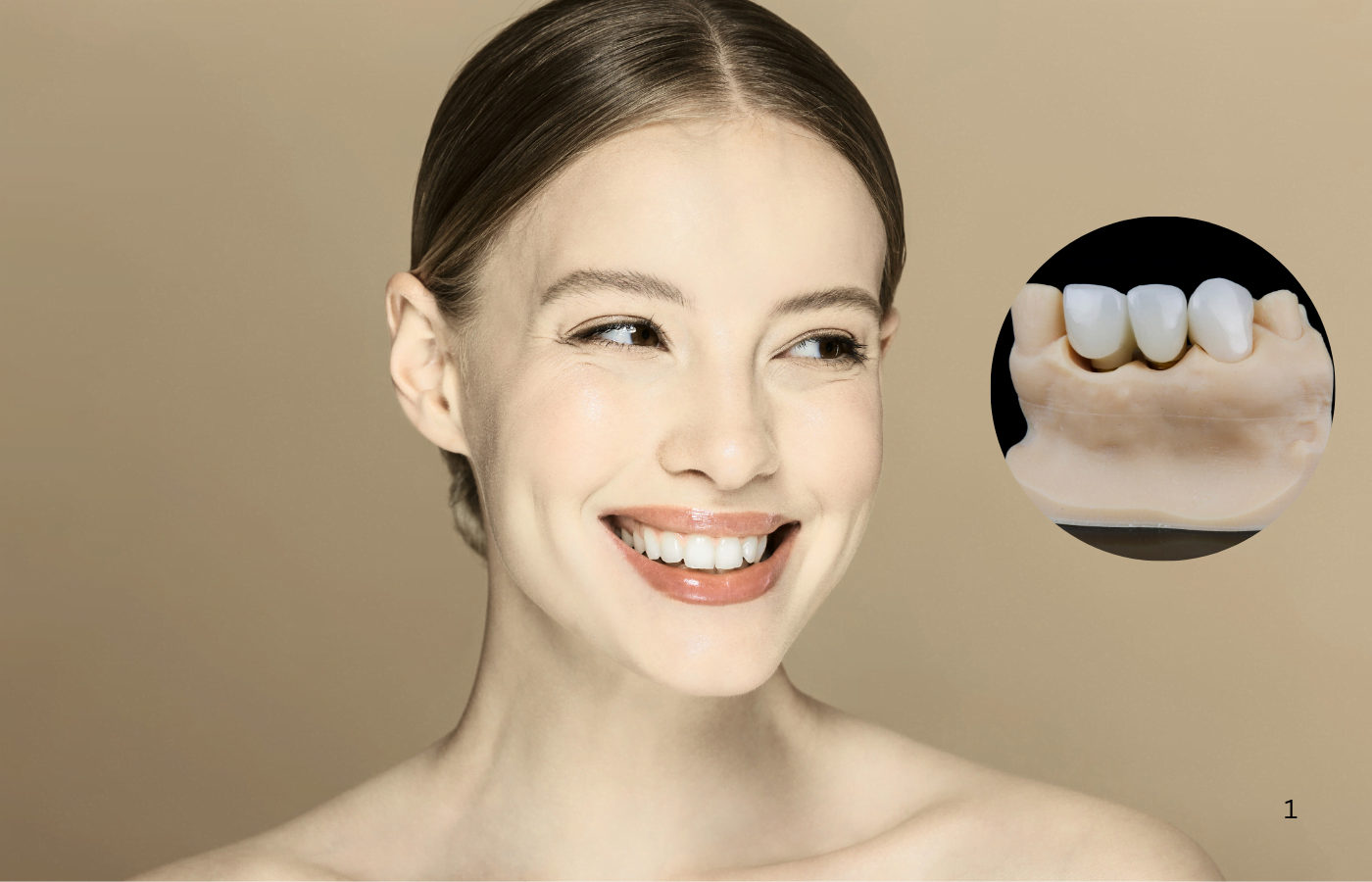
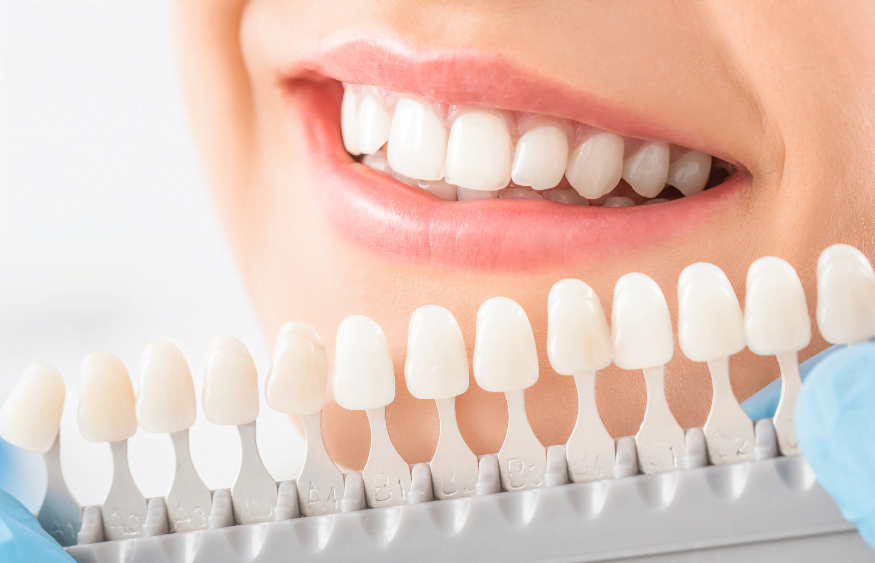
Dental crowns play a major role in enhancing your smile by restoring the shape, size, and color of damaged teeth. If you have chipped, cracked, discolored, or uneven teeth, crowns can dramatically improve your appearance.
Crowns are custom-made to match your natural teeth, creating a seamless and attractive smile. They can:
Cover stained or discolored teeth
Repair broken or worn-down teeth
Improve tooth alignment and symmetry
Restore a youthful, healthy smile
By correcting visible dental flaws, crowns help you smile more confidently and feel better about your overall appearance.
A healthy smile is closely linked to self-confidence. Dental crowns not only restore tooth function but also improve emotional well-being.
When dental issues like broken teeth or gaps are fixed, patients feel less self-conscious while speaking, smiling, or laughing. Dental crowns provide:
Improved speech clarity
Better chewing comfort
Reduced fear of tooth damage
Long-lasting dental stability
Knowing your teeth are strong, protected, and visually appealing allows you to engage confidently in social and professional settings. This confidence often leads to better communication, improved self-image, and a higher quality of life.
Finding the right dental crown specialist is essential for successful treatment and long-term results. When searching for a “dental crown specialist near me,” consider the following factors:
Experience and qualifications in restorative dentistry
Advanced technology, such as same-day crown systems
Positive patient reviews and testimonials
Clear treatment plans and cost transparency
Comfortable clinic environment and hygiene standards









.jpg "the best fix for a cracked tooth why dental crowns are the gold standard")
.jpg "rebuilding smiles how all-on-4® implants transform full-arch dental care")
.jpg "dental crowns")
.jpg "Dental Crowns")
.jpg "Dental Crowns")
.jpg "Dental Crowns")
.jpg "Dental Crowns")