Missing teeth can affect more than just your smile. They can impact chewing ability, speech clarity, jaw alignment, and overall oral health. A dental bridge is one of the most reliable and cost-effective solutions for replacing one or more missing teeth.
In this complete guide, you’ll learn about the different types of dental bridges, how much they cost, the procedure involved, benefits and risks, and how to choose the best treatment option near you.
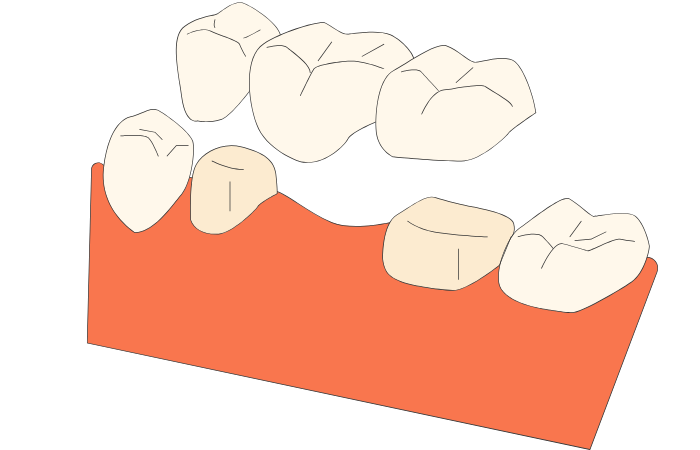
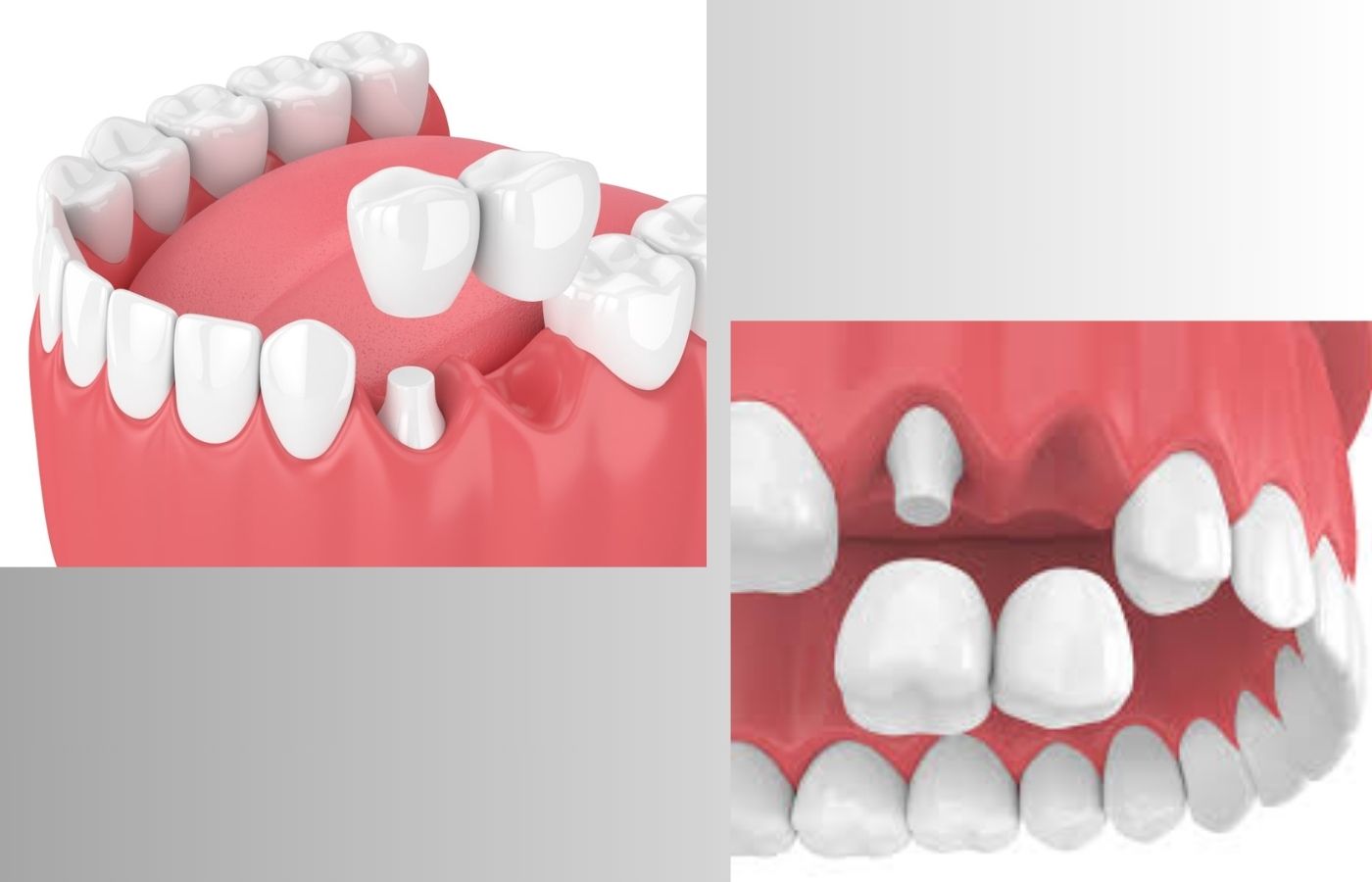
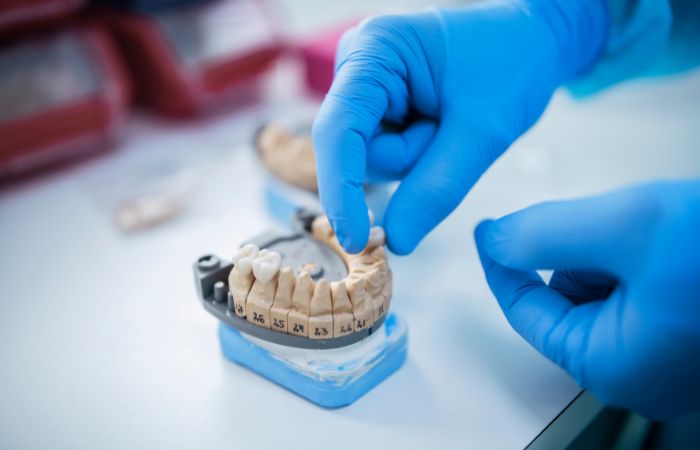
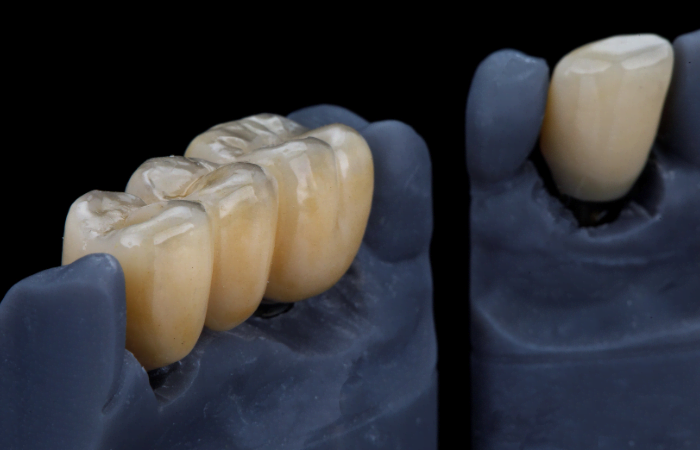
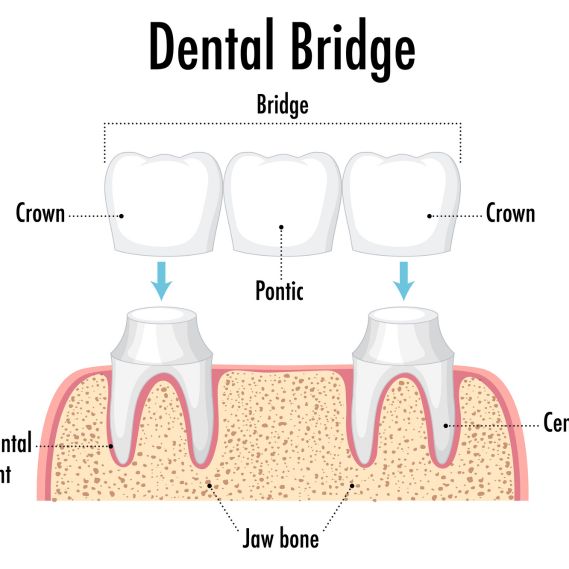
A dental bridge is a fixed dental restoration used to replace one or more missing teeth by “bridging” the gap between healthy teeth or dental implants.
It consists of:
Pontic – The artificial tooth that replaces the missing tooth
Abutment teeth – The natural teeth or implants that support the bridge
Dental crowns – Placed over the abutment teeth to anchor the bridge
Dental bridges restore:
Chewing efficiency
Facial structure support
Proper bite alignment
Aesthetic appearance
Without treatment, missing teeth can cause neighboring teeth to shift, leading to bite problems and jaw strain.
There are four main types of dental bridges. Your dentist will recommend the most suitable option based on your oral health condition.
This is the most common type. It involves placing crowns on the natural teeth adjacent to the missing tooth and attaching a false tooth between them.
Best for: Patients with strong natural teeth on both sides of the gap
Durability: 10–15 years with proper care
A cantilever bridge is used when there is only one adjacent supporting tooth.
Best for: Areas of the mouth with low bite pressure
Limitation: Less stable than traditional bridges
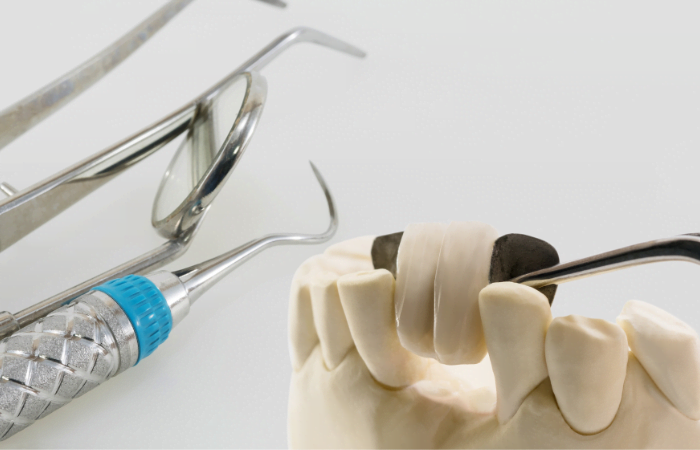
This type uses a metal or porcelain framework bonded to the back of adjacent teeth instead of crowns.
Best for: Front teeth replacement
Advantage: Minimal alteration of surrounding teeth
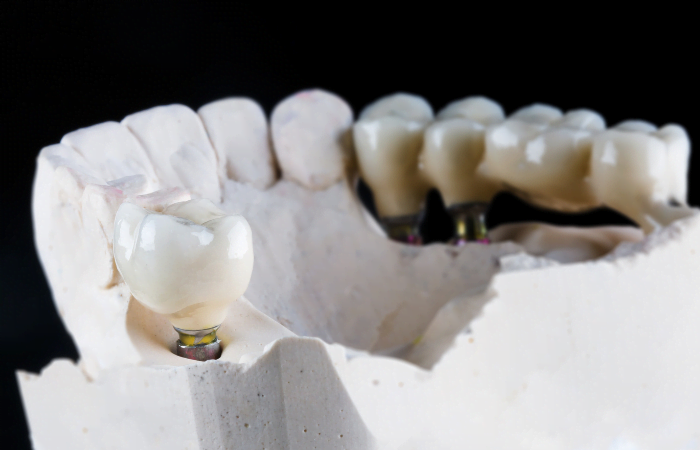
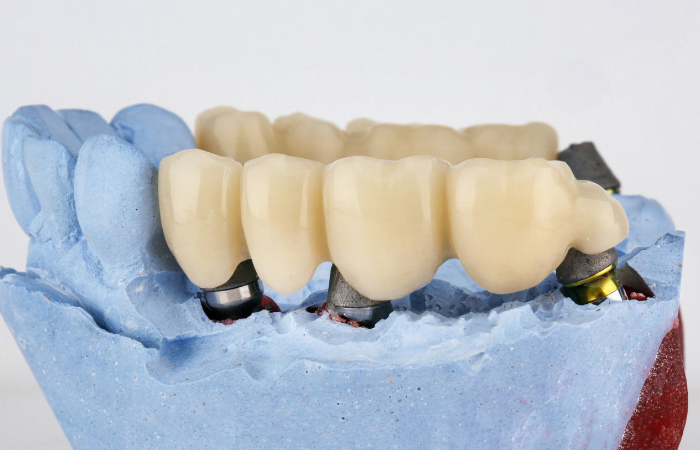
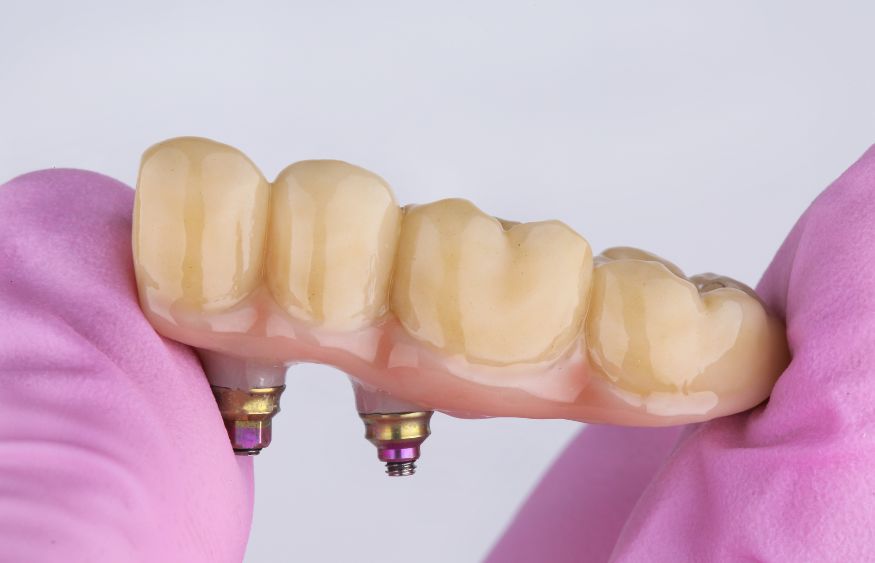
Instead of relying on natural teeth, this bridge is supported by dental implants surgically placed into the jawbone.
Best for: Multiple missing teeth
Most durable option
Longest lifespan (15+ years)
You may be a suitable candidate if you:
Have one or more missing teeth
Have healthy adjacent teeth or adequate bone for implants
Maintain good oral hygiene
Do not have severe gum disease
A consultation with a dentist, including X-rays, will determine the best treatment option.
Your dentist evaluates your oral health and recommends the appropriate bridge type.
For traditional bridges, adjacent teeth are reshaped to fit crowns.
A mold is taken to create a custom bridge that fits perfectly.
A temporary bridge may be placed while the permanent one is fabricated.
The custom bridge is cemented permanently, restoring full function and aesthetics.
The cost of a dental bridge depends on:
Type of bridge
Materials used (porcelain, ceramic, zirconia, metal)
Number of teeth being replaced
Location of the dental clinic
Whether implants are required
Traditional Bridge: ?15,000 – ?40,000 per unit
Maryland Bridge: ?10,000 – ?25,000
Implant-Supported Bridge: ?50,000 – ?1,50,000+
Prices vary depending on case complexity and clinic expertise.
Restores natural appearance
Improves chewing ability
Prevents teeth from shifting
Maintains facial structure
Faster solution compared to implants
Adjacent teeth need reshaping (traditional bridge)
May not last as long as implants
Requires excellent oral hygiene
Risk of decay if not properly maintained
Regular dental checkups significantly reduce these risks.
| Feature | Dental Bridge | Dental Implant |
|---|---|---|
| Surgery Required | No | Yes |
| Cost | Lower | Higher |
| Longevity | 10–15 years | 15–25+ years |
| Bone Preservation | No | Yes |
| Treatment Time | 1–2 weeks | 3–6 months |
If long-term durability is your priority, implants may be better. If you want a faster, cost-effective solution, bridges are ideal.
With proper oral hygiene, brushing twice daily, flossing, and regular dental visits, a dental bridge can last:
10–15 years (traditional)
15+ years (implant-supported)
Avoid hard foods and maintain regular checkups to extend lifespan.
Brush twice daily using a soft-bristle toothbrush
Use floss threaders or water flossers
Avoid sticky and extremely hard foods
Schedule dental checkups every 6 months
Good maintenance significantly improves longevity.
Dental bridges are a reliable and effective solution for restoring missing teeth, improving both function and aesthetics. The right type of bridge depends on your oral health, budget, and long-term goals.
Consult a qualified dental professional to determine the most suitable treatment plan tailored to your needs.












.jpg "dental bridges")

.jpg "dental bridges")

.jpg "dental bridges")
.jpg "dental bridges")

.jpg "Dental Bridges restore your smile")
 (1).jpg "dental bridges and major conditions")