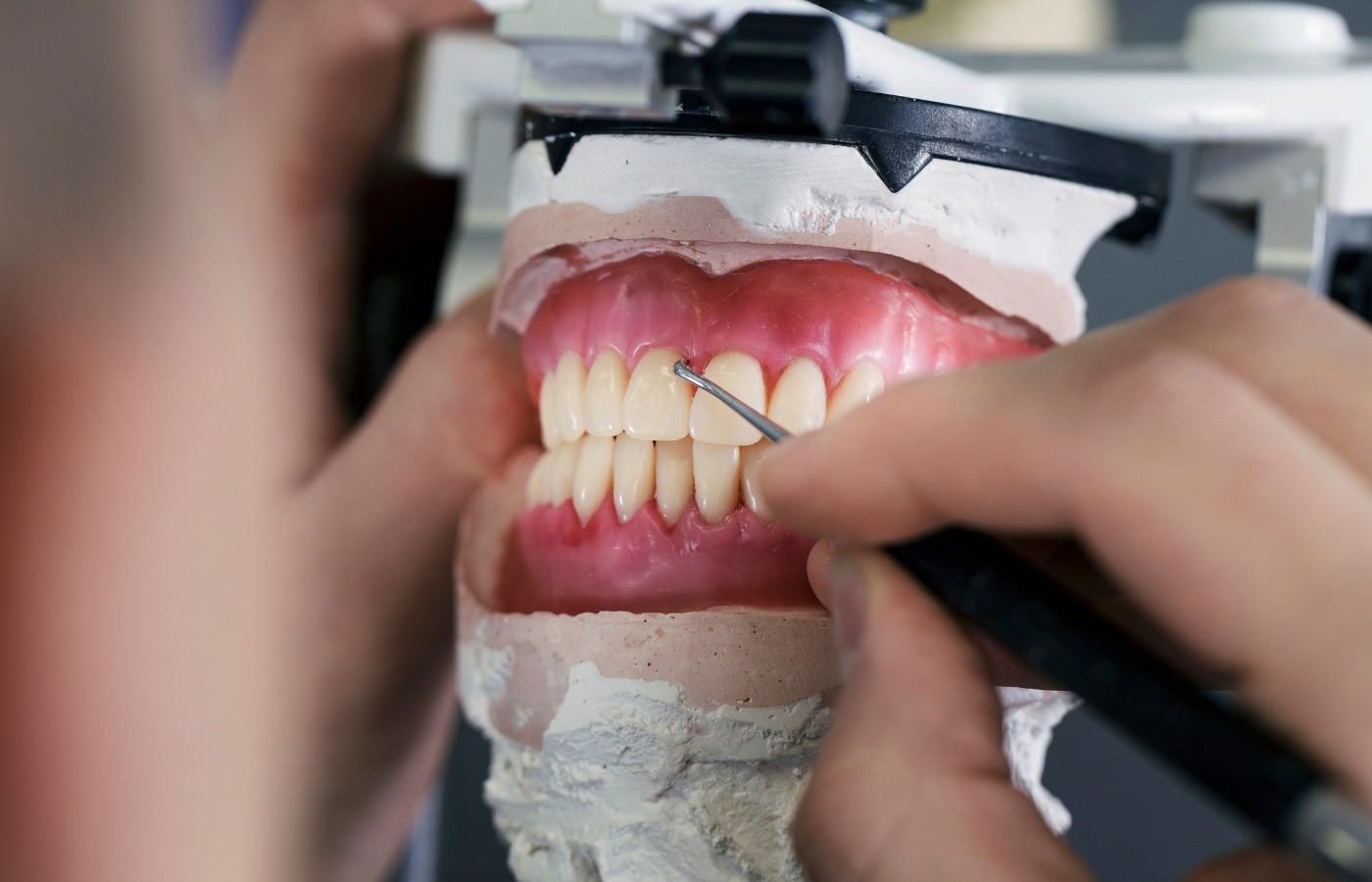
.jpg "dental bridges")
If you're researching solutions for a missing tooth, you've likely asked: "What is a dental bridge?" and more importantly, "What is the dental bridge cost?" You're not alone. Millions seek reliable, comfortable, and aesthetically pleasing tooth replacements. As we move through 2025, dental bridge technology has seen remarkable innovations, making them smarter, stronger, and more lifelike than ever. This guide cuts through the confusion, offering a clear diagnosis of your options, directly comparing benefits, and providing transparent costing in diagnosein to help you make an informed decision.
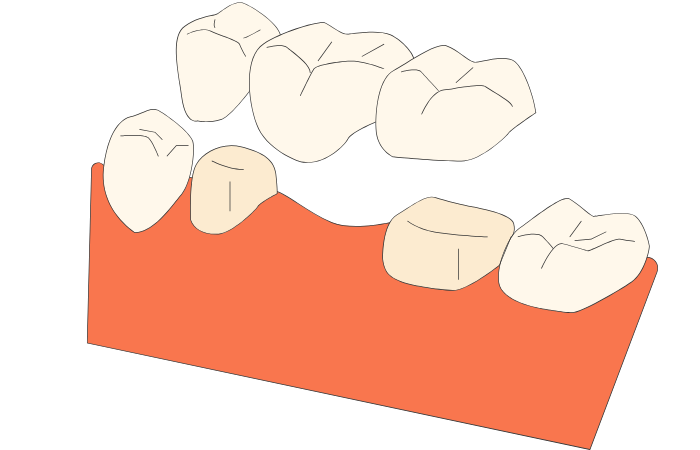
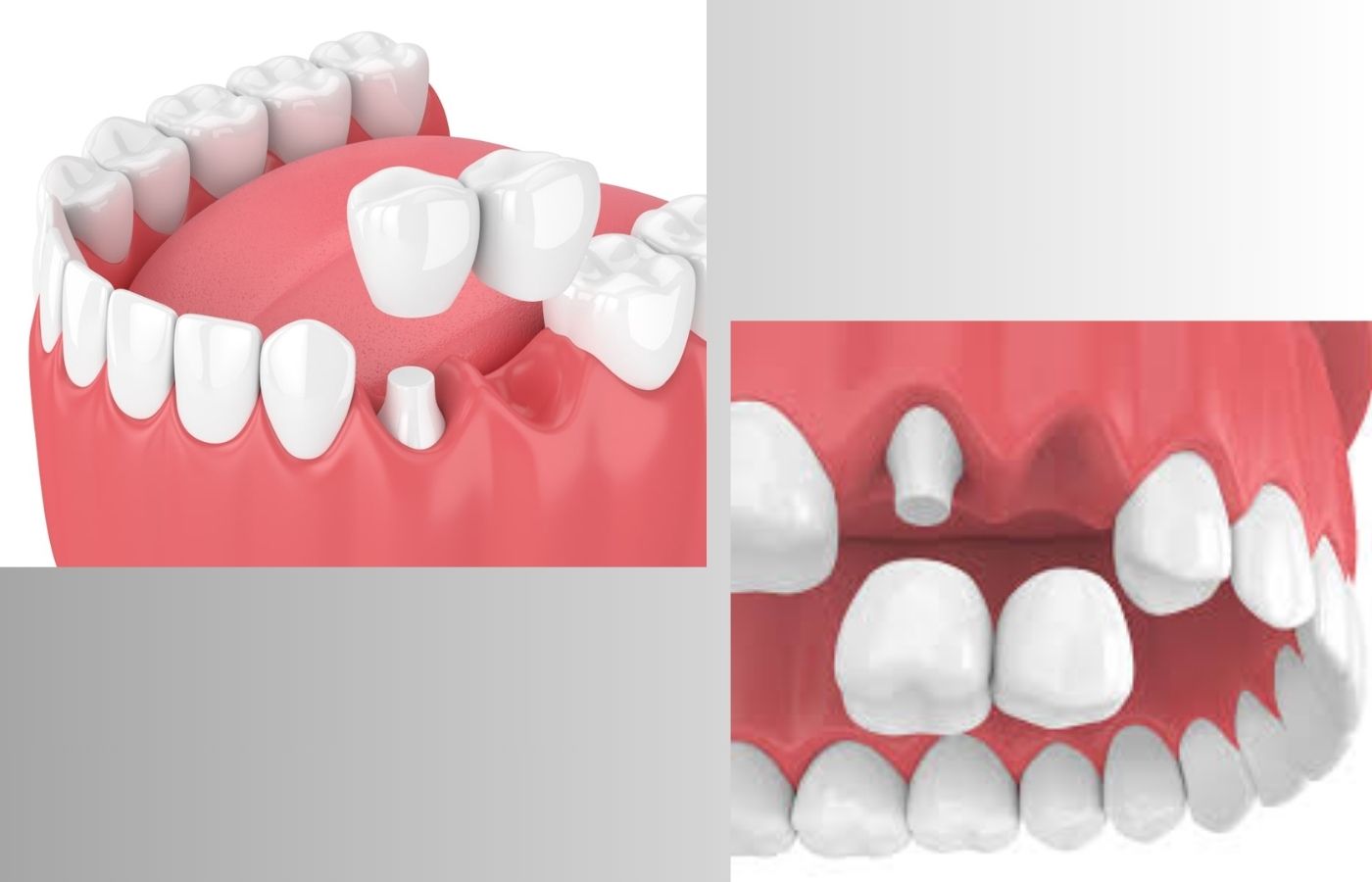
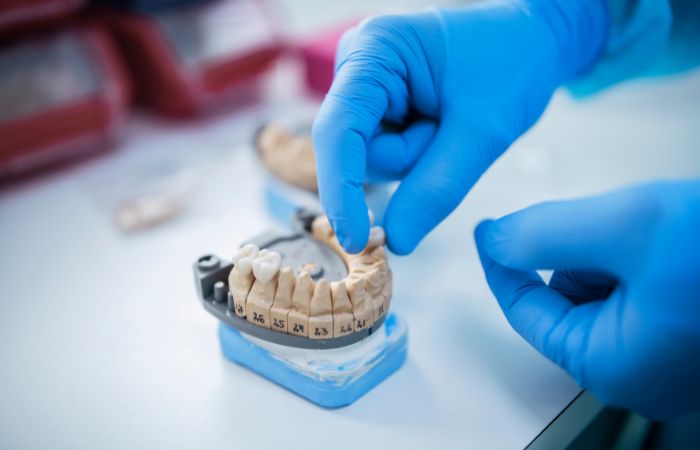
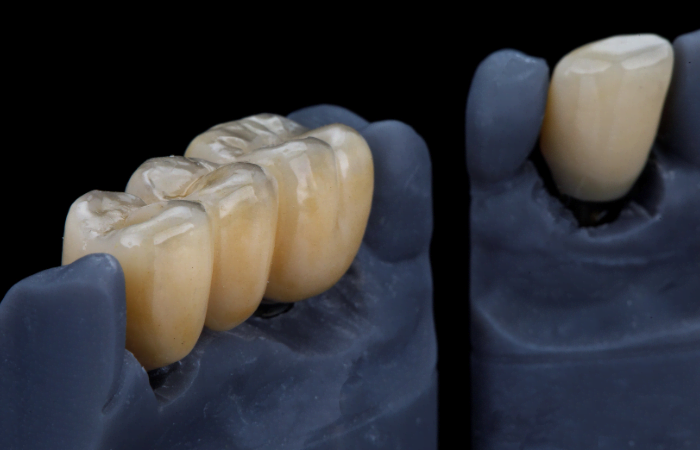
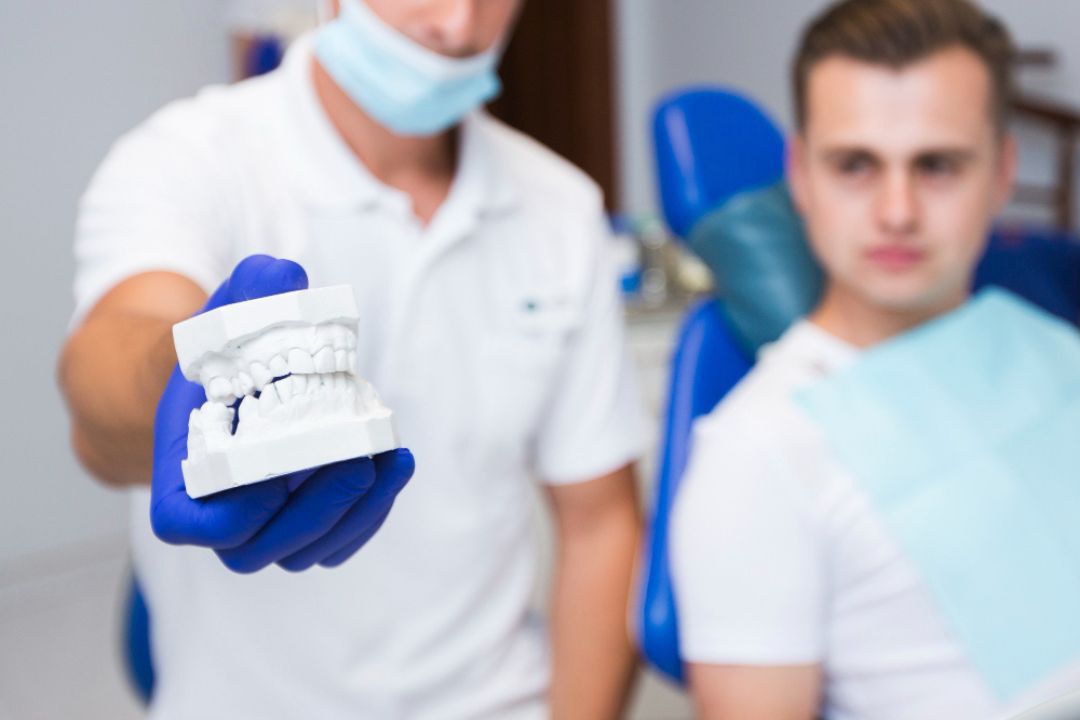
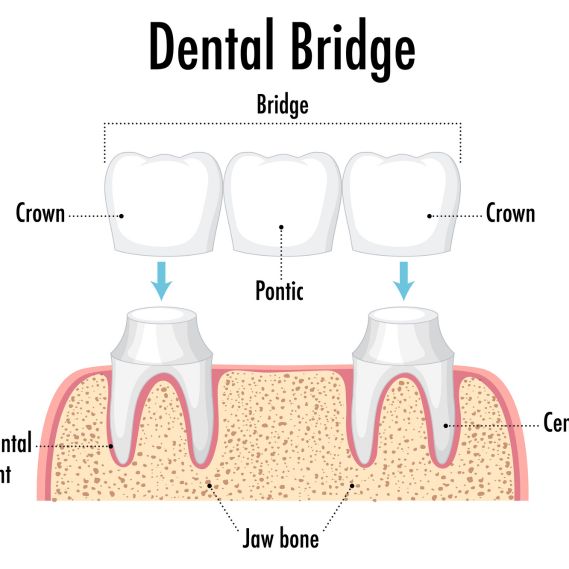
A dental bridge is a fixed prosthetic device used to replace one or more missing teeth. It literally "bridges" the gap where teeth are absent. The bridge is anchored securely to the natural teeth or implants on either side (abutments), with a false tooth (pontic) in between. Unlike removable dentures, it is permanently cemented in place, restoring function, appearance, and oral health.
The right bridge depends on your diagnosis. Here are the main types, updated with 2025 tech:
Traditional Dental Bridges: The most common type, using crowns on adjacent teeth. In 2025, materials have evolved.
Cantilever Bridges: Used when only one adjacent tooth is available for support.
Maryland Bridges: A conservative option bonded to the back of adjacent teeth with wings.
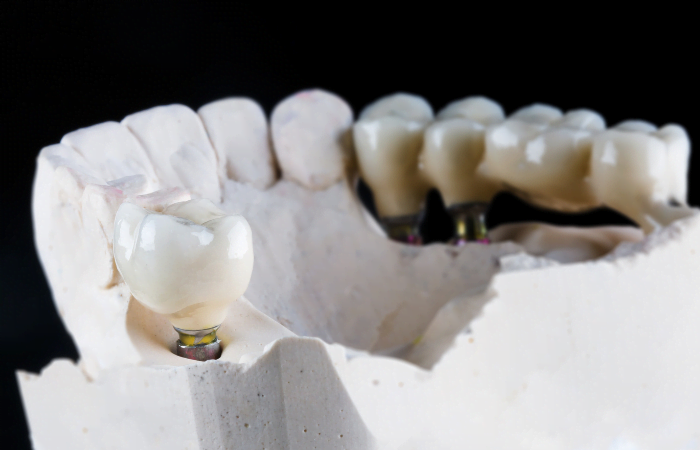
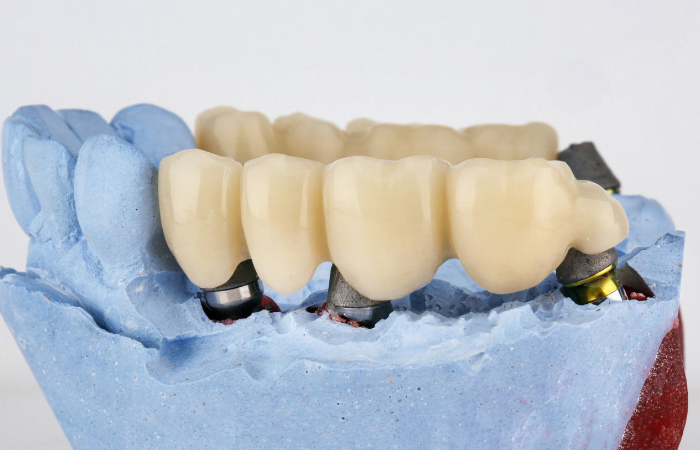
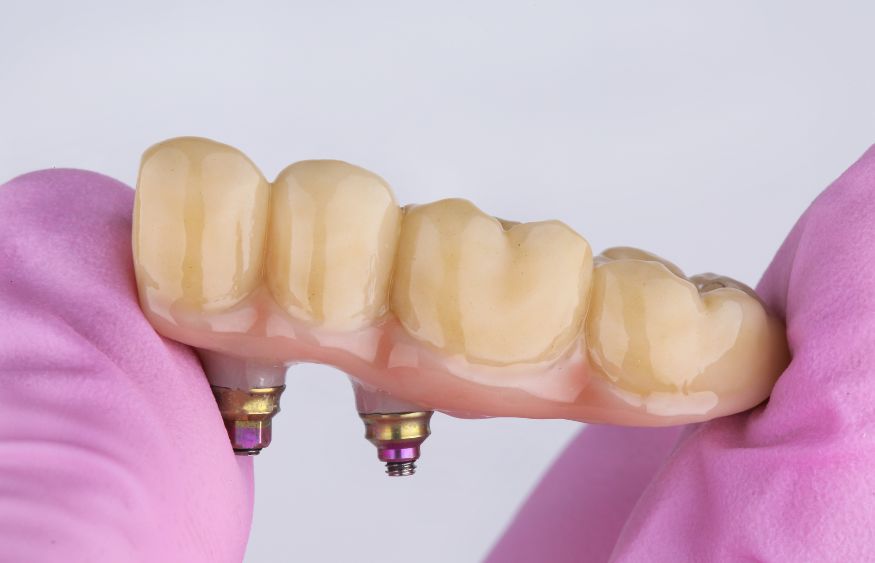
Implant-Supported Bridges: The gold standard for durability, anchored to dental implants instead of natural teeth.
Latest Advancements (2025):
High-Strength Zirconia & Multilayer Ceramics: Offer unmatched strength and a lifelike, translucent appearance rivaling natural enamel.
Digital Workflows & 3D Printing: CAD/CAM technology and in-office milling ensure perfect fits, fewer appointments, and reduced dental bridge price by cutting lab time.
AI-Powered Treatment Planning: Software helps diagnose the ideal bridge type and placement for long-term success.
Enhanced Bonding Agents: New adhesives increase the longevity of Maryland and traditional bridges.
Restored Function: Chew and speak with confidence.
Prevents Shifting: Stops adjacent teeth from moving into the gap.
Facial Structure Support: Maintains the shape of your face.
Aesthetic Excellence: New materials are virtually indistinguishable from natural teeth.
Faster Solution Than Implants: Often completed in just 2-3 visits.
Dental Bridge vs. Dental Implant: Implants replace the tooth root, preserving jawbone, but require surgery and have a higher upfront dental bridge cost. Bridges are a non-surgical, faster, and often more budget-friendly solution.
Dental Bridge vs. Partial Denture: Bridges are fixed, stable, and more comfortable. Dentures are removable and can be less stable but are cheaper initially.
Modern digital impressions have eliminated uncomfortable traditional molds. With precise fits from advanced manufacturing, today's bridges feel like natural teeth from day one. With proper oral hygiene and regular check-ups, a high-quality dental bridge can last 10-15 years or more, making it a cost-effective long-term solution.
Choosing to restore your smile with a dental bridge in 2025 is a decision for your health, confidence, and quality of life. The advancements in materials and digital dentistry have made the procedure more precise, the results more beautiful, and the experience more comfortable.











.jpg "dental bridges")

.jpg "dental bridges")

.jpg "dental bridges")

.jpg "Dental Bridges restore your smile")
 (1).jpg "dental bridges and major conditions")