Dental bridges fill missing tooth gaps with pontics anchored by crowns, ideal for front or posterior teeth. Prep uses contrast scans for precise fitting.
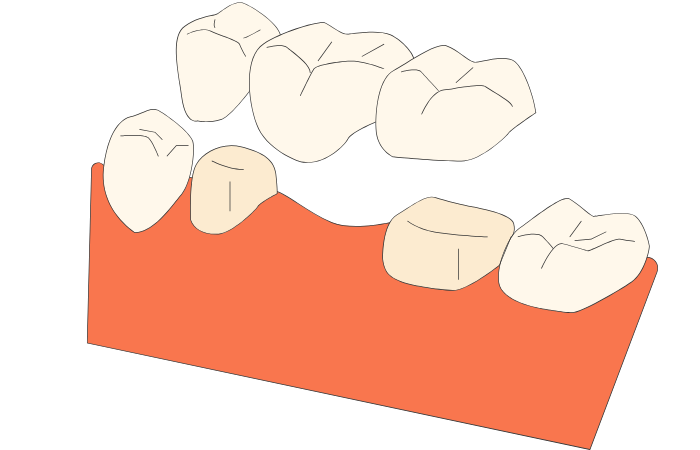
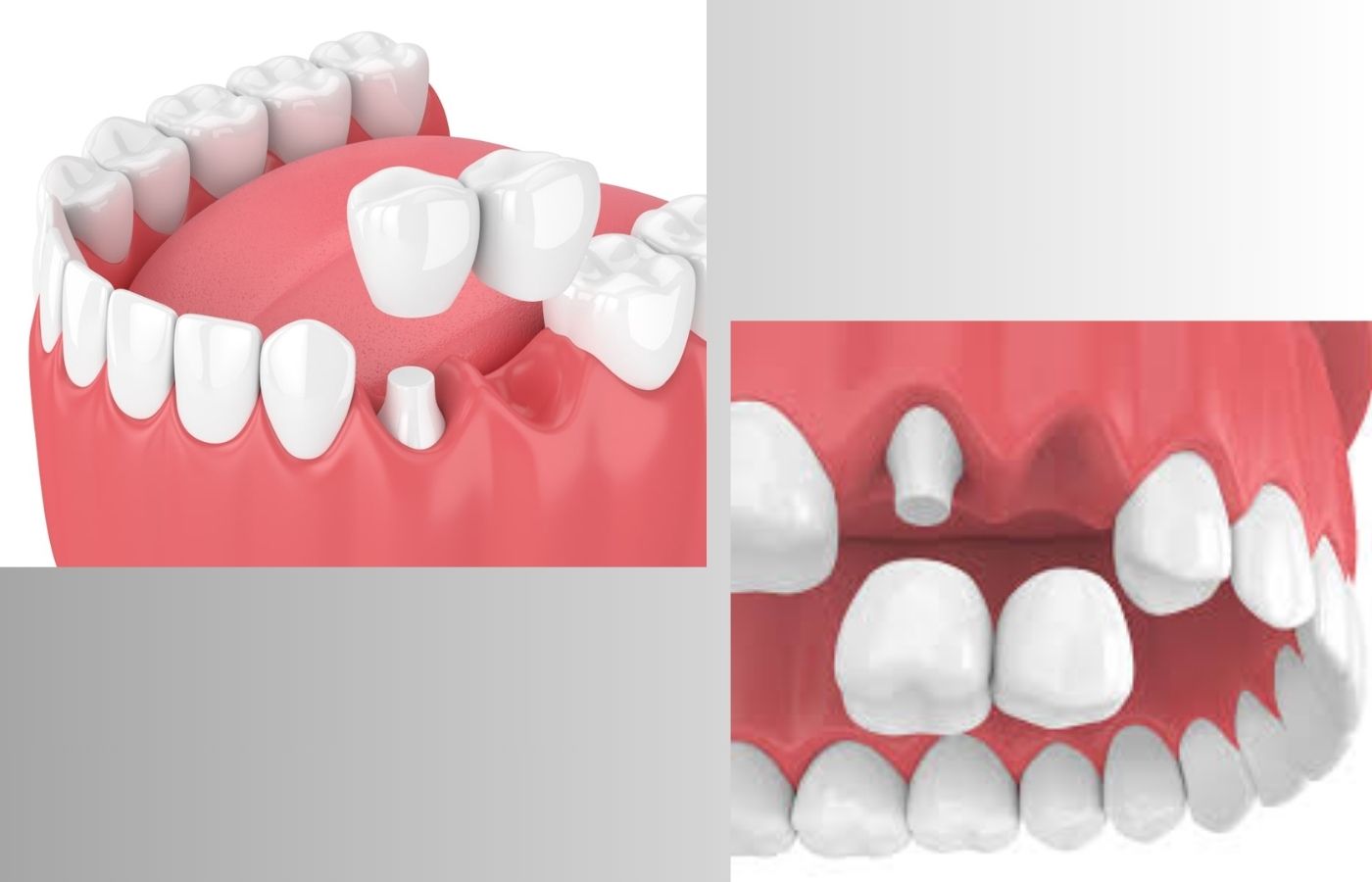
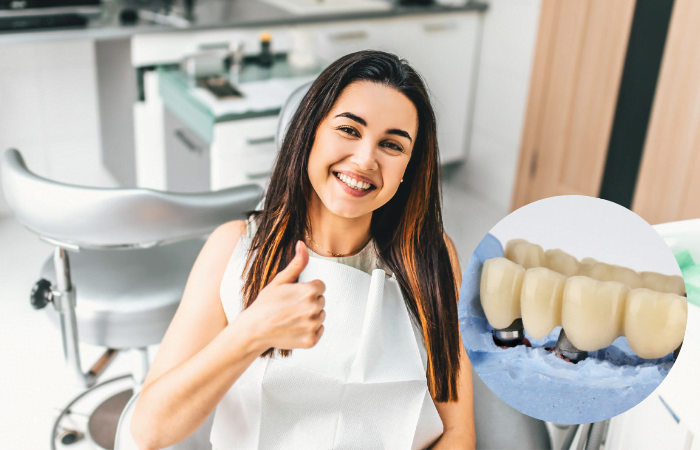
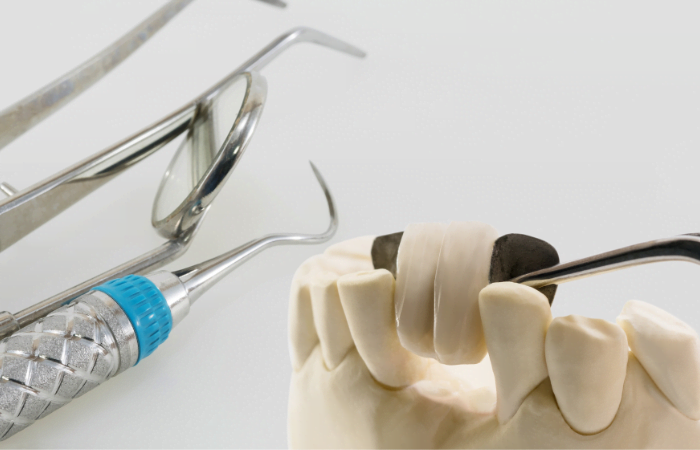
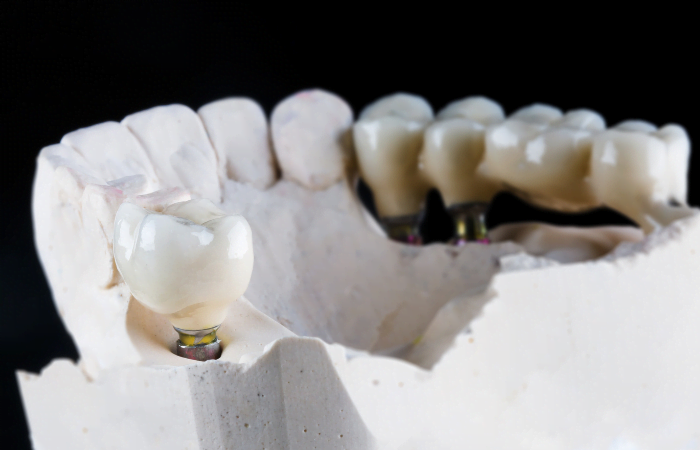
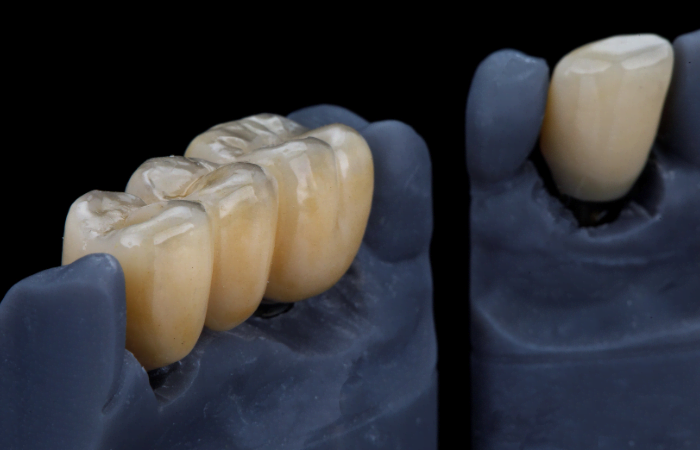
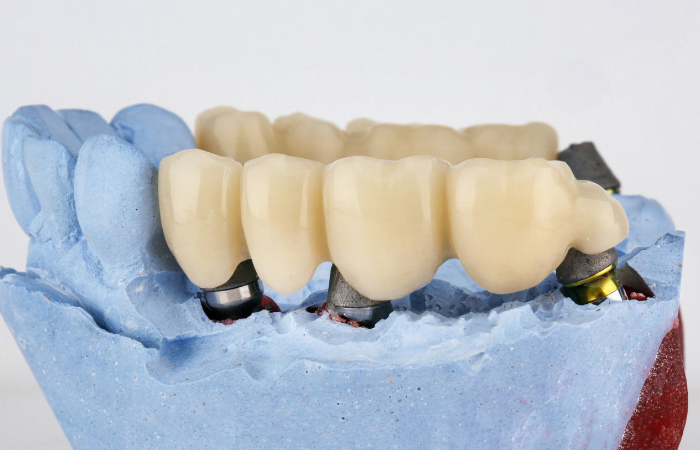
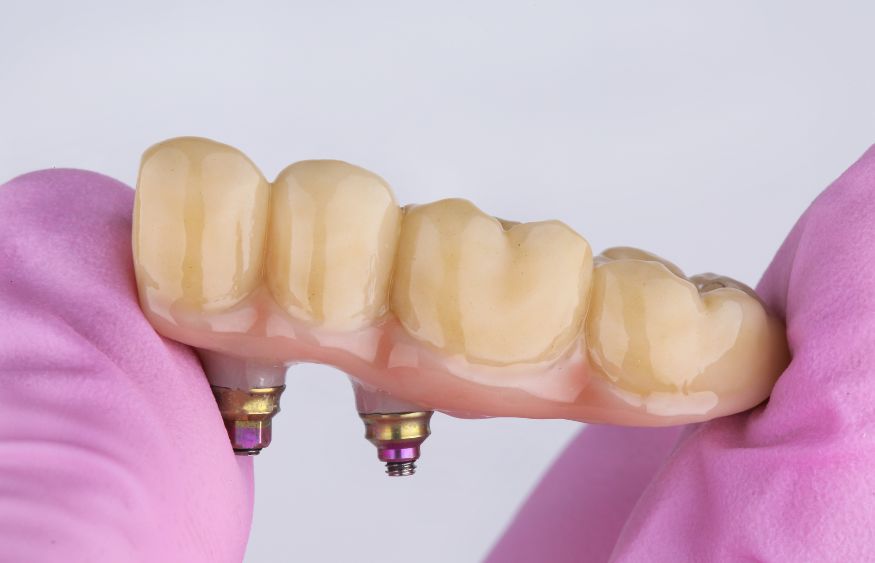
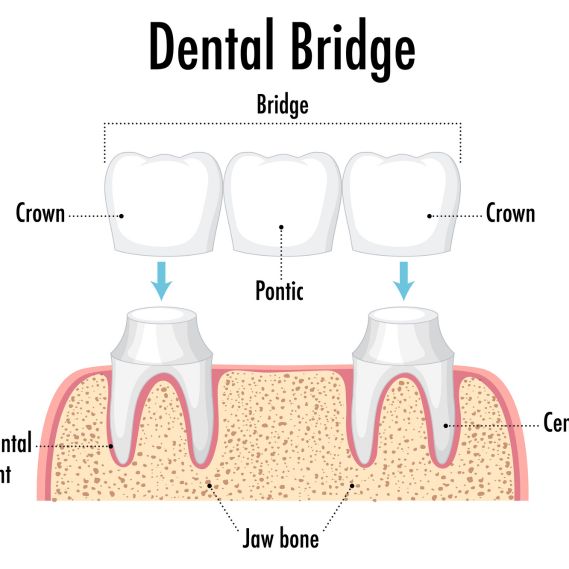
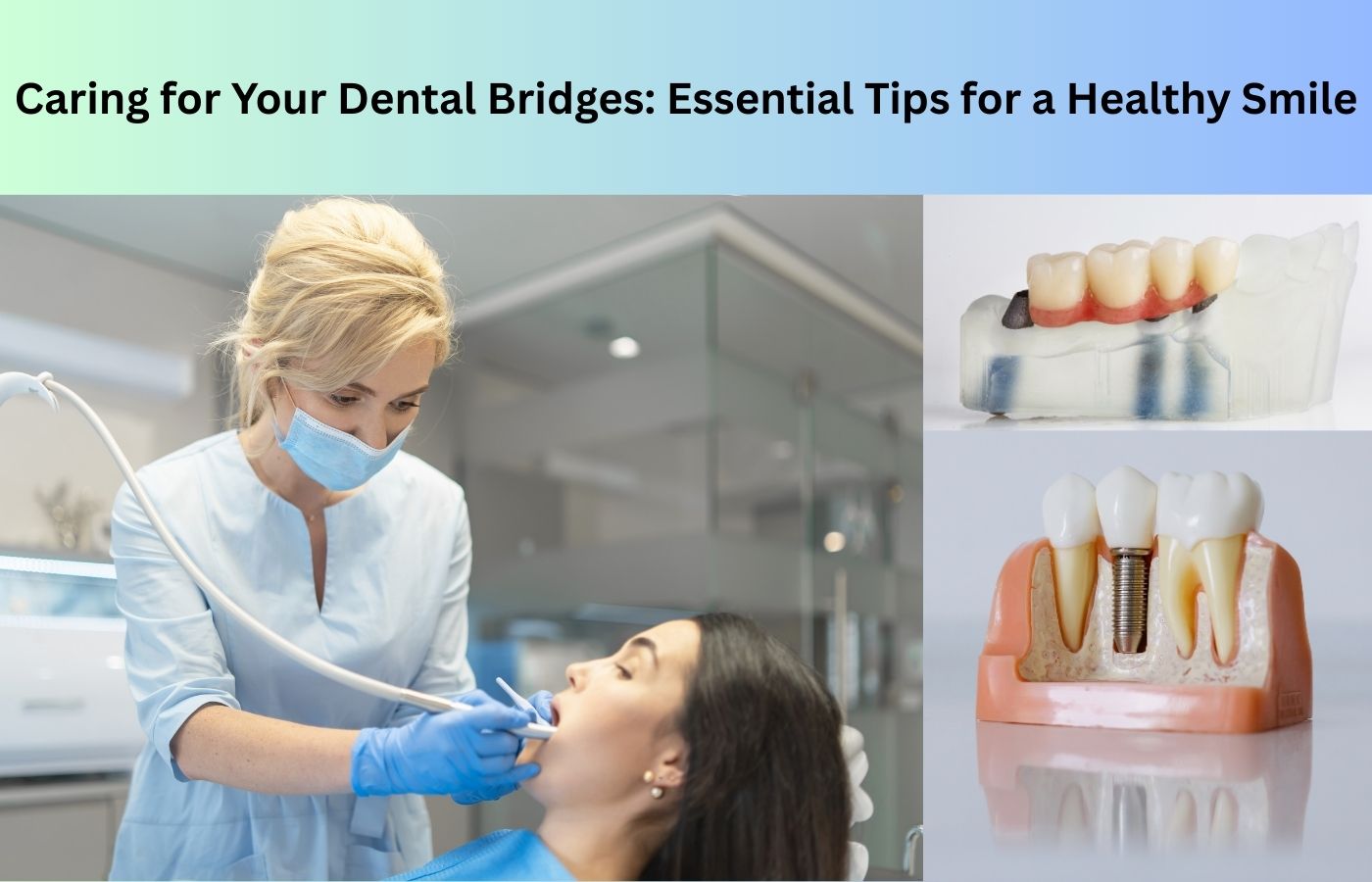
Dental bridges restore your smile by filling gaps from missing teeth, acting like a sturdy platform spanning the void. They consist of a false tooth (pontic) anchored by crowns on adjacent healthy teeth or implants, creating fixed dental bridges that look and function naturally. Unlike removable options, porcelain dental bridges or traditional dental bridges blend seamlessly with your bite, preventing shifts in surrounding teeth.
Patients often choose dental bridges for front teeth or posterior dental bridges to improve chewing and speech. Available types include cantilever dental bridges for single gaps, Maryland dental bridges for minimal prep, and dental implant bridges for stability without relying on natural teeth.
Missing a tooth triggers a chain reaction: adjacent teeth drift, gums recede, and bone loss accelerates, leading to bite misalignment and jaw pain. Dental bridges halt this by distributing bite forces evenly, restoring aesthetics and function for missing tooth bridge solutions.
You might need them after extraction, decay, or injury—especially if dental implants aren't viable. They prevent further complications like TMJ issues or speech impediments, making dental bridges advantages clear for long-term oral health. Early intervention boosts success, outperforming temporary fixes.
Preparation for Dental Bridges with Contrast
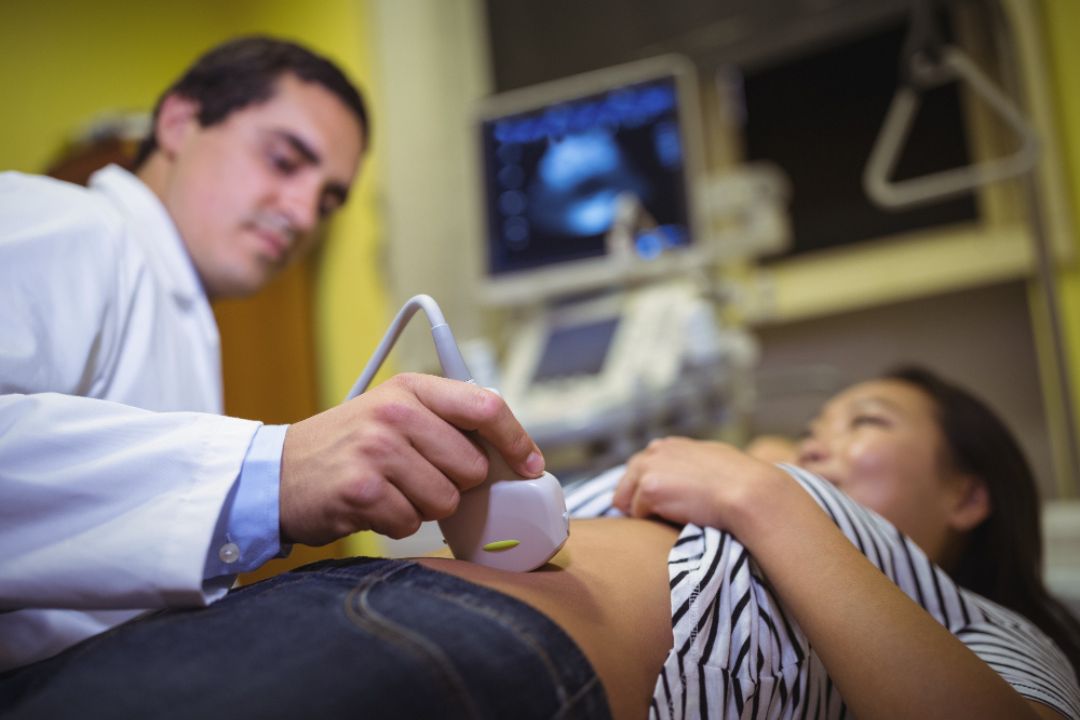
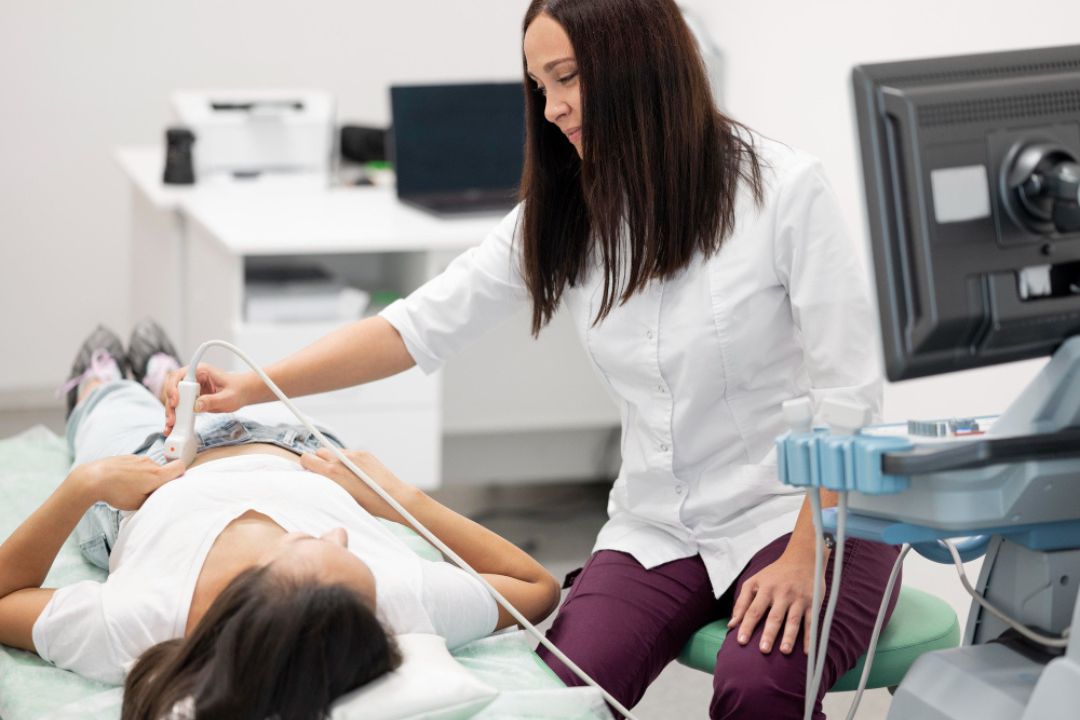
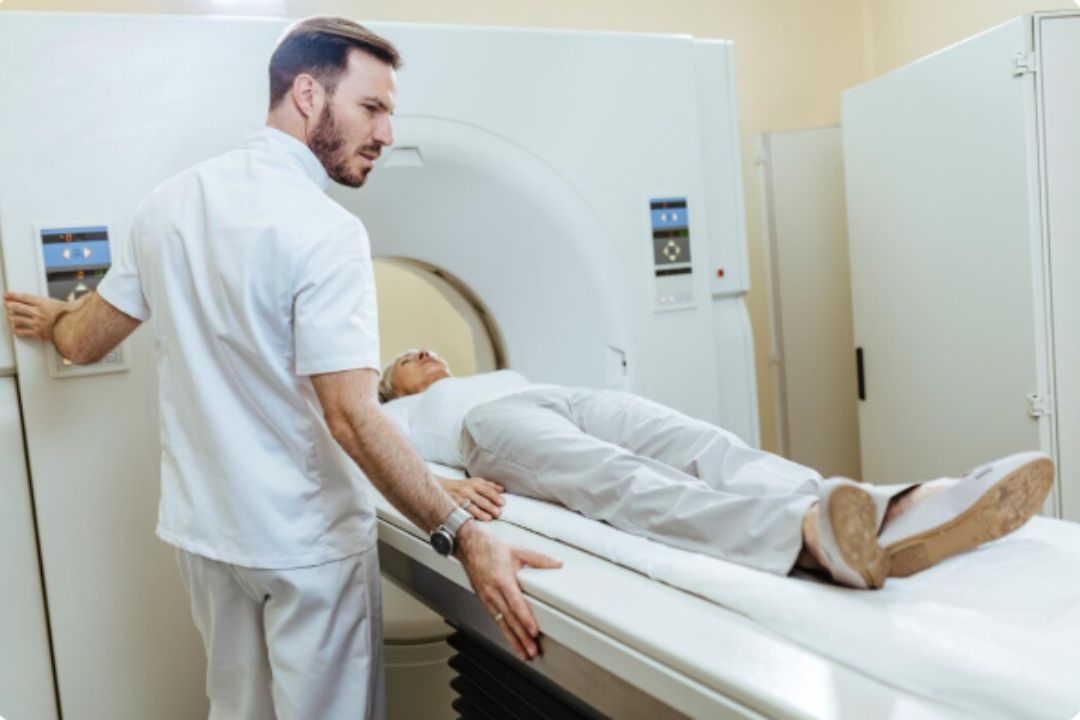
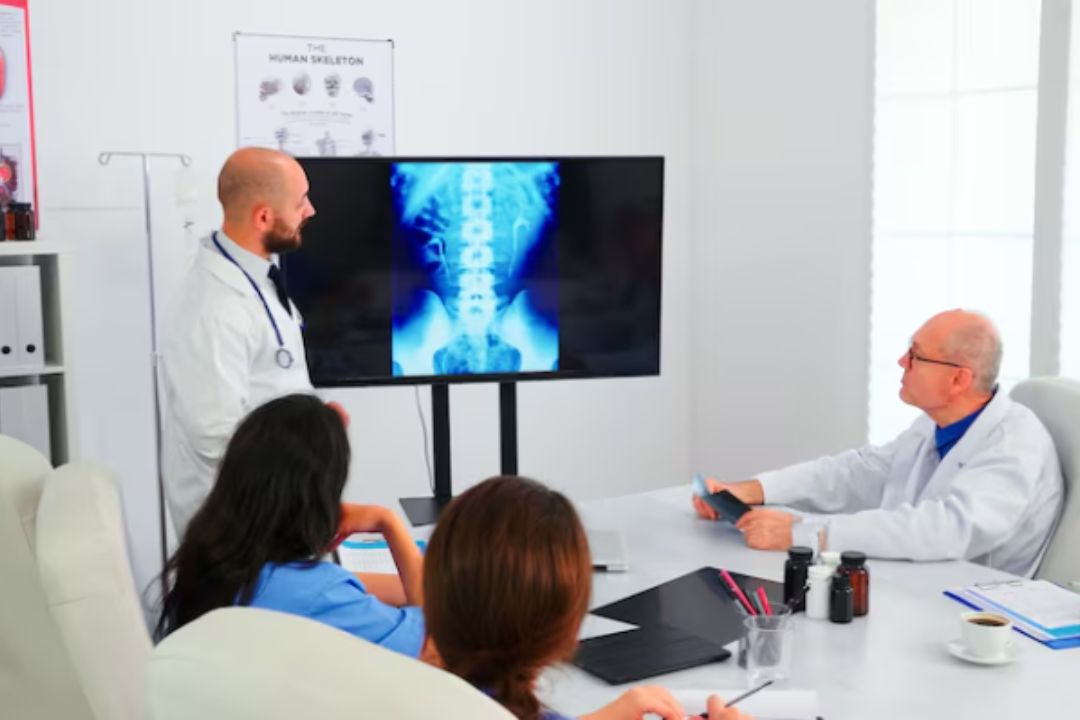
Prep starts with diagnostics, where contrast-enhanced imaging shines. Preparation for dental bridges with contrast usesCBCT scansor dye-enhanced X-rays at centers like Diagnopein to map bone density, nerve paths, and gum health precisely—essential for custom fits.
Consultation and Scan: Discuss goals; get contrast scans for 3D views of dental bridge preparation areas.
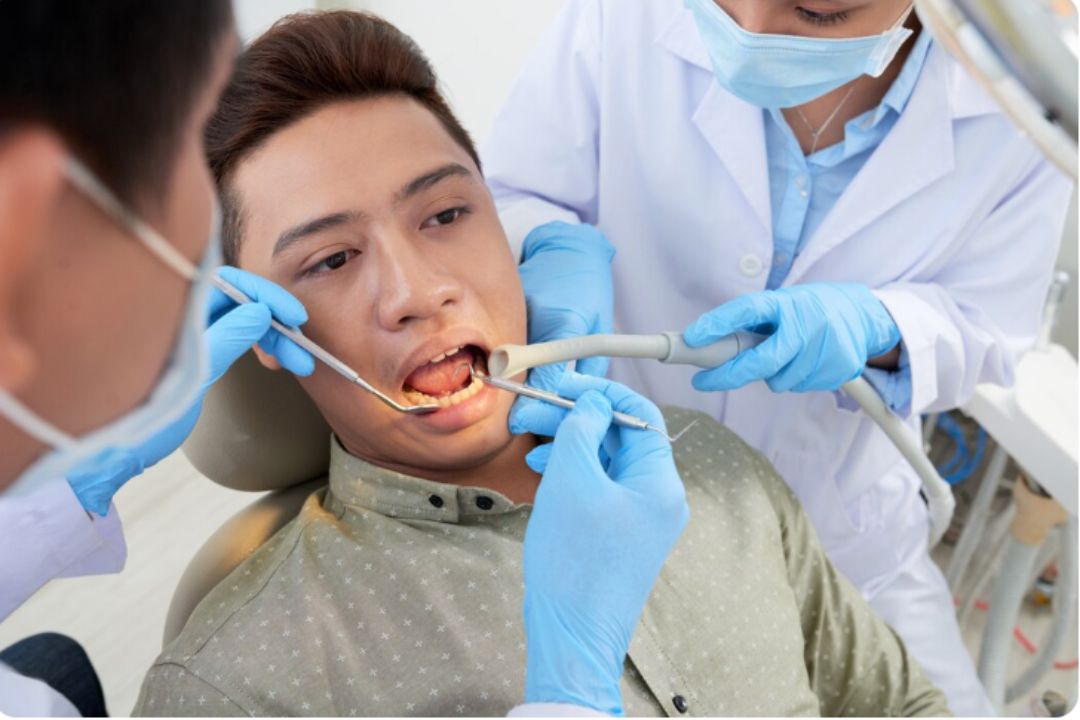
Tooth Prep: Healthy teeth are shaped for crowns; local anesthesia ensures comfort.
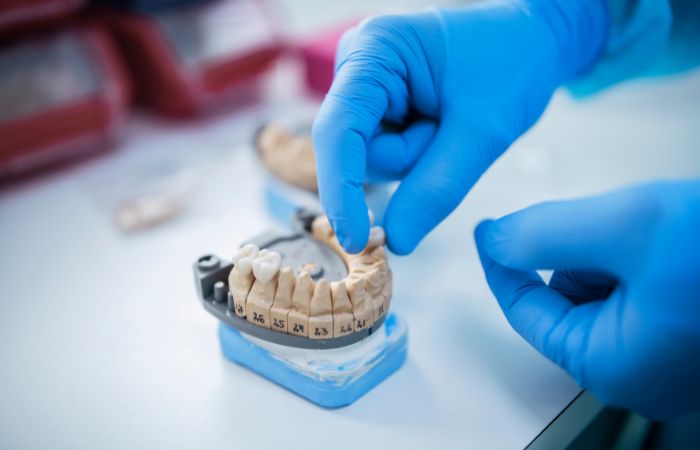
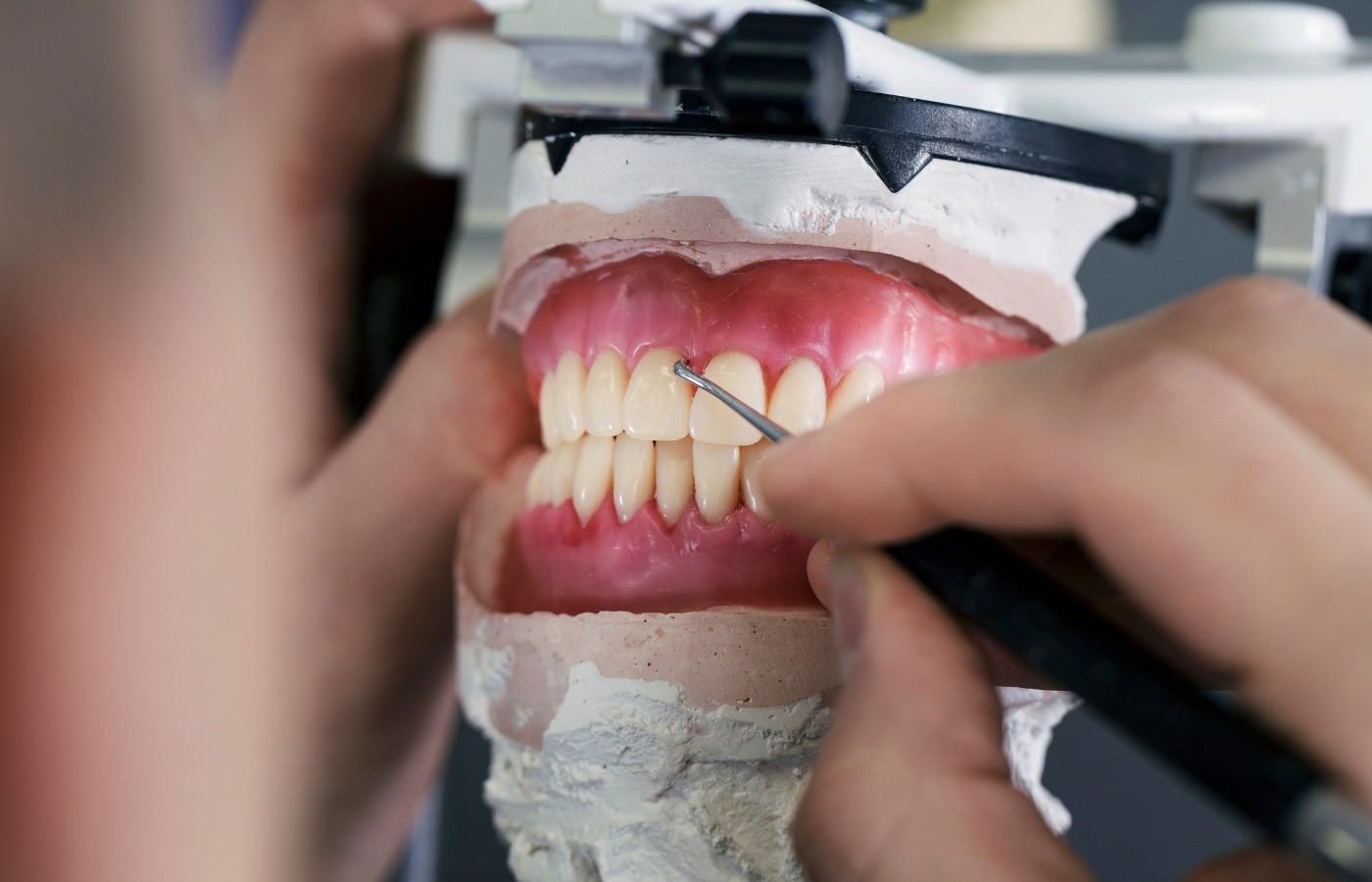
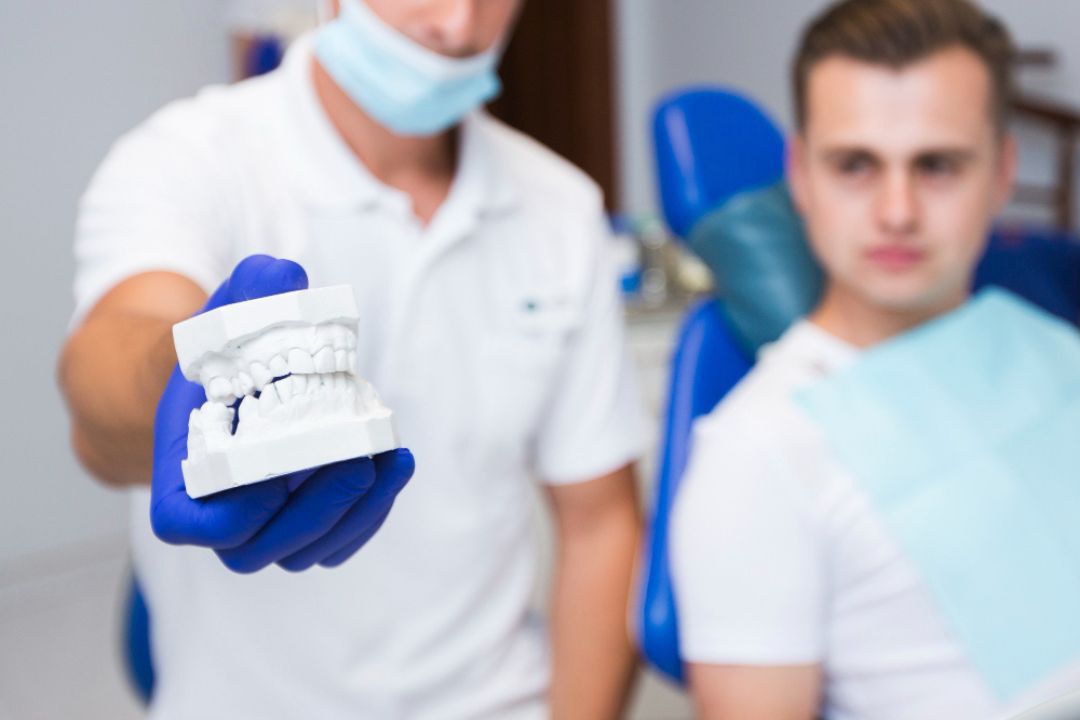
Impressions: Digital scans or molds create the bridge framework.
Temporary Bridge: Worn during 2-week lab fabrication.
Fitting: Permanent placement with adjustments for bite harmony.
This dental bridge procedure takes 2-3 visits, with recovery involving soft foods and good hygiene. Contrast prep minimizes risks like nerve damage in complex cases.
With proper care, dental bridges prognosis is excellent—95% last 10-15 years, per studies. Factors like oral hygiene, materials (zirconia for durability), and avoiding hard foods extend life for permanent dental bridges.
Success hinges on dentist skill and patient compliance; regular check-ups catch issues early. Compared to dental bridges vs implants, bridges offer quicker recovery but require healthy supports. Long-term dental bridges maintenance includes flossing threads and fluoride rinses.
Diagnopein stands out with state-of-the-art contrast imaging, expert prosthodontists, and personalized plans for fixed dental bridges or alternatives. Patients rave about painless procedures, quick dental bridges recovery, and support for dental bridges near me searches.






.jpg "dental bridges")

.jpg "dental bridges")
.jpg "dental bridges")
.jpg "dental bridges")
.jpg "Dental Bridges restore your smile")
 (1).jpg "dental bridges and major conditions")