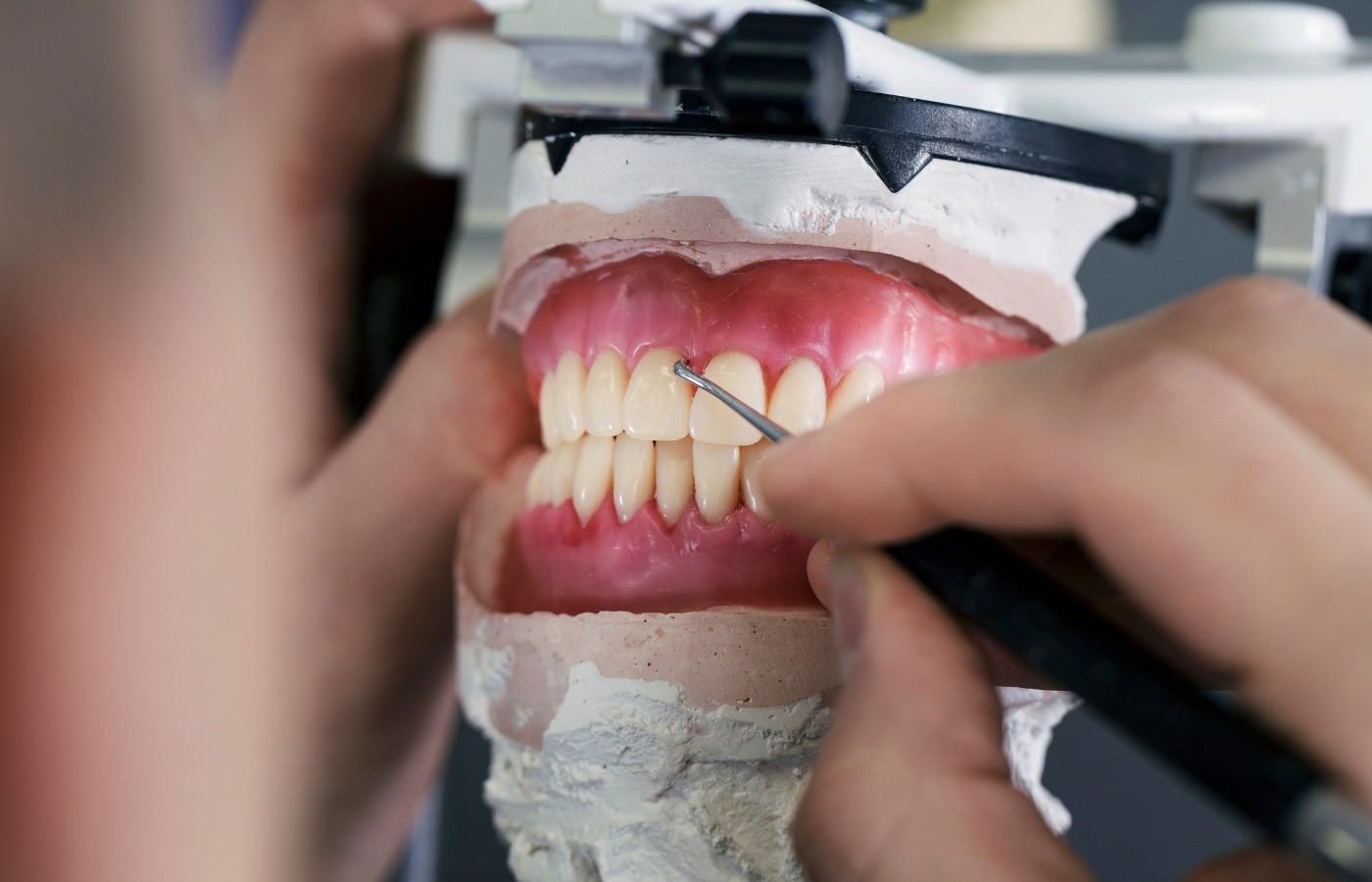
When it comes to restoring missing teeth, dental bridges are one of the most popular and effective solutions. Dental bridges are designed to fill the gap left by one or more missing teeth, providing both functional and aesthetic benefits. However, despite their proven success, there are still several common concerns and myths surrounding their safety and effectiveness.
Dental bridges are one of the most widely used tooth replacement options in restorative dentistry. They help restore missing teeth by filling the gap with a natural-looking prosthetic. While bridges have been used successfully for decades, many people still have questions and misconceptions about their safety and effectiveness.
In this detailed guide, we address the most common concerns about dental bridges, debunk popular myths, and explain what you really need to know before choosing this treatment.
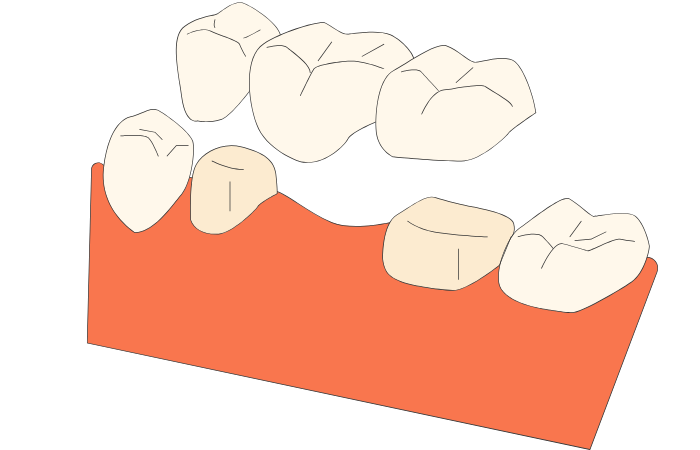
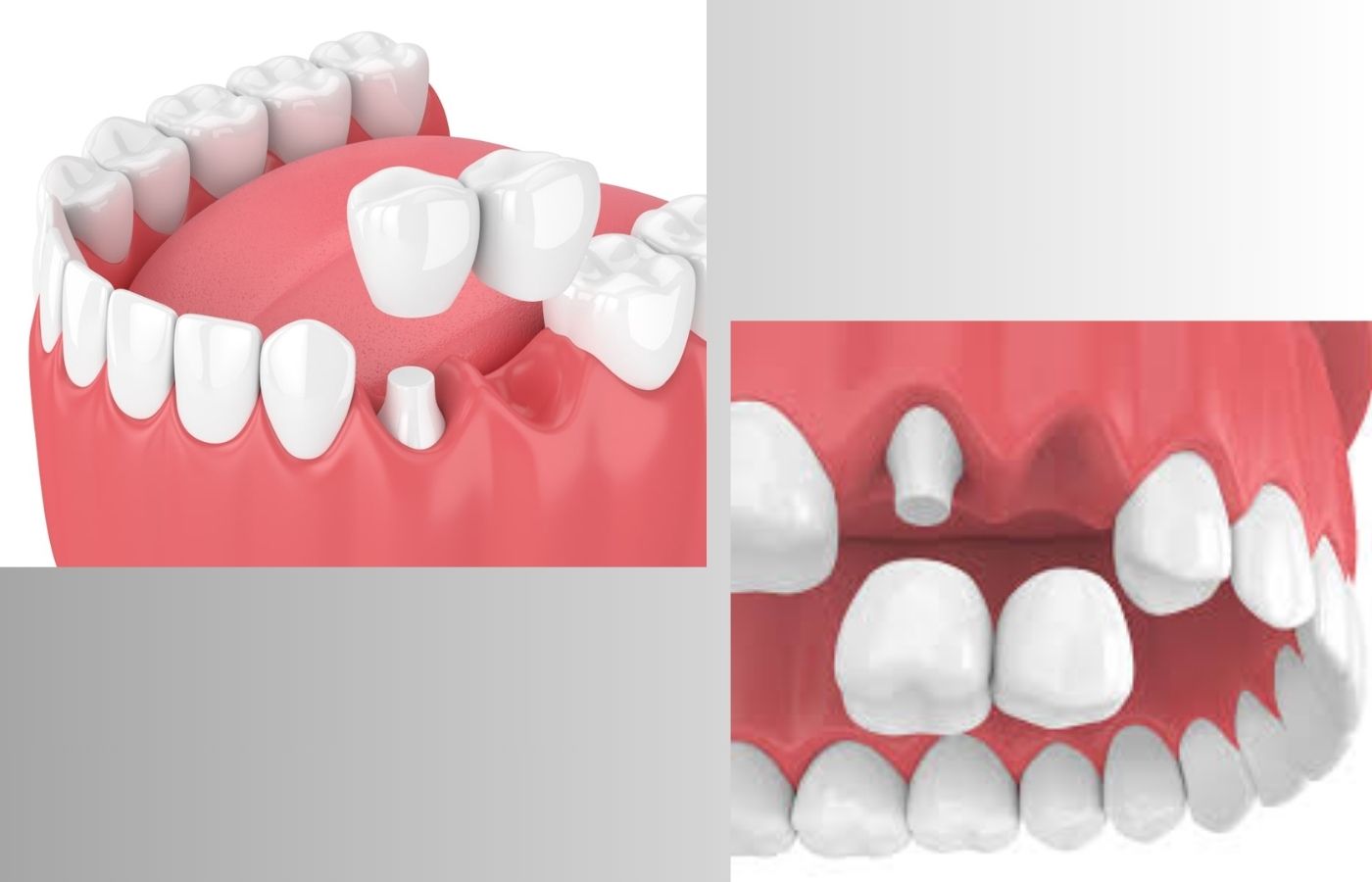
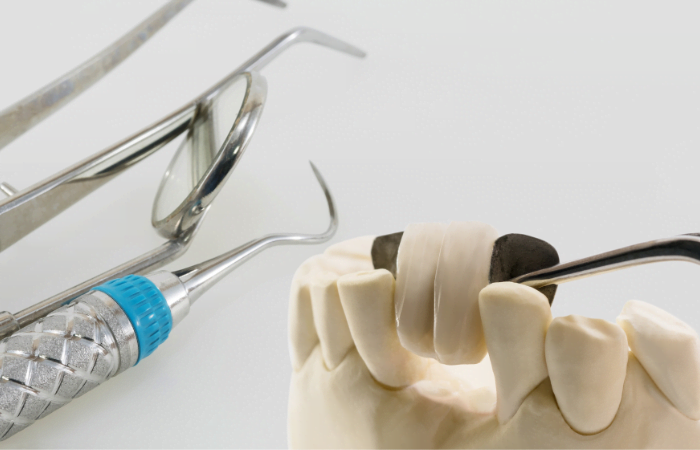
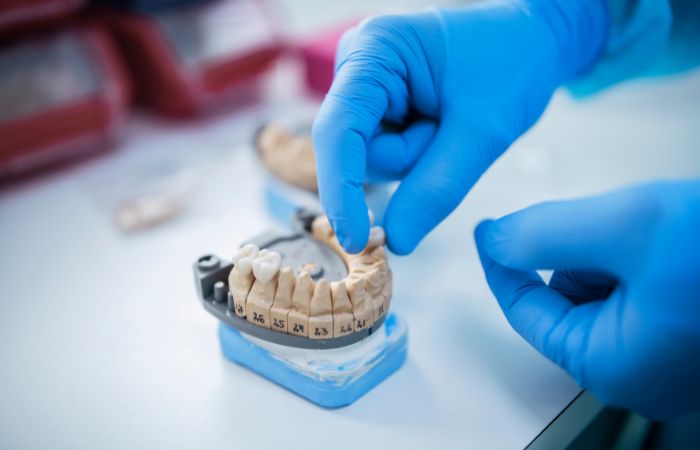
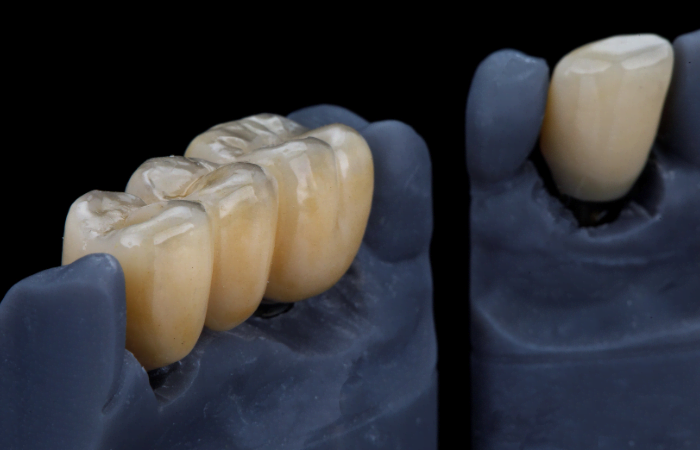
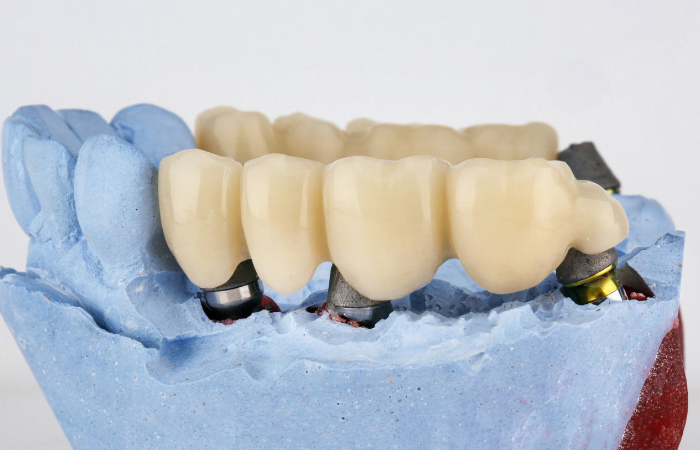
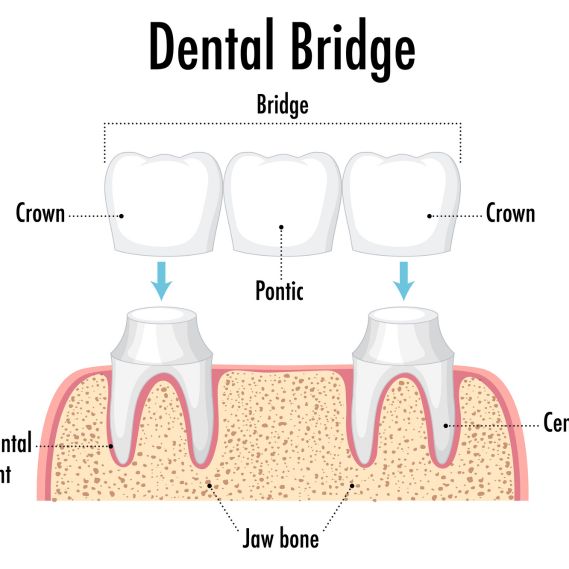
A dental bridge is a fixed prosthetic device that replaces one or more missing teeth. It generally consists of artificial teeth (called pontics) supported by crowns on the adjacent natural teeth, known as abutment teeth.
There are several types of dental bridges, including:
Traditional Bridges – supported by crowns on both sides of the gap.
Cantilever Bridges – supported by only one adjacent tooth.
Maryland Bridges – bonded to adjacent teeth with metal or porcelain wings.
Each type is selected based on the location of the missing tooth, oral condition, and chewing needs.
Yes, dental bridges are a safe and established solution for replacing missing teeth when performed by a qualified dental professional. The procedure has a long history of success and provides both functional and aesthetic benefits.
Visit Now: https://www.diagnopein.com
However, like any dental treatment, the safety and success depend on factors such as:
The experience of your dentist.
Quality of materials used.
Your oral hygiene before and after treatment.
When placed correctly with modern techniques, dental bridges are predictable and reliable.
One major concern is that a bridge may harm the teeth supporting it. In traditional bridges, the adjacent teeth are prepared to receive crowns. While this does require shaping of enamel, modern methods aim to preserve as much tooth structure as possible.
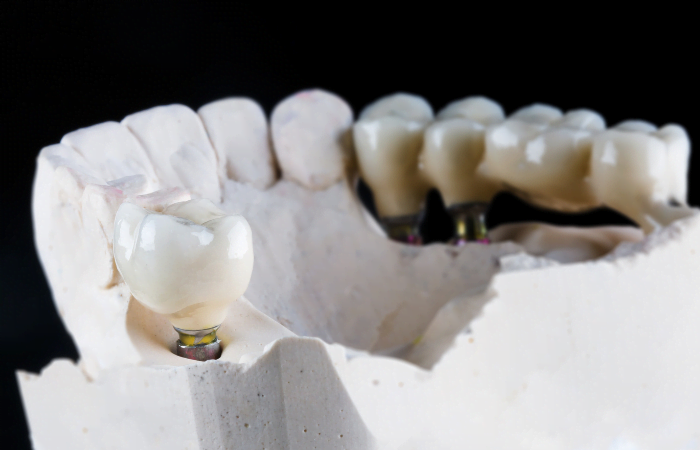
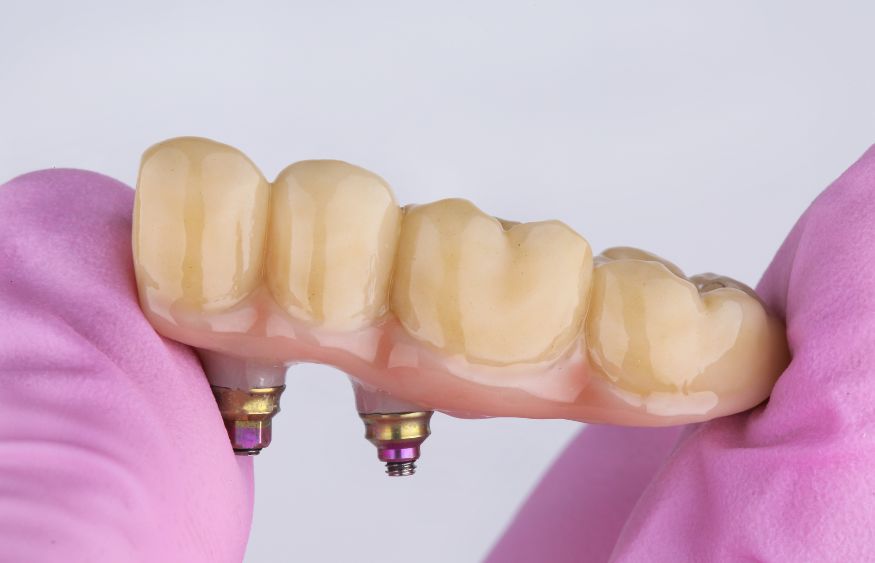
Maryland and implant-supported bridges are less invasive options when suitable. With careful planning, the risk to adjacent teeth is minimal.
Some patients worry that a dental bridge will feel bulky or strange in the mouth. In reality, modern bridges are custom-made to match the contour of your teeth and bite. Most people adapt quickly, often within days after placement.
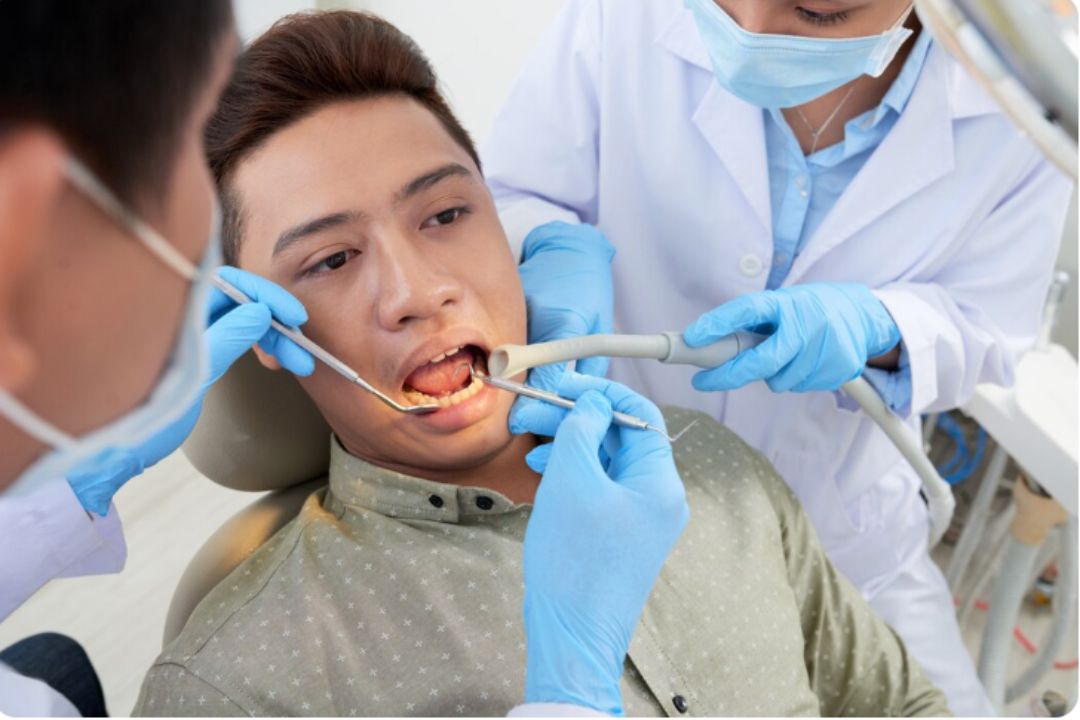
The dental bridge procedure is typically not painful. Local anesthesia is used to numb the area during treatment. Mild sensitivity or discomfort may occur afterward, but it usually fades within a few days.
Longevity depends on factors like oral hygiene, diet, and the materials used. With proper care and routine dental check-ups, dental bridges can last 10 to 15 years or more.
There are several misconceptions that prevent people from exploring dental bridges as an option. Here’s the truth behind those myths:
Fact: Missing teeth can occur at any age due to decay, trauma, or disease. Dental bridges are suitable for adults of all ages who need to restore their smile and chewing function.
Fact: While conventional bridges do involve preparing adjacent teeth, modern materials and techniques aim to preserve as much natural tooth structure as possible. Maryland bridges often require minimal alteration.
Fact: Bridges are custom-made from materials like porcelain or ceramic that mimic natural tooth colour and shape. When placed correctly, they are nearly indistinguishable from natural teeth.
Fact: Bridges themselves do not cause bad breath or gum disease. Poor hygiene around the restoration, however, can lead to plaque build-up. Regular brushing, flossing, and check-ups are essential.
Fact: Though the upfront cost may seem high, bridges offer long-term value by restoring function, preventing shifting of adjacent teeth, and improving quality of life. With good maintenance, they can last many years.
Unlike dental implants, traditional bridges do not replace the tooth root. Therefore, they do not stimulate bone in the jaw, which means some bone resorption can occur over time. This is normal and doesn’t make the bridge unsafe, but it is something to consider when selecting the best treatment for your needs.
Maintaining a bridge is similar to caring for natural teeth. Daily brushing, flossing, and regular professional cleanings are important to prevent decay around the crowns or gum issues.
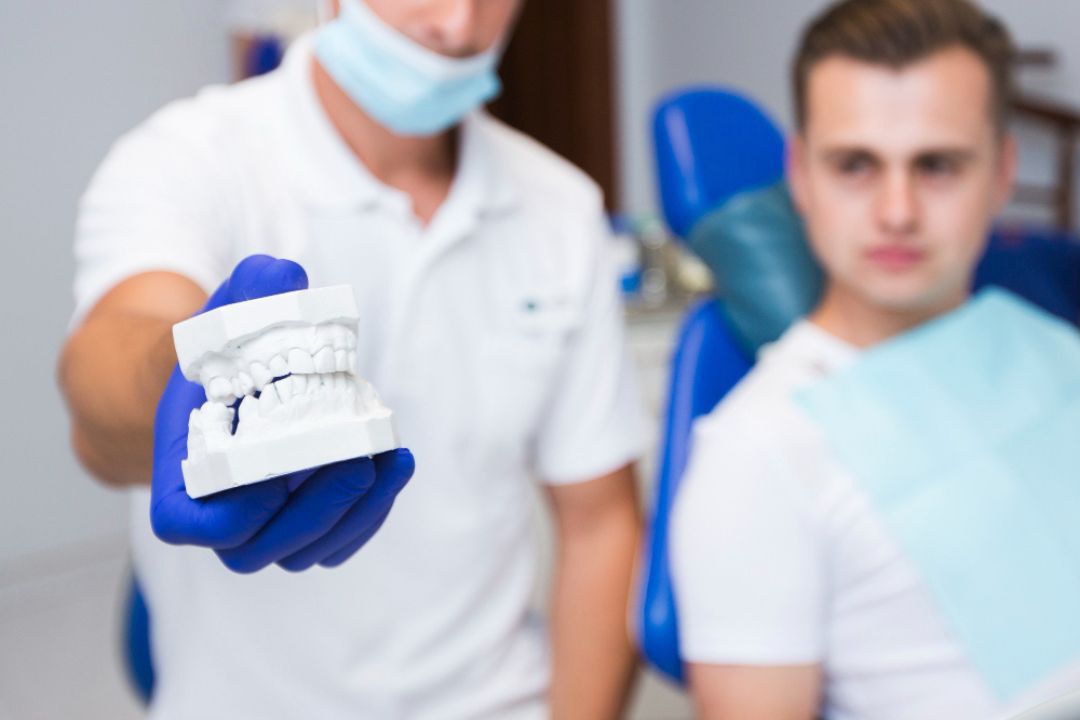
Dental bridges are a safe, effective choice for many patients with missing teeth. They restore chewing ability, prevent neighbouring teeth from shifting, and improve aesthetics. Every case is unique, so a thorough consultation and examination with a qualified dentist will help determine the best option for you. Dental Clinic In Mumbai
If you’re considering a dental bridge, speak to a trusted dental professional to learn how they can safely restore your smile and oral function.










.jpg "dental bridges")

.jpg "dental bridges")

.jpg "dental bridges")
.jpg "dental bridges")

.jpg "Dental Bridges restore your smile")
 (1).jpg "dental bridges and major conditions")