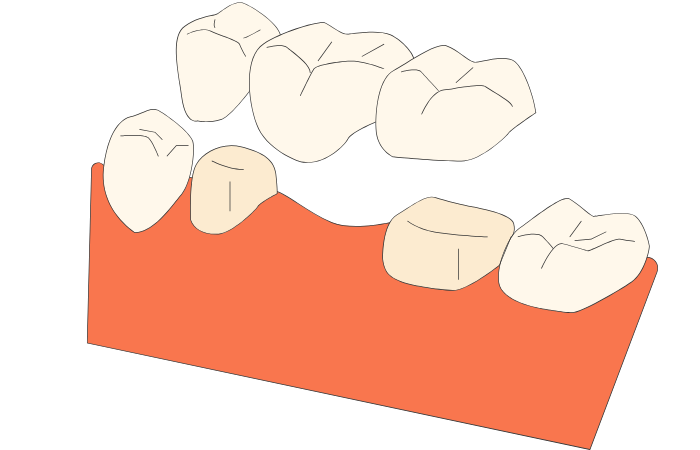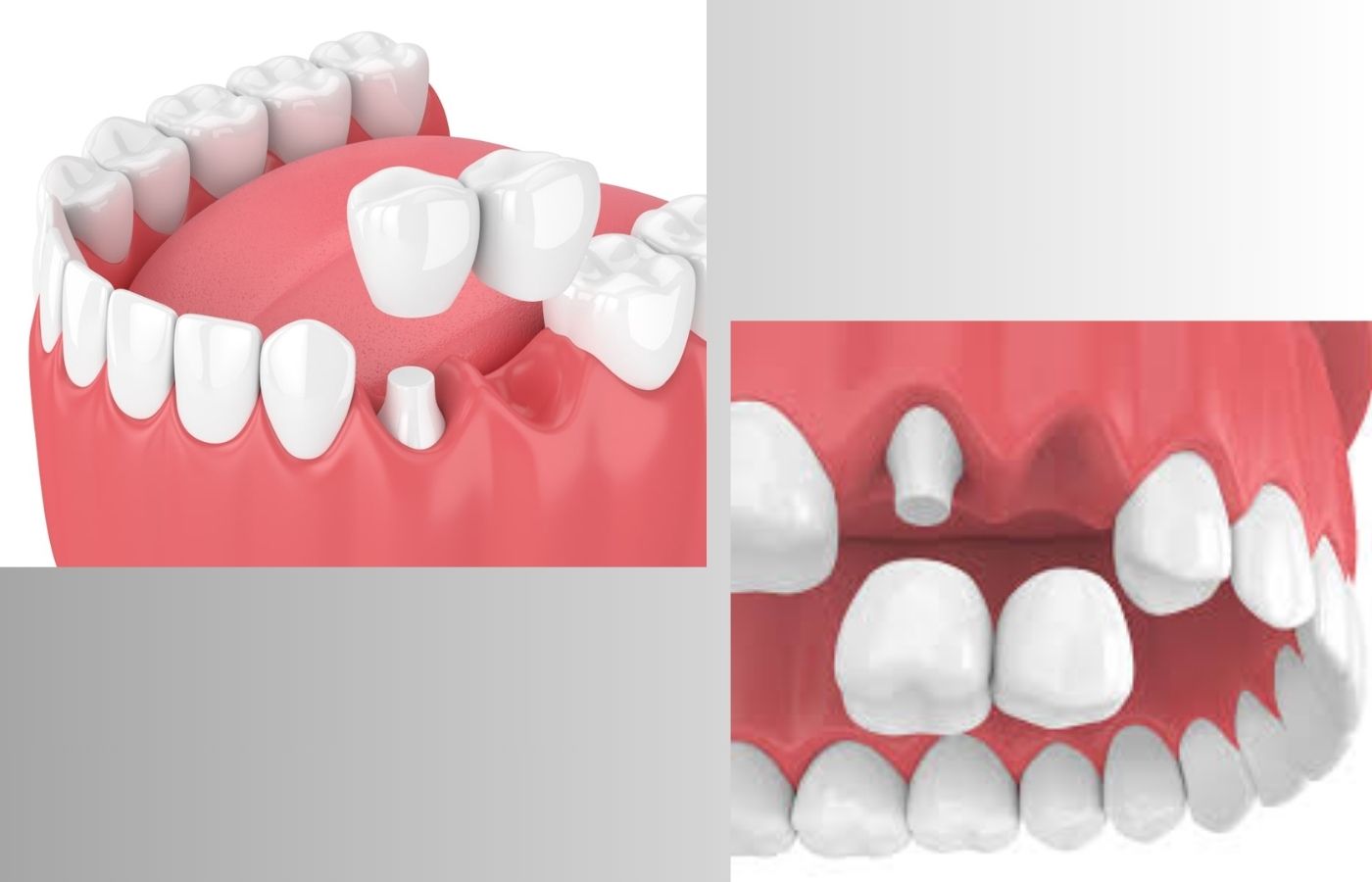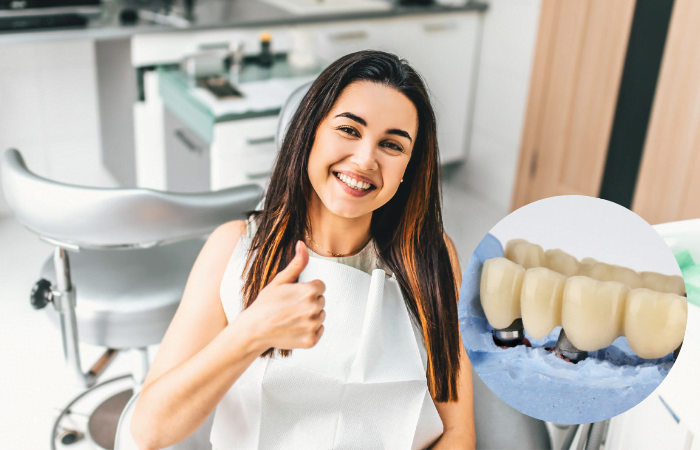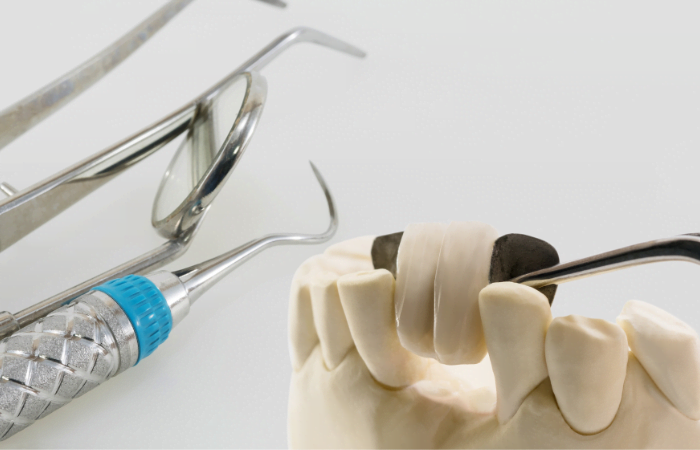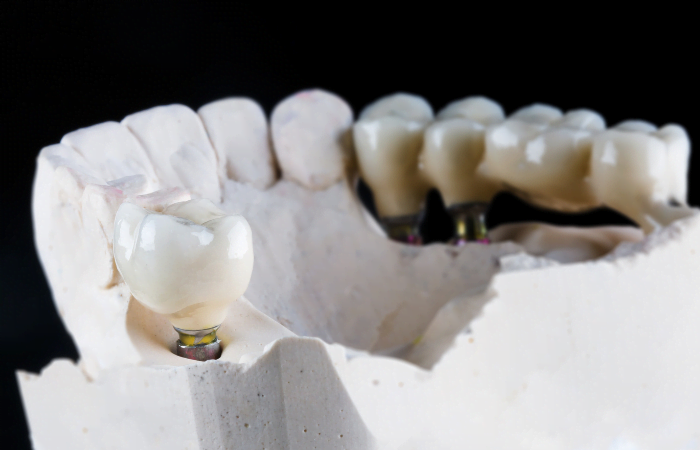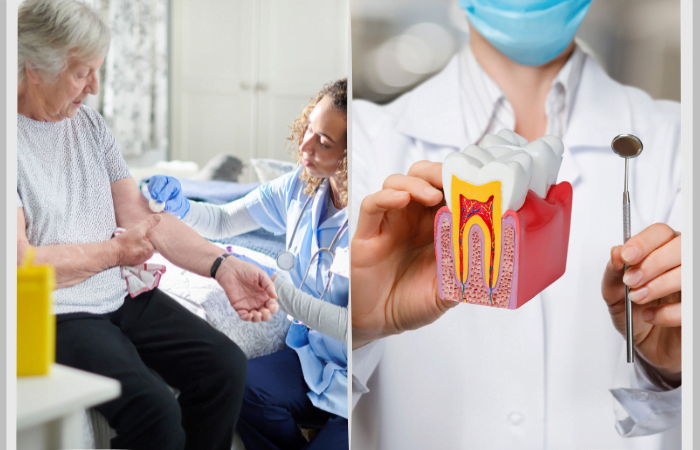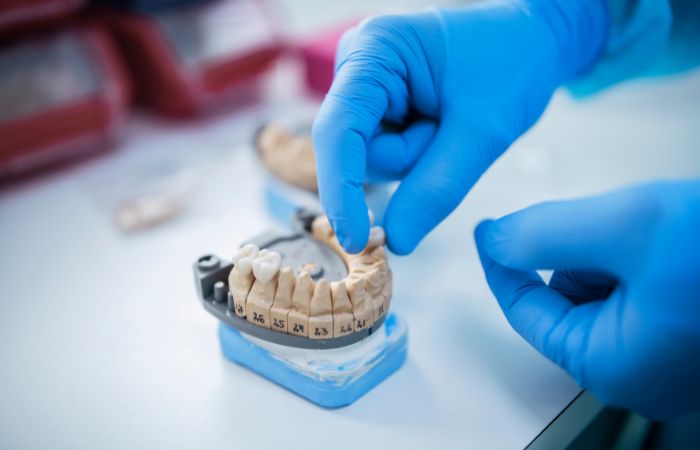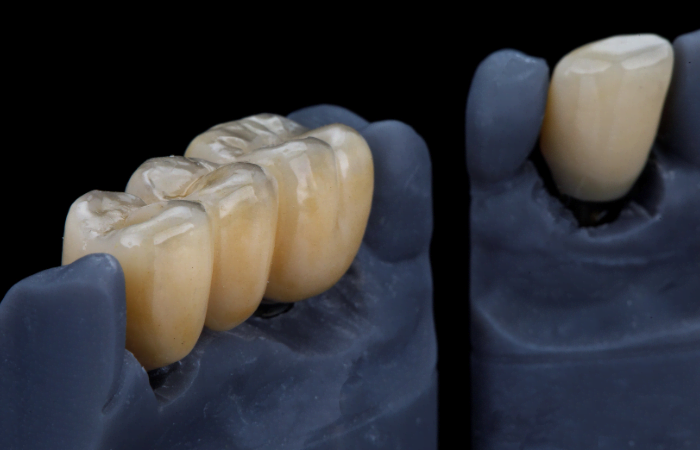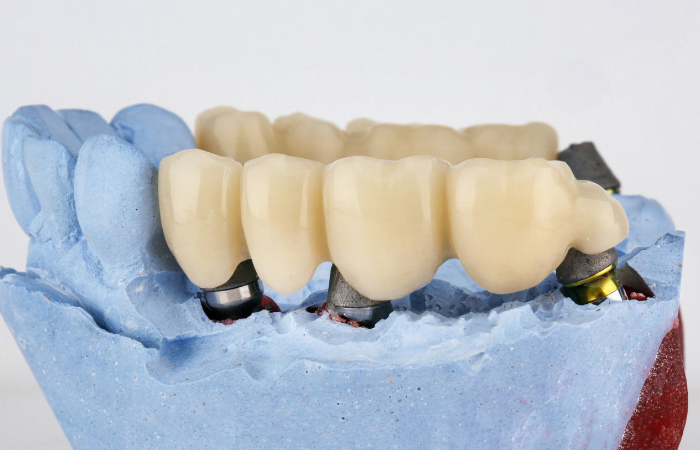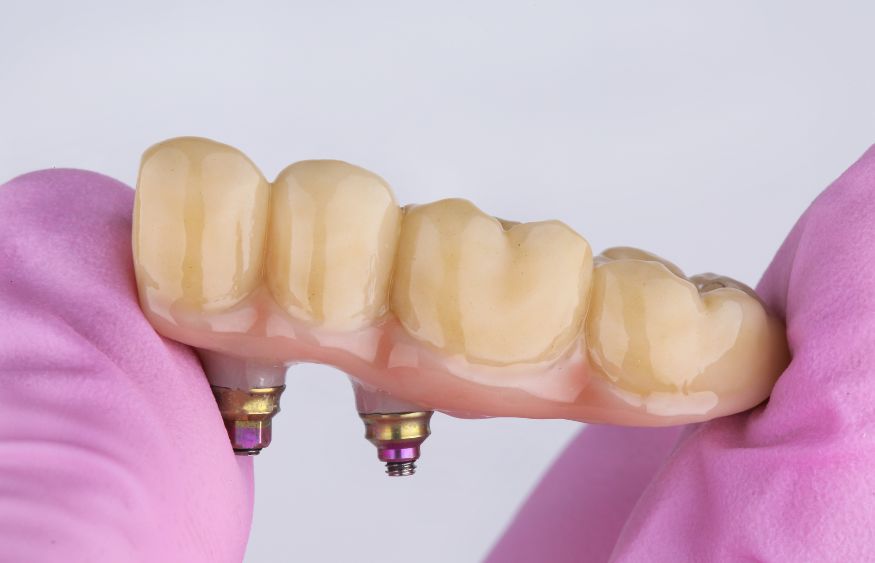
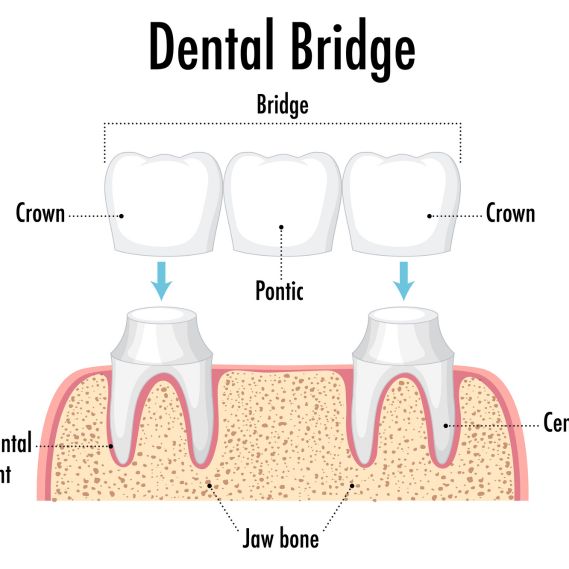
Let's start with the basics: what is a dental bridge? A dental bridge is a fixed prosthetic device used to replace one or more missing teeth. It literally "bridges" the gap in your smile. A traditional bridge consists of two or more dental crowns (called abutments) placed on the healthy teeth on either side of the gap, with a false tooth (pontic) in between. These components are fabricated as a single, solid piece from materials like porcelain, ceramic, or metal alloys, providing a natural-looking and durable restoration.
Why might a dentist recommend a bridge? The benefits are compelling:
Quick and Non-Invasive Process: Unlike some alternatives, getting a bridge doesn’t require surgery. The process typically involves just two or three appointments.
Proven Reliability: Bridges have been used successfully for decades. With proper care, they can last 10-15 years or longer.
Restored Function and Aesthetics: A bridge immediately restores your ability to chew and speak normally and fills the visible gap for a complete smile.
Prevents Dental Shifting: The space left by a missing tooth can cause adjacent teeth to drift, leading to bite problems and jaw issues. A bridge maintains the proper alignment of your teeth.
Cost-Effective: In many cases, a dental bridge presents a more budget-friendly upfront tooth replacement option.
When researching dental bridge vs implant, it's crucial to understand the key differences. A dental implant involves surgically placing a titanium post into the jawbone to act as an artificial root, then attaching a crown on top. It's an excellent, independent restoration.
However, a dental bridge is often the top choice when:
The adjacent teeth already have large fillings or crowns and would benefit from being crowned themselves.
The patient prefers a faster, non-surgical solution.
There are contraindications for surgery or bone grafting (which implants sometimes require).
Budget is a primary consideration for affordable dental bridge treatment.
Comfort: Once placed and adjusted, a high-quality fixed dental bridge feels very much like your natural teeth. There's no removable appliance to take out, and it stabilizes your bite.
Care: Maintaining a bridge involves excellent oral hygiene—regular brushing, flossing (using special floss threaders or a water flosser to clean underneath the pontic), and professional cleanings. While temporary bridge dental glue exists for emergencies, a professionally cemented bridge is permanent and secure.
Finding the Right Solution for You
Deciding on the best missing tooth solution is a personal choice that depends on your oral health, lifestyle, and goals. This is where professional expertise is invaluable. Searching for "dental bridges near me" is a good start, but you need a partner who will provide a comprehensive diagnosis and explain all your options clearly.
Accidentally losing a tooth is more than just a physical gap—it can impact your confidence, your bite, and your overall oral health. While modern dentistry offers several replacement paths, a dental bridge stands out as a proven, efficient, and often ideal choice for many patients. It restores function and aesthetics quickly, prevents further dental issues, and provides a reliable solution without the need for invasive surgery.
At Diagnopein, we understand that losing a tooth can be stressful. Our patient-centered approach ensures you receive a thorough examination and a clear, customized treatment plan. We don't just offer procedures; we provide lasting dental health solutions.
When you choose Diagnopein, you choose:
Expert Diagnosis: We use advanced digital imaging and diagnostics to assess your unique situation, ensuring a bridge is the ideal choice for your long-term oral health.
Precision Craftsmanship: Our bridges are crafted for perfect fit, function, and aesthetics, blending seamlessly with your natural smile.
Comprehensive Care: From your first consultation through placement and long-term maintenance, our team is with you every step of the way.






.jpg "dental bridges")

.jpg "dental bridges")
.jpg "dental bridges")
.jpg "dental bridges")
.jpg "Dental Bridges restore your smile")
 (1).jpg "dental bridges and major conditions")