Dental Bridges (₹ 900)     Book An Appointment


Dental Bridges Treatment

Dental Bridges in Pune Complete Guide to Tooth Replacement

Missing teeth can affect your smile, confidence, and overall oral health. If you are looking for a reliable tooth replacement solution in Pune, Dental Bridges are one of the most effective and affordable options available.

This guide explains everything you need to know about dental bridges, including types, procedure, benefits, and cost.

types of dental bridges

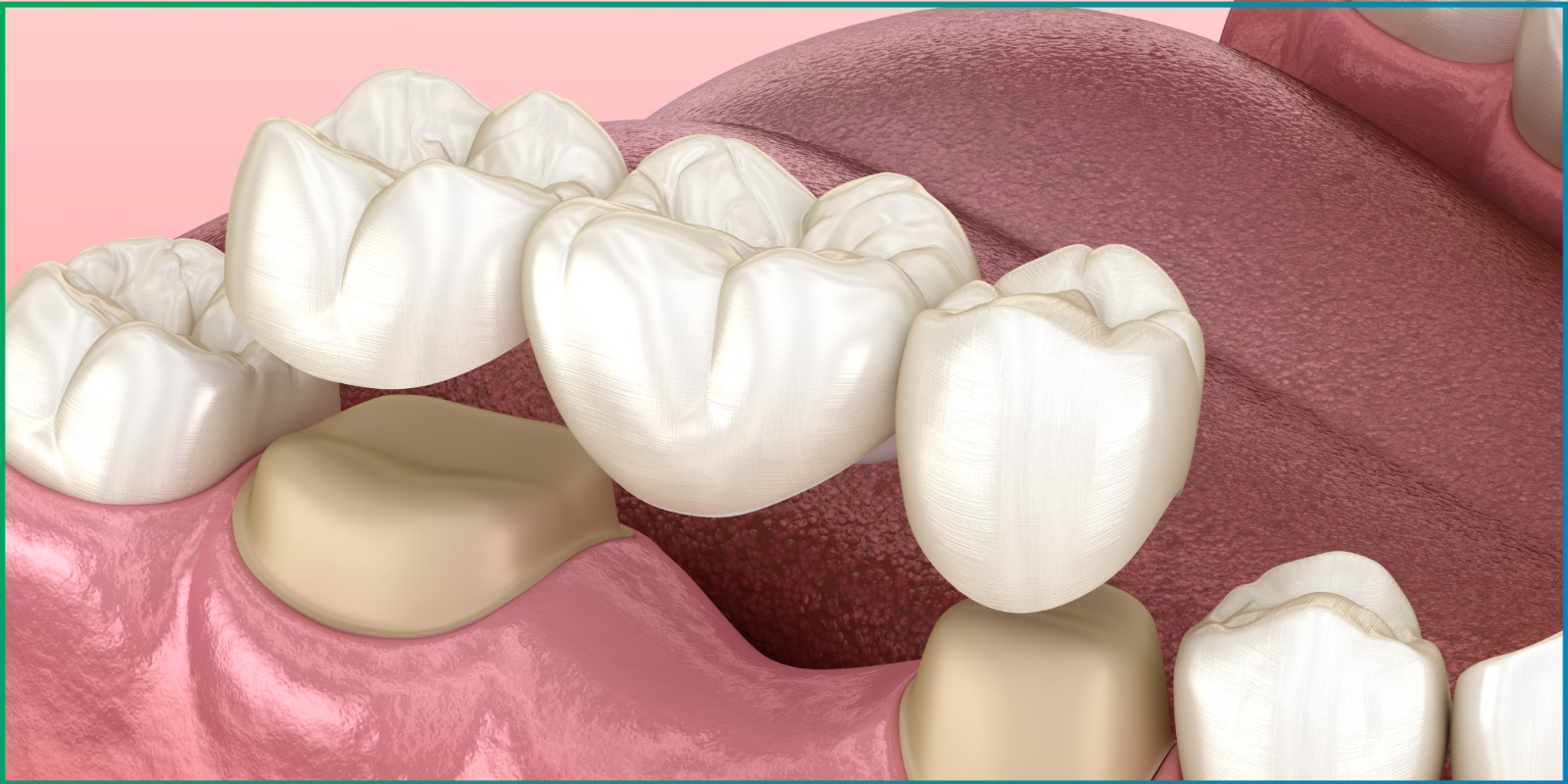
Traditional Dental Bridge

The most common type of bridge, a traditional dental bridge involves creating a crown for the teeth or implants on either side of the missing tooth, with a pontic in between. This type is ideal when you have natural teeth on both sides of the gap.

Cantilever Dental Bridge

This type of bridge is used when there is only one adjacent tooth next to the missing tooth. The pontic is anchored to just one abutment tooth. Cantilever bridges are less common today and are generally used in areas like the front teeth where less force is applied.

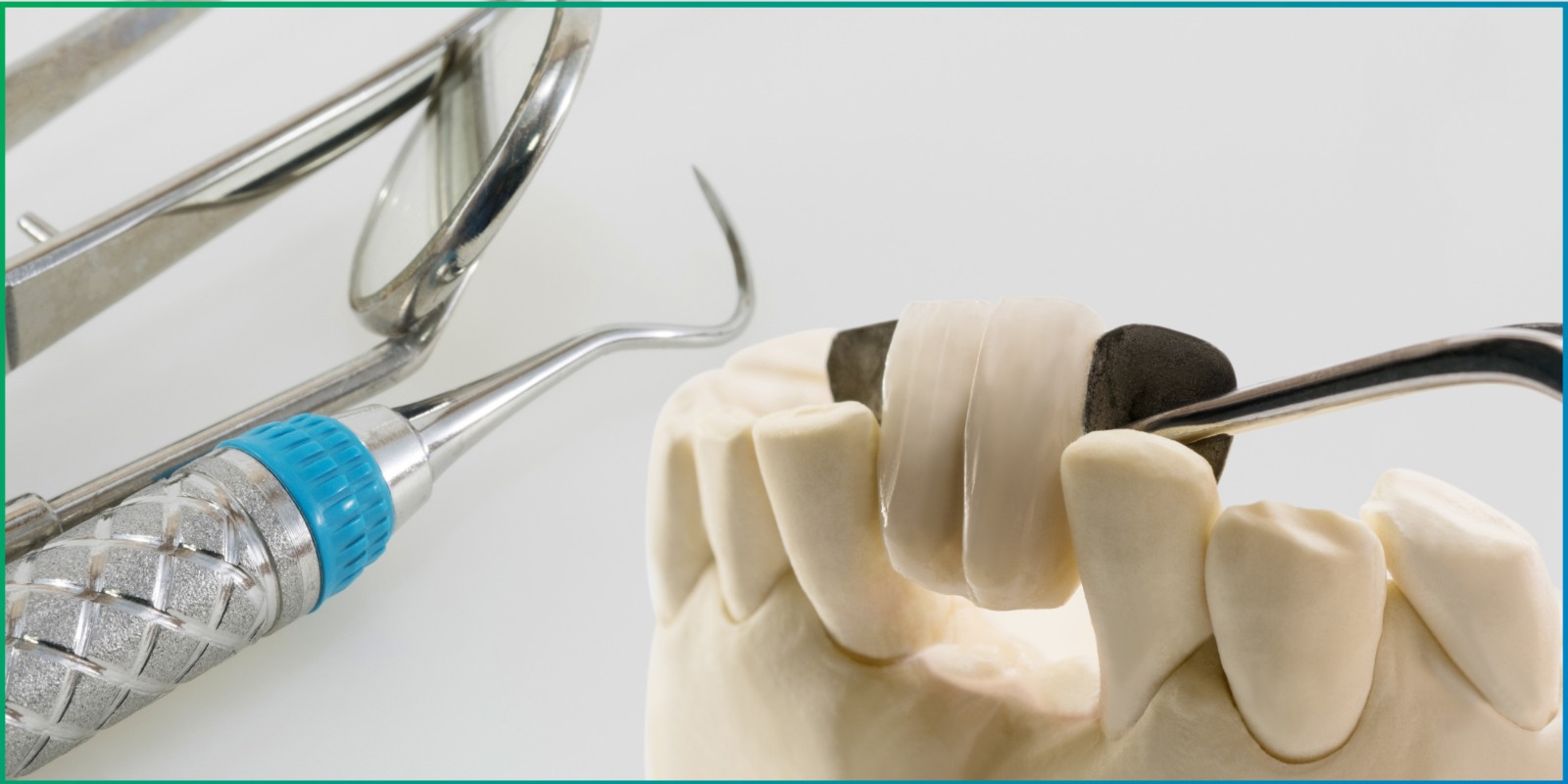
Maryland Bonded Bridge (Resin-Bonded Bridge)

This type of bridge involves a false tooth supported by a metal or porcelain framework. The framework is bonded to the back of the adjacent teeth, which means there’s minimal alteration to the surrounding teeth. Maryland bridges are often used for missing front teeth.

Implant-Supported Bridge

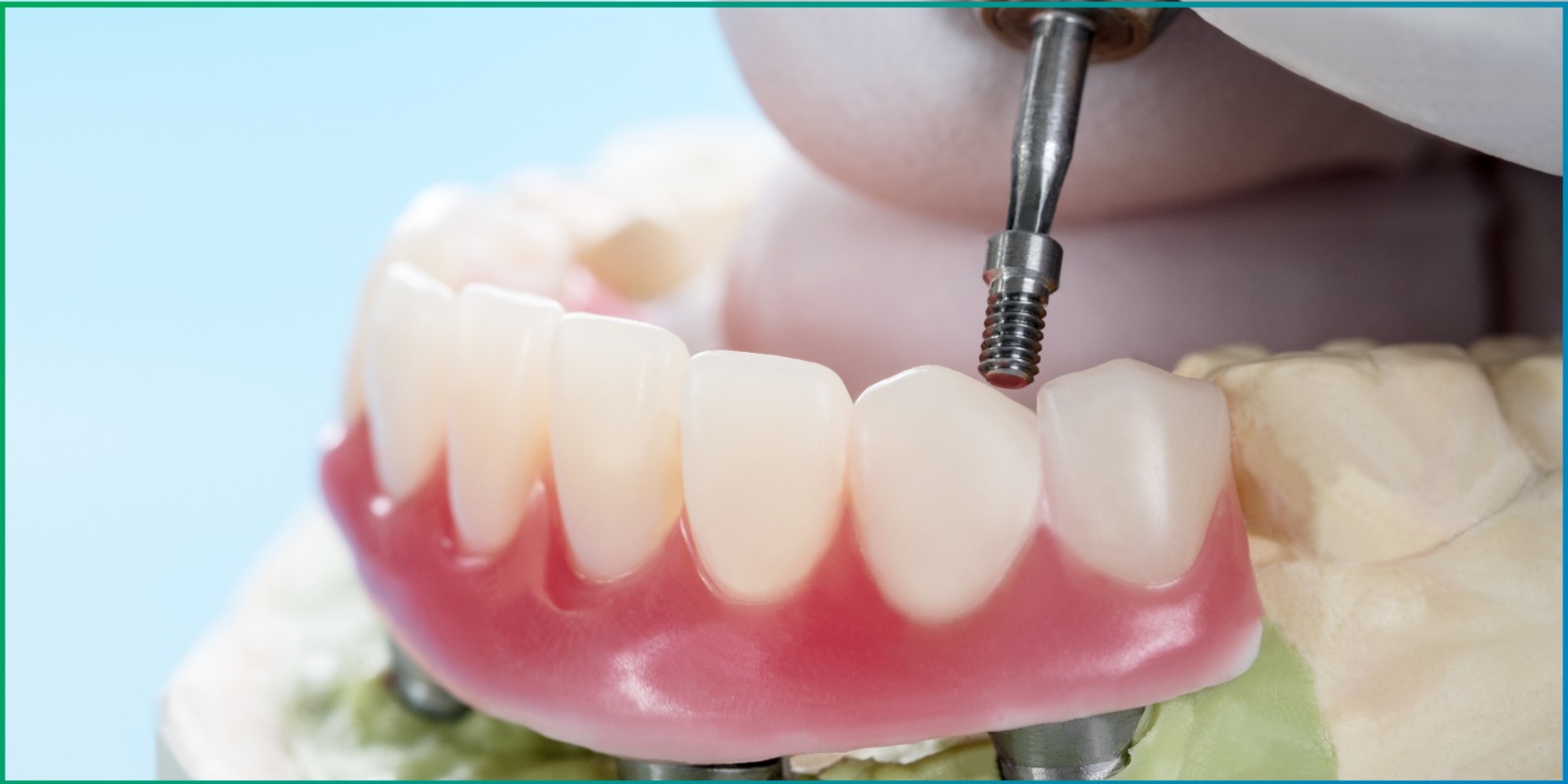
An implant-supported bridge is used when more than one tooth is missing. Instead of being supported by natural teeth, these bridges are supported by dental implants. This type is considered very secure and durable, making it a popular choice for those with multiple missing teeth.

Diagnopein Dental Bridges Centre     Book Appointment

Advantages of Dental Bridges

Restoration of Function

One of the primary benefits of a dental bridge is the restoration of your ability to chew and speak properly. Missing teeth can make it difficult to pronounce certain words and chew food effectively. A dental bridge helps restore these vital functions.

Preventing Teeth from Shifting

When a tooth is lost, the adjacent teeth can begin to shift into the empty space, leading to misalignment and bite issues. A dental bridge keeps your teeth in their proper positions.

Maintaining Facial Shape

Missing teeth can lead to bone loss in the jaw and changes in the shape of your face. A dental bridge helps maintain the natural shape of your face by providing the necessary support to the jawbone.

Aesthetic Improvement

A dental bridge restores your smile, giving you the confidence to smile, speak, and eat without feeling self-conscious about missing teeth.

Why choose Us

What Is a Dental Bridge?

A Dental Bridge is a fixed dental restoration used to replace one or more missing teeth. It “bridges” the gap between healthy teeth.

The artificial tooth (called a pontic) is supported by:

  1. Natural teeth on either side

  2. Or dental implants

A dental bridge restores both function and appearance.


Why You May Need a Dental Bridge

Missing teeth can cause several oral health problems, including:

  1. Difficulty chewing food

  2. Speech problems

  3. Shifting of nearby teeth

  4. Jawbone deterioration

  5. Facial sagging over time

Replacing missing teeth early prevents these complications.


Types of Dental Bridges

There are different types of Dental Bridges Available in Pune

1. Traditional Dental Bridge

This is the most common type.
It uses crowns placed on adjacent teeth to support the artificial tooth.

2. Cantilever Bridge

Used when there is only one supporting tooth next to the gap.

3. Maryland Bridge

Uses a metal or porcelain framework bonded to the back of adjacent teeth.

4. Implant-Supported Bridge

Supported by dental implants instead of natural teeth.
This option provides maximum stability and durability.


Dental Bridge Procedure – Step by Step

The procedure typically requires 2–3 visits.

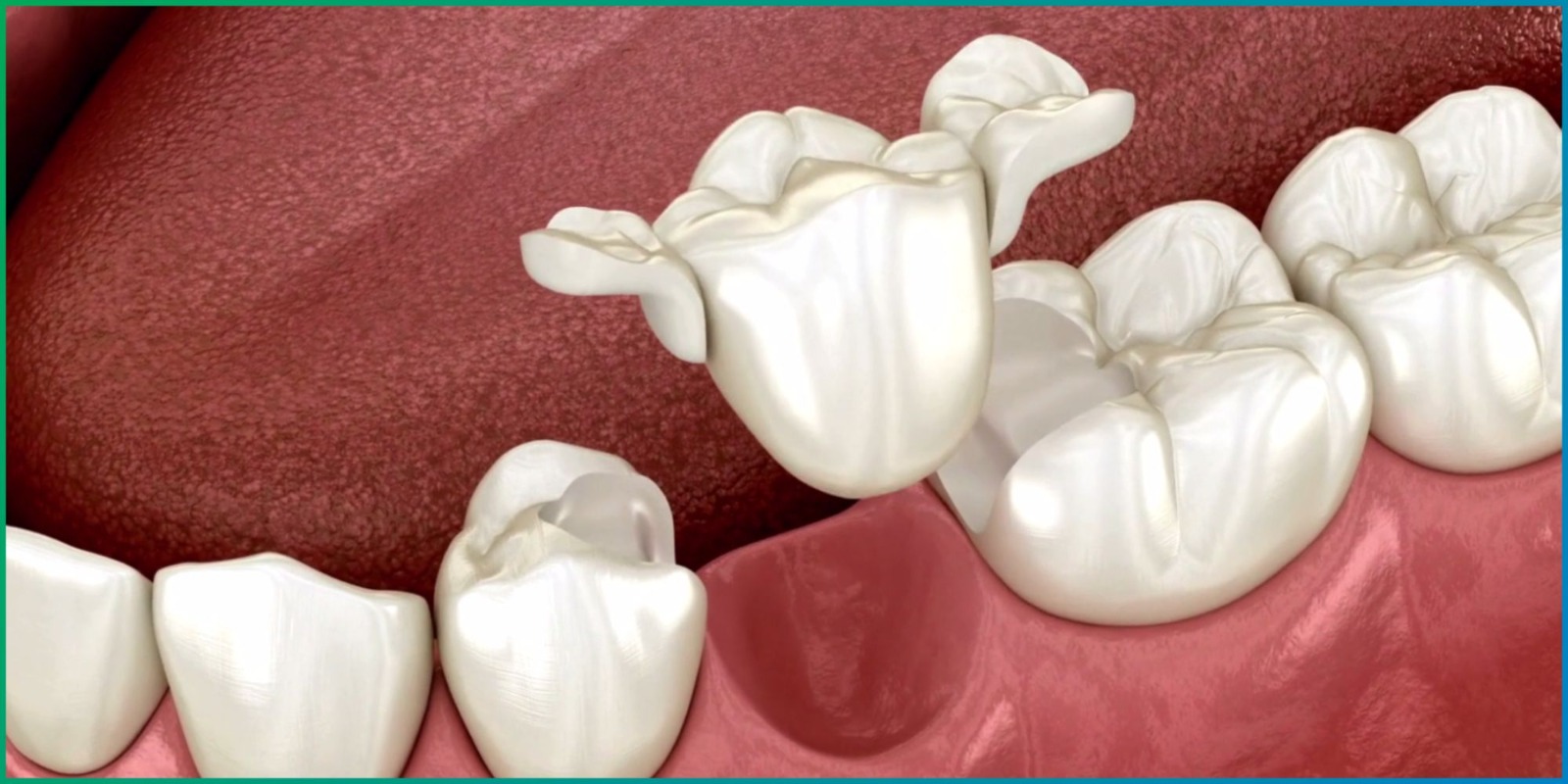
Step 1: Tooth Preparation

The dentist reshapes adjacent teeth to place dental crowns.

Step 2: Impression

An impression of your teeth is taken to create a custom bridge.

Step 3: Temporary Bridge

A temporary bridge protects your teeth while the permanent one is made.

Step 4: Final Placement

The permanent bridge is fixed and adjusted for comfort.


Benefits of Dental Bridges

Dental bridges offer several advantages:

  1. Restore chewing efficiency

  2. Improve speech clarity

  3. Enhance smile appearance

  4. Maintain facial shape

  5. Prevent teeth shifting

  6. Long-lasting solution

With proper care, dental bridges can last 10–15 years or more.


Cost of Dental Bridges in Pune

The cost of dental bridges in Pune depends on:

  1. Type of bridge

  2. Material used (metal, porcelain, zirconia)

  3. Number of teeth replaced

  4. Clinic location and expertise

On average, the price may range between ?8,000 to ?25,000 per unit.

For an accurate estimate, a dental consultation is recommended.


How to Care for a Dental Bridge

Maintaining oral hygiene is essential.

  1. Brush twice daily

  2. Use dental floss or interdental brushes

  3. Avoid very hard foods

  4. Visit your dentist regularly

Proper care ensures long-lasting results.


Are Dental Bridges Better Than Implants?

Both options have advantages.

Dental bridges are:

  1. More affordable

  2. Faster to complete

  3. Suitable when implants are not recommended

Dental implants are:

  1. More durable

  2. Prevent bone loss

  3. Do not affect adjacent teeth

Your dentist can help you choose the best option.


Conclusion

Dental bridges are a reliable and effective solution for replacing missing teeth. They restore function, improve appearance, and protect long-term oral health.

If you are considering Dental Bridges in Pune, consult a qualified dentist to explore the best treatment option for your needs.

Dental Bridges Treatement Cost     Book Appointment

Post-Operative Instructions
  • Refrain from chewing hard or crunchy foods for the first few days to protect the bridge.
  • Use over-the-counter pain relievers or prescribed medication as needed to alleviate discomfort.
  • Brush and floss daily, paying special attention to the area around the bridge to prevent decay.
  • Mild sensitivity to temperature is normal; if it persists, contact your dentist.
  • Drink plenty of water to help maintain oral health and keep your mouth moist.
How do I Care for Dental Bridges?
  • Brush your teeth at least twice a day and floss daily to keep the area around the bridge clean and prevent decay.
  • Limit consumption of highly pigmented foods and drinks (like coffee, tea, and red wine) that may stain certain types of bridges.
  • Clean between the bridge and the adjacent teeth using a floss threader or interdental brush to remove food particles and plaque.
  • If you play contact sports, use a mouthguard to protect your bridge and teeth from injury.
  • Do not use your teeth to open packages or bite non-food items, as this can damage the bridge.
Talk to Our Dentist.
  I HereBy Consent to receive calls/messagess from Diagnopein Dental and its partners and override DND settings
faq image

Frequently Asked Questions

Yes, a dental bridge allows you to eat most of the foods you enjoy. However, it's advisable to avoid extremely hard or sticky foods that could damage the bridge.

Caring for a dental bridge involves regular brushing and flossing, just as you would with your natural teeth. Your dentist may recommend special flossing tools to clean under the bridge.

It's normal to experience some discomfort or sensitivity when you first get a dental bridge. However, if discomfort persists, contact your dentist for an adjustment.

The timing depends on your specific situation. Your dentist will assess your healing progress and determine the best time to place the bridge. In some cases, a temporary bridge may be used until your mouth is ready for the permanent one.