Missing teeth not only affect your appearance but also your chewing ability, speech, and overall oral health. Dental bridges are a common restorative solution designed to fill the gaps left by missing teeth and restore function, comfort, and confidence.
In this comprehensive guide, you will learn how dental bridges work, their types, benefits, the treatment process, cost considerations, and how they can help you achieve a healthier and more beautiful smile.
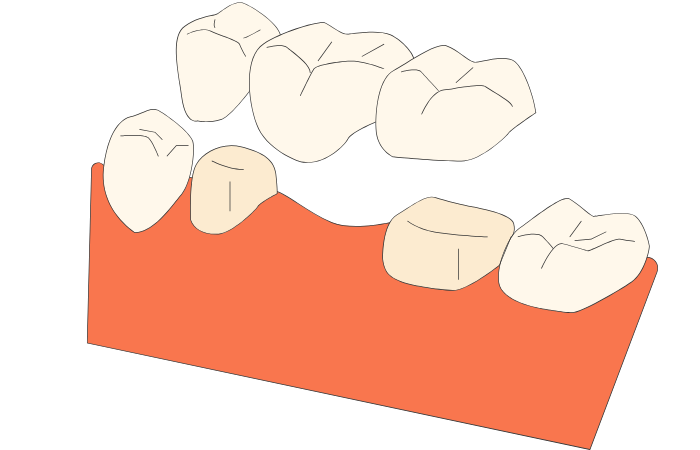
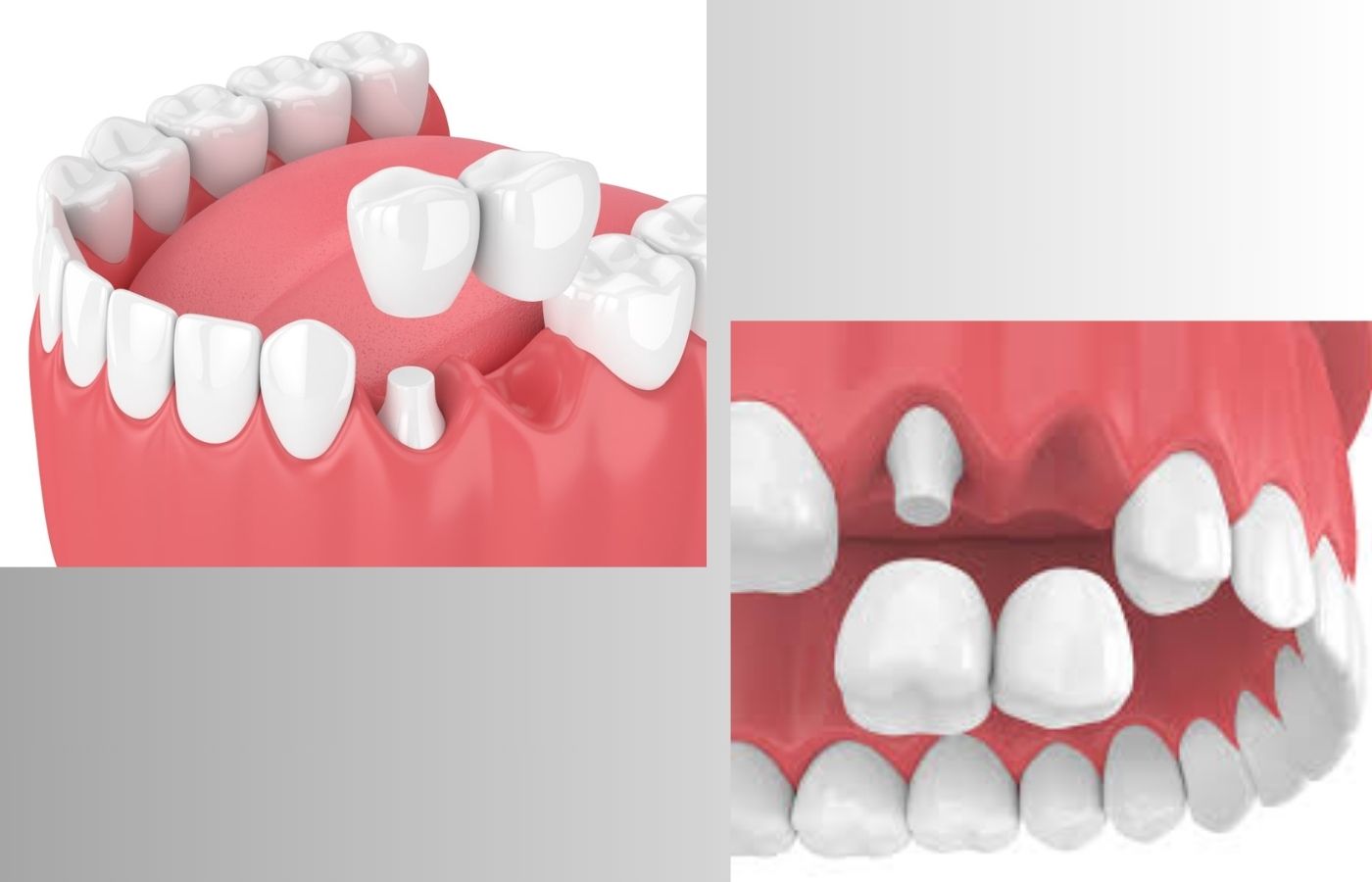
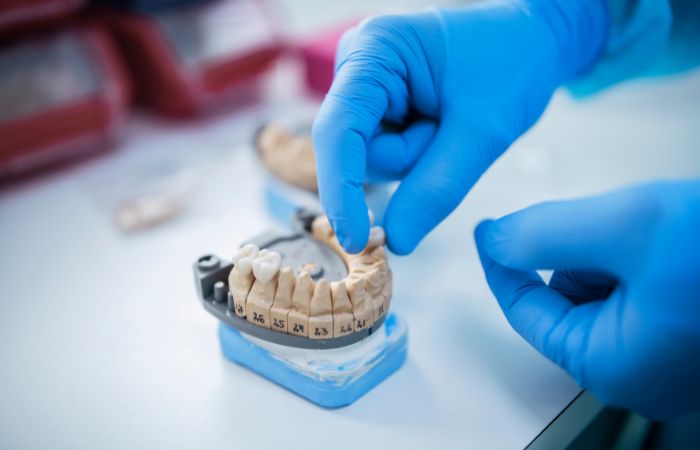
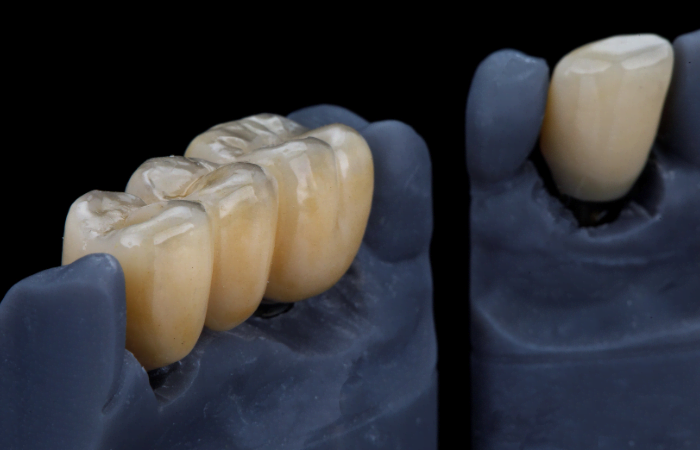
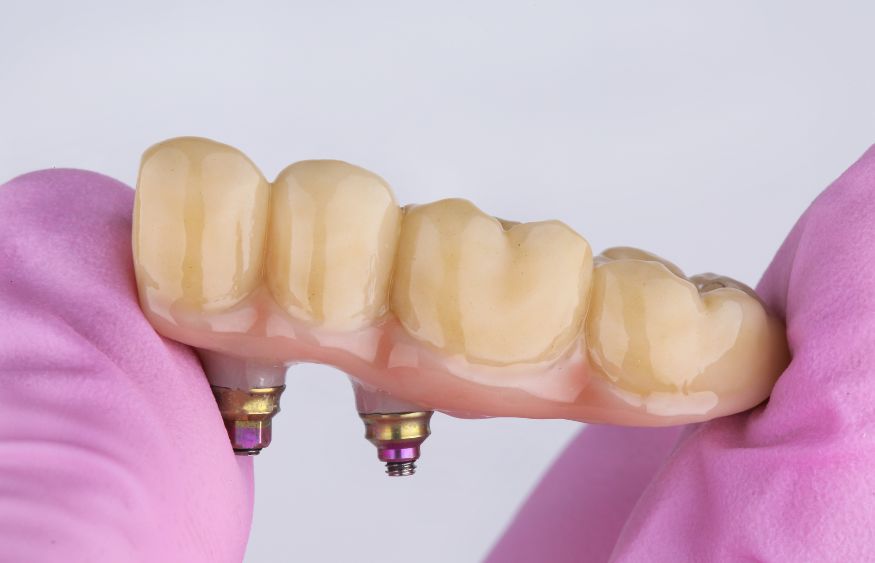
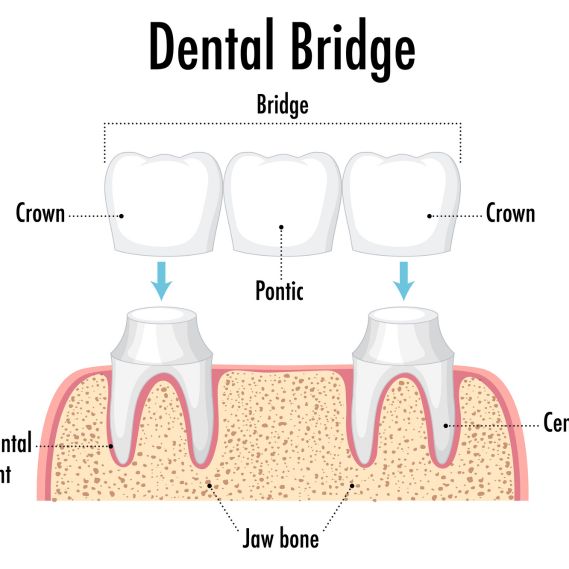
A dental bridge is a custom made restoration that replaces one or more missing teeth by anchoring artificial teeth to adjacent natural teeth or dental implants. The bridge literally “bridges” the space where teeth are missing.
A dental bridge typically consists of:
Pontics – replacement artificial teeth
Abutments – the supporting natural teeth or implants on either side
Bridge framework – the structure that connects pontics and abutments
By restoring missing teeth, dental bridges improve both smile aesthetics and oral function.
Gaps caused by missing teeth can lead to several issues:
Visit Now: https://www.diagnopein.com/dental-clinic/Mumbai
Teeth shifting into empty spaces
Bite misalignment and discomfort
Difficult chewing and speech
Increased risk of gum disease and decay
Loss of jawbone support over time
Closing gaps with a dental bridge can prevent these long term problems and maintain proper oral health.
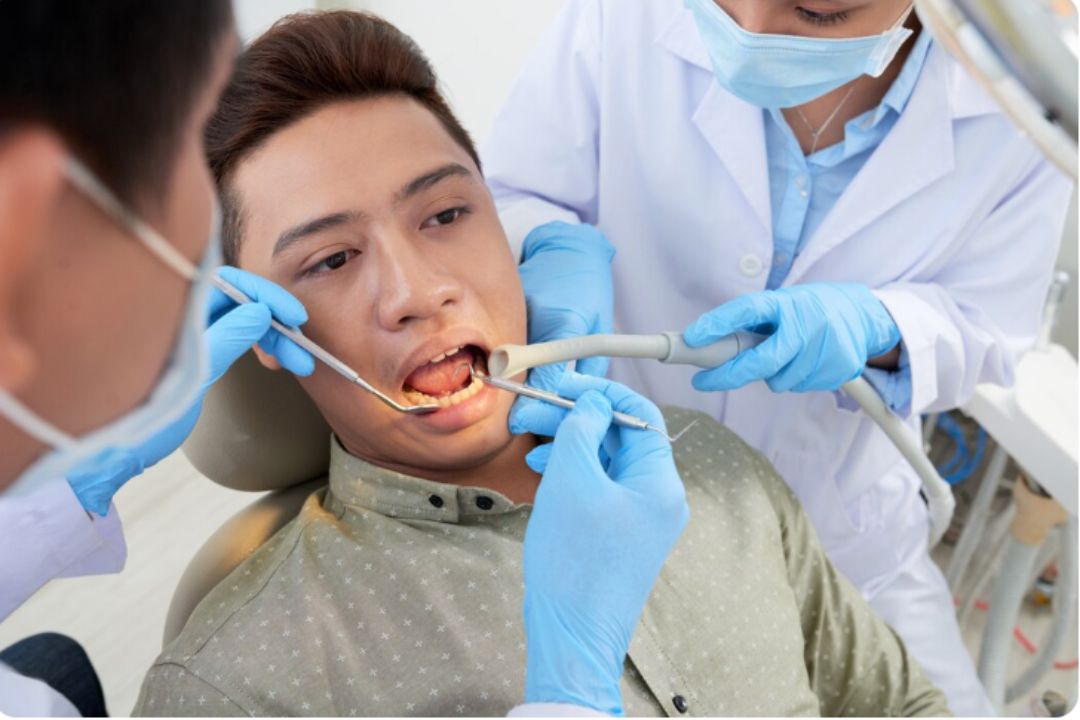
The dental bridge process begins with a complete oral examination. Your dentist will assess your teeth, gums, and jawbone to determine whether you are a suitable candidate.
Once the evaluation is complete the dental bridge steps usually include:
If natural teeth will support your bridge, the adjacent abutment teeth are prepared by removing a small amount of enamel. This creates space for the crowns that will secure the bridge.
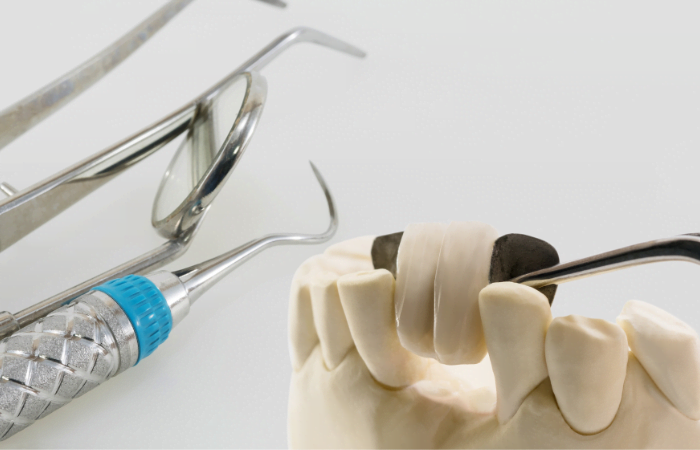
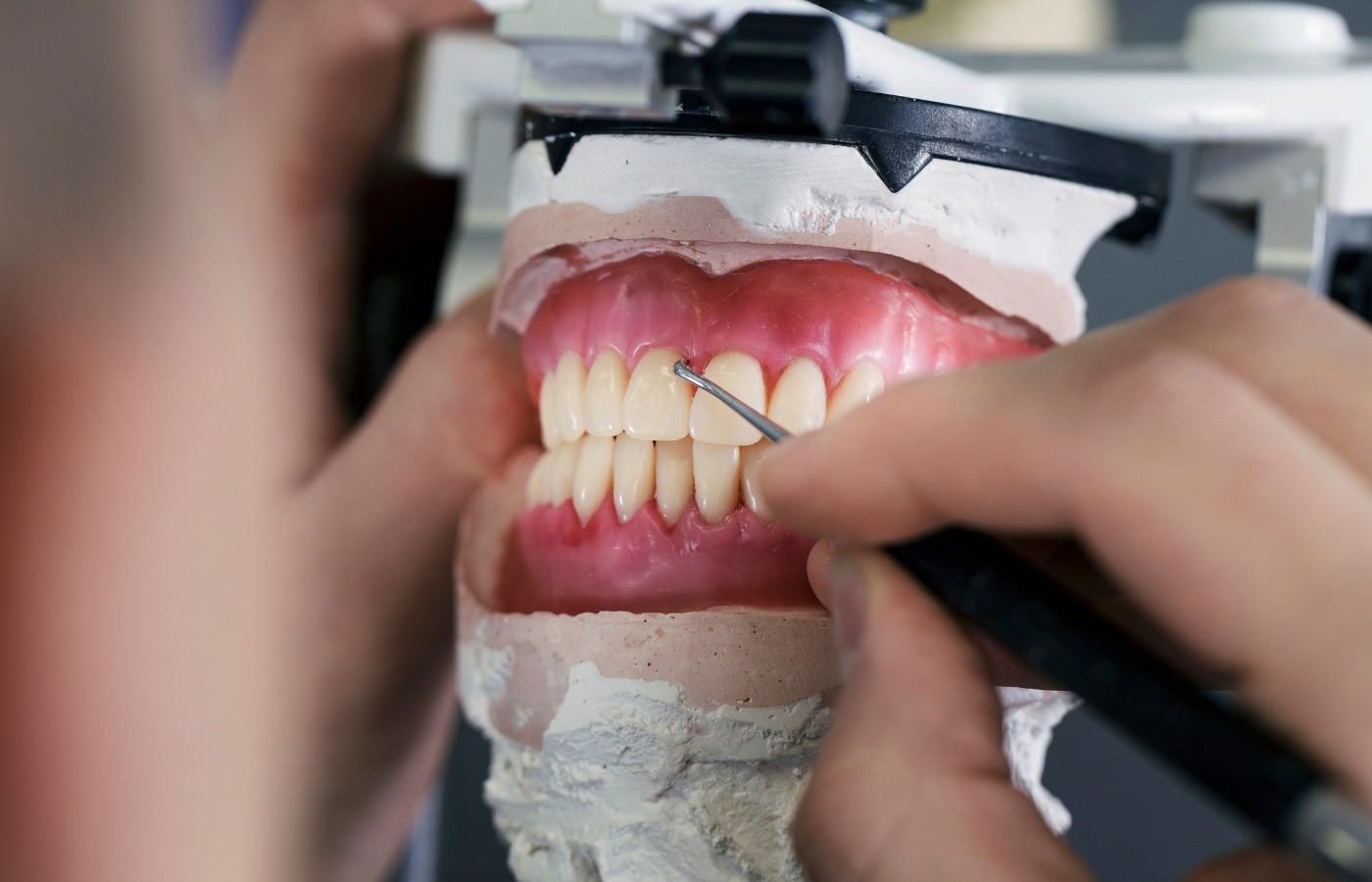
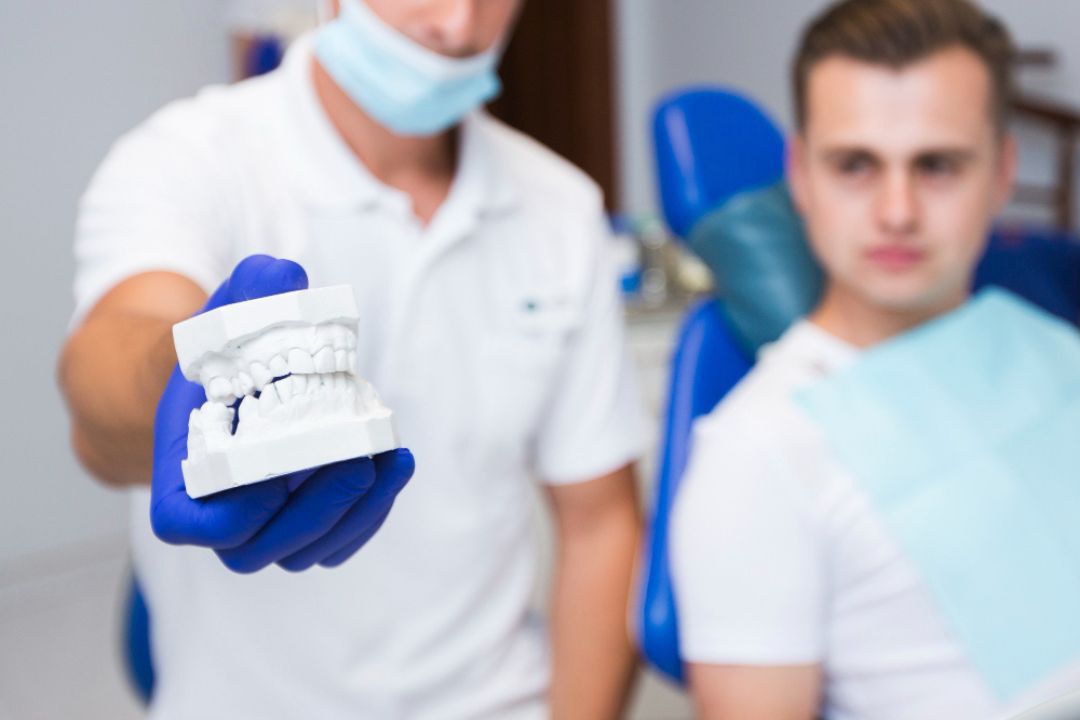
After preparation, impressions of your teeth are taken. These impressions are used to create a precise model for custom making the bridge, pontic, and crowns. Modern dental labs use advanced technology to ensure a perfect fit and natural appearance.
While your permanent bridge is being made, a temporary restoration may be placed to protect prepared teeth and maintain aesthetics.
Once your custom dental bridge is ready, the temporary restoration is removed and the final bridge is cemented or fixed into position. The bridge is checked for fit comfort and bite.
Your dentist will make adjustments to ensure proper alignment and smooth function.
This is the most common type of bridge. It uses crowns placed on the natural teeth on either side of the gap with one or more pontics in between.
This type is strong and durable and works well when healthy supporting teeth are available.
A cantilever bridge is used when there is only one adjacent supporting tooth. It is less common but effective in specific situations.
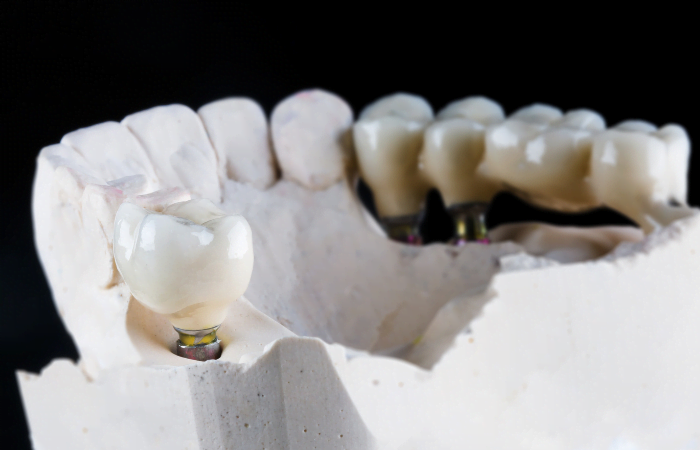
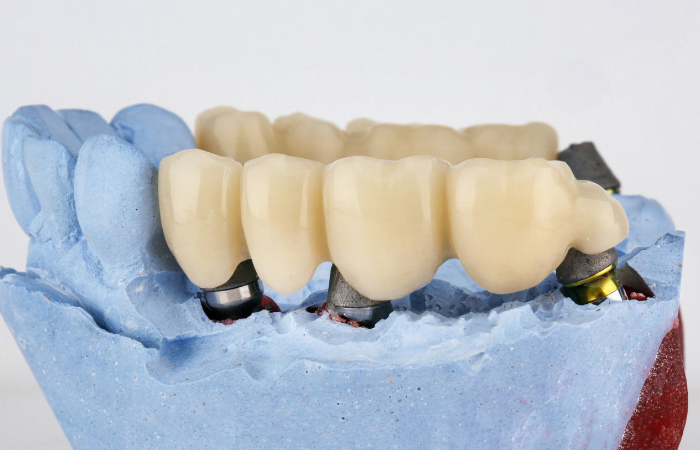
Instead of using natural teeth as supports, dental implants are placed in the jawbone and the bridge is attached to them. This option provides excellent stability and preserves bone structure.
Dental bridges close unsightly gaps and help restore a complete natural looking smile.
With missing teeth replaced, you can chew comfortably and speak clearly without slurring or difficulty forming sounds.
Bridges prevent adjacent teeth from drifting into the gap, maintaining proper alignment and bite.
Replacing missing teeth supports facial muscles and prevents the sunken appearance often associated with tooth loss.
With proper care, dental bridges can last many years, making them a reliable restorative option.
Dental bridges can be made from different materials depending on your needs, aesthetics and budget:
Porcelain fused to metal – offers strength and a balanced appearance
All ceramic or porcelain – most natural looking and suitable for front teeth
Metal alloys – strong and durable option
Zirconia – highly durable and aesthetic material
Your dentist will recommend the best material for your case based on function, location and cost.
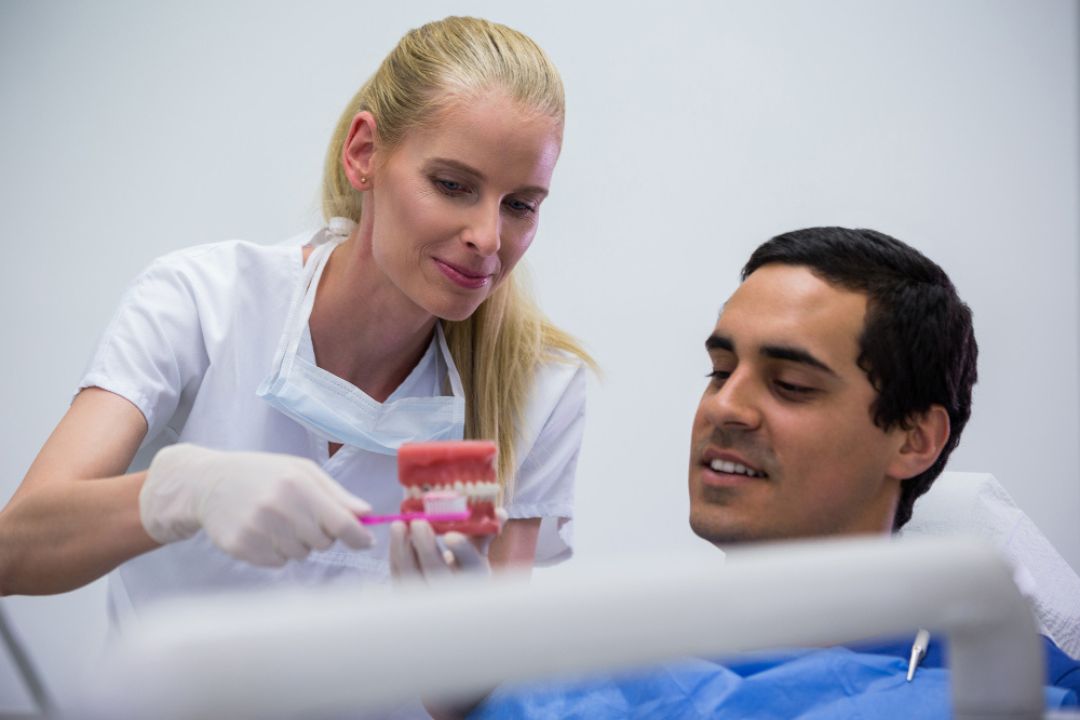
Proper hygiene helps your bridge last longer and keeps surrounding teeth healthy.
Brush your teeth at least twice a day
Floss daily, including under the bridge
Use interdental brushes or water flossers as directed
Visit your dentist regularly for checkups and cleanings
Avoid hard and sticky foods that may damage the bridge
Good oral hygiene prevents gum disease, decay under the bridge and supports long term success.
Most adults with one or more missing teeth and healthy supporting teeth or sufficient bone structure can benefit from dental bridges. Ideal candidates:
Are in good overall oral health
Have stable gum tissue
Have adjacent teeth strong enough to support a bridge
Are committed to maintaining oral hygiene
Your dentist will evaluate your specific condition to recommend the best option for you.
The cost of a dental bridge varies depending on several factors:
Number of missing teeth
Type of bridge chosen
Materials used
Clinic location and dentist experience
In Mumbai the price of dental bridges typically ranges based on material choice and complexity. Traditional bridges tend to be more affordable while implant supported options cost more due to surgical procedures.
A personalised consultation and dental evaluation is necessary to determine the exact cost for your specific case.
Both dental bridges and implants are effective options for replacing missing teeth. Here is how they compare:
Shorter treatment time
Less invasive
Does not require surgery
May need replacement or repair over time
Long lasting and stable
Preserves jawbone structure
Supports oral health long term
Requires surgery and healing time
Your dentist can help you decide which option suits your goals, budget and oral condition.
Most patients experience minimal discomfort. Your dentist uses anesthesia during preparation and adjustment visits.
Typically the bridge process takes two to three visits over a few weeks depending on fabrication time.
Yes. Modern dental bridges are custom made to match the color shape and size of your natural teeth.
Dental bridges are an effective and long established solution for replacing missing teeth and restoring your smile. They help close gaps improve chewing and speech and maintain proper dental alignment.
With different types of bridges available you can choose a solution that meets your functional, aesthetic and financial needs.
Schedule a consultation with an experienced dentist in Mumbai to determine if dental bridges are right for you. With proper evaluation and care you can enjoy a confident and healthy smile that lasts.












.jpg "dental bridges")

.jpg "dental bridges")
.jpg "dental bridges")
.jpg "dental bridges")

.jpg "Dental Bridges restore your smile")
 (1).jpg "dental bridges and major conditions")