Tooth pain isn’t just an inconvenience; it’s often your body’s urgent distress signal. When a simple ache escalates into persistent, throbbing agony, it might be pointing to a problem deep within your tooth’s core—a problem that frequently requires a root canal.
What is a Root Canal and Why Might You Need One?
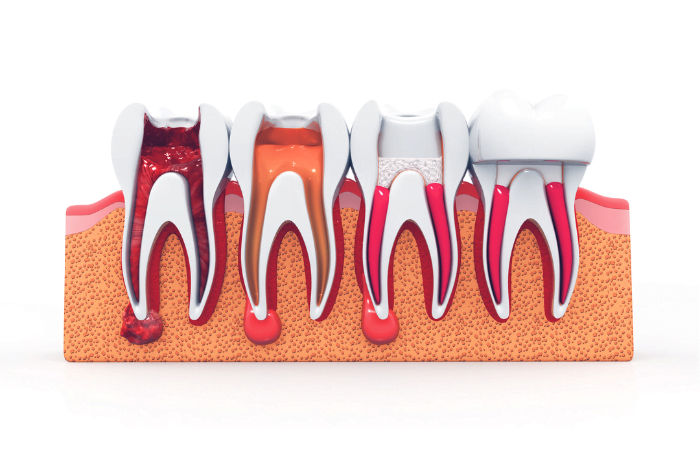
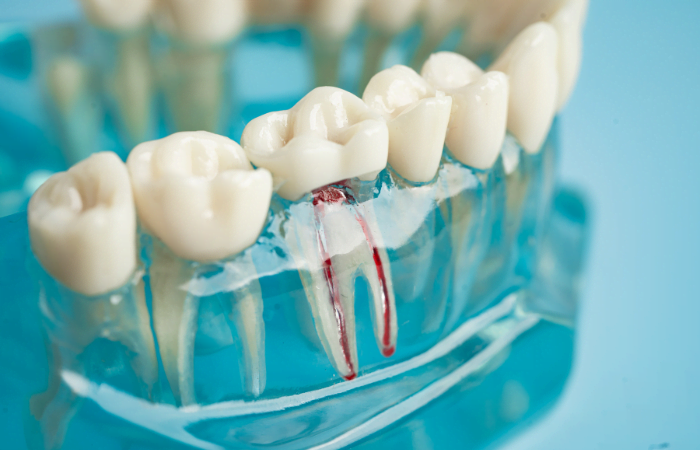
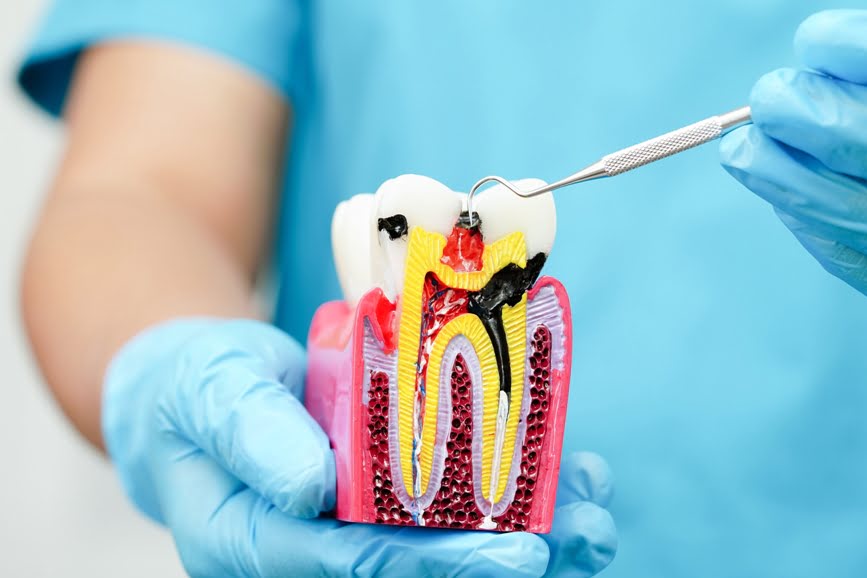
At the center of every tooth lies the pulp—a soft tissue housing nerves, blood vessels, and connective tissue. When this pulp becomes severely inflamed or infected due to deep decay, repeated dental procedures, a crack/chip, or trauma, it can’t heal on its own. The infection can lead to an abscess (a pus-filled pocket) and cause the bone around the tooth to deteriorate.
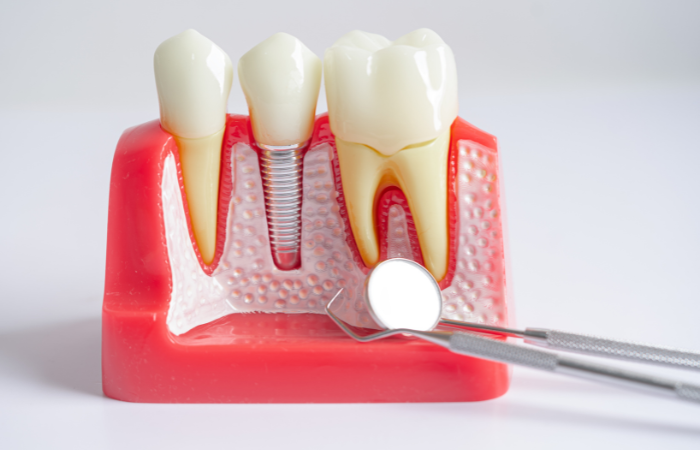
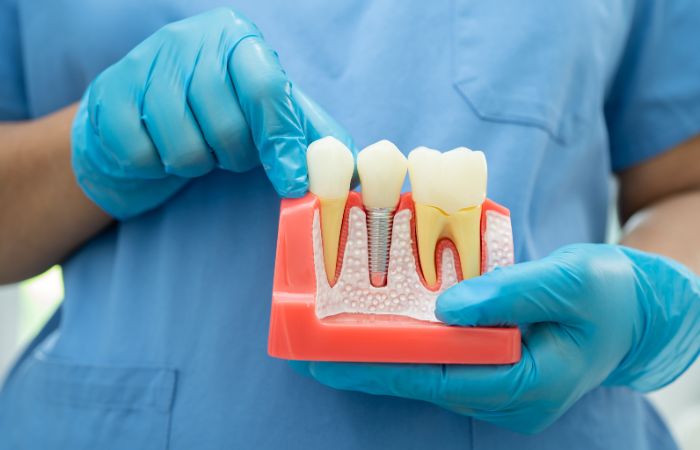
This is where a root canal treatment comes in. The procedure involves removing the diseased pulp, cleaning and disinfecting the inner chambers of the tooth, and then sealing it. Why is it needed? Simply put, to save your natural tooth. The alternative is extraction, which can lead to shifting teeth, bite problems, and the need for more expensive replacements like implants or bridges. A root canal relieves your pain and preserves your smile’s structure and function.
Key Signs You Need a Root Canal
Recognizing the symptoms early can prevent the infection from spreading and save you from more complex issues. Here are the most common root canal symptoms:
Persistent Severe Tooth Pain: This is often the most telling sign. The pain may be deep, throbbing, or sharp, and it might radiate to your jaw, face, or other teeth. Crucially, it often lingers or worsens, especially when you apply pressure (like chewing) or lie down.
Prolonged Sensitivity to Heat and Cold: A brief twinge from ice cream is common. But if you feel a sharp, lingering pain long after the hot coffee or cold drink is gone, it suggests the nerves inside your tooth are damaged or dying.
Tooth Discoloration (Darkening): An infection in the pulp can cause your tooth to turn grayish-black. This occurs because the dying internal tissue is breaking down, affecting the tooth’s color from within.
Swollen, Tender Gums: You might notice swelling or tenderness in the gums near the painful tooth. The swelling may come and go, feel tender to the touch, or even present a small, pimple-like bump (a "gum boil" or sinus tract) that can ooze pus.
Chipped or Cracked Tooth: A physical breach in the tooth’s enamel can allow bacteria to reach the pulp, leading to infection. Even if the chip happened years ago, it can still cause problems later.
Deep Decay or a Dark Spot: A large cavity that has been left untreated can eventually penetrate the pulp chamber. If you see a significant dark spot or have a known deep cavity paired with pain, it’s a major red flag.
Important Note: Sometimes, a tooth needing a root canal presents no symptoms at all. This is why regular dental check-ups and X-rays are vital—they allow your dentist to spot internal problems before you feel a thing.
The Root Canal Procedure: A Step-by-Step Overview
The modern root canal procedure is remarkably straightforward and is performed with local anesthesia to ensure comfort. Here’s what you can typically expect:
Diagnosis and X-ray: Your dentist will examine the tooth, test its vitality, and take an X-ray to see the shape of the root canals and confirm the extent of infection.
Anesthesia: The area is thoroughly numbed. You will be awake but should feel no pain during the procedure—just perhaps some pressure or movement.
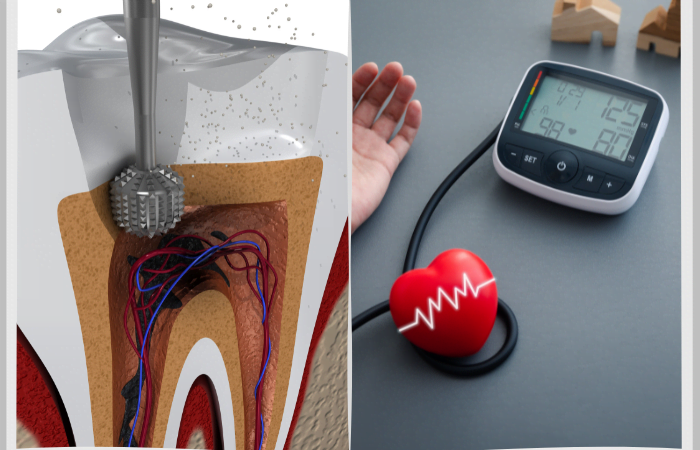
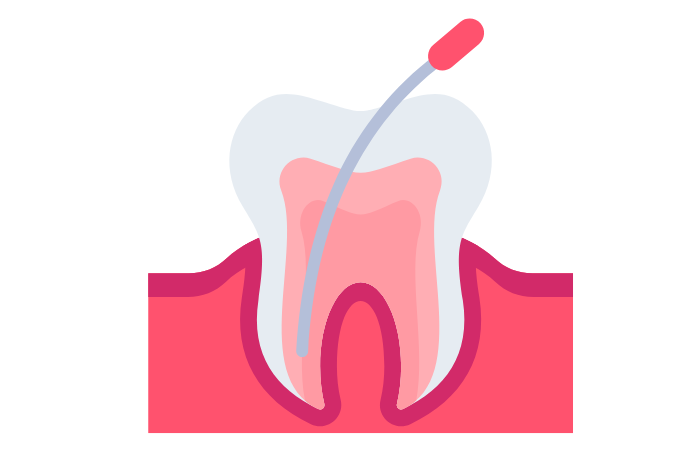
Access and Removal: A small protective sheet (dental dam) is placed to keep the tooth clean and dry. The dentist then creates a small opening in the tooth’s crown to access and meticulously remove the infected or inflamed pulp tissue.
Cleaning and Shaping: The now-empty pulp chamber and root canals are cleaned, disinfected, and shaped using tiny instruments. This step is crucial to remove all bacteria and debris.
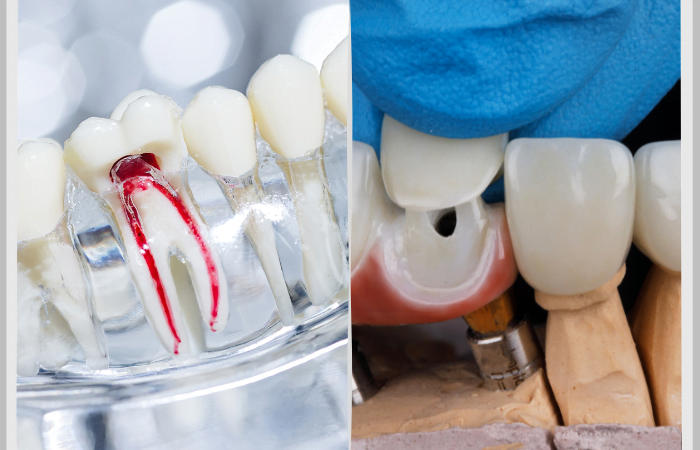
Filling and Sealing: The cleaned canals are filled with a biocompatible material called gutta-percha and sealed with adhesive cement to prevent future infection.
Restoration: The access hole is sealed with a temporary or permanent filling. In almost all cases, a tooth that has had a root canal will need a crown. This is because the tooth becomes more brittle over time. A crown provides strength, protection, and restores full function for biting and chewing.
The entire process may be completed in one or two appointments, depending on the tooth’s complexity.
Why Choose a Root Canal? The Benefits of Saving Your Tooth
Choosing to undergo a root canal treatment is choosing to preserve your natural smile. Here’s why it’s the preferred dental care option:
Pain Relief: It directly addresses the source of your severe tooth pain.
Efficiency and Cost-Effectiveness: In the long run, it is often less expensive than extracting a tooth and replacing it with an implant or bridge.
Maintains Natural Function: It allows you to chew effectively and maintains normal biting force and sensation.
Protects Surrounding Teeth: It prevents neighboring teeth from shifting, which can cause jaw problems and misalignment.
Aesthetic Preservation: With a crown placed on top, the tooth looks completely natural and blends seamlessly with your smile.
Conclusion: Don’t Ignore the Signs
Ignoring the signs you need a root canal can lead to increased pain, the spread of infection, and even systemic health issues. A root canal is not a procedure to fear; it is a highly successful, routine treatment designed to save your tooth and eliminate suffering.









.jpg "cost of root canal treatment in mumbai")

.jpg "root canal treatment")
.jpg "root canal treatment")
.jpg "root canal treatment")





.jpg "Think You Need a Root Canal")
 (1).jpg "Root canal recovery")
 (1).jpg "All you need to know about RCT")