For many, the phrase "root canal" conjures images of dental dread and unbearable pain. It’s a treatment shrouded in anxiety, often used as a metaphor for unpleasant experiences. But what if we told you that this perception is decades out of date
Why the Bad Reputation? A History of Discomfort
The root canal’s painful reputation is a relic of the past. Before advancements in local anesthetics, precise techniques, and dental technology, procedures were indeed more uncomfortable. Today, with powerful numbing agents and a focus on patient comfort, the experience is fundamentally different. The pain you feel before the procedure—caused by infection or inflammation—is what the root canal treatment aims to eliminate.
Why Is a Root Canal Needed? Saving Your Natural Tooth
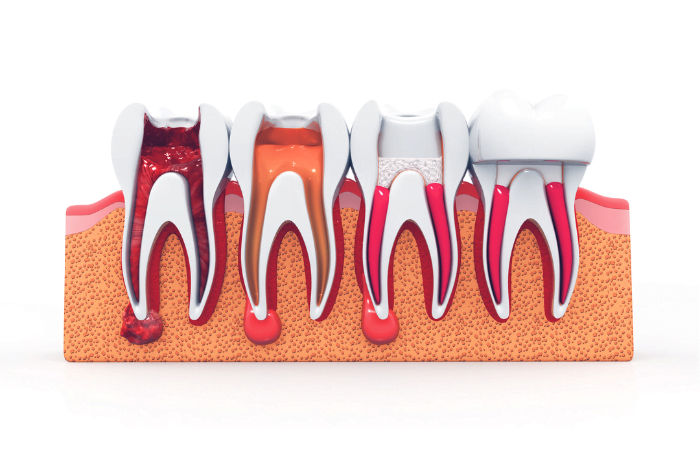
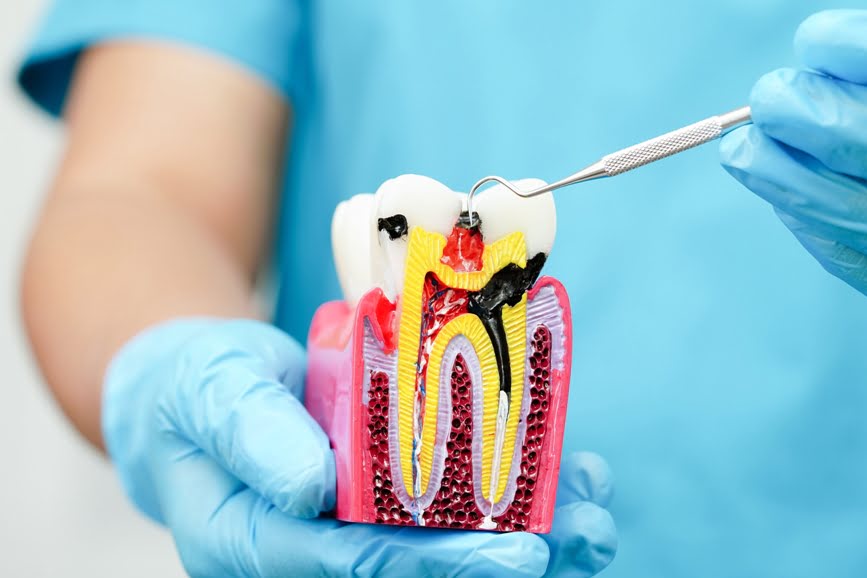
A root canal, or endodontic therapy, isn't a punishment; it's a rescue mission. It becomes necessary when the soft inner pulp of a tooth becomes inflamed or infected. This can happen due to:
Deep decay (cavities) reaching the nerve.
Repeated dental procedures on the same tooth.
A crack or chip in the tooth.
Trauma or injury to the tooth, even without visible damage.
The Modern, Painless Root Canal Procedure: Step-by-Step
The key to a painless root canal is effective anesthesia and a skilled dentist or endodontist. Here’s what you can expect during a comfortable procedure:
Diagnosis and X-Ray: Your dentist examines the tooth, reviews X-rays to see the shape of the root canals and confirm the need for treatment.
Local Anesthesia – The Comfort Cornerstone: This is the most critical step for a painless experience. The area is thoroughly numbed with a local anesthetic. You will feel a small pinch from the injection, but once it takes effect—usually within minutes—you should feel no pain. The tooth and surrounding area become completely numb.
Placement of a Dental Dam: A small rubber sheet (dam) is placed over the tooth to isolate it, keeping it clean, dry, and free from saliva during the procedure.
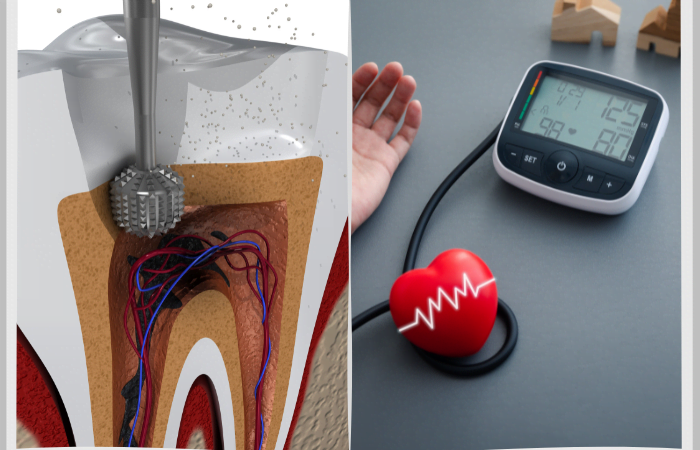
Creating an Access Opening: A tiny opening is made in the crown (top) of the tooth to access the pulp chamber and root canals.
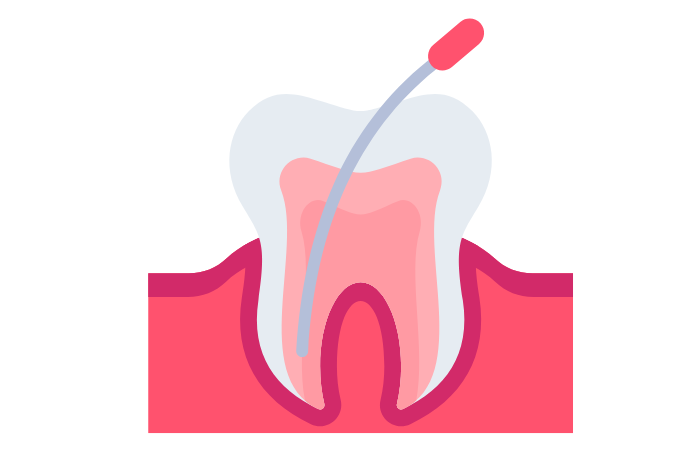
Removing the Infected Pulp: Using very small, precise instruments, the dentist carefully removes the inflamed or infected pulp tissue from the chamber and canals. You should feel no discomfort during this step, only slight pressure or movement.
Cleaning, Shaping, and Disinfecting: The empty canals are meticulously cleaned, shaped, and flushed with antiseptic solutions to eliminate any remaining bacteria. This step is crucial for long-term success.
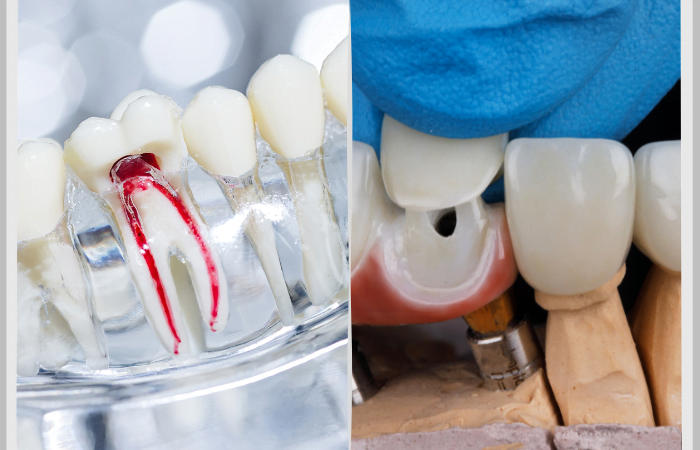
Filling and Sealing: The now-clean, hollow canals are filled with a biocompatible material called gutta-percha and sealed with a special adhesive cement to prevent future infection.
Temporary or Permanent Restoration: The access hole is sealed with a temporary filling. You will then return to your general dentist, who will place a dental crown or other restoration on the tooth to protect it and restore its full function. This final step is essential for the tooth’s strength and longevity.
Why Choose a Root Canal? The Benefits Are Clear
Choosing root canal treatment is choosing to preserve your natural smile. The alternatives are often worse.
Saves Your Natural Tooth: Nothing looks, feels, or functions like your own tooth. A saved tooth maintains normal biting force and sensation.
Prevents Further Infection: It stops the spread of infection to neighboring teeth and jawbone.
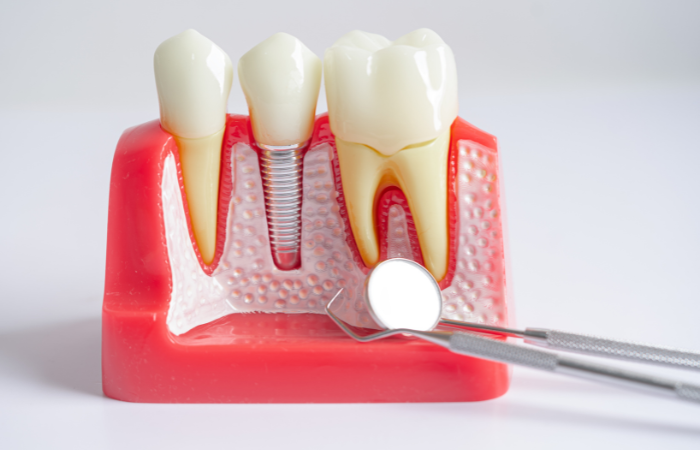
Efficient and Cost-Effective: In the long run, it’s often more cost-effective than extraction, which requires an implant or bridge to fill the gap.
Maintains Your Smile and Jaw Integrity: Keeping your natural tooth helps maintain proper chewing, prevents other teeth from shifting, and preserves your facial structure.
Conclusion: A Painless Procedure for a Pain-Free Future
So, can a root canal be painless? Absolutely. Modern dentistry has transformed this vital procedure into a comfortable, routine treatment. The true pain is the untreated infection; the root canal itself is the solution. With advanced local anesthesia and gentle techniques, the experience is akin to getting a standard filling. The goal is not to endure pain but to relieve it and save your tooth for years to come.









.jpg "cost of root canal treatment in mumbai")

.jpg "root canal treatment")
.jpg "root canal treatment")
.jpg "root canal treatment")





.jpg "Think You Need a Root Canal")
 (1).jpg "Root canal recovery")
 (1).jpg "All you need to know about RCT")