If you’ve been told you need a root canal, your first thought might be about the pain—but often, the next thought is about the cost. A root canal is one of the most common yet misunderstood dental procedures. Understanding what it involves, why it's necessary, and the associated expenses can help you make an informed, confident decision about your oral health.
What is a Root Canal?
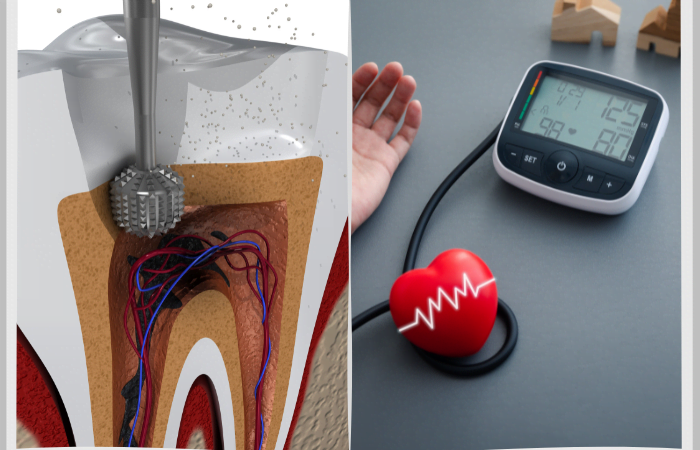
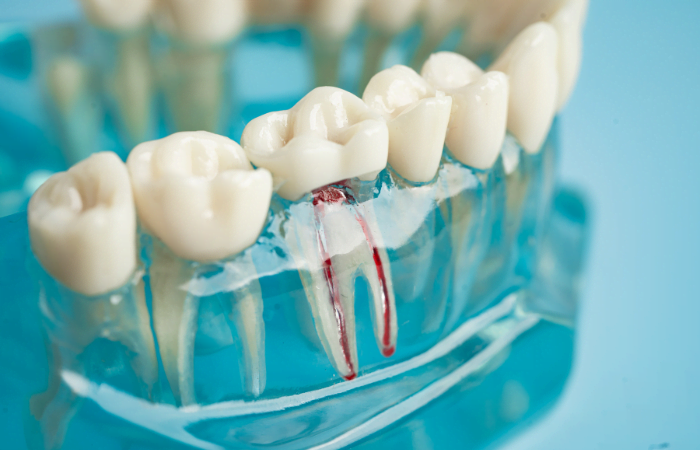
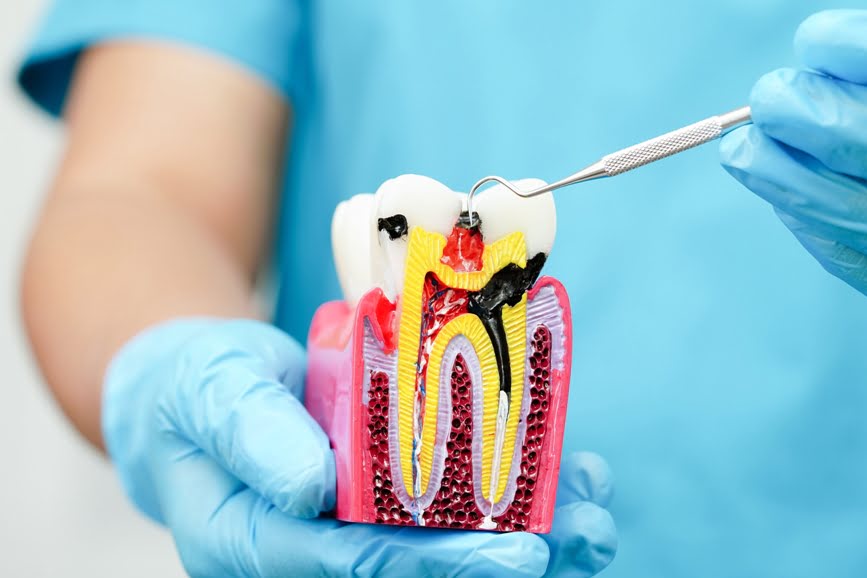
A root canal is a dental procedure designed to save a tooth that is severely infected or decayed. Contrary to popular belief, the treatment itself relieves pain—it doesn’t cause it. The term "root canal" refers to the natural cavity within the center of a tooth, which houses the pulp chamber (containing nerves, blood vessels, and connective tissue).
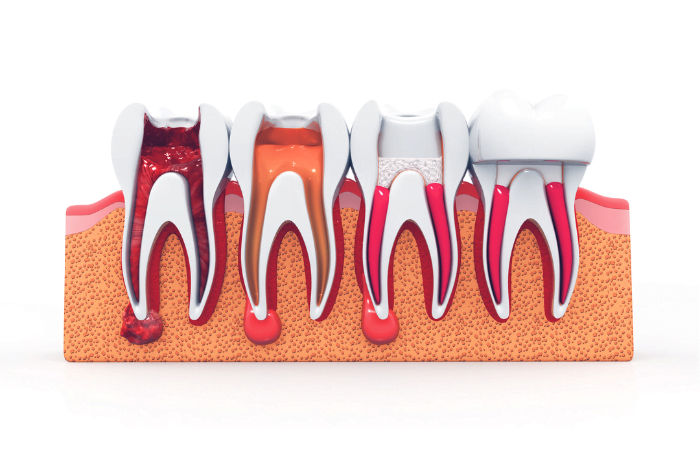
When this pulp becomes infected due to deep decay, repeated dental procedures, cracks, or trauma, it can cause significant pain, swelling, and even lead to an abscess. The root canal procedure involves removing this damaged pulp, cleaning and disinfecting the inner chamber, and then filling and sealing it to prevent future infection.
Why Might You Need a Root Canal? Recognizing the Symptoms
You don’t always need a root canal just because a tooth hurts, but certain signs strongly indicate that the pulp is compromised. Ignoring these symptoms can lead to severe infection, bone loss, and ultimately, tooth loss.
Key Reasons and Symptoms:
Persistent Tooth Pain: Deep, throbbing pain that doesn’t go away, especially when chewing or applying pressure.
Prolonged Sensitivity: Sharp pain when consuming hot or cold foods/drinks that lingers long after the stimulus is removed.
Tooth Discoloration: A darkening or graying of the tooth, often due to trauma that damaged the pulp.
Swollen or Tender Gums: Swelling, tenderness, or a recurring pimple-like bump (abscess) on the gums near the painful tooth.
Deep Decay or Damage: A large cavity or a crack/chip that exposes the pulp to bacteria.
The Root Canal Procedure: A Step-by-Step Breakdown
Understanding the procedure can alleviate much of the anxiety surrounding it. Modern root canals are performed with local anesthesia and are typically no more uncomfortable than getting a standard filling.
Examination and X-Ray: Your dentist will examine the tooth, take X-rays to see the shape of the root canals and confirm the infection.
Anesthesia: The area is completely numbed with local anesthesia to ensure you feel no pain during the procedure.
Access Opening: A small protective sheet (dental dam) is placed over the area. The dentist then creates a small opening in the crown of the tooth to access the pulp chamber.
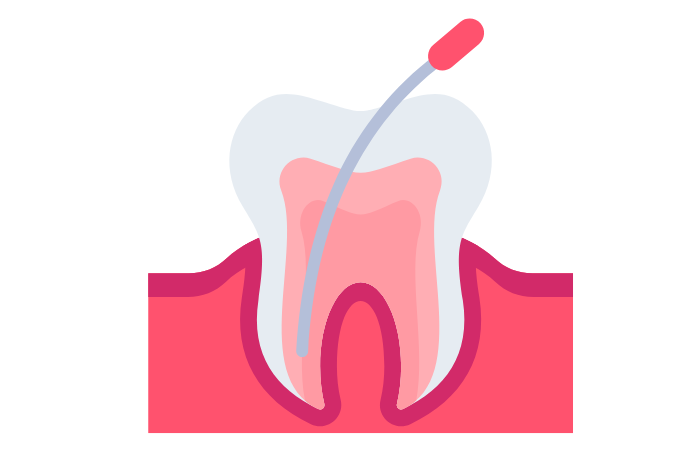
Pulp Removal and Cleaning: The infected or inflamed pulp is carefully removed. The inner chamber and root canals are then meticulously cleaned, shaped, and disinfected.
Filling and Sealing: The cleaned, hollow space is filled with a biocompatible material called gutta-percha and sealed with a special adhesive cement.
Temporary Filling: The access hole is sealed with a temporary filling. At this point, the infection is gone, and the tooth is preserved.
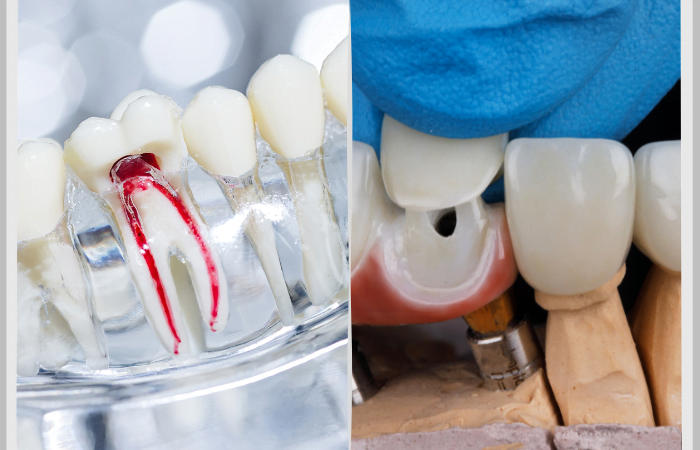
Final Restoration (Crucial Step): A few weeks later, you’ll return to have a dental crown placed over the tooth. This is essential because the tooth is now more brittle. The crown provides strength, protection, and full functionality for chewing.
Why Choose a Root Canal Over Extraction?
Faced with the cost, some patients consider simply pulling the tooth. However, saving your natural tooth through a root canal is almost always the healthier and more economical long-term choice.
Preserves Your Natural Tooth: Nothing looks, feels, or functions like your own tooth. A root canal allows you to keep it.
Efficient Chewing and Normal Bite: A crowned tooth after a root canal lets you chew normally. Tooth loss can affect your bite and diet.
Protects Other Teeth: Extracting a tooth can cause neighboring teeth to shift, leading to bite problems and jaw issues.
Natural Appearance: With a crown, the tooth looks completely natural.
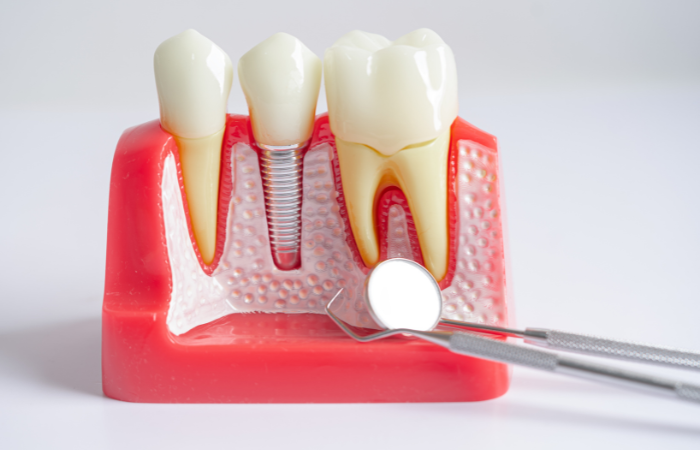
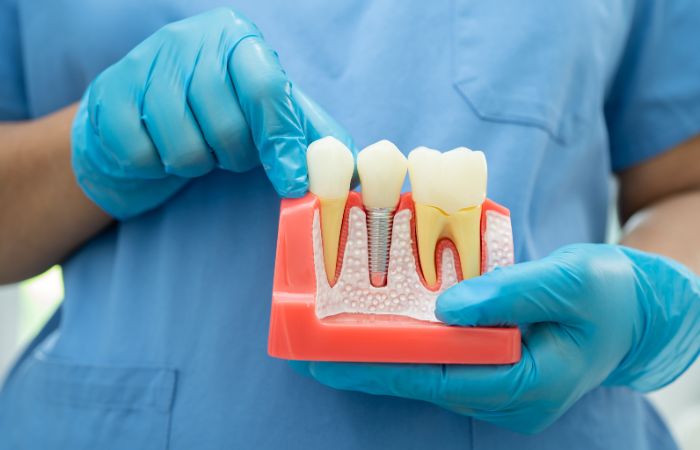
Cost-Effective Long-Term: While the upfront cost of a root canal and crown is higher than an extraction, the long-term costs of replacing the missing tooth (with a bridge, implant, or partial denture) are almost always much greater and involve more procedures.
Conclusion: An Investment in Your Long-Term Health
While the root canal cost can seem daunting, it’s vital to view it as a critical investment in your oral and overall health. The procedure effectively eliminates pain, stops the spread of infection, and most importantly, allows you to keep your natural tooth for a lifetime.
If you’re experiencing symptoms, don’t delay due to fear or cost concerns. Schedule a consultation with your dentist. Get a clear diagnosis, a detailed treatment plan, and a transparent cost breakdown. Explore your insurance, financing, and savings options. Choosing a root canal is choosing to preserve your smile, your comfort, and your well-being.









.jpg "cost of root canal treatment in mumbai")

.jpg "root canal treatment")
.jpg "root canal treatment")
.jpg "root canal treatment")





.jpg "Think You Need a Root Canal")
 (1).jpg "Root canal recovery")
 (1).jpg "All you need to know about RCT")