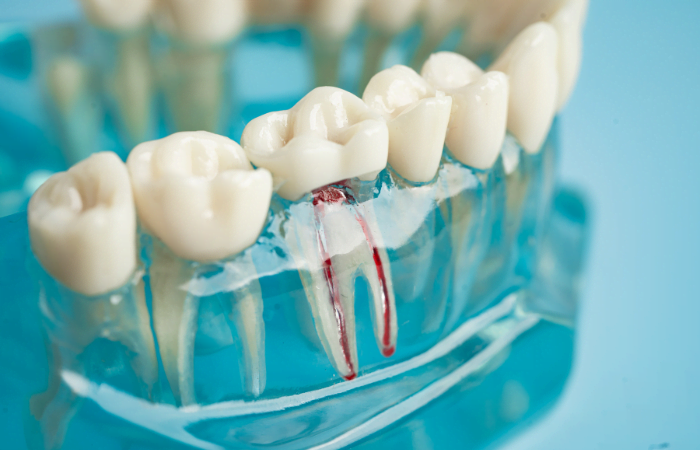
The phrase “root canal” often strikes a chord of anxiety in many dental patients. Visions of pain and complex dental procedures flood the mind. However, this common treatment is a misunderstood hero of modern dentistry. It’s a precise, life-saving procedure for a tooth, designed not to cause pain, but to relieve it and preserve your natural smile.
Why is a Root Canal Needed? The “Why” Behind the Treatment
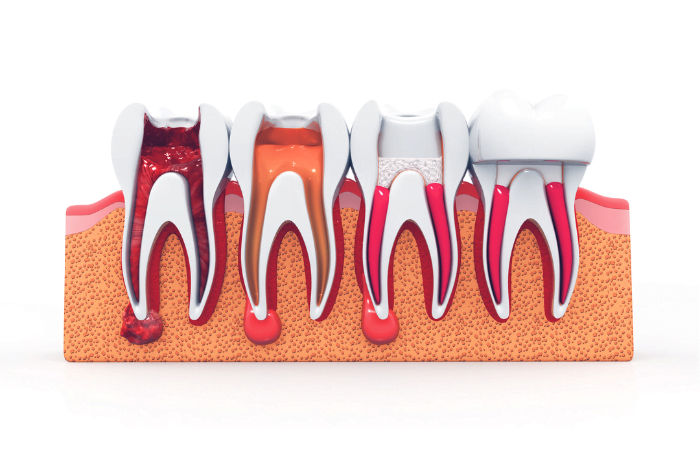
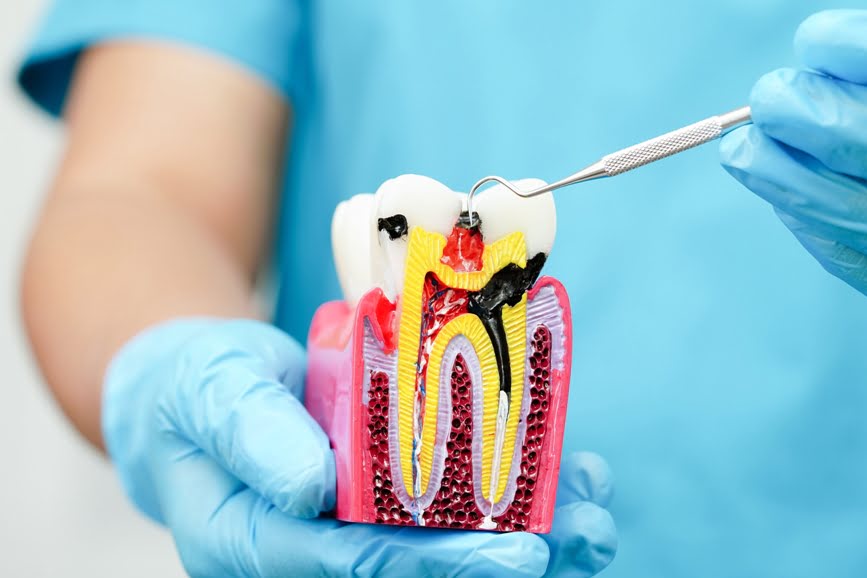
A root canal becomes necessary when the soft tissue inside your tooth, known as the pulp, becomes inflamed or infected. This vital pulp contains nerves, blood vessels, and connective tissue, but once a tooth is fully mature, it can survive without it. The pulp can be damaged due to several reasons:
Deep Decay: Repeated cavities or a large, untreated cavity can reach the pulp.
A Cracked or Chipped Tooth: Even a hairline tooth crack can provide a pathway for bacteria.
Repeated Dental Procedures: Multiple fillings or trauma to a tooth can irritate the pulp.
Trauma: An impact to the mouth can damage the pulp even if the tooth has no visible cracks.
The Root Canal Procedure: A Step-by-Step Look
Understanding the procedure can alleviate much of the fear. Performed by a general dentist or an endodontist (a dental dentist specialist in pulp issues), it’s typically completed in one or two appointments.
Diagnosis and Anesthesia: Your tooth dentist will take an X-ray, examine the tooth, and administer local anesthesia to numb the area completely. You should feel no more discomfort than during a routine filling.
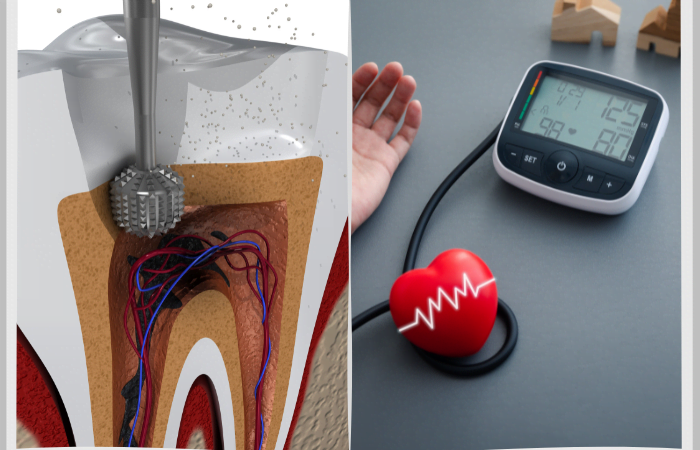
Access Opening: A small protective sheet (dental dam) isolates the tooth. The dentist then creates a tiny opening in the crown to access the pulp chamber.
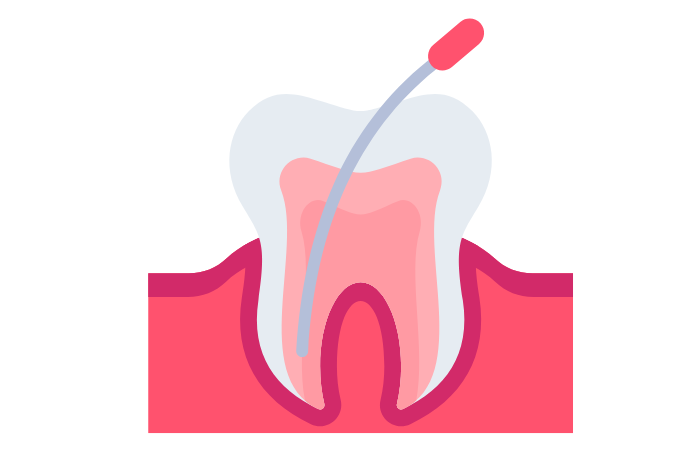
Cleaning and Shaping: Using miniature instruments, the infected pulp is carefully removed. The inner chambers (the tooth canal system) are then cleaned, disinfected, and shaped.
Filling the Canals: The now-empty and clean canals are filled with a biocompatible material called gutta-percha to seal them and prevent re-infection.
Temporary Filling: The access hole is sealed with a temporary filling. Sometimes, if the infection was severe, a temporary medication is placed inside, and the procedure is completed in a second visit.
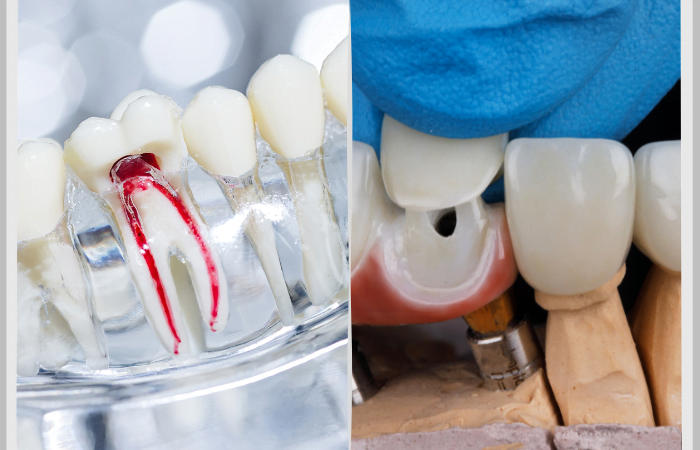
Final Restoration: After a healing period, you’ll return to your care dentist to have a permanent crown or filling placed. This final step is crucial as it restores the tooth’s full function and protects it from future fracture, given that a root canal tooth can become brittle over time.
Potential Side Effects and Aftercare: What to Expect
Like any medical procedure, a root canal has possible side effects, though they are usually mild and temporary.
Post-Treatment Discomfort: It’s common to experience some sensitivity or mild soreness for a few days, manageable with over-the-counter pain relievers.
Temporary Inflammation: The tissues around the tooth may feel tender.
Incomplete Healing or Reinfection: In rare cases with complex anatomy, a tiny canal may be missed, leading to persistent infection that may require retreatment or an apicoectomy (surgery on the root tip).
Tooth Fracture: A root canal tooth, without a crown, is more susceptible to a tooth crack. This underscores the importance of the final restoration.
Why Choose a Root Canal? The Benefits Outweigh the Myths
The alternative to a root canal treatment is almost always an extraction. Why choose to save the tooth?
Preserves Your Natural Tooth: Nothing looks, feels, or functions like your natural tooth. It maintains your natural bite and jawbone health.
Efficient Chewing and Normal Sensation: You can chew effectively and feel normal sensations with the treated tooth.
Protects Other Teeth: It prevents adjacent teeth from shifting, which can happen after an extracted tooth, leading to bite problems.
Aesthetically Pleasing: With a modern crown, the tooth looks completely natural.
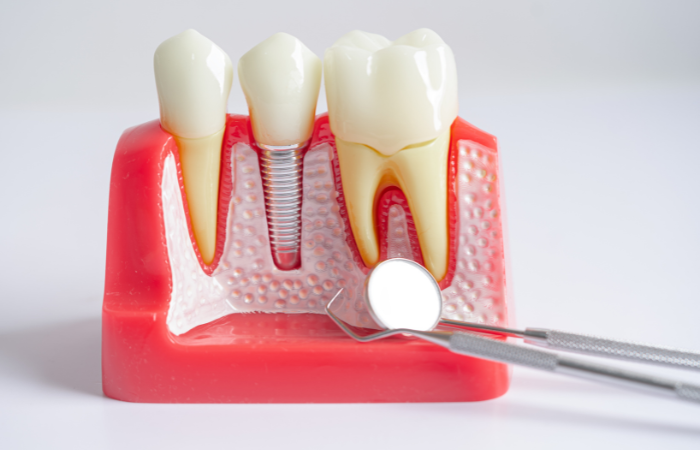
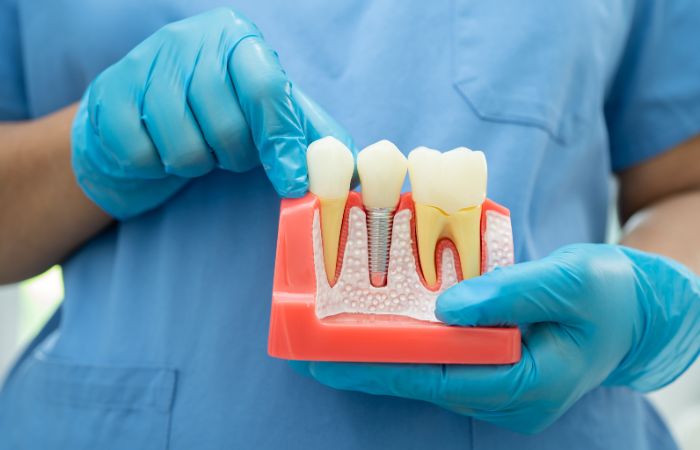
Cost-Effective Long-Term: While an extraction may seem cheaper initially, replacing the tooth with a bridge or implant is often more costly and involved.
Conclusion: A Wise Investment in Your Smile
A root canal treatment is a highly successful dental procedure with a success rate over 95%. It is a testament to the advancements in dental tooth care, allowing us to save teeth that would have been lost just decades ago. While the thought of it may be daunting, the reality is a relatively comfortable procedure that relieves pain, halts infection, and preserves your natural smile for years to come. By choosing a root canal, you are choosing long-term health, function, and confidence. Always consult with your trusted tooth dentist to understand the best path for your dental well-being.









.jpg "cost of root canal treatment in mumbai")

.jpg "root canal treatment")
.jpg "root canal treatment")
.jpg "root canal treatment")





.jpg "Think You Need a Root Canal")
 (1).jpg "Root canal recovery")
 (1).jpg "All you need to know about RCT")