Fruit juices contain vitamins, but they also have high sugar levels even when natural. These sugars feed bacteria in the mouth, which produce acids that attack tooth enamel — leading to decay.
Visit Now: https://www.diagnopein.com/dental-clinic/Mumbai/Kids-Dentistry
When your child drinks fruit juice:
? Sugar interacts with mouth bacteria
? Bacteria produce acid
? Acid weakens enamel
? Over time, decay and white spots may appear
Even 100% natural juice has sugar that affects teeth similar to soda.
Some juices are more acidic than others:
| Juice Type | Teeth Risk |
|---|---|
| Orange Juice | High |
| Apple Juice | Medium |
| Grape Juice | High |
| Pineapple Juice | High |
| Mixed Fruit Juice | Depends on sugar content |
Juices with high acidity and sugar levels pose the greatest risk.
Acid softens enamel
Tooth surfaces become rough
Cavities begin at weak spots
Children may get sensitivity and pain
Book Now: https://www.diagnopein.com
Kids have thinner enamel than adults, so damage can happen faster.
Mix with water (50:50) to reduce sugar concentration.
Avoid letting your child sip juice all day.
This reduces contact between juice and teeth.
Saliva increases during meals and helps neutralize acid.
Instead of frequent juice:
? Whole fruits (fiber + nutrients)
? Infused water (fruit + water)
? Milk or plain water
Whole fruits are better because chewing increases saliva and protects teeth.
Fluoride strengthens enamel and helps prevent decay.
? Use fluoride toothpaste (child-appropriate)
? Ask your dentist about fluoride varnish or supplements
Fluoride is a powerful defense against sugar-related damage.
Watch for:
White chalky spots
Brown discoloration
Sensitivity to sweets
Pain while chewing
Early detection helps prevent bigger problems.









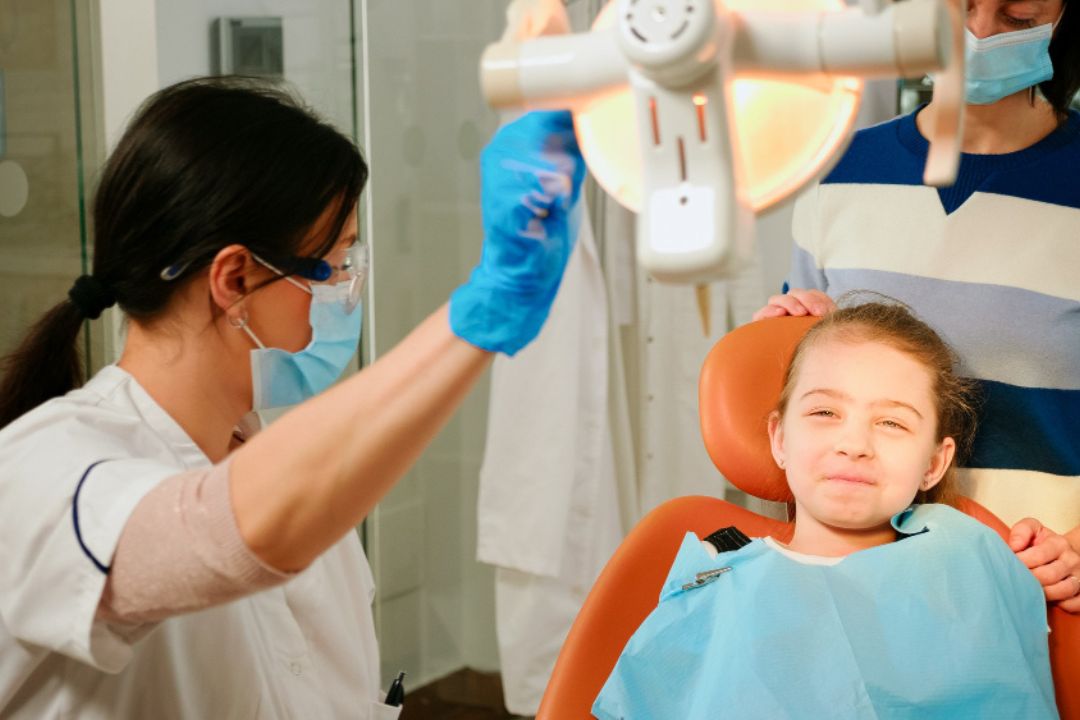




 (2).png "Dental development in kids")