.jpg "dental implant")
Facing tooth loss can be overwhelming, and choosing the right replacement option is a critical decision for your health, confidence, and lifestyle. The three primary solutions—dental implants, dentures, and bridges—are often compared, but one consistently emerges as the superior long-term choice. Let’s break down the benefits, comparison, cost, and comfort to reveal the clear winner and explain why so many patients and dentists recommend it.
The Fundamental Benefit: Why Each Solution Exists
First, understanding the core benefit of each option is key.
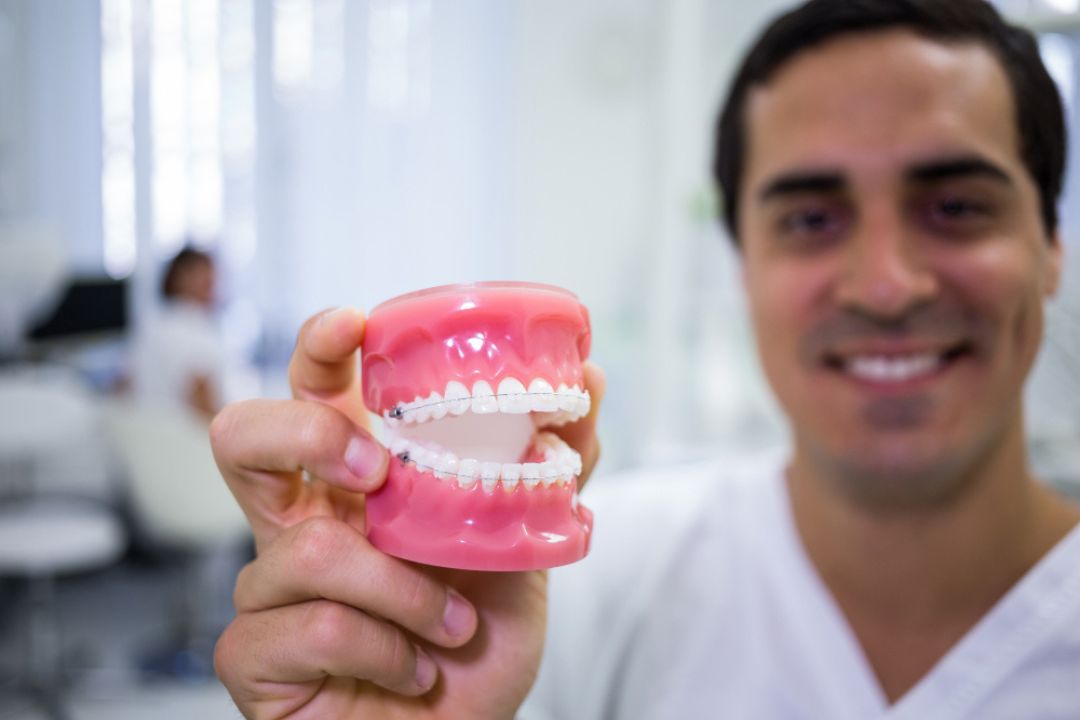
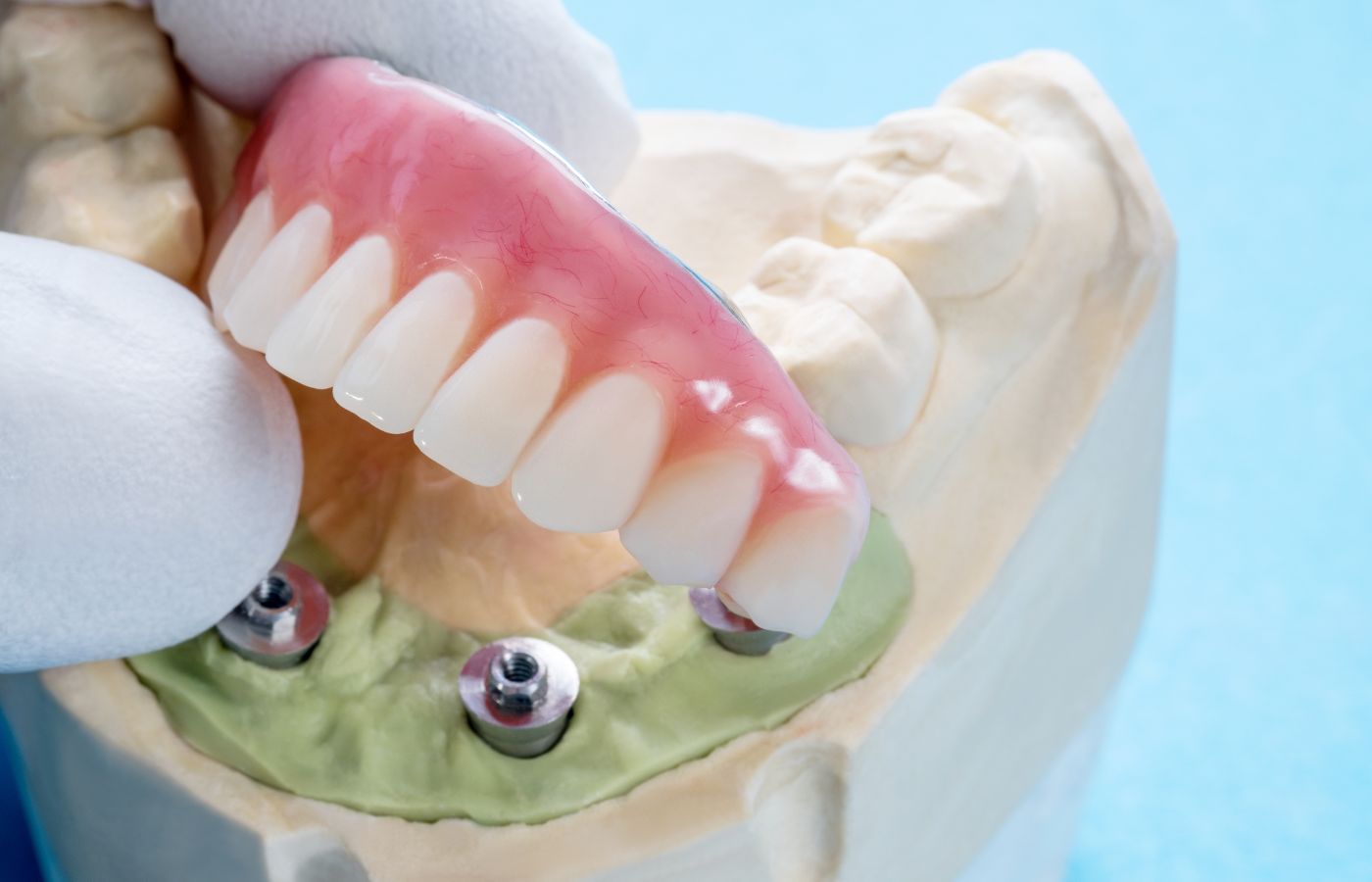
Dentures: Removable appliances that replace multiple or all teeth. Their primary benefit is affordability upfront and non-surgical placement.
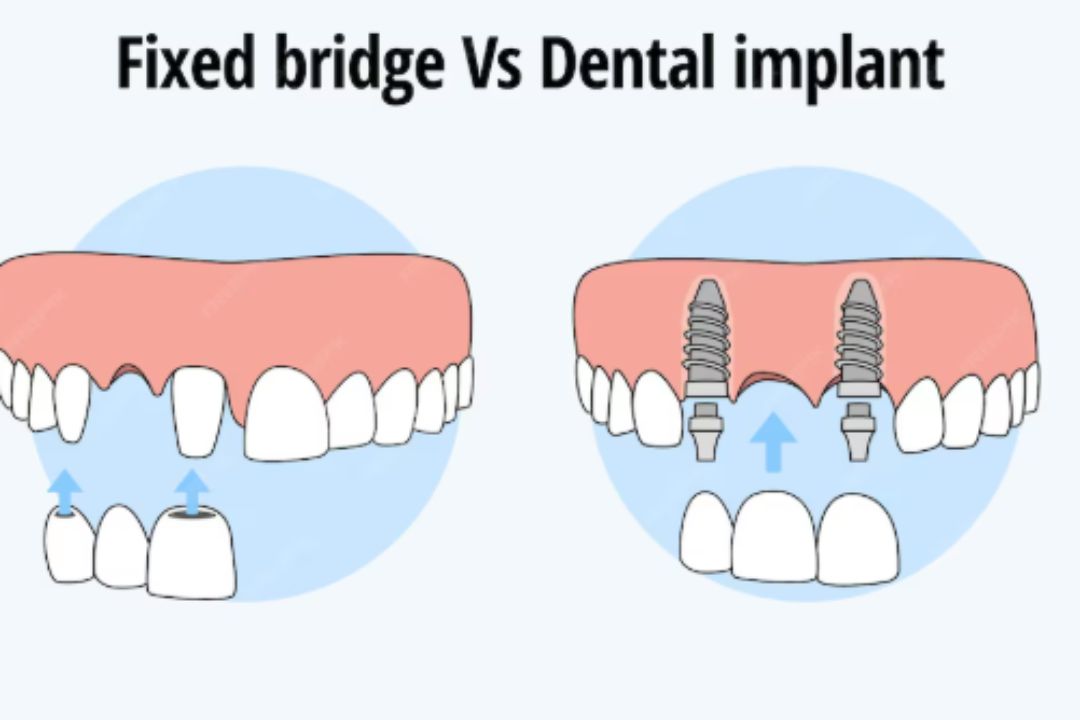
Bridges: Fixed prosthetic devices that "bridge" a gap by anchoring to adjacent natural teeth. Their main benefit is a fixed, natural-looking solution that doesn’t require surgery.
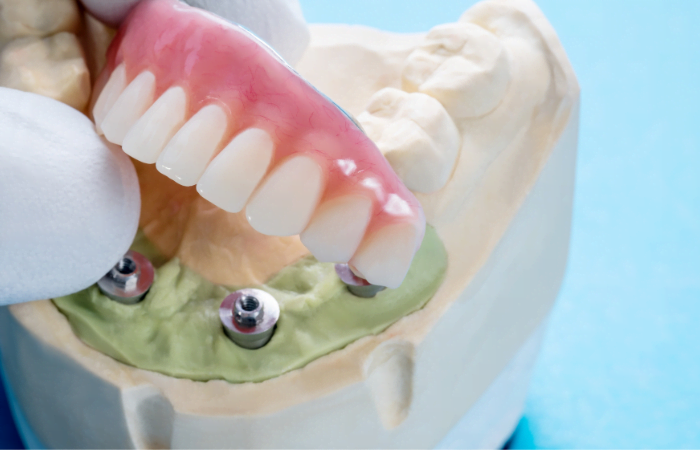
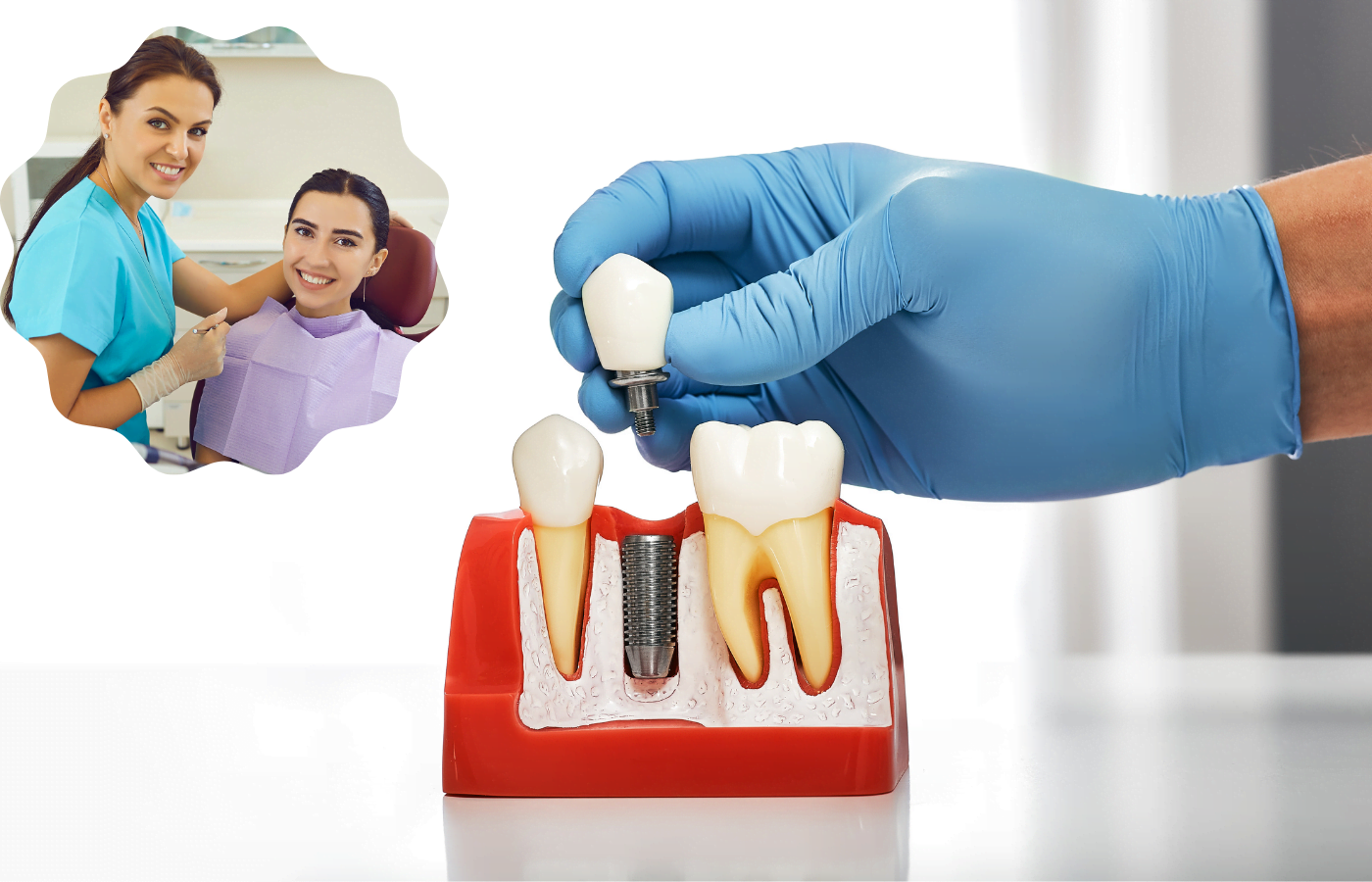
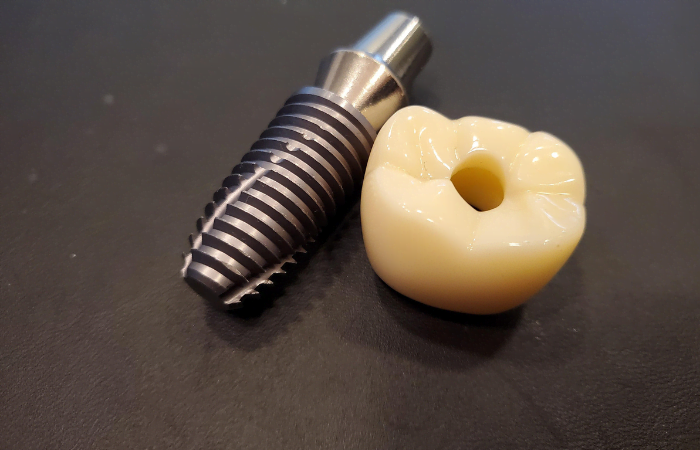
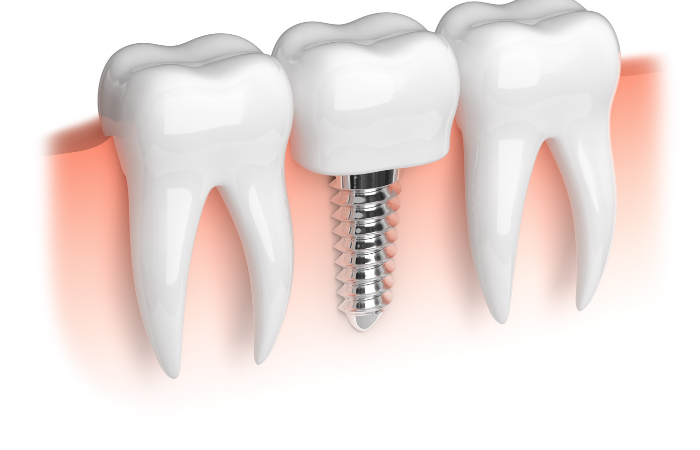
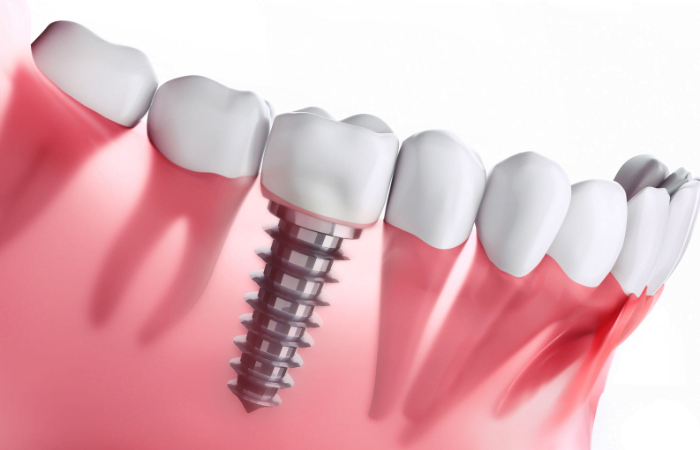
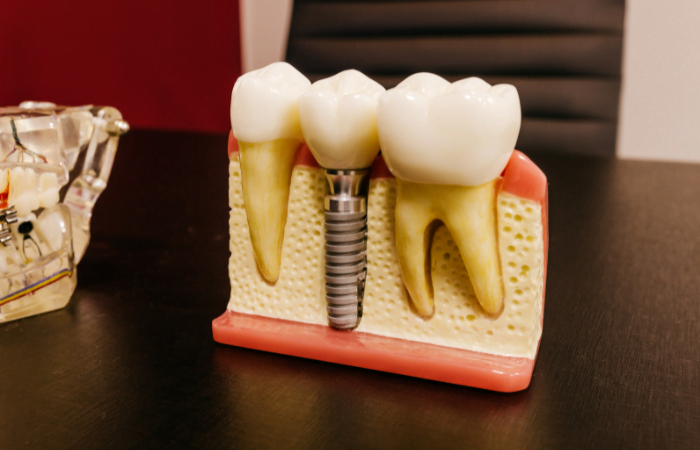
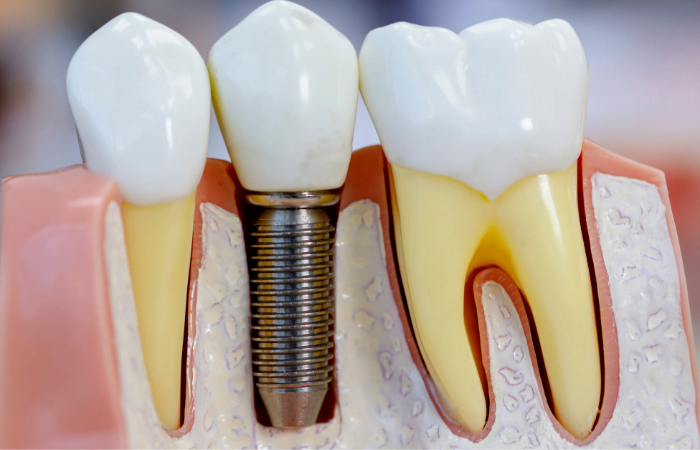
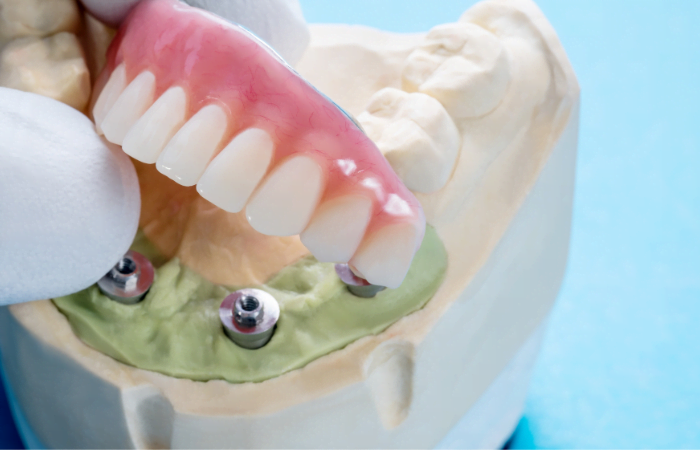
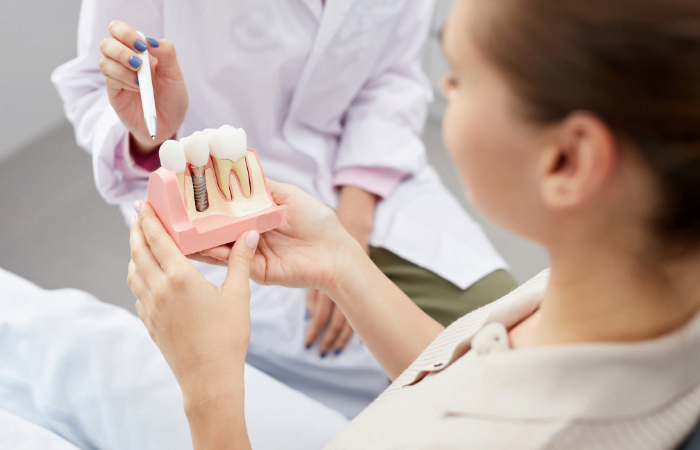
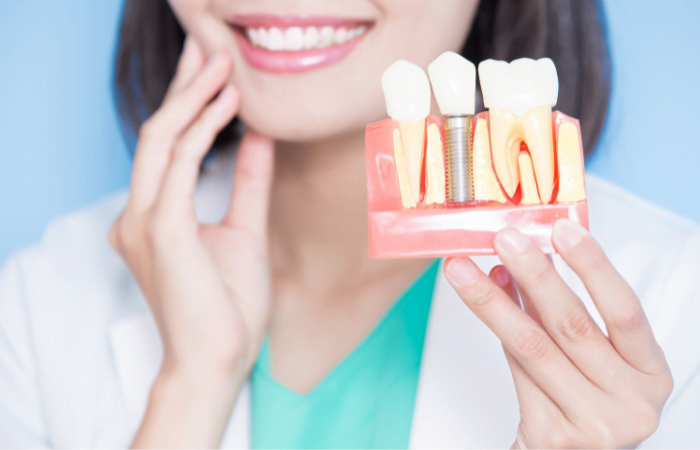
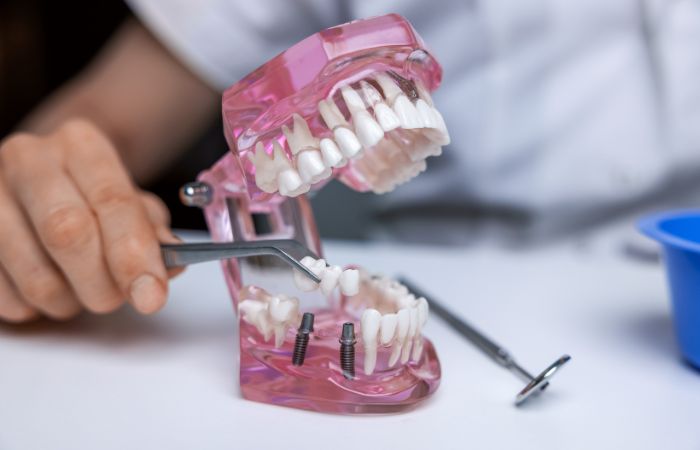
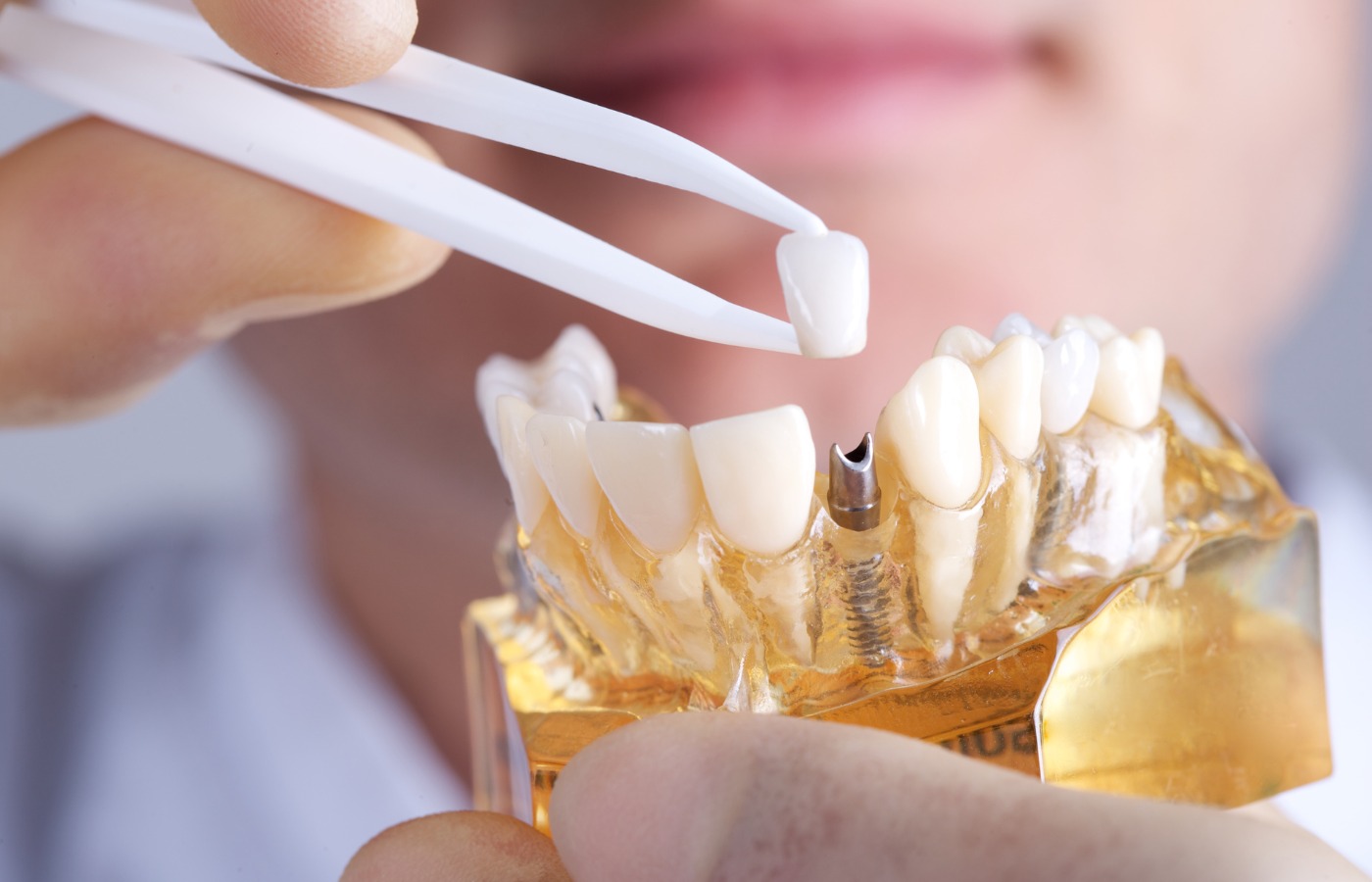
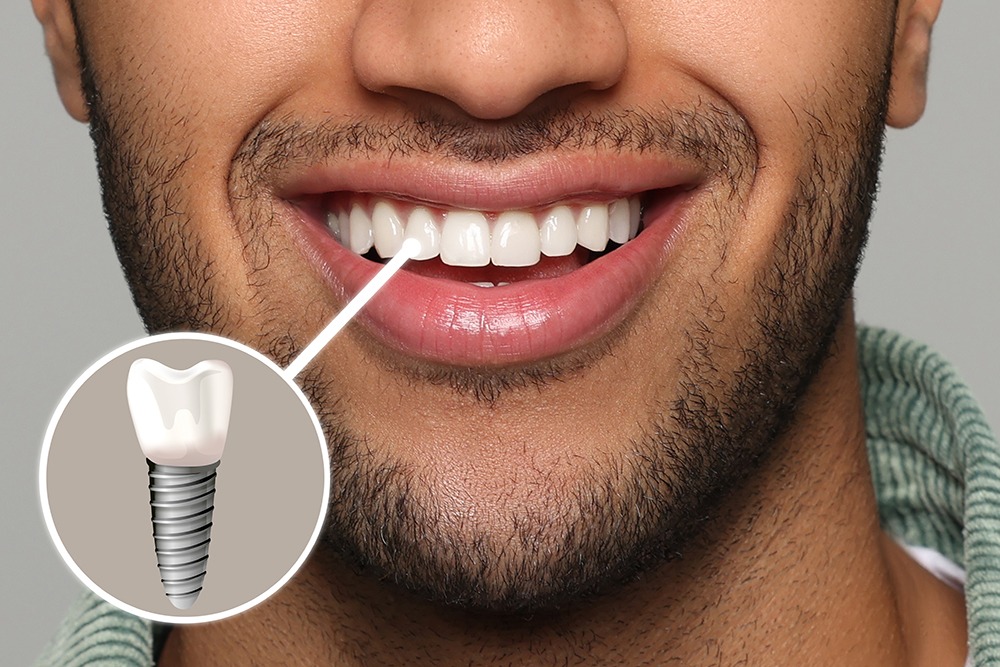
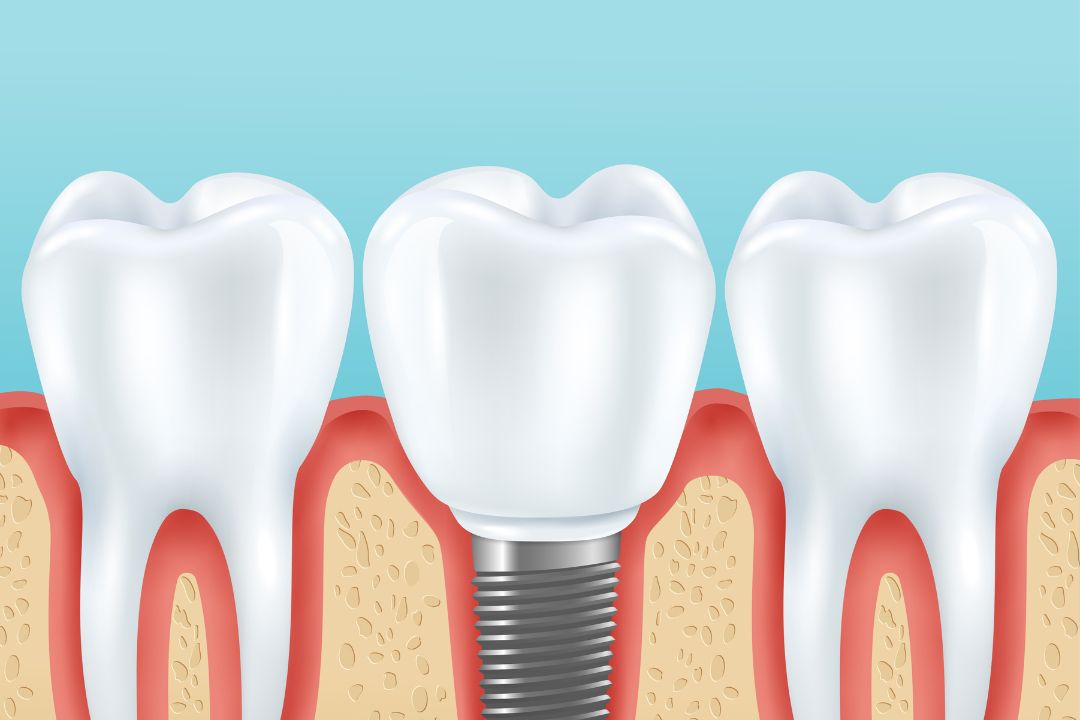
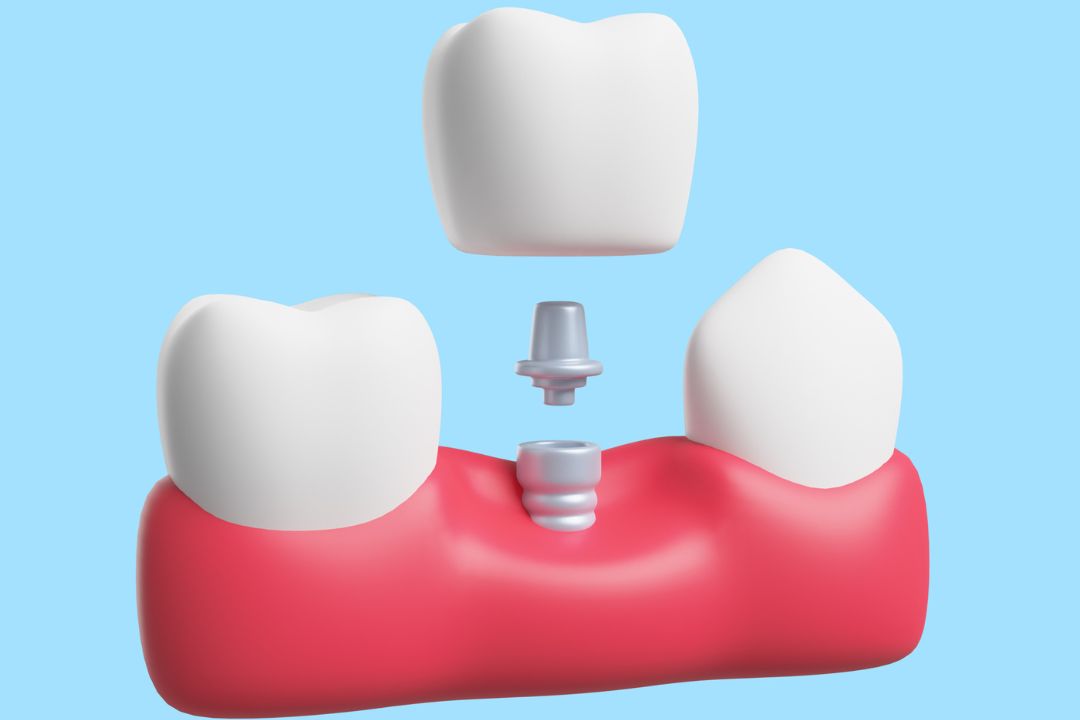
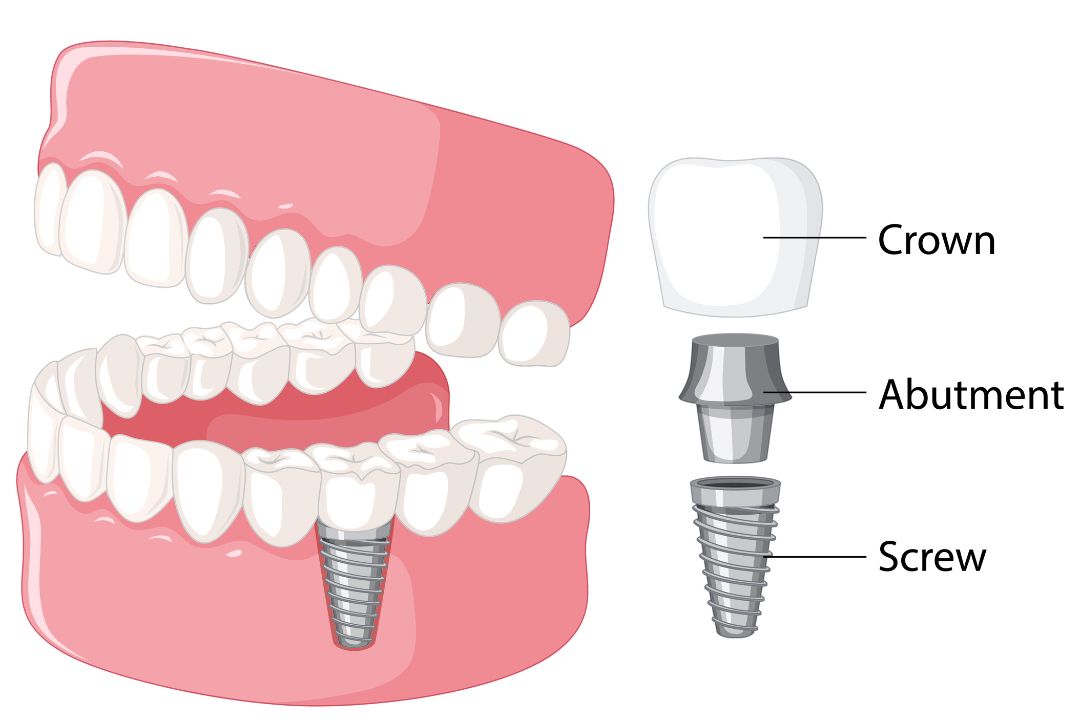
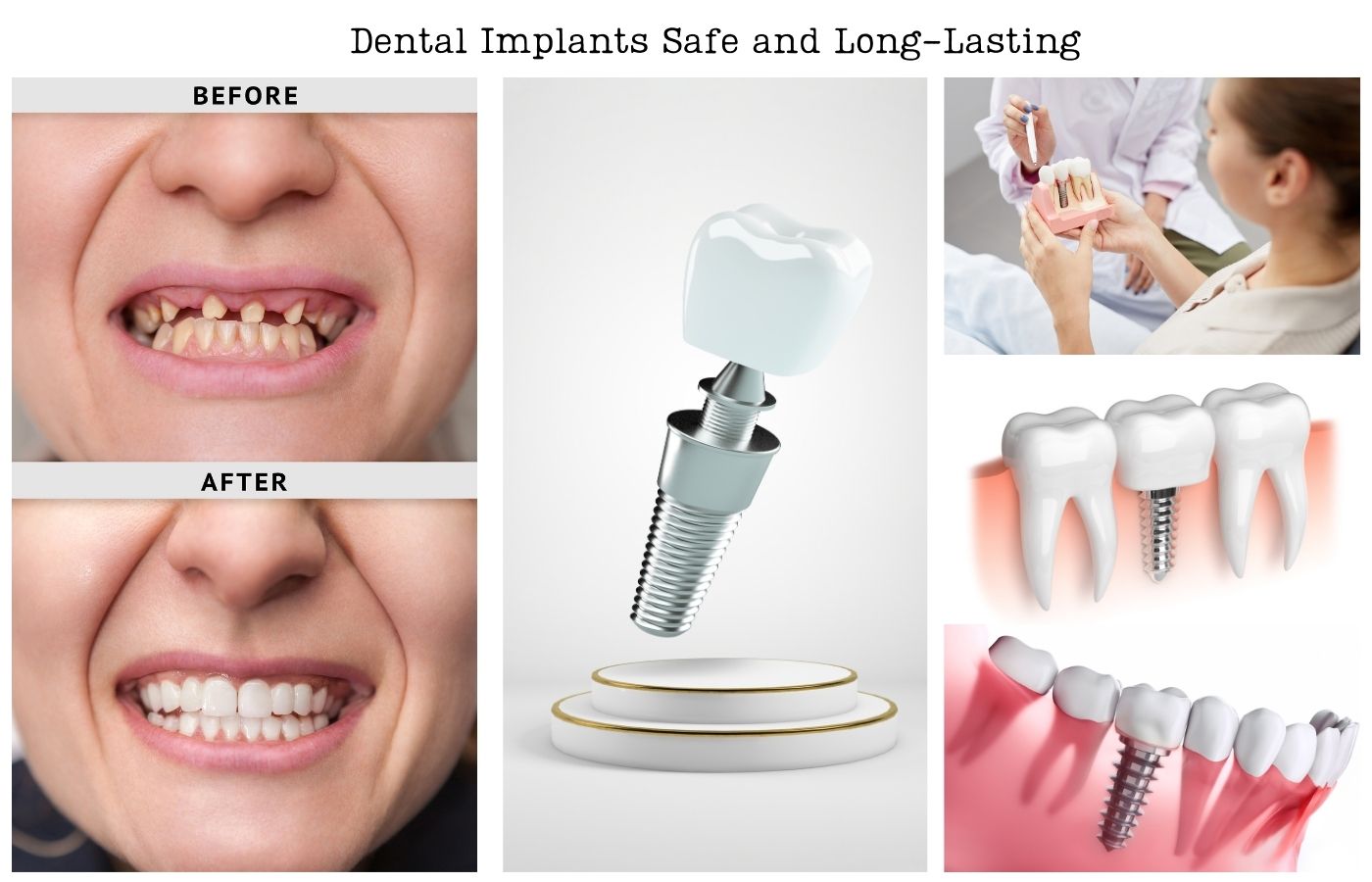
Dental Implants: Titanium posts surgically placed into the jawbone to act as artificial tooth roots. Their unparalleled benefit is preserving jawbone health and providing a stand-alone, permanent foundation for a crown, bridge, or denture.
Head-to-Head Comparison: Implants, Dentures, and Bridges
| Feature | Dental Implants | Dental Bridges | Dentures |
|---|---|---|---|
| Bone Health | Prevents bone loss by stimulating the jaw. | Does not prevent bone loss beneath the gap. | Accelerates bone resorption over time. |
| Impact on Adjacent Teeth | None. Standalone solution. | Requires grinding down healthy adjacent teeth. | May rely on clips or adhesives, causing wear. |
| Stability & Function | Feels and functions like natural teeth. Secure for eating & speaking. | Very stable but depends on support teeth. | Can slip, cause sore spots, limit food choices. |
| Longevity | 20+ years, often a lifetime with proper care. | 10-15 years before replacement is needed. | 5-8 years; require relining and replacement. |
| Maintenance | Brush & floss like natural teeth. | Special flossing under the bridge is required. | Remove nightly for cleaning and soaking. |
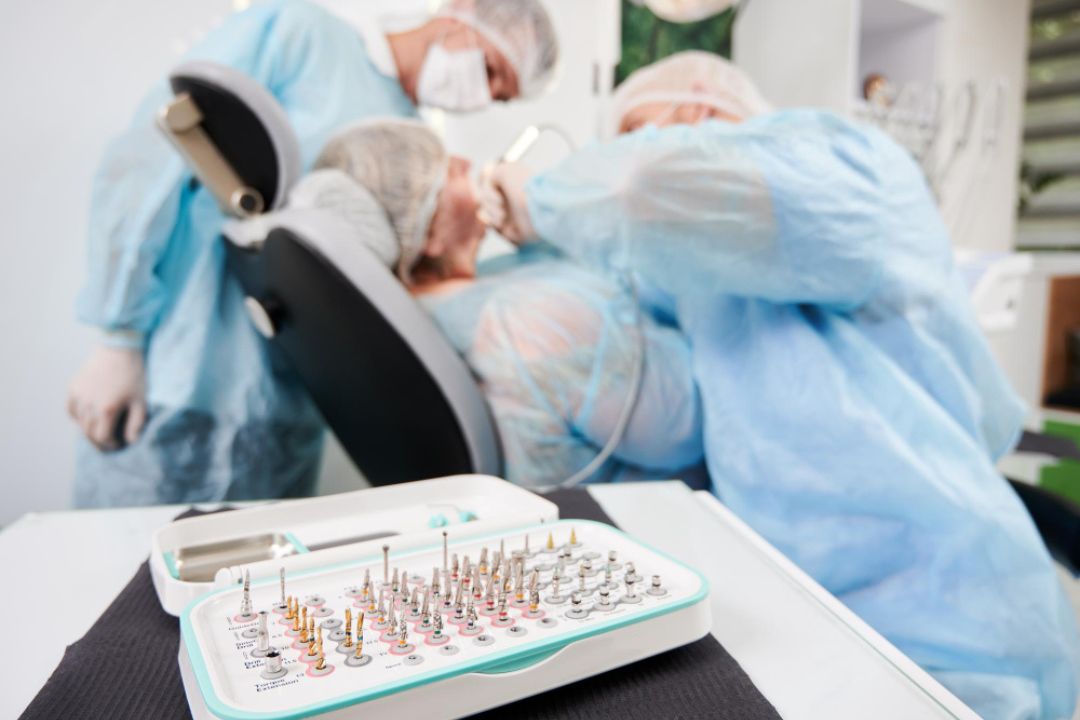
| Procedure | Surgical procedure with healing time. | Non-surgical; minimally invasive. | Non-surgical; impressions and fittings. |
Understanding the Cost in Diagnosis
The cost of dental implants is a significant factor and is often higher initially than other options. However, a true cost analysis must be viewed through the lens of long-term value and health.
Dentures: Lowest initial cost. However, ongoing costs for adhesives, cleaning solutions, relines, and replacements every few years add up. Potential costs for treating bone loss later are not included.
Bridges: Moderate initial cost. Lasts longer than dentures but will need replacement, potentially involving new crowns on the supporting teeth each time.
Dental Implants: Highest initial investment. Yet, when considering their unparalleled longevity, minimal impact on other teeth, and prevention of costly bone grafting procedures in the future, they are often the most cost-effective lifetime solution. Searching for "dental implants cost" and "dental implants near me" will provide specific local pricing and consultation options.
The Comfort and Lifestyle Factor: A Day-in-the-Life View
This is where dental implants truly shine and transform lives.
Dentures: Can be bulky, obstruct taste, and cause anxiety about slipping in social situations. Eating tough foods is often challenging.
Bridges: Feel much more natural than dentures but can put stress on supporting teeth. Flossing is more complicated.
Dental Implants: They become a seamless part of you. There is no palate coverage, no movement, and no dietary restrictions. You brush normally and forget they aren't your natural teeth. This restores not just your smile, but your confidence and quality of life entirely.
Conclusion: The Verdict is Clear
While dentures and bridges are viable and sometimes necessary solutions, modern dentistry recognizes dental implants as the gold standard for tooth replacement. The diagnosis is clear: if you are a candidate with adequate bone density and overall health, dental implants offer a profound advantage in health, function, comfort, and long-term economics.
Why Choose Dental Implants for Your Family?
Tooth loss doesn't just affect one age group. Whether it's a senior wanting to enjoy meals again, a middle-aged professional seeking a confident smile, or a younger adult with a traumatic loss, implants provide a reliable solution. They are designed to last decades, making them a wise choice for anyone looking for a permanent fix. By choosing implants, you're choosing to stop bone loss, protect healthy teeth, and restore a natural, worry-free smile for life.





.jpg "diabetes")


.jpg "dental implant")

.jpg "dental implant")

.jpg "dental implants")
.jpg "dental implants")



.jpg "Dental Implants Help Repair Broken")
.jpg "Know About Dental Implants")
.jpg "Major Types of Dental Implants")
 (1).jpg "Affordable Dental Implants in India")
 (1).jpg "Dental Implants with Pre-existing Conditions")