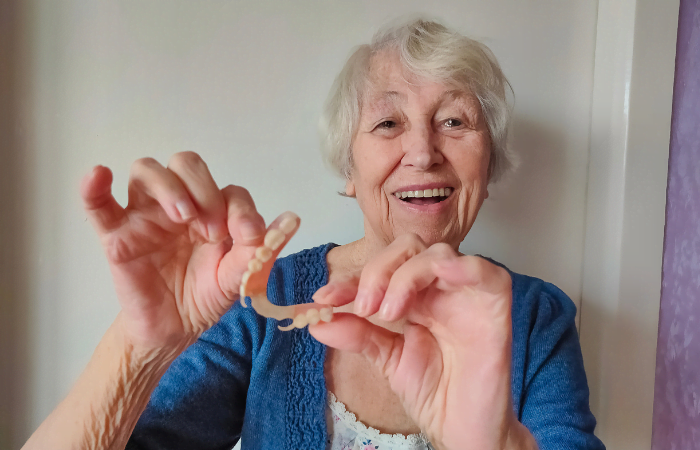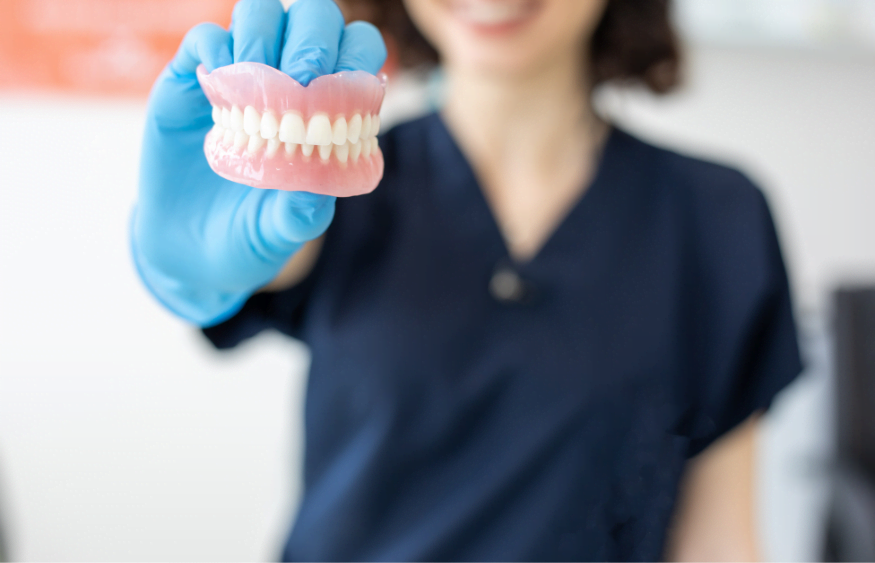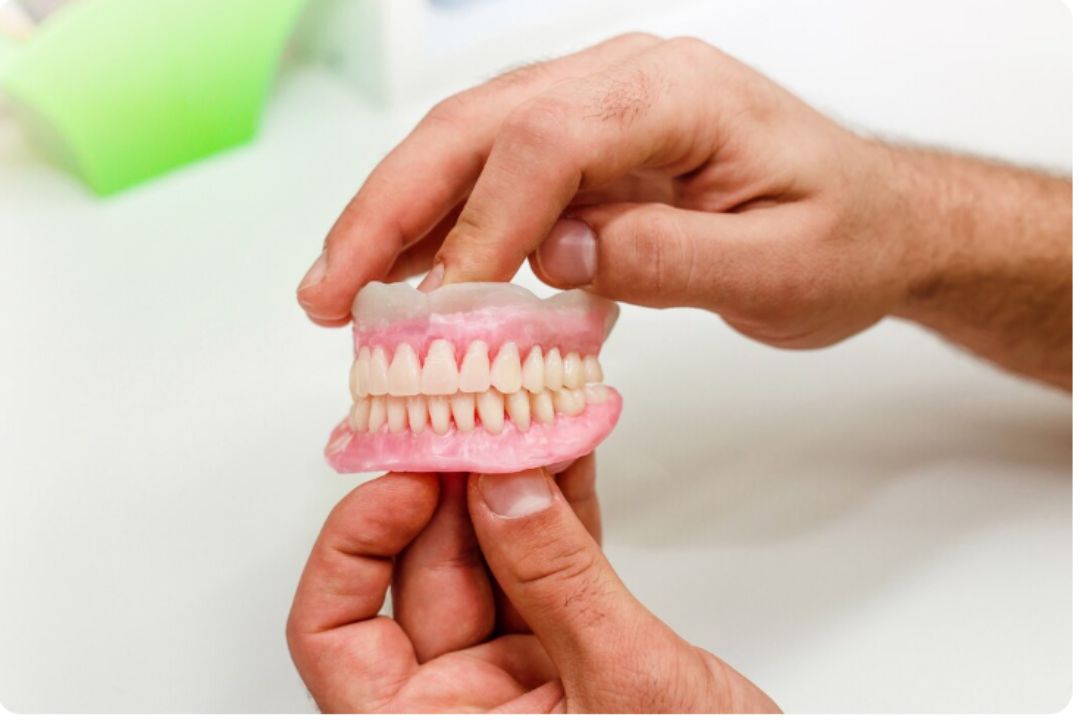
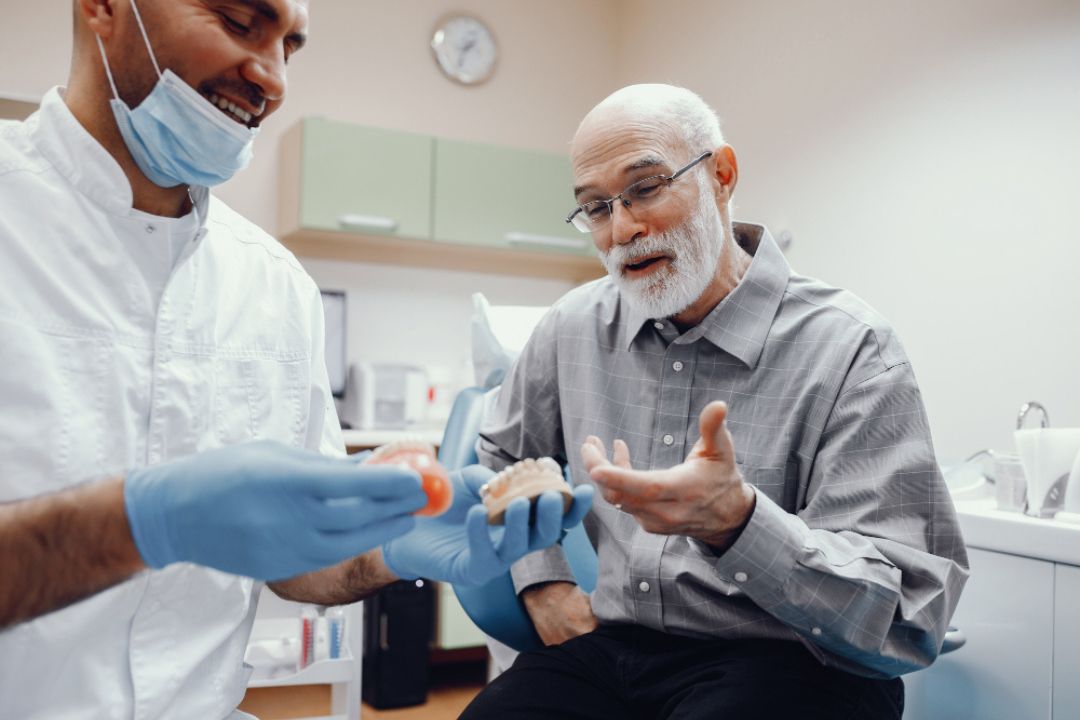
Getting dentures is a major step toward restoring your smile, improving chewing ability, and rebuilding confidence. If you’ve never worn dentures before, it’s completely normal to feel unsure about the process.
This guide walks you through every stage of the denture fitting process so you know exactly what to expect — from your first consultation to follow-up adjustments.
A well-fitted denture does more than replace missing teeth. It
Visit Now: https://www.diagnopein.com/dental-clinic/Pune/Denture
Improves speech clarity
Restores facial structure and appearance
Helps you chew food comfortably
Prevents gum irritation and sore spots
Reduces jaw strain
Poorly fitted dentures, on the other hand, can cause discomfort, slipping, ulcers, and long-term oral health problems. That’s why the fitting process is detailed and carefully customized.
Your dentist will begin with a complete oral evaluation. This includes:
Examining your gums and jawbone
Checking for infections or gum disease
Reviewing your medical and dental history
Discussing your expectations
If teeth need to be extracted, your dentist will create a treatment plan before moving forward with dentures.
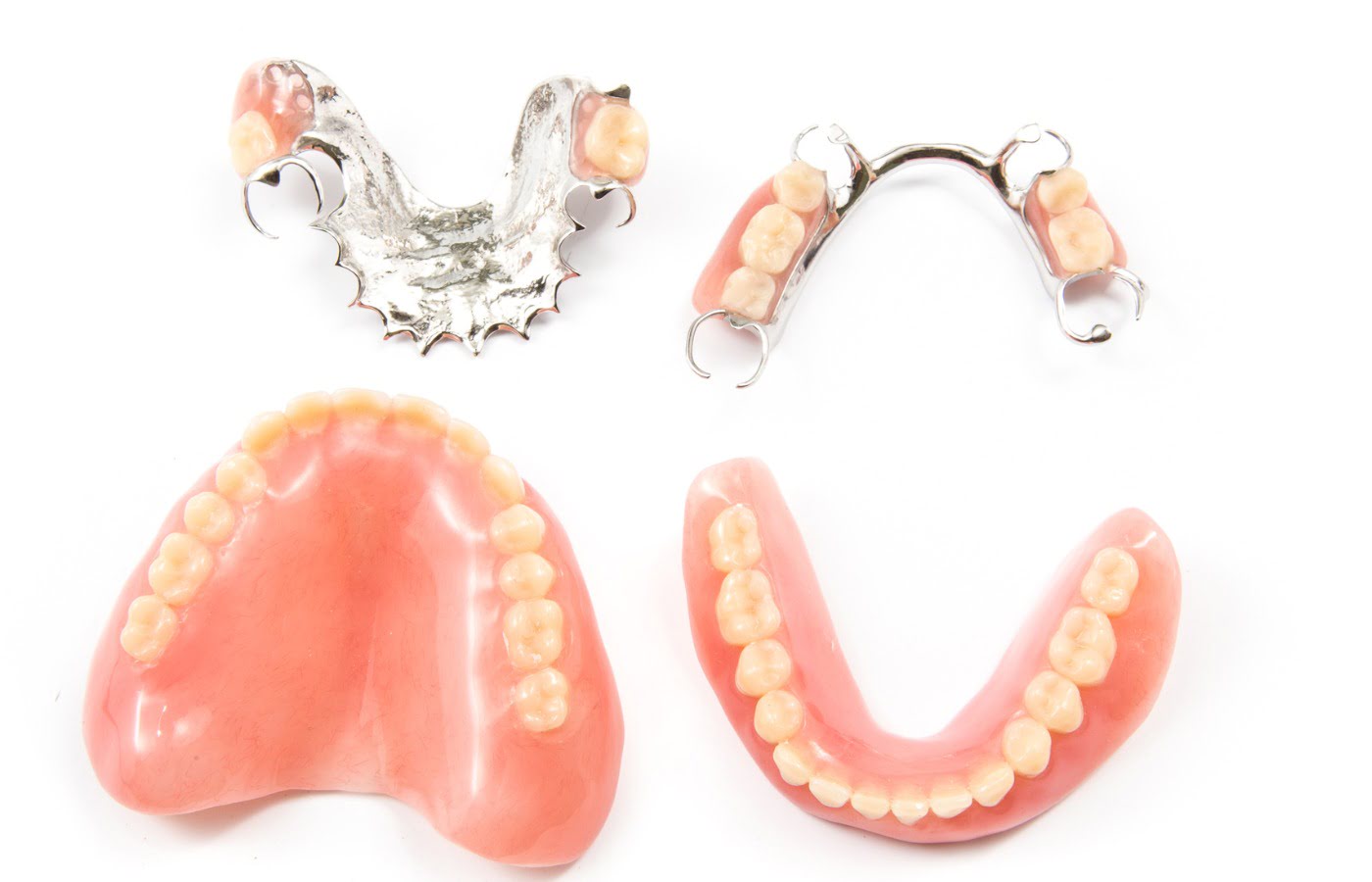
You’ll also discuss the type of denture best suited for you:
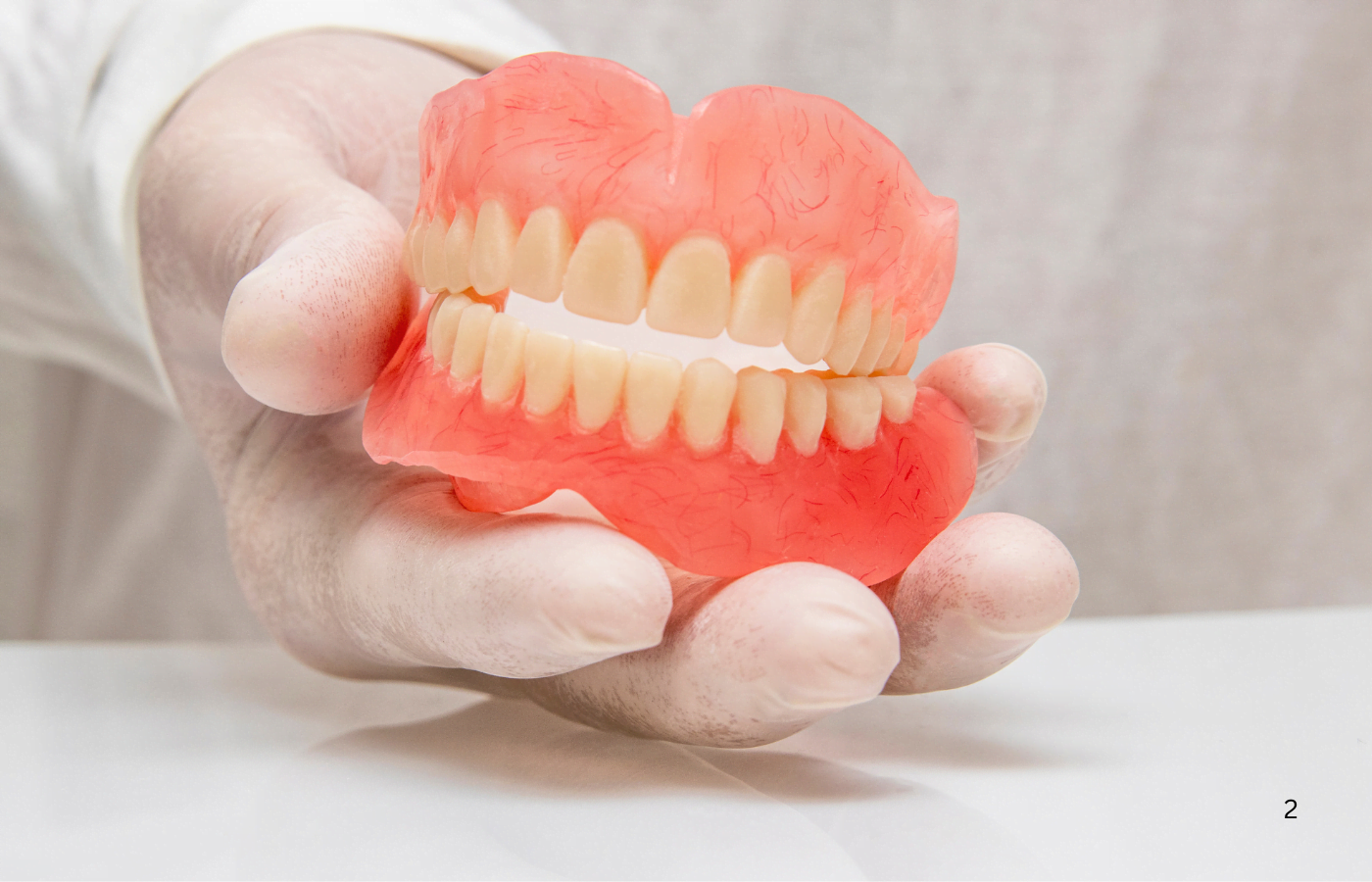
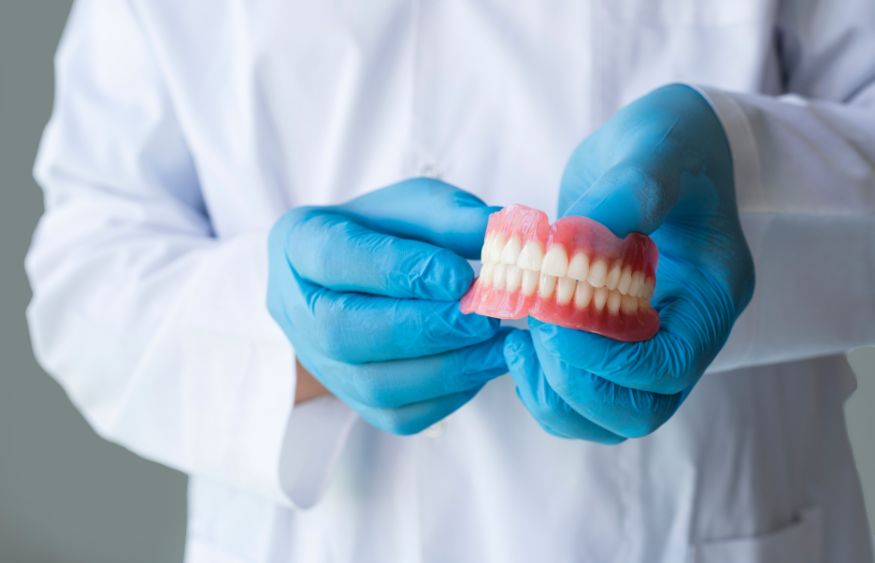
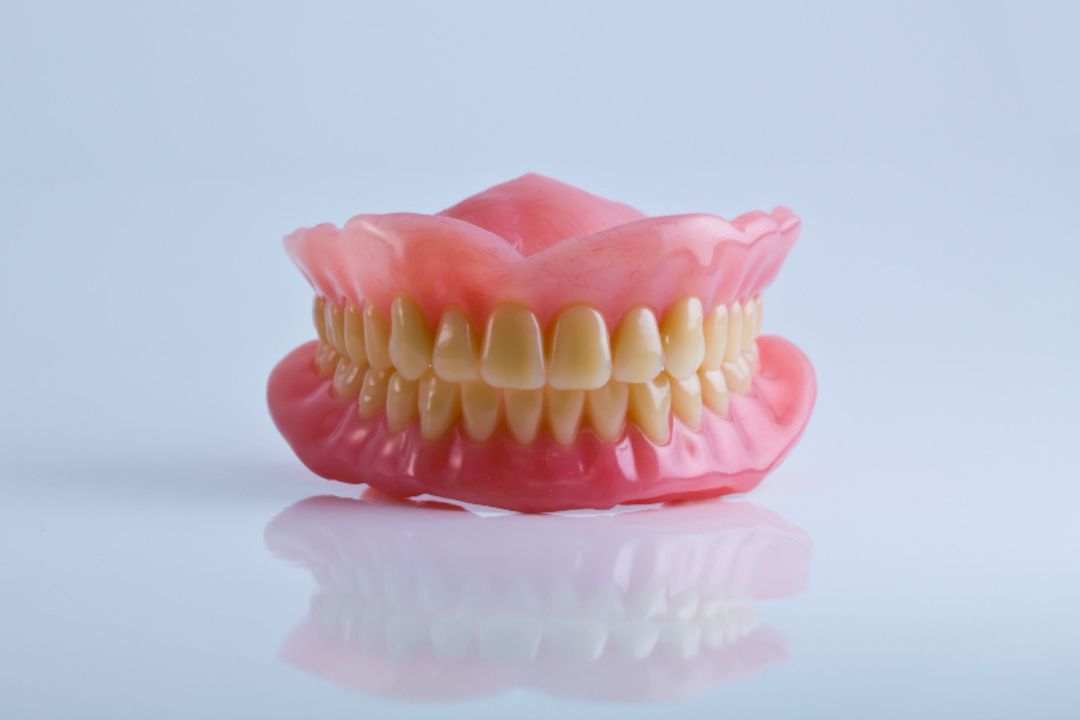
Full dentures
Partial dentures
Immediate dentures
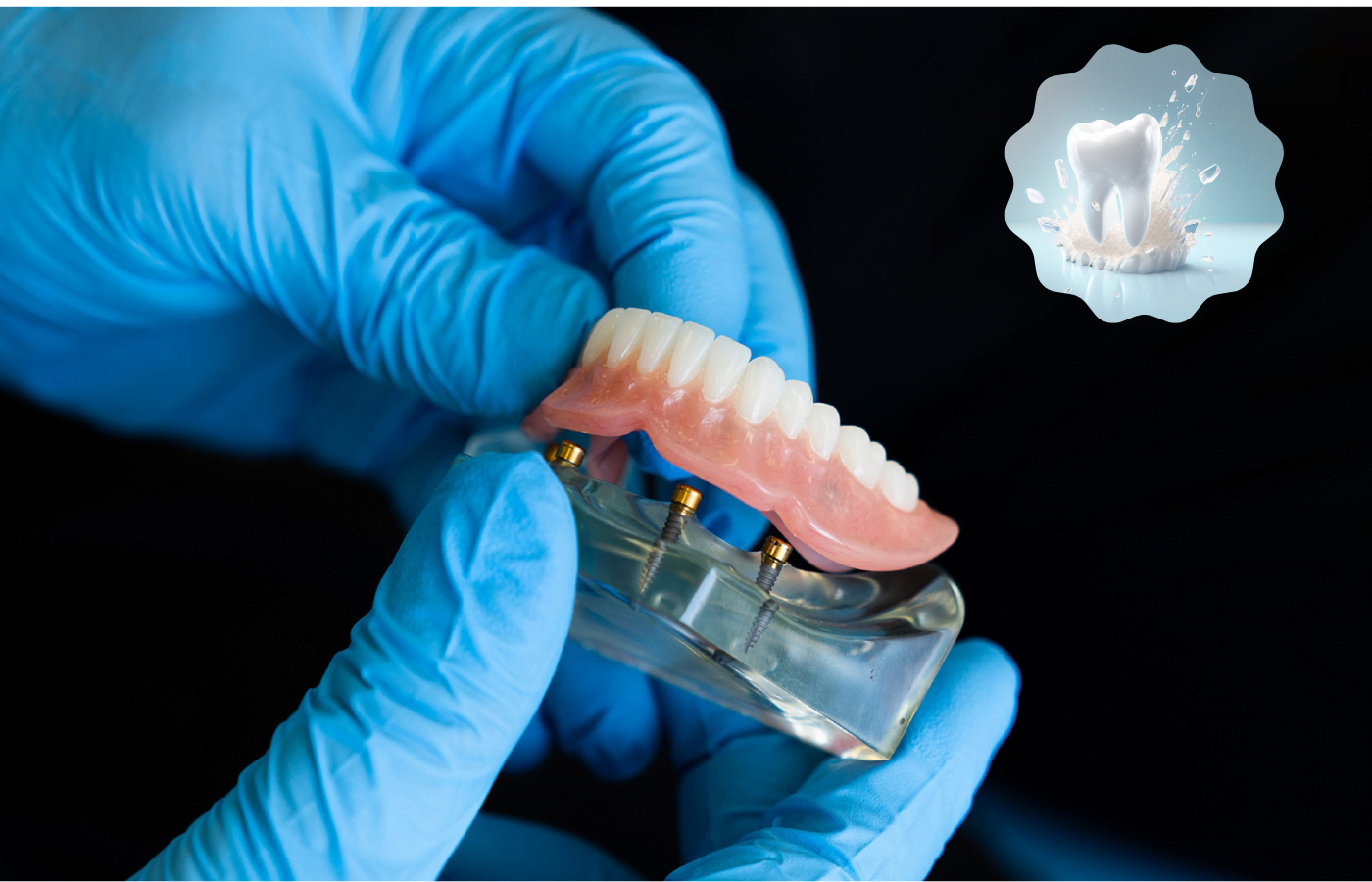
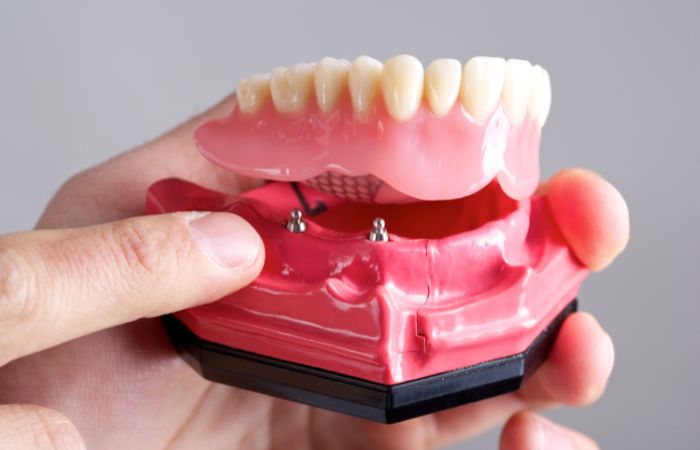
Implant-supported dentures
Next, precise impressions of your mouth are taken. These impressions create a mold of your gums and jaw structure.
Your dentist will also:
Measure your bite alignment
Record jaw positioning
Determine the correct vertical height
Assess facial proportions
Accuracy at this stage is critical for long-term comfort and stability.
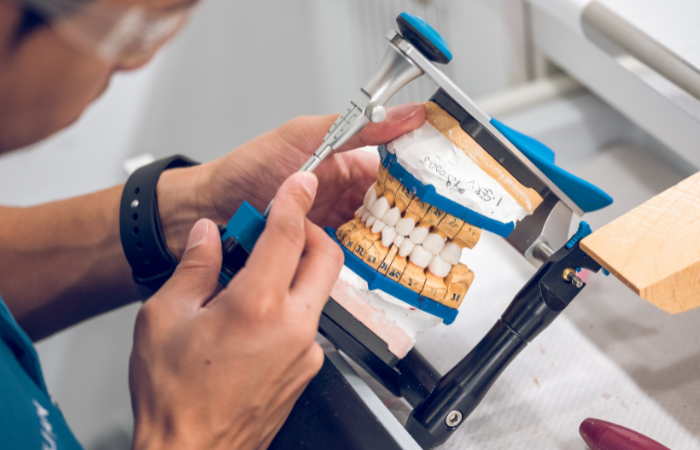
Before your final dentures are made, you’ll try a wax model.
This is one of the most important steps because it allows you to:
See the shape and size of the teeth
Evaluate the color
Check smile appearance
Test speech
Assess comfort
Adjustments are made at this stage to ensure your final dentures look natural and feel comfortable.
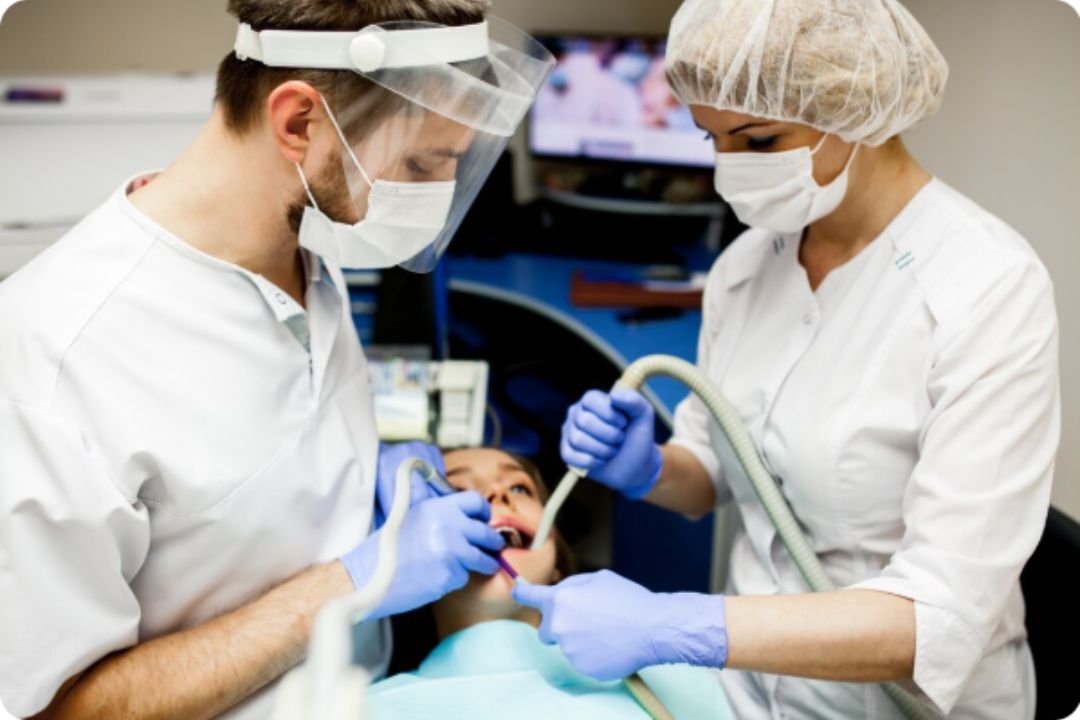
Once your custom dentures are fabricated, your dentist will place them in your mouth and:
Check the fit
Adjust pressure points
Refine the bite alignment
Ensure stability
Minor adjustments are common and expected. The goal is optimal balance and comfort.
Your mouth needs time to adapt.
During the first few weeks, you may experience:
Mild soreness
Increased saliva production
Minor speech changes
Slight chewing difficulty
These are temporary and usually resolve with adjustment.
Follow-up appointments allow your dentist to:
Remove sore spots
Fine-tune the fit
Improve bite alignment
Reassess comfort
Never ignore persistent pain — adjustments are part of the normal process.
Adapting to dentures takes patience. Here’s what most patients notice:
Certain words may feel difficult at first. Practice reading aloud to improve clarity.
Start with soft foods such as:
Mashed potatoes
Yogurt
Scrambled eggs
Soft fruits
Gradually reintroduce firmer foods as you gain confidence.
Your mouth may produce extra saliva initially. This usually normalizes within a few days.
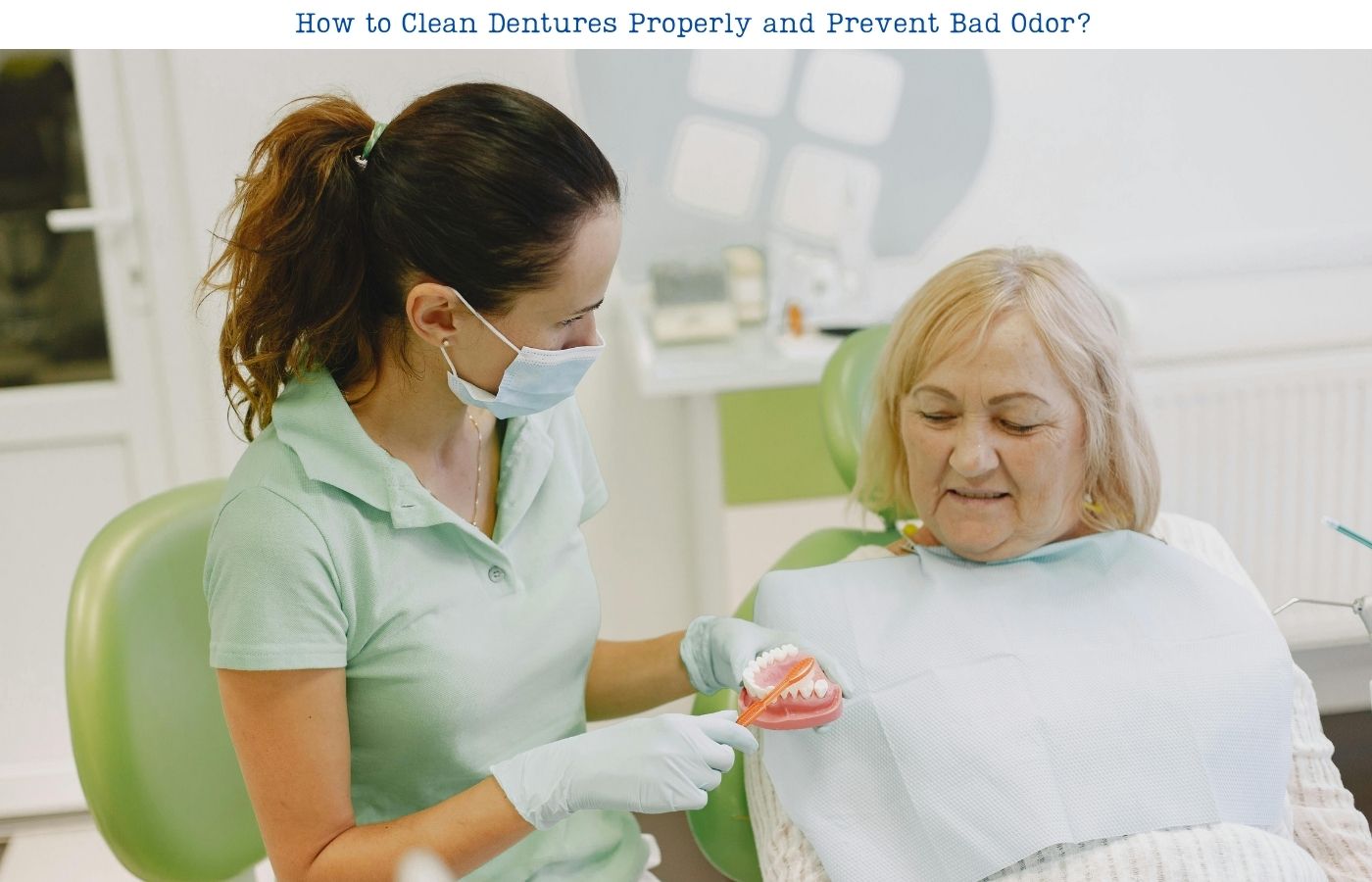
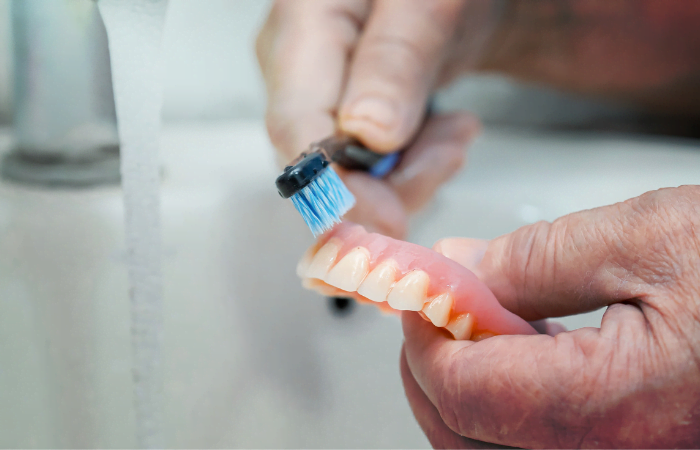
Proper care extends the life of your Dentures and protects your oral health.
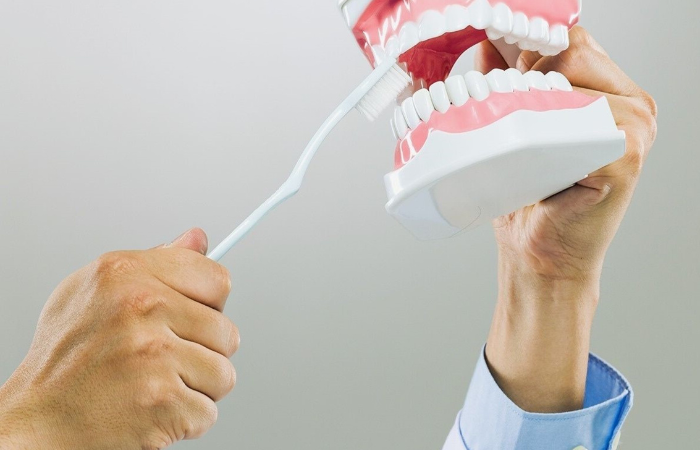
Clean daily using a denture brush
Use non-abrasive denture cleanser
Rinse after meals
Remove dentures at night unless advised otherwise
Store them in water to prevent drying
Regular dental check-ups remain essential even if you have full dentures.
Seek professional advice if you experience:
Persistent pain
Loose or slipping dentures
Clicking sounds while speaking
Difficulty chewing
Gum swelling or sores
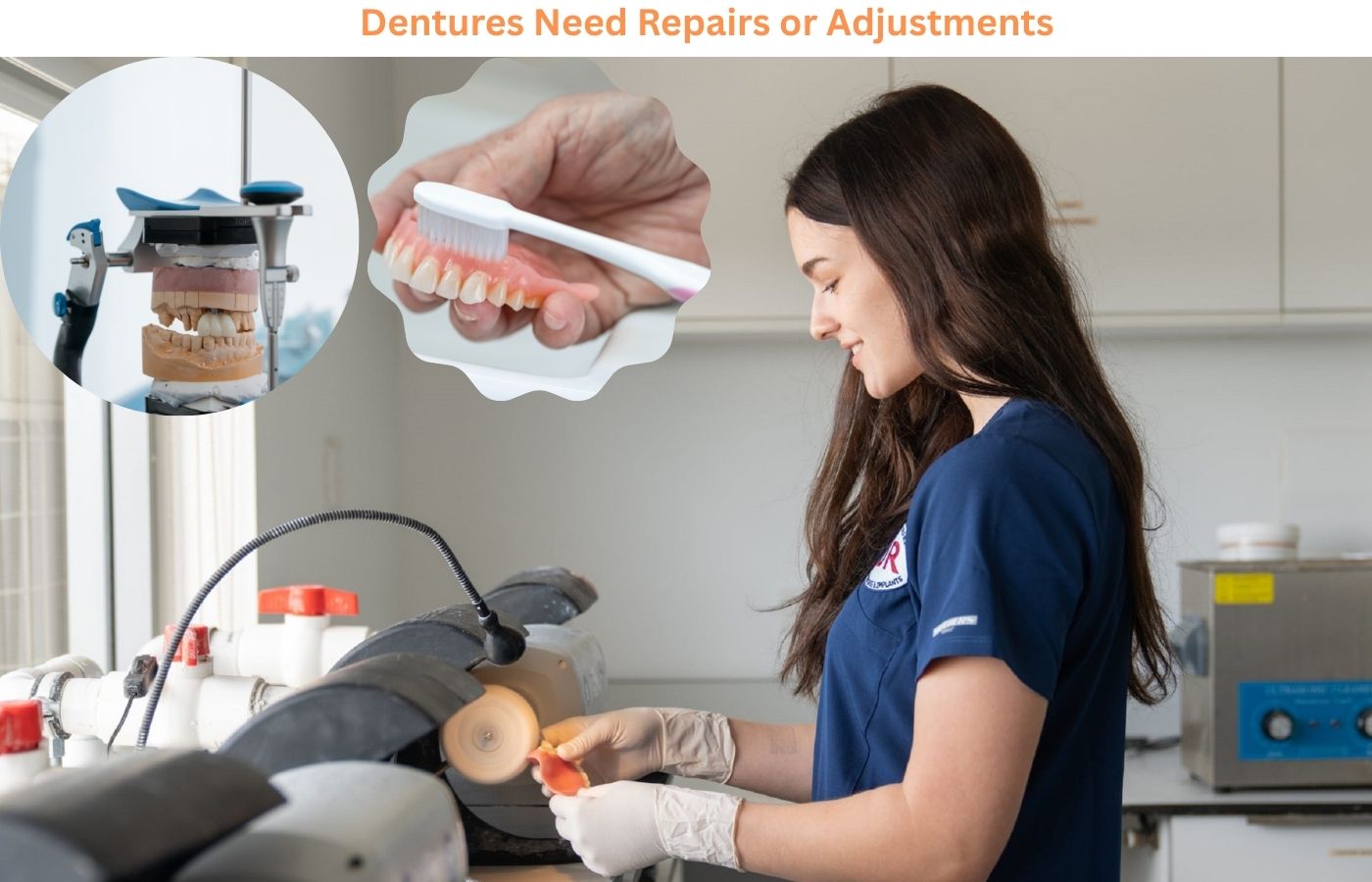
Your dentures may need relining, rebasing, or minor correction.
On average, Dentures last 5–10 years. Over time, natural changes in your jawbone and gums may require adjustments or replacement.
Regular reviews help maintain proper fit and function.
The denture fitting process is designed to ensure comfort, function, and natural appearance. While it may take a short period to adjust, most patients quickly adapt and regain confidence in their smile.
With proper care and regular follow-ups, dentures can significantly improve your quality of life.






.jpg "dentures")


.jpg "Dentures at Diagnopein")