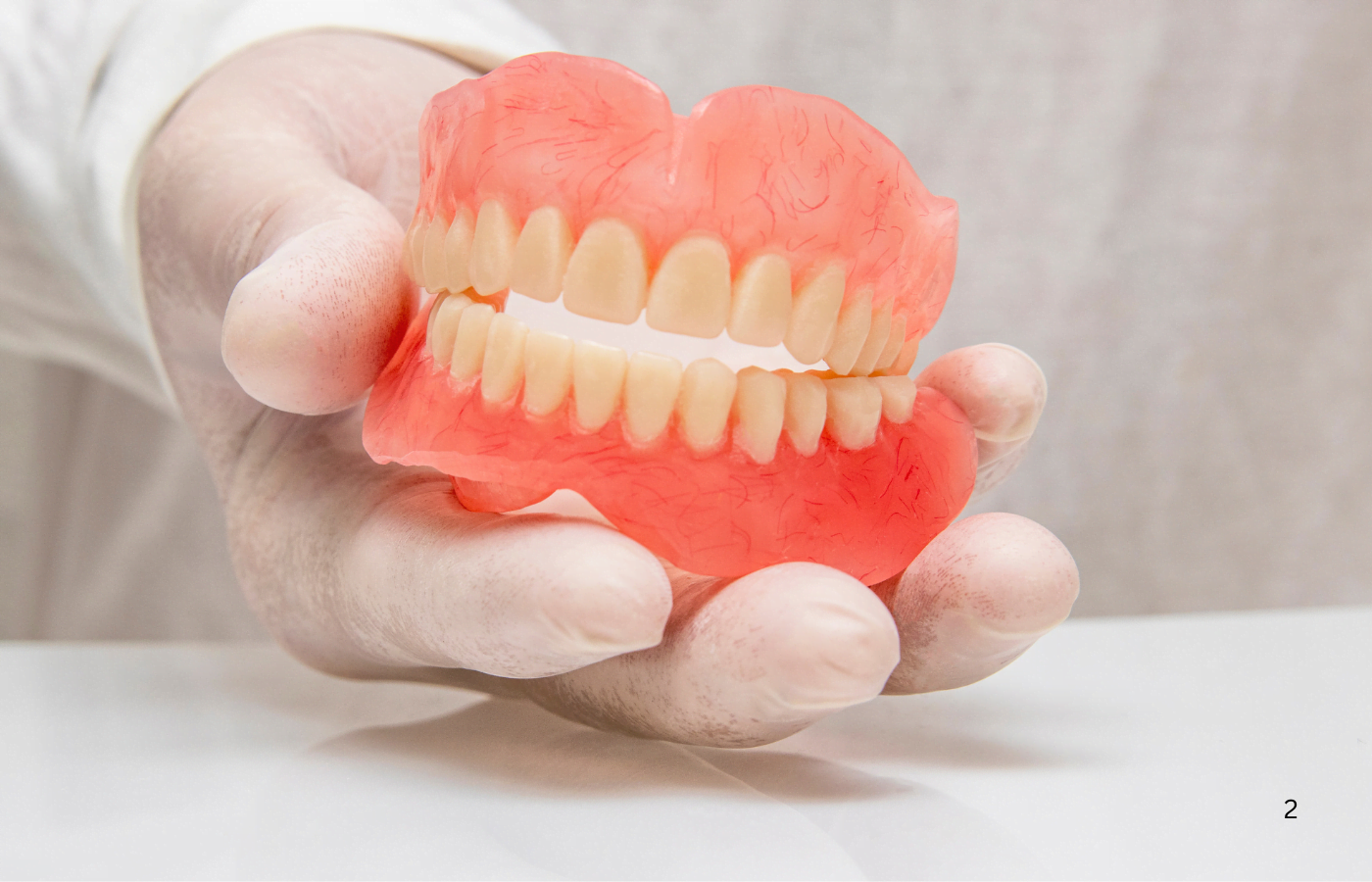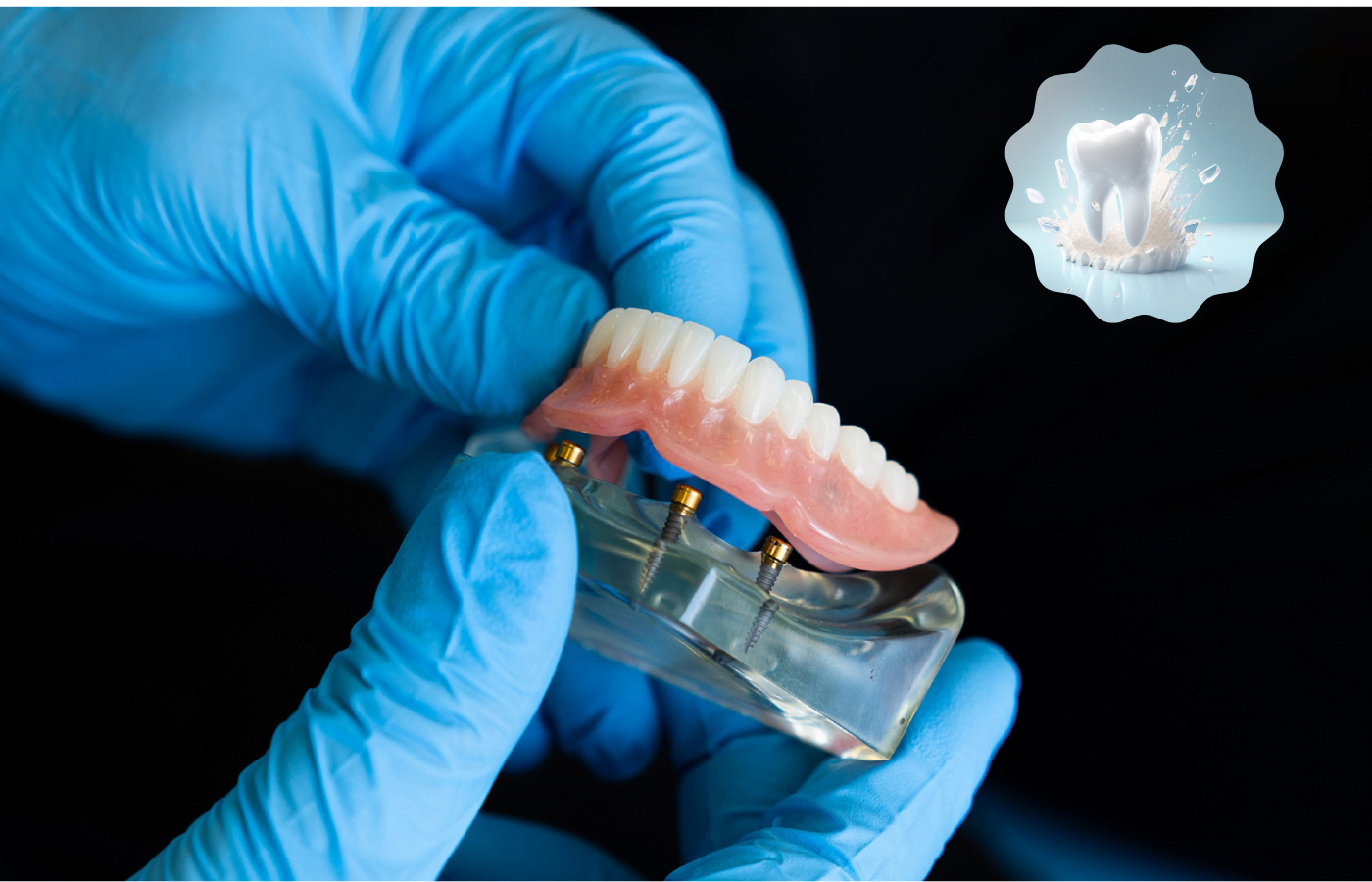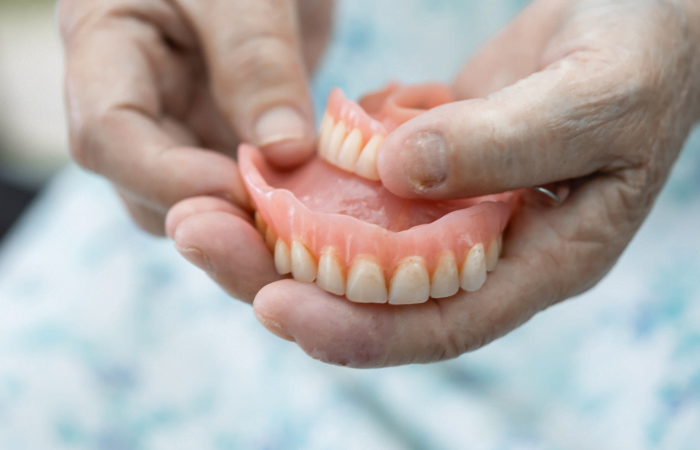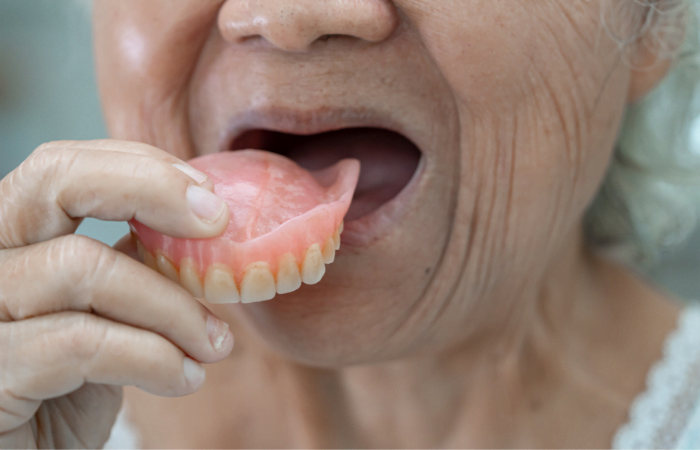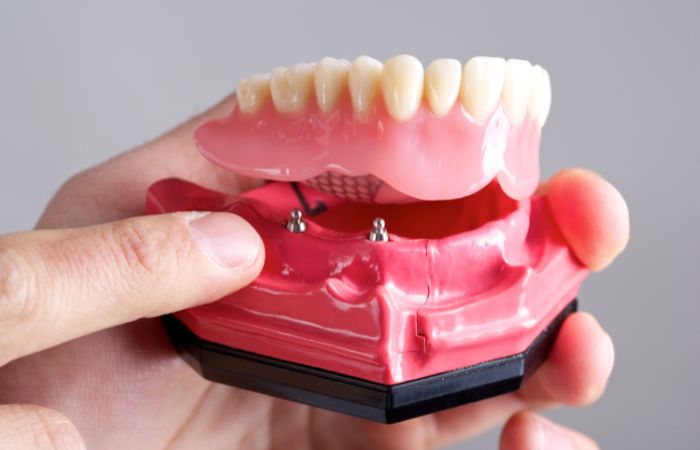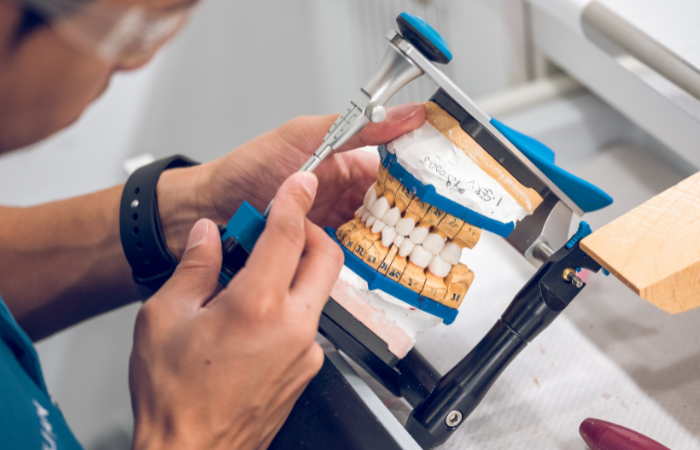
Dentures restore your smile, improve chewing, and help you speak clearly — but without proper care, they can quickly develop stains, plaque buildup, and unpleasant odor. Just like natural teeth, dentures require daily cleaning and maintenance to stay fresh, hygienic, and long-lasting.
In this complete guide, you’ll learn the correct way to clean dentures, what causes bad odor, common mistakes to avoid, and how to keep your dentures looking and smelling clean every day.
Denture odor is usually caused by:
Bacterial buildup
Food particles trapped under the denture
Plaque accumulation
Fungal infections (such as denture stomatitis)
Poor overnight storage habits
Dentures sit directly against your gums, creating a warm and moist environment — ideal for bacteria and fungi to grow if not cleaned properly.
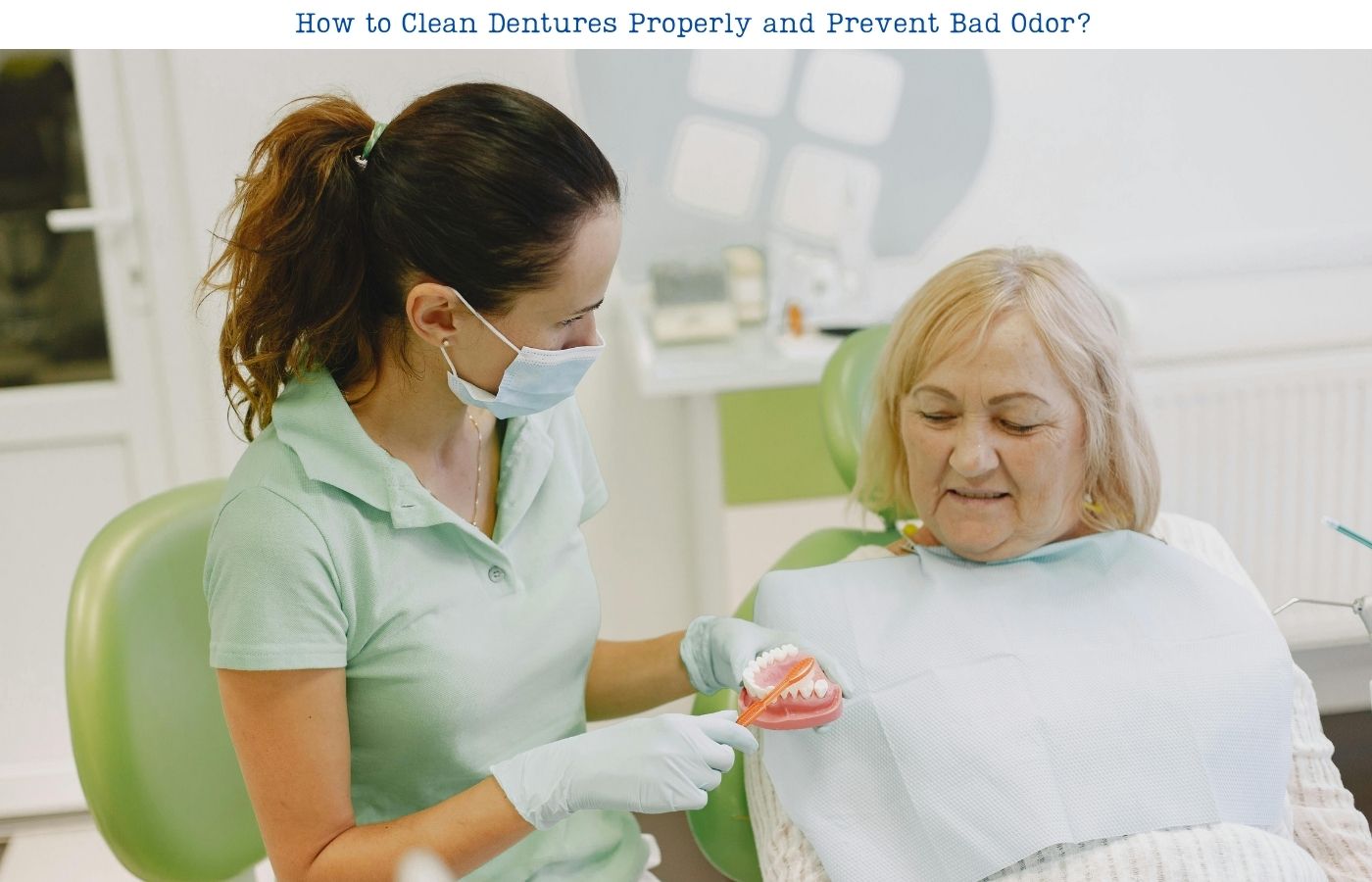
Remove your dentures and rinse them under running water after eating. This helps wash away loose food particles and prevents early plaque formation.
Tip: Use lukewarm water. Hot water can warp dentures.
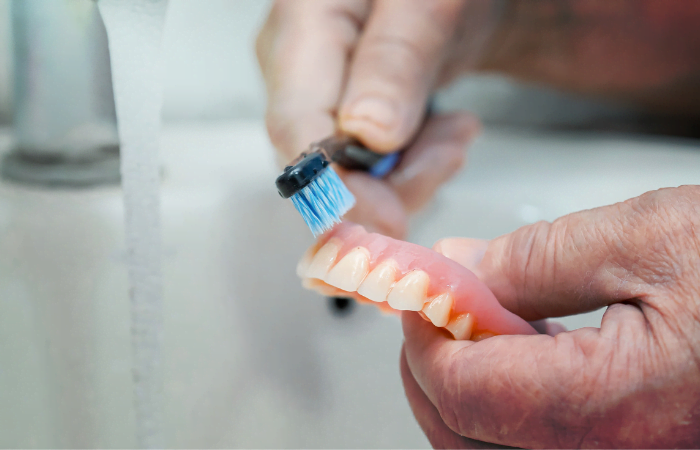
Even if you soak them overnight, dentures must be brushed daily.
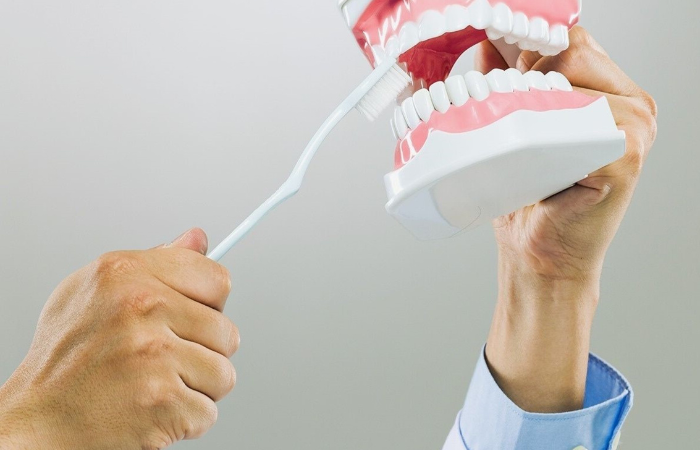
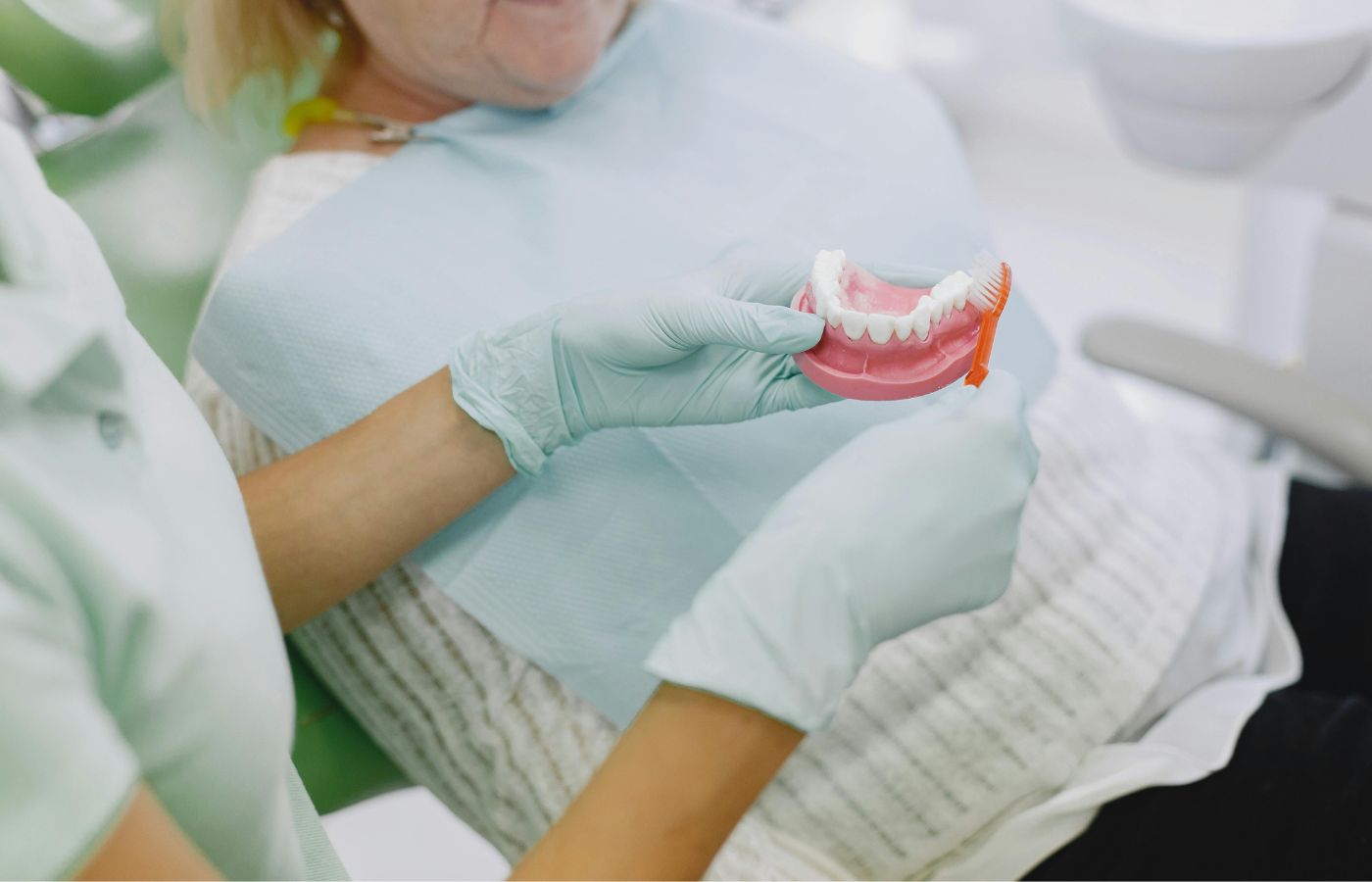
Use a soft-bristled denture brush
Avoid regular toothpaste (it’s too abrasive)
Use a mild denture cleanser or non-abrasive soap
Brush all surfaces gently, especially the inner side that rests against your gums.
Most dentures need to stay moist to maintain their shape.
Use a denture-cleaning solution
Follow manufacturer instructions
Rinse thoroughly before placing back in your mouth
Overnight soaking helps kill odor-causing bacteria and loosen plaque.
Even if you wear full dentures, your mouth still needs care.
Brush your gums, tongue, and palate with a soft toothbrush
Massage gums to improve circulation
If you wear partial dentures, brush your natural teeth thoroughly
This reduces bacterial buildup that can transfer back onto your dentures.
| Cleaning Task | Frequency |
|---|---|
| Rinse after meals | After every meal |
| Brush dentures | Once daily |
| Soak overnight | Every night |
| Professional dental check | Every 6–12 months |
Consistency is key to preventing odor and infection.
Avoid these common errors:
It scratches the surface, creating tiny grooves where bacteria accumulate.
Dry dentures can warp and allow bacteria to thrive.
Bleach can weaken denture material and discolor it.
Even clean dentures will smell bad if your gums are infected or unclean.
If odor persists, you can occasionally try:
Soaking in diluted white vinegar (removes mineral deposits)
Baking soda rinse (neutralizes odor)
Antibacterial mouthwash soak (short duration only)
? Always rinse thoroughly before wearing.
Consult a dentist if you notice:
Persistent bad smell despite cleaning
White patches on gums
Redness or irritation
Loose fit
Cracks or rough surfaces
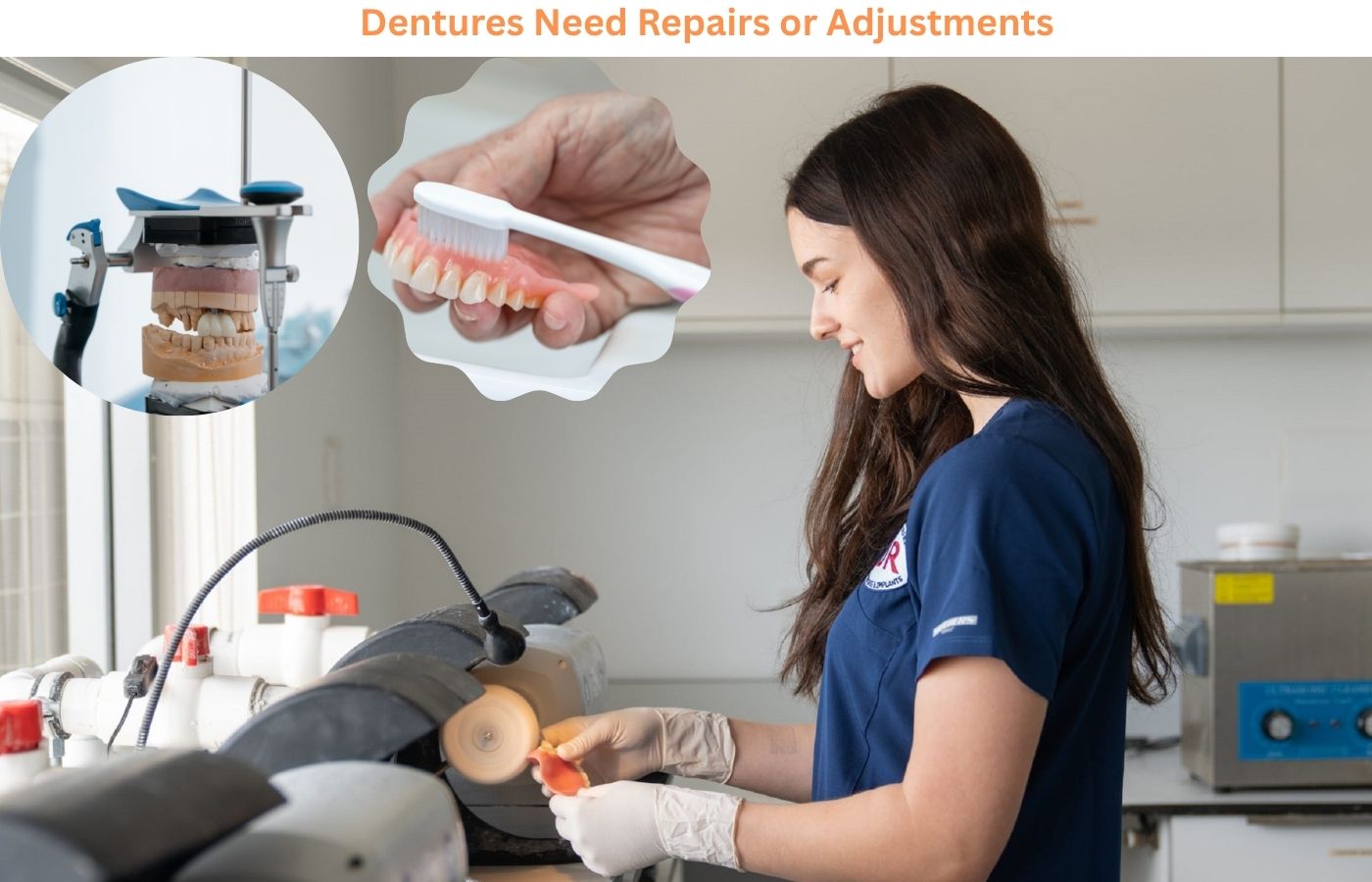
These may indicate fungal infection or denture damage requiring professional cleaning or adjustment.
Always store in clean water or denture solution
Keep in a covered container
Keep away from heat
Keep out of reach of children or pets
Proper storage prevents drying, contamination, and accidental damage.
Proper Denture Cleaning is essential for oral health, comfort, and confidence. By maintaining a daily routine of rinsing, brushing, soaking, and gum care, you can prevent bad odor and extend the life of your dentures.
If you experience persistent odor, discomfort, or denture damage, schedule a dental consultation to ensure your oral health remains in excellent condition.












.jpg "dentures")




.jpg "Dentures at Diagnopein")