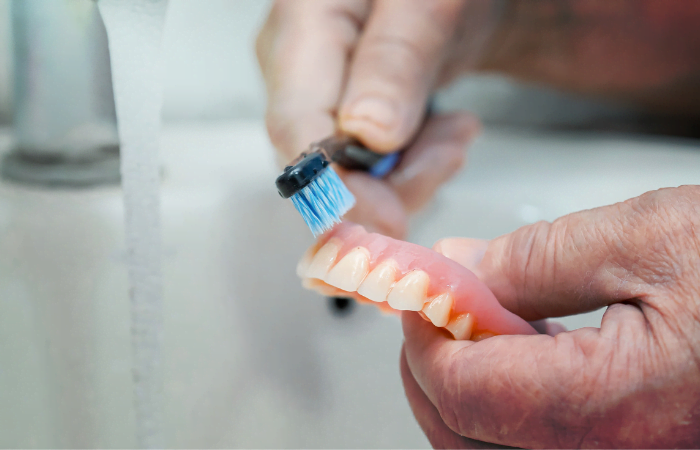
Missing teeth can affect your smile, confidence, speech, and ability to chew properly. Dentures are one of the most reliable and affordable solutions for restoring your teeth and improving oral function.
Visit Now: https://www.diagnopein.com/dental-clinic/Pune/Denture
In this complete guide, we’ll explain everything you need to know about dentures treatment, types of dentures, costs, procedure steps, benefits, and how to choose the best option for you.
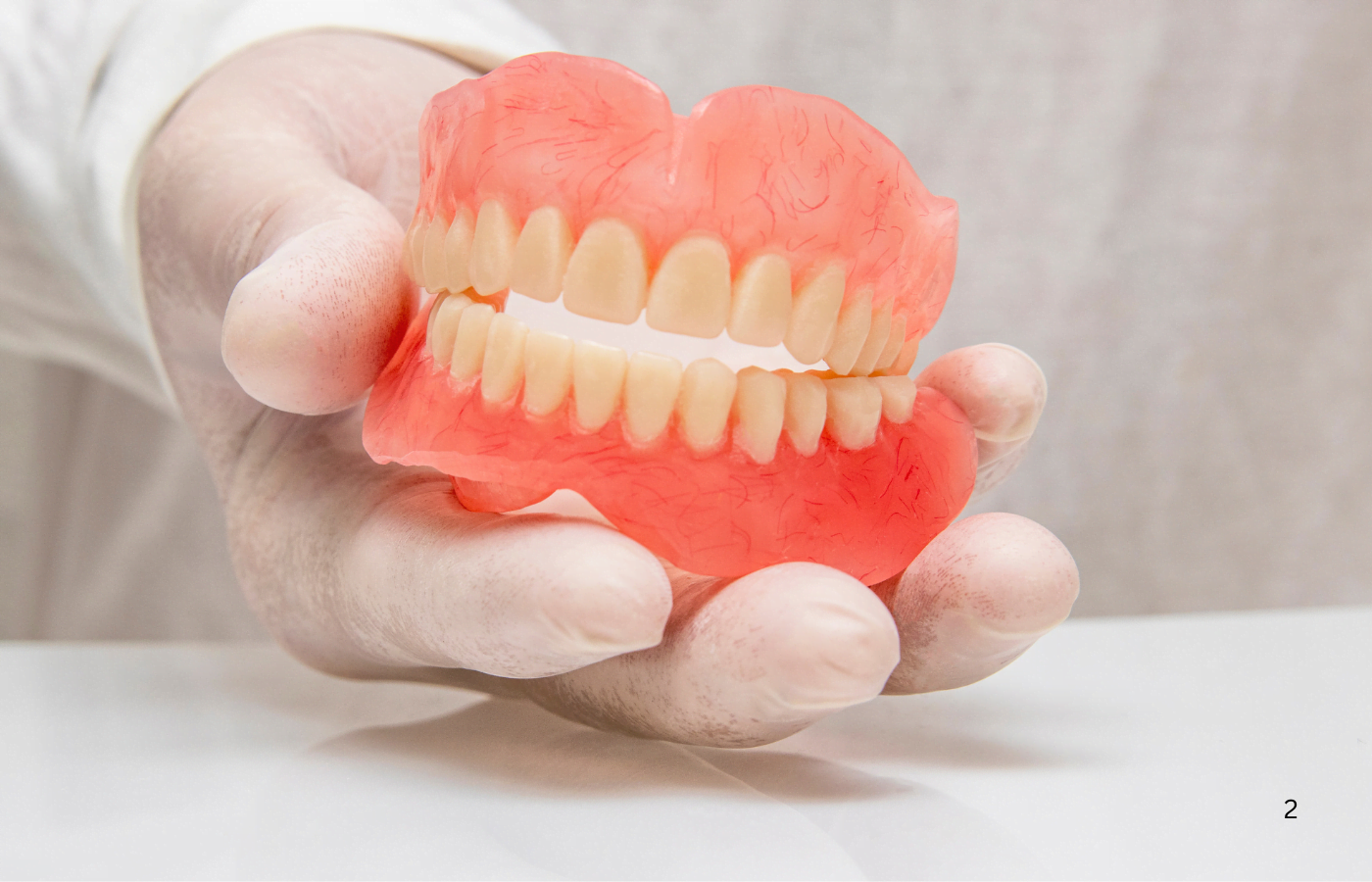
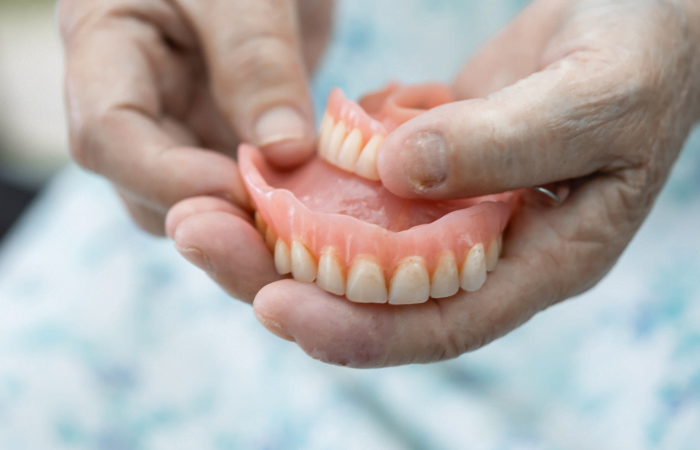
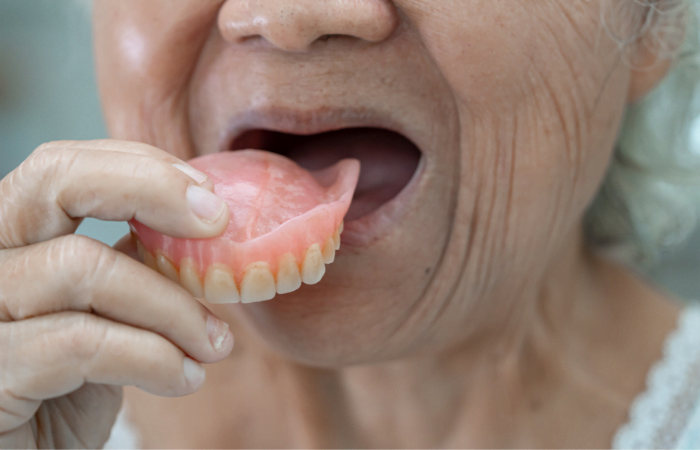
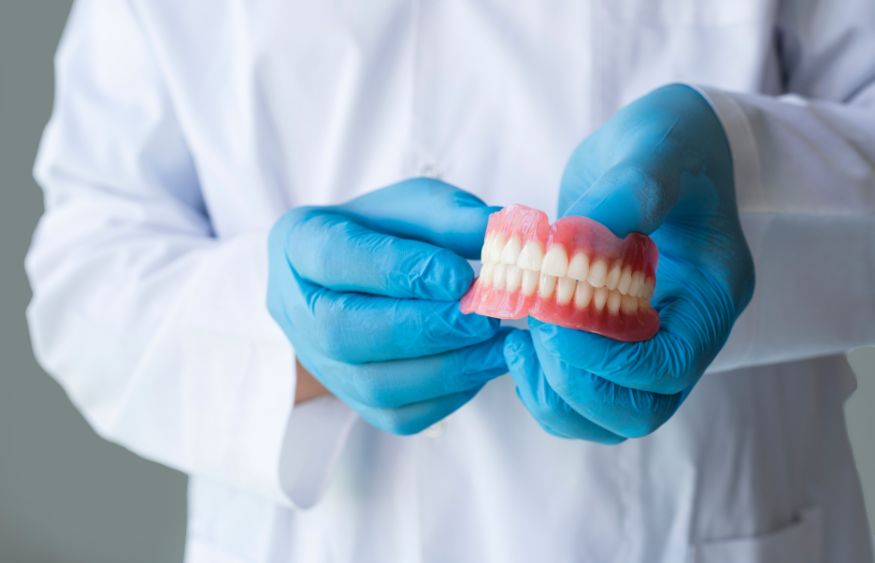
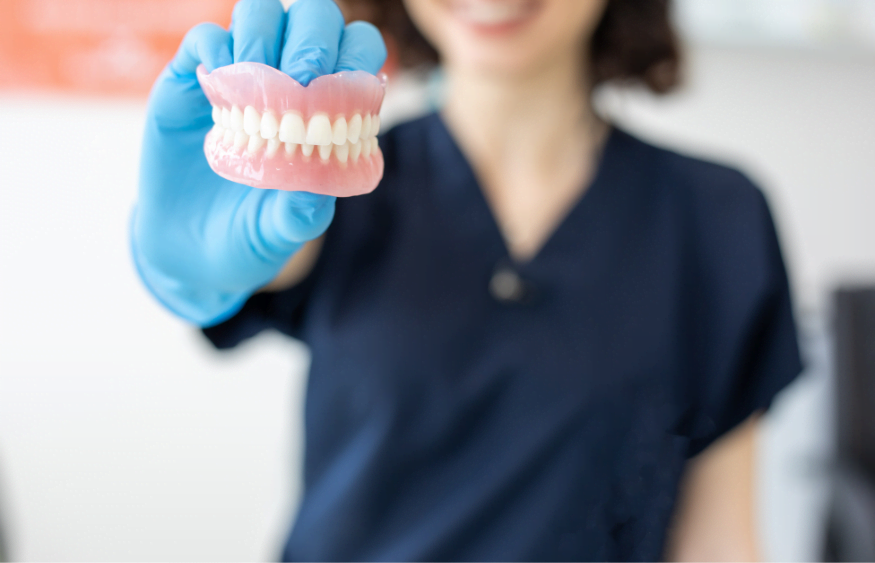
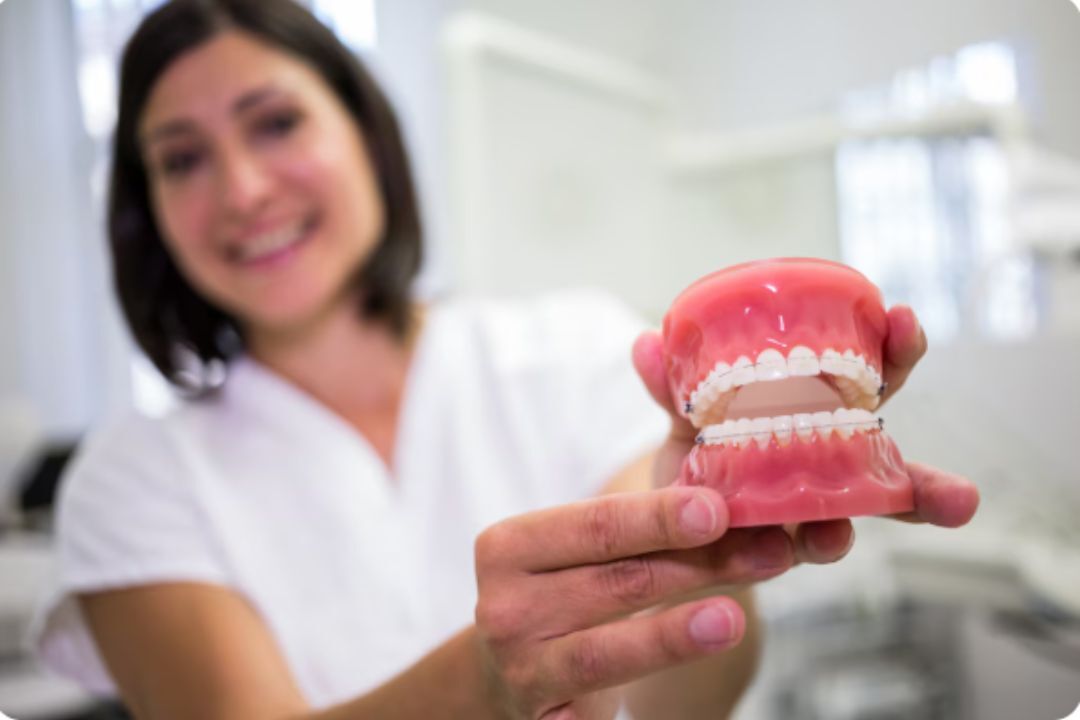
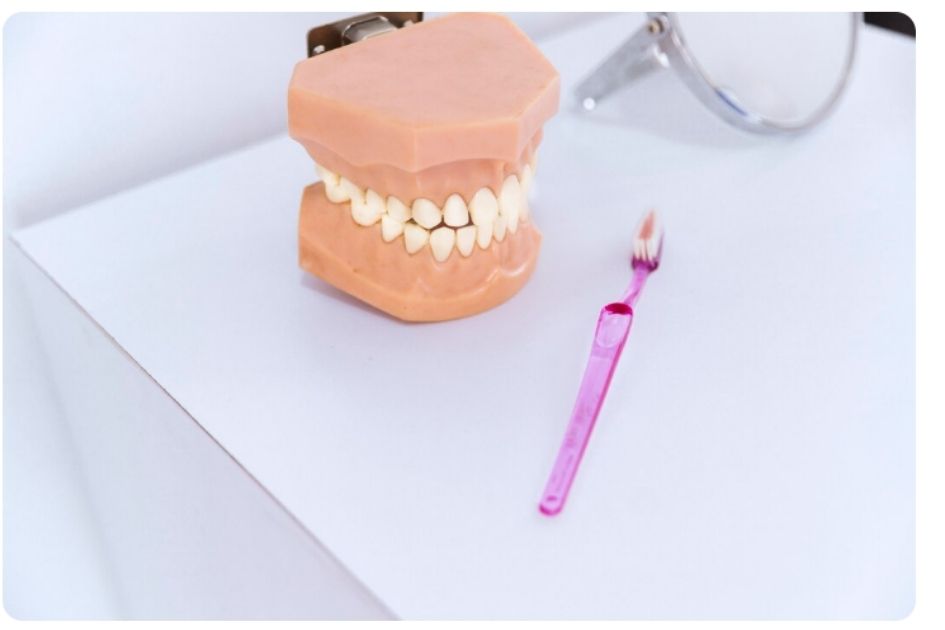
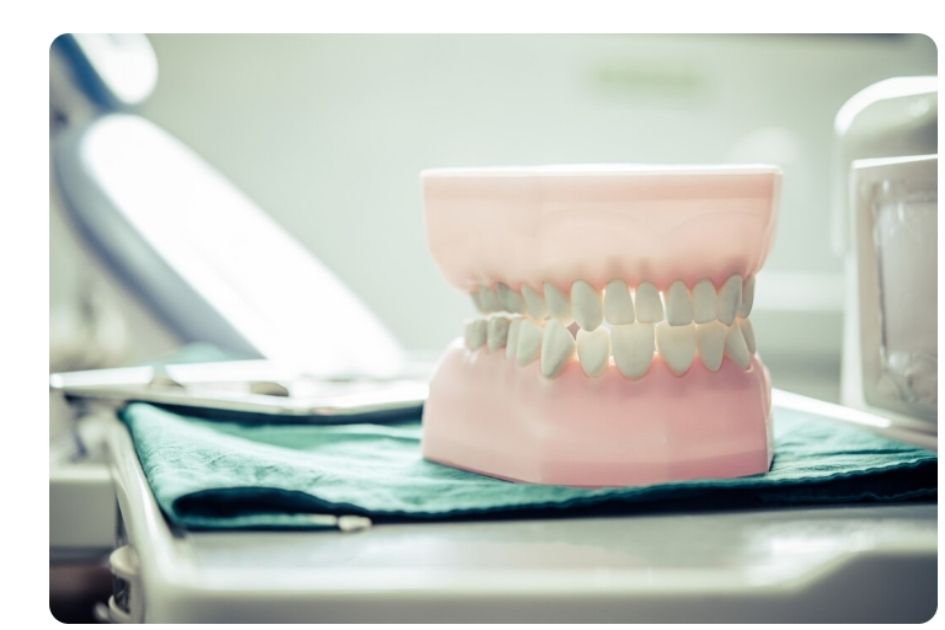
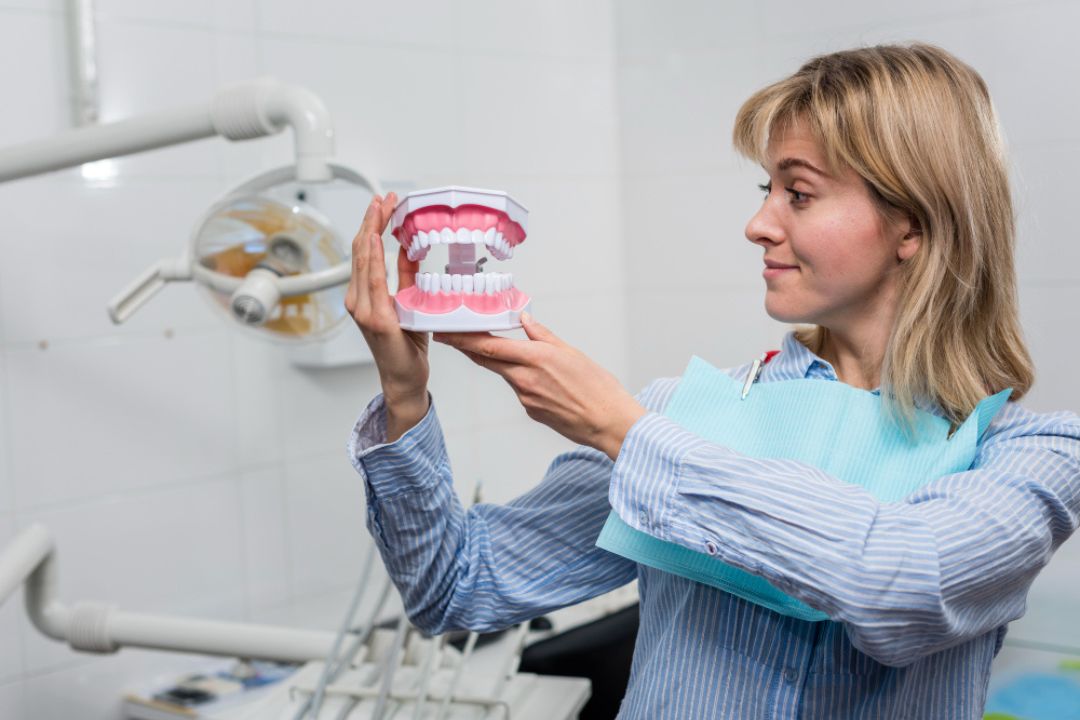
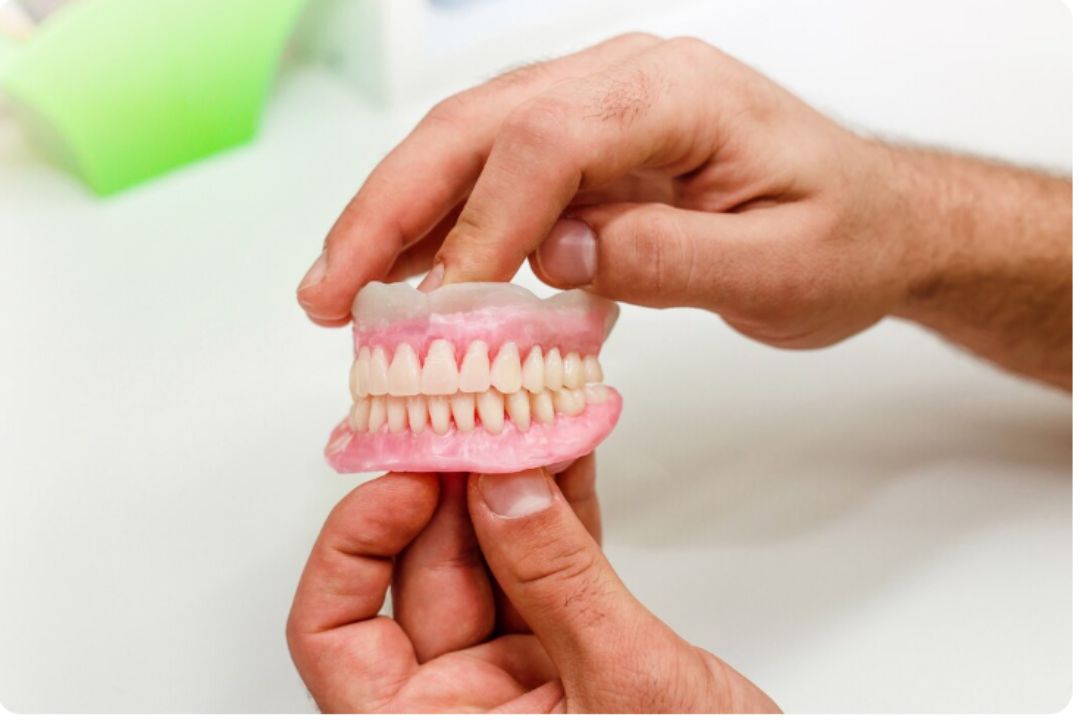
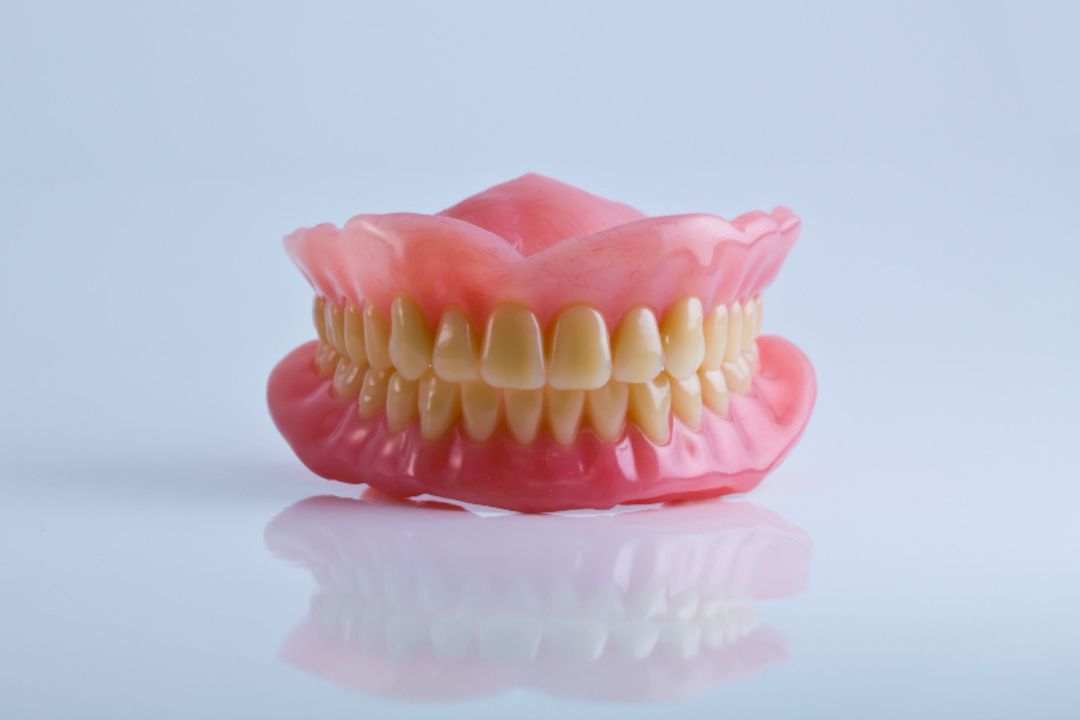
Dentures are removable dental appliances designed to replace missing teeth and surrounding tissues. They are custom-made to fit your mouth comfortably and restore both function and appearance.
Modern dentures are more natural-looking, lightweight, and comfortable than older versions. With advancements in materials and techniques, today’s dentures closely resemble natural teeth and gums.
You may need dentures if you:
Have lost multiple or all teeth
Have severely damaged or decayed teeth beyond repair
Experience difficulty chewing or speaking
Want a cost-effective tooth replacement option
Are not eligible for multiple dental implants
Dentures can significantly improve quality of life by restoring chewing efficiency and facial support.
There are several types of dentures available depending on your dental condition.
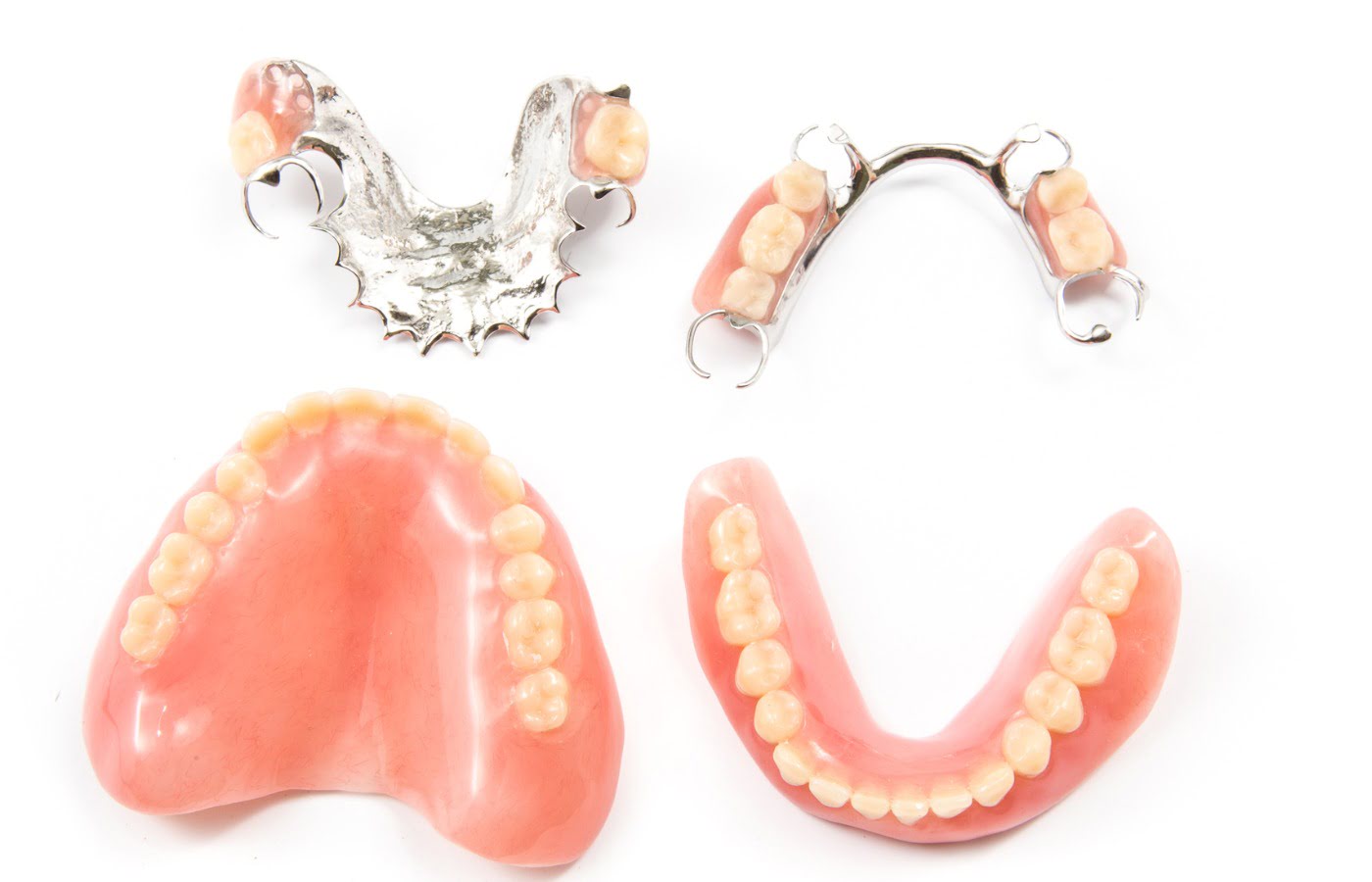
Complete dentures are used when all teeth in the upper or lower jaw are missing.
They:
Rest directly on the gums
Restore full arch function
Improve facial structure
Are removable for cleaning
These are ideal for patients with total tooth loss.
Partial dentures are used when some natural teeth remain.
They:
Fill gaps between teeth
Prevent remaining teeth from shifting
Attach using metal clasps or precision attachments
They are more affordable than implants and help preserve alignment.
Immediate dentures are placed right after tooth extraction.
Benefits:
You don’t stay without teeth during healing
Help control bleeding
Protect gums during recovery
However, adjustments may be needed as gums heal.
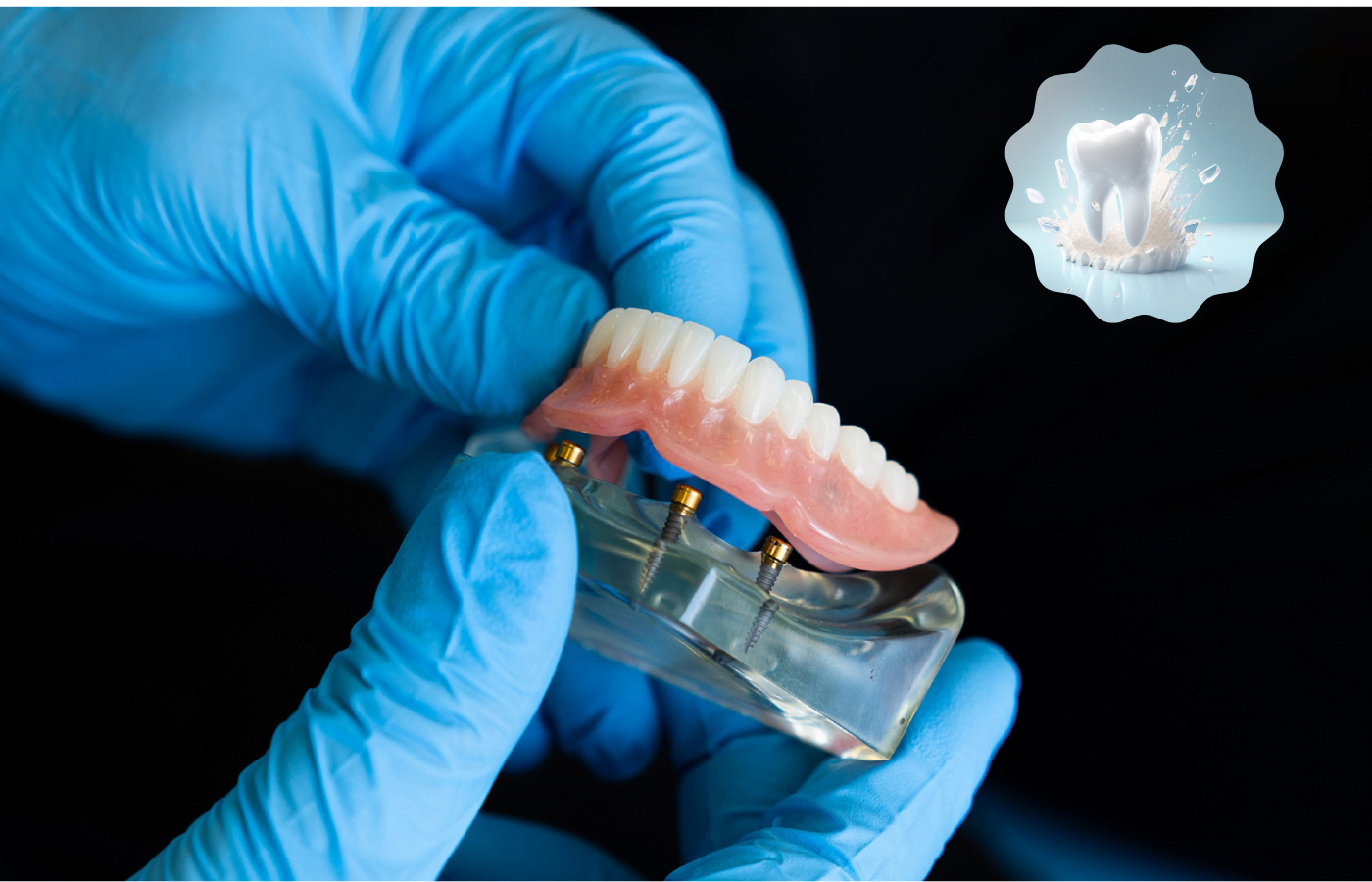
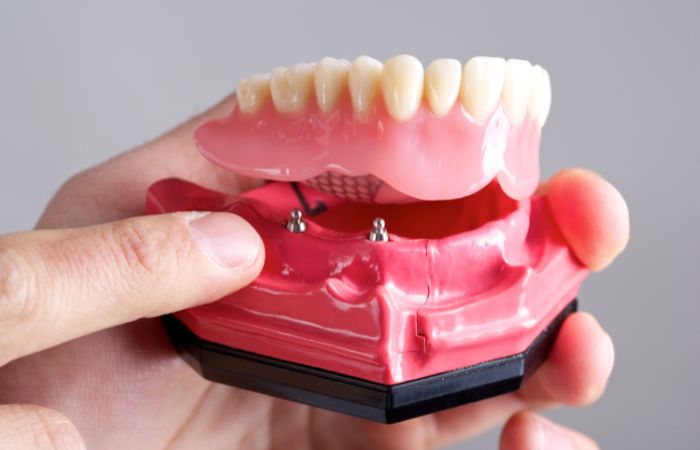
These dentures are anchored to dental implants placed in the jawbone.
Advantages:
Extremely stable
No slipping or movement
Better chewing power
Long-lasting solution
Although more expensive, they offer superior comfort and confidence.
Made from softer materials, flexible dentures:
Are lightweight
Provide better comfort
Blend naturally with gum color
Have no visible metal clasps
They are suitable for patients seeking aesthetic improvement.
The dentures treatment process usually involves:
The dentist examines your oral health and takes X-rays if necessary.
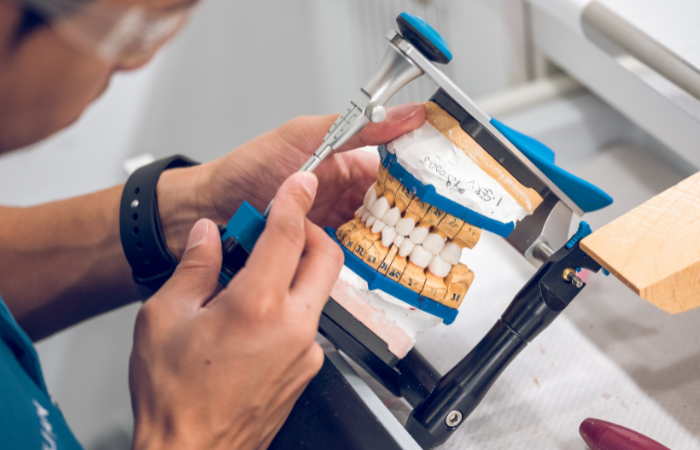
Precise molds of your mouth are taken to create custom-fit dentures.
A wax model may be tried to ensure correct bite and appearance.
The finished dentures are placed and adjusted for comfort.
Minor adjustments are made to eliminate pressure points.
The entire process typically takes 2–4 weeks depending on the case.
Dentures provide multiple functional and cosmetic benefits:
Restore ability to chew and eat properly
Improve speech clarity
Enhance smile aesthetics
Support facial muscles and prevent sagging
Boost confidence and social comfort
Affordable compared to full-mouth implants
The cost of dentures varies depending on type, material, and clinic location.
Approximate price range:
Complete dentures: ?15,000 – ?40,000 per arch
Partial dentures: ?8,000 – ?25,000
Flexible dentures: ?15,000 – ?35,000
Implant-supported dentures: ?80,000 – ?2,50,000+
Exact cost depends on:
Number of teeth replaced
Materials used
Lab quality
Dentist expertise
A consultation is required for accurate pricing.
Proper care ensures durability and comfort.
Daily care tips:
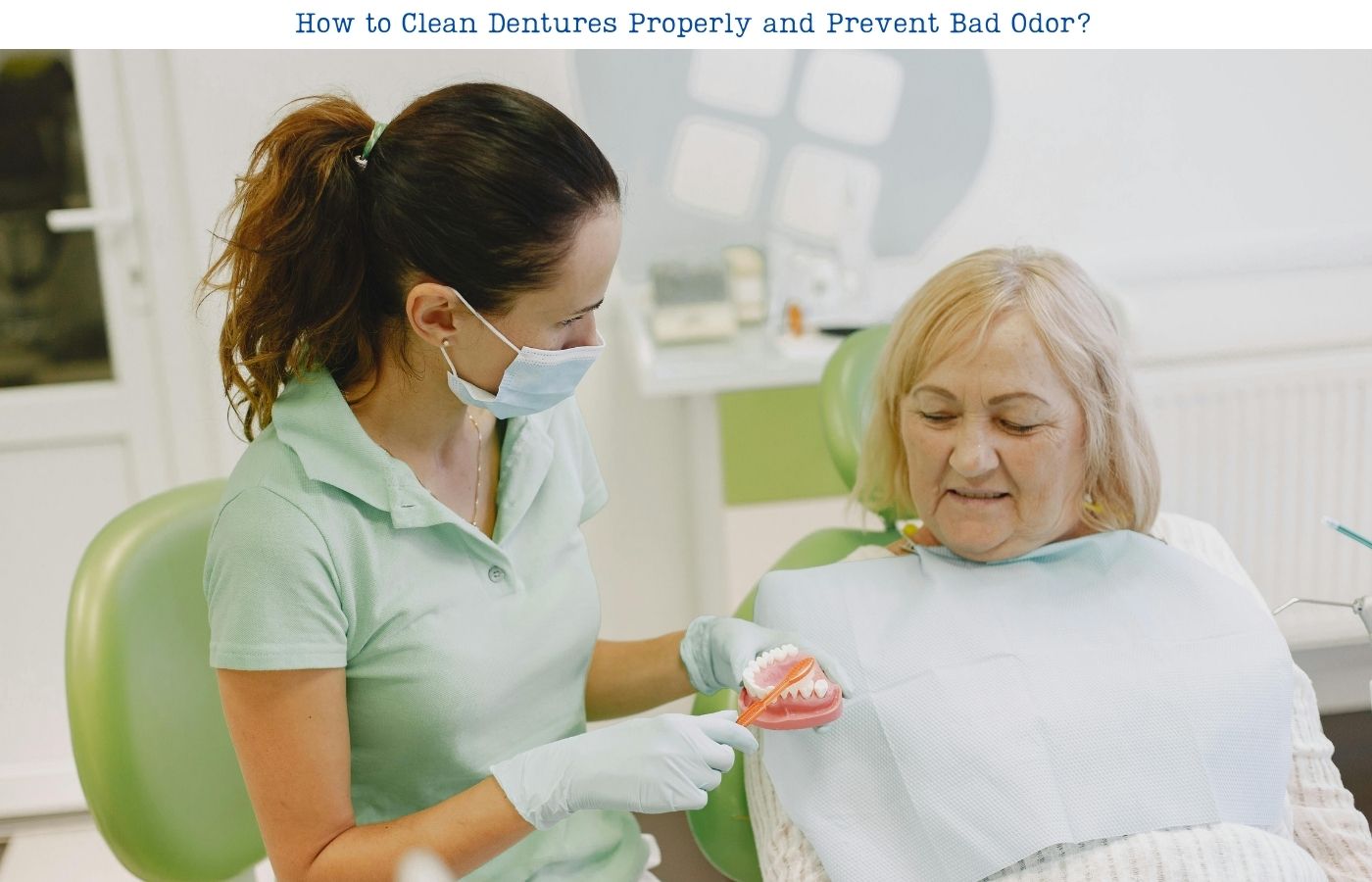
Remove and rinse after meals
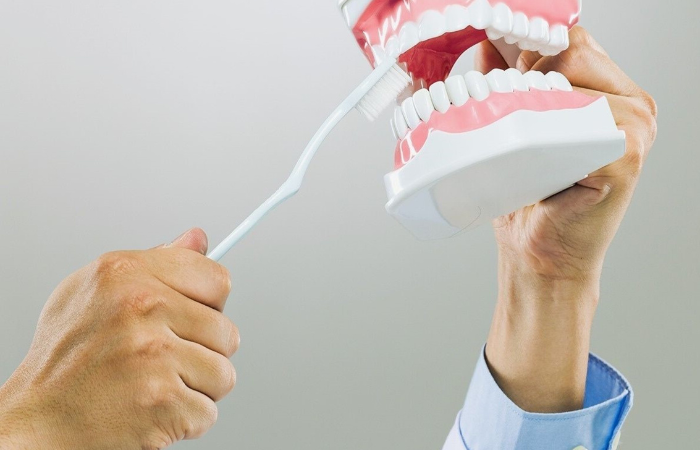
Brush gently with a denture brush
Soak overnight in denture cleaning solution
Avoid hot water (can warp shape)
Clean your gums and tongue daily
With good care, dentures can last 5–10 years.
Initially, dentures may feel slightly uncomfortable. Most patients adjust within a few weeks.
Mild soreness or increased saliva production is normal at first. Regular adjustments help improve comfort.
Implant-supported dentures offer the highest stability and comfort.
Dentures:
More affordable
Non-surgical option
Suitable for extensive tooth loss
Dental implants:
Fixed and permanent
Higher chewing efficiency
Prevent bone loss
The best option depends on your oral health, budget, and long-term goals.
When selecting a dental clinic, consider:
Dentist experience
Quality of materials used
In-house lab facilities
Hygiene standards
Patient reviews
Post-treatment support
A personalized consultation ensures the best treatment plan for your needs.
Dentures are a reliable and affordable solution for restoring missing teeth. With multiple options available — from complete dentures to implant-supported solutions — patients can choose what best fits their comfort and budget.
If you are experiencing tooth loss or difficulty chewing, consult a qualified dental professional to explore the best dentures treatment options available near you.






.jpg "dentures")


.jpg "Dentures at Diagnopein")