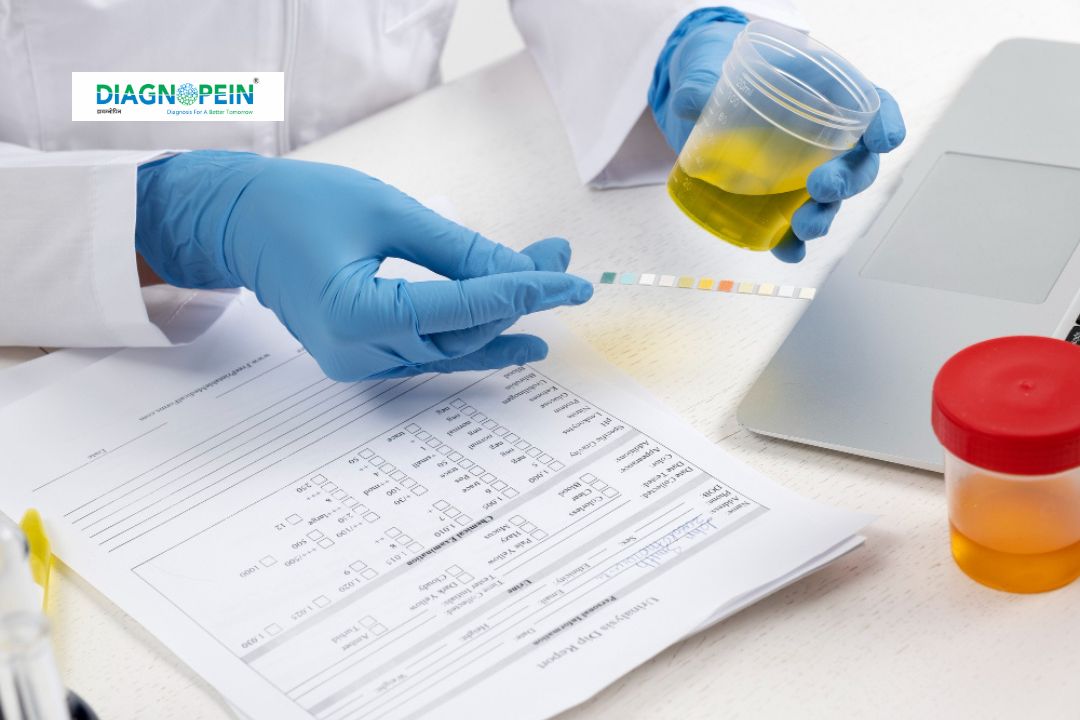
Book URINE-OSMOLALITY test in Nashik at Diagnopein. Accurate kidney function and hydration assessment with reliable lab reports.


The URINE-OSMOLALITY test is a diagnostic laboratory test that measures the concentration of dissolved particles such as salts, minerals, and waste products in urine. This test helps evaluate how well the kidneys are able to concentrate or dilute urine based on the body’s hydration and electrolyte balance. At Diagnopein in Nashik, the urine osmolality test is performed using accurate laboratory methods to support reliable diagnosis and timely medical decisions.
Urine osmolality reflects the body’s ability to maintain water balance. It plays a crucial role in identifying kidney disorders, hormonal imbalances, dehydration, overhydration, and conditions affecting antidiuretic hormone (ADH). This test is often recommended when patients experience symptoms like excessive thirst, frequent urination, or unexplained electrolyte abnormalities.
Why URINE-OSMOLALITY Test is Important
Understanding Kidney Function
The urine osmolality test is important because it directly assesses the kidney’s ability to regulate water concentration. Healthy kidneys adjust urine concentration based on fluid intake and body needs. Abnormal results may indicate impaired kidney function or hormonal dysfunction.
Helps Diagnose Medical Conditions
This test helps doctors diagnose conditions such as:
Dehydration or overhydration
Kidney failure
Syndrome of inappropriate ADH secretion (SIADH)
Diabetes insipidus
Electrolyte imbalance
Benefits of URINE-OSMOLALITY Test
Accurate Health Assessment
One of the major benefits of the urine osmolality test is its accuracy in assessing hydration status and kidney concentrating ability. It provides more precise information than routine urine tests.
Early Detection
Early detection of kidney dysfunction allows timely treatment and prevents complications. This test is beneficial for patients with chronic kidney disease, diabetes, or hormonal disorders.
Supports Treatment Monitoring
Doctors often use urine osmolality results to monitor treatment response, especially in patients undergoing fluid restriction, hormone therapy, or electrolyte correction.
Convenient Testing in Nashik
At Diagnopein diagnostic center in Nashik, patients receive quick sample processing, accurate reporting, and professional support, making the test both convenient and reliable.
How is the URINE-OSMOLALITY Test Done?
Sample Collection Process
The urine osmolality test usually requires a random urine sample, although in some cases a 24-hour urine sample may be advised. Patients are asked to collect urine in a clean, sterile container provided by the lab.
Test Preparation
No special fasting is usually required
Fluid intake may be regulated as per doctor’s advice
Certain medications may need to be disclosed
Diagnopein is a trusted diagnostic laboratory offering urine osmolality testing in Nashik with a strong focus on accuracy, hygiene, and patient care. Our lab follows strict quality standards and uses advanced analyzers to ensure reliable results.
Key reasons to choose Diagnopein:
Advanced diagnostic technology
Experienced laboratory professionals
Fast and accurate reports
Affordable test pricing
Convenient location in Nashik

The test involves collecting a urine sample, usually through a clean-catch method. The sample is then analyzed in a laboratory to measure the concentration of dissolved particles.
Yes, the test is non-invasive and involves only the collection of a urine sample. It poses no risk to the patient.
The test is recommended for individuals showing symptoms of fluid imbalances, such as excessive thirst, frequent urination, dehydration, or suspected kidney disorders. It’s also useful for monitoring conditions affecting fluid and electrolyte balance.
Generally, no special preparation is required. However, it’s important to follow any instructions from your healthcare provider, such as adjusting fluid intake. Inform your doctor about any medications or supplements you are taking, as they may affect the test results.