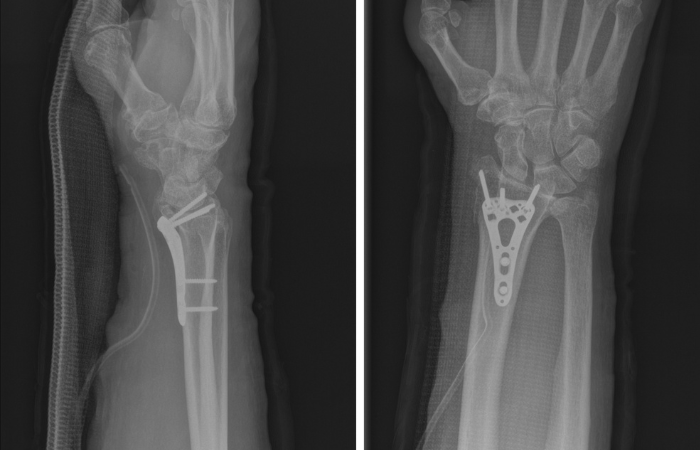
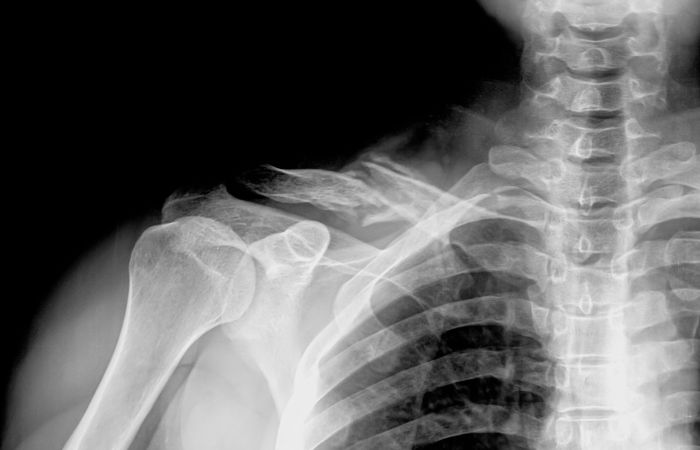
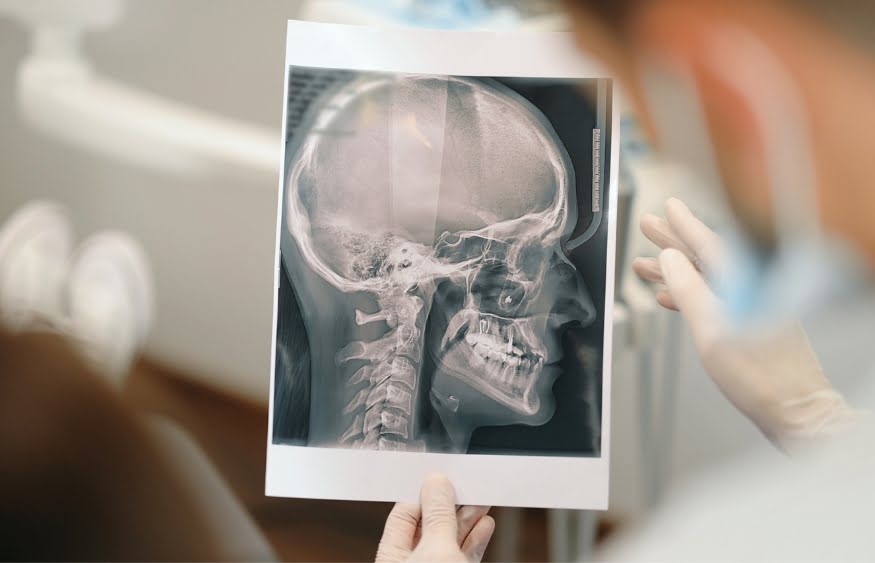
.jpg "digital skull x ray")
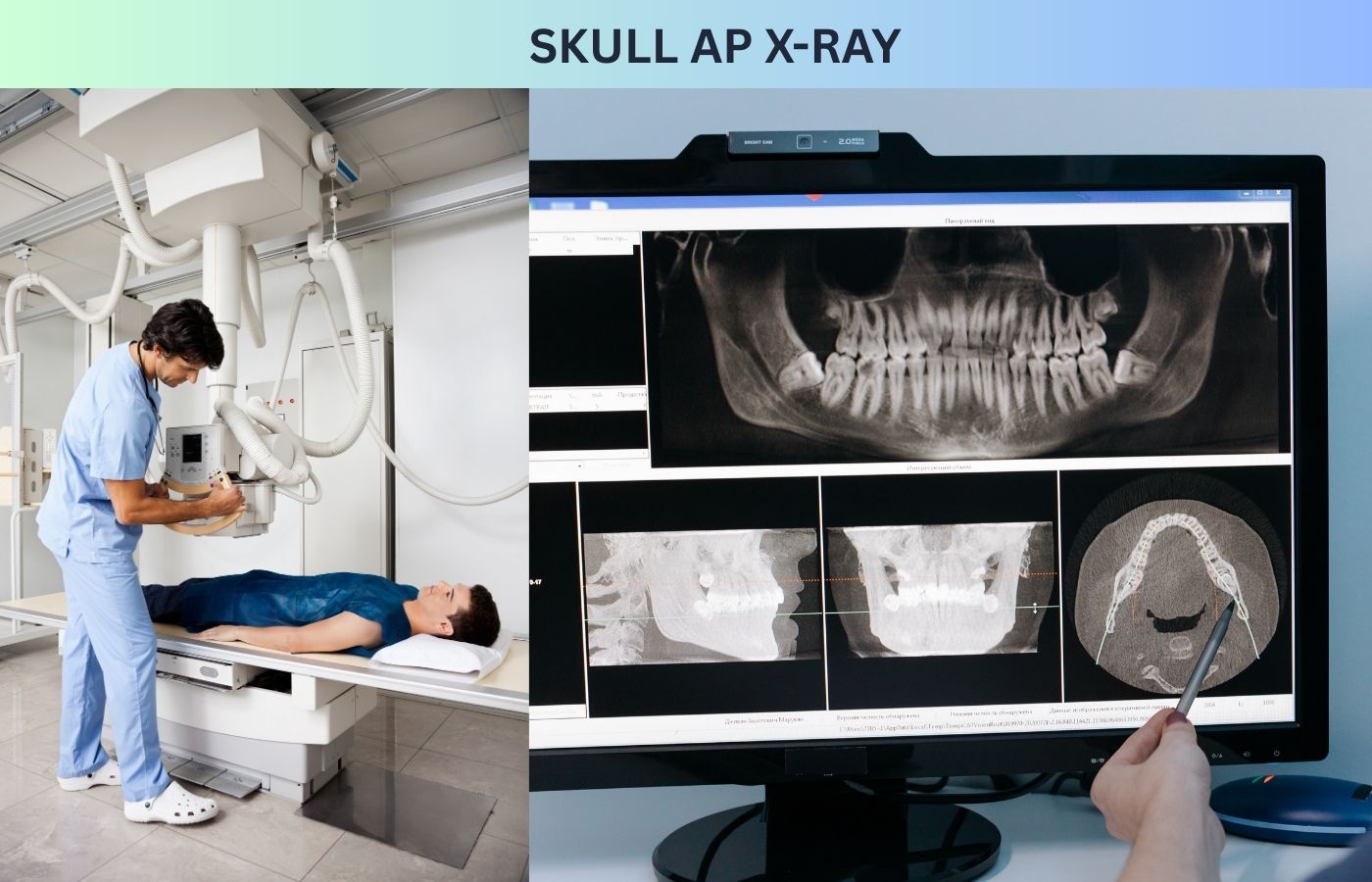
In the complex field of neurology, diagnosing disorders of the brain, skull, and surrounding structures requires precise and accessible imaging tools. While advanced imaging like MRI and CT scans often dominate discussions, digital skull X-rays remain a vital, frontline diagnostic modality. This technology provides neurologists with critical information, offering a unique blend of speed, clarity, and utility
How Digital Skull X-Rays Aid Neurologists: Key Benefits
The primary benefit of digital skull radiography lies in its exceptional ability to visualize bone detail. Neurologists use it to:
Detect Fractures: Following head trauma, it's the go-to method for identifying linear, depressed, or basilar skull fractures.
Diagnose Infections: Revealing signs of sinusitis or mastoiditis that can cause or complicate neurological symptoms.
Screen for Abnormalities: Identifying changes in bone structure, such as erosion from tumors, thickening from conditions like Paget's disease, or the presence of abnormal calcifications within the brain that can indicate issues like tumors, infections, or metabolic disorders.
Evaluate Sella Turcica: Assessing the bony pouch holding the pituitary gland, where changes can signal tumors.
Monitor Devices: Checking the position of surgical implants, shunts, or deep brain stimulation electrodes.
Comparison: Digital X-Ray vs. CT & MRI
Understanding where digital skull x-ray fits in the diagnostic hierarchy is crucial.
vs. CT Scan: A CT scan of the head provides cross-sectional images of both bone and soft tissue (like brain matter, blood). While CT is superior for acute brain bleeding (hemorrhage) and detailed fracture analysis, it involves higher radiation exposure and cost. The skull x-ray is a lower-radiation, focused tool for initial bony assessment.
vs. MRI: MRI (Magnetic Resonance Imaging) excels in visualizing soft tissues—tumors, brain inflammation, white matter diseases—with unparalleled detail and no radiation. However, it is poor at visualizing bone detail itself, is more expensive, time-consuming, and not suitable for all patients (e.g., those with certain implants). The digital x-ray complements MRI by providing the bony context MRI lacks.
Cost and Accessibility in Diagnosis
Cost-effectiveness is a significant advantage. A digital skull x-ray is substantially less expensive than a CT scan or MRI, making it a cost-efficient screening and first-step diagnostic tool. Its widespread availability in clinics, emergency rooms, and even mobile units ensures quick access, reducing diagnostic delays. For patients in remote areas or with limited resources, it provides essential diagnostic information where advanced imaging may not be readily available.
Patient Comfort and Convenience
The procedure is remarkably quick and non-invasive. The exam typically takes only a few minutes. The modern digital x-ray system minimizes radiation exposure compared to older film techniques. For patients, it involves minimal preparation, no injections (unlike contrast-enhanced CT/MRI), and is well-tolerated even by claustrophobic individuals, as it does not involve the enclosed tunnel of an MRI machine. This ease reduces patient anxiety and facilitates quicker diagnosis.
Why Choose Digital Skull X-Rays for Neurological Diagnosis?
When symptoms like chronic headaches, trauma, or suspected neurological conditions arise, neurologists need efficient and reliable tools to peer inside the protective cranial vault. While advanced imaging like MRI and CT scans often grab headlines, the digital skull x-ray remains a fundamental, powerful, and often first-line investigation in neurology. This technology provides critical insights into the bony architecture of the skull, offering clues to a wide array of underlying brain and head disorders
Conclusion: An Enduring Pillar in Diagnostic Imaging
In conclusion, the digital skull x-ray is an enduring, vital tool in the neurologist's arsenal for detecting brain and head disorders. Its strengths in exquisite bone detail, cost-effectiveness, rapid results, and patient comfort make it an indispensable first step in the diagnostic pathway. While advanced imaging like MRI and CT provide deeper soft-tissue analysis, the digital cranial x-ray often provides the initial critical clues—revealing fractures, infections, calcifications, and structural changes—that guide further, more targeted investigation. For a comprehensive neurological workup, especially following trauma or when bony pathology is suspected, digital skull radiography remains a cornerstone of effective and efficient diagnostic imaging






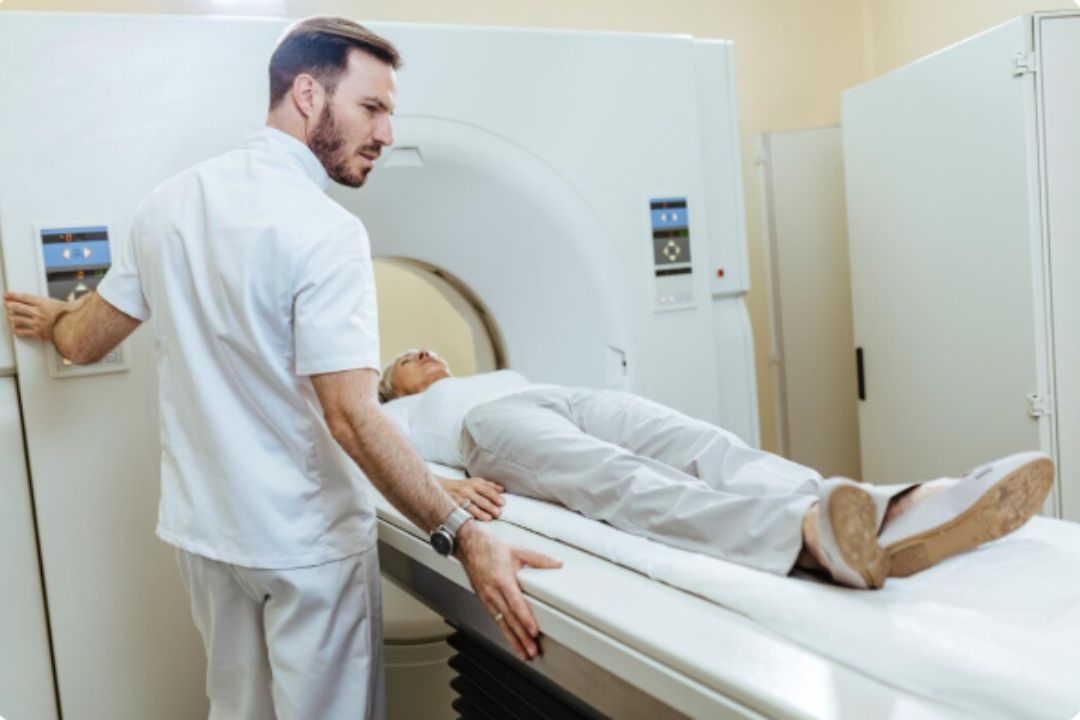




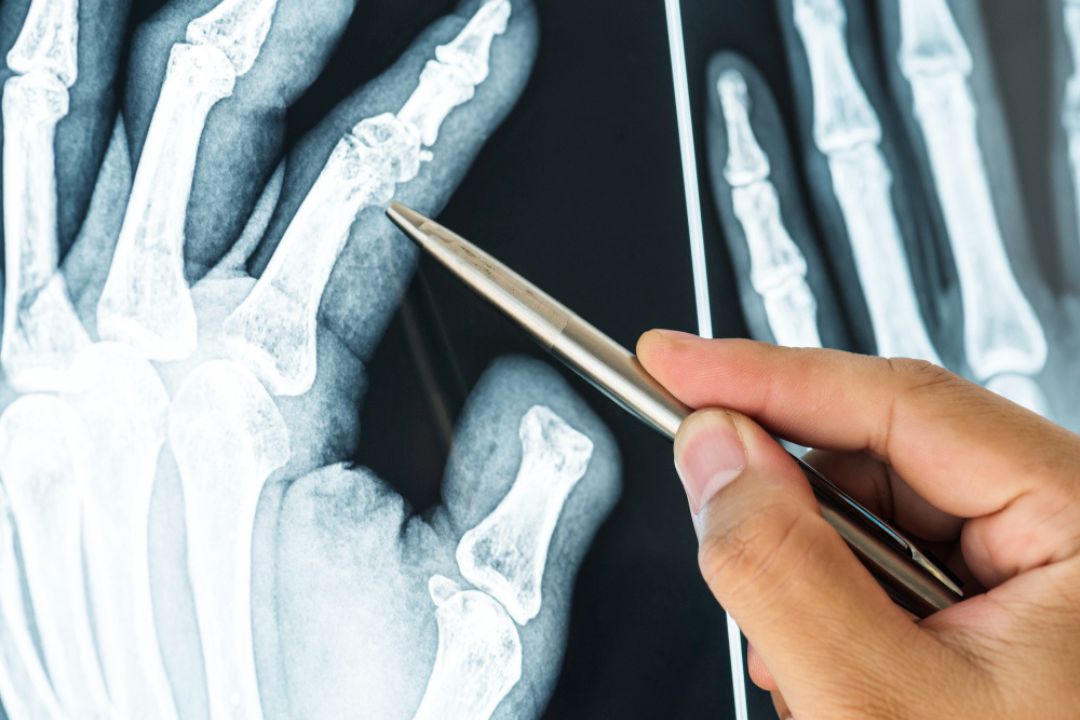



.jpg "The Role of X-Rays")
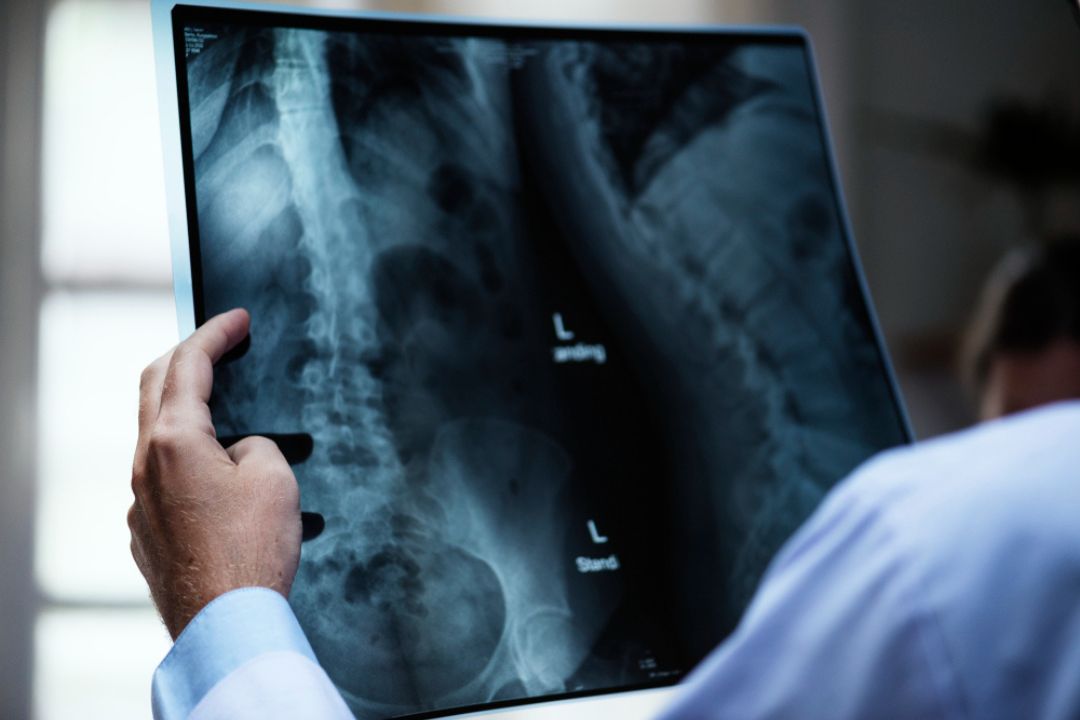
.jpg "X-rays Help Detect Spine Injuries diagnopein")
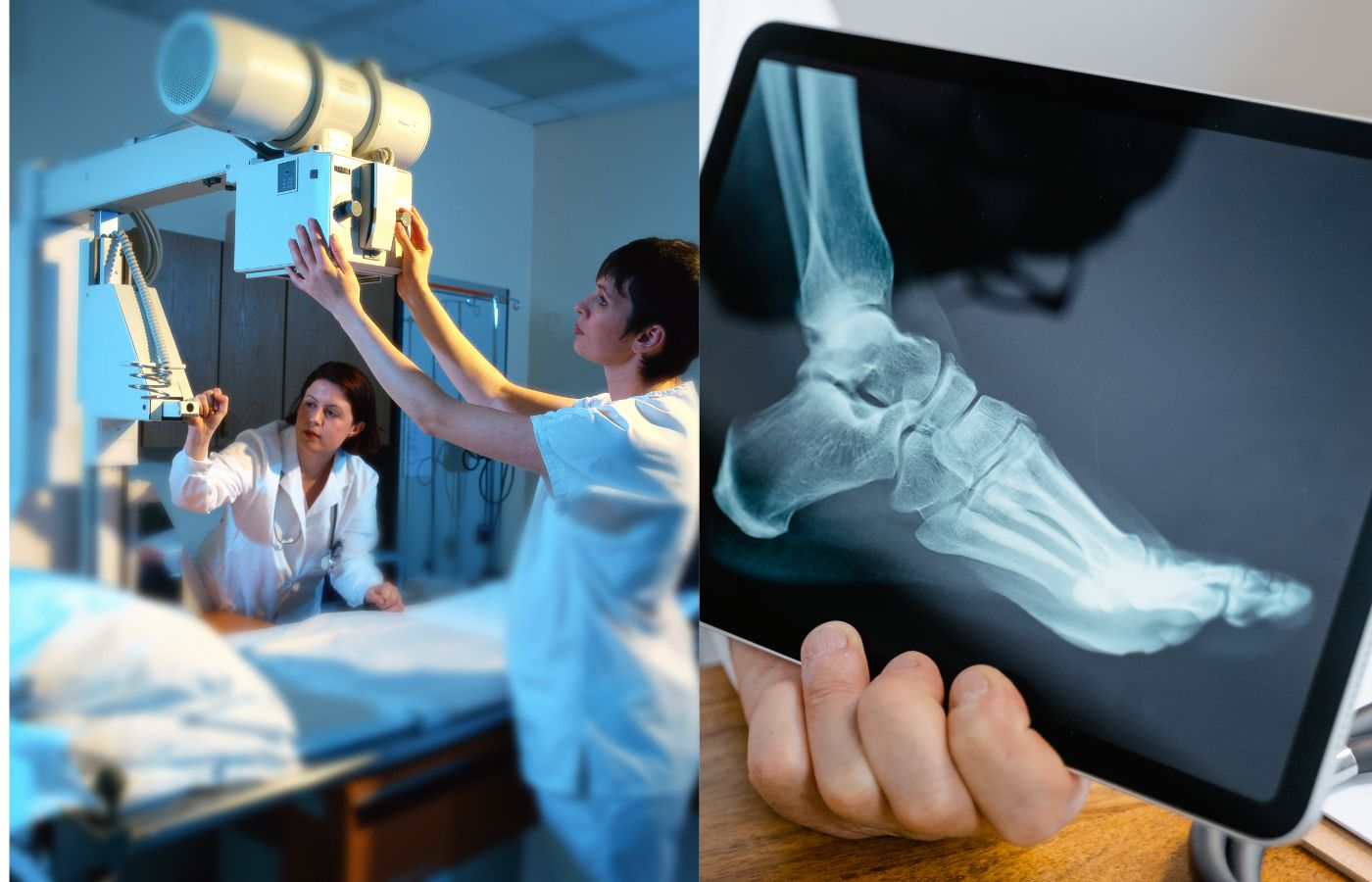
.jpg "Benefits of Thoracic Lumbar X-ray")
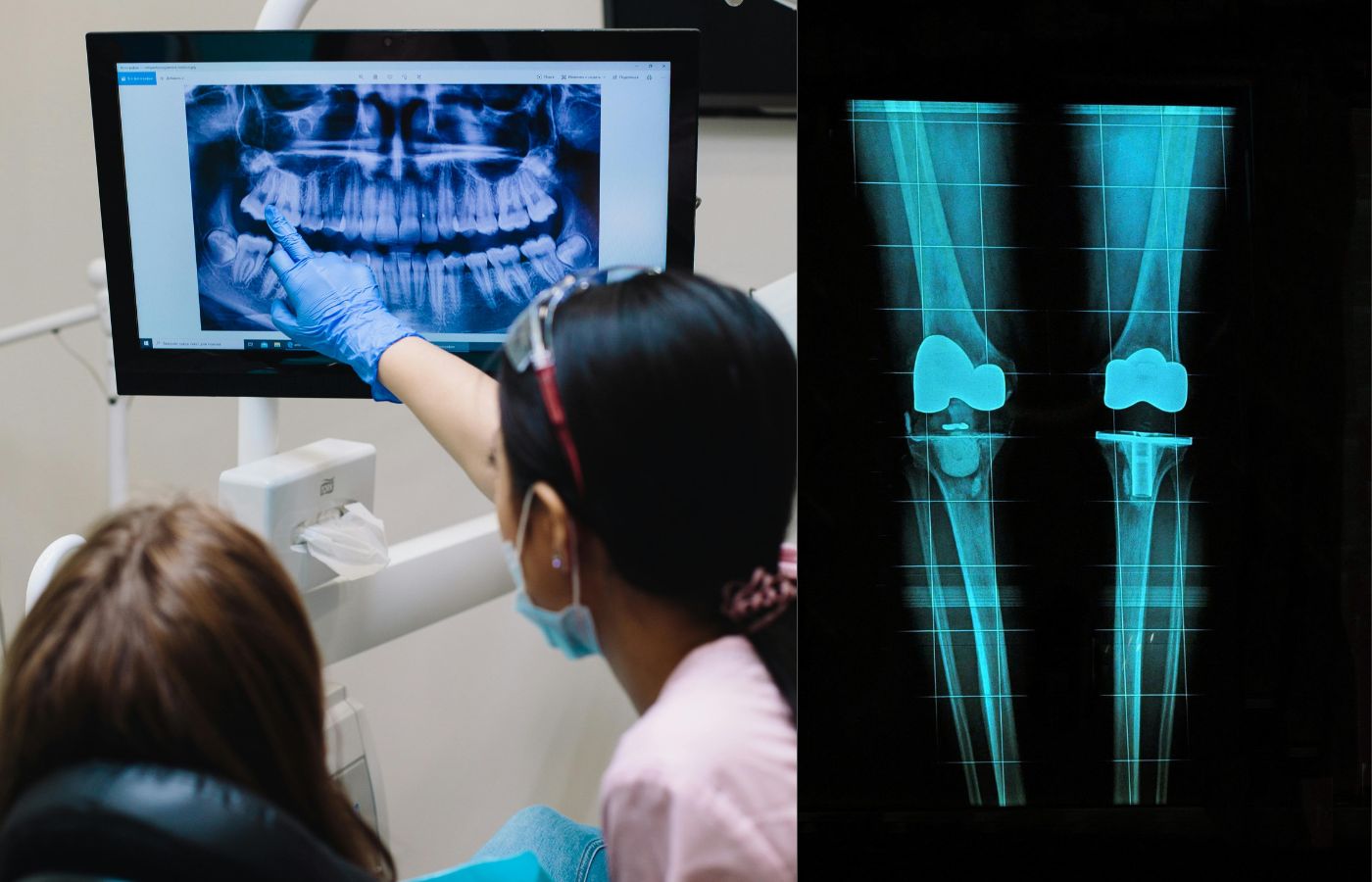

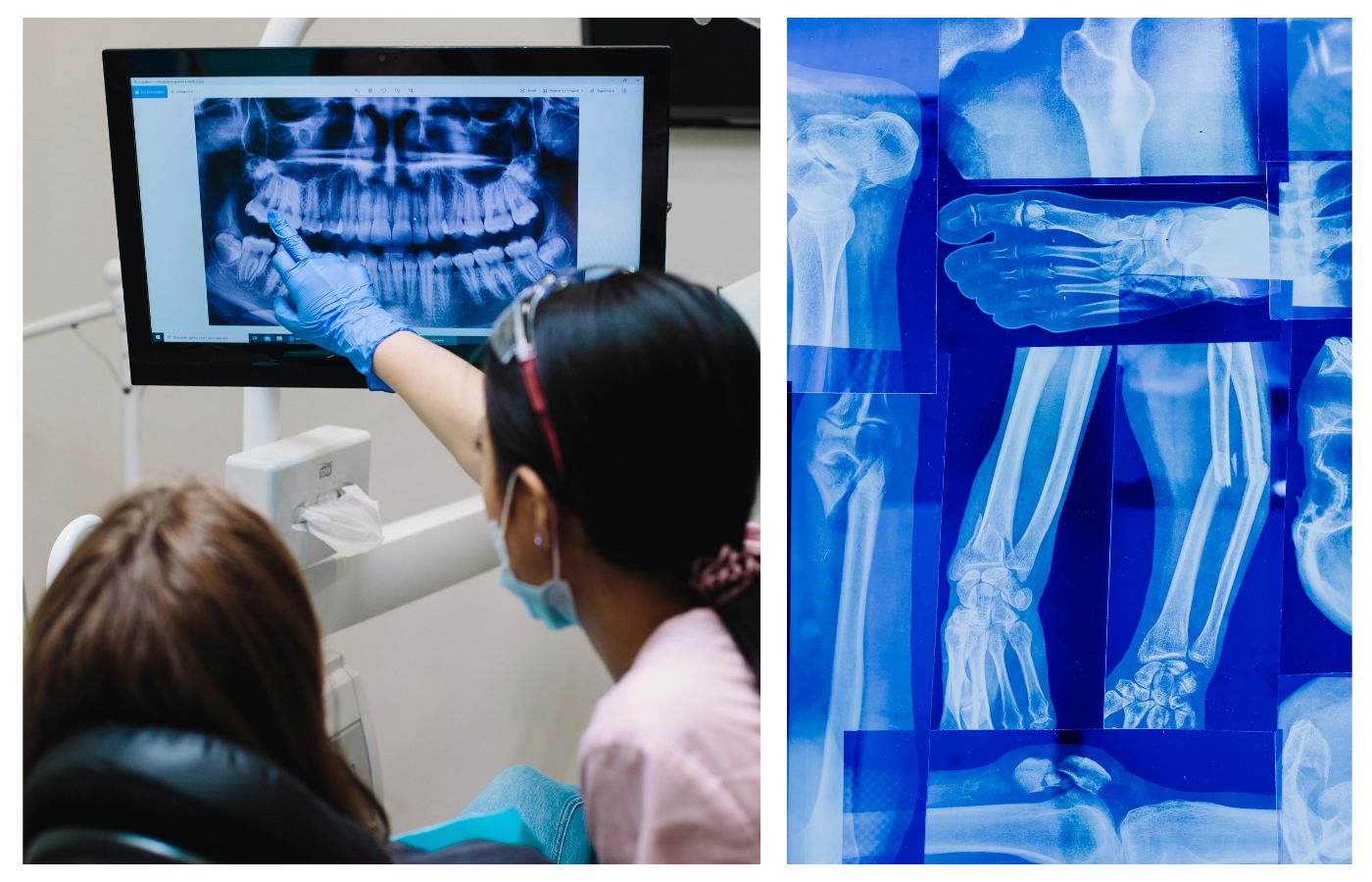
 (1).jpg "Diganopein's Digital Xray")