Scaling of teeth is one of the most common dental procedures performed worldwide. It involves removing plaque and tartar buildup from the teeth, especially below the gumline, using specialized tools. While many patients view this procedure as a routine part of dental care, there are often questions and concerns about its safety and impact on gum health. Is scaling of teeth really harmful, or is it a necessary procedure for maintaining oral hygiene?
Many people feel nervous when their dentist suggests teeth scaling. A common myth is that scaling loosens teeth or damages gums. The truth is exactly the opposite. Scaling is a preventive dental procedure that helps protect your teeth and gums from serious problems.
Visit Now: https://www.diagnopein.com/dental-clinic/Pune
Let’s understand what scaling is, why it is needed, and whether it is really harmful.
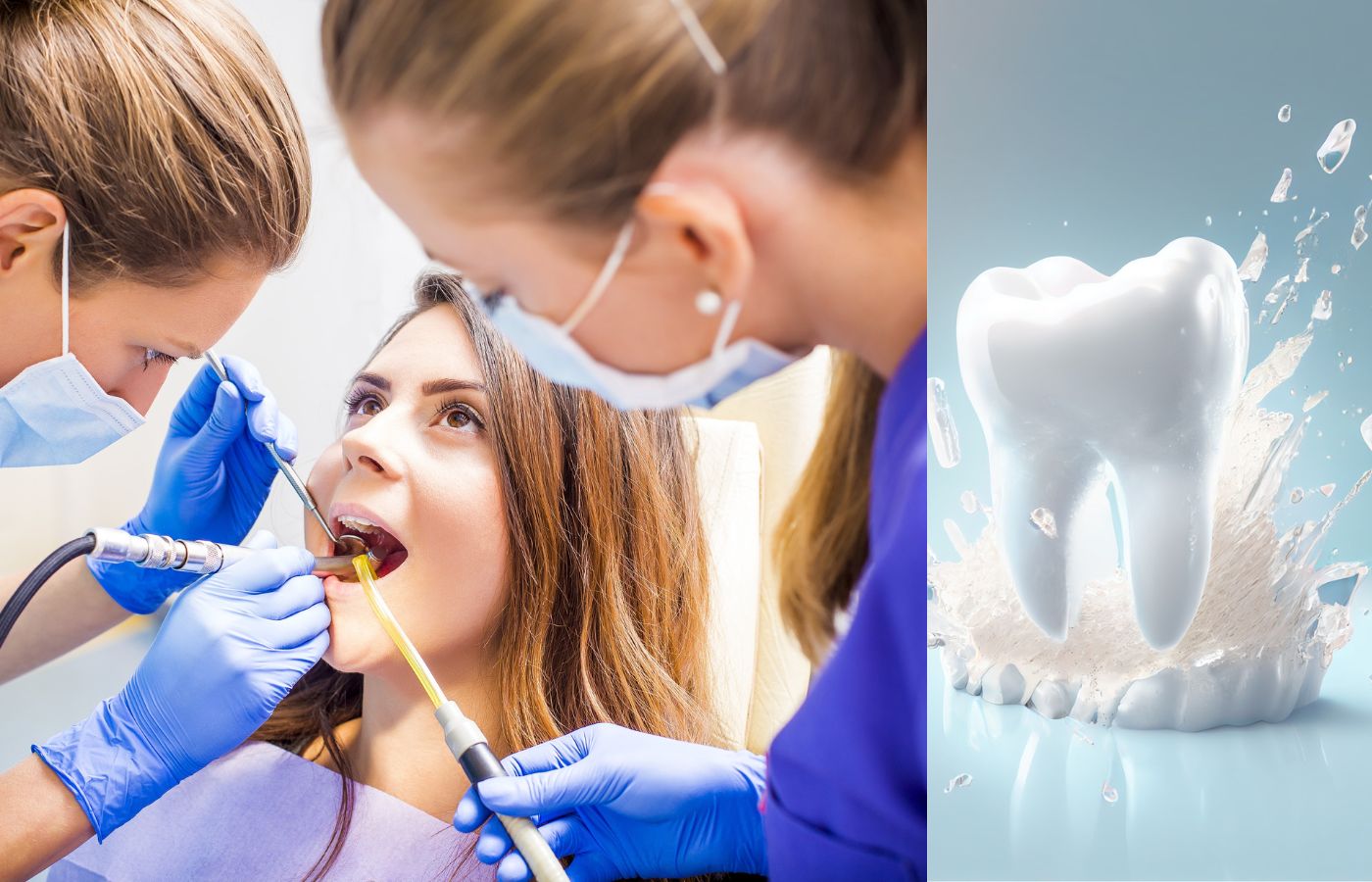
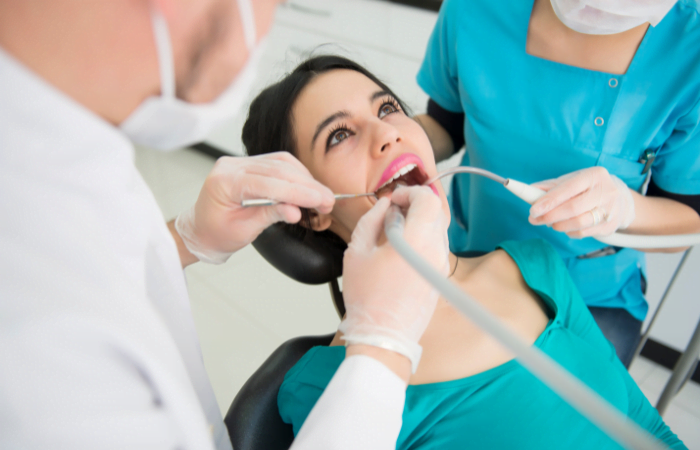
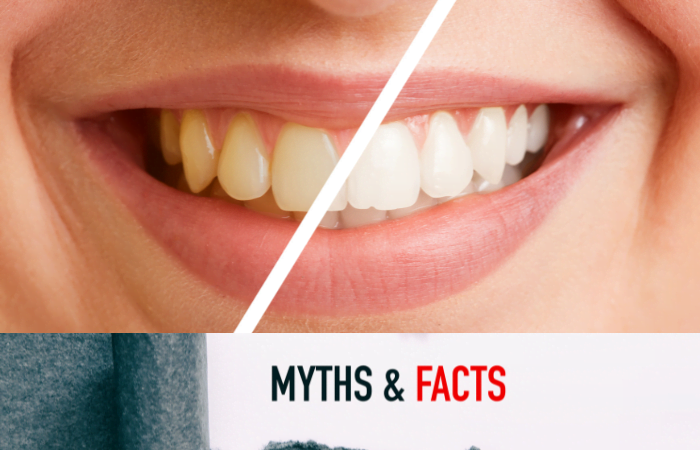
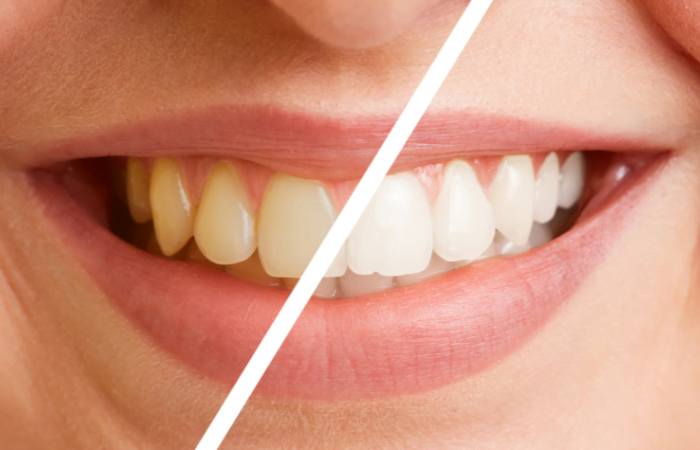
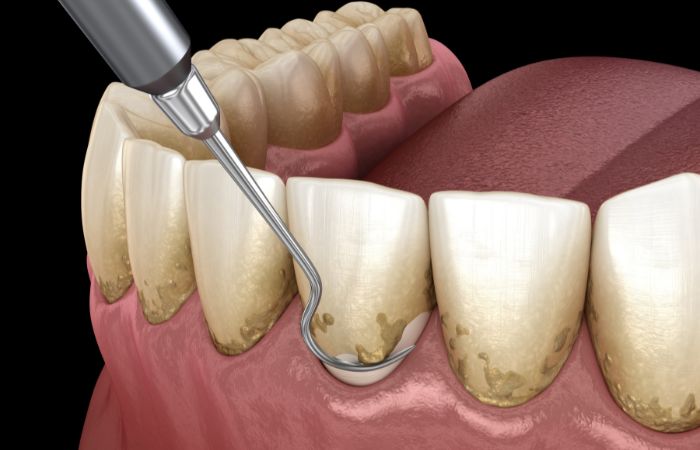
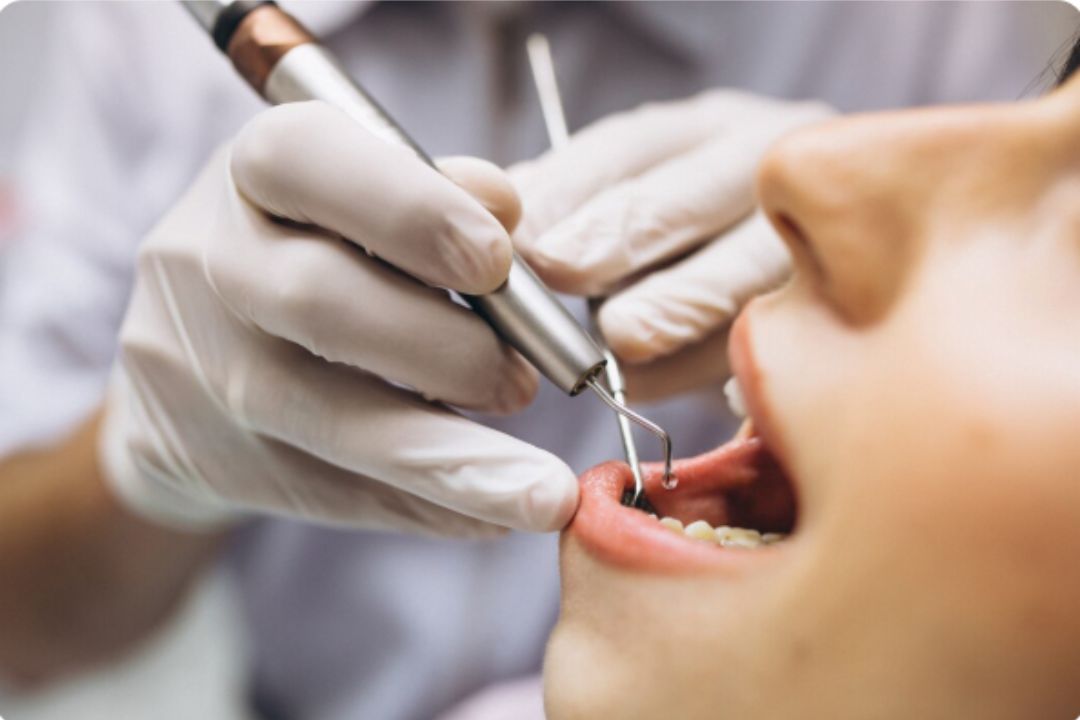
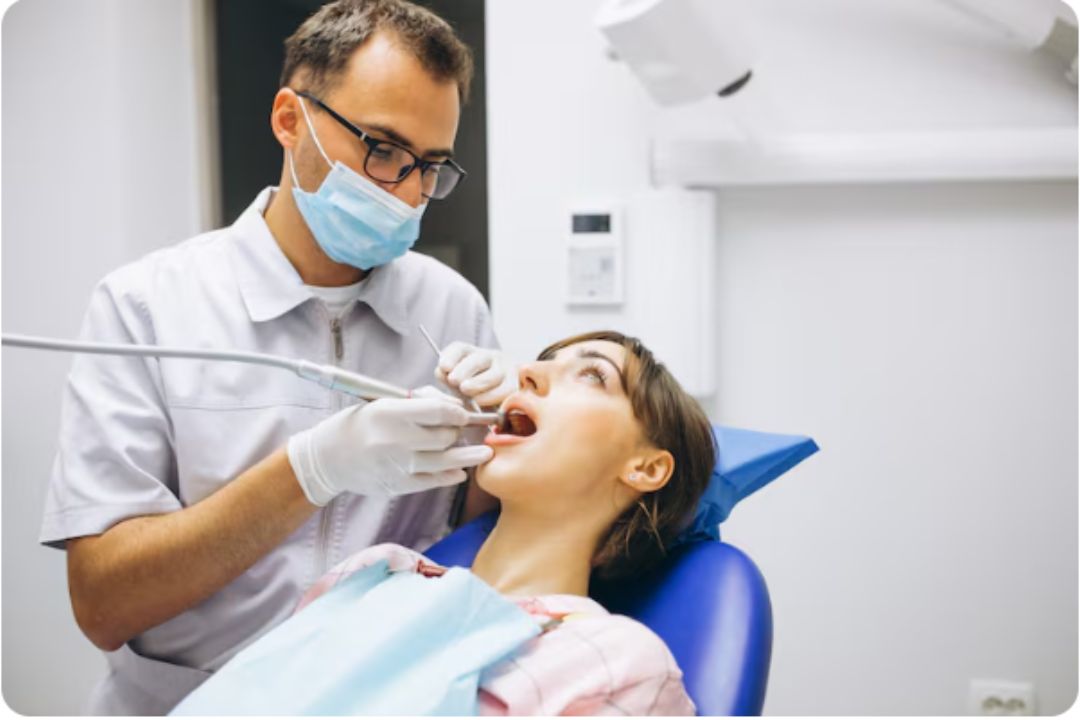
Teeth scaling is a professional dental cleaning procedure. It removes plaque, tartar (calculus), and stains from the surface of the teeth and below the gum line.
Even if you brush daily, some areas in the mouth are hard to clean. Over time, plaque hardens into tartar, which cannot be removed with brushing alone. Dentists use special ultrasonic tools to clean these deposits safely.
Scaling is not just for clean-looking teeth. It is important for oral health.
Book Now: https://www.diagnopein.com/dental-clinic/Pune/Tooth-Cleaning
Plaque and tartar contain bacteria. These bacteria irritate the gums and cause swelling, bleeding, and infection. This condition is called gingivitis. If untreated, it can progress to periodontitis, which may lead to tooth loss.
Bacteria trapped under tartar cause persistent bad breath. Scaling removes these bacteria and improves oral freshness.
Plaque buildup increases the risk of cavities. Removing it reduces tooth damage.
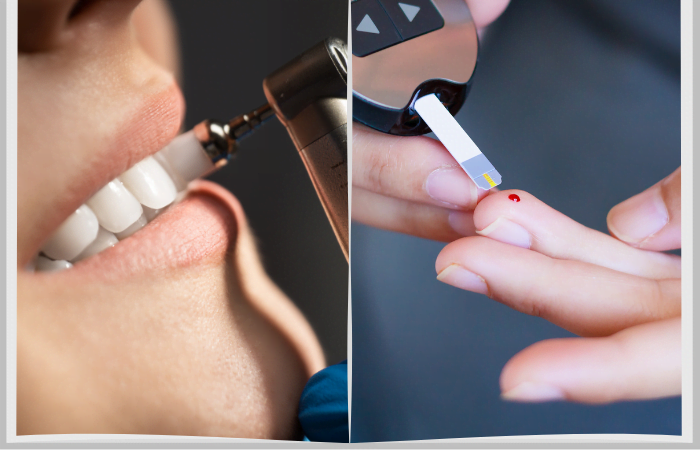
Gum infections are linked to heart disease, diabetes, and other systemic conditions. Healthy gums support overall health.
No, scaling is not harmful when done by a dental professional. The idea that scaling damages teeth is a myth.
More Info: https://www.diagnopein.com
| Concern | Reality |
|---|---|
| Teeth feel loose after scaling | Tartar that was holding infected gums tight is removed. Gums heal and tighten again. |
| Teeth become sensitive | Temporary sensitivity is normal and settles in a few days. |
| Gums bleed | Bleeding happens because gums are already inflamed. Cleaning helps them heal. |
Scaling does not damage enamel or roots when done correctly.
The procedure is simple and usually painless.
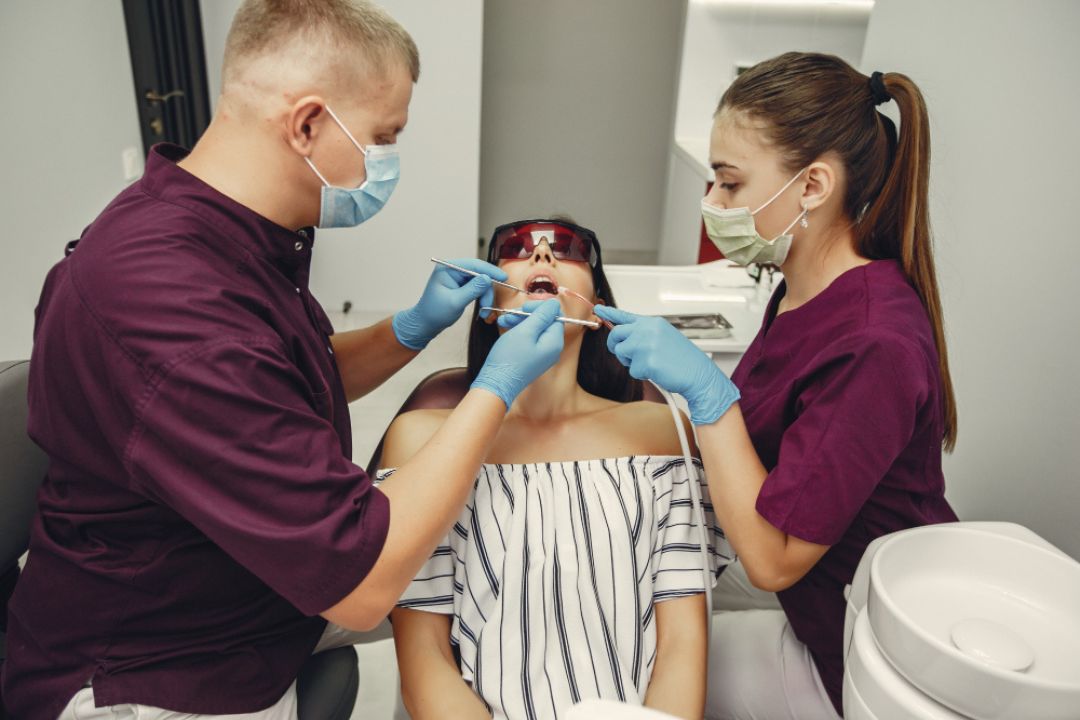
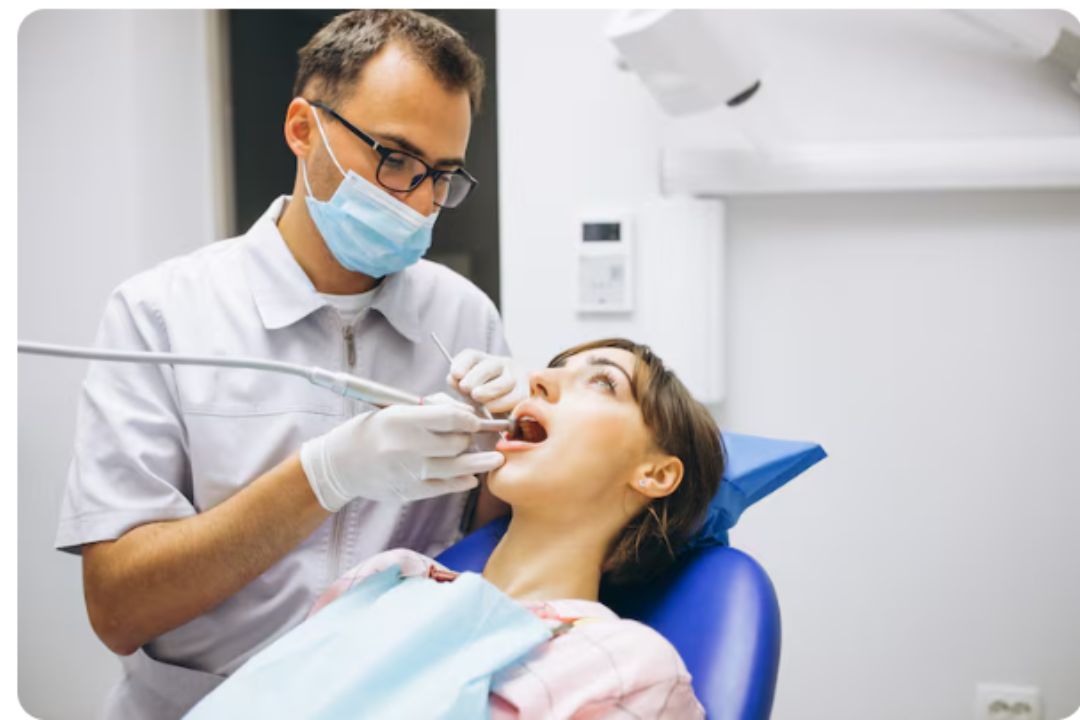
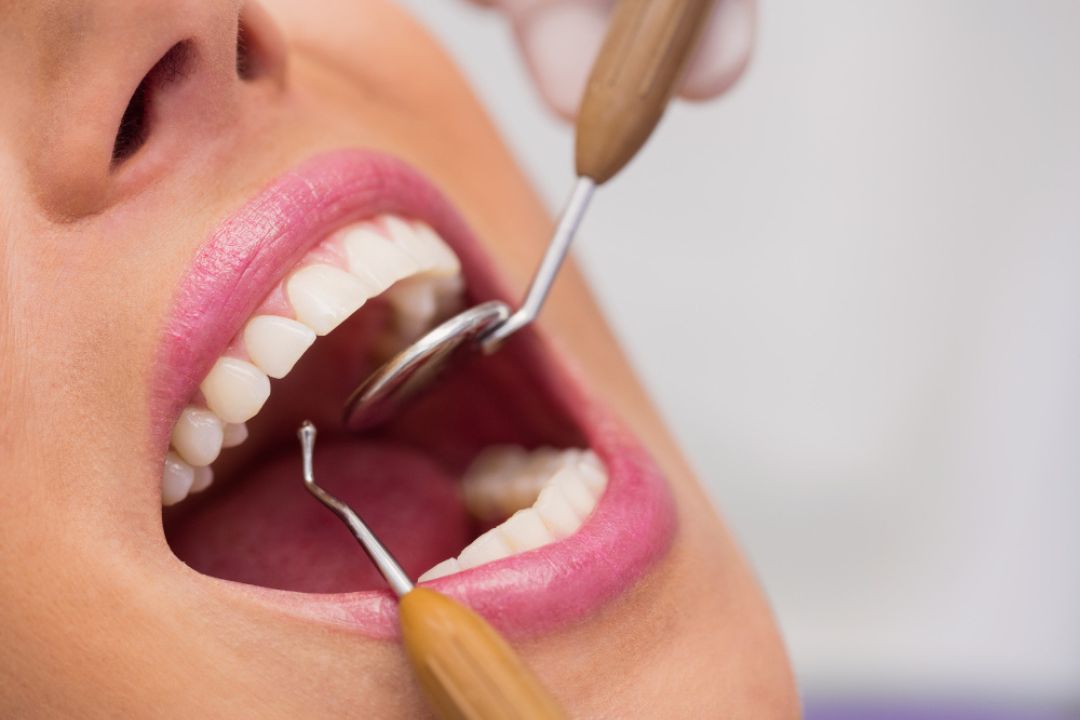
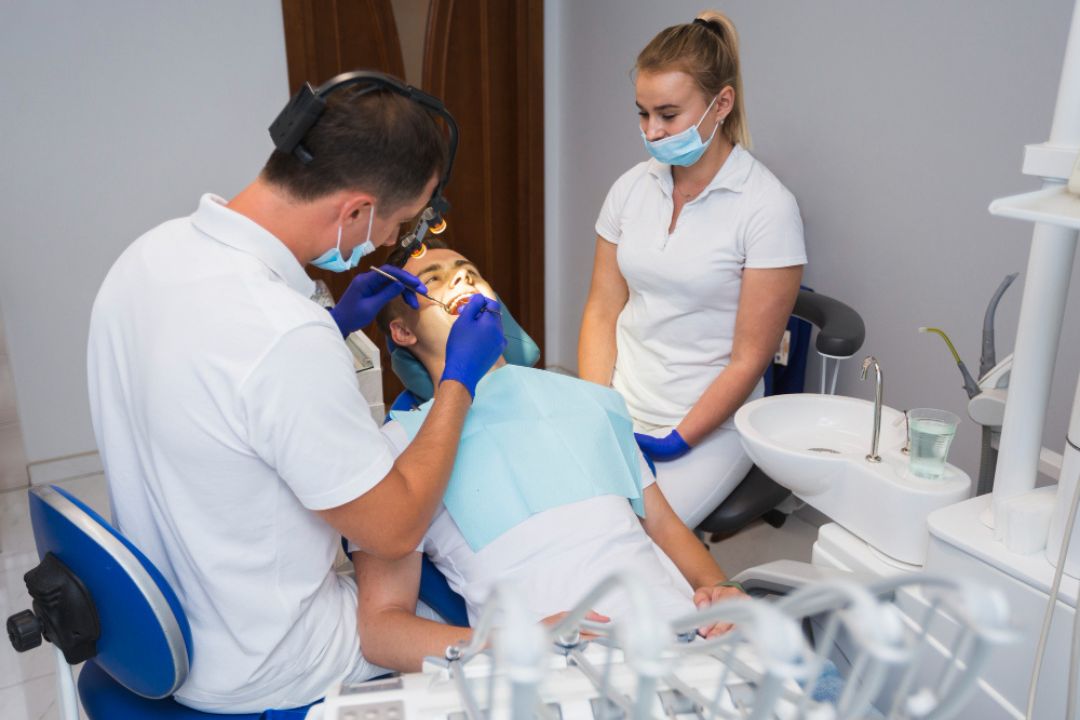
The dentist examines your gums and teeth.
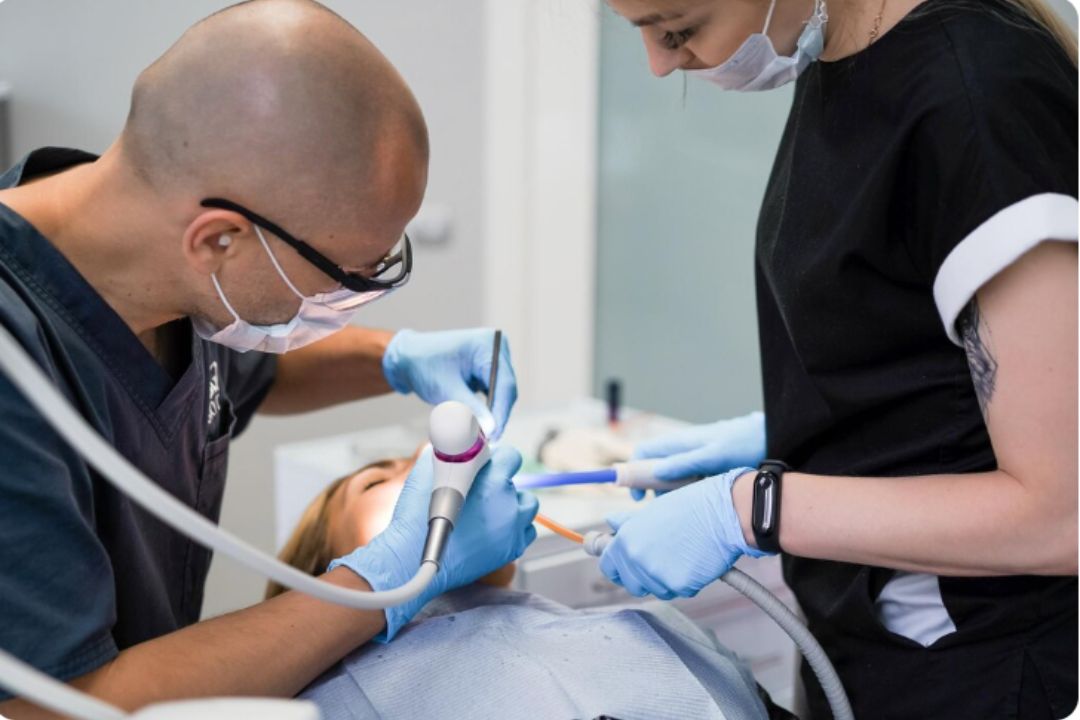
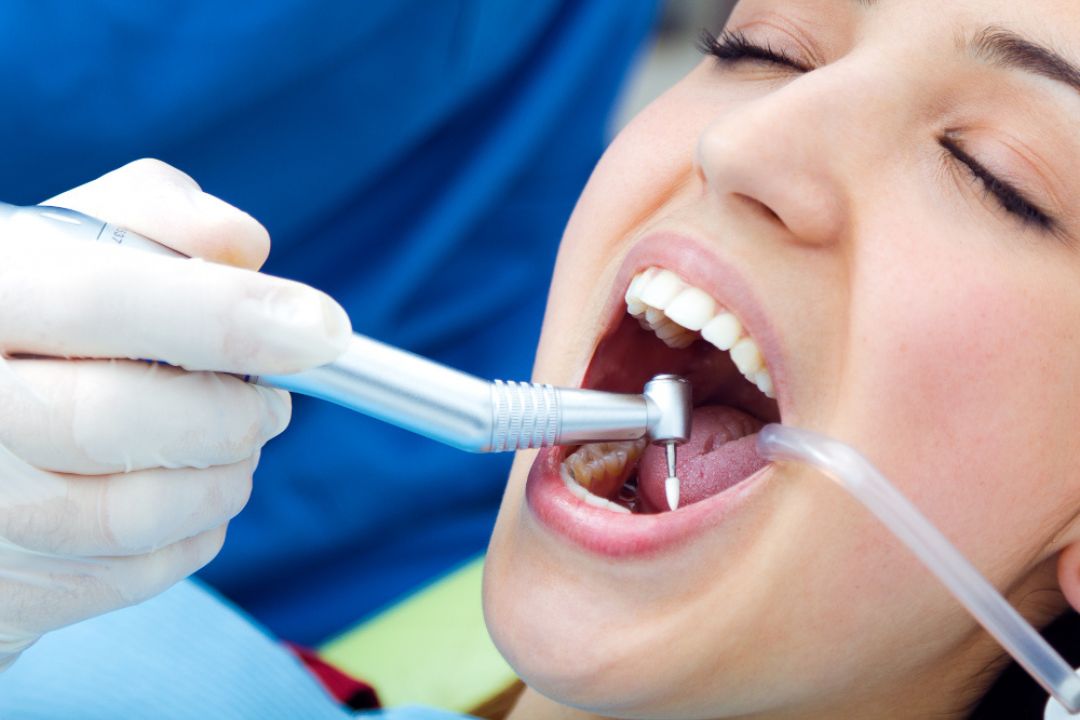
Ultrasonic instruments are used to break tartar.
Hand tools clean smaller deposits.
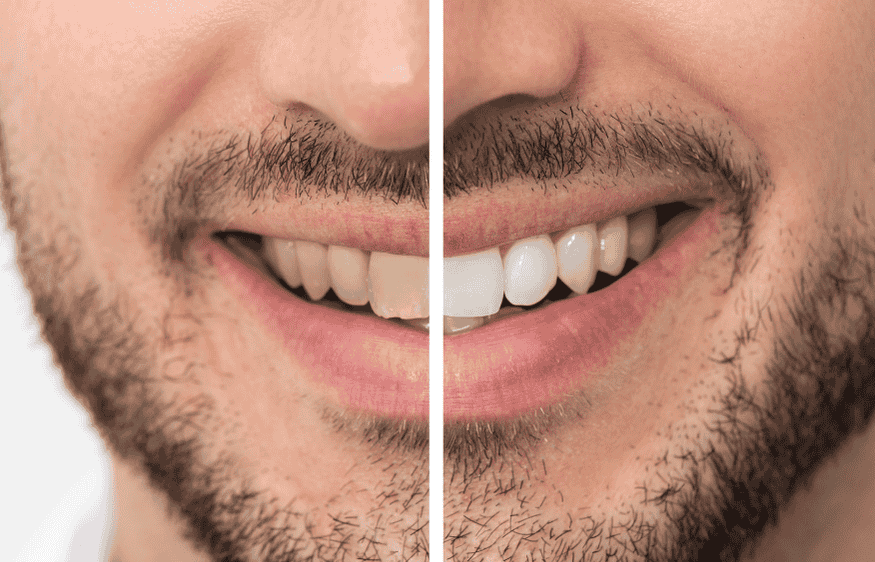
Teeth polishing is done to remove stains and smooth the surface.
In severe gum disease, deep cleaning (root planing) may be needed.
After scaling, some people notice small gaps. This happens because tartar deposits were filling those spaces. Once removed, the true condition of the gums is visible. Proper oral care helps gums heal and tighten.
| Condition | Recommended Frequency |
|---|---|
| Healthy mouth | Once every 6 months |
| Smokers | Every 4–6 months |
| Gum disease patients | As advised by dentist |
| Heavy plaque buildup | More frequent cleaning |
Regular visits prevent major dental treatments later.
Healthier gums
Reduced bleeding and swelling
Fresher breath
Brighter smile
Lower risk of tooth loss
Prevents costly dental procedures
People with bleeding gums
Those with bad breath
Smokers or tobacco users
Diabetic patients
People with yellow or brown deposits on teeth
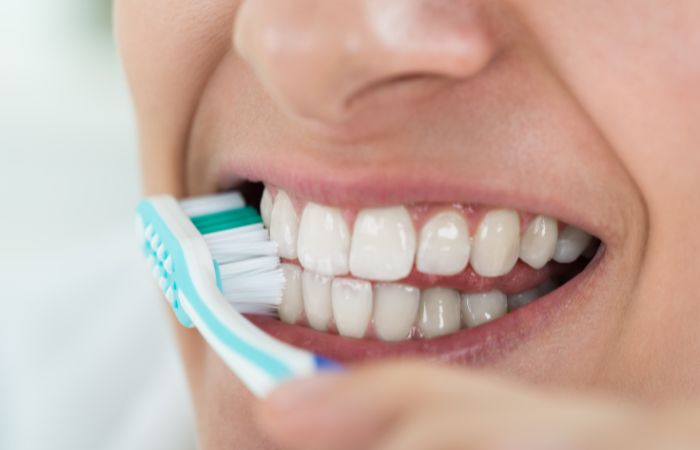
Brush twice daily
Use dental floss
Avoid smoking
Use mouthwash if advised
Visit dentist regularly
Some mild sensitivity may occur for 1–2 days. This is temporary.
If gums are severely infected, cleaning may cause mild discomfort. Dentists can use local anesthesia in such cases. The discomfort is minor compared to the benefits.
Scaling is a necessary and safe dental procedure. It prevents gum disease, protects teeth, and supports overall health. Avoiding scaling due to fear can lead to serious dental problems in the future.
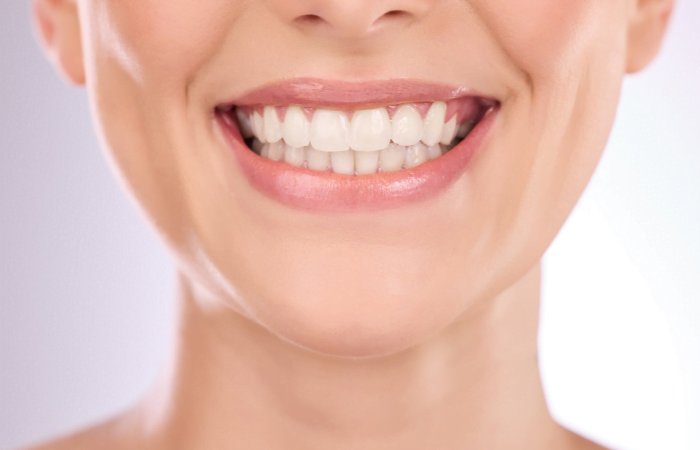
Professional cleaning keeps your smile healthy, strong, and confident.









.jpg "tooth cleaning for bleeding gums causes, treatment and prevention")









.jpg "tooth cleaning")
.jpg "tooth cleaning")
.jpg "tooth cleaning")
.jpg "tooth cleaning")
 (1).jpg "Dental Cleaning in Urban India")