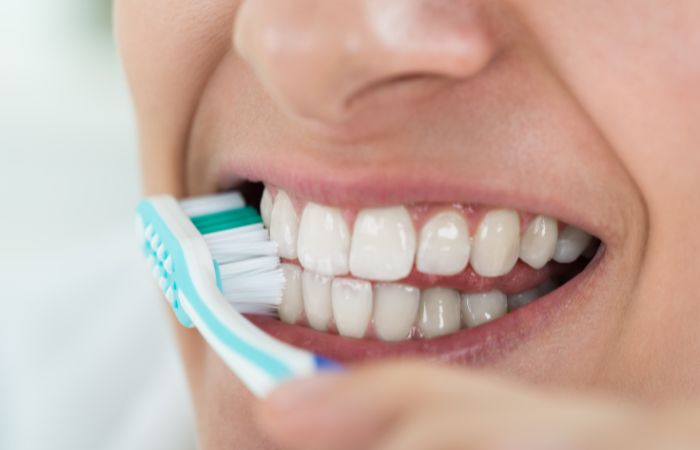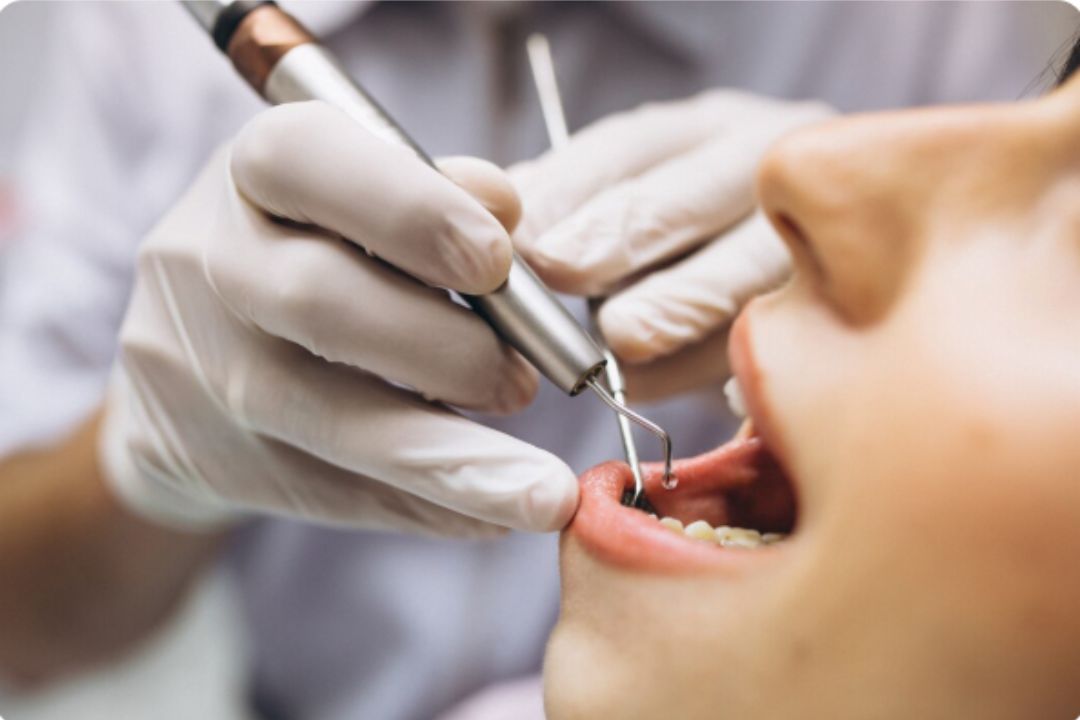
Maintaining healthy gums is just as important as keeping your teeth clean. While brushing and flossing at home are essential daily habits, they are not enough to completely prevent plaque buildup and gum disease. Regular professional tooth cleaning plays a critical role in preserving gum health, preventing infections, and ensuring long-term oral wellness.
Visit Now: https://www.diagnopein.com/dental-clinic/Mumbai/Tooth-Cleaning
Many people assume dental cleanings are only about removing stains and making teeth look brighter. In reality, professional cleaning is one of the most effective preventive measures against gum disease and tooth loss.
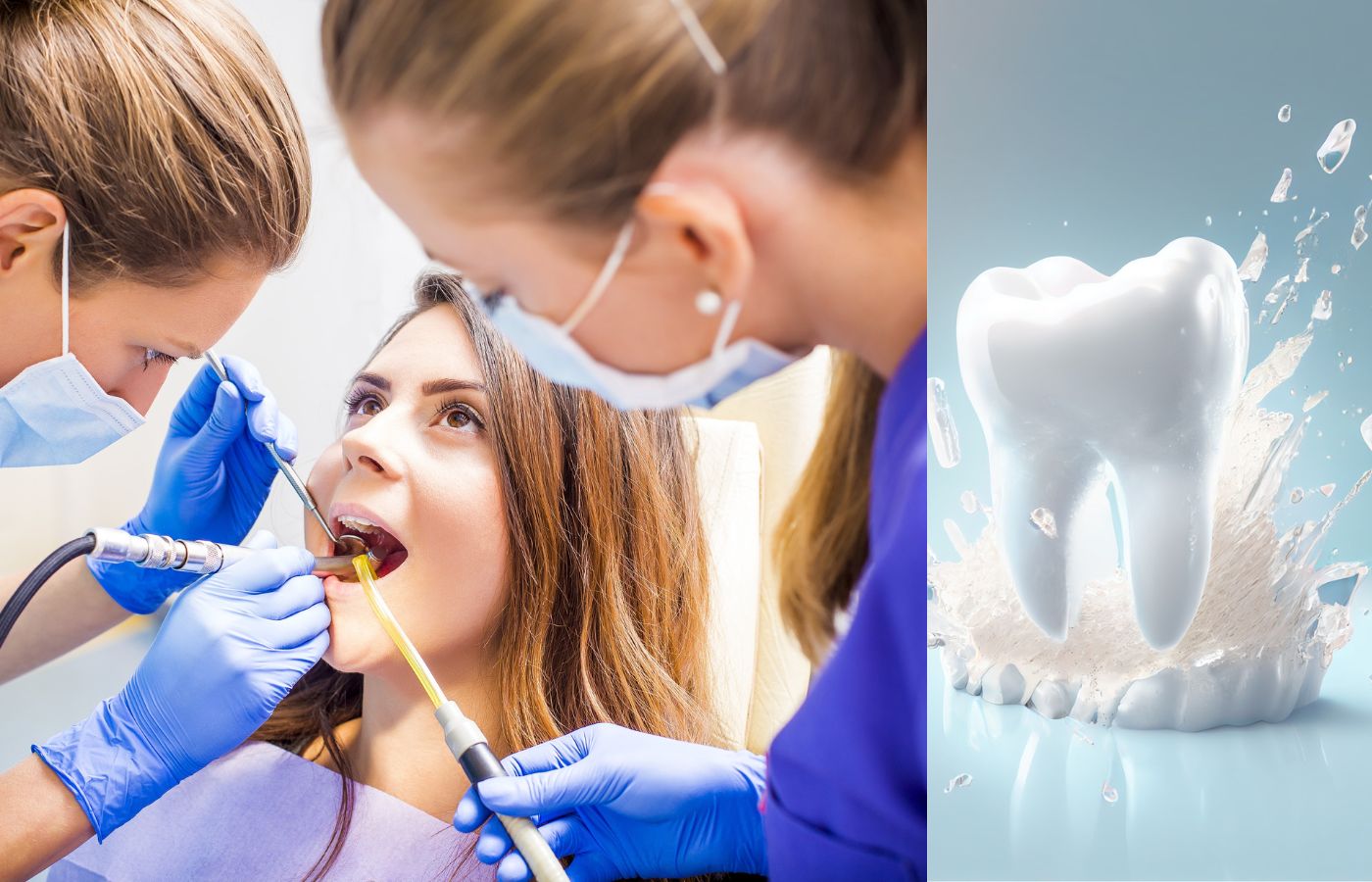
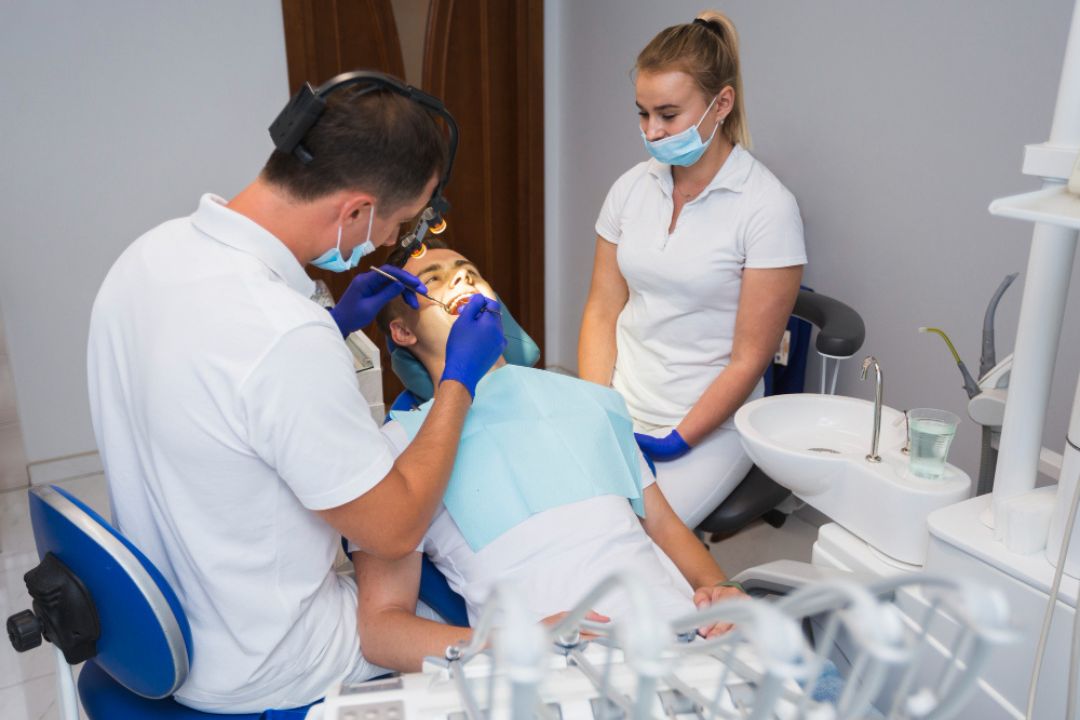
Professional tooth cleaning, also called dental prophylaxis, is a preventive dental procedure performed by a dentist or dental hygienist. It involves
Visit Now: https://www.diagnopein.com/dental-clinic/Mumbai/Tooth-Cleaning
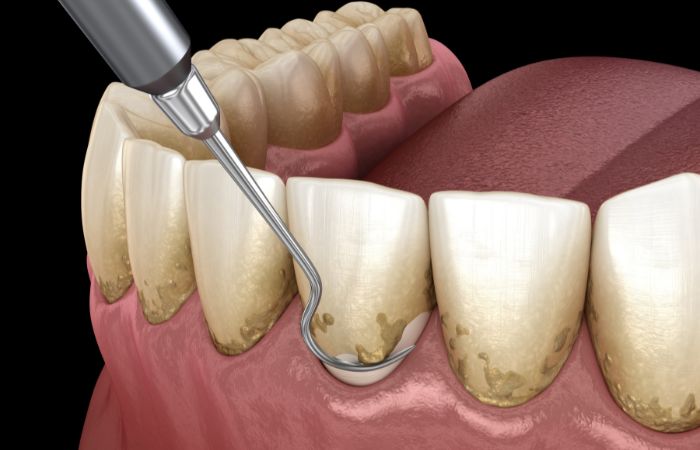
Removing plaque and hardened tartar (calculus)
Cleaning below the gumline
Polishing the teeth
Checking for early signs of gum disease
Examining oral health conditions
Even with excellent brushing habits, certain areas of the mouth are difficult to clean thoroughly. Over time, plaque hardens into tartar, which cannot be removed with a toothbrush. This is where professional cleaning becomes necessary.
Your gums provide the foundation that supports your teeth. When gums become infected or inflamed, they can pull away from the teeth, causing pockets where bacteria multiply. If untreated, this condition can progress into advanced gum disease (periodontitis), leading to bone loss and eventual tooth loss.
Book Now: https://www.diagnopein.com/dental-clinic/Mumbai
Healthy gums should be:
Pink in color
Firm in texture
Free from bleeding
Not swollen or tender
Regular cleaning helps maintain these characteristics and prevents long-term damage.
The primary cause of gum disease is plaque buildup along the gumline. When plaque is not removed, it hardens into tartar, irritating the gums and causing inflammation (gingivitis).
Regular professional cleaning removes plaque and tartar before they cause severe damage. This significantly reduces the risk of:
Bleeding gums
Gum swelling
Gum recession
Periodontal disease
Early-stage gum disease is reversible, but advanced stages are not. Preventive cleanings help stop the problem before it progresses.
No matter how carefully you brush, you cannot remove hardened tartar at home. Once plaque calcifies, only professional dental tools can safely eliminate it.
Tartar buildup:
Traps bacteria
Irritates gum tissue
Leads to chronic inflammation
Causes persistent bad breath
Regular cleanings every six months help keep tartar under control and prevent gum infections.
If your gums bleed while brushing or flossing, it may be an early sign of gingivitis. Professional cleaning removes irritants that cause inflammation.
After cleaning, many patients notice:
Less bleeding
Reduced gum tenderness
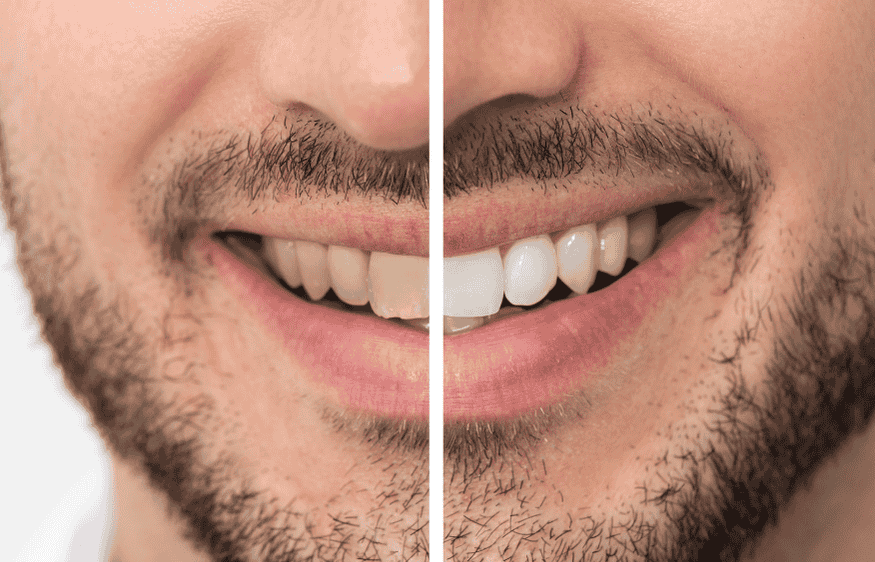
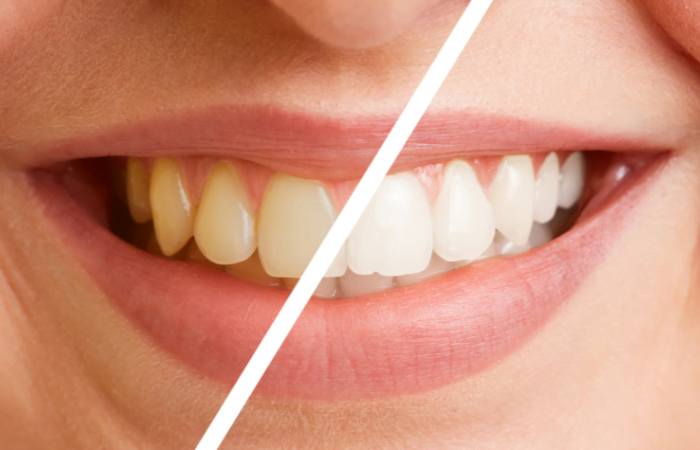
Healthier gum appearance
Decreased swelling
When inflammation decreases, the gums heal naturally.
When plaque and bacteria remain along the gumline, they gradually damage supporting tissues. This can cause gums to recede or pull away from the teeth.
Gum recession can lead to:
Tooth sensitivity
Exposed tooth roots
Increased risk of decay
Aesthetic concerns
Regular cleanings prevent bacterial damage that contributes to gum recession.
Advanced gum disease is one of the leading causes of adult tooth loss. When infection spreads beneath the gumline, it affects the bone that supports your teeth.
Routine dental cleanings help:
Stop disease progression
Protect bone structure
Maintain tooth stability
Reduce the risk of extraction
Prevention is always easier and less costly than treatment.
Persistent bad breath often results from bacteria trapped beneath the gumline. Professional cleaning removes these bacteria and reduces odor-causing plaque buildup.
Many patients experience noticeably fresher breath after their appointment.
Research shows a strong connection between oral health and overall health. Gum disease has been linked to:
Heart disease
Diabetes complications
Respiratory infections
Pregnancy complications
Chronic inflammation in the mouth can affect the entire body. By keeping your gums healthy, you reduce systemic health risks.
During your cleaning appointment, your dentist checks for:
Early signs of gum disease
Cavities
Oral infections
Gum recession
Oral cancer warning signs
Early detection allows for simpler and more affordable treatment.
For most individuals, professional cleaning is recommended every six months.
However, you may need more frequent visits if you:
Have gum disease
Smoke
Have diabetes
Experience frequent plaque buildup
Wear braces
Have weakened immunity
Your dentist will recommend a schedule based on your oral health condition.
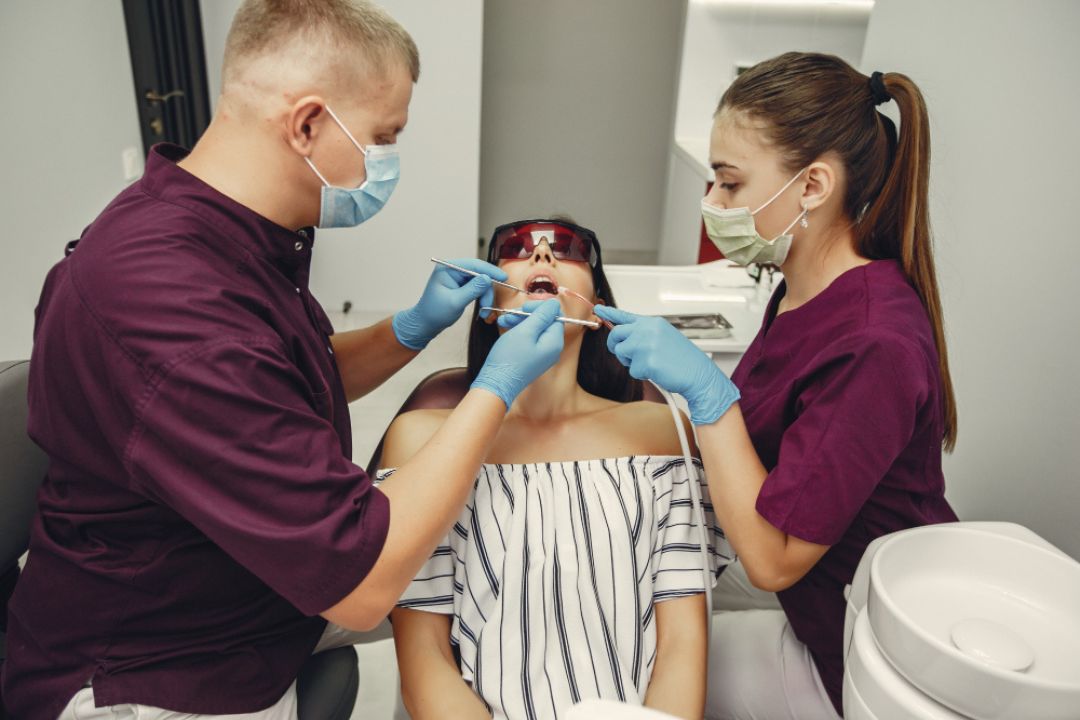
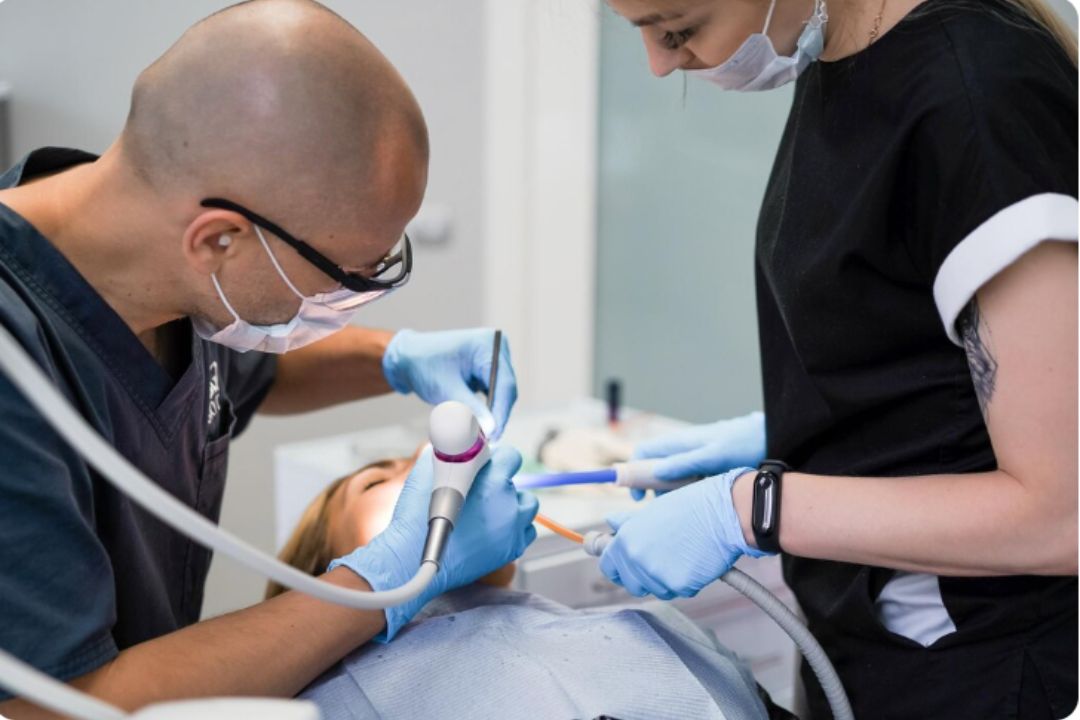
A standard dental cleaning includes:
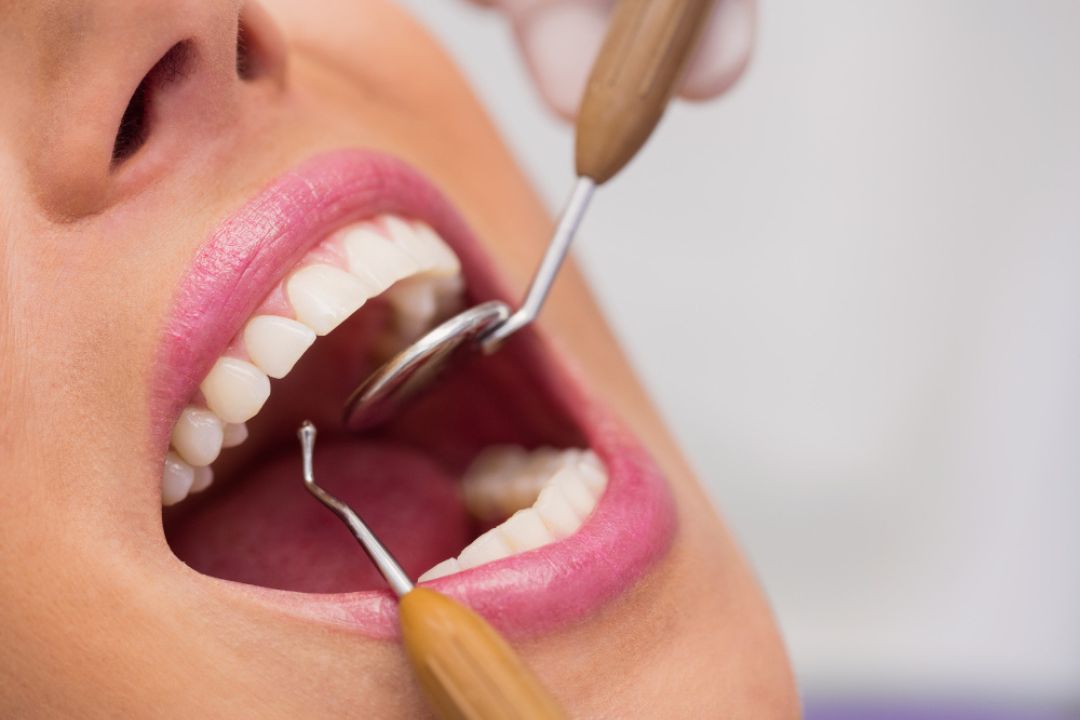
The dentist or hygienist checks your gums and teeth for signs of disease.
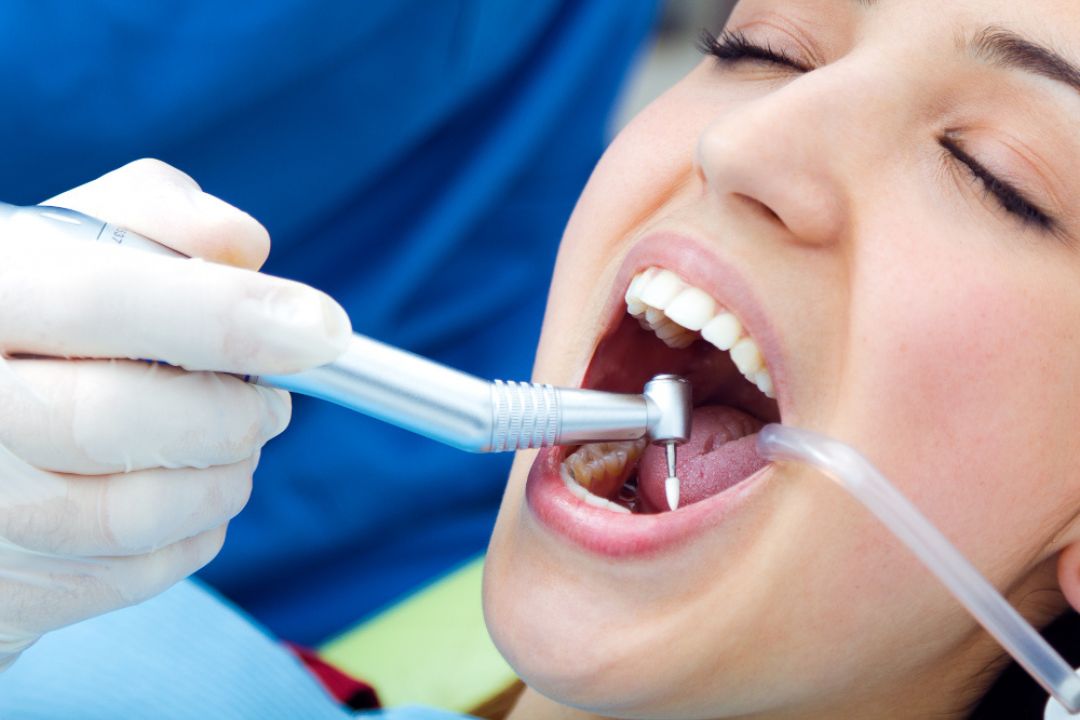
Special tools are used to remove plaque and tartar from the teeth and gumline.
Teeth are polished to remove surface stains and smooth the enamel.
The teeth are thoroughly flossed and rinsed to remove debris.
The entire procedure is generally painless and takes about 30–60 minutes.
Do not wait for severe symptoms. Schedule a cleaning if you notice:
Bleeding gums
Swollen or red gums
Persistent bad breath
Yellow or brown buildup near gums
Tooth sensitivity
Gum tenderness
Early intervention prevents serious complications.
Professional cleanings are important, but daily habits matter just as much.
Follow these tips:
Brush twice daily using fluoride toothpaste
Floss at least once a day
Use an antibacterial mouthwash
Avoid smoking
Reduce sugary foods
Drink plenty of water
Eat a balanced diet rich in vitamins
Consistency is key to long-term gum health.
Regular tooth cleaning is not just a cosmetic procedure — it is a vital preventive measure that protects your gums, teeth, and overall health. By removing plaque and tartar, reducing inflammation, and detecting early signs of disease, professional cleanings help maintain a strong and healthy smile.
Ignoring routine Dental visits can lead to gum infections, bone loss, and costly treatments. A simple cleaning appointment every six months can prevent these problems and keep your gums in optimal condition.
If you want healthy gums and long-lasting teeth, make professional tooth cleaning a regular part of your healthcare routine.









.jpg "tooth cleaning for bleeding gums causes, treatment and prevention")











.jpg "tooth cleaning")
.jpg "tooth cleaning")
.jpg "tooth cleaning")
.jpg "tooth cleaning")
 (1).jpg "Dental Cleaning in Urban India")