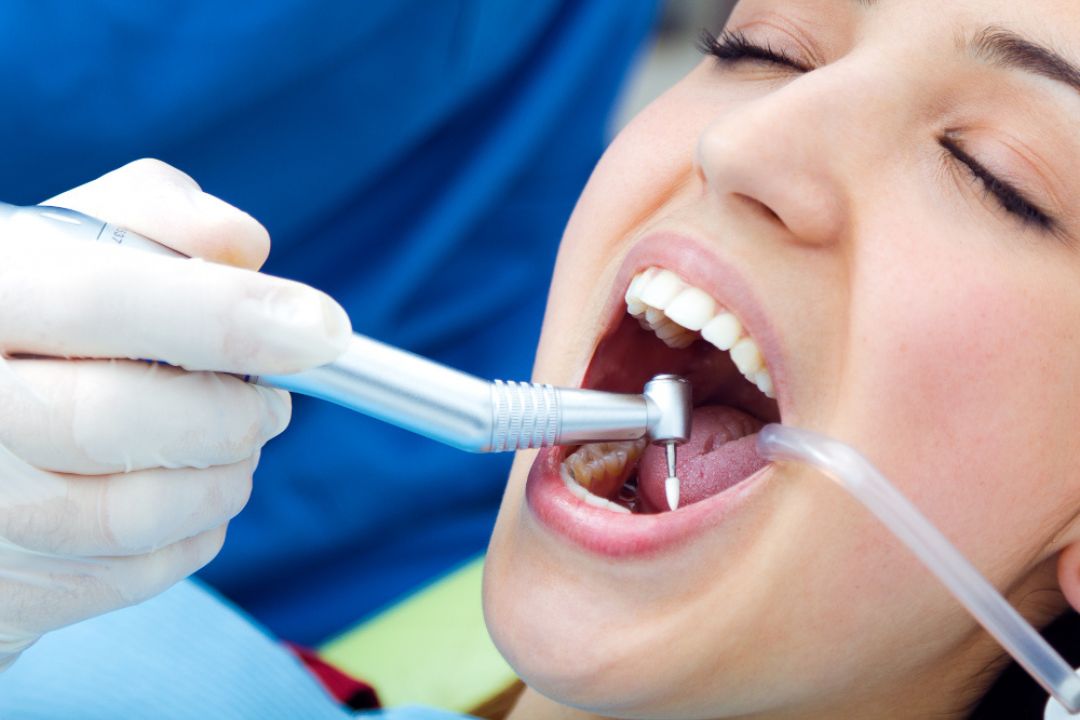
.jpg "tooth cleaning")
A dazzling, stain-free smile is a universal desire, but daily habits like coffee, tea, or wine can leave their mark. If you’re looking in the mirror and wondering if a professional dental cleaning can restore your smile’s brilliance, you’re in the right place. Let’s dive into what you need to know.
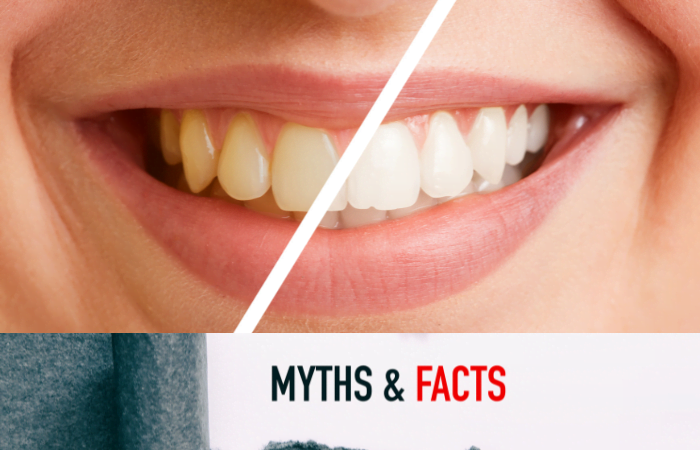
Can Professional Tooth Cleaning Remove Stains? The Direct Answer
In short, yes, a professional dental cleaning is highly effective at removing many types of stains. However, it’s essential to understand the type of stains it tackles:
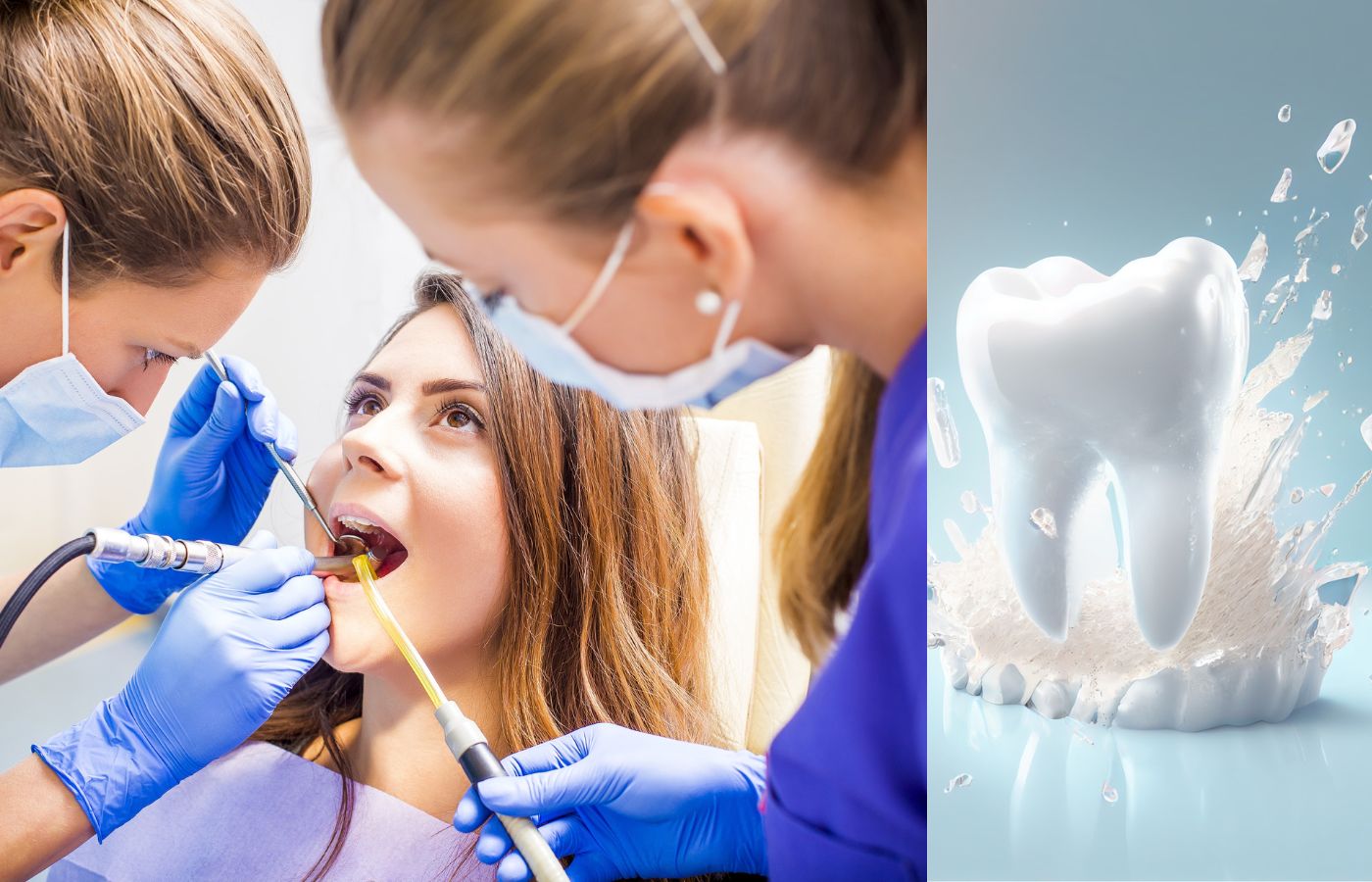
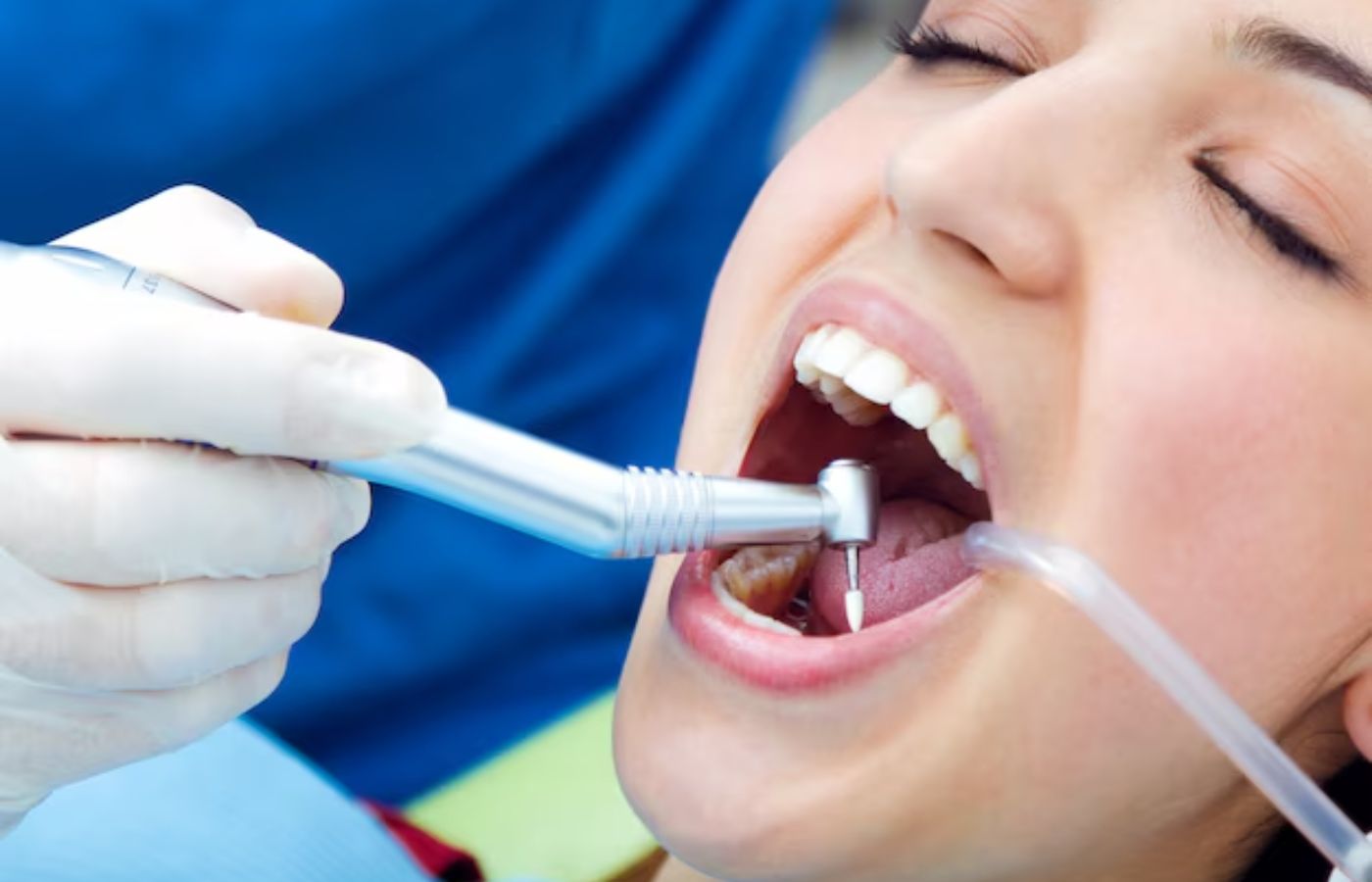
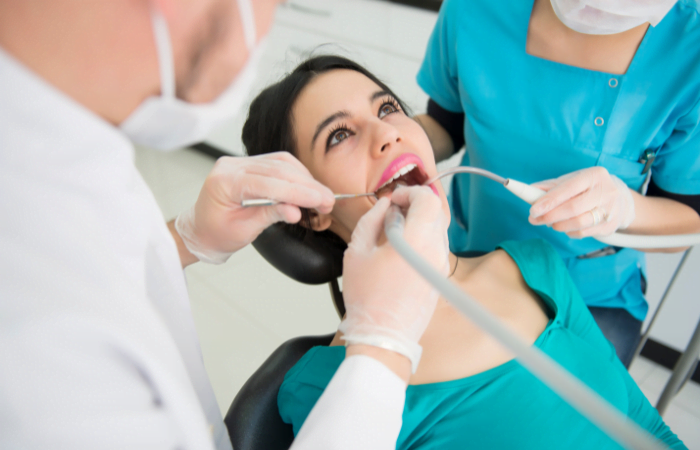
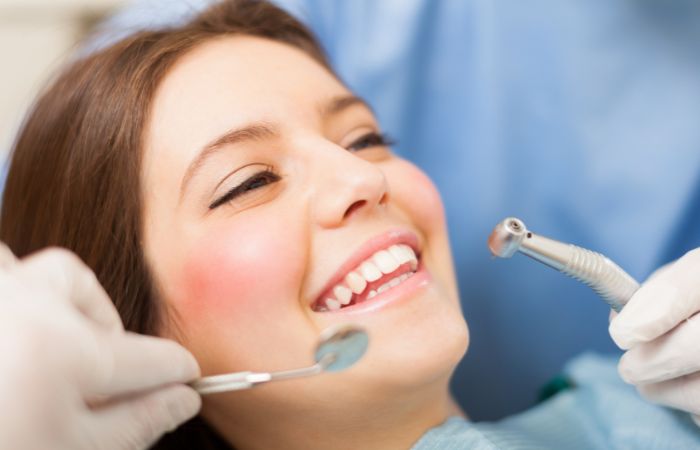
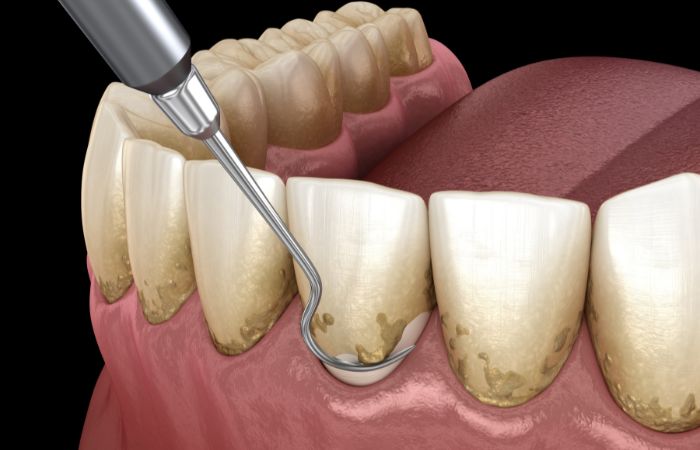
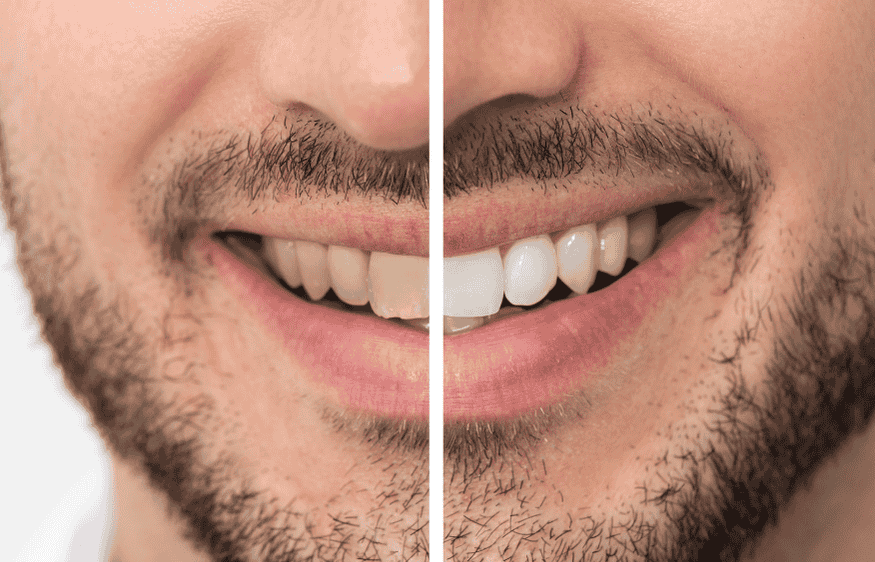
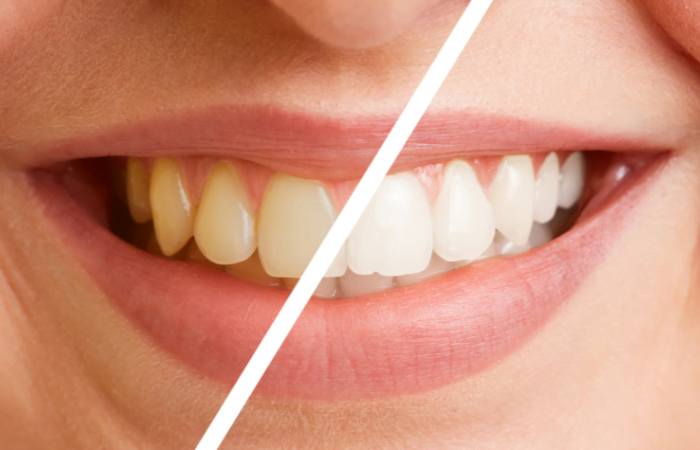
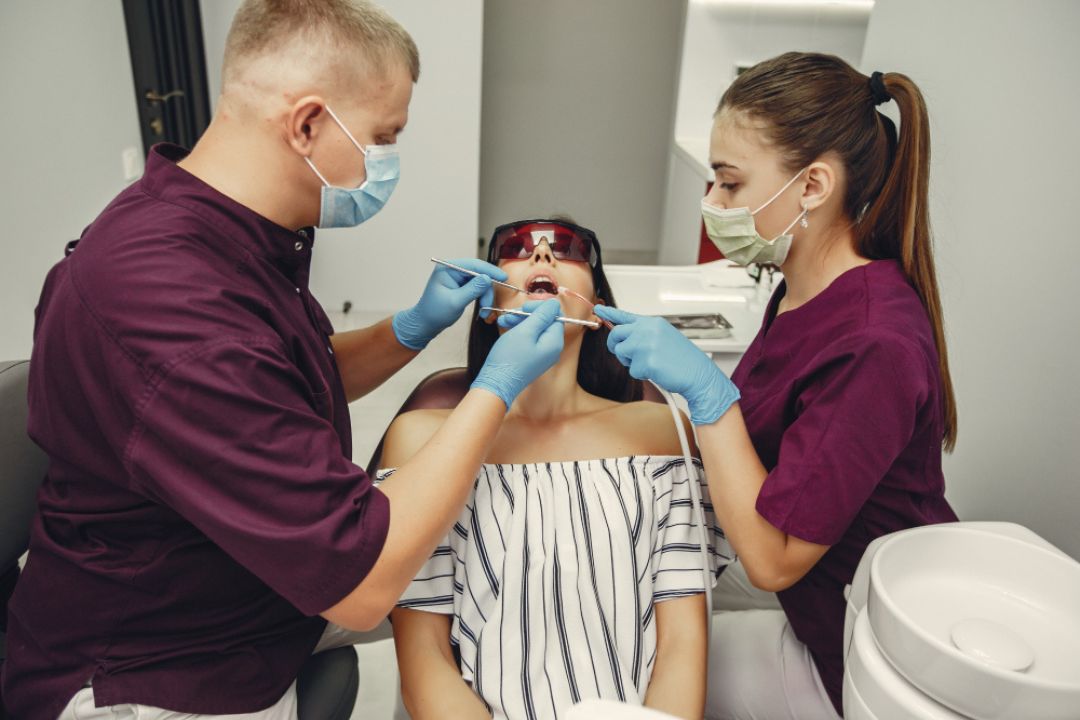
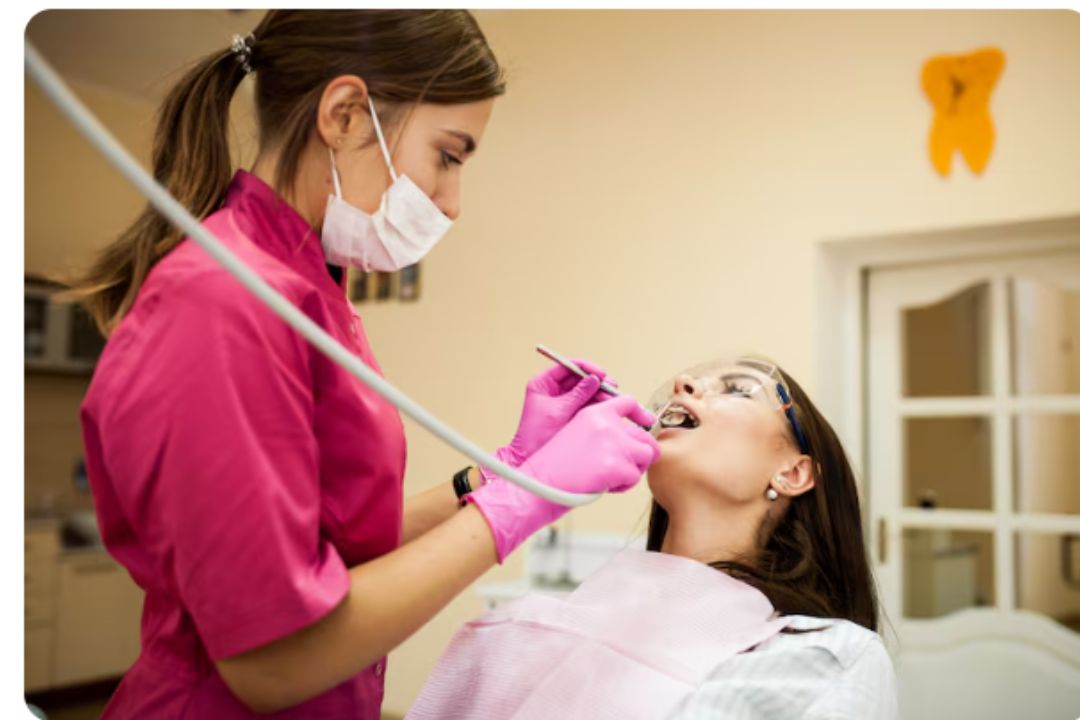
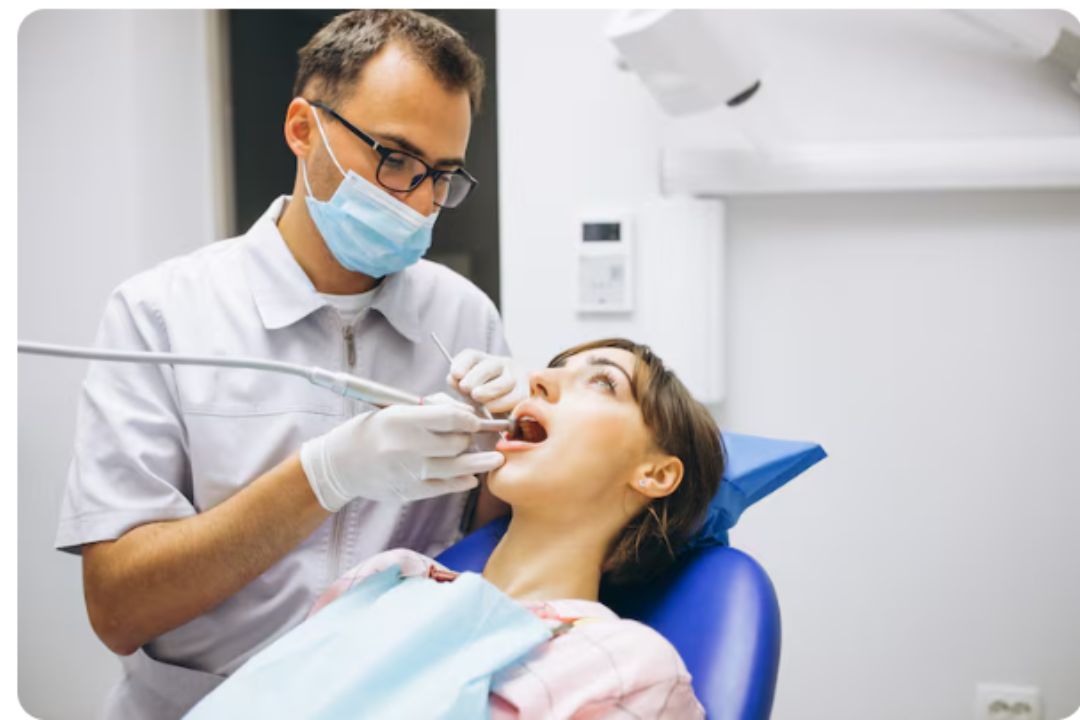
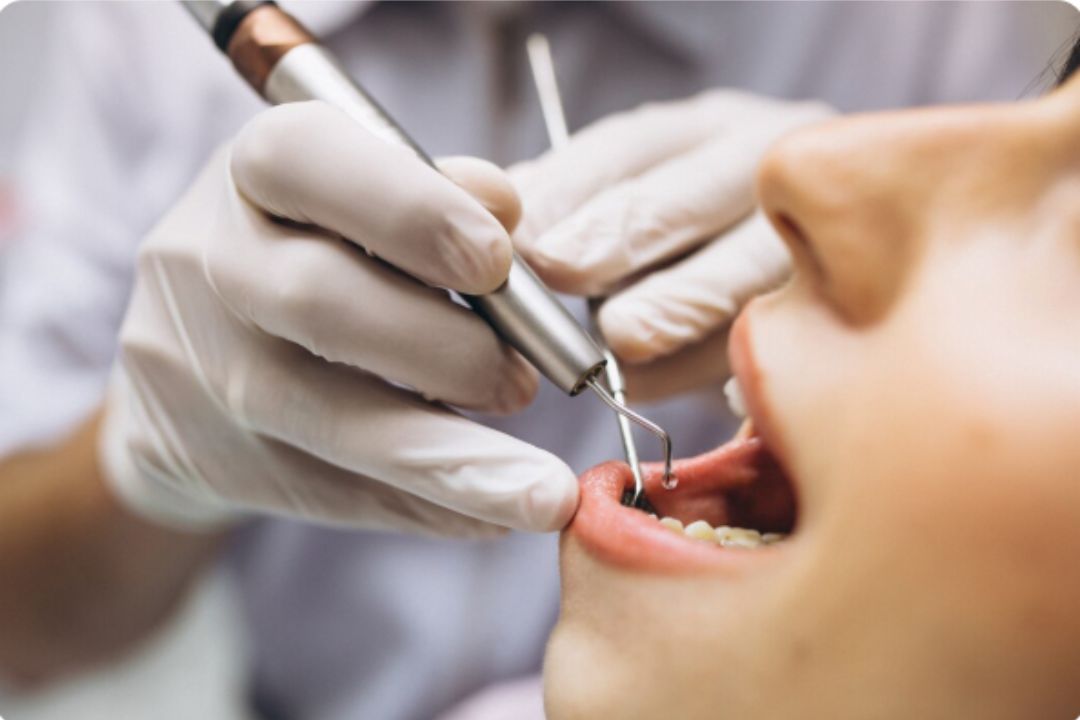
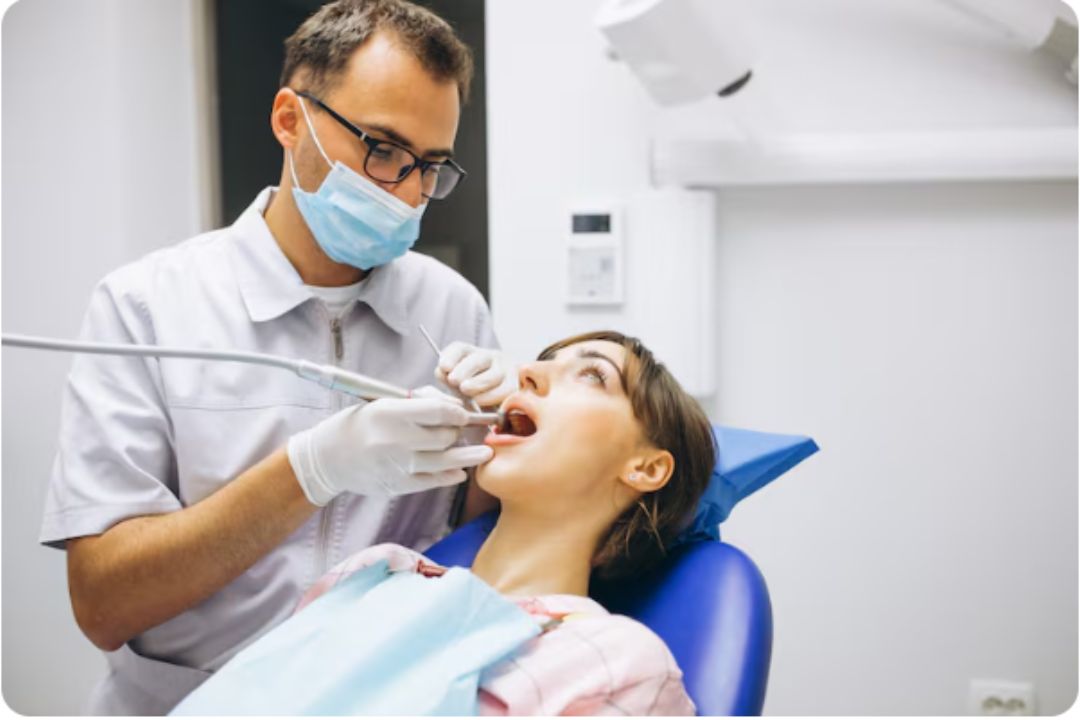
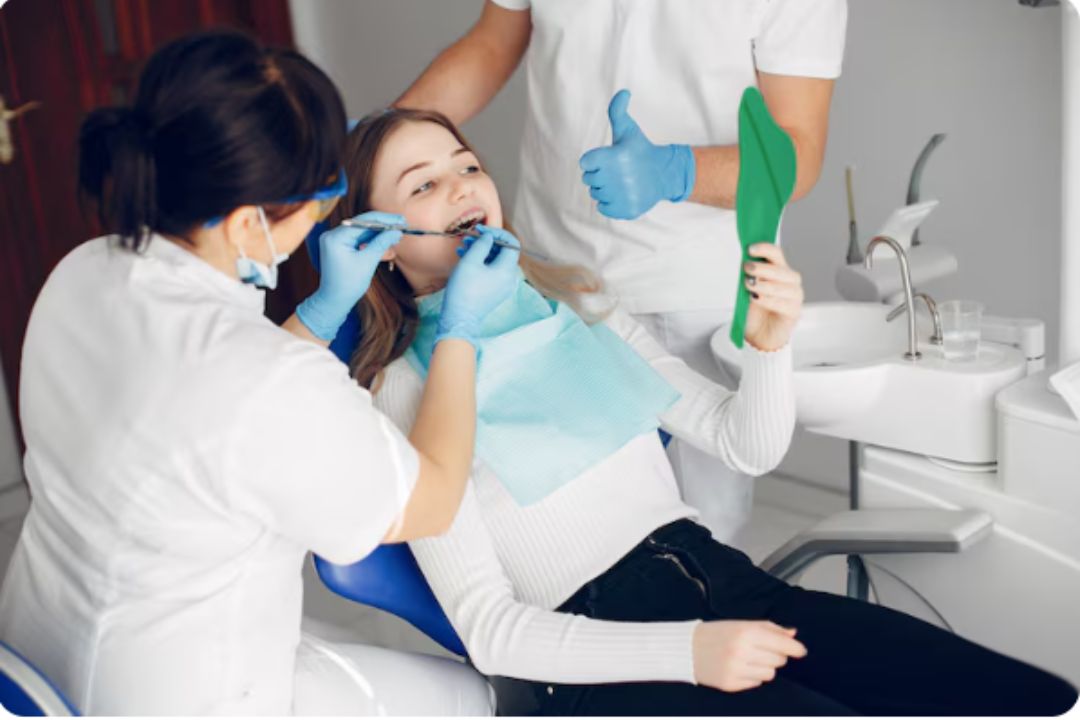
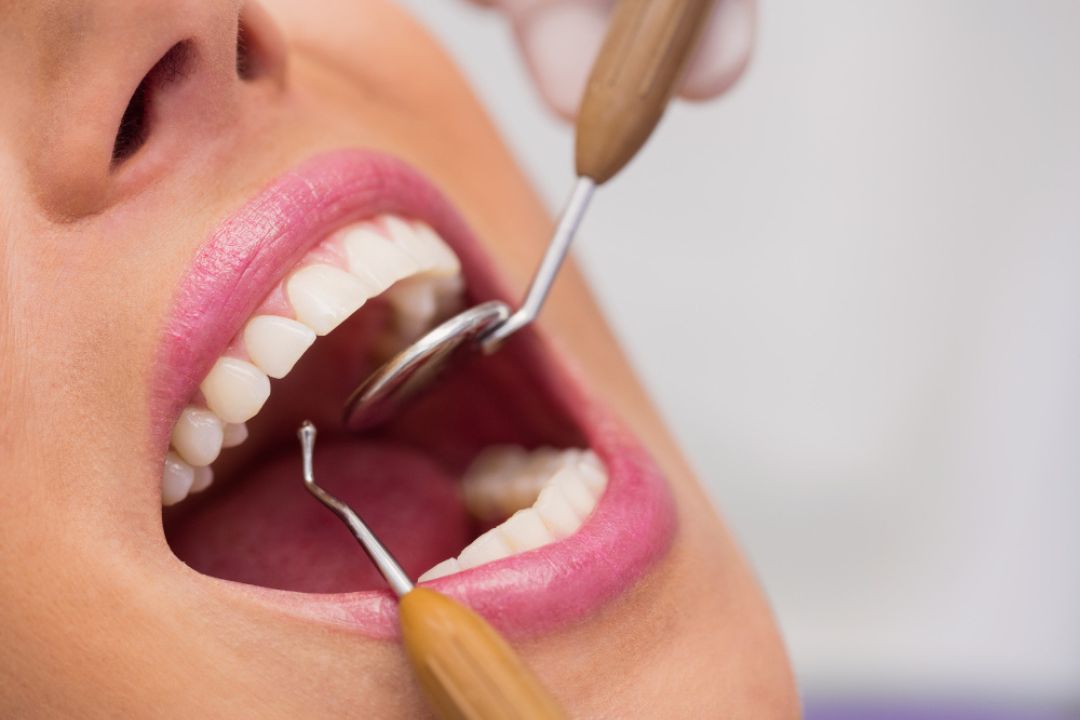
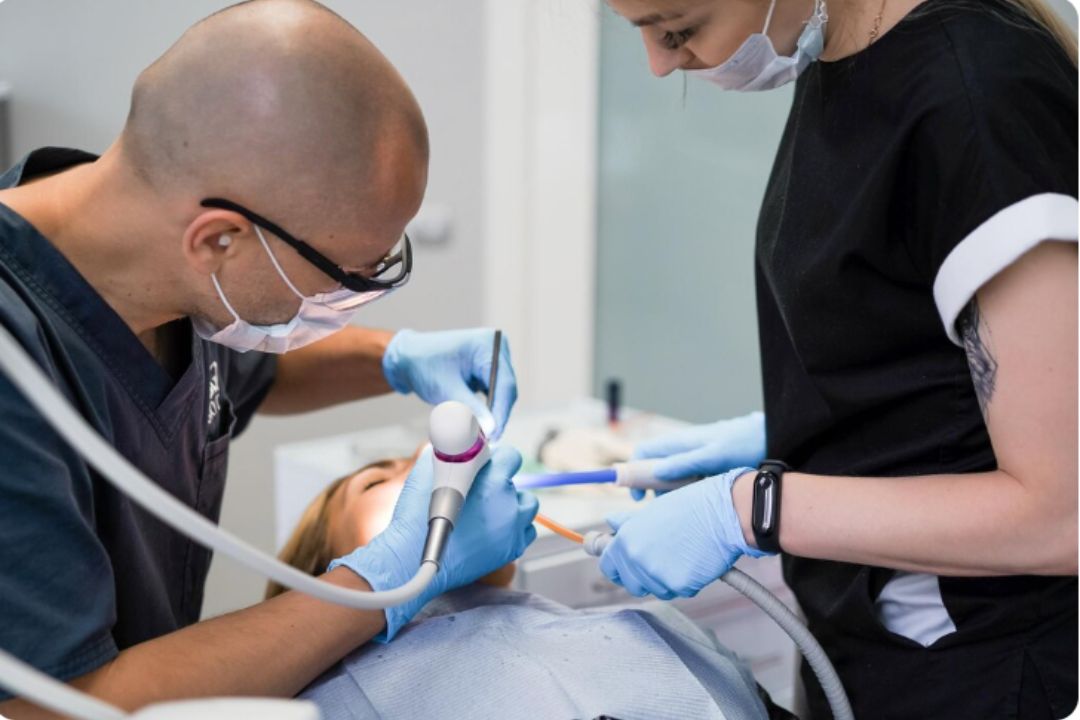
Extrinsic Stains: These are surface stains on your tooth enamel caused by food, drinks (coffee, red wine, tea), tobacco, and plaque. A professional cleaning (prophylaxis) is exceptionally effective at removing these. Using specialized tools like an ultrasonic scaler and polishing paste, your hygienist can scrub away these deposits, revealing the natural, cleaner color of your teeth underneath.
Intrinsic Stains: These are stains that occur within the tooth structure, due to factors like aging, trauma, certain medications (like tetracycline), or excessive fluoride. Regular cleaning alone cannot remove intrinsic stains. These require professional teeth whitening treatments (bleaching), veneers, or bonding.
The Key Benefits of Professional Tooth Cleaning
Choosing a professional cleaning isn’t just about aesthetics; it’s a cornerstone of oral health.
Stain Removal & Brighter Smile: Immediately removes stubborn surface stains for an instantly brighter appearance.
Plaque & Tartar Elimination: Removes hardened tartar (calculus) that brushing alone cannot, preventing gum disease.
Cavity Prevention: A cleaner mouth is less hospitable to the bacteria that cause tooth decay.
Gum Disease Prevention: Regular cleanings are the best defense against gingivitis and periodontitis.
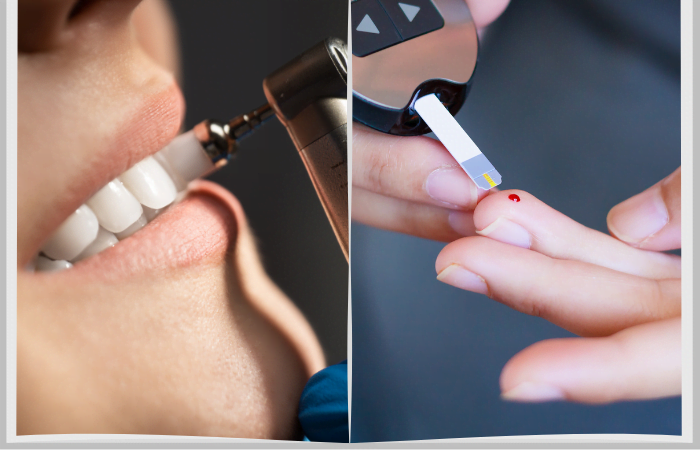
Overall Health Link: Good oral health is linked to better heart health and controlled diabetes.
Fresh Breath: Removing odor-causing bacteria and deposits significantly improves bad breath.
Comfort and Addressing Tooth Pain After Cleaning
It’s normal to have some sensitivity or mild tooth pain after cleaning, especially if you had significant tartar buildup or sensitive teeth. The removal of tartar exposes areas of the tooth that were previously shielded. This discomfort usually subsides in a day or two.
How to manage sensitivity:
Use a desensitizing toothpaste.
Avoid very hot or cold foods/beverages for 24-48 hours.
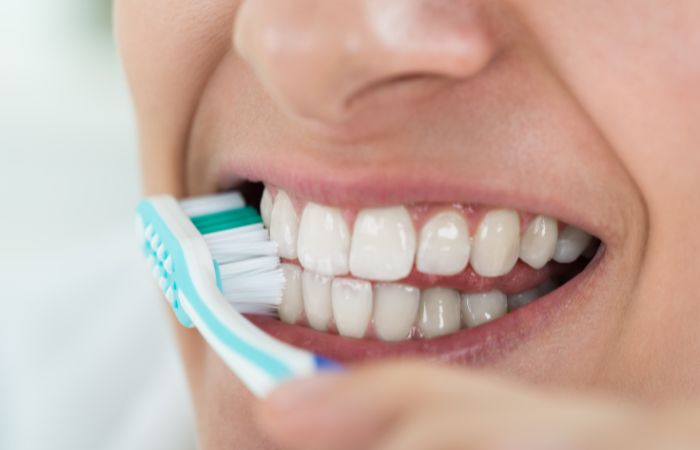
Use a soft-bristled toothbrush.
If pain is severe or persistent, contact your dentist to rule out other issues.
Conclusion with Diagnopein Final Word
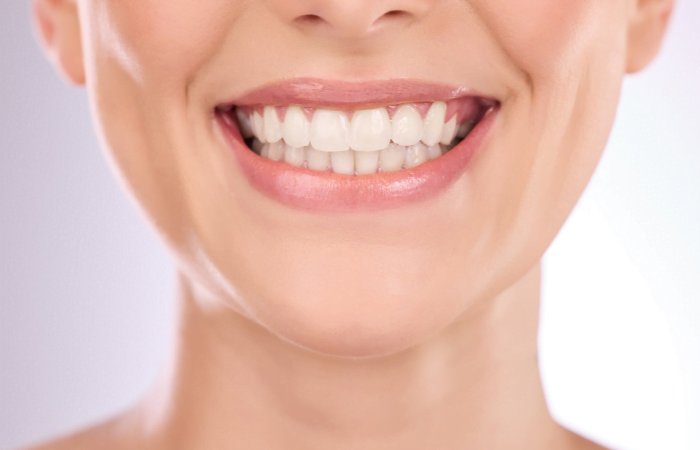
So, can tooth cleaning remove stains? Absolutely, for the most common type—extrinsic surface stains. It is the most effective, safe, and health-focused method available.
Final Diagnopein Prescription
Schedule your bi-annual professional dental cleaning as the non-negotiable foundation of your oral health. Use at-home products like tooth cleaning powder judiciously as a supporting actor, not the star. If you’re concerned about how to clean tooth decay-prone areas, your dentist can provide targeted hygiene advice. Remember, a slight sensation of tooth pain after cleaning is often a sign of renewed tooth exposure and is temporary.








.jpg "tooth cleaning for bleeding gums causes, treatment and prevention")







.jpg "tooth cleaning")
.jpg "tooth cleaning")
.jpg "tooth cleaning")
 (1).jpg "Dental Cleaning in Urban India")