



Benefits of USG Knee
The USG Knee test offers multiple advantages that make it a crucial diagnostic tool:
-
Non-invasive and painless: No needles or incisions are required.
-
Radiation-free: Safe for all age groups, including children and elderly patients.
-
Quick and accurate results: Immediate visualization of soft tissue injuries.
-
Cost-effective: Affordable compared to MRI and other imaging methods.
-
Real-time assessment: Helps in evaluating dynamic movements of the knee joint.
By choosing Diagnopein Nashik, patients can benefit from state-of-the-art ultrasound machines and skilled radiologists, ensuring a reliable knee ultrasound diagnosis.
How USG Knee Testing is Done
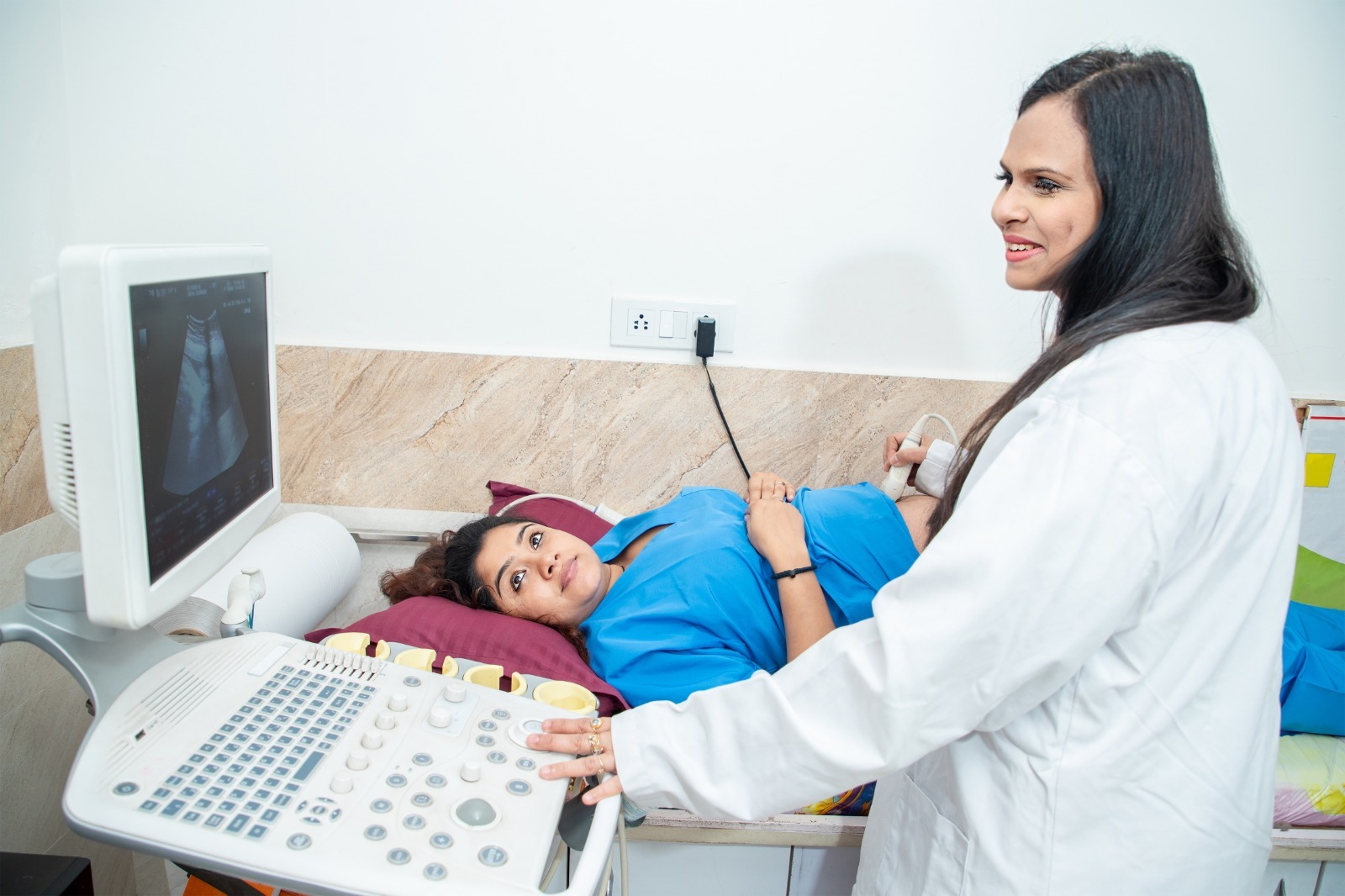
The USG Knee procedure is simple, painless, and quick. Here’s what to expect:
-
Preparation: Patients may be asked to remove clothing around the knee. No fasting is required.
-
Positioning: The patient lies down with the knee slightly bent to allow optimal imaging.
-
Ultrasound Application: A small amount of gel is applied on the knee. The ultrasound probe is gently moved over the joint.
-
Real-time Imaging: The radiologist captures images of ligaments, tendons, meniscus, and fluid collections.
-
Result & Consultation: Results are usually available immediately or within a short time, enabling quick medical guidance.
At Diagnopein Nashik, our team ensures a comfortable and hassle-free knee ultrasound experience for every patient.
Parameters Evaluated in USG Knee
A USG Knee scan provides detailed insights into the knee joint. Key parameters include:
-
Ligaments & Tendons: Detects tears, inflammation, or degeneration.
-
Meniscus: Identifies meniscal cysts or tears.
-
Joint Effusion: Measures fluid accumulation within the knee.
-
Bursa & Synovium: Evaluates bursitis or synovial thickening.
-
Cartilage & Bone Surface: Checks for early signs of arthritis.
By focusing on these critical parameters, doctors at Diagnopein Nashik can recommend timely treatment plans, helping patients recover faster and prevent further knee damage.
Why Choose Diagnopein Nashik for USG Knee
-
Experienced Radiologists: Skilled professionals specializing in musculoskeletal ultrasound.
-
Advanced Equipment: High-resolution ultrasound machines for accurate diagnosis.
-
Patient-Centric Care: Comfortable environment ensuring minimal stress.
-
Affordable Pricing: Competitive costs for all types of knee scans.
For anyone experiencing knee pain, swelling, or injury, a USG Knee scan at Diagnopein Nashik is the safest, fastest, and most effective diagnostic solution. Early diagnosis helps in preventing chronic knee problems and ensures better recovery outcomes.