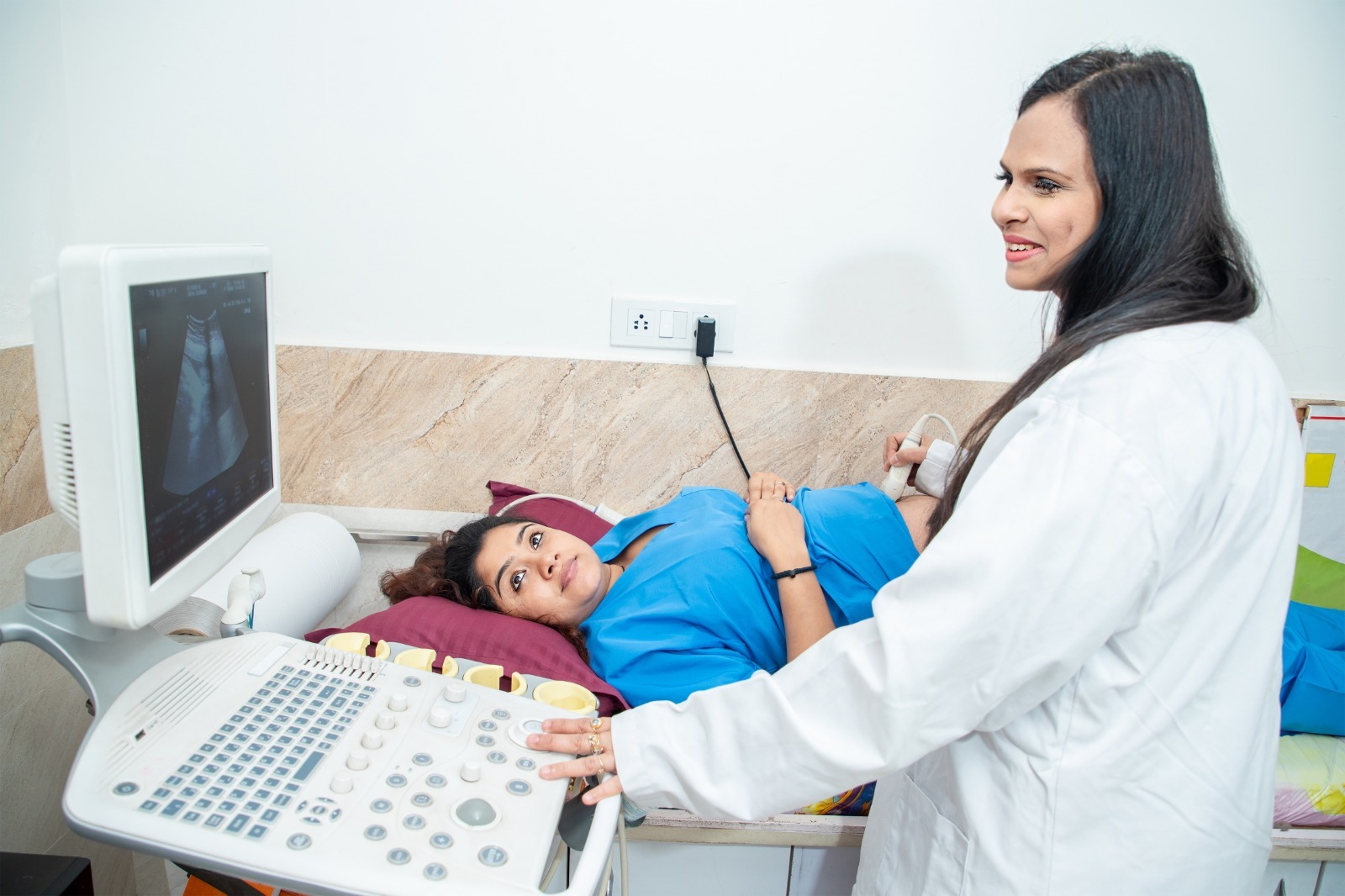
Why is USG Bilateral Lower Limb Arterial Doppler Important?
The USG-Bilateral-Lowerlimb-Arterial-Doppler test is essential for evaluating the health of your leg arteries. Poor blood flow can cause pain, numbness, leg cramps, and difficulty walking. Untreated arterial blockages may lead to serious medical problems.
Importance of this Doppler test:
-
Early Detection of PAD (Peripheral Artery Disease)
PAD is a common complication in people with diabetes, high cholesterol, smoking history, or hypertension. This test identifies arterial narrowing before symptoms worsen.
-
Identifies Atherosclerotic Plaque Formation
The arterial Doppler test helps visualize cholesterol plaque buildup and assesses its severity.
-
Assesses Blood Flow Blockages
Blockages may cause pain, weakness, or discoloration in legs. Early diagnosis helps prevent long-term vascular damage.
-
Monitors Post-Surgery and Post-Angioplasty Patients
Patients treated for vascular diseases require regular follow-ups to track blood circulation.
-
Prevents Complications like Ulcers and Gangrene
Poor blood flow in legs may lead to slow-healing wounds and tissue damage.
-
Ideal for diabetic patients
Diabetes often damages blood vessels, making this test crucial for preventive care.
How is USG-Bilateral-Lowerlimb-Arterial-Doppler Performed?
This test is simple, painless, and does not require injections, anesthesia, or radiation. At Diagnopein Centre Nashik, trained radiologists and sonography experts perform the scan with precision.
Step-by-Step Procedure:
-
Patient Preparation
-
Positioning
You will lie down comfortably on the examination bed.
-
Application of Gel
A warm, non-irritating ultrasound gel is applied to your legs to enhance sound wave transmission.
-
Color Doppler Ultrasound Scanning
The radiologist moves the Doppler probe along the major arteries of both legs:
-
Femoral artery
-
Popliteal artery
-
Anterior tibial artery
-
Posterior tibial artery
-
Dorsalis pedis artery
-
Blood Flow Analysis
Real-time color images show blood flow patterns, velocity, and turbulence indicating blockages.
-
Waveform Study
The machine measures triphasic, biphasic, or monophasic waveforms, which help determine arterial health.
-
Report Preparation
After scanning, a detailed report is prepared with images and arterial flow measurements.
The entire scan takes 20–30 minutes.
Why Choose Diagnopein?
Choosing the right diagnostic centre is essential for accurate reports and quality healthcare. Diagnopein Centre stands out because of its commitment to excellence, advanced technology, and patient-centric services. Here’s why thousands trust Diagnopein:
Advanced & Modern Diagnostic Equipment
Diagnopein uses high-resolution ultrasound, Doppler machines, and fully automated laboratory systems to ensure precise, reliable, and consistent results.
Highly Qualified Radiologists & Technicians
Tests are performed by experienced radiologists, certified sonographers, and trained lab professionals, ensuring accuracy in every report.
Fast Report Delivery
Diagnopein is known for providing quick turnaround time without compromising on quality — ideal for patients who need urgent diagnosis.
Affordable & Transparent Pricing
All tests, including Doppler, ultrasound, and blood investigations, are offered at affordable rates with no hidden charges.
Patient-Friendly Environment
A clean, comfortable, and supportive environment helps patients feel relaxed during tests.
Wide Range of Diagnostic Services Under One Roof
From USG scans, Doppler tests, X-rays, ECG, 2D Echo, and pathology tests, everything is available in one centre — convenient and time-saving.