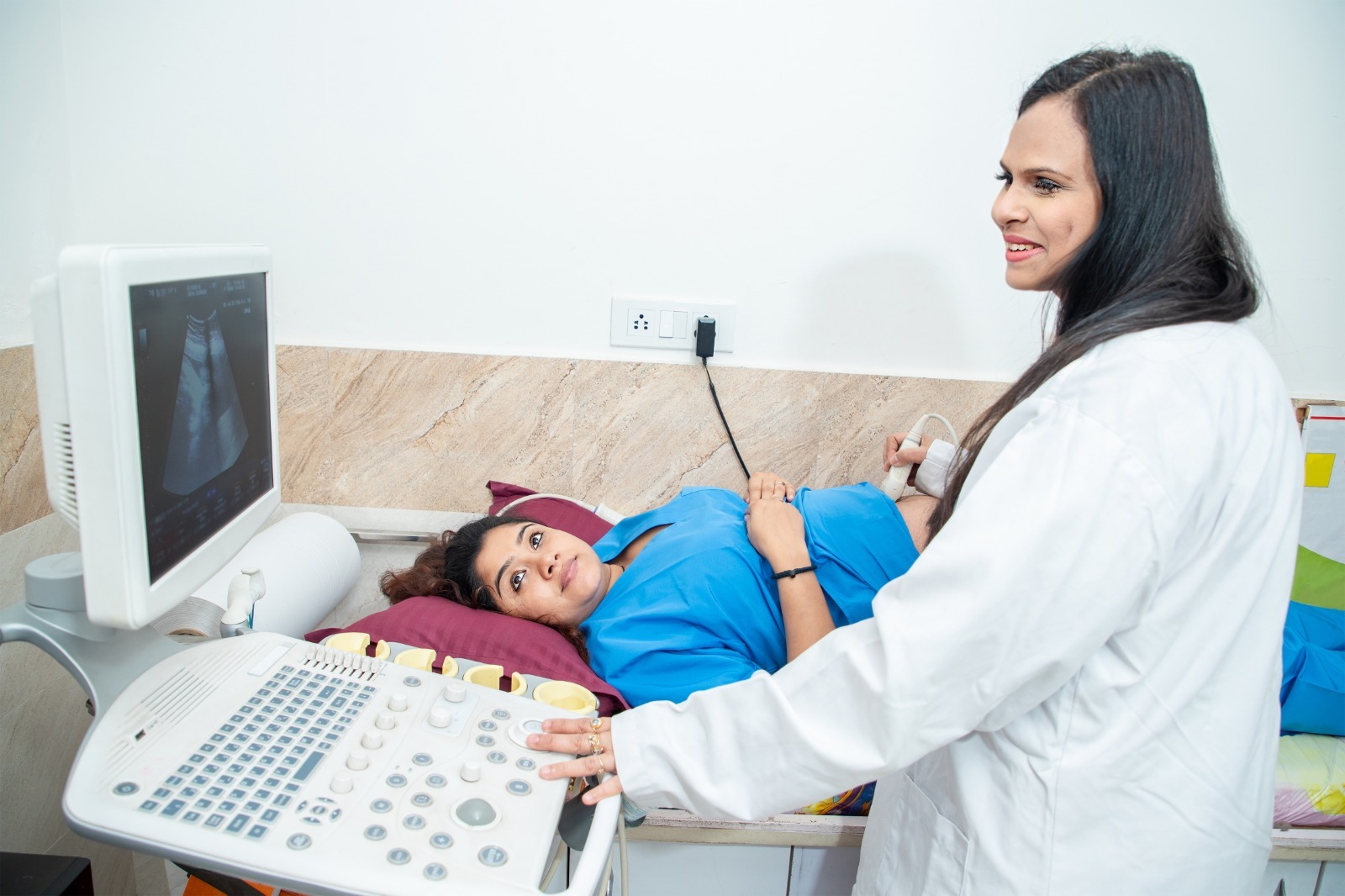
Why Is USG Both Hands Important?
1. Detects Early Hand and Wrist Diseases
USG Both Hands is extremely useful for identifying early-stage medical conditions such as tendonitis, tenosynovitis, nerve compression, or soft tissue injuries. Early detection helps prevent complications and supports faster recovery.
2. Provides Real-Time Dynamic Imaging
Unlike X-rays, ultrasound can show movement, making it easier to check how tendons glide, how joints move, or how nerves react during motion. This dynamic study is crucial to diagnosing conditions that appear only when the hand or fingers move.
3. Helps Evaluate Pain, Swelling, or Numbness
Many people experience symptoms like:
-
Wrist pain
-
Finger stiffness
-
Palm swelling
-
Tingling sensation
-
Difficulty gripping
USG Both Hands helps identify the exact cause—whether it is a ligament injury, cyst, nerve compression, or inflammation.
4. Useful for Sports and Work-Related Injuries
Frequent computer use, mobile typing, gym workouts, and heavy manual work can cause repetitive-strain injuries. Ultrasound provides a clear picture of tissue damage, allowing a proper treatment plan.
5. Zero Radiation, Safe for All Ages
USG Both Hands uses sound waves—not harmful radiation. It is safe for:
-
Children
-
Pregnant women
-
Elderly patients
-
Chronic illness patients
This makes it the preferred diagnostic choice at Diagnopein Nashik Centre.
6. Quick, Affordable & Accurate
The procedure takes only 10–15 minutes, is cost-effective, and gives immediate results. It helps in planning surgeries, physiotherapy, or medication based on precise findings.
Who Should Consider USG Both Hands?
USG Both Hands is recommended for individuals experiencing any of the following conditions:
Persistent Hand or Wrist Pain
If the pain continues for days or weeks, ultrasound helps identify strains, ligament tears, or inflammation.
Swelling, Redness, or Warmth in Hands
These symptoms may indicate infection, tenosynovitis, bursitis, or fluid accumulation.
Tingling, Numbness, or Nerve Compression
USG Both Hands helps diagnose conditions such as Carpal Tunnel Syndrome, ulnar nerve compression, or nerve entrapment.
Limited Hand Movement or Stiffness
If you cannot bend fingers or face stiffness in the wrist, it may be due to joint or tendon issues.
Finger Triggering or Locking
Ultrasound detects thickening or inflammation causing trigger finger.
Trauma or Injury
Any injury caused by:
-
Falling
-
Sports
-
Gym workouts
-
Lifting heavy objects
-
Sudden twisting
requires USG Both Hands to rule out internal damage.
Repetitive Strain from Work
People working in IT, typing jobs, construction, tailoring, jewellery making, or machinery operations often develop hand problems. Ultrasound helps detect these early.
Suspected Cysts or Lumps
Ganglion cysts, nodules, and soft tissue masses can be easily identified through ultrasound.
Rheumatoid Arthritis or Autoimmune Disorders
USG Both Hands is essential for detecting joint inflammation, synovial thickening, or early arthritic changes.
Before or After Surgery
Doctors may advise USG to evaluate tissue condition before surgery and to monitor healing afterward.
How Is USG Both Hands Done?
The procedure is simple, comfortable, and does not require any special preparation.
Step 1 – Positioning
You will be asked to sit or lie down comfortably. Both hands are placed on a flat surface.
Step 2 – Applying Gel
A warm gel is applied to enhance sound wave transmission.
Step 3 – Scanning
The radiologist gently moves a small probe over the hand, fingers, and wrist areas. Real-time images appear on the screen showing tendons, nerves, and soft tissues.
Step 4 – Dynamic Movements
You may be asked to move your fingers or wrist to observe structures during motion.
Step 5 – Report Preparation
A detailed report is prepared immediately by the radiologist at Nashik Diagnopein Centre.