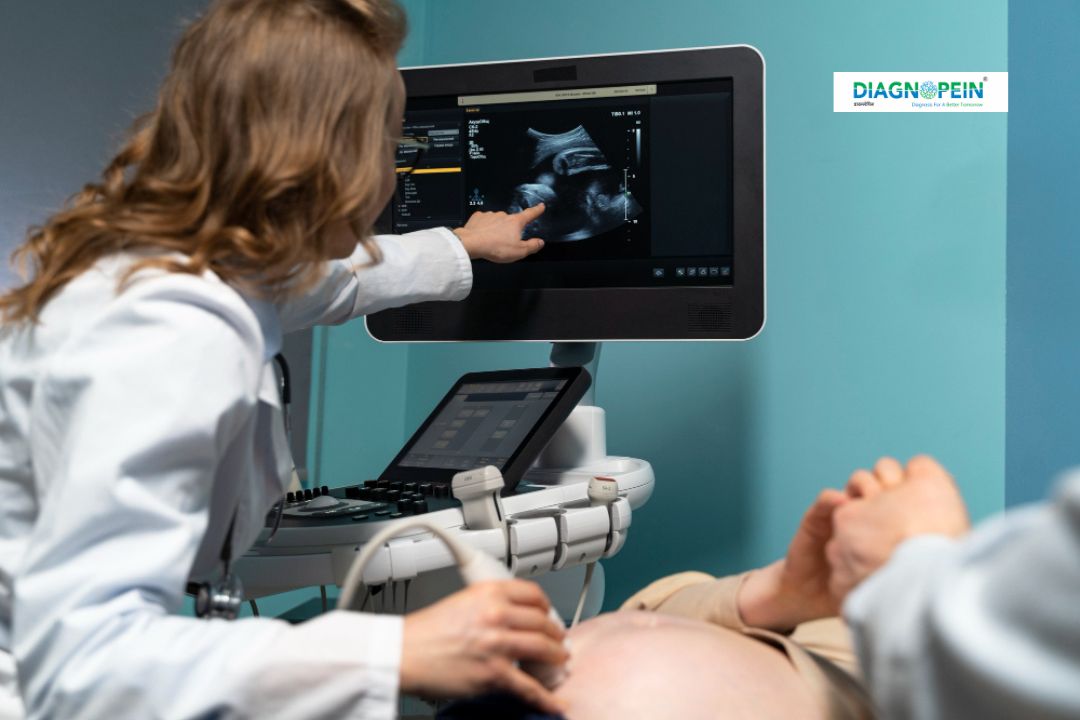
Why Hysterosonogram SIS/SSG Is Important
Hysterosonogram SIS/SSG holds immense diagnostic importance for women experiencing recurrent miscarriage, unexplained infertility, heavy menstrual bleeding, or uterine abnormalities suspected in routine scans. This test gives a clearer, three-dimensional view of the uterine cavity compared to conventional ultrasound.
It is a vital diagnostic tool because it helps:
-
Detect uterine polyps or fibroids causing infertility or bleeding.
-
Evaluate the uterine lining and detect abnormalities in the endometrium.
-
Assess uterine shape for congenital malformations (e.g., septate or bicornuate uterus).
-
Monitor post-surgical uterine healing after fibroid removal or uterine repair.
-
Guide fertility specialists in deciding the most suitable treatment strategies.
At Diagnopein Nashik, this test supports accurate and early diagnosis to help patients plan appropriate treatment for reproductive and menstrual health.
Benefits of Hysterosonogram SIS/SSG in Nashik
Undergoing a Hysterosonogram SIS/SSG test in Nashik offers several medical and logistical benefits, especially when performed at a trusted center like Diagnopein:
-
Non-invasive and safe: No exposure to radiation, unlike CT or HSG procedures.
-
Higher diagnostic clarity: Saline expansion enhances visibility of uterine walls and abnormalities.
-
Quick and convenient: The test is completed within 20–30 minutes and requires minimal preparation.
-
Affordable test in Nashik: Cost-effective solution for uterine imaging and infertility evaluation.
-
Helps avoid unnecessary surgery: Accurate diagnoses minimize the need for invasive diagnostic procedures.
Patients in and around Nashik often choose Diagnopein diagnostics for its reliable imaging technology and experienced medical team that ensures comfort and confidentiality throughout the process.
How Hysterosonogram SIS/SSG Test Is Done
The Hysterosonogram (SIS/SSG) procedure is usually performed a few days after menstruation ends, but before ovulation begins. The general steps include:
-
Initial assessment: The radiologist first performs a standard ultrasound of the uterus.
-
Preparation: A thin sterile catheter is carefully inserted through the cervix into the uterine cavity.
-
Saline infusion: Sterile saline is slowly introduced through the catheter while a real-time ultrasound is conducted.
-
Image capture: The saline distends the uterine walls, revealing clear images of the endometrial lining and any abnormalities.
-
Report generation: After the test, the saline naturally drains, and the findings are interpreted for diagnostic reporting.
The test typically causes minimal discomfort, similar to mild menstrual cramps, and patients can resume normal activities immediately afterward.
Parameters Evaluated in SIS/SSG Test
The Hysterosonogram SIS/SSG test provides comprehensive diagnostic data including:
-
Endometrial thickness and uniformity.
-
Presence, size, and location of polyps, fibroids, or other lesions.
-
Uterine cavity contour and structural integrity.
-
Presence of intrauterine adhesions or septum.
-
The overall health of the endometrial lining relevant for fertility evaluation.
When conducted at Diagnopein Nashik, each test report is reviewed by an expert radiologist to ensure diagnostic accuracy and clinical relevance.
Why Choose Diagnopein Nashik for SIS/SSG
At Diagnopein Nashik, the Hysterosonogram SIS/SSG test is performed using advanced ultrasound equipment handled by skilled technicians and radiologists. The diagnostic center ensures precise imaging, patient comfort, and quick reporting to help your gynecologist or fertility specialist make informed decisions about your care.
Choose Diagnopein for:
-
Expert radiologists specialized in gynecological imaging.
-
Modern, high-resolution ultrasound systems.
-
Hygienic, patient-friendly environment.
-
Transparent pricing and quick results.