
Importance and Placement of CT Scan Enteroclysis
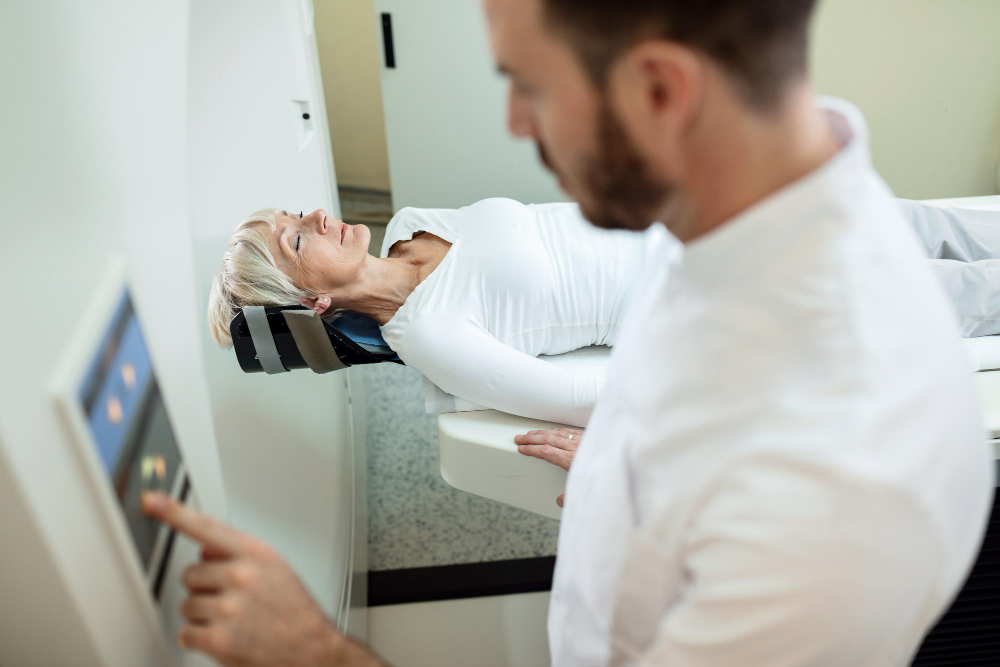
Proper placement of the CT Enteroclysis catheter is vital for accurate image quality and diagnosis. During the procedure, a thin tube is introduced into the small intestine through the nose or mouth to deliver the contrast solution. This solution helps distend the bowel loops, ensuring that even minor mucosal irregularities and wall thickening are visible.
The importance of CT Enteroclysis lies in its ability to detect subtle small bowel lesions, early-stage inflammatory changes, and post-surgical complications, which are often missed in routine abdominal scans. It’s a preferred imaging modality for gastroenterologists in Nashik when detailed small bowel evaluation is required.
Benefits of CT Scan Enteroclysis
CT Enteroclysis offers several advantages over conventional imaging tests:
-
Provides high-resolution cross-sectional images of the small intestine.
-
Detects inflammatory diseases like Crohn’s disease with early precision.
-
Helps in evaluating small bowel tumors, strictures, or fistulas.
-
Reduces the need for invasive exploratory surgery.
-
Quick procedure time and minimal patient discomfort.
-
Enables dynamic assessment of bowel motility and content flow.
Choosing Diagnopein Nashik ensures that the patient benefits from experienced radiologists, modern scanners, and safe contrast protocols designed for maximum comfort and clarity.
Testing Procedure and Parameters
The CT Enteroclysis procedure begins with preparation, where the patient may be asked to fast for 4–6 hours before the scan. A fine nasojejunal tube is gently inserted to deliver neutral contrast material into the small intestine. Once the bowel is adequately distended, CT scanning is performed in multiple phases with continuous image capturing.
Procedure Steps:
-
Pre-scan consultation and consent at Diagnopein Nashik.
-
Gentle insertion of a catheter or tube for contrast delivery.
-
Administration of neutral or low-density contrast agents.
-
CT scanning in supine and prone positions for optimal imaging.
-
Image reconstruction and interpretation by radiologists.
Standard Parameters:
-
Tube voltage: 120–140 kVp
-
Slice thickness: 1–2 mm
-
Contrast volume: 800–1200 mL of neutral solution
-
Scan duration: 15–25 minutes
-
Images taken in arterial and venous phases for enhanced diagnostic accuracy
Why Choose Diagnopein Nashik for CT Enteroclysis?
Diagnopein is one of the preferred diagnostics centers in Nashik offering advanced CT Enteroclysis with top-tier imaging resolution. Skilled radiologists ensure exact tube placement, personalized preparation, and expert result interpretation. The center maintains strict hygiene, guarantees minimal waiting time, and offers digital report delivery. Patients choose Diagnopein for its combination of technical excellence and compassionate care.