





Numbers of MRI
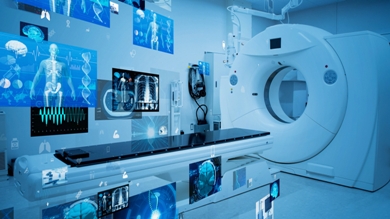
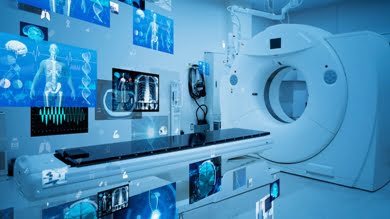
During an MRI scan, patients are typically placed inside a cylindrical machine and exposed to a combination of radio frequency pulses and electromagnetic fields. These signals create an overall picture of the body’s internal structures, which can be interpreted by specialized software or medical professionals. Though the scan itself is relatively simple, there are certain steps that must be taken before and after the procedure in order to ensure patient safety. For example, subjects must remove all metallic objects such as watches or jewelry before entering the MRI machine..


Numbers of MRI

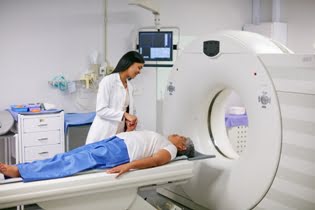
Numbers of CT Scan

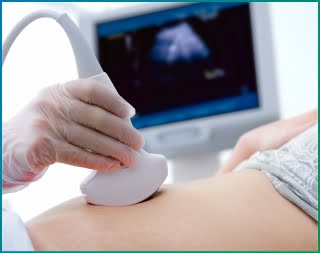
Numbers of Sonography

Numbers of Digital X-Ray
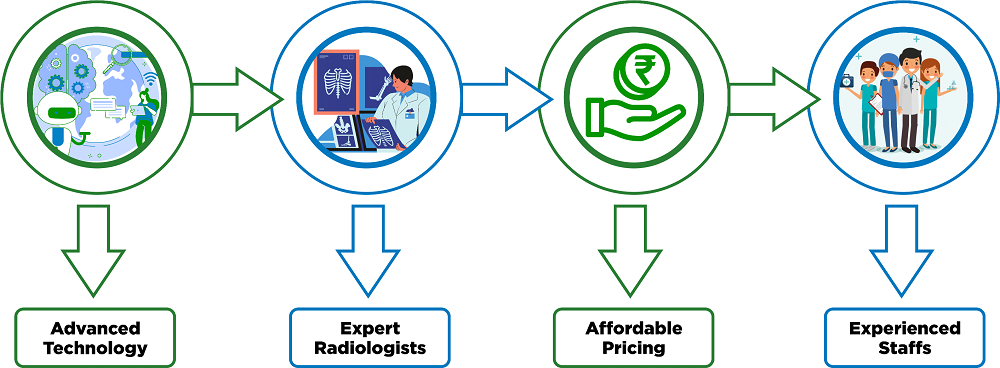
Preventive healthcare focuses on identifying risks before they become serious problems. Diagnostic imaging plays a key role in this process.
Visit Now: https://www.diagnopein.com/radiology-scans/Nagpur
Scans such as MRI, CT, ultrasound, and X-ray allow doctors to see internal organs without surgery. This makes diagnosis faster and more accurate.
MRI uses magnetic fields to create detailed images of soft tissues. It is commonly recommended for brain, spine, and joint issues.
Doctors often use MRI to detect tumors, ligament injuries, and neurological disorders.
CT Scan combine multiple X-ray images to produce cross-sectional views of the body. They are helpful in detecting internal injuries and infections.
CT scans are also used in emergency cases for quick diagnosis.
Ultrasound uses sound waves to create real-time images. It is widely used during pregnancy and for abdominal examinations.
This scan is safe, painless, and does not use radiation.
Digital X-Ray provide clear images with lower radiation exposure compared to traditional X-rays.
They are commonly used to detect fractures, chest infections, and dental problems.
Early diagnosis offers several advantages:
Faster treatment planning
Reduced medical expenses
Lower risk of complications
Better recovery outcomes
Peace of mind
When diseases are detected early, treatment becomes simpler and more effective.
Health screening is important for:
Individuals above 40 years
People with a family history of chronic diseases
Patients with diabetes or hypertension
Individuals experiencing unexplained symptoms
Those undergoing routine annual health checkups
Regular monitoring helps track changes in your health over time.
The frequency of tests depends on your age, medical history, and doctor’s recommendation.
Annual checkups are generally advised for adults. However, high-risk individuals may require more frequent evaluations.
Preparation varies depending on the type of scan. Some tests may require fasting, while others may need you to avoid certain medications.
Always follow your doctor’s instructions carefully to ensure accurate results.
Regular health checkups and diagnostic scans are essential for maintaining long-term health. They help detect conditions early and support timely treatment.
Investing in preventive healthcare today can protect you from serious complications tomorrow.
Both MRIs and CT scans can view internal body structures. However, a CT scan is faster and can provide pictures of tissues, organs, and skeletal structure. An MRI is highly adept at capturing images that help doctors determine if there are abnormal tissues within the body. MRIs are more detailed in their images.
Risks of the Procedure Because radiation is not used, there is no risk of exposure to radiation during an MRI procedure. However, due to the use of the strong magnet, MRI cannot be performed on patients with: Implanted pacemakers. Intracranial aneurysm clips.