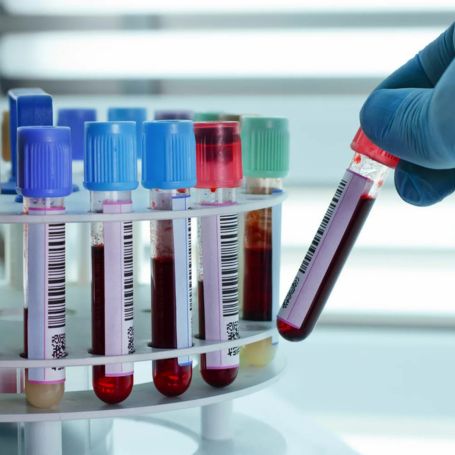
At Diagnopein Diagnostic Centre, Nashik, the TESTOSTERONE-TOTAL test is performed using advanced laboratory technology to ensure accurate and reliable results. Thi

The TESTOSTERONE-TOTAL test is a crucial blood test that measures the total amount of testosterone hormone present in the bloodstream. Testosterone is a primary sex hormone in males and also plays an important role in female health. The TESTOSTERONE-TOTAL test includes both free testosterone and testosterone bound to proteins such as sex hormone-binding globulin (SHBG).
The TESTOSTERONE-TOTAL test plays a vital role in diagnosing hormonal disorders and evaluating overall endocrine function. Abnormal testosterone levels can significantly affect physical, emotional, and reproductive health.
Low TESTOSTERONE-TOTAL levels in men may lead to fatigue, low libido, erectile dysfunction, infertility, depression, muscle loss, and reduced bone density. In women, abnormal TESTOSTERONE-TOTAL levels may cause irregular menstrual cycles, excessive hair growth, acne, or polycystic ovary syndrome (PCOS).
Doctors often recommend the TESTOSTERONE-TOTAL blood testto investigate conditions such as:
Hypogonadism
Infertility
Erectile dysfunction
PCOS
Delayed or early puberty
Hormonal imbalance
At Diagnopein Nashik, early detection through the TESTOSTERONE-TOTAL test helps in timely treatment and better health outcomes.
The TESTOSTERONE-TOTAL test offers multiple health benefits by providing clear insights into hormonal balance:
Early Detection of Hormonal Disorders
Identifies low or high TESTOSTERONE-TOTAL levels before symptoms worsen.
Fertility Assessment
Helps evaluate infertility causes in both men and women.
Sexual Health Monitoring
Assists in diagnosing low libido and erectile dysfunction.
PCOS Diagnosis in Women
Elevated TESTOSTERONE-TOTAL levels are commonly linked to PCOS.
Muscle and Bone Health Evaluation
Testosterone directly affects muscle mass and bone density.
Mental Health Support
Hormonal imbalances can influence mood, anxiety, and depression.
By choosing Diagnopein Diagnostic Centre, Nashik, patients benefit from accurate testing, quick reports, and professional guidance.
The TESTOSTERONE-TOTAL test is a simple and safe blood test.
Testing Procedure
A trained phlebotomist collects a blood sample from a vein in the arm.
The sample is analyzed in a certified laboratory.
Results are usually available within 24 hours.
Preparation for TESTOSTERONE-TOTAL Test
Fasting is generally not required.
Morning sample (between 7–10 AM) is preferred, especially for men.
Inform your doctor about any medications or hormone therapy.
At Diagnopein Nashik, strict quality control ensures accurate TESTOSTERONE-TOTAL test results with minimal discomfort.
The TESTOSTERONE-TOTAL test measures:
Total Testosterone Level
This includes:
Free Testosterone – biologically active
Bound Testosterone – attached to proteins
Normal Reference Range (may vary by lab)
Adult Males: 300 – 1000 ng/dL
Adult Females: 15 – 70 ng/dL
Abnormal TESTOSTERONE-TOTAL levels may indicate endocrine disorders, adrenal issues, or reproductive health problems. Doctors interpret results based on age, gender, and clinical symptoms.
The TESTOSTERONE-TOTAL test is recommended for:
Men with low energy or reduced sexual desire
Women with irregular periods or excessive hair growth
Couples facing infertility
Adolescents with delayed puberty
Individuals on hormone replacement therapy
If you are experiencing any hormonal symptoms, Diagnopein Diagnostic Centre, Nashik provides reliable and affordable TESTOSTERONE-TOTAL testing.
Diagnopein Nashik is a trusted name in diagnostic services, offering:
Advanced hormone testing technology
Accurate and quick TESTOSTERONE-TOTAL reports
Experienced laboratory professionals
Affordable pricing
Hygienic and patient-friendly environment
1. Total Testosterone

Test results for the Total Testosterone Test are generally available within 1 to 3 business days, allowing for timely discussion and management of any concerns.
Fasting is not typically required, but it is advisable to follow your healthcare provider’s instructions regarding diet and medications prior to the test.
It’s best to test testosterone levels in the morning when they are usually at their highest. Your healthcare provider can advise you on the best timing based on your specific circumstances.
Low testosterone levels may indicate hypogonadism or other underlying health issues, while high levels could suggest conditions like polycystic ovary syndrome (PCOS) in women or testosterone therapy misuse in men.