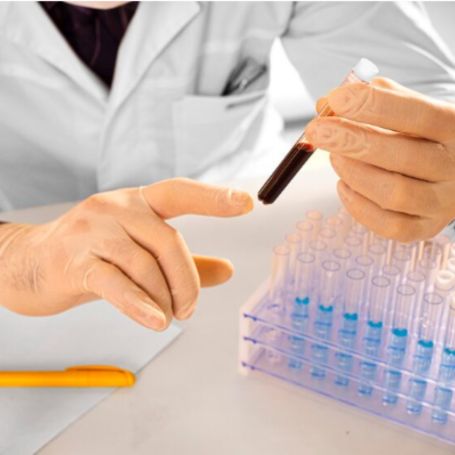
At Diagnopein Diagnostic Centre, Nashik, the RA-FACTOR (QUANTITATIVE) test in Nashik is performed using advanced laboratory techniques to ensure accurate and relia

The RA-FACTOR (QUANTITATIVE) test is a specialized blood test used to measure the exact amount of Rheumatoid Factor (RF) present in the blood. Rheumatoid Factor is an autoantibody commonly associated with autoimmune disorders, especially rheumatoid arthritis (RA). Unlike qualitative tests that only show positive or negative results, the RA-FACTOR (QUANTITATIVE) blood test provides precise numerical values, helping doctors assess disease severity and progression.
The RA-FACTOR (QUANTITATIVE) test plays a vital role in diagnosing autoimmune conditions. Elevated levels of rheumatoid factor are commonly seen in patients suffering from rheumatoid arthritis, Sjogren’s syndrome, and certain chronic infections.
why RA-FACTOR (QUANTITATIVE) is important:
Early Detection of Rheumatoid Arthritis
Measuring RF levels quantitatively helps identify autoimmune activity at an early stage, even before severe joint damage occurs.
Disease Severity Assessment
Higher RF levels may indicate more aggressive disease progression, helping doctors plan effective treatment strategies.
Monitoring Treatment Effectiveness
Regular RA-FACTOR (QUANTITATIVE) blood tests help track response to medications and therapies.
Differential Diagnosis
It helps distinguish rheumatoid arthritis from other inflammatory joint diseases such as osteoarthritis or gout.
Choosing a RA-FACTOR (QUANTITATIVE) test near you offers several health benefits:
Major Benefits:
Accurate numerical measurement of rheumatoid factor levels
Helps in early and confirmed diagnosis of rheumatoid arthritis
Useful in monitoring disease progression
Assists doctors in making personalized treatment plans
Non-invasive and quick blood test
Reliable results from Diagnopein Diagnostic Centre, Nashik
The RA-FACTOR (QUANTITATIVE) blood test is a simple and safe procedure carried out by trained professionals at Diagnopein Nashik.
Step-by-Step Testing Process:
Sample Collection
A small amount of blood is drawn from a vein in the arm using sterile equipment.
Laboratory Analysis
The blood sample is analyzed using immunoturbidimetric or similar advanced methods to quantify rheumatoid factor levels.
Result Reporting
Results are usually available within 24 hours, providing exact RF values.
Doctor Consultation
The results help physicians interpret disease presence and severity accurately.
The RA-FACTOR (QUANTITATIVE) test parameter measures the concentration of rheumatoid factor in the blood, usually expressed in IU/mL (International Units per milliliter).
Reference Range (May Vary by Lab):
Normal Range: Less than 20 IU/mL
Borderline: 20 – 40 IU/mL
High RF Levels: Greater than 40 IU/mL
You may be advised to take the RA-FACTOR (QUANTITATIVE) blood test if you experience:
Chronic joint pain or swelling
Morning stiffness lasting more than an hour
Family history of autoimmune diseases
Unexplained fatigue or weakness
Suspected rheumatoid arthritis
Diagnopein Nashik offers affordable and reliable RA-FACTOR (QUANTITATIVE) testing near you.
Diagnopein Diagnostic Centre, Nashik is trusted for accurate pathology services and patient-centric care.
Advanced laboratory technology
Experienced pathologists
Quick turnaround time
Affordable pricing
Hygienic and safe sample collection
Trusted diagnostic centre in Nashik
1. RF FACTOR (QUANTITATIVE)

The frequency of testing depends on your individual case and the recommendations of your healthcare provider. If you have been diagnosed with RA, your doctor may order the test periodically to monitor your condition and the effectiveness of your treatment.
Yes, it is possible to have RA even if your RF factor test is negative. This condition is known as seronegative rheumatoid arthritis. Other diagnostic tests and clinical evaluations are needed to confirm the diagnosis in such cases.
The test involves a simple blood draw, usually from a vein in your arm. The blood sample is then sent to a laboratory for analysis. The results are usually available within a few days.
No, fasting is not required before taking this test. You can eat and drink normally prior to the test unless your healthcare provider advises otherwise.