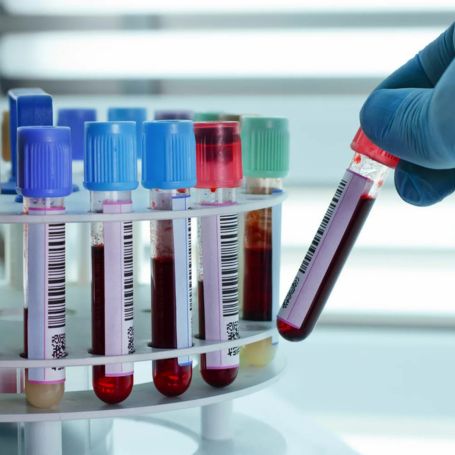
At Diagnopein Diagnostic Centre in Nashik, the LIPASE test is performed using advanced laboratory technology to ensure accurate and reliable results. This test is

The LIPASE test is a vital blood test used to measure the level of lipase enzyme in the blood. Lipase is mainly produced by the pancreas and plays a crucial role in digesting dietary fats. When the pancreas becomes inflamed or damaged, lipase levels rise significantly in the bloodstream. Therefore, the LIPASE blood test is widely used to diagnose and monitor pancreatic disorders, especially acute pancreatitis.
The LIPASE test is important because it provides early and precise information about pancreatic health. Elevated lipase levels are a strong indicator of acute pancreatitis, making this test more specific and reliable than amylase testing in many cases.
Timely detection through a LIPASE blood test helps doctors start early treatment, reducing the risk of complications such as pancreatic necrosis, infection, or chronic pancreatitis. The test is also useful in monitoring ongoing pancreatic conditions and assessing recovery after treatment.
At Diagnopein Nashik, the LIPASE test is trusted by physicians for its accuracy and quick reporting, helping patients receive faster diagnosis and care.
The LIPASE test offers several clinical and diagnostic benefits:
Early detection of pancreatic disorders such as acute and chronic pancreatitis
Helps differentiate pancreatic pain from other abdominal conditions
Useful for monitoring disease progression and response to treatment
More specific to pancreas compared to other enzyme tests
Requires a simple blood sample, making it quick and minimally invasive
Choosing Diagnopein Diagnostic Centre, Nashik, ensures professional sample collection, accurate testing, and timely reports for better health decisions.
The LIPASE test is a simple blood test. A trained phlebotomist collects a blood sample from a vein in the arm under sterile conditions. The sample is then analyzed in a certified laboratory to measure lipase enzyme levels.
Preparation for LIPASE Test:
Fasting for 8–10 hours may be advised
Inform your doctor about ongoing medications
Avoid alcohol before the test for accurate results
At Diagnopein Nashik centre, home sample collection may also be available for patient convenience.
The LIPASE test measures the concentration of lipase enzyme in blood.
Normal Range: Typically 0–160 U/L (may vary by laboratory)
High LIPASE levels: Suggest acute pancreatitis, pancreatic injury, gallstones, kidney disease, or alcohol-related damage
Low LIPASE levels: May indicate chronic pancreatic damage or cystic fibrosis
Doctors interpret LIPASE test results along with symptoms and imaging studies for accurate diagnosis.
The LIPASE test is recommended for individuals experiencing:
Severe or persistent upper abdominal pain
Nausea and vomiting
Fever with abdominal tenderness
History of alcohol consumption
Suspected pancreatic disease
If you are advised by a doctor, get your LIPASE blood test in Nashik at Diagnopein for reliable diagnostic support.
1. Lipase

In some cases, your doctor may ask you to fast before the test. However, this is not always necessary, so it’s best to follow your doctor's instructions.
High lipase levels can indicate pancreatitis, gallstones, pancreatic cancer, or other digestive issues.
The test is simple and involves drawing a small sample of blood, usually from a vein in your arm.
A "lipase test" measures the levels of lipase enzyme in your blood to diagnose or monitor conditions affecting your pancreas.
The "lipase normal range" is usually between 10 to 140 units per liter (U/L) of blood. Consult your doctor if your levels fall outside this range.
Both enzymes help with digestion, but "amylase" breaks down carbohydrates, while "lipase" focuses on breaking down fats. A combined "amylase lipase test" may be ordered to provide a fuller picture of your digestive health.